The Gulf in 2020 faces many questions, few answers
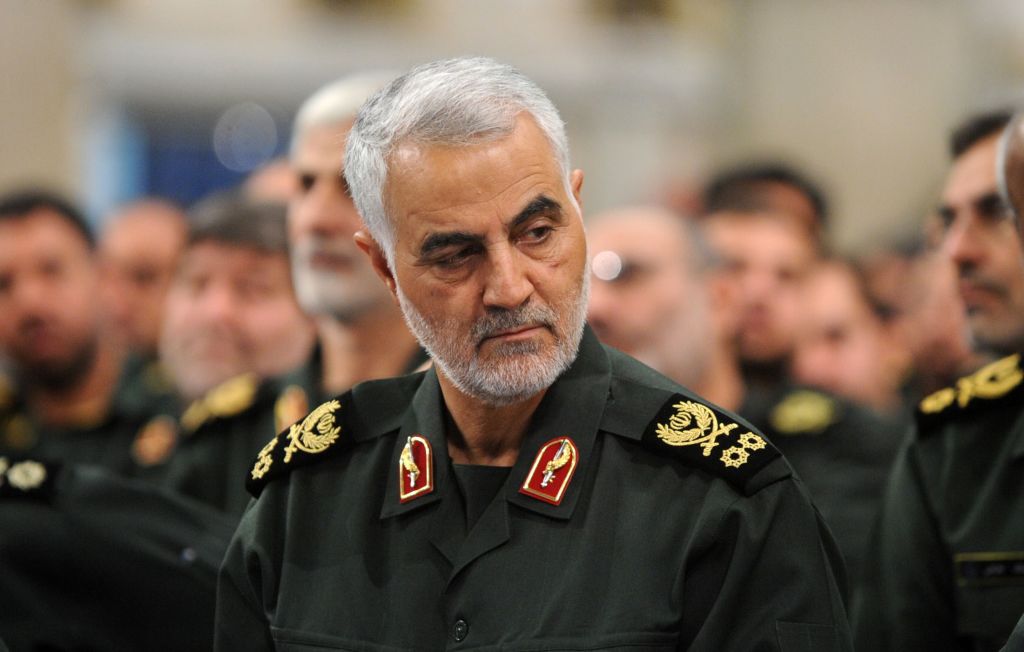
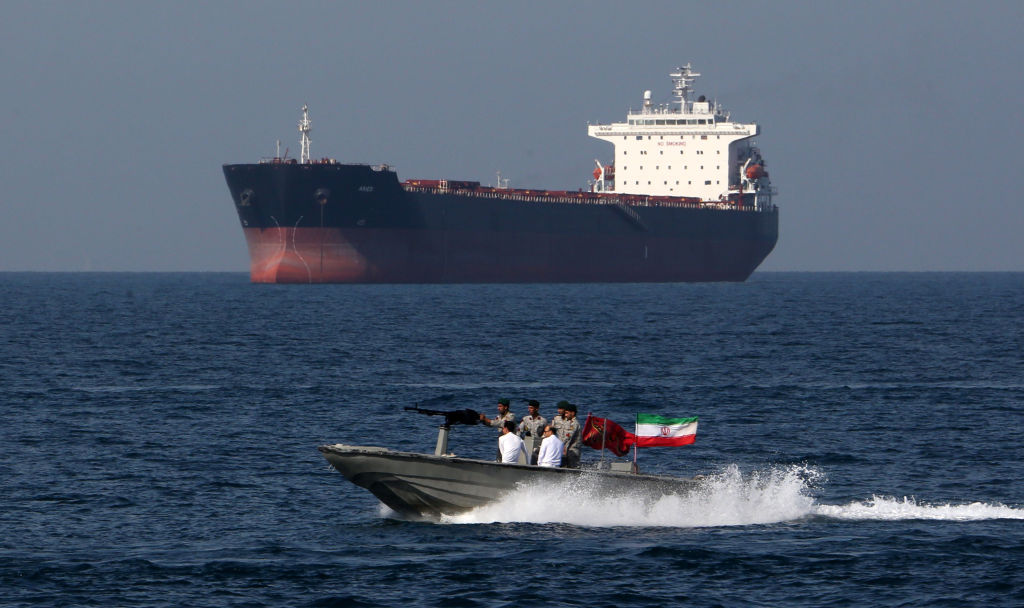
Thus far, the reaction to Soleimani’s assassination among the Gulf states has been cautious.
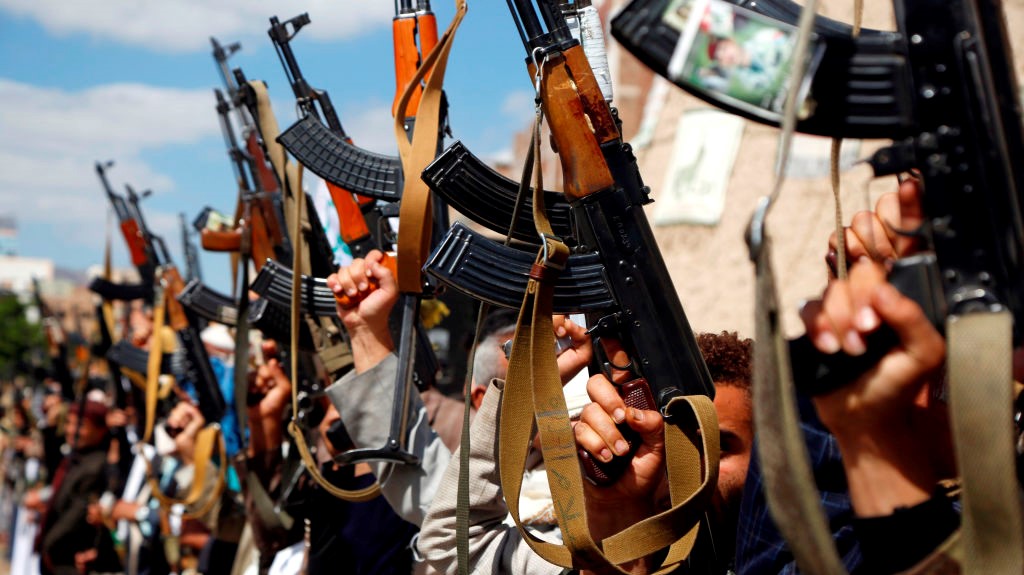
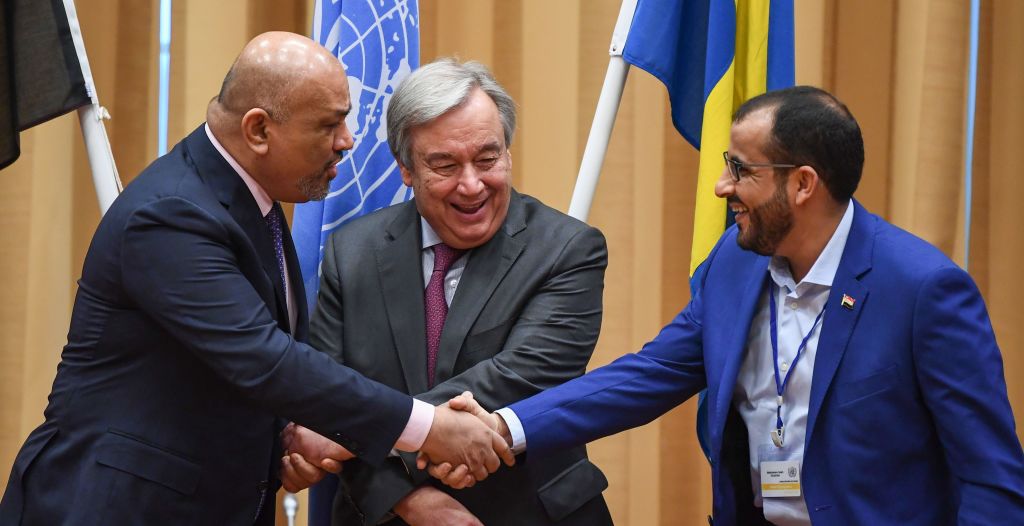
Delays in achieving a peace deal will have consequences throughout Yemen, especially if the Houthi’s power remains unchecked.
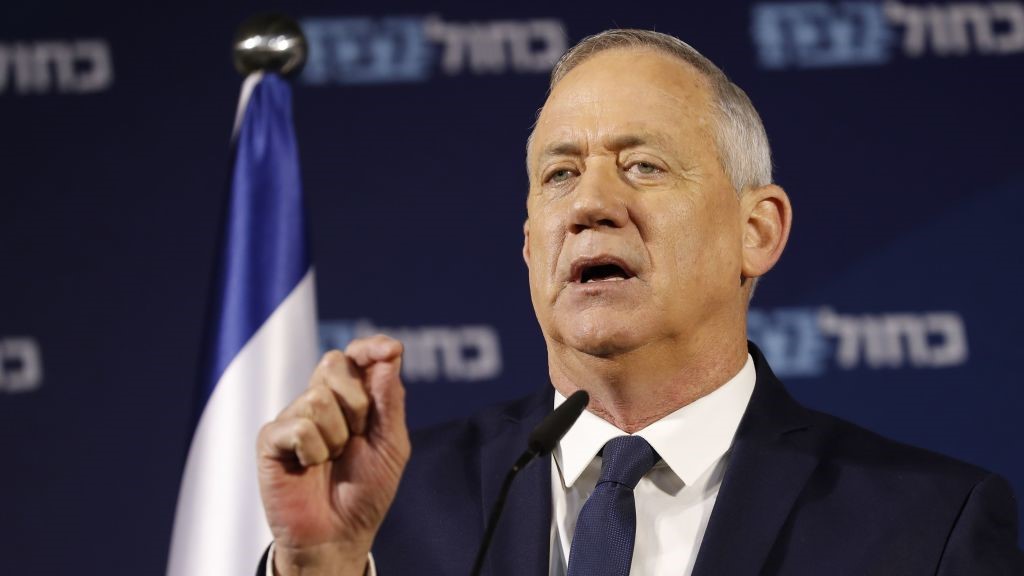
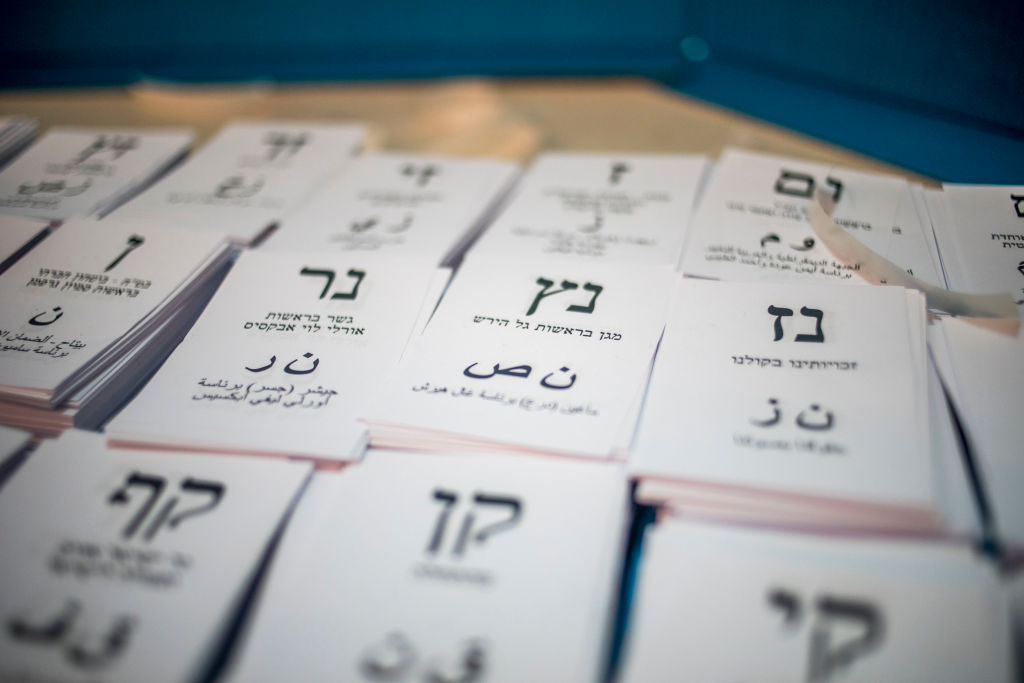
Politically Netanyahu seems to be about as popular as before his long-awaited indictment, which portends another inconclusive election and a political system unable to break the deadlock.
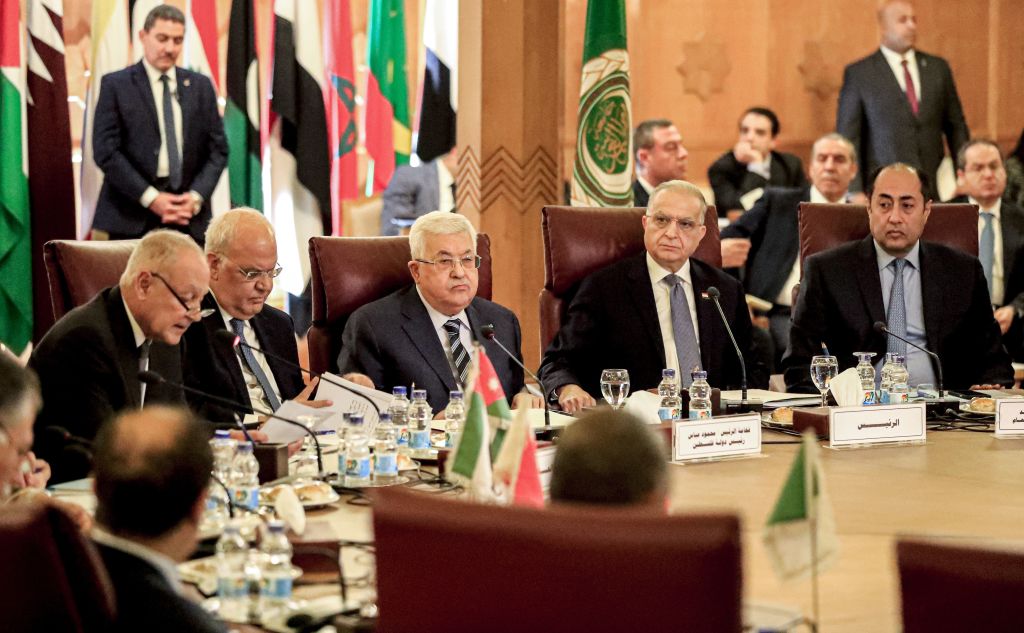
Holding long overdue elections for the Palestinian presidency and the legislative arm of the Palestinian Authority could be a step toward redressing the Fatah-Hamas conflict.
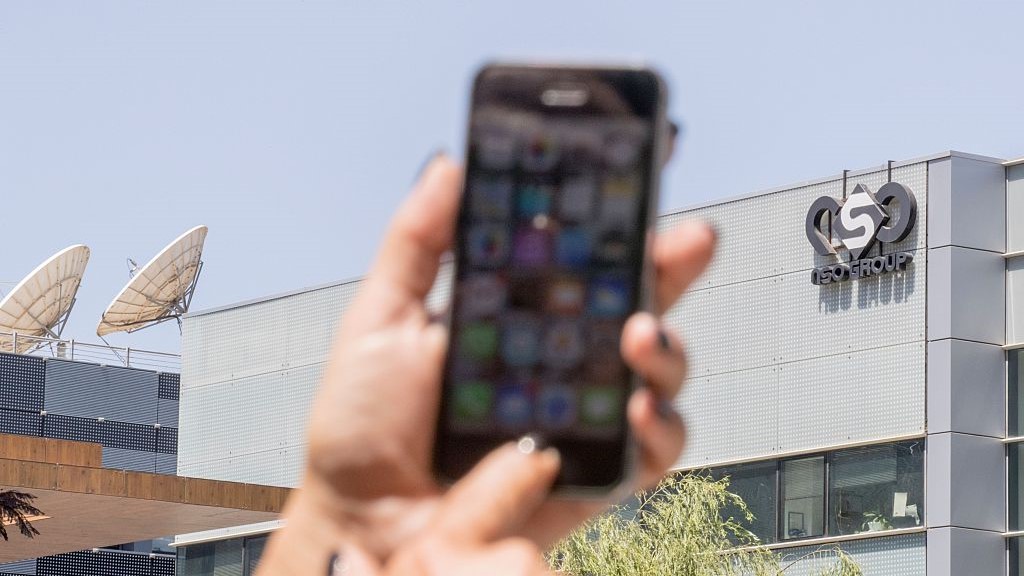
Neither encryption nor hacking tools are new, but 2019 has seen pointed scrutiny and rancor over both.
Since 2017 three separate blocs have emerged within the Gulf. Driven by the region’s divisions, rival power centers, and conflicting interests, the Gulf states are playing an ever-greater role in Palestinian affairs.
The steps the Saudis have taken in 2019 may help to ease international pressure on the kingdom’s leadership and restore its image as a constructive player in the world.
The main — perhaps only — issue in Israeli politics now is the future of Netanyahu.
Given their territorial proximity, the regional actors of the Middle East have always had an interest in Georgia and the South Caucasus as a window to Europe. The collapse of the Soviet Union brought an end to Georgia’s isolation, and in the years since the country has gradually started reclaiming its historical role as a cultural and economic crossroads between Asia, the Middle East, and Europe.
The subject of extensive international interest and attention over the past few years, blockchain technology is regarded as a key component of the fourth industrial revolution. This article seeks to shed light on the use of blockchain technology in the Gulf states by analyzing current trends of blockchain adoption in the region compared to those internationally. In so doing, it will determine Gulf institutions’ capacity for keeping pace with the changes and developments blockchain adoption has introduced.
The leaders of the six GCC member states will meet in Riyadh on Dec. 10 amid signs that the 30-month-old confrontation with Qatar by the self-described “Anti-Terror Quartet” is diminishing.
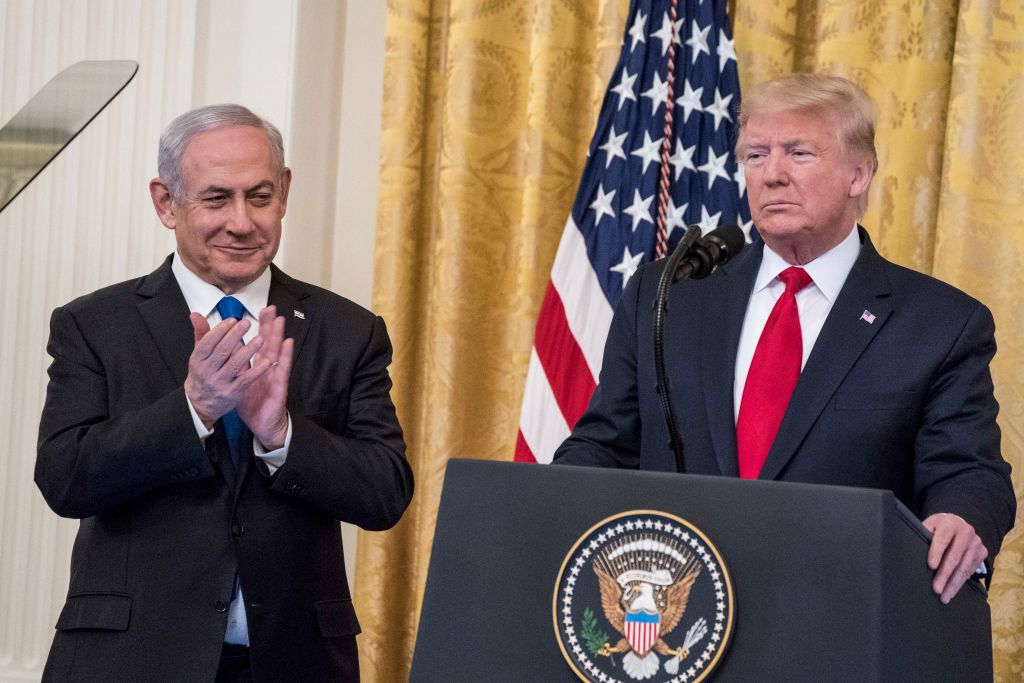
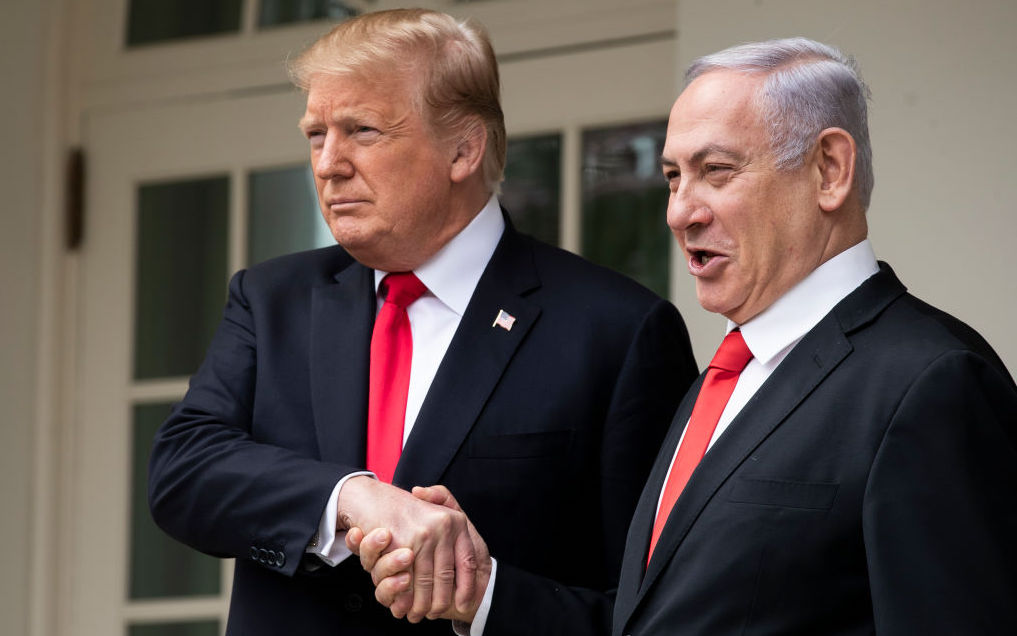
Attempts by the indicted Israeli leader to railroad through a joint U.S.-Israel defense treaty in opposition to the Palestinians and other Arabs will be disastrous for America’s national interest.
The 12-country Gas Exporting Countries Forum (GECF), which held its latest meeting in Equatorial Guinea on Nov. 28, has never had OPEC’s ability to control energy prices, but that is likely to change as liquefied natural gas (LNG) transforms the gas market from a regional to a global one.
It is clear that the Israeli political system has reached a peak in terms of the challenges it faces: two elections campaigns to date this year have not led to conclusive results and a third round may be right around the corner.
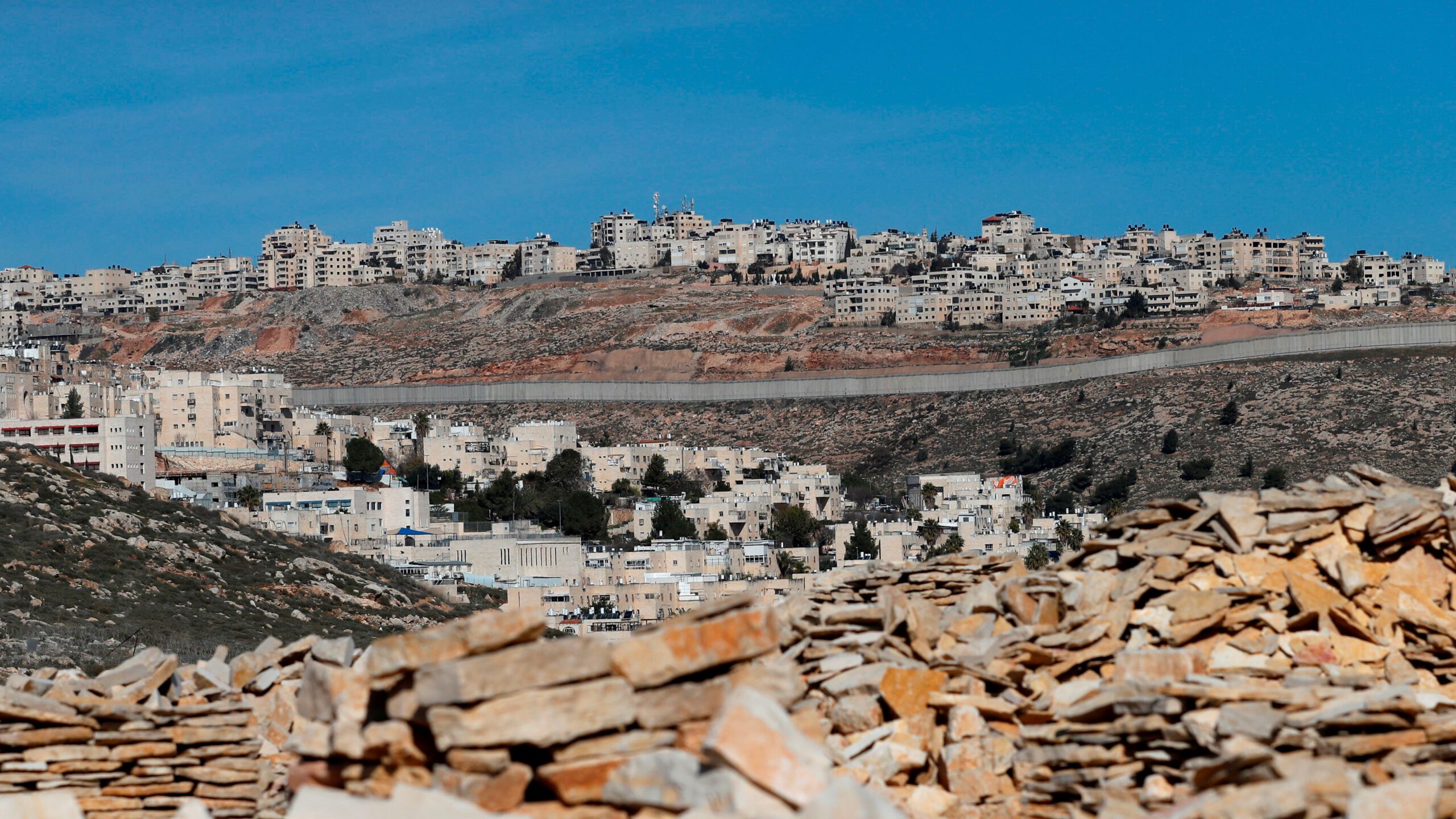
It is not always recognized that Secretary of State Mike Pompeo’s Nov. 18 declaration that Israeli “settlements are not inconsistent with international law” was primarily political, not diplomatic, designed for domestic American consumption as part of the president’s reelection campaign. Secondarily, it was intended to strengthen Israeli Prime Minister Benjamin Netanyahu’s hand in the current coalition negotiations and/or the likely upcoming Knesset election, if coalition negotiations fail. Third on the list, almost an afterthought, is the effect on the Palestinians, whose future state’s boundaries it purports to impact.