Can the Hodeidah offensive open the door to dialogue?
With the Saudi-led coalition’s offensive operations against the strategic port and city of Hodeidah stalled, eyes are now on UN Special Envoy Martin Griffiths as he attempts to negotiate a political resolution. Fatima al-Asrar, senior analyst at the Arabia Foundation, and Sama’a al-Hamdani, director of the Yemen Cultural Institute for Heritage and the Arts, join guest host Gerald Feierstein to assess the state of the four-year-old Yemen conflict and its impact on the Yemeni people.
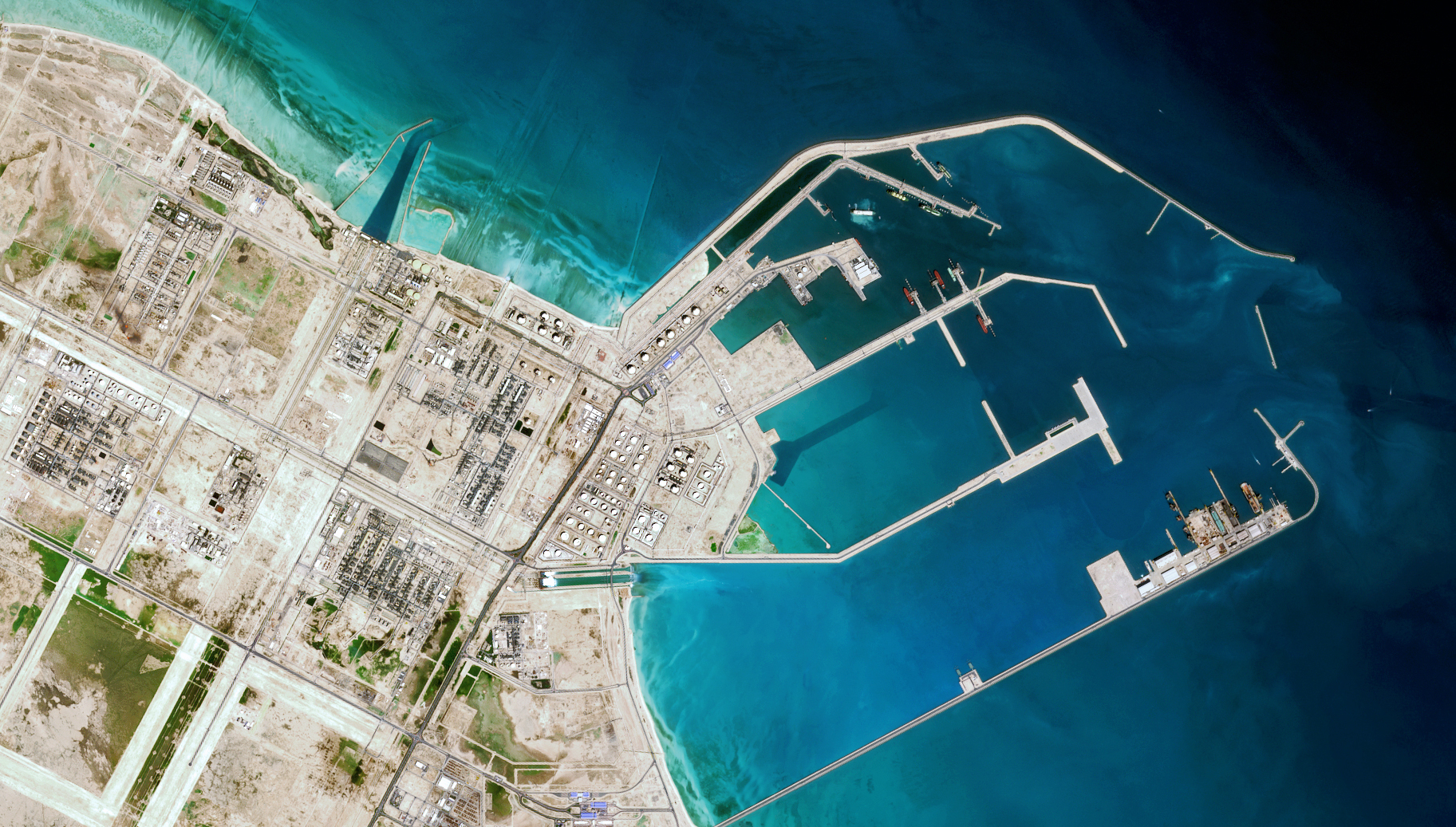
Even though energy production and exports are the lifeblood of all Arab states in the Gulf, the present crisis between Qatar on the one hand and Saudi Arabia, the United Arab Emirates, Bahrain, and Egypt on the other has had very little influence on the economics of oil and gas either internationally or within the region. However, the countries involved have a lot to gain from a resolution of the conflict, particularly if it leads to greater energy market integration.
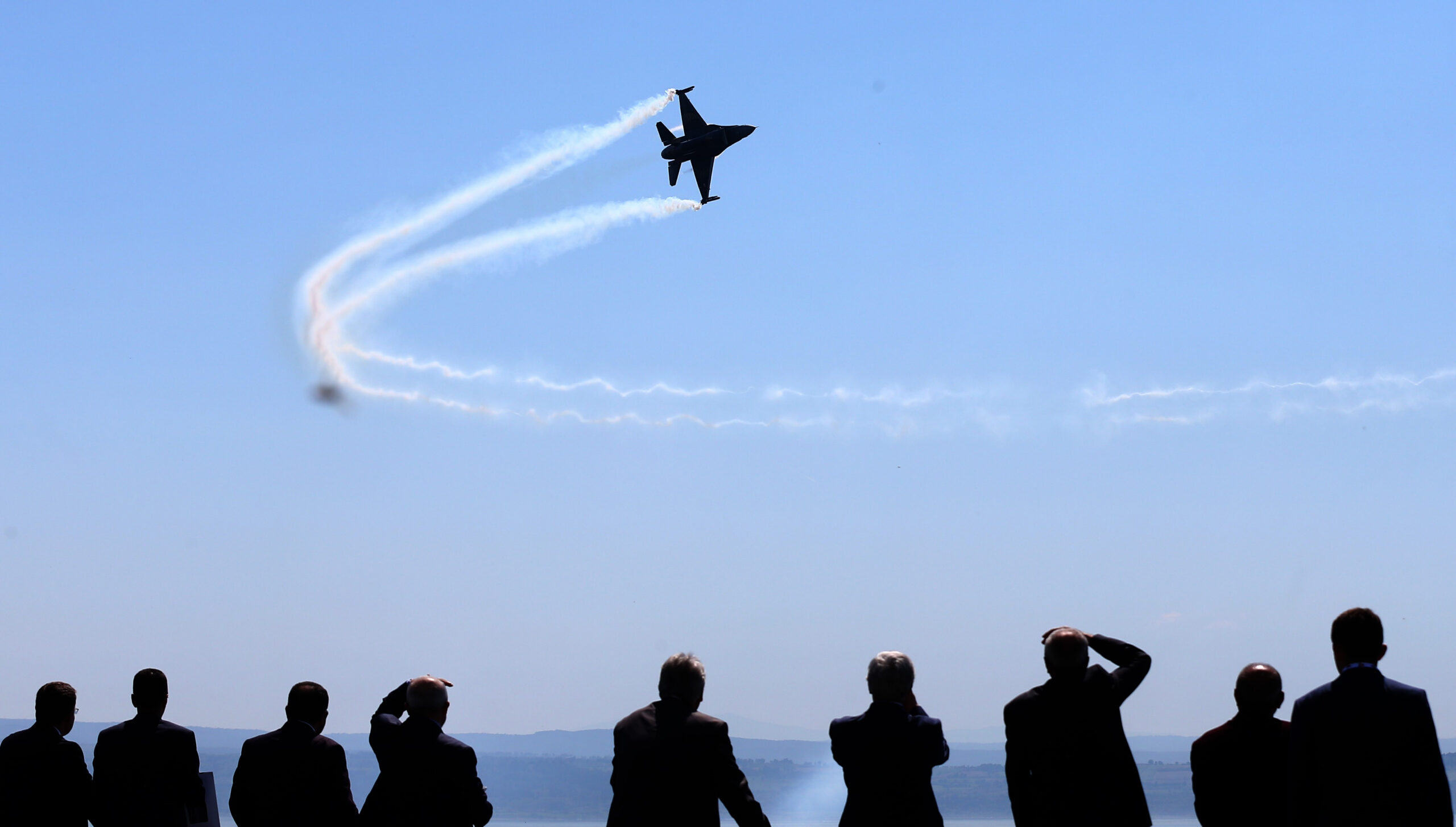
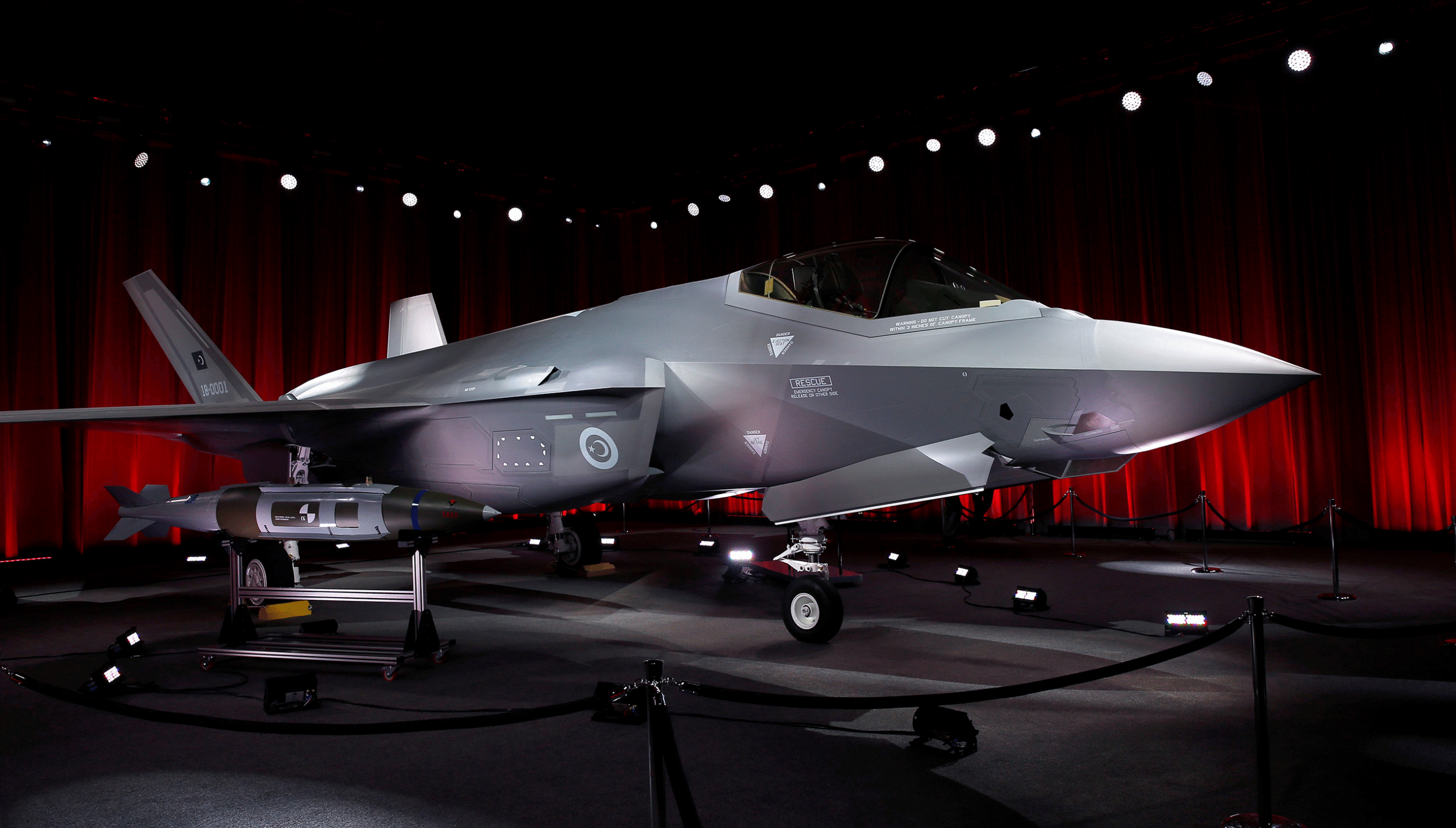
The fighter jet that could break US-Turkey defense relations
On Jun. 18, the U.S. Senate voted for the National Defense Authorization Act (NDAA), which proposes blocking the delivery of F-35 combat aircraft to Turkey and advises the removal of Turkey from the 20-year-old international program for joint production of F-35s. This motion was preceded by a May 25 vote in the U.S.
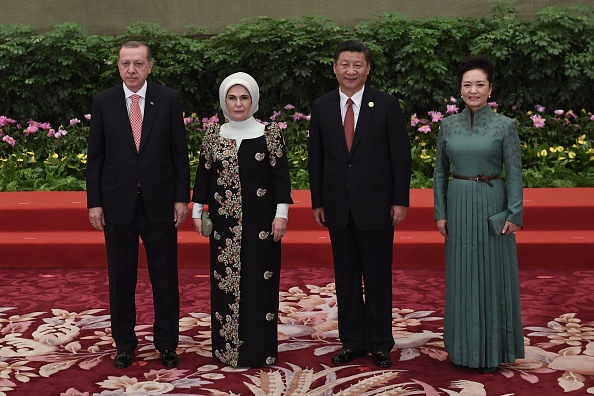
China’s Belt and Road Initiative (BRI) and Turkey’s Middle Corridor: “Win-Win Cooperation”?
The launching of the Belt and Road Initiative (BRI) and the Middle Corridor have provided wider scope and greater potential for China, now the world’s second-largest economy and Turkey, a G20 member, to develop more extensive bilateral trade and investment ties and further advance their respective regional and global aspirations. This article examines the headway that China and Turkey have made and the roadblocks that they have encountered in enhancing their economic relations.
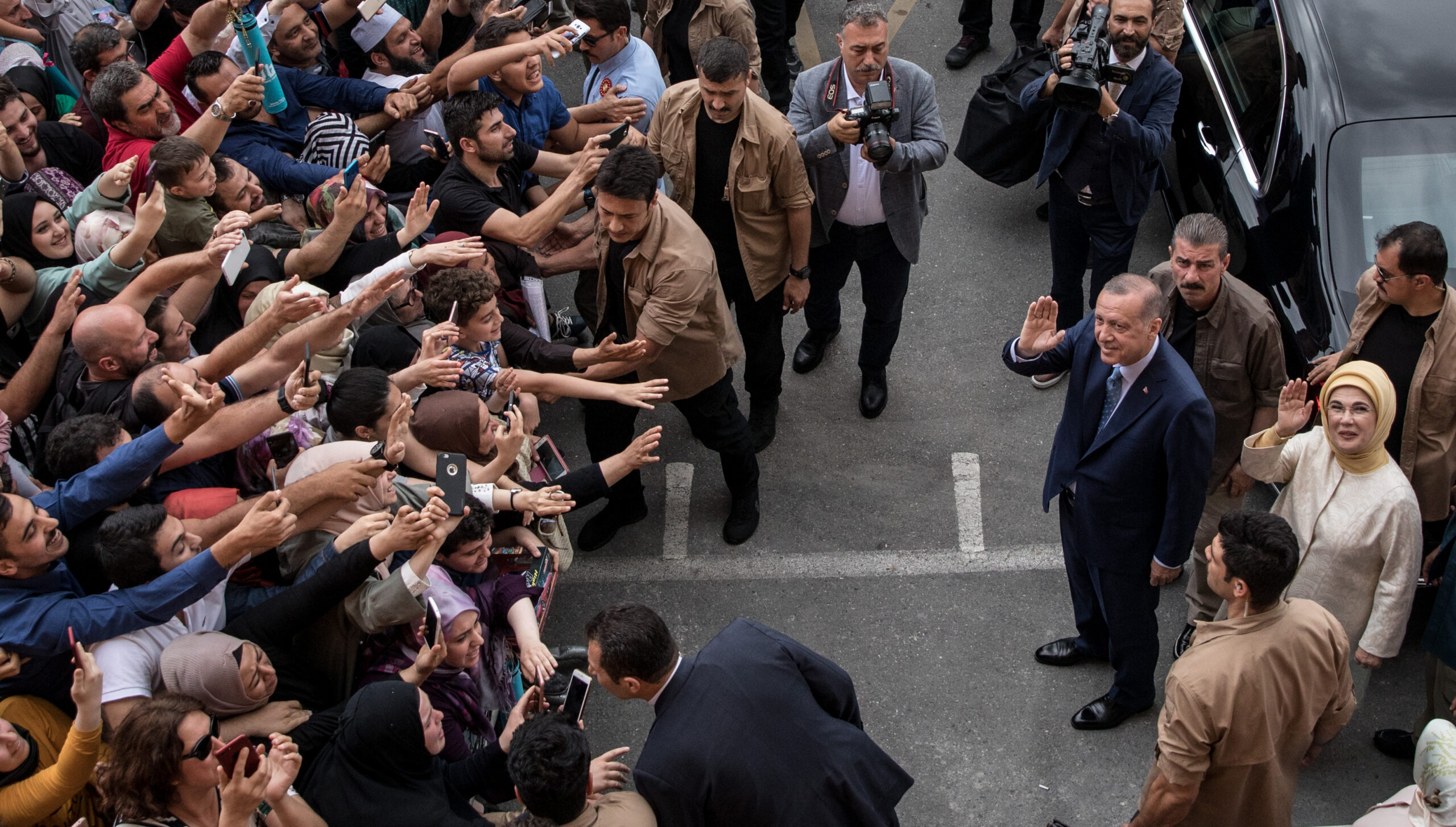
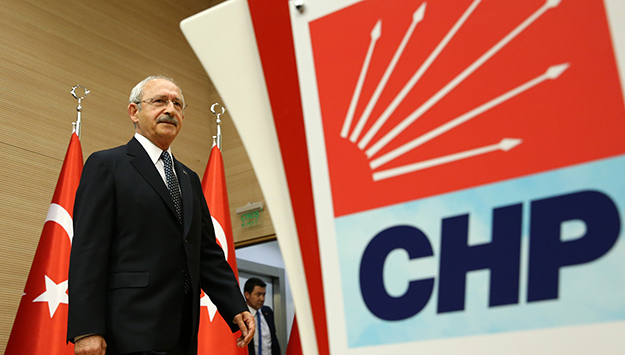
Turkey’s President Recep Tayyip Erdogan claimed victory in critical presidential and parliamentary elections on Sunday. The vote grants him five more years in office as well as unprecedented powers in a powerful presidential system. His critics had hoped that this time they had a real shot at defeating the strongman. The notoriously fractured opposition had united to deny the ruling party a parliamentary majority. The main opposition, the Republican People’s Party (CHP), had fielded a firebrand candidate who was determined to reach out well beyond the party’s secularist, nationalist base.
In this week’s Monday Briefing, MEI experts Bilal Y. Saab, Randa Slim, and Gerald Feierstein provide analysis on recent and upcoming events including Washington’s concerns about F-35 sales to Turkey, Iraq’s vote recount amidst mounting violence, and the king of Jordan’s visit to the White House to discuss Trump’s Israeli-Palestinian peace plan.
Worries of economic downturn loom large as Turkish voters head into a critical election for the president and members of parliament on June 24. MEI’s Gonul Tol and W. Robert Pearson join host Paul Salem to analyze the myriad issues facing voters, and the prospects for President Recep Tayyip Erdoğan and his ruling AK party.
The battle for Hodeida and the humanitarian crisis in Yemen
Aid groups are warning that a major offensive underway to capture the strategic port of Hodeida could make Yemen’s humanitarian crisis even worse. Basma Alloush (Norwegian Refugee Council), Farea Al-Muslimi (Sana’a Center for Strategic Studies), and Gerald Feierstein (MEI), join host Paul Salem to assess the situation.
The Manbij deal and the state of US-Turkish cooperation in Syria
Can a deal to withdraw U.S.-backed Kurdish forces from the contested Syrian town of Manbij help to break the tension between opposing Turkish and American strategies in Syria? MEI’s Gonul Tol and Charles Lister join host Paul Salem to discuss.
Europe has little wiggle room to keep Iran deal alive | Monday Briefing
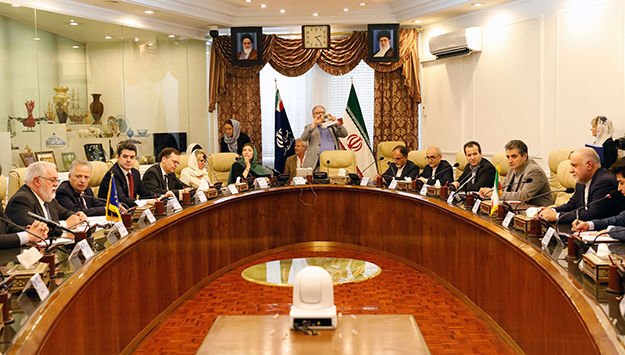
In this week’s Monday Briefing, MEI experts Ahmad Majidyar, Alex Vatanka, Jean-François Seznec, Gerald Feierstein, Marvin G. Weinbaum, Gonul Tol, and Randa Slim provide analysis on recent and upcoming events including Europe’s scramble to salvage the Iran nuclear deal following the U.S. withdrawal, Iran’s response to Russia’s call for all foreign forces to leave Syria, a meeting by Saudi Arabia, the UAE and Russia to discuss the impact of new U.S. sanctions on Iran, the arrest of women’s rights activists in Saudi Arabia, new political tensions in Pakistan, a push in the U.S.
Trump’s Jerusalem decision destabilizing West Bank and Gaza | Monday Briefing
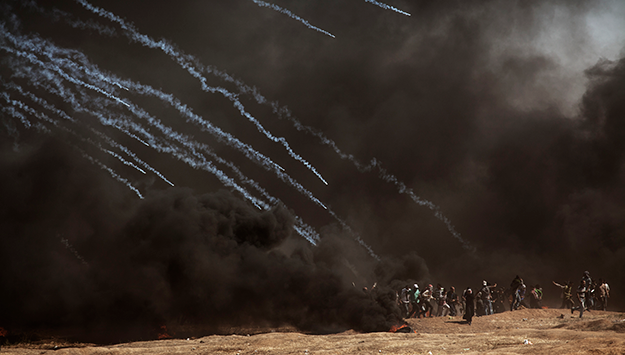
In this week’s Monday Briefing, MEI experts Nathan Stock, Alex Vatanka, Ruba Husari, and Gonul Tol provide analysis on recent and upcoming events including the fallout from President Trump’s decision to recognize Jerusalem as Israel’s capital, Iran’s diplomatic efforts with Europe to keep the nuclear deal alive, how Iran’s other trading partners are responding to U.S. warnings of sanctions, and Britain’s efforts to cultivate closer ties with Turkey.
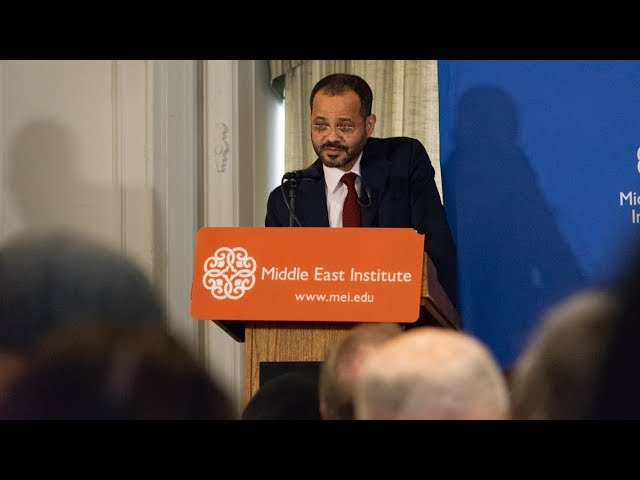
In a region beset with conflicts, Oman has served as a valued intermediary in foreign relations, including as a facilitator in U.S.-Iranian contacts that led to the Iran nuclear deal. How is it managing its delicate diplomatic balancing act as it works to mediate the Yemen civil war and the dispute between Qatar and other GCC states? Sayyid Badr bin Hamad al-Busaidi, secretary general of Oman’s ministry of foreign affairs, joins guest host Gerald Feierstein to discuss.
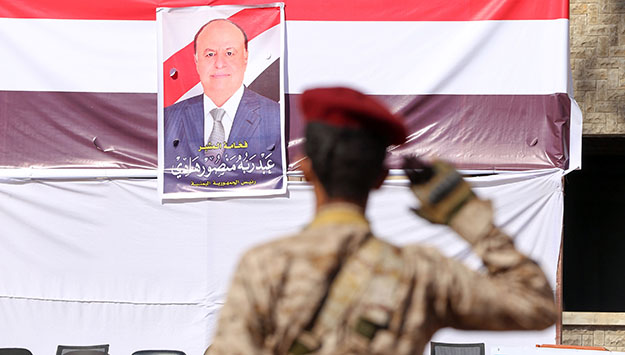
A ray of hope for Yemen finally appeared on Apr. 17 when Martin Griffiths, the new U.N. special envoy to Yemen, announced that he will put in place a framework for new talks within two months. However, a string of resignations and revelations in the Yemeni government raises questions about Hadi’s leadership of the anti-Houthi forces.
In the midst of a series of diplomatic crises in the Gulf region, Oman stands out as a widely-respected regional mediator. The small country has remained neutral and facilitated economic transactions between Qatar and other GCC countries. The Sultanate has used its balanced relationships with all of the major parties both within and outside Yemen to work towards resolving the Yemen conflict. While managing these delicate diplomatic tensions, Oman has also led working groups in China and India on bilateral economic ties as well as maintained cordial relations with Iran.
Turkey is going to the polls, again. On Apr. 18, President Recep Tayyip Erdogan called for snap elections, bringing forward presidential and parliamentary polls scheduled for November 2019 to this June. The vote will seal the country’s transition from a parliamentary system to a supercharged executive presidency. If Erdogan wins, many think it will be the final nail in the coffin of Turkish democracy. Should Erdogan lose, he will lose more than his grip on power. Stakes are high and all parties are bent on fighting tooth and nail.