Unfinished business will drive the Mideast agenda in 2026
Following another year of pivotal developments and transformational change, the Middle East could be poised to turn the page on many of its long-running conflicts and sources of instability. But lasting fruits of the processes begun in 2025 will require a determined, intentional focus by regional actors and the United States. Given current trends, MEI experts weigh in on where the region may be headed in 2026.
What does Trump’s new National Security Strategy mean for the Middle East?
In this episode, MEI Distinguished Diplomatic Fellow Ambassador David Hale joins host Alistair Taylor to unpack the Trump administration’s new National Security Strategy (NSS). Released on December 4, the document outlines the administration’s foreign policy vision, priorities, and approach to global challenges. Ambassador Hale analyzes the new NSS and how it compares to previous US strategy documents. The conversation focuses on what the NSS means for the future of US policy in the Middle East, and how it is likely to be received by regional actors.
The Methods and Means of Greenfield Direct Investment Between China and the GCC States
This article examines the changing volume and allocations of investment flows between China and the Gulf Cooperation Council (GCC) states over the last two decades, roughly from 2003 to the present.
Trump-MBS summit: Good feelings, real commitments, and unresolved questions
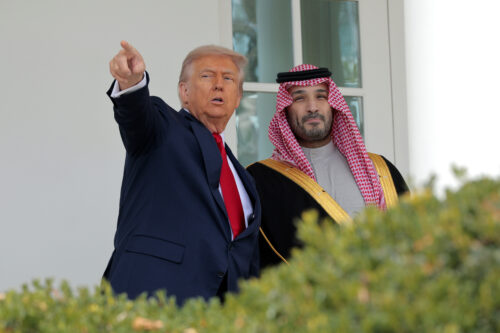
Mohammed bin Salman, the crown prince, prime minister, and main decision-maker in Saudi Arabia, left Washington and his summit with President Donald Trump with a number of promises made and commitments received. But several questions, including on shared diplomatic agenda items, the extent of civilian nuclear cooperation, and the nature of the American defense commitment to Saudi Arabia, remain unanswered.
Special Feature: A Front-Row Seat to Saudi Arabia’s Transformation
In this episode, Brian sits down with Faisal Abbas, editor-in-chief of Arab News. Abbas, who reported on Saudi Crown Prince Mohammed bin Salman’s November 18 visit to the White House, unpacks his impressions from the visit and the opportunities it presents for US-Saudi relations. The conversation also explores the Kingdom’s transformation over the past decade, its relationships with key partners including the United States, and Abbas’s recommendations for deepening the US-Saudi partnership going forward.
MENA Energy Recap, Q3-2025: Gulf Giants Abroad, Fragile Deals at Home
The MENA Energy Recap is a quarterly review of key energy developments that took place in the region from July through September of 2025 and what they signal in the months ahead. The Recap views these developments through the lens of policy and strategy, energy security, and markets.
How Iraq’s vote will shape the next phase of US-Iran competition
For Iran, Iraq is strategic depth, political sanctuary, and economic lifeline all at once. The results of the November 11 Iraqi elections will decide who in Baghdad controls the budgetary levers, internal security appointments, and committees that could codify, or constrain, Iraq’s Iran-backed militias.
On November 18, Saudi Crown Prince Mohammed
bin Salman (MBS) is scheduled to make his first trip to Washington since 2018. President Donald Trump has doubled down on the Gulf from the outset of his second term, making Riyadh his first planned overseas trip and reorienting ties around major artificial intelligence (AI) and investment deals. MBS’s visit will test whether both sides can translate ambitious pledges into concrete outcomes. Significant upgrades in defense and security are expected, with movement possible on semiconductor sales and nuclear cooperation. Behind the ambitions, harder questions about Saudi-Israeli normalization and alignment in a rapidly changing region loom as important Oval Office topics.
Morocco-Algeria: The case for ambitious reconciliation
On October 31, the United Nations Security Council passed a resolution centering Morocco’s autonomy plan as the basis for resolving the Western Sahara conflict. The UN vote and comments from United States Special Envoy Steve Witkoff suggest President Donald Trump wants another headline foreign policy “peacemaking” win. But the opportunity for the Trump administration is bigger than just resolving the Western Sahara issue. It could unlock an opportunity for Morocco-Algeria reconciliation that could integrate the wider Maghreb economy, reduce migration into Europe, expand energy cooperation, and enable stronger Sahel counter-terrorism coordination.
The legitimacy trap: How international institutions sustain the Houthis’ hold on Yemen
For years, the prevailing assumption was that the Houthis’ survival depended on battlefield victories and Iranian support. Both are essential, but there is a third critical and often overlooked factor: the weaponization of international engagement. In a pattern that continues to repeat itself, engagement without accountability strengthens rather than moderates Houthi behavior.
Priority policies for an economic recovery in Lebanon
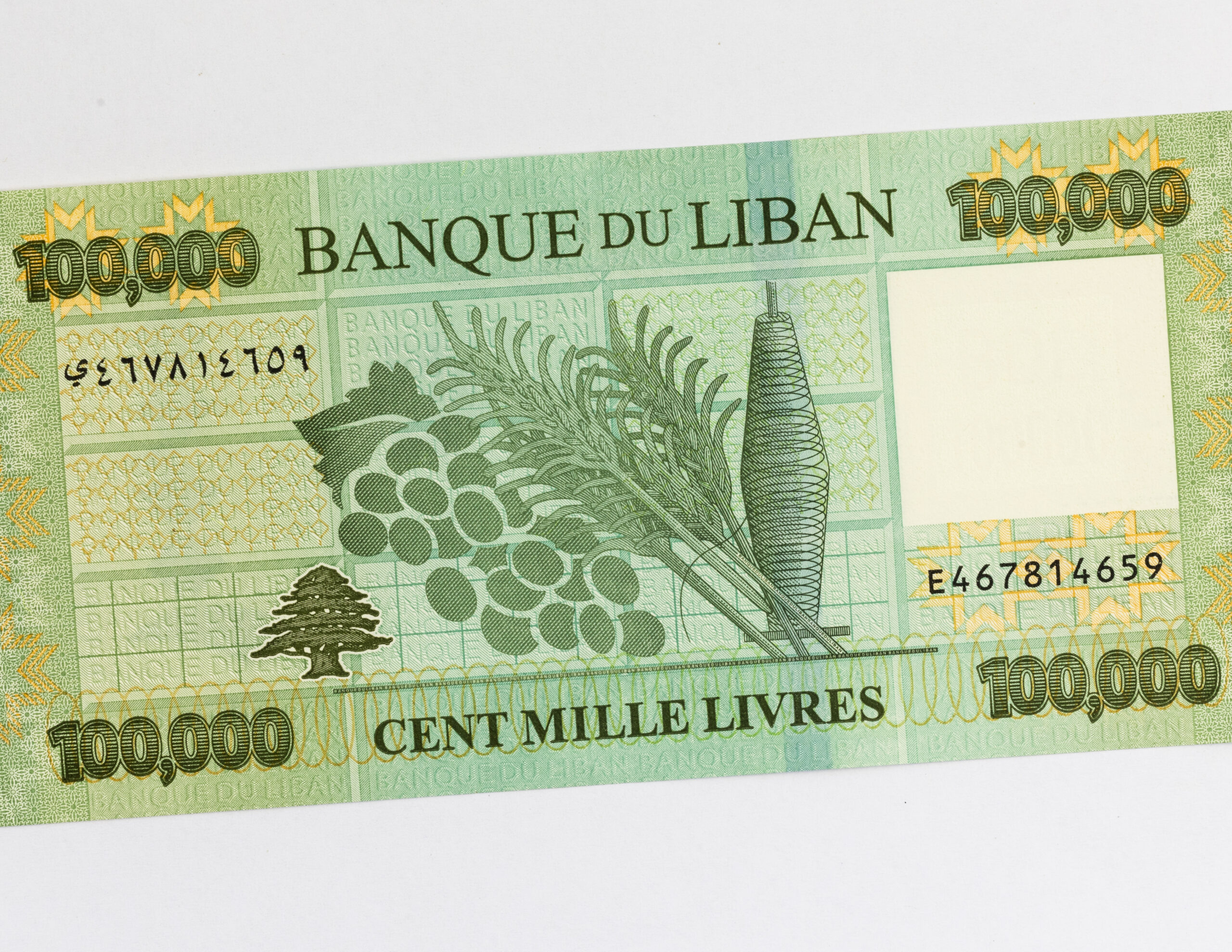
The current government in Lebanon is keen to encourage financial recovery and find a new path to economic growth. A thorough understanding of the causes behind the country’s recession and the factors constraining a recovery are necessary to shape policy priorities. These are also important as an input into the discussions of the 2026 budget and to the ongoing negotiations with the International Monetary Fund (IMF). Using the wrong framework for these decisions could yield low economic growth, which would be harmful for a quick and decisive economic recovery. Conversely, improved economic outcomes and broad buy-in, following public consultations, will ease the implementation of politically difficult reforms. Thus, policymakers must take great care to develop a narrative about how to achieve progress in the short and medium terms that is adjusted to local circumstances.
Restoring both domestic and international confidence in the Lebanese government will ultimately depend on taking tangible steps towards economic revival. This article presents key policy options to achieve this result, including rebuilding trust through improved governance and judicial reforms, investing in digital infrastructure, driving sustainable growth via regional integration and innovation, and balancing economic revival with sovereign debt restructuring.
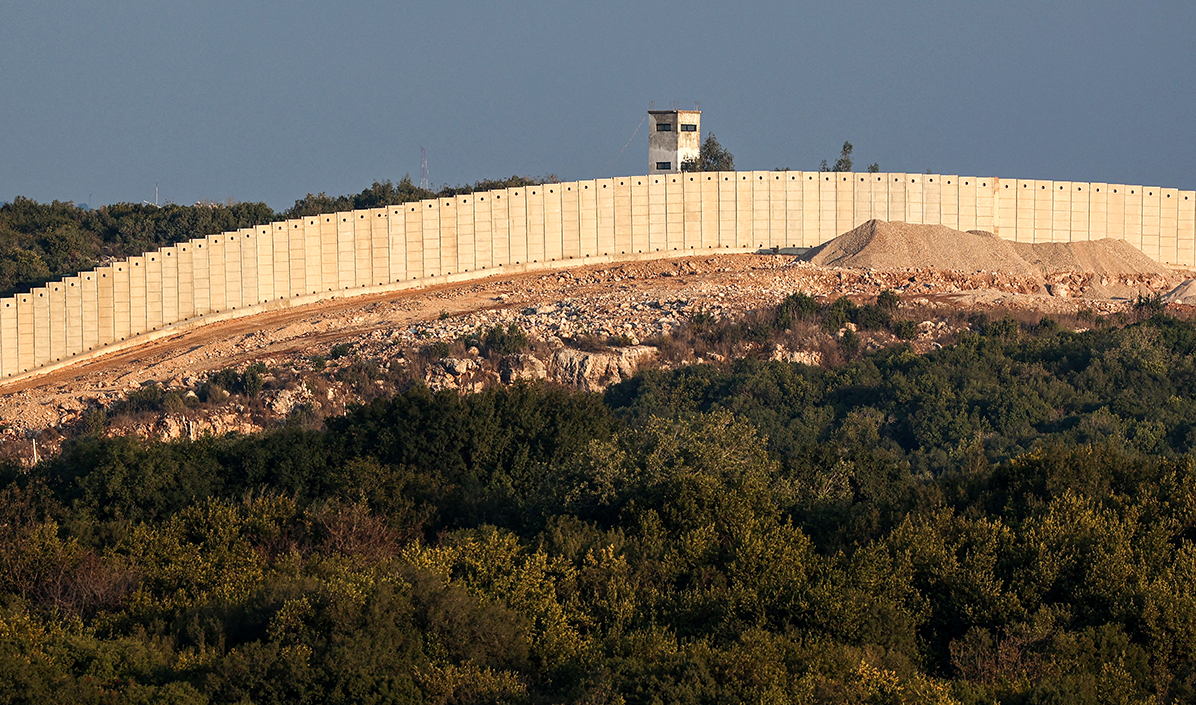
The central challenge facing Lebanon today is whether the country will graduate to functional statehood or continue struggling to survive. Yet with Lebanese officials now insisting that the state “monopolize arms” and become the decisive arbiter on matters of war and peace, a relevant question arises: Where, territorially, does Lebanon begin and end?
Has Pakistan agreed to use nuclear force to defend Saudi Arabia?
Saudi Arabia and Pakistan signed a mutual defense pact on September 17, 2025, declaring that “any aggression against either country shall be considered an aggression against both.” The wording of the agreement sparked speculation that Pakistan might use its nuclear capabilities to defend Saudi Arabia. MEI’s F. Gregory Gause contends otherwise, offering insight into the history and strategic calculations driving the deal. To learn more about the deal, visit our website.
Pakistan’s strategic defense pact with Saudi Arabia: A new security architecture in the wider Middle East
Following Israel’s September 9 strike on Hamas targets in Qatar, Pakistan has taken swift and significant foreign policy steps in response and adopted an unusually assertive stance. This shift was largely influenced by Pakistan’s military chief, Field Marshal Asim Munir. The latter is determined to enhance his country’s strategic autonomy and diplomatic leverage in an increasingly complex international environment by positioning Pakistan as a key security actor and an emerging middle power on the global stage.