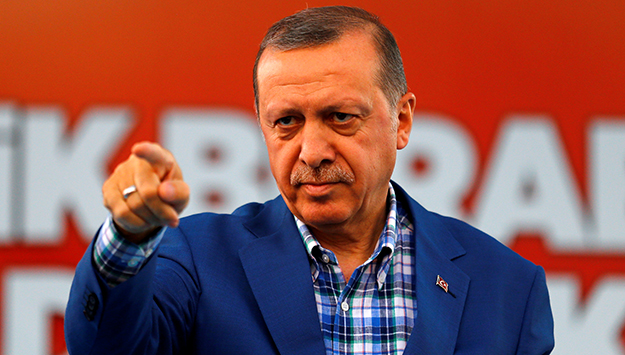
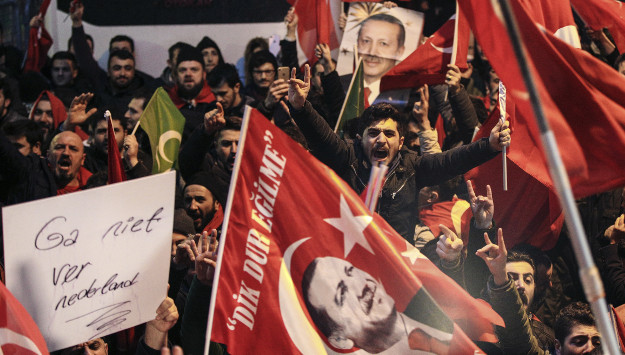
On Sunday, Turks will decide their political fate for decades to come. If President Recep Tayyip Erdogan wins, he will reach a new pinnacle in a remarkable career to solidify his unchallengeable rule in Turkey, and cement his role to rival that of Ataturk in modern Turkish history. He will still not be fully satisfied with a victory, if it comes. He will go on to use the win as a platform for securing an historic legacy to guide the Turkish state for the years ahead.
Voices from Turkey: What Locals Think of the Referendum
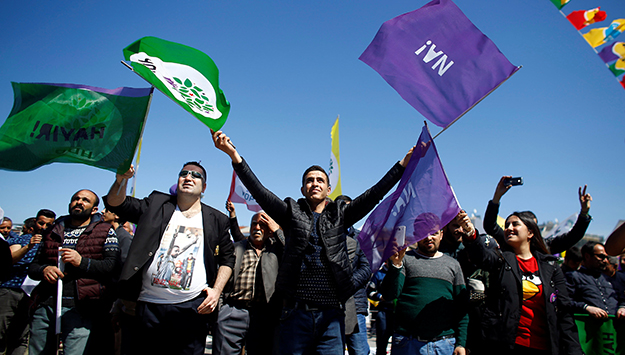
On April 16, Turkish citizens will head to the polls to vote in a landmark referendum on the proposed constitutional changes that, if passed, will transition the country from a parliamentary system to a presidential one. This referendum is the pinnacle of an election cycle that has been in motion since 2014, and has left the country increasingly polarized.
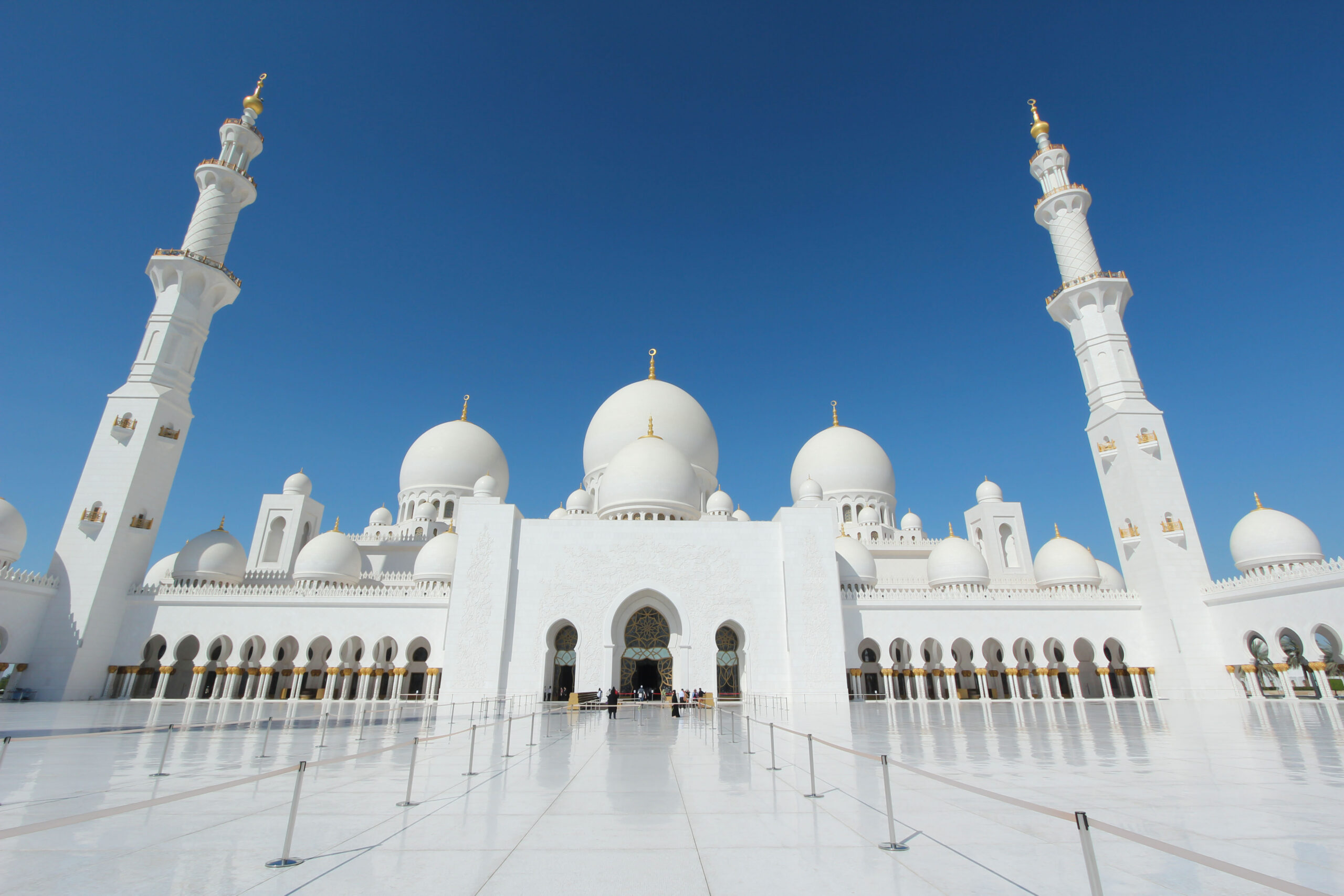
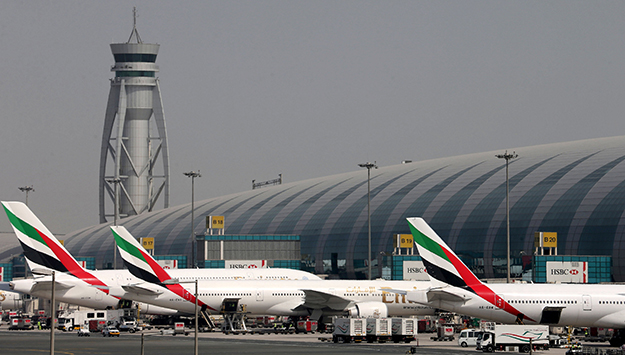
‘Linking West’ in ‘Unsettled Times’: India-G.C.C. Trade Relations
Economic and trade relations have been the most dynamic and significant component of the fundamental changes that have taken place in India’s relations with the Gulf Cooperation Council (G.C.C.) countries since the early 1990s. As a consequence, the Gulf has become of vital strategic importance for India in terms of energy security, trade, investment, and remittances. This essay discusses the contours of India’s trade relations with the G.C.C. countries, including the contributions they have made to India’s economic ascent and the scope for their further development.
The Aftermath of U.S. Airstrikes in Syria | Monday Briefing
In this week’s Monday Briefing, MEI experts Paul Salem, Randa Slim, Charles Lister, Gonul Tol, and Alex Vatanka provide analysis on recent and upcoming events including the need for an overarching strategy in Syria following U.S. airstrikes, Secretary of State Tillerson’s upcoming visit to Moscow, the likely aftermath of U.S. airstrikes in Syria, Turkey’s growing frustration with U.S. strategy in Syria, and the rise of a hardliner challenger to Rouhani in the upcoming Iranian presidential election.
Strikes on Syria: Game Changer for U.S.-Turkey Relations?
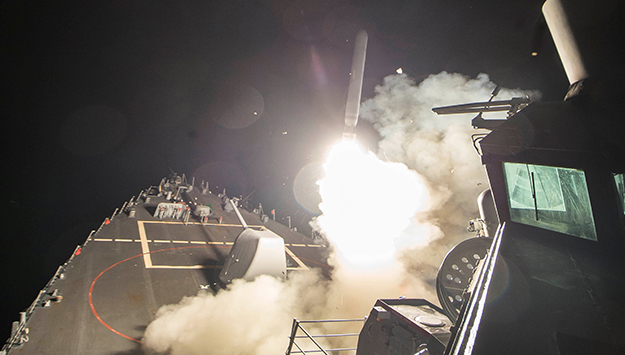
U.S. cruise missile strikes on al-Shayrat airfield northeast of Damascus early April 7 have changed the dynamics of the Syrian war. The strikes were intended as a clear and contained message to the Assad regime that the barbarism of the Syrian government has its limits. It was not a declaration of war by the United States, but it served to delineate last week’s message from the Americans that regime change in Damascus was “not practical”, a message that may have given Bashar al-Assad the impression that he now had a free hand in the war.
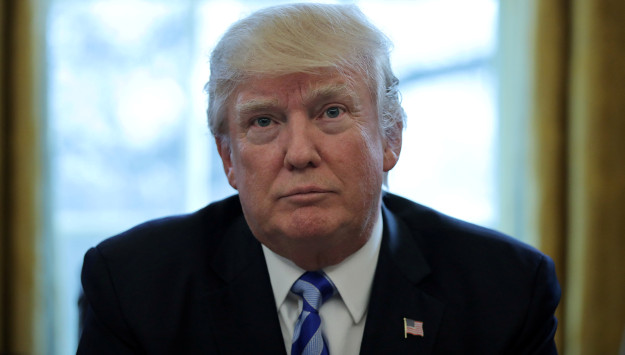
When I was approached last summer by New York University’s Hagop Kevorkian Center for Near Eastern Studies to teach a class this spring, I did not imagine the changes that would take place in the American political landscape. Since Donald Trump took office, his promise to place “America first” has manifested itself in numerous ways. Although I am committed to the university and the students, traveling to the United States is becoming less and less enticing.
India’s Strategic Vision About West Asia and Its Limitations
The discourse of Non-Alignment continues to shape the political culture of the Indian establishment’s strategic thinking in the field of foreign policy, notwithstanding the decline of Gandhian-Nehruvian moralism and increasing adaptation to the culture of power-centered realism in recent years. This essay shows that gradualism and risk avoidance remain deeply embedded features of India’s conduct of external relations, including its relations with West Asia.
Redefining the Drivers of India-G.C.C. Economic Relations
Against the backdrop of the global geo-economic shift from West to East, India and its G.C.C. counterparts can, and should, seize the opportunity to recalibrate and reshape their economic relations. This essay discusses how the adoption of a value chain approach and its application to the healthcare high-tech digital service sectors.
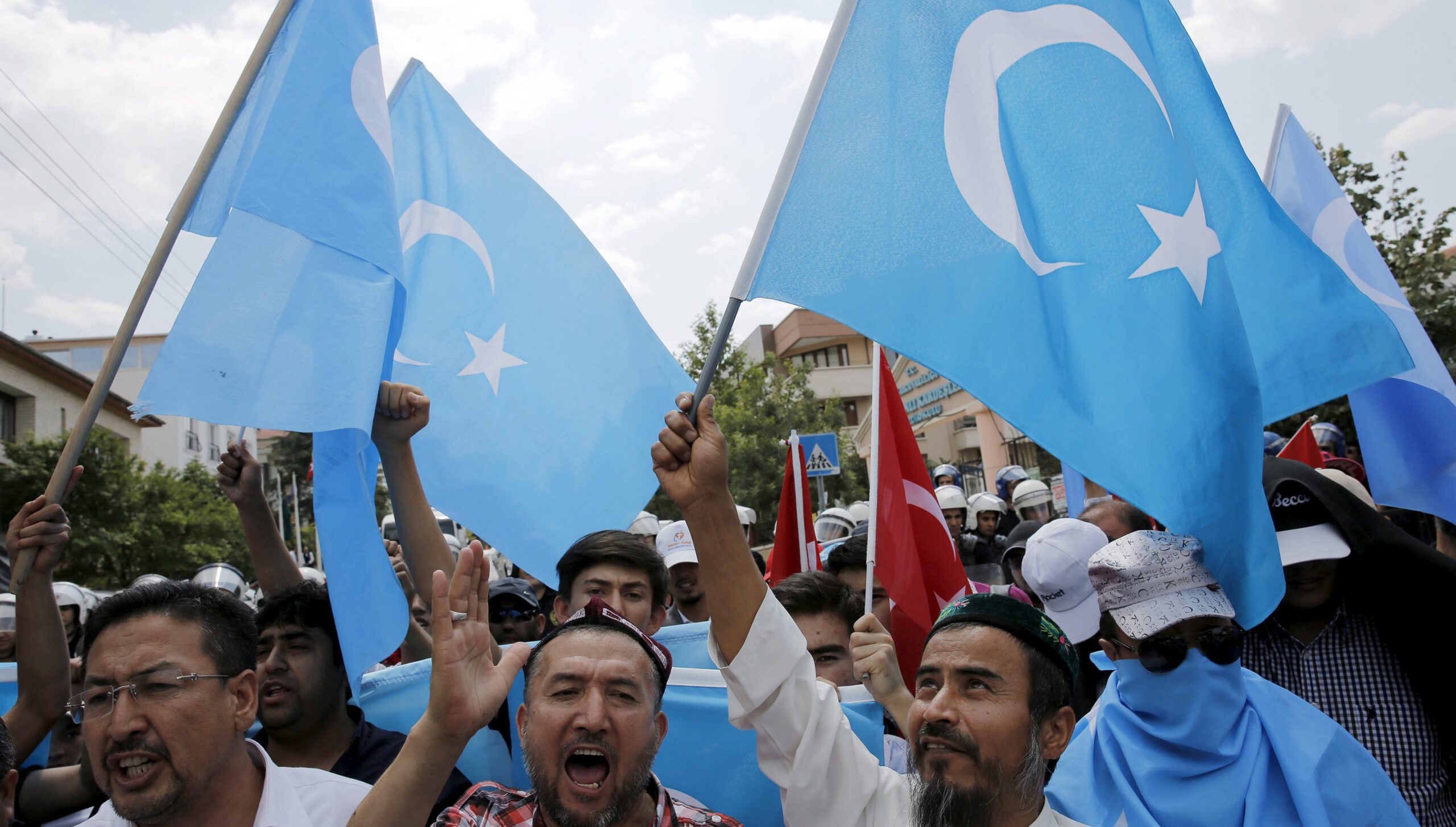
China-Turkey Relations Grow Despite Differences over Uighurs
Since the failed coup attempt of July 15, 2016, Turkey has been looking east for new partners to decrease Ankara’s dependence on traditional Western allies. The election of Donald Trump has contributed to the further estrangement of Turkey’s relationship with its traditional NATO allies, leaving Ankara less comfortable remaining so reliant on Washington for regional security matters.
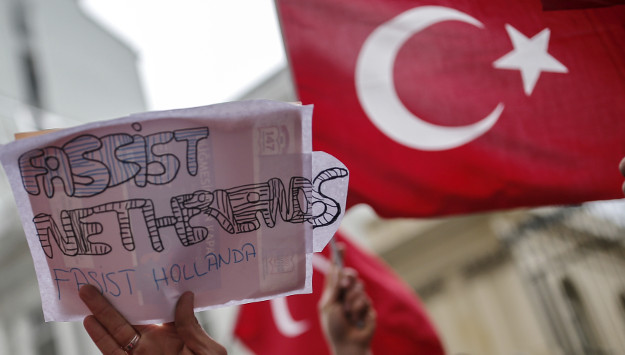
Diplomatic Feud Between Turkey and E.U. Grows | Monday Briefing
In this week’s Monday Briefing, MEI experts W. Robert Pearson, Gerald Feierstein, Yousef Munayyer, and Alex Vatanka provide analysis on recent and upcoming events including the simmering diplomatic feud between Turkey and the Netherlands, the Chinese offer to act as a mediator between Iran and Saudi Arabia, the congressional debate whether to supply aid to the Palestinian Authority, and the growing French business footprint in Iran.