Monday Briefing: Lebanon Set to Elect President; Steady Progress toward Mosul
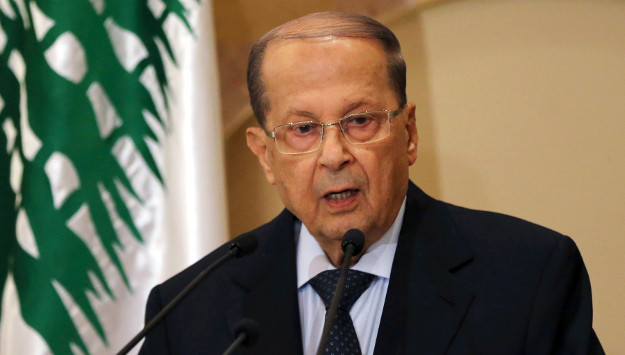
In this week’s Monday Briefing, MEI experts Paul Salem and Charles Lister provide analysis on recent and upcoming events including the expected election of Michel Aoun as president of Lebanon and the operation to expel ISIS from Mosul.
On September 23-24, the Middle East Institute’s Initiative for Track II Dialogues convened its ninth meeting of the Middle East Dialogue in Muscat, Oman. Participants included current and former officials and senior experts from Saudi Arabia, Lebanon, Egypt, Turkey, United Arab Emirates, Syria, Iraq, the Kurdistan Regional Government, Iran, Russia, China, the United States, and the United Nations.
Monday Briefing: Huge Humanitarian Challenges in Mosul
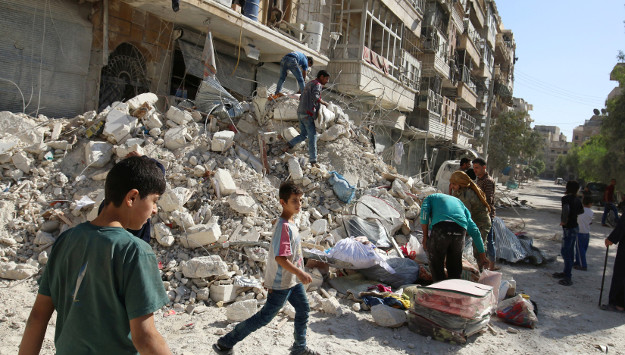
In this week’s Monday Briefing, MEI experts Randa Slim, Gonul Tol, Charles Lister, and Paul Salem provide analysis on recent and upcoming events including potential fallout from the battle for Mosul, how the row between Turkey and Iraq will complicate the operations in Mosul, the implications of ISIS’ loss of Dabiq, and recent military cooperation between Egypt and Russia.
Iraqi Prime Minister Haider al-Abadi has expressed outrage at the recent Turkish parliamentary extension of the mandate of Turkey’s military presence on Iraqi soil. For months, Turkish forces have maintained a contingent in northern Iraq, ostensibly at the invitation of local forces, with the announced mission of training them in preparation for the battle for Mosul. With multiple parties preparing for the offensive, Mosul, Iraq’s second largest city, is slated to be liberated from a 30-month-old Islamic State (ISIS) occupation.
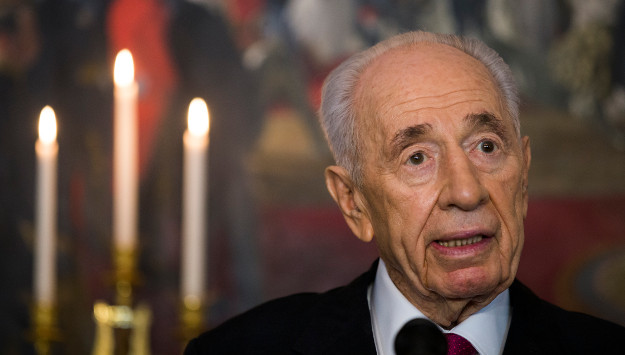
The last surviving leader of Israel’s founding generation, Shimon Peres was a three-time prime minister, the architect of the country’s secretive nuclear program and a winner of the Nobel Peace Prize for his efforts to make peace with the Palestinians.
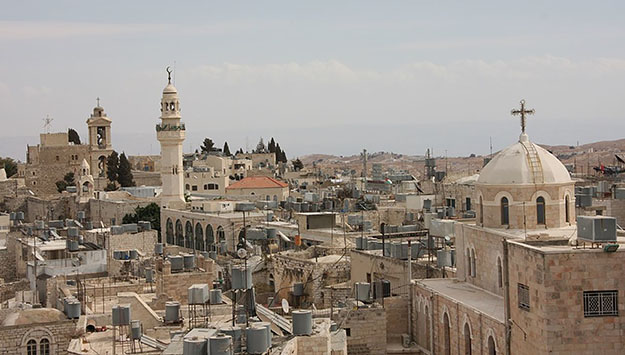
Palestinian Director Leila Sansour Talks Bethlehem
Leila Sansour is an acclaimed filmmaker, best known for “Jeremy Hardy versus the Israeli Army.” She returned to her hometown Bethlehem to document the detrimental effect of the wall on the city and its people. She discusses her latest film, Open Bethlehem.
The following interview was edited for style and clarity.
MEI: Tell me about the genesis of this film and project, and your inspiration for it?
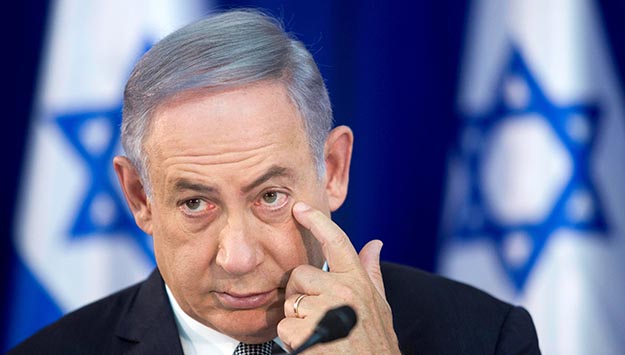
Any Middle East observer would find a question about the basic posture of Israel vs. ISIS a practical no brainer. Such an observer would confidently state that these two entities are staunch enemies, currently engaged in multiple types of warfare and destined to continue on that path. For Israel, according to this intuitive rational, ISIS is but another link in a long chain of terror entities sworn to its destruction, much like Hamas, Hezbollah, Palestinian Islamic Jihad, and many others. For ISIS, the narrative would continue to claim, Israel is a natural primary target.
Iraq’s Shrinking Revenues, the I.M.F. and the Oil Dilemma
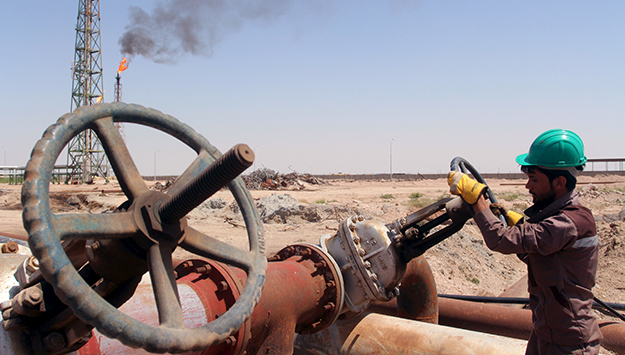
The International Monetary Fund announced in July that it has approved a three-year, $5.34 billion loan for Iraq under the Stand-By Arrangement facility, which it said was focused on “implementing economic and financial policies to help the country cope with lower oil prices and ensure debt sustainability.” The promised financial assistance was made conditional on—among other things—Baghdad settling all debts to international oil companies (IOCs) without adding new debts.
Monday Briefing: President Obama's Final UNGA Address
In this week’s Monday Briefing, MEI experts Paul Salem, Robert S. Ford, Charles Lister, Alex Vatanka, and David Mack provide analysis on recent and upcoming events including Obama’s upcoming final speech to the UN General Assembly, the Syrian collapsed ceasefire, the buildup to an eventual Mosul offensive, Rouhani’s trip to Latin America, and Libya’s oil exports.
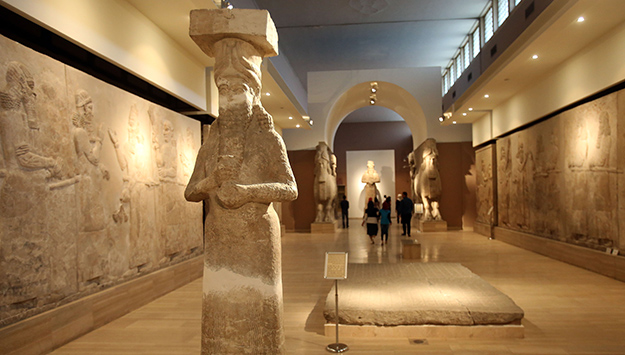
Ongoing conflict is robbing Iraq of both its future and its past by stripping the country of its tangible cultural heritage.[1] The Islamic State, as part of its strategy, is deliberately seeking to erase all aspects of Iraqi identity which compete with its own dogma. Iraq’s cultural heritage faces additional threats in the form of illicit looting, vandalism, government neglect, and political infighting.
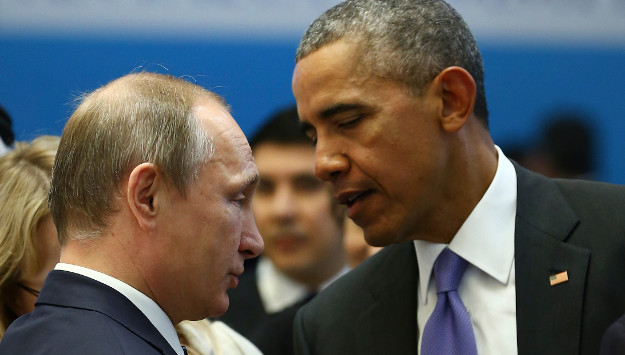
Weekly Briefing: Syria Talks at G20 Summit, Russian Moves on Israel-Palestine, and Iran Energy Policy
In this issues of MEI’s weekly briefing, contributors Daniel Serwer, Randa Slim, Eran Etzion, and Alex Vatanka provide analysis on recent and upcoming events including discussions between the United States, Russia and Turkey on Syria policy at the G20 Summit, the Syrian opposition’s transition plans, Russian moves on Israel-Palestine, and Iran’s energy policy.
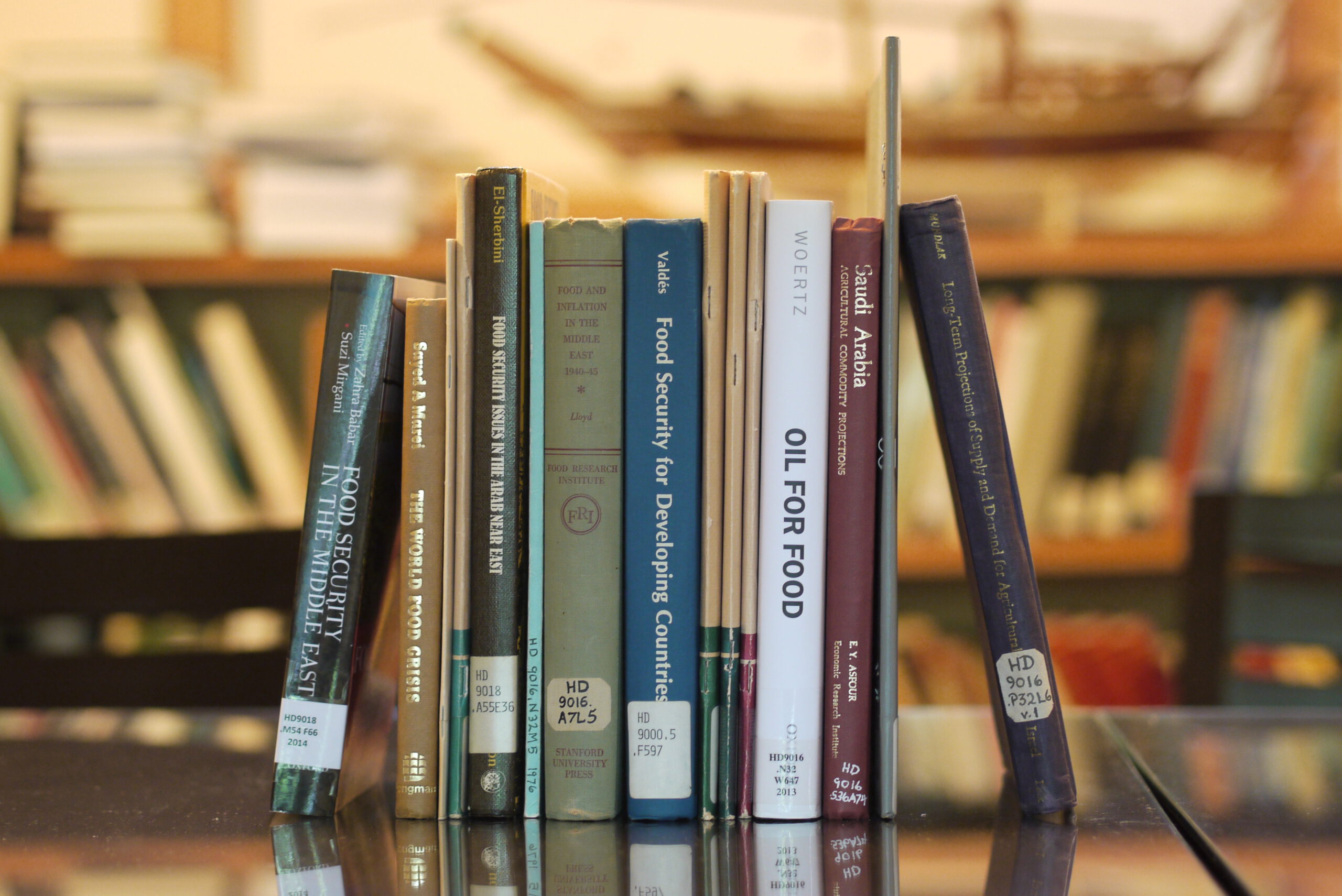
“[Food insecurity has] the potential to amplify destabilization, engender violence, and even accelerate state failure processes in an already geopolitically charged region”
– Andy Spiess in Food Security in the GCC Economies (2012)
Iraqis Defy Sectarianism through Urban Planning, Art
While the post-invasion map of Iraq is often conceived as a neatly trisected nation with a Kurdish top end, Sunni middle, and Shiite south, the reality is one of mixed marriages and common humanity.
Although the changes once-mixed and cosmopolitan Iraqi cities have experienced since 2003 are telling (see maps of changes to Baghdad neighborhood demographics since 2003), there are many people and projects that cross the post-invasion sectarian divide.
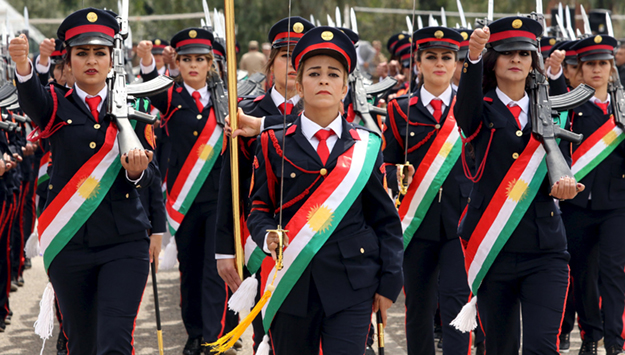
Representatives of the Kurdistan Regional Government (K.R.G.) are currently in the process of shaping the information environment ahead of a desired referendum on Kurdish independence. Aside from a lobbying campaign strongly focused on Washington—the K.R.G. has spent more on lobbying in the United States than Pakistan—leaders have been making provocative statements regarding territorial ambitions.[1] K.R.G.