Nathenael Gemechu moderates a conversation with Michael Woldemariam and Guled Ahmed on Ethiopia in the first installment of a two-part series on the Horn of Africa. Woldemariam and Ahmed discuss the ongoing Tigrayan conflict that includes Ethiopia and Eritrea and the influence of external players.
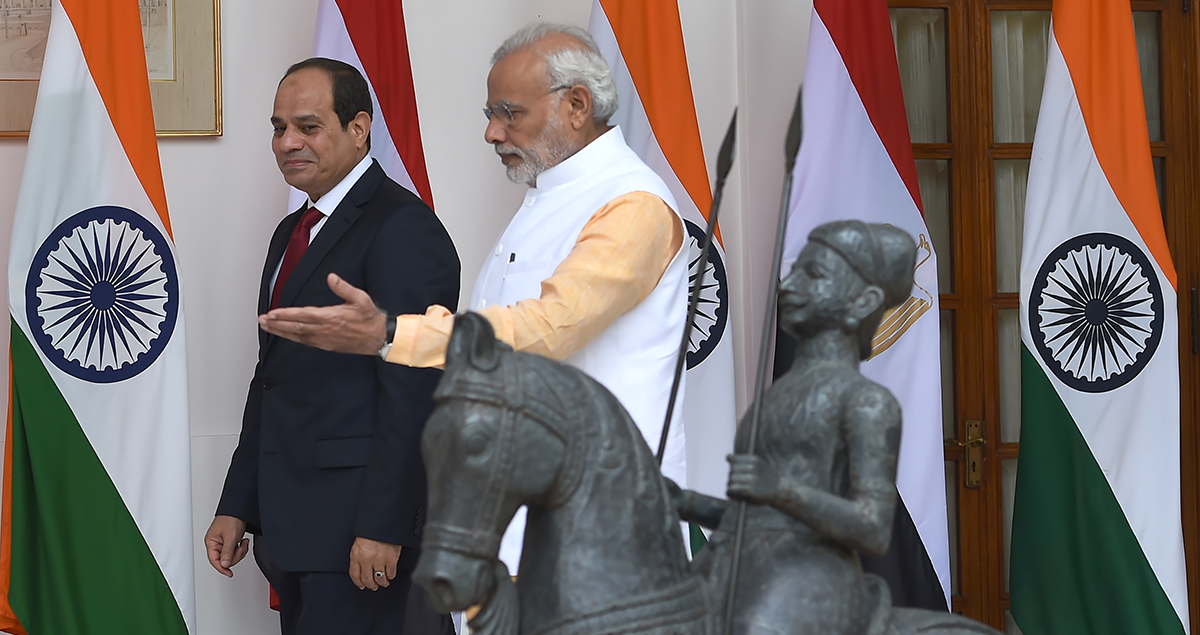
Asia is undergoing a world-historical geopolitical transformation. The rise of the Indo-Pacific as a coherent geoeconomic and geopolitical system coincides with the rise of the “Indo-Abrahamic,” an emerging transregional order connecting India to West Asia and the eastern Mediterranean. Until now, the geographic vastness of Asia and the legacy of “divide-and-conquer” colonialism have kept the continent politically and economically fragmented. By reshaping their bilateral relations, Cairo and New Delhi can seize the opportunity to link the Indo-Abrahamic with the Indo-Pacific, thus realizing this envisioned West Asian system.
The Dorra Field: Global gas market impact or bellwether for regional relations?
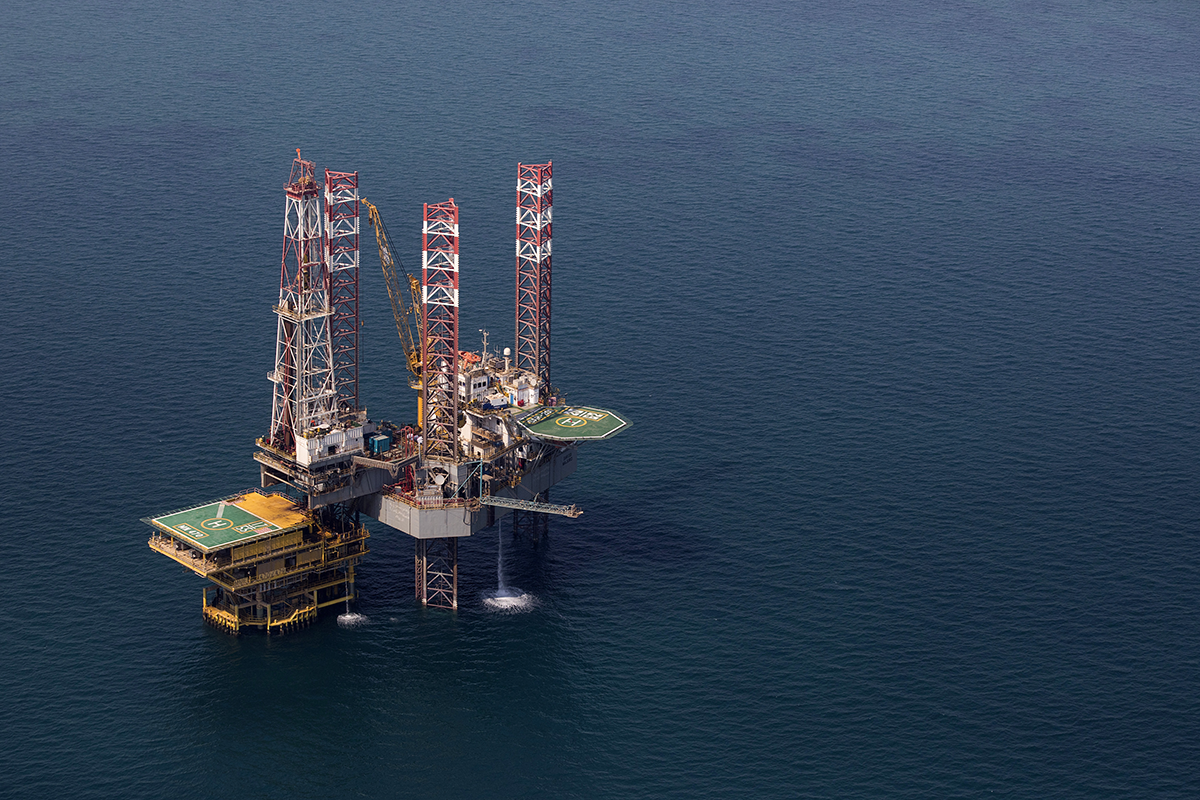
The Dorra Gas Field, located in shallow waters offshore in the northern Arabian Gulf, lies at the junction of competing territorial claims by Kuwait, Iran, and Saudi Arabia. With the growing gas demand in these countries, any production will be absorbed into the domestic network and the impact of production on the global gas and LNG market will be insignificant. However, the development of the field, if it occurs, may serve as a bellwether for regional relations.
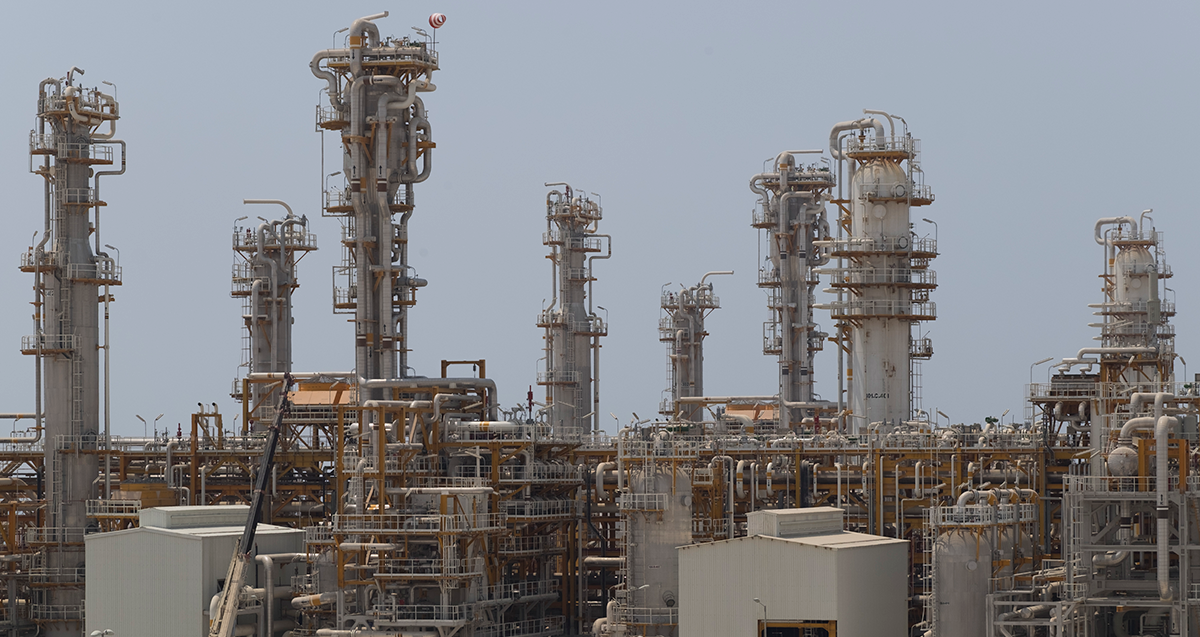
Making the most of Iran’s reserves will require it to develop shared fields like Dorra/Arash, a gas field located offshore in the northern Gulf, where Iran must vie with competing claims from neighboring Kuwait and Saudi Arabia. In the past, Iran has often neglected its joint gas fields as a result of sanctions and focused instead on meeting its rapidly growing domestic needs through exploiting non-shared fields, but the country says this must change going forward.
The CMF-153: Rebuilding US-GCC confidence through maritime security
Efforts to restore confidence between the U.S. and the Arab Gulf states took a first step with the recent formation of a new naval task force, known as the Combined Maritime Forces-153 (CMF-153), to improve maritime security in the Red Sea, Bab el-Mandeb, and the Gulf of Aden, including the hotspot of Yemen. Established in mid-April, the new task force intends to target weapons smuggling for Ansar Allah, as the Houthi militias are officially known, as well as human trafficking and the drug trade.
Egypt’s Synergy Between Natural Gas and Green Energy Transition: Cairo’s Advances in LNG and Green Hydrogen are Shaping the COP 27 Agenda
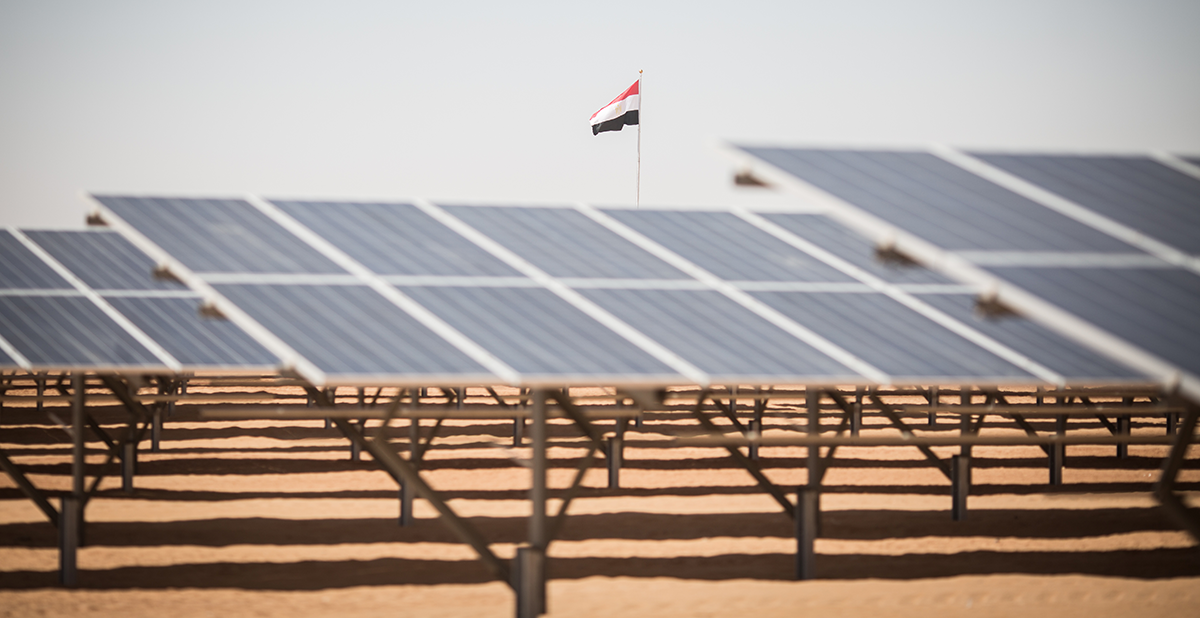
Egypt’s energy policy is helping to change the terms of the global debate on climate change by demonstrating that there is a basic compatibility between developing domestic natural gas resources and developing renewable energy sources. Disproving the dogma that natural gas and renewables are in a zero-sum competition, Egypt is advancing as a leader in renewable energy development while also increasing its offshore natural gas production capacity.
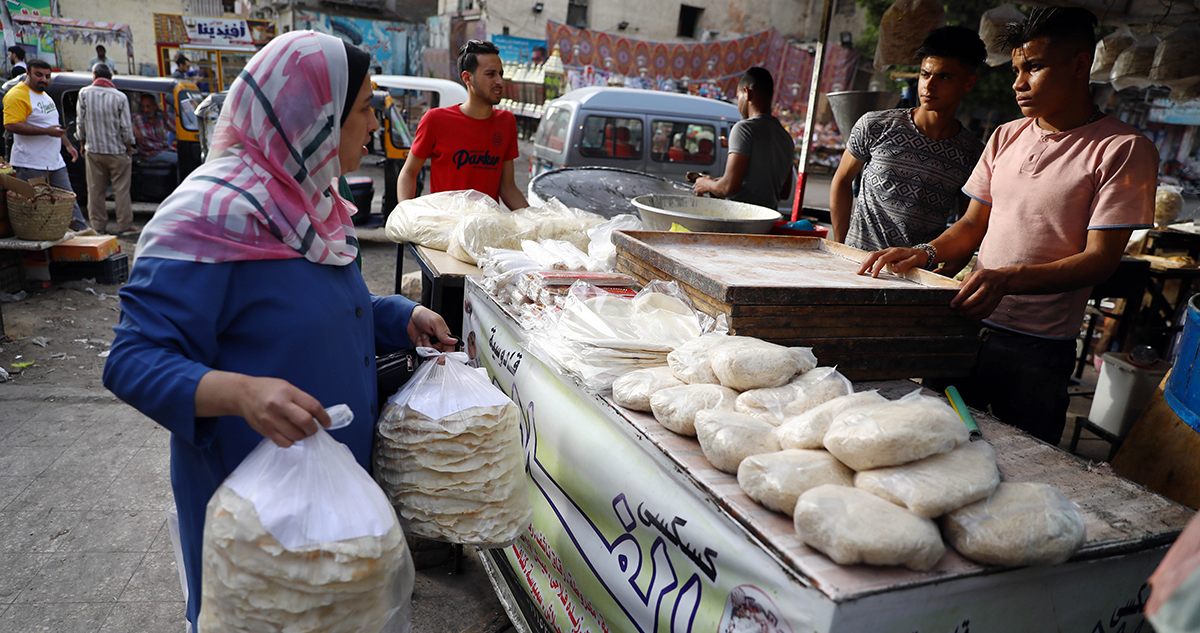
A sharp rise in inflation forces Egyptians to cut expenses
While the holy month of Ramadan is known for increased food consumption in Egypt and other Muslim-majority countries, Elham Mohamed, 40, a government employee, said it was very difficult for her just to make ends meet this year. “I had to give up many of the items I usually buy during Ramadan,” she said. “Prices have gone crazy. Even the basics, such as bread, rice, sugar, flour, eggs, and cooking oil, have all gone up,” she added.
What would an Arab-Israeli military alliance mean for Iran?
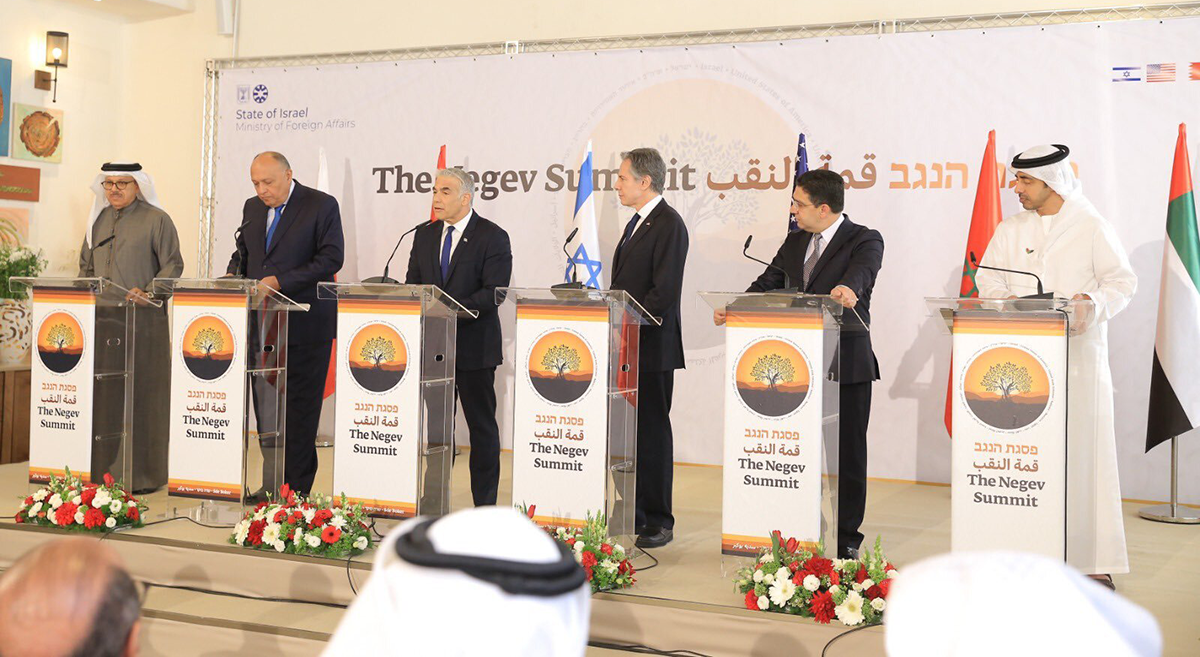
In recent remarks, the Israel Defense Forces’ (IDF) Chief of Staff Aviv Kochavi announced preparations for a potential upcoming military operation, foreshadowing a possible move against Iran. Kochavi’s announcement came shortly after Israel and the foreign ministers of four Arab nations — Morocco, Egypt, the UAE, and Bahrain — along with U.S. Secretary of State Antony Blinken, met at the Negev Summit in the Israeli desert to lay the foundation for a strategic military alliance to deter “Iran and its associated militias,” as Israeli Foreign Minister Yair Lapid put it.
US-Gulf Relations at the Crossroads: Time for a Recalibration
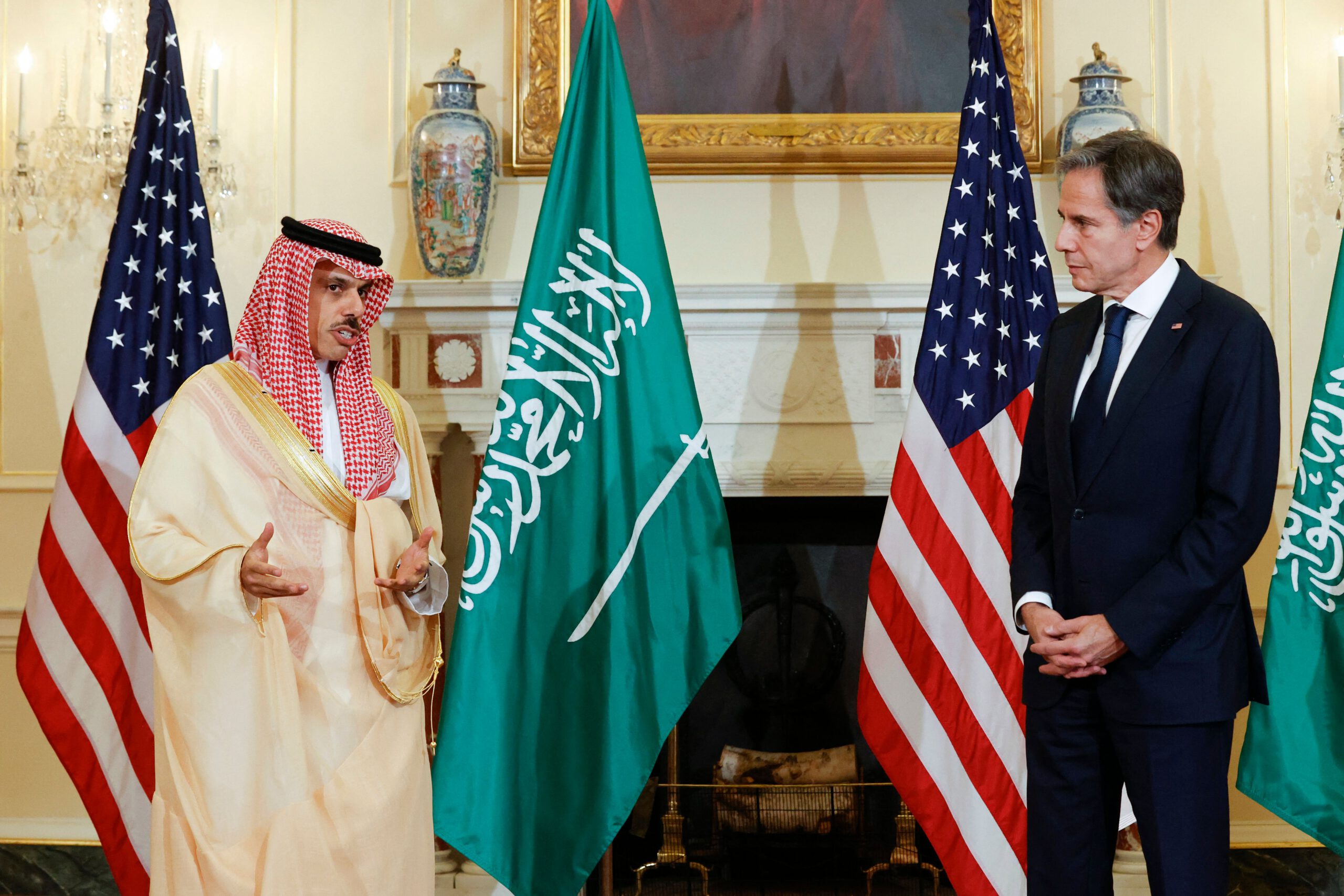
The global response to Russia’s invasion of Ukraine has focused new attention on friction between the United States and its traditional partners in the Gulf and reinforced skepticism regarding the United States’ status as the dominant international partner in the region. It’s time for both sides to identify a realistic way forward that sheds outdated notions of mutual obligation without becoming merely transactional.
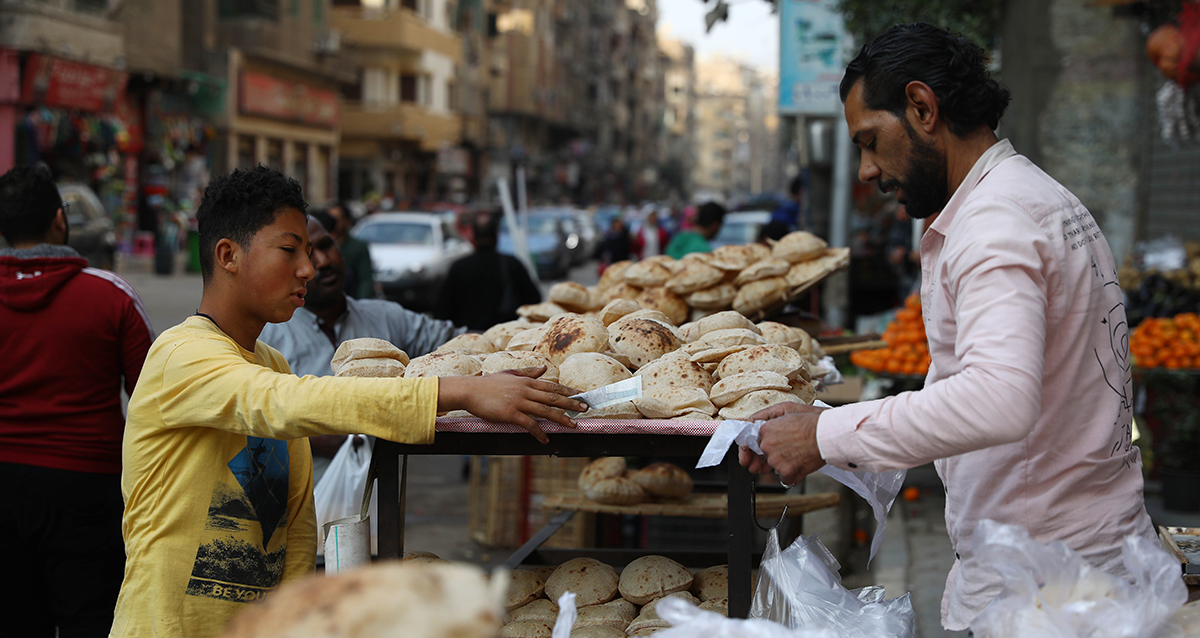
The Russia-Ukraine war might finally bring about a rise in Egypt’s bread prices
As the price of wheat has shot up following the Russian invasion of Ukraine, so too has the cost of Egypt’s bread subsidies, raising questions over their sustainability and potentially opening the door for an increase in the price of subsidized bread for the first time in decades.
Mirette Mabrouk, Joey Shea, and guest host Eliza Campbell discuss current political disputes over the Grand Ethiopian Renaissance Dam (GERD), cyber diplomacy, and the effects of climate change on the Horn of Africa.