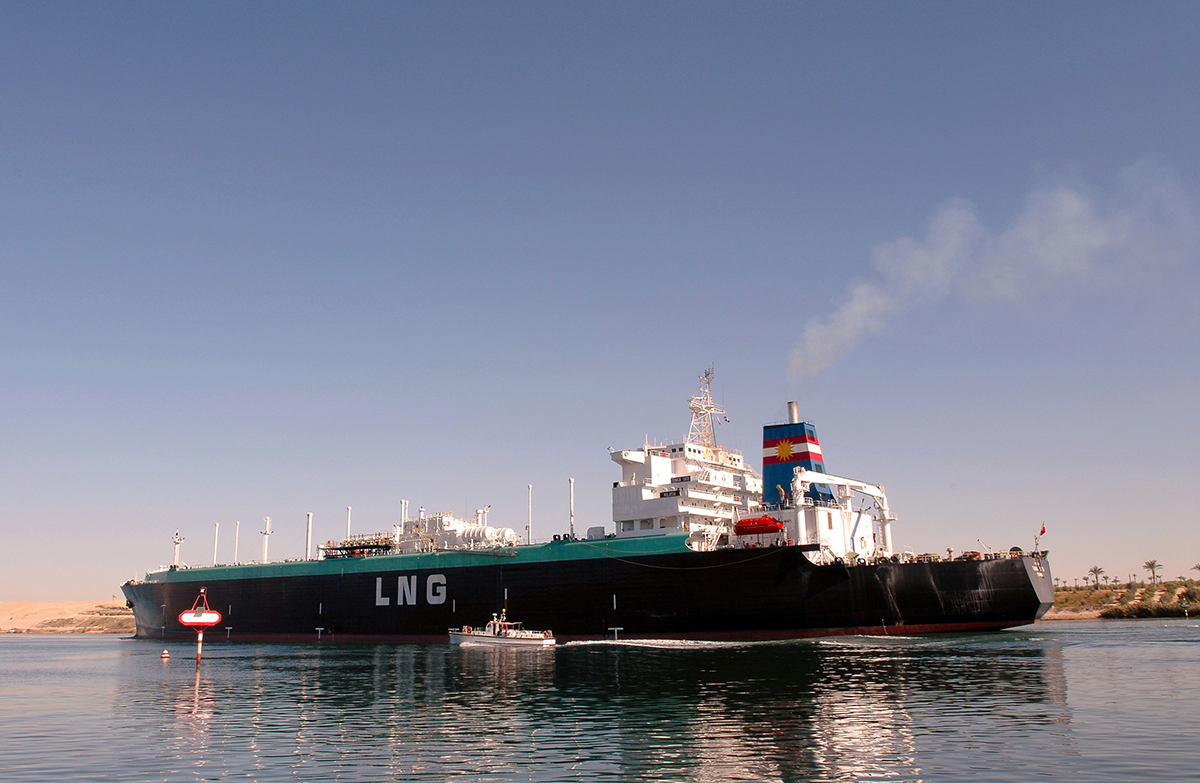
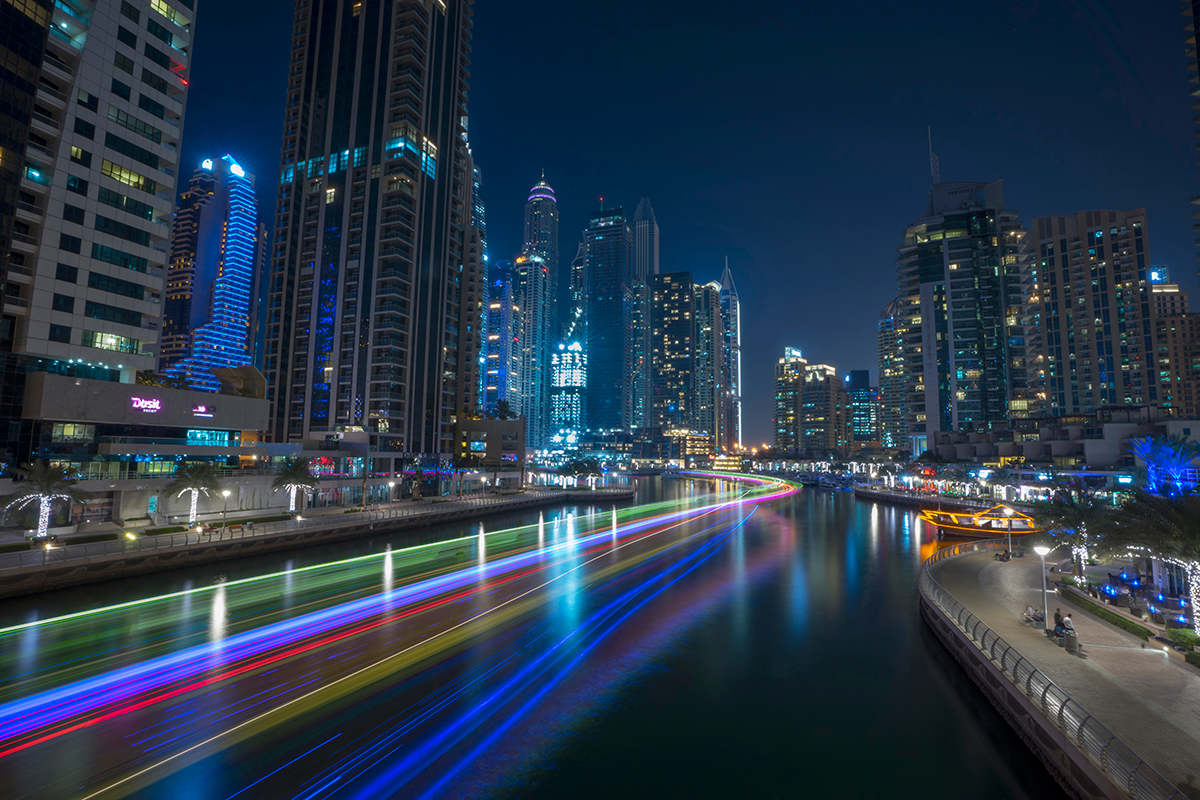
The Middle East is at the center of our global energy transition and we can expect the next five to ten years to be a period of difficult transformation, but also unique opportunity for oil and gas producers.
Building Forward Better in the Middle East and North Africa: A Medium-Term Perspective
The strong and coordinated policy actions to save lives and support the recovery in Middle East and North Africa (MENA) region will hopefully put the health crisis behind us in a few years. Meanwhile, this crisis has posed major challenges to the region’s economies that have embarked on a long and divergent path to recovery and highlighted the limitations of the current growth model. But it also provides a rare opportunity in the quest to move to a new development model to enhance growth and accelerate the transition toward a more sustainable and inclusive path.
Not unlike during the lost decade of the 1980s, all Arab states are, to various degrees, in some form of deep crisis: weakened by fiscal deficits, losing their capacity to deliver services, unable to tax fragile economies, and facing the threat of social unrest. COVID-19 has revealed most of these weaknesses further.
The Political Economy of Reform in Post-COVID MENA
Everybody wants development, nobody wants to change. This adage, variants of which have been attributed to many authors, is certainly true for the Middle East and North Africa (MENA).
Although foresight on the Middle East and North Africa (MENA) is having a heyday today, this was far from always the case. A survey shows that in the early 2000s, a mere 14 foresight studies on the region came out — more than half of which were undertaken in the United States, and a quarter in Europe.
The world is changing and priorities are changing with it. The 2020 global pandemic has reshaped our evaluation of risks and rewards. The capacity of governments to manage crises and safeguard the well-being of populations has become the new metric by which citizens measure their success. The potential for global phenomena outside the management capacity of any governing institution to produce political and economic upheaval has become a reality.
The Future of Regional and International Dynamics in the Middle East
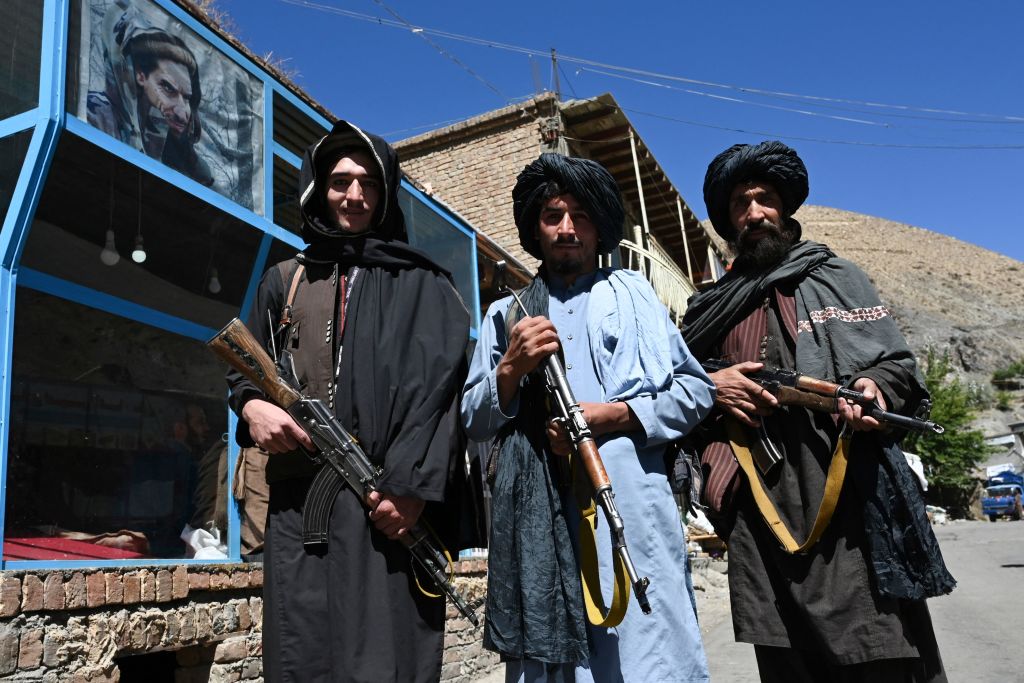
Amid the troubling imagery of a Taliban victory in Afghanistan, teetering governments in Lebanon and Iraq, and ongoing civil wars in Syria, Yemen, and Libya, it is hard to defend the view that the future of the Middle East will be better than the present. Pessimism about the region’s future has become accepted as a truism among those of us who observe and analyze this troubled part of the world. But pessimistic projections that the region will remain mired in its current state of turmoil cloud our ability to properly analyze the future as much as, or even more than, naïve and gratuitous optimism.
How digital rights are key to protecting Afghans under the Taliban
Like the rest of the world during the past 20 years, Afghanistan has lived much of its life online and via networked technology; a multifaceted understanding of how digital rights are foundational to protecting Afghans in the face of an uncertain future must be key to any humanitarian or policy strategy undertaken by the U.S. or the international community.
Thinking MENA Futures: The Next Five Years and Beyond
The Middle East and North Africa (MENA), for a variety of reasons, are unrivaled in their need for bold, creative thinking about their future. But that is precisely why creative thinking about the future of the region — why strategic foresight — is essential. Produced in conjunction with MEI’s Strategic Foresight Initiative, Thinking MENA Futures aims to map out some of the possible futures for the region, as envisioned by thoughtful innovators working today to realize them.
Russia and the digital Middle East: An old game made new?
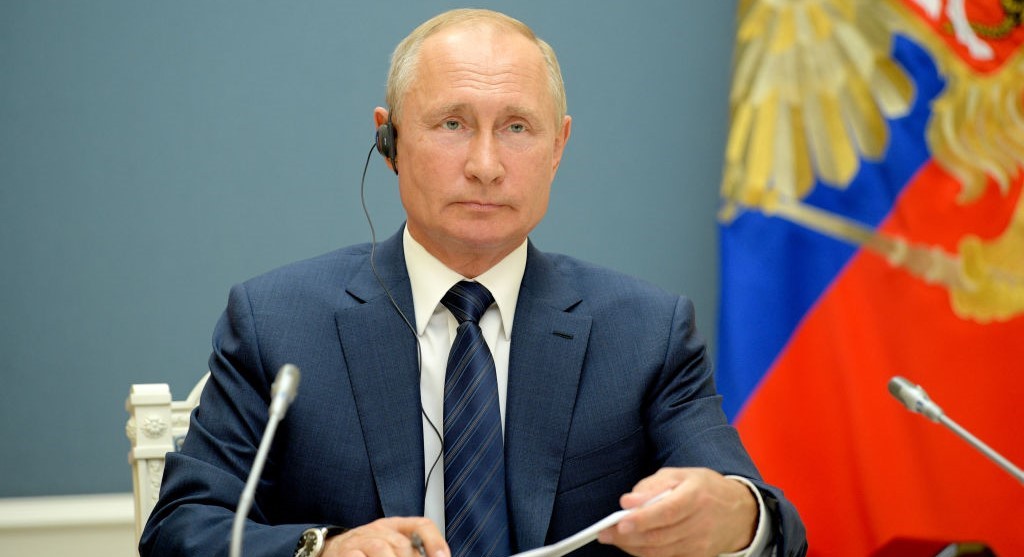
For over a decade, Russia’s immediate neighborhood has been subject to the vagaries of the Kremlin’s cyber operations. Russia has effectively used cyberspace to advance its adversarial goals, be it through combining cyberattacks with military action during its war with Georgia, or targeting essential power grids in Ukraine. Advancing its cyber capabilities has enabled Russia to reassert its status as a superpower and hit targets anywhere in the world. In recent years, as the use of social media grew, the information war in cyberspace became the Kremlin’s primary tool for discrediting its perceived archenemy: “The West.” The Middle East, with its increasing dependence on social media for news, has also fallen prey to Moscow’s disinformation campaigns. Russia’s main disinformation narratives in the region stem from its Soviet-inherited superpower complex and its broader strategic imperatives on the international stage.
Content moderation trends in the MENA region: Censorship, discrimination by design, and linguistic challenges
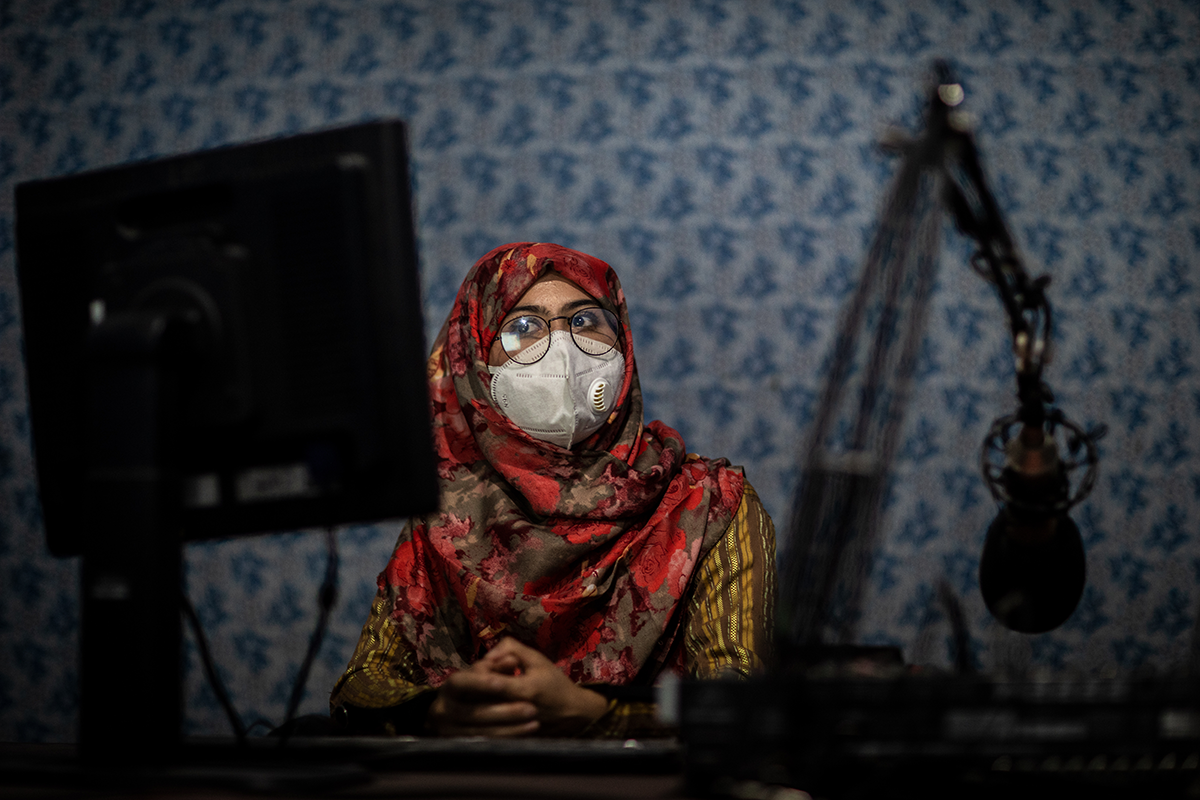
Over the past decade, social media and communications platforms such as Facebook, Twitter, and WhatsApp have emerged as important spaces for civil society, journalists, and everyday people in the Middle East to express themselves and organize. However, users’ experiences on these platforms often differ as platforms’ enforcement of their content policies varies by geography, language of use, and context. These flaws in the content moderation system can harm users residing in and around the Middle East, as well as those who use Middle Eastern languages such as Arabic.
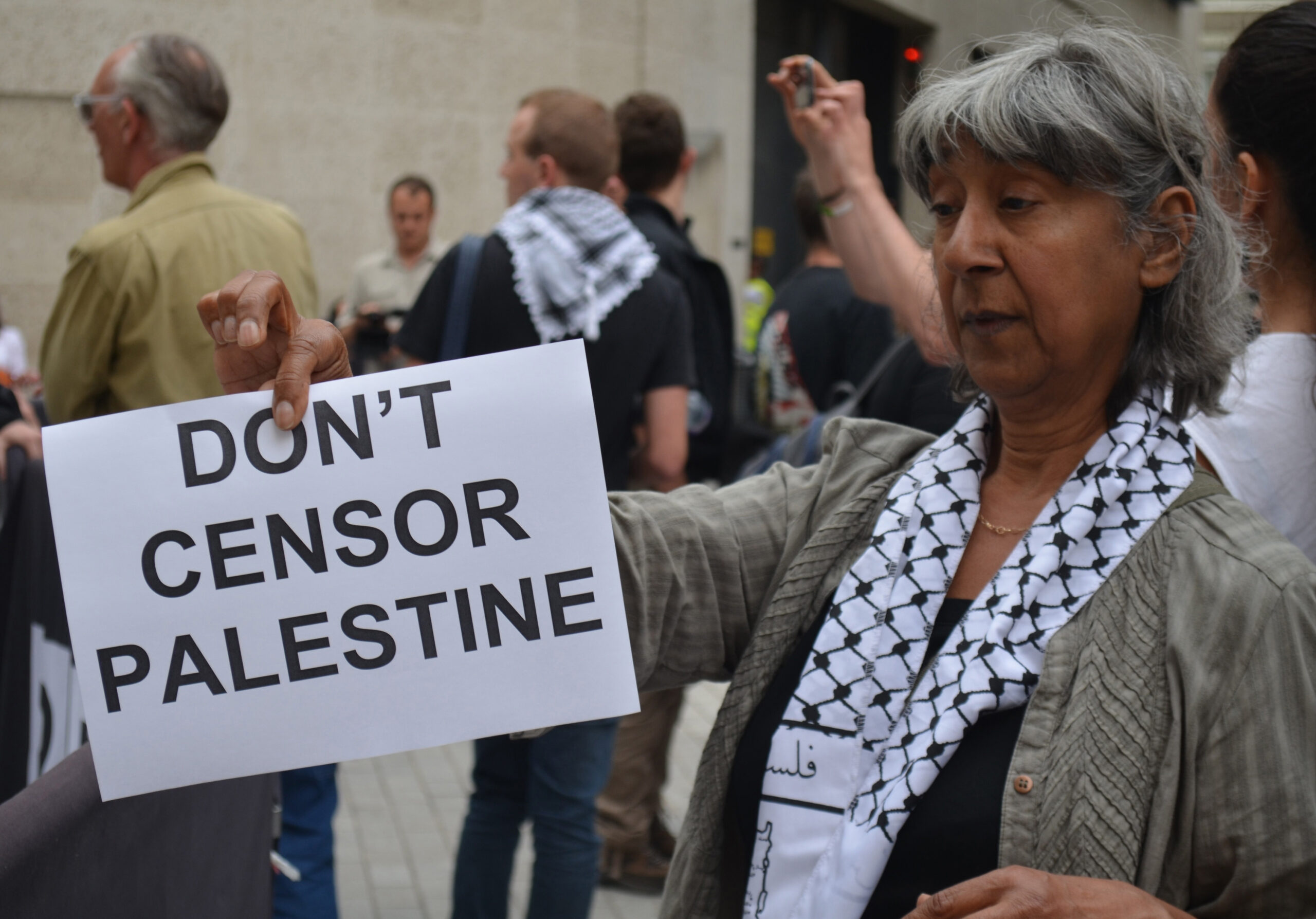
The “Palestinian exception”: Social media censorship of Palestinian activism
In a landscape of suppression and retaliation against Palestinian journalists and activists at the hands of Israel, social media networks have been at once critical organizing platforms and tools for exacerbating censorship.