After the US-Israel-Iran war — and the strikes that followed the cease-fire — the Gulf states find themselves dangerously exposed. Host Alistair Taylor is joined by MEI Associate Fellow Gregory Gause to discuss the war’s impact on the Gulf, their partnership with the United States, and whether the turmoil of recent months will push Gulf leaders to reassess their alliances and international engagement.
With the US and Iran on a knife-edge, can Oman once again step in to mediate?
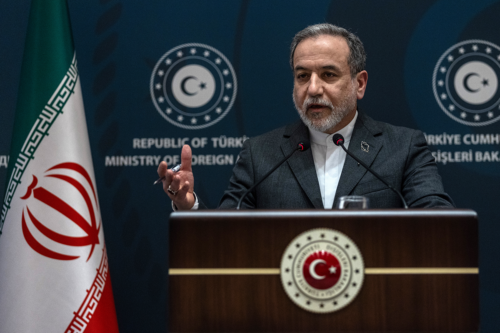
The decision by Washington and Tehran to shift their long-anticipated meeting, set for February 6, from Istanbul to Muscat is not merely a logistical detail. It is the latest reminder that when US-Iran diplomacy is on the verge of breaking down completely, Oman is the regional player the Iranian regime trusts the most to step in and mediate.
The Gulf’s water crisis: Why cooperation is crucial — and complicated
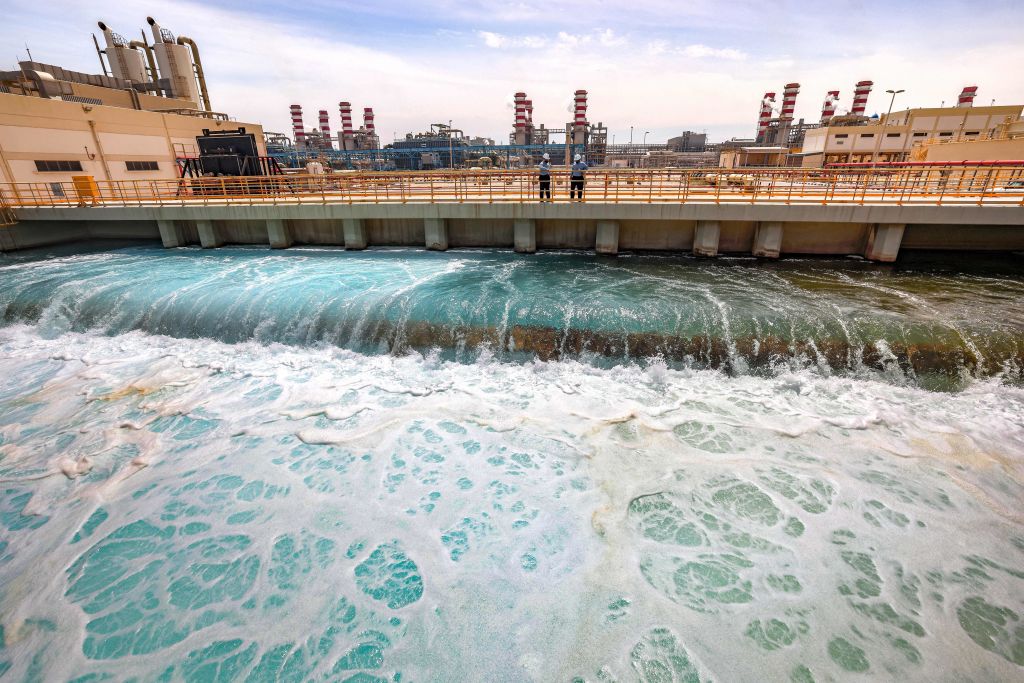
On June 19, false reports of an Israeli strike on Iran’s Bushehr nuclear plant sparked alarm across the Gulf. Though denied by Israeli officials, the claim traces back to a warning from Qatar’s prime minister of a potential catastrophe in the event of nuclear contamination — no water, no food, no life — due to the Gulf’s reliance on desalinated seawater. Gulf governments moved quickly to reassure the public that no radiation had been detected, but the episode underscored the region’s growing sense of vulnerability. A regional approach to water security could help to mitigate such risks.
Impact of the Russo-Ukrainian war on energy flows from the Arab Gulf states
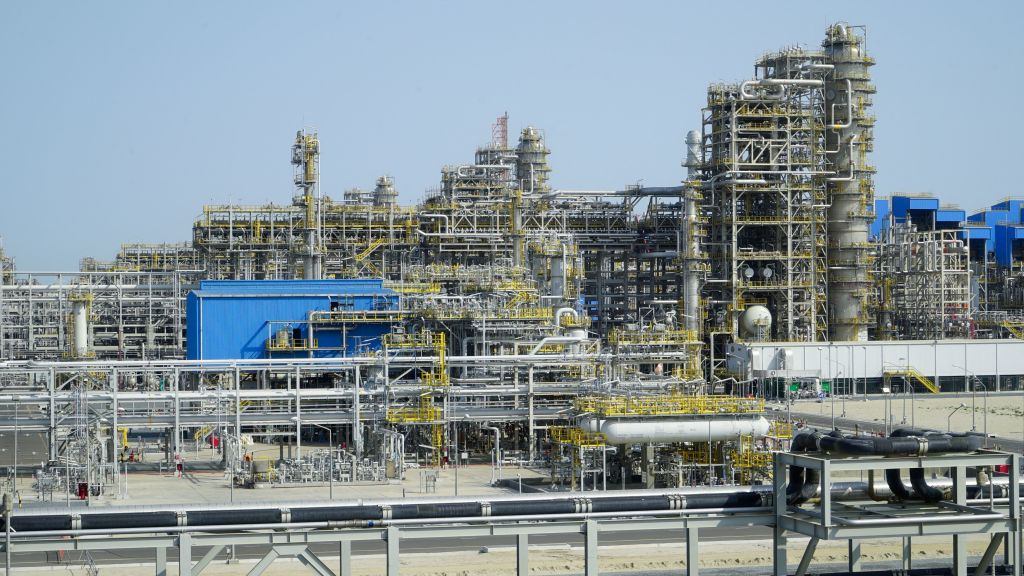
Nearly three years on, Russia’s full-scale invasion of Ukraine in February 2022 has reshaped trade and investment in the energy sector, leading to an increase in Gulf imports of Russian oil and a sharp rise in the region’s hydrocarbon exports to Europe as well as further fueling the growth of Gulf investment in renewable energy projects located in and targeting the continent.
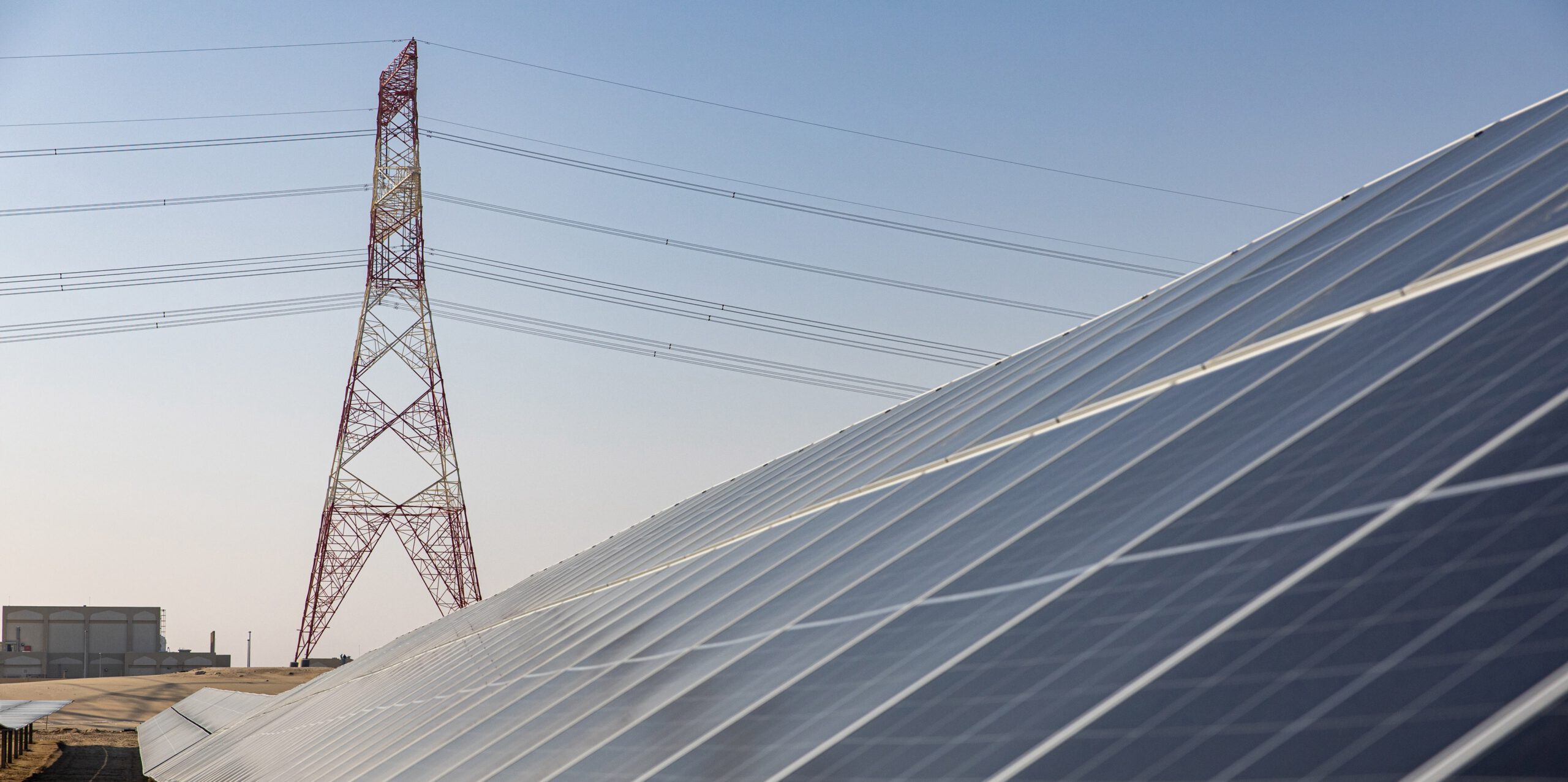
Accelerating Solar Power Deployment in the Arab Gulf States
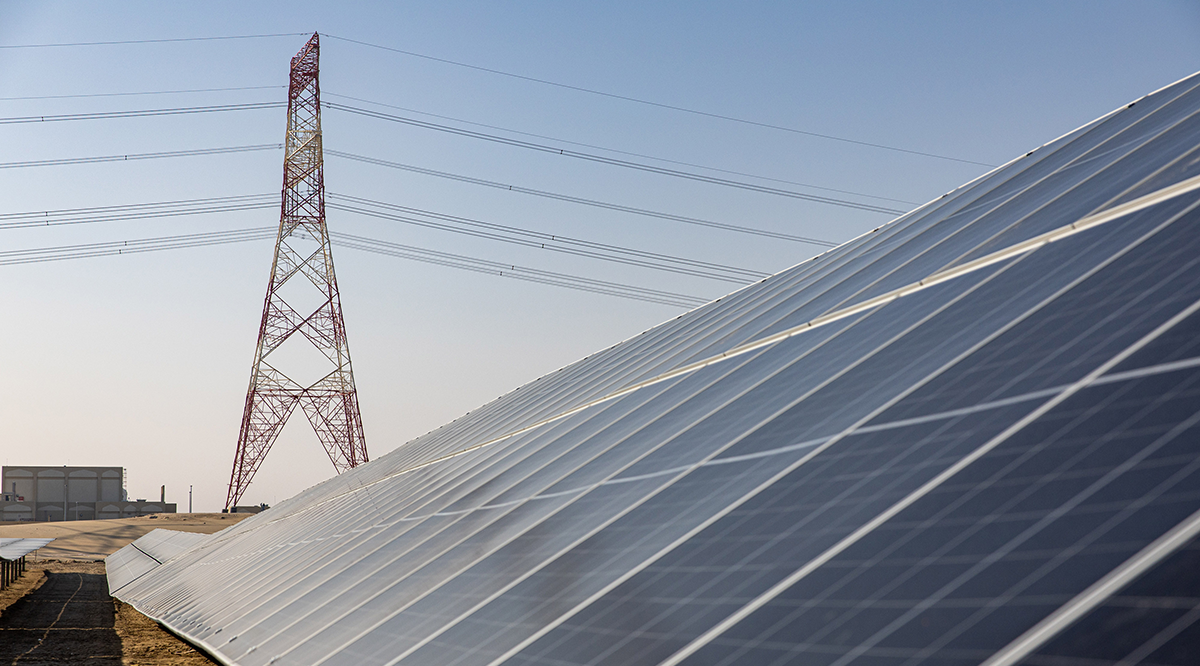
There is currently a discrepancy between the strategic objectives and enabling conditions for solar power in the Gulf and the level of actual deployment. Despite the region’s considerable promise as a potential global leaders in solar power, including one of the world’s highest levels of solar irradiance and strong supporting operating conditions, renewable power accounted for only 2% of generation capacity in 2022.
Solar Power in the Gulf: Leaders and Laggards in Regulatory Support for Solar Power Deployment
The hydrocarbon-rich Gulf states are located in the heart of the global sunbelt, endowing them with some of the greatest solar resources in the world. Peak load hours in these countries also align well with daily and seasonal solar radiation levels. Nevertheless, actual deployment of renewable power, including solar, is among the lowest in the world, even though output has increased significantly over the past five years. This paper analyzes why solar power has seen some success in a few states, while in others there has been little momentum.
The clock is ticking to reset Kuwait’s economic course and reinstate legislature
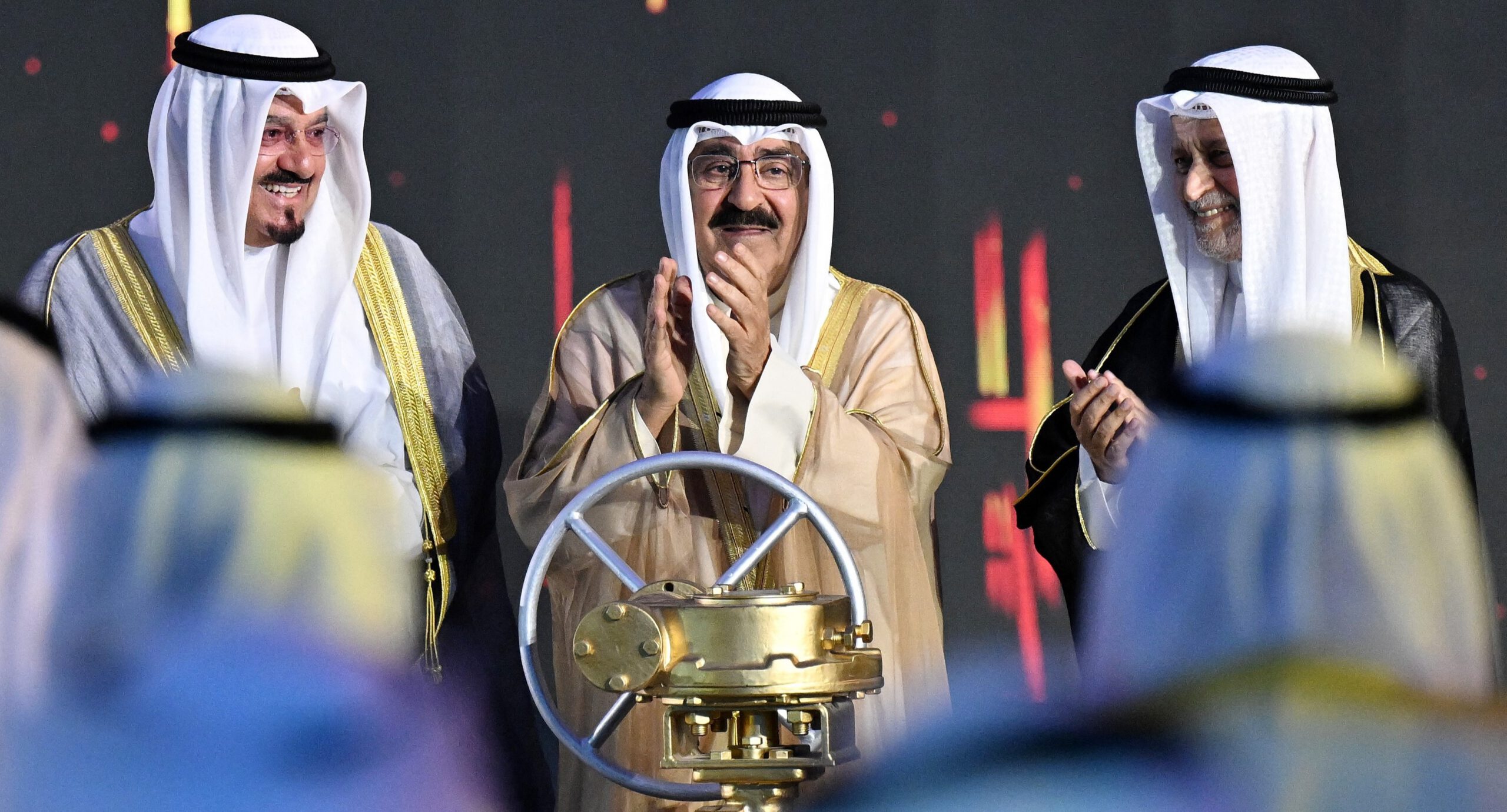
Kuwait’s emir, Sheikh Mishal Al Ahmad Al Jaber Al Sabah, took his next step in governance without a parliament in place on June 1, when he appointed Sheikh Sabah Khalid Al Sabah as crown prince. Although the timing of the announcement suspending portions of the constitution and dissolving the parliament caught most observers off guard, the emir’s decision was not surprising.
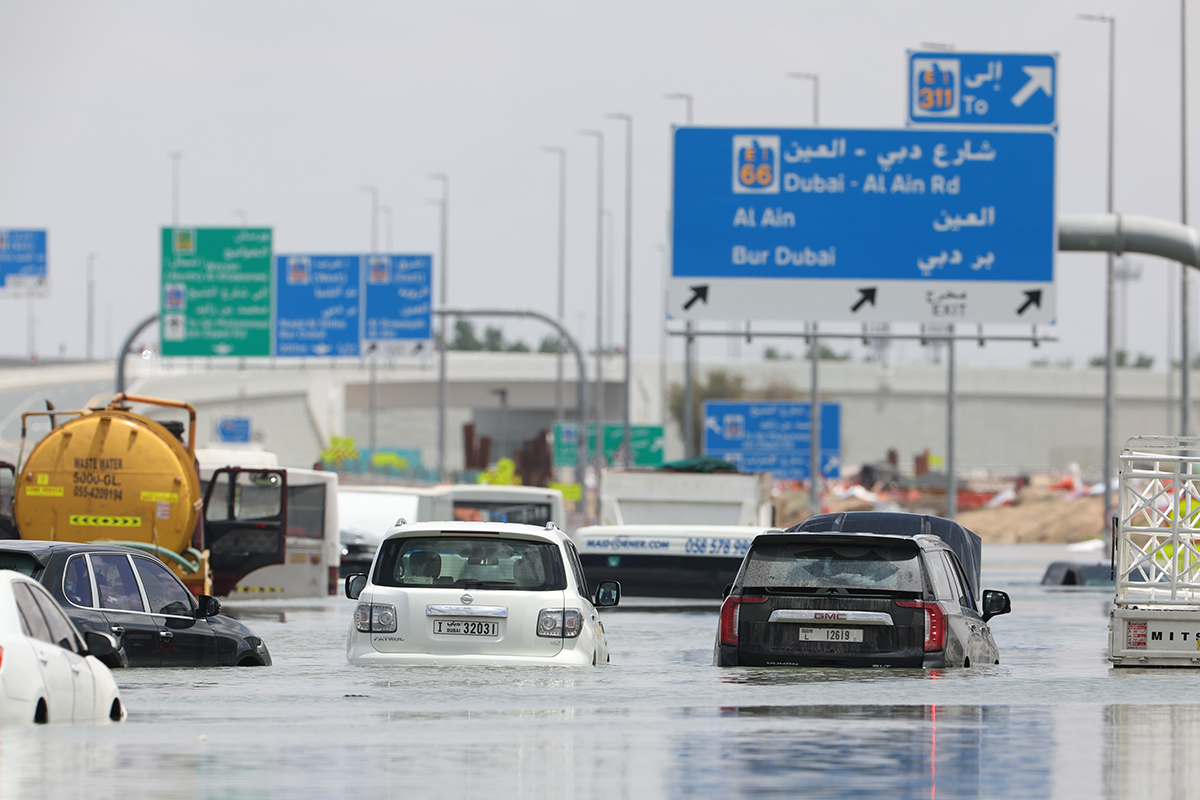
Debunking the role of cloud seeding in the April Arabian Gulf floods
Intense flooding across the Arabian Peninsula caused by a storm in mid-April sparked speculation about the role cloud seeding might have played in the precipitation event, giving rise to conspiracy theories on social media and warnings trumpeting the hazards of human intervention into natural processes. Cloud seeding is not the only climate change-adaptive strategy to have been targeted in this way, and the effort being expended to combat such disinformation (though nascent) is growing.
Home to around 1,000 forts, castles, and watchtowers, Oman has long used its historical structures to showcase the country’s rich history. Now, as part of an effort to promote cultural tourism, the sultanate is looking to develop more of them with a focus on the arts and cultural activities, giving its centuries-old heritage sites a new lease on life.
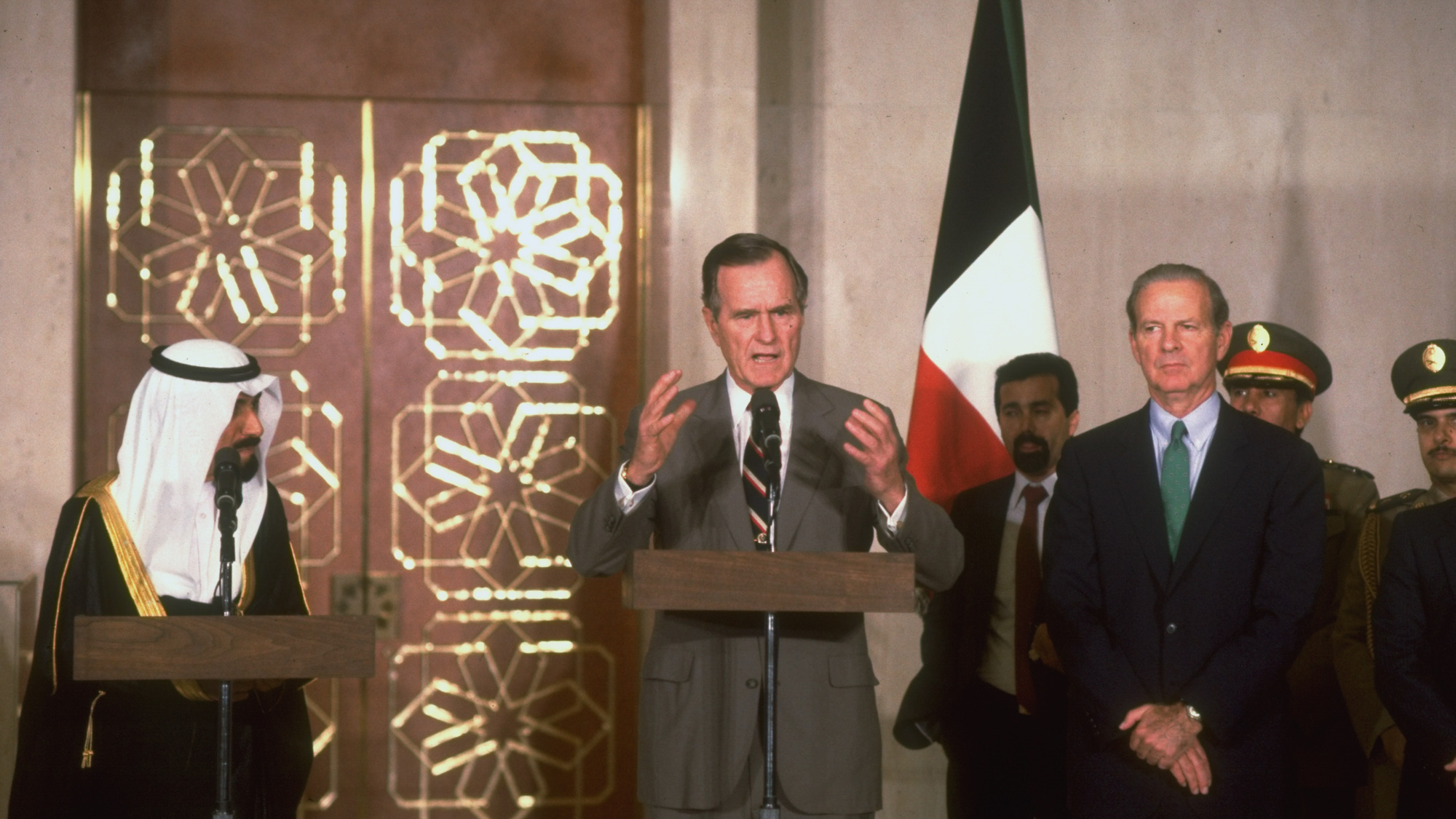
In his new book, Steve Coll casts doubt on whether Iraqi intelligence had actually tried to assassinate former President George H. W. Bush in Kuwait in April 1993. If the Kuwait plot were a fabrication, it would fit yet another brick in the wall of many well documented falsehoods and misunderstandings that led to the US invasion. Unfortunately for that allegation, the plot was very likely to have been quite real.
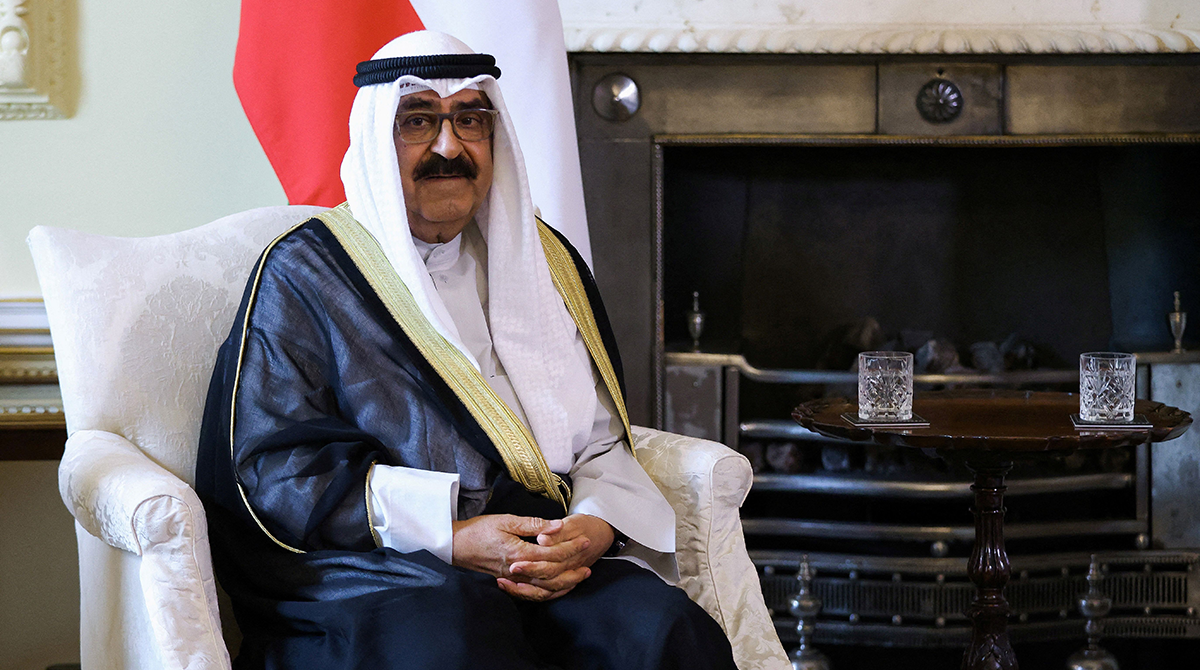
Following emir’s death, Sheikh Mishal Al Sabah named Kuwait’s new ruler, signaling continuity
Sheikh Mishal al-Ahmad al-Jaber Al Sabah, Kuwait’s 83-year-old crown prince and half-brother of the late emir, was named to replace Sheikh Nawaf immediately following news of his death on Dec. 16.
In the eye of the storm: The battle over fossil fuels at COP28
As the existential threat of climate change continues to intensify, the future of fossil fuels has been thrust into the international spotlight. Reducing hydrocarbon production and consumption has gained traction in international climate talks amid warnings that the window to avoid catastrophic warming is closing quickly.
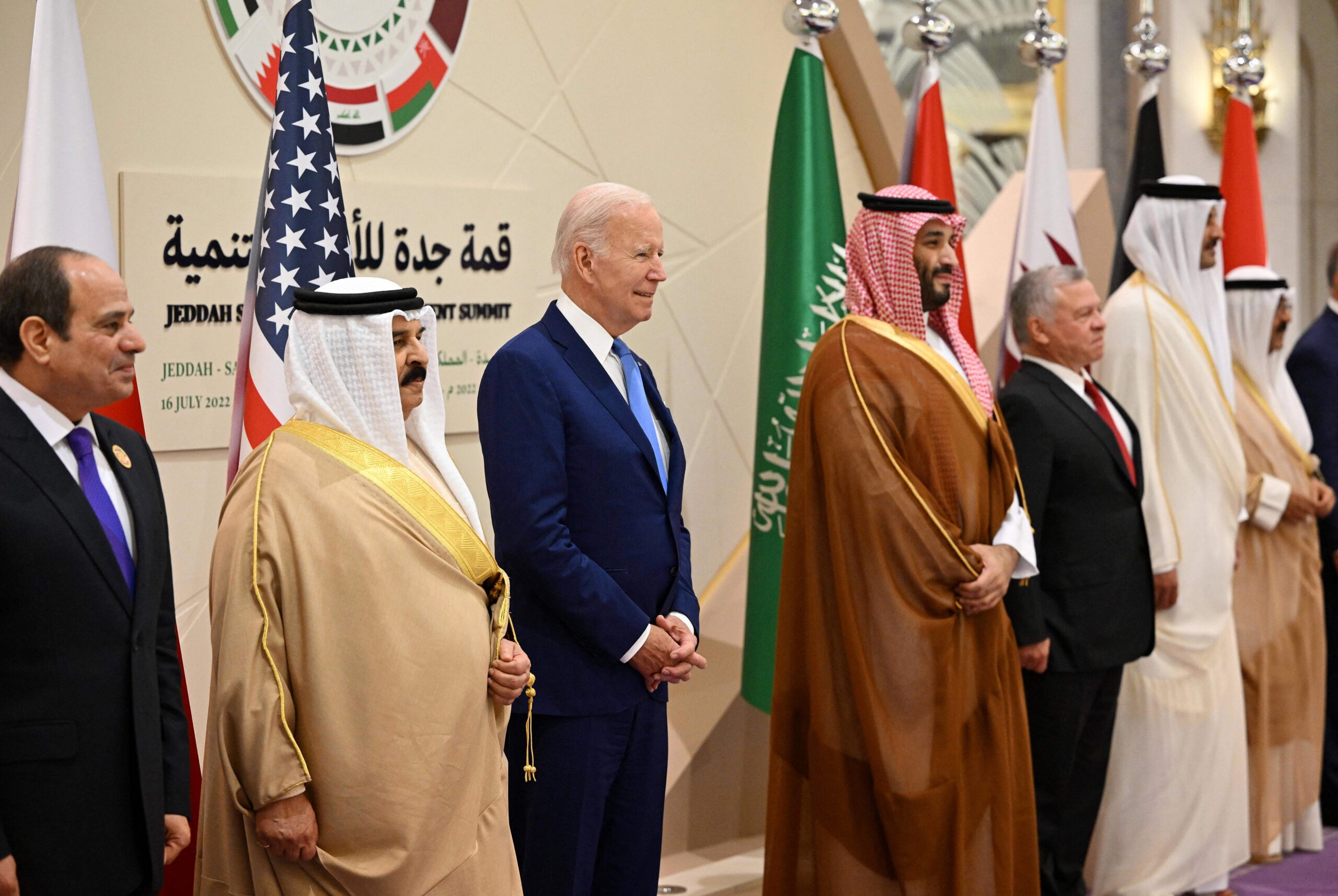
Treading Cautiously on Shifting Sands: An Assessment of Biden’s Middle East Policy Approach, 2021-2023
This report provides an interim assessment of the Biden administration’s overall Middle East strategy and examines the strategic opportunities and risks for U.S. policy in the broader region.
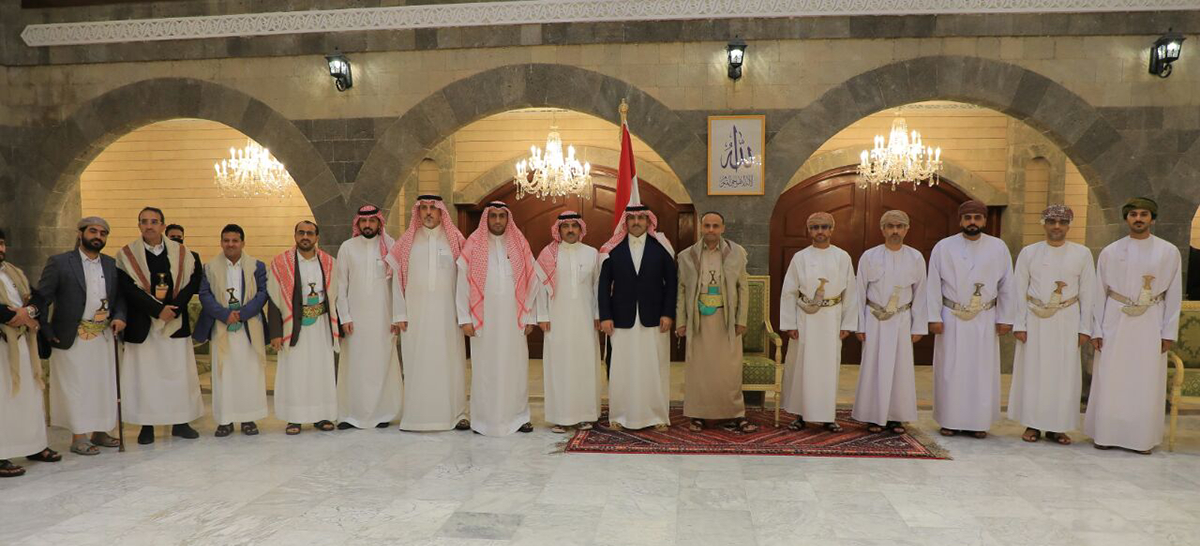
The war next door: Omani foreign policy toward Yemen
Over the past decade of turmoil, conflict, and external military intervention in Yemen, Oman’s foreign policy has emerged as the Gulf exception. Muscat has pursued a unique role, driven by both pragmatic concern and opportunity. It has harnessed its relations with most of the actors involved, including armed non-state actors, and sought to access new economic opportunities as part of its policies of strategic hedging, omni-balancing, and undeclared alignment.
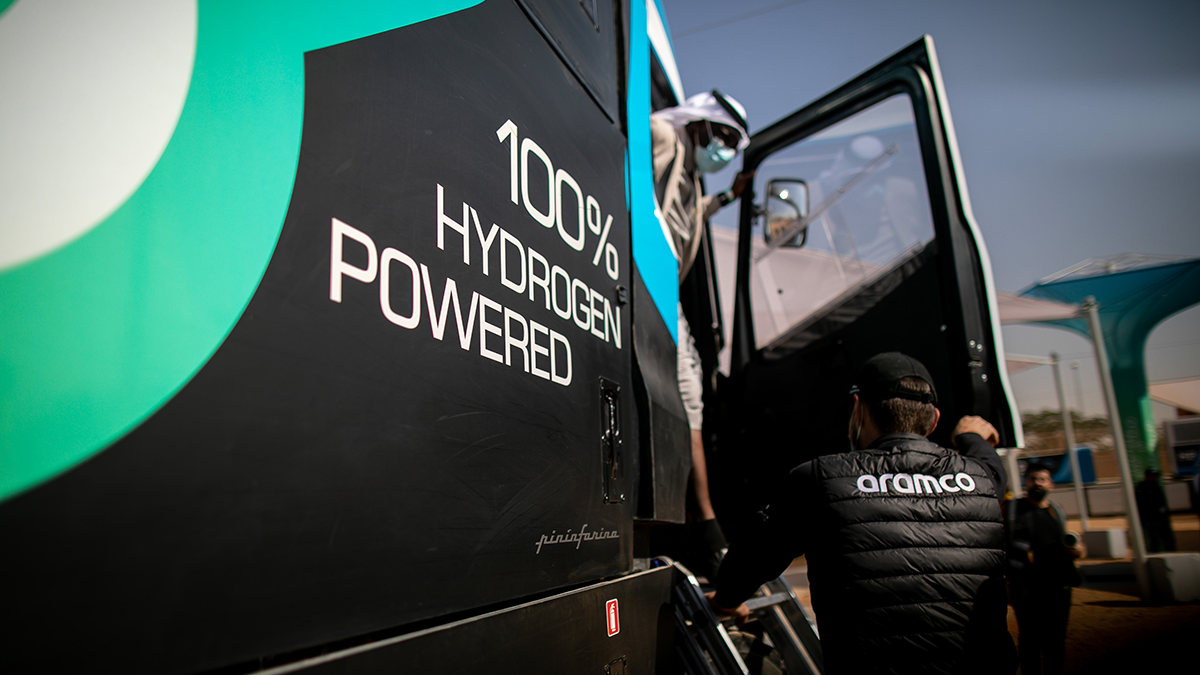
Hydrogen as a fuel of the future: Moving the GCC’s climate mitigation agenda forward
Hydrogen has been touted as an energy solution for the future and a leading mitigation technology against climate change. Among the states of the GCC, it has come to be seen as central to their energy transition strategy and a means to retain the region’s hegemonic position within global energy relations.