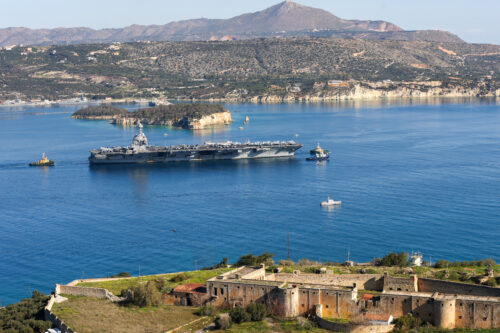
The Coming Debate Over the US Military Presence in the Gulf
The war with Iran is hardly over, but the debate over the shape and nature of the post-conflict American posture in the Gulf region is just beginning. Undoubtedly, how the war ends will affect how the United States adjusts its role. While this debate is still in its early stages, something of a conventional wisdom is already developing in policy circles that could seriously compromise American influence in the Middle East.
This report explores maritime security conditions in the Mediterranean and the evolving US engagement in the region. As critical infrastructure becomes increasingly vulnerable to sabotage, freedom of navigation is undermined by conflict, and energy disputes generate tension, US policy focus on the region has become fragmented and disengaged. The authors call for a sustained American role to strengthen maritime domain awareness, allied coordination, infrastructure protection, and the capacity to respond when Mediterranean crises affect US and transatlantic interests.
Curb Your Enthusiasm: Why the Midterms Might Not Change Much in US Middle East Policy
With less than a week before the midterm elections in the United States, the spotlight is on the economy and cultural divides. US foreign policy remains mostly on the sidelines, but this year’s inconclusive Iran war and its effect on America’s economy have shaped the broader political environment in this electoral cycle.
Since 1967, Israeli settlements in the West Bank have been a contested feature of the Israeli-Palestinian conflict. The ultimate disposition of the settlements and ongoing activity related to their growth have repeatedly defied agreement in negotiations over a resolution to the conflict.
The Houthis are a political-military faction and Zaydi religious movement founded in northwestern Yemen in the 1980s. A key member of Iran’s Axis of Resistance with links to other militant organizations in the Arabian Peninsula and the Horn of Africa, the group has continued to pose a threat to Western interests on a global scale.
The India-Middle East-Europe Economic Corridor (IMEC) is a proposed multinational infrastructure initiative aimed at upgrading connectivity between the three regions through integrated trade, energy, and digital networks. Announced at the G20 summit in New Delhi in September 2023, IMEC is envisioned partially as a counterweight to China’s international infrastructure project, the Belt and Road Initiative.
After a decade of post-Arab Spring isolation, Turkey’s leaders have recognized that their ambition to position the country as an agenda-setter on the world stage requires active engagement in all directions. President Recep Tayyip Erdoğan’s consolidation of executive authority has centralized foreign policy decision-making and tied it to his domestic political priorities, transforming the country’s revisionist approach to one shaped primarily by personal and pragmatic interests.
MEI Senior Fellow Brian Katulis engages friends, colleagues, and policy experts in casual conversations on the most important happenings in the Middle East.
New Documentary Honors Father of Modern Iranian Sculpture
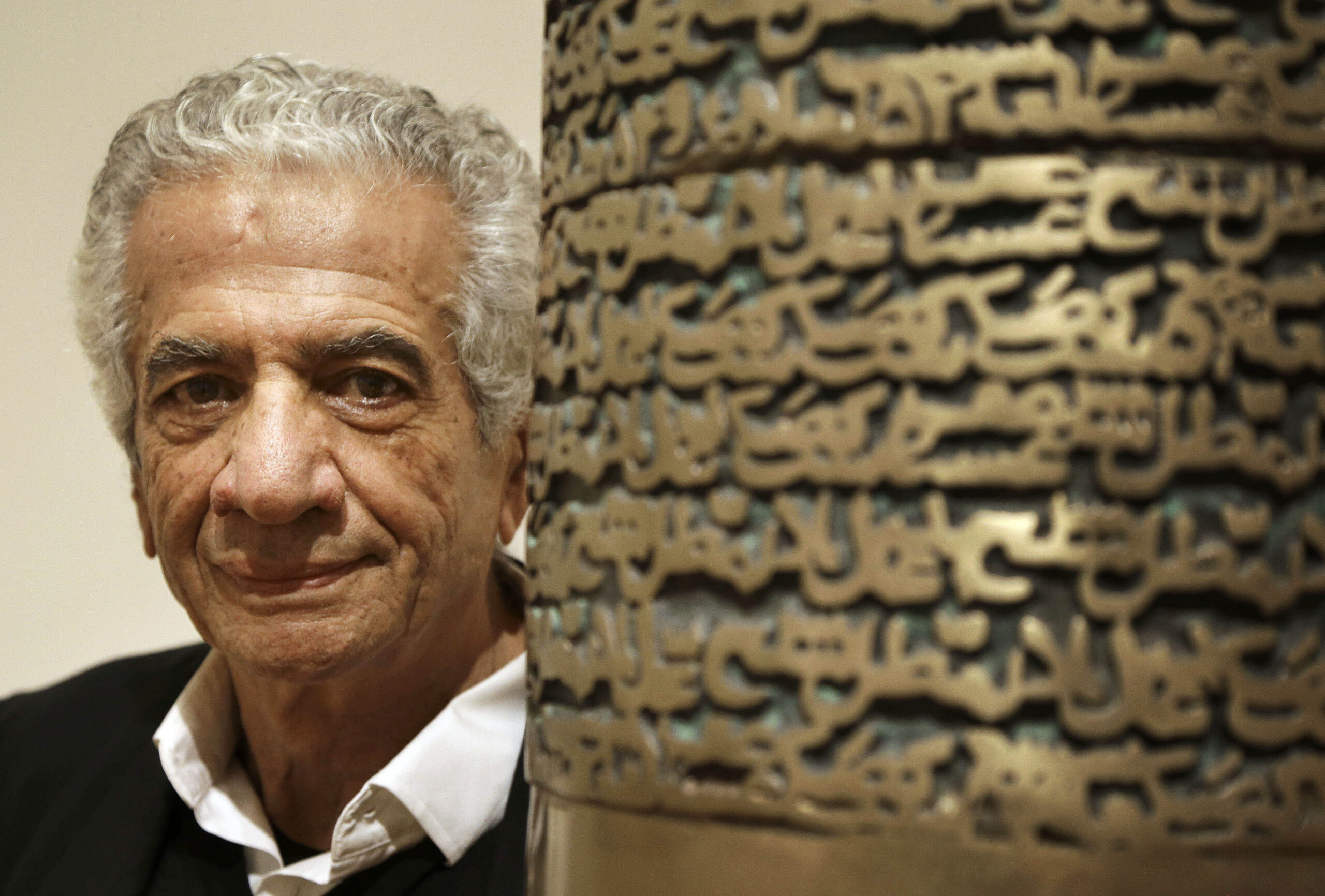
At the edge of the Pacific, in a bucolic suburb of Vancouver called Horseshoe Bay, the “father of modern Iranian sculpture” has lived a quiet existence since 1989.
Despite being a pioneer of Iranian modernism and one of the founders of the Saqqakhaneh School of Art in mid-20th century Tehran, Parviz Tanavoli has been virtually invisible in Vancouver.
Today, however, a new documentary about the artist directed by Canadian filmmaker Terrence Turner has bridged the chasm between the Middle East and the Pacific Northwest.
Saudi Arabia has come under intense scrutiny in recent months. Much of it centers on its more assertive and less accommodating foreign policy, as manifested in its unprecedented military campaign in Yemen. The shift in Saudi regional policy has spawned the sudden popularity of two narratives in the Western press, think tanks and even some official circles.
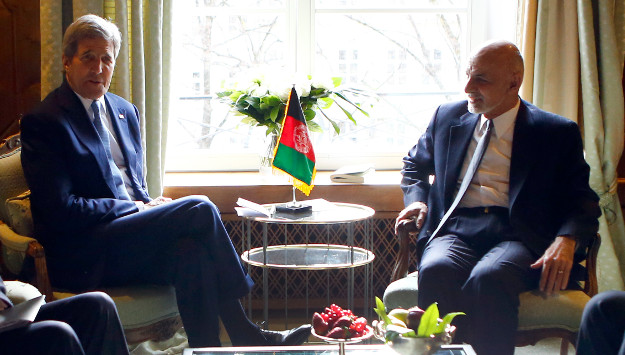
Peace with Taliban Could Stem ISIS Growth in Afghanistan
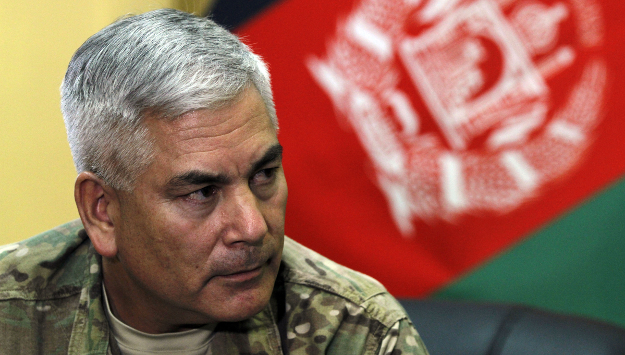
U.S. Army General John Campbell, the outgoing commander of coalition forces in Afghanistan, estimates the number of ISIS militants in Afghanistan to range from 1,000 to 3,000 and warns that “they have the ability to recruit quite well, not only around the world, but inside Afghanistan.”
Emir Sheikh Tamim bin Hamad Al Thani warned Qataris in November that due to tumbling oil prices, the government could no longer “provide for everything.” The following month he addressed “wasteful spending, overstaffing and a lack of accountability,” sending a clear message that austerity measures were on the way.
South Korea’s Diversifying Economic Cooperation in the Gulf
Traditionally, South Korea’s economic relations with the Gulf states have been primarily based on energy trade and construction. The Park Geun-hye administration is keen to expand the scope and boost the value of South Korea’s economic relations with the GCC countries and with Iran.
Monday Briefing: Syria Ceasefire, Iran's Elections, and ISIS in Libya
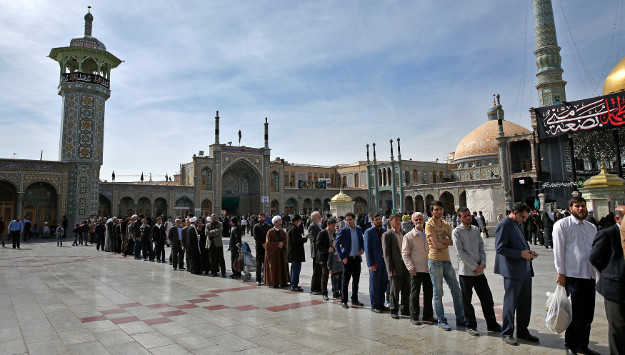
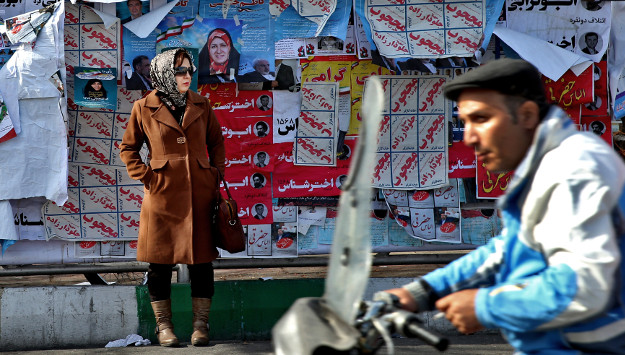
In this week’s Monday Briefing, MEI experts Robert S. Ford, Paul Salem, Alex Vatanka, and David Mack provide analysis on recent events including the ceasefire agreement in Syria, Iran’s elections, and how the United States should respond to the growing threat of ISIS in Libya.
For any major film festival, politics is an imperative ingredient, inseparable from the glamor and publicity organizers always strive to attract. Of all the big film fairs, the Berlin International Film Festival (aka the Berlinale) has forever been known to be the most political, either in its eye-raising selection or in its granted awards.
Turkey is confronting a nightmare as its two archenemies, President Bashar al-Assad’s regime and the Kurdish Democratic Union Party (PYD), gain ground in Syria with the help of U.S. and Russian air cover. Turkey has long called for a no-fly zone in northern Syria to protect areas held by the opposition and a halt to the PYD advances west of the Euphrates. Frustrated with U.S. cooperation with the PYD, Ankara has insisted that the PYD is a terrorist organization and poses a grave danger to Turkey’s national security.
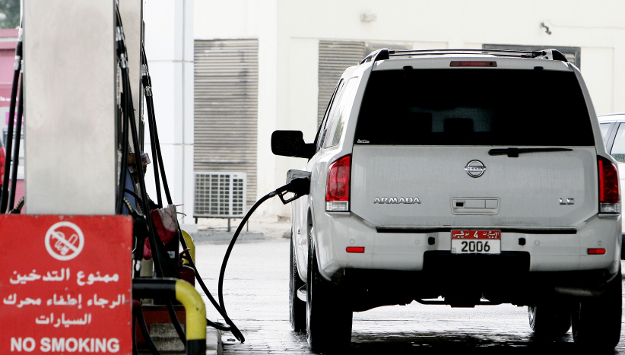
As objectionable as it may seem to many, it’s becoming increasingly likely that Donald Trump will be the Republican Party’s presidential nominee. It is also no longer a remote possibility for Trump to become the 45th president of the United States come next January. What would a Trump presidency mean for the oil-rich Gulf Arab states?
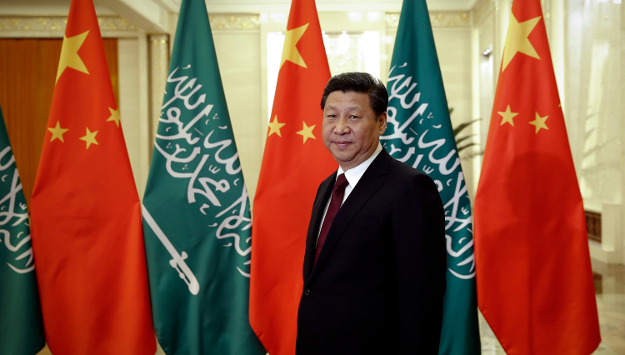
Chinese President Xi Jinping’s visit last month to Saudi Arabia, Egypt, and Iran represented the first, full frontal launch of China’s One Belt, One Road (OBOR) strategy in the Middle East. The visit has wide implications for Gulf Cooperation Council (GCC)-China relations as the geopolitical chessboard undergoes a major realignment.
Explaining the Military's Ruling Ambition in Egypt and Thailand
The military took advantage of political crisis to remove civilian governments in Egypt in 2013 and Thailand in 2014. This essay discusses three important features of the Egyptian and Thai political systems that have fostered the military’s ruling ambition in both cases.
Weekly Briefing: Syria Ceasefire, Iran Elections, and Saudi Arabia's Suspension of Aid to Lebanon
In the first installment of a new series of weekly briefings on the most important regional issues, MEI experts Randa Slim, Alex Vatanka, and Paul Salem analyze recent events including the ceasefire agreement in Syria, upcoming elections in Iran, and Saudi Arabia’s suspension of military aid to Lebanon.
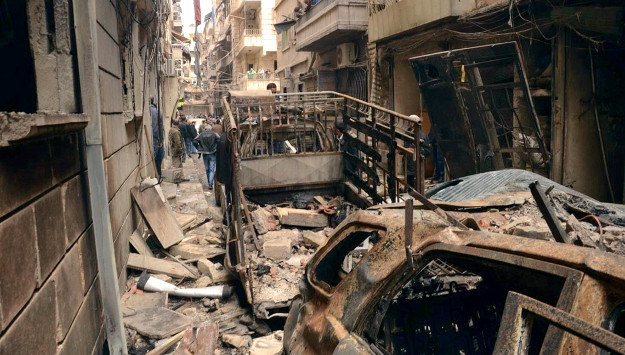
Will New Cease-fire Deal in Syria Succeed?
Randa Slim Director, Initiative for Track II Dialogues
The oldest peer-reviewed publication dedicated to the study of the modern Middle East, MEI’s flagship journal covers politics, society, and culture in the region.