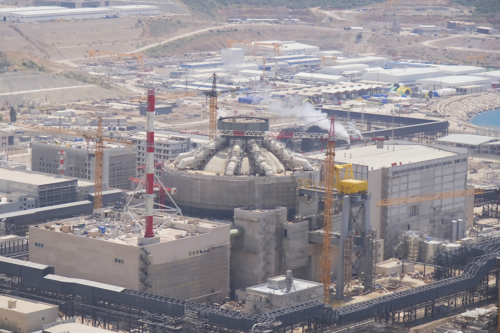
As a result of the Iran war, Turkish thinking about nuclear weapons appears to be shifting. Iran’s emergent ability to threaten regional states (and possible determination to acquire a nuclear weapon itself), growing concern about Israeli aggressiveness, doubts about US security guarantees, and greater Saudi nuclear autonomy are all pushing Ankara to consider a future nuclear option.
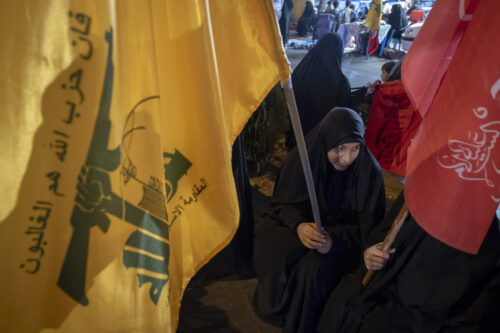
Hizballah: The murderers of elected Lebanese politicians, the killers of peacekeepers, the thugs of the streets they dominated because all other militias had disarmed, the agents of destruction of their own communities on behalf of foreign paymasters reigning 1,000 miles away from Beirut, the brainwashers of children into an ideology of “resistance” that only invited invasion. That’s the Hizballah that today is begging the Lebanese state to return to them the 1,000 pounds of explosives so rudely taken from them by Lebanese soldiers doing their job at a checkpoint in the Bekaa Valley.
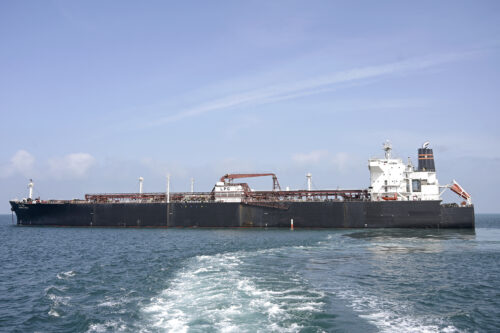
Many of the immediate consequences of the Israeli-American war with Iran are already clear. The further emergence of drones and missiles as dominant weapons of war; the danger to the global economy from the threats to vital chokepoints such as the Strait of Hormuz and the Bab el-Mandeb; and the inadequacy of US weapons procurement, among other issues, have garnered widespread and entirely merited attention.
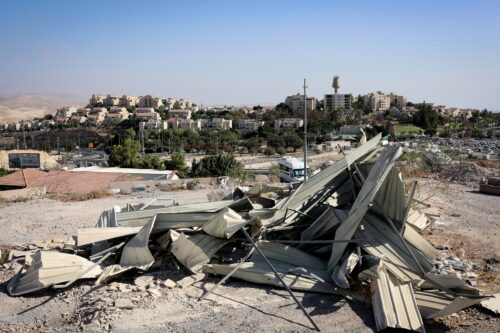
Since 1967, Israeli settlements in the West Bank have been a contested feature of the Israeli-Palestinian conflict. The ultimate disposition of the settlements and ongoing activity related to their growth have repeatedly defied agreement in negotiations over a resolution to the conflict.
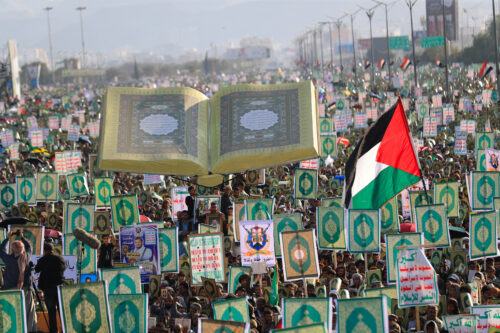
The Houthis are a political-military faction and Zaydi religious movement founded in northwestern Yemen in the 1980s. A key member of Iran’s Axis of Resistance with links to other militant organizations in the Arabian Peninsula and the Horn of Africa, the group has continued to pose a threat to Western interests on a global scale.
The India-Middle East-Europe Economic Corridor (IMEC) is a proposed multinational infrastructure initiative aimed at upgrading connectivity between the three regions through integrated trade, energy, and digital networks. Announced at the G20 summit in New Delhi in September 2023, IMEC is envisioned partially as a counterweight to China’s international infrastructure project, the Belt and Road Initiative.
After a decade of post-Arab Spring isolation, Turkey’s leaders have recognized that their ambition to position the country as an agenda-setter on the world stage requires active engagement in all directions. President Recep Tayyip Erdoğan’s consolidation of executive authority has centralized foreign policy decision-making and tied it to his domestic political priorities, transforming the country’s revisionist approach to one shaped primarily by personal and pragmatic interests.
MEI Senior Fellow Brian Katulis engages friends, colleagues, and policy experts in casual conversations on the most important happenings in the Middle East.
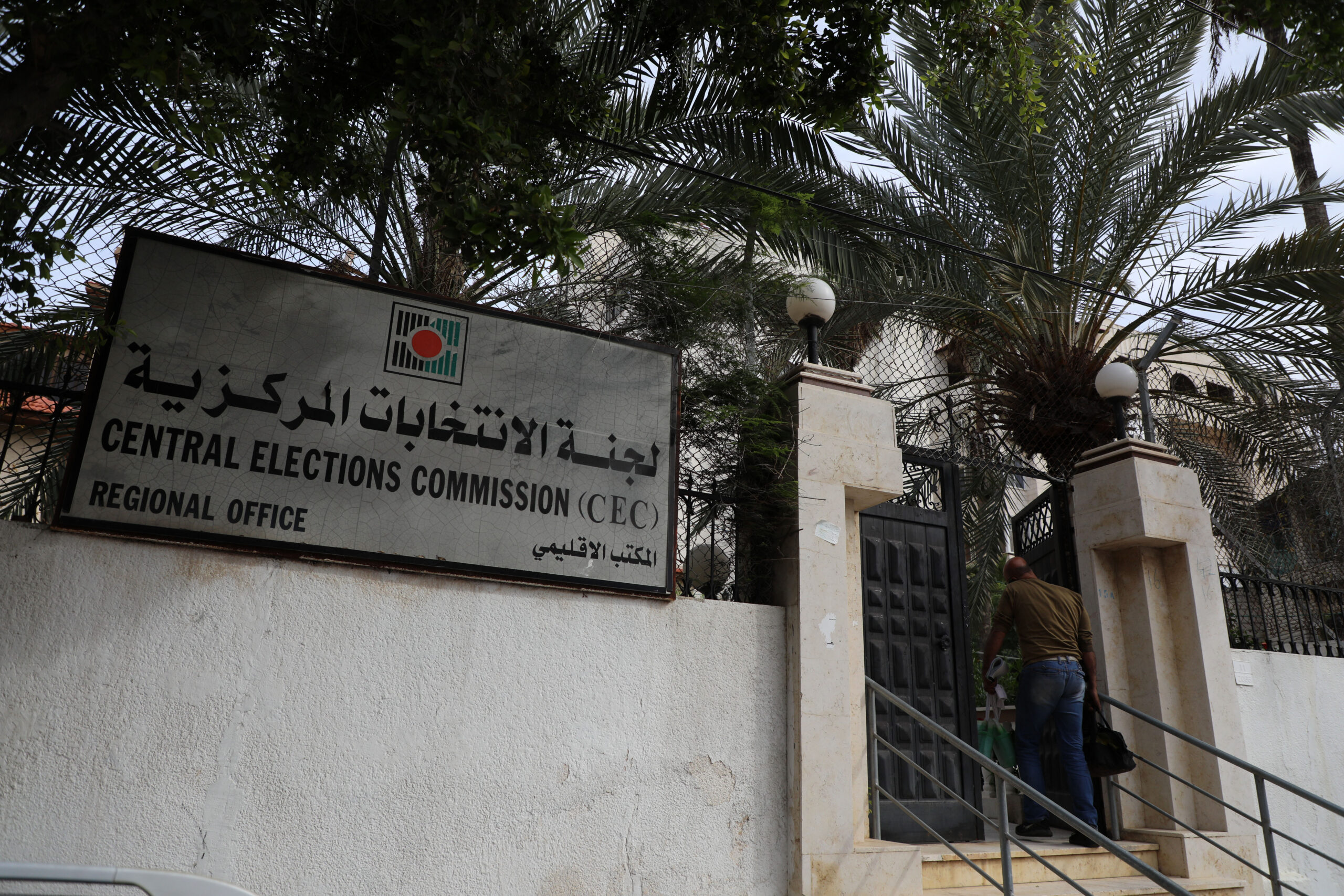
For years pundits have argued that Palestinian elections cannot take place in the occupied territories until there is reconciliation between the warring factions of Fatah and Hamas. The conflict between them led to the creation of two parallel governments, with Fatah controlling the West Bank and Hamas in charge of Gaza. This situation produced parallel laws and, most importantly, parallel security forces. While these differences remain unresolved, elections, which were once considered impossible without reconciliation, are now being used to achieve reconciliation. On January 11, a Palestinian presidential decree announced legislative elections for May 22 to be followed by presidential elections on July 31.
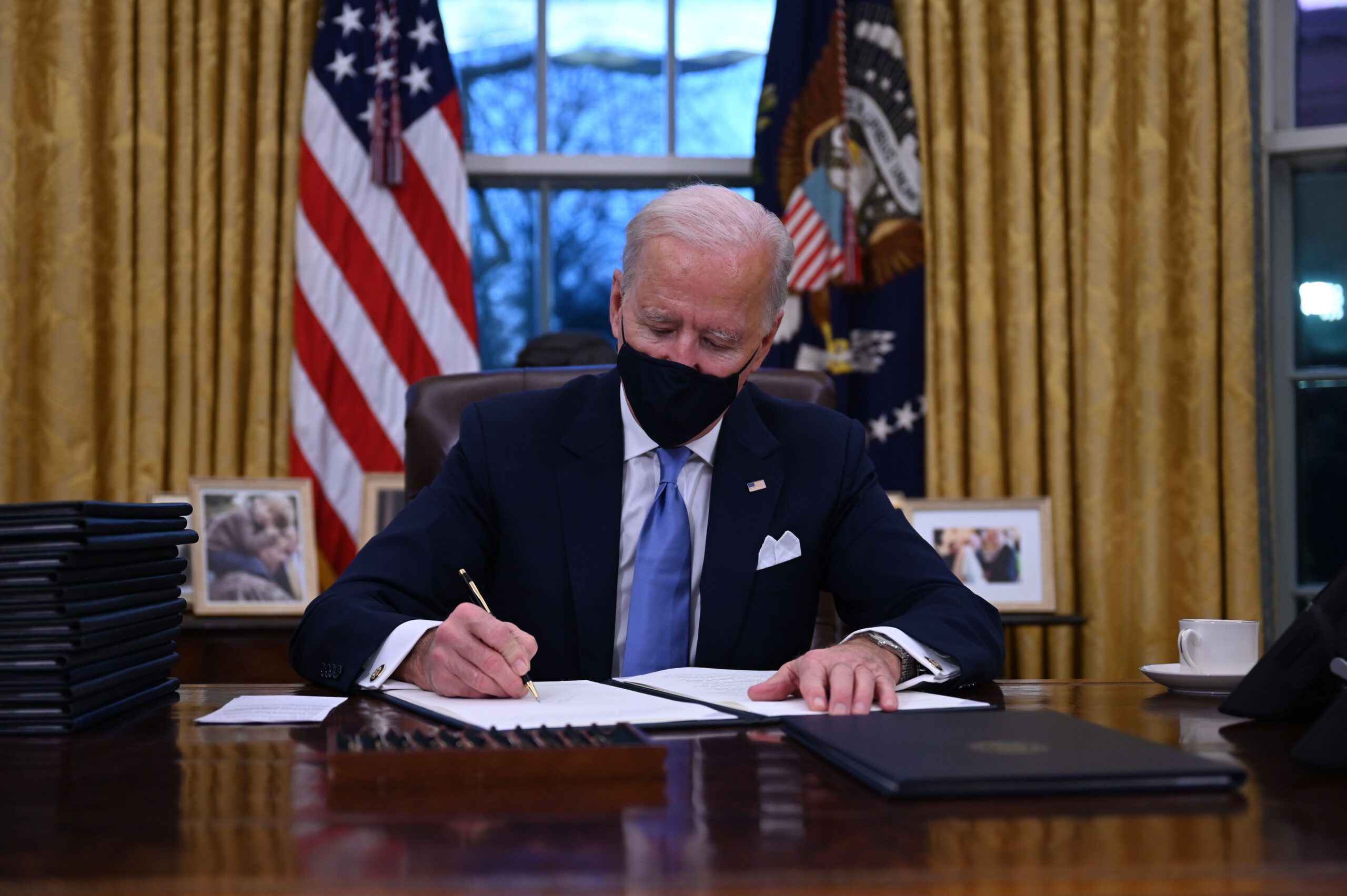
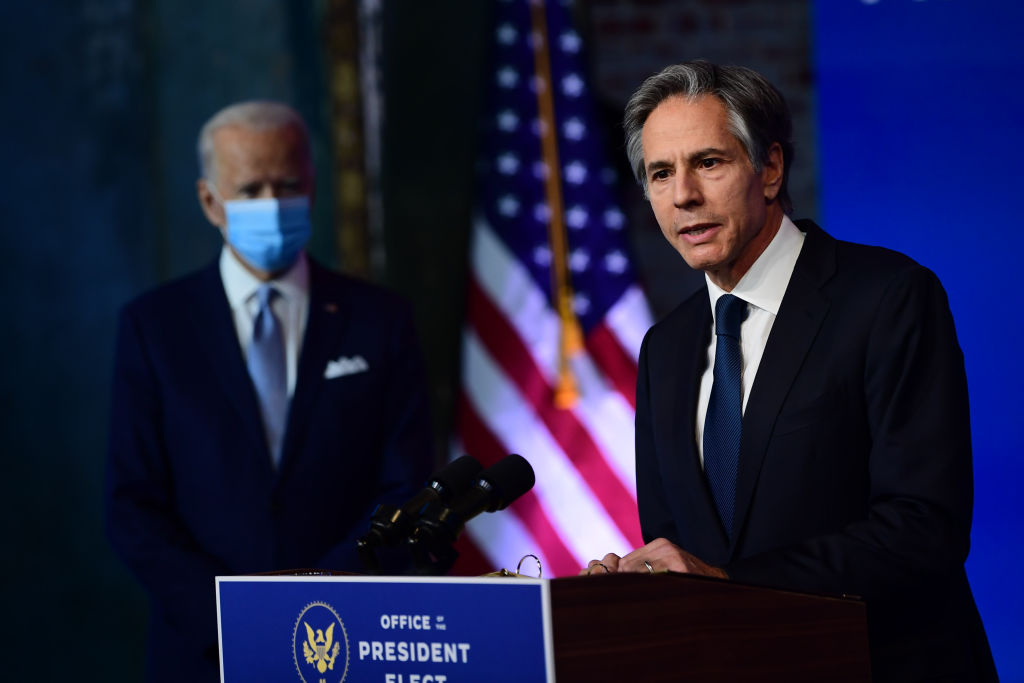
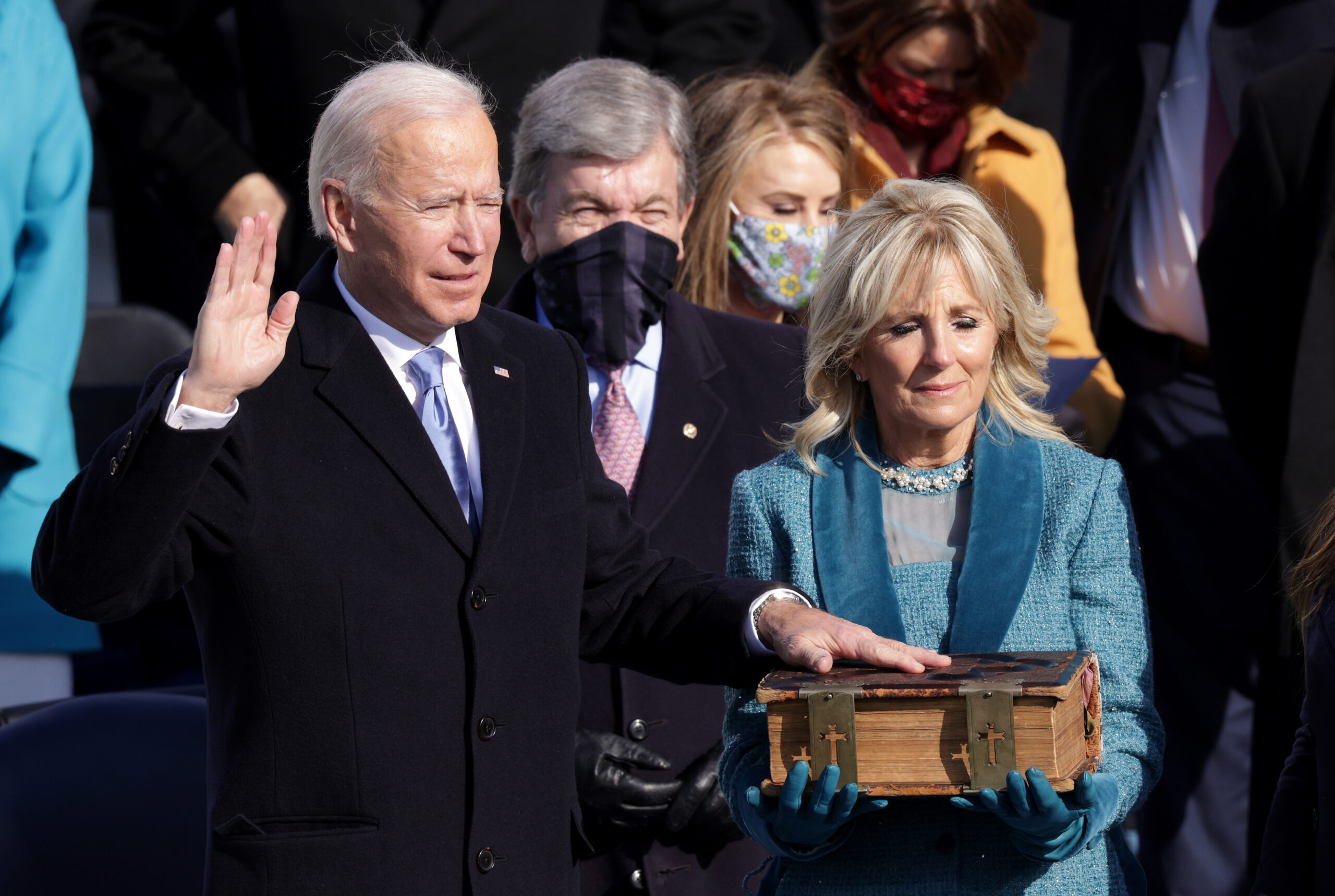
Can President Biden rescue America’s democratic legacy in the Black Sea?
Following a tumultuous period in Washington, during which the Capitol was stormed by rioters and Donald Trump became the first president to be impeached twice, many in the United States and around the world were left feeling concerned and unsettled.As a Georgian who has seen the U.S. play a transformative role in building my country’s young democracy, the attack on Capitol Hill was something I could never have anticipated. My fear stemmed not from feeling unsafe in downtown DC, but rather from the consequences of U.S. instability and fragility on those countries that rely on its support to build democratic institutions and adopt western values.
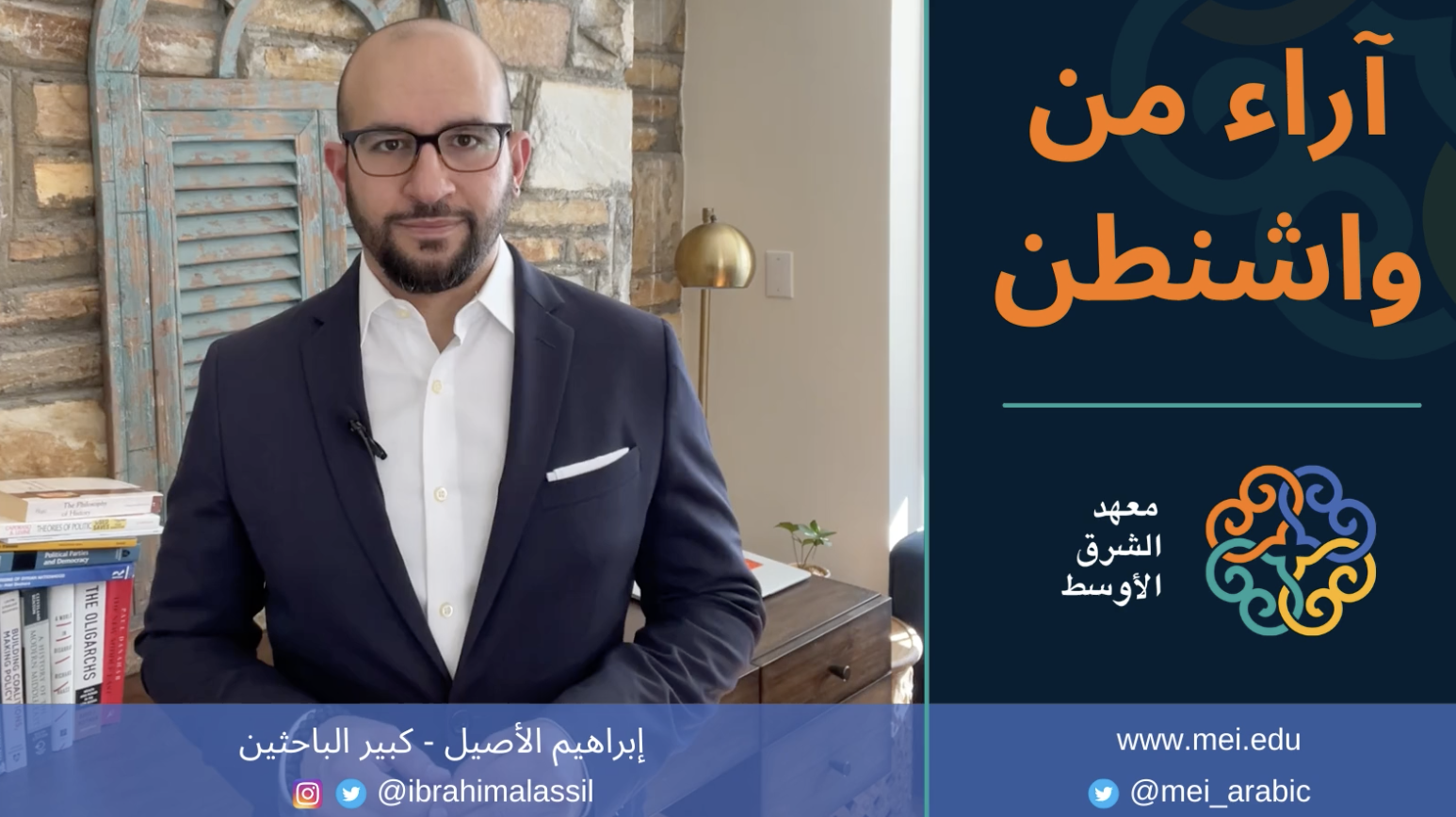
آراء من واشنطن: حلقة 4 – ذكرى الثورة الإيرانية، ورفض إسرائيل شمل الفلسطينيين باللقاح
في حلقة ‘آراء من واشنطن’ يستعرض إبراهيم الأصيل رأيين، الأول لأليكس ڤاتنكا حول إيران، والثاني لكارول كاسبري حول رفض إسرائيل تقديم اللقاحات للفلسطينيين وخيارات السُّلطة.
حلقة 22: آراء (4) ذكرى الثورة الإيرانية، ورفض إسرائيل شمل الفلسطينيين باللقاح
الحلقة الرابعة من سلسلة ‘آراء من واشنطن’. يستعرض إبراهيم الأصيل رأيين، الأول لأليكس ڤاتنكا حول إيران، والثاني لكارول كاسبري حول رفض إسرائيل تقديم اللقاحات للفلسطينيين وخيارات السُّلطة.
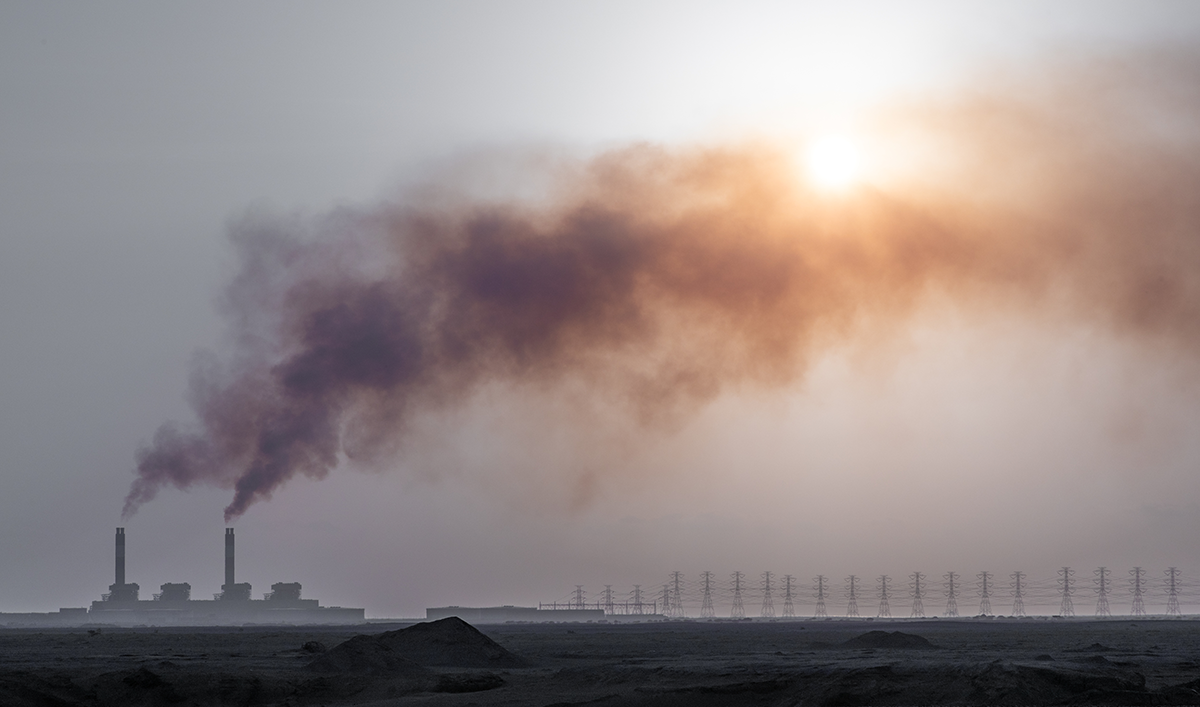
Finding common ground: Fostering environmental cooperation in the Persian Gulf
When it comes to the Persian Gulf, saving the environment might seem like it would be the last item on the to-do lists of the region’s Iranian and Arab rivals. It is an urgent matter, however — and one that could help turn these foes into friends. The United States can play an important role in this: It has helped the region to resolve conflicts over water in the past, and it could do so again.
حلقة 19: آراء (1) تصنيف الحوثيين كمنظمة إرهابية والانتقال الديمقراطي في تونس
حلقة 1 من سلسلة “آراء من واشنطن”، نستعرض فيها آراء السفير جيرالد فيريستاين حول تصنيف الحوثيين كمنظمة إرهابية، والباحث ايميليانو اليساندري حول الانتقال الديمقراطي في تونس.
حلقة 21: آراء (3) الواقع في العراق، وسياسة تويتر لحظر السياسيين
حلقة 3 من سلسلة “آراء من واشنطن”، نستعرض فيها رأي لرندا سليم (كبيرة الباحثين ومديرة برنامج المسار الثاني وحل النزاعات) حول الواقع السياسي والاقتصادي في العراق، ورأي لمايك سيكستن (مدير برنامج الأمن الرقمي) حول سياسة تويتر لحظر حسابات السياسيين.
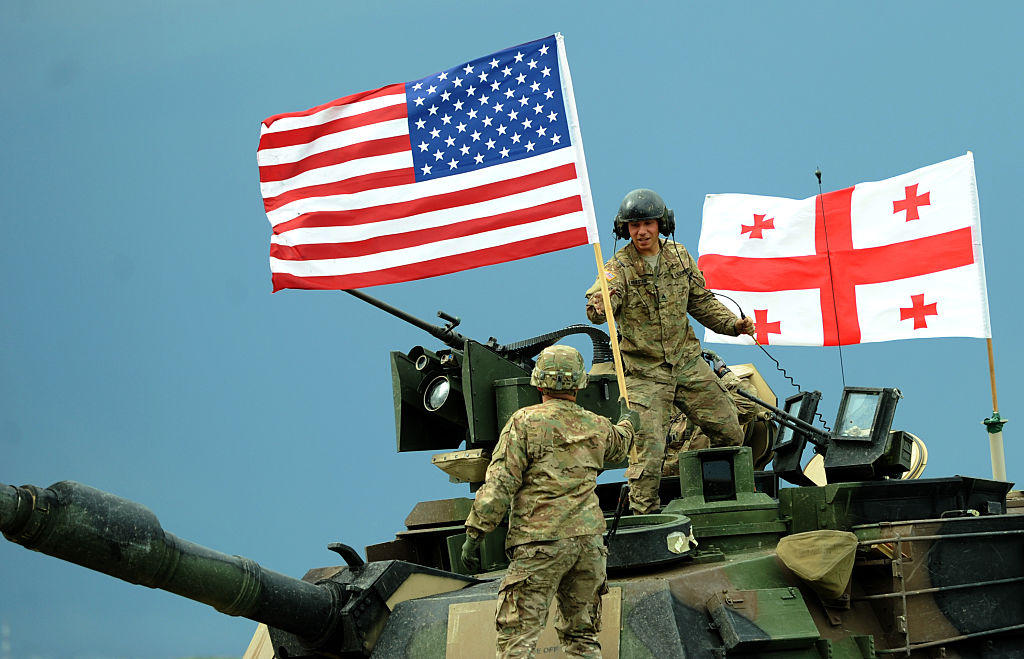
Biden’s Challenge: Continuing Progress in Eastern Europe Despite Russian Adventurism
The Biden Administration has a firm foundation upon which to build in Eastern Europe. As part of its focus on great power competition in the region, the Trump Administration sharply increased funding for the European Deterrence Initiative (EDI), covering costs for U.S. troops in Europe and security support for strategic allies, while repositioning some U.S. forces in Europe to the eastern flank. We have made important steps to support our strategic allies in Eastern Europe, but this administration needs to stay the course and increase its focus and commitment to the Black Sea region. Russia must understand the costs of their adventurism in order to prevent further reckless behavior.
Challenges of a Six-Country Regional Cooperation Platform for Georgia
In the aftermath of the second Nagorno-Karabakh war, bolstered by Turkey’s growing influence in the South Caucasus, President Recep Tayyip Erdogan proposed the controversial idea of establishing a six-country regional cooperation platform. Speaking from the Azerbaijani capital Baku, where he was attending victory celebrations, Erdogan noted that new opportunities for regional cooperation are possible for the Caucasus region. Turkey’s leader envisages a platform that would bring Turkey, Russia, Azerbaijan, Iran, Georgia, and Armenia together. In his words, it would provide a win-win opportunity for all sides, including Armenia, which could use the platform as a first positive step toward establishing bilateral relations with Turkey.
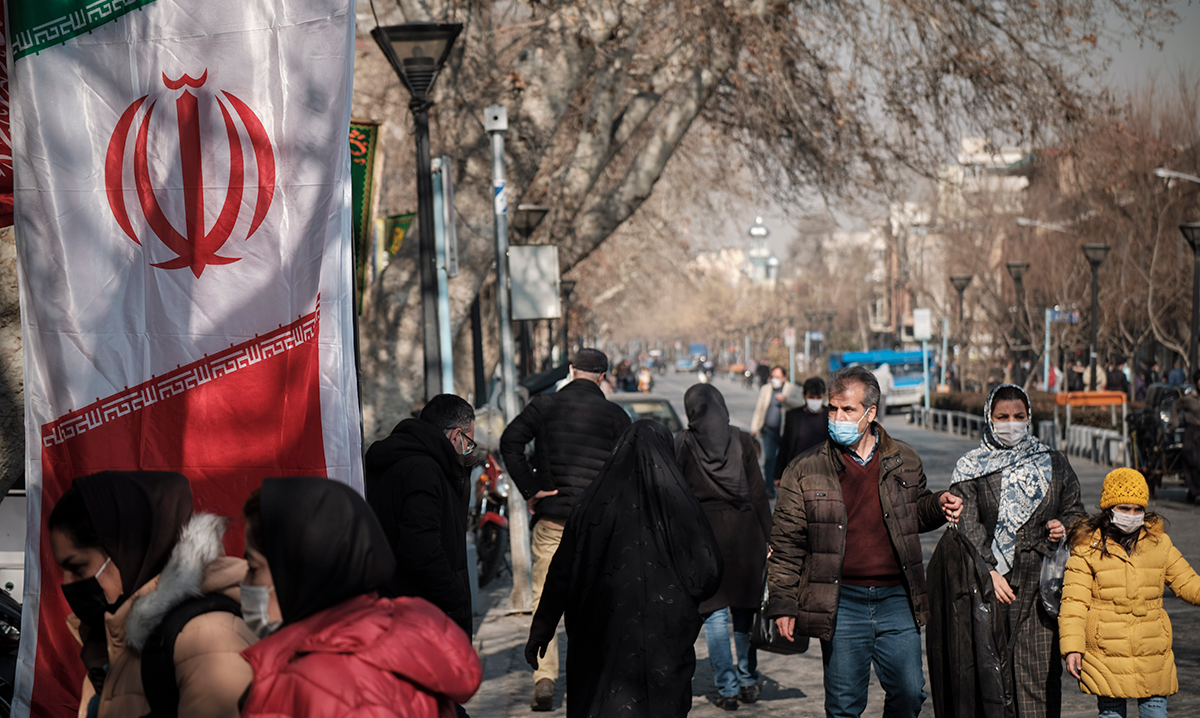
Iran-US negotiations 2021: No 2015 redux by the standards of the Iranian economy
The core question for Iran watchers this year is the likelihood and nature of a renewed Iranian nuclear deal. However, the circumstances are very different and the respective bargaining power of the two sides does not mirror the negotiations in 2015. In particular, the macroeconomic backdrop is considerably worse today and the regime more desperate for sanctions relief than it seems.
The oldest peer-reviewed publication dedicated to the study of the modern Middle East, MEI’s flagship journal covers politics, society, and culture in the region.