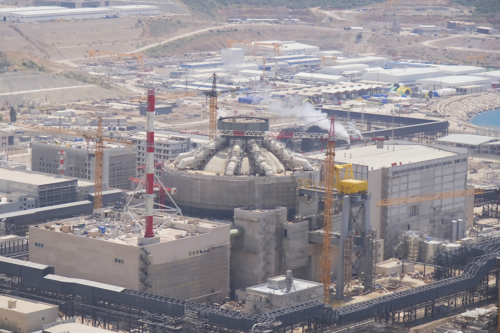
As a result of the Iran war, Turkish thinking about nuclear weapons appears to be shifting. Iran’s emergent ability to threaten regional states (and possible determination to acquire a nuclear weapon itself), growing concern about Israeli aggressiveness, doubts about US security guarantees, and greater Saudi nuclear autonomy are all pushing Ankara to consider a future nuclear option.
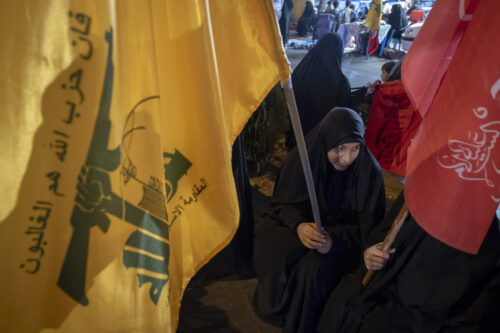
Hizballah: The murderers of elected Lebanese politicians, the killers of peacekeepers, the thugs of the streets they dominated because all other militias had disarmed, the agents of destruction of their own communities on behalf of foreign paymasters reigning 1,000 miles away from Beirut, the brainwashers of children into an ideology of “resistance” that only invited invasion. That’s the Hizballah that today is begging the Lebanese state to return to them the 1,000 pounds of explosives so rudely taken from them by Lebanese soldiers doing their job at a checkpoint in the Bekaa Valley.
Many of the immediate consequences of the Israeli-American war with Iran are already clear. The further emergence of drones and missiles as dominant weapons of war; the danger to the global economy from the threats to vital chokepoints such as the Strait of Hormuz and the Bab el-Mandeb; and the inadequacy of US weapons procurement, among other issues, have garnered widespread and entirely merited attention.
Since 1967, Israeli settlements in the West Bank have been a contested feature of the Israeli-Palestinian conflict. The ultimate disposition of the settlements and ongoing activity related to their growth have repeatedly defied agreement in negotiations over a resolution to the conflict.
The Houthis are a political-military faction and Zaydi religious movement founded in northwestern Yemen in the 1980s. A key member of Iran’s Axis of Resistance with links to other militant organizations in the Arabian Peninsula and the Horn of Africa, the group has continued to pose a threat to Western interests on a global scale.
The India-Middle East-Europe Economic Corridor (IMEC) is a proposed multinational infrastructure initiative aimed at upgrading connectivity between the three regions through integrated trade, energy, and digital networks. Announced at the G20 summit in New Delhi in September 2023, IMEC is envisioned partially as a counterweight to China’s international infrastructure project, the Belt and Road Initiative.
After a decade of post-Arab Spring isolation, Turkey’s leaders have recognized that their ambition to position the country as an agenda-setter on the world stage requires active engagement in all directions. President Recep Tayyip Erdoğan’s consolidation of executive authority has centralized foreign policy decision-making and tied it to his domestic political priorities, transforming the country’s revisionist approach to one shaped primarily by personal and pragmatic interests.
MEI Senior Fellow Brian Katulis engages friends, colleagues, and policy experts in casual conversations on the most important happenings in the Middle East.
Can Turkey lead the way in regional cooperation on Black Sea gas?
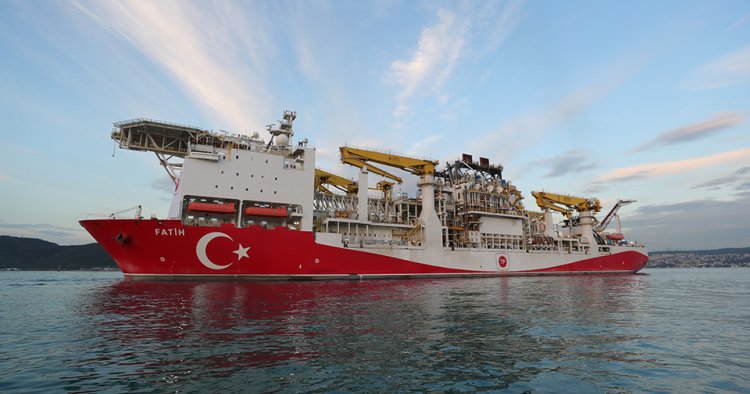
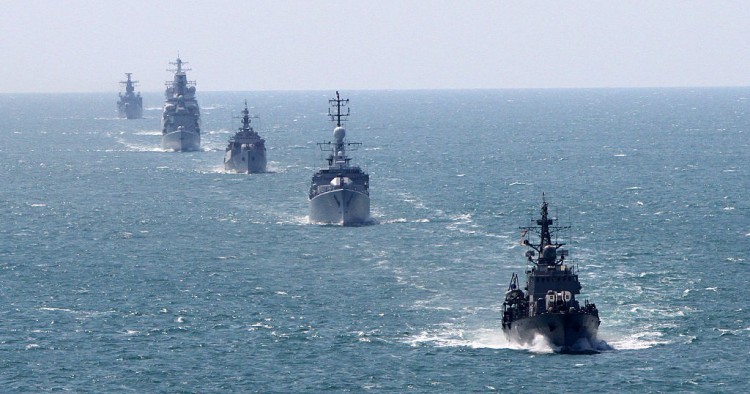
On August 22, Turkey announced the discovery of Tuna-1. Though questions remain as to whether it is economically viable to start production – President Recep Tayyip Erdogan has suggested this could happen as early as 2023 – the news could not go unnoticed in other littoral countries of the Black Sea. The discovery may well help spur regional cooperation.
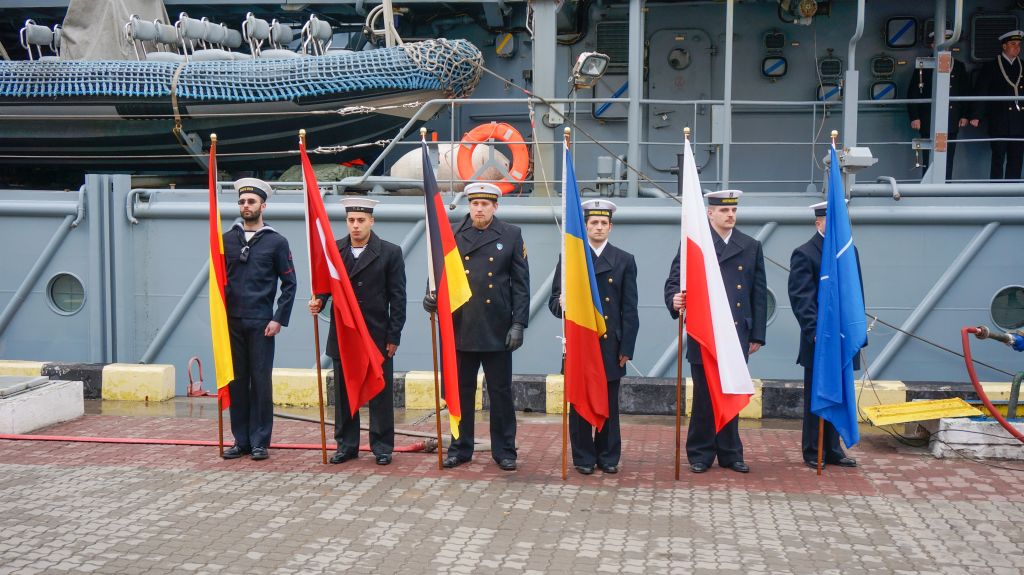
I have the good fortune of living in the Baltics and working in the Black Sea region. Compared to the positive NATO effort in the Baltics, the Black Sea region as an operational space is a dangerous conceptual mess for both NATO and the EU. A lack of clarity of purpose confuses countries in the region that really need support in their fight against Russian interference.
Love for Fairuz has proven that Iranians, despite their intense political differences, can have a common interest. After the deadly explosion in Beirut — which killed more than 190 people and displaced about 300,000 — the first thing Iranians thought of to express their sympathy was Fairuz’s famous song “Li Beirut,” which became a trending hashtag on Persian Twitter.
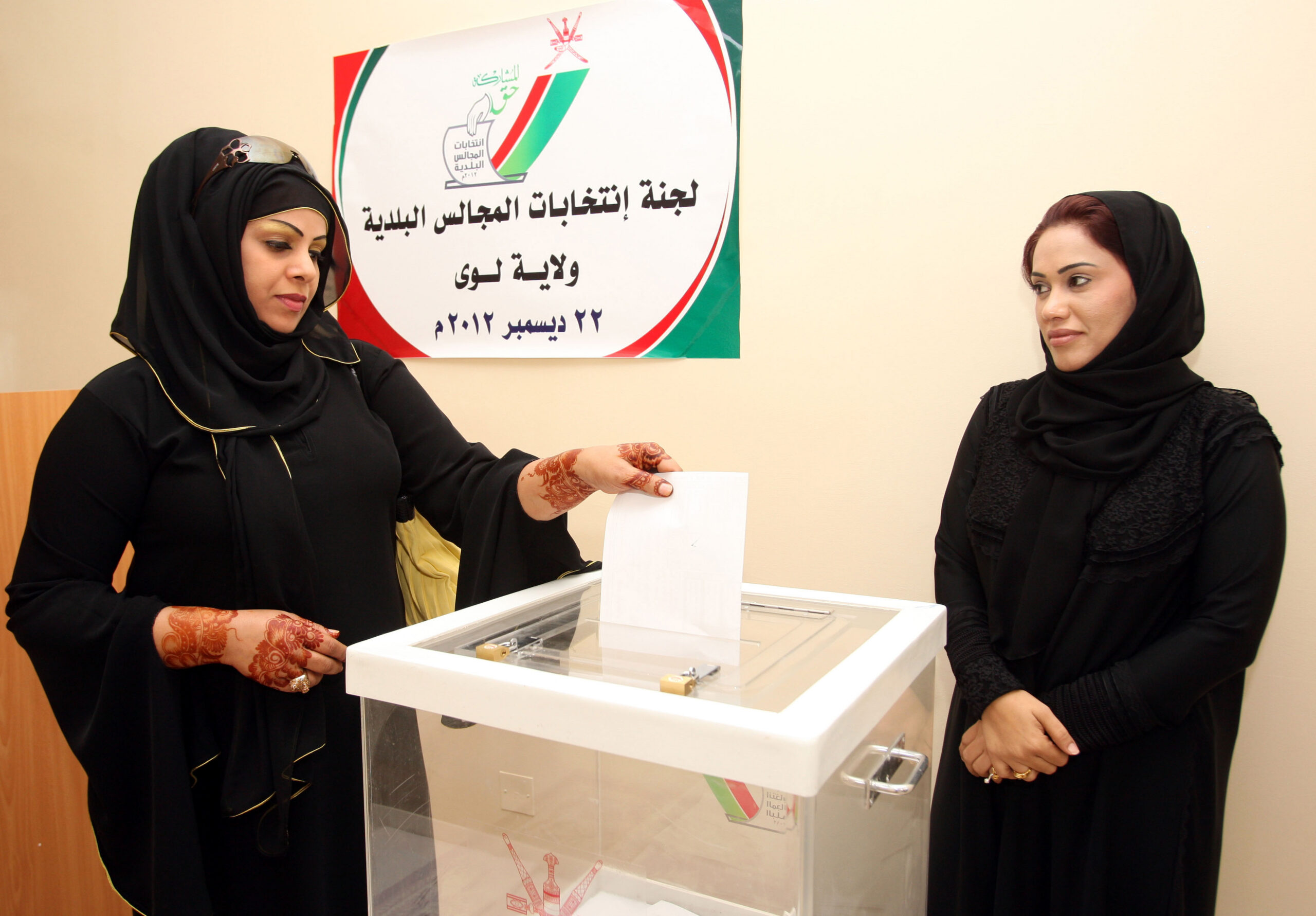
Gender Politics in Oman: Between State, Sect, and Tribe
The issue of female (dis)empowerment in the Middle East lies at the very core of the Arab-Islamic world’s contemporary troubles. Most economists agree that significant levels of income inequality negatively impact economic growth and development, so why is it not commonly considered how significant inequality between genders might also diminish social and political outcomes? This essay explores this question of gender inequality and socio-political outcomes in the Sultanate of Oman and parses between the state, sect, and tribe to discuss the sources of reform and resistance to women’s empowerment.
Election 2020: Challenges and Opportunities for US Policy in the Middle East
In a new briefing book released ahead of the U.S. elections in November, entitled Election 2020: Challenges and Opportunities for US Policy in the Middle East, MEI scholars lay out key issues across the region, highlight the U.S. interests at stake, and provide policy insights and recommendations for the path forward.
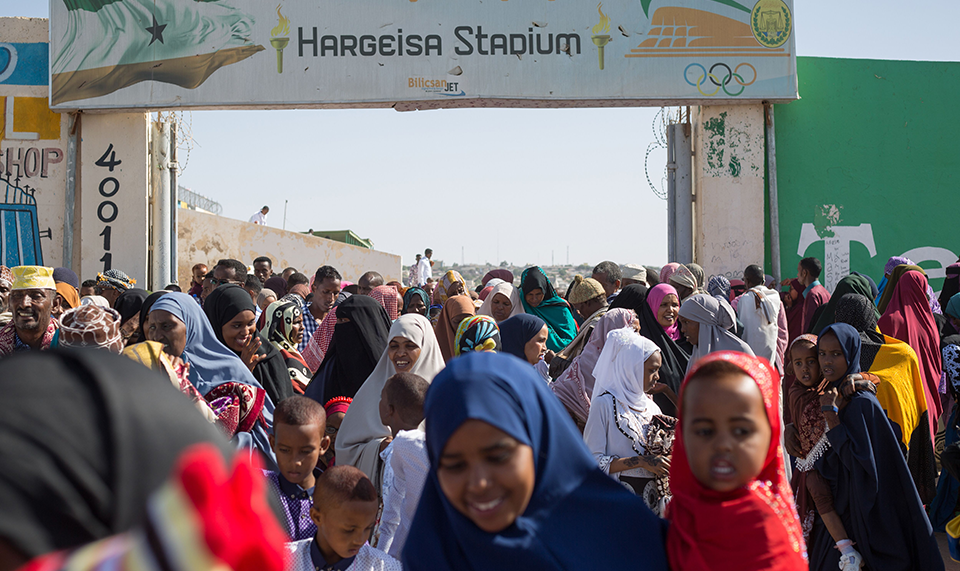
Taiwan should implement the “Economic Miracle” model in Somaliland to win Africa’s goodwill
Countries in the Horn of Africa can draw lessons from the Taiwanese because they are themselves attempting to make the same political transition Taiwan did, but have not yet achieved the needed reforms such as ensuring good governance, eradicating corruption, and developing economic self-reliance to reduce dependency on aid. Taiwan may not have the financial resources to win against the PRC’s checkbook-driven One-China policy in Africa, but it could overcome that disadvantage by convincing African nations that it can help them replicate the sustainable growth model of the “Taiwan Economic Miracle.” Taiwan’s recent diplomatic overtures in Somaliland seem like a step in that direction and could be a game-changer, not only for the Horn of Africa but for the continent as a whole.
“Between Heaven and Earth”: A road movie with a mission at a pandemic-era festival
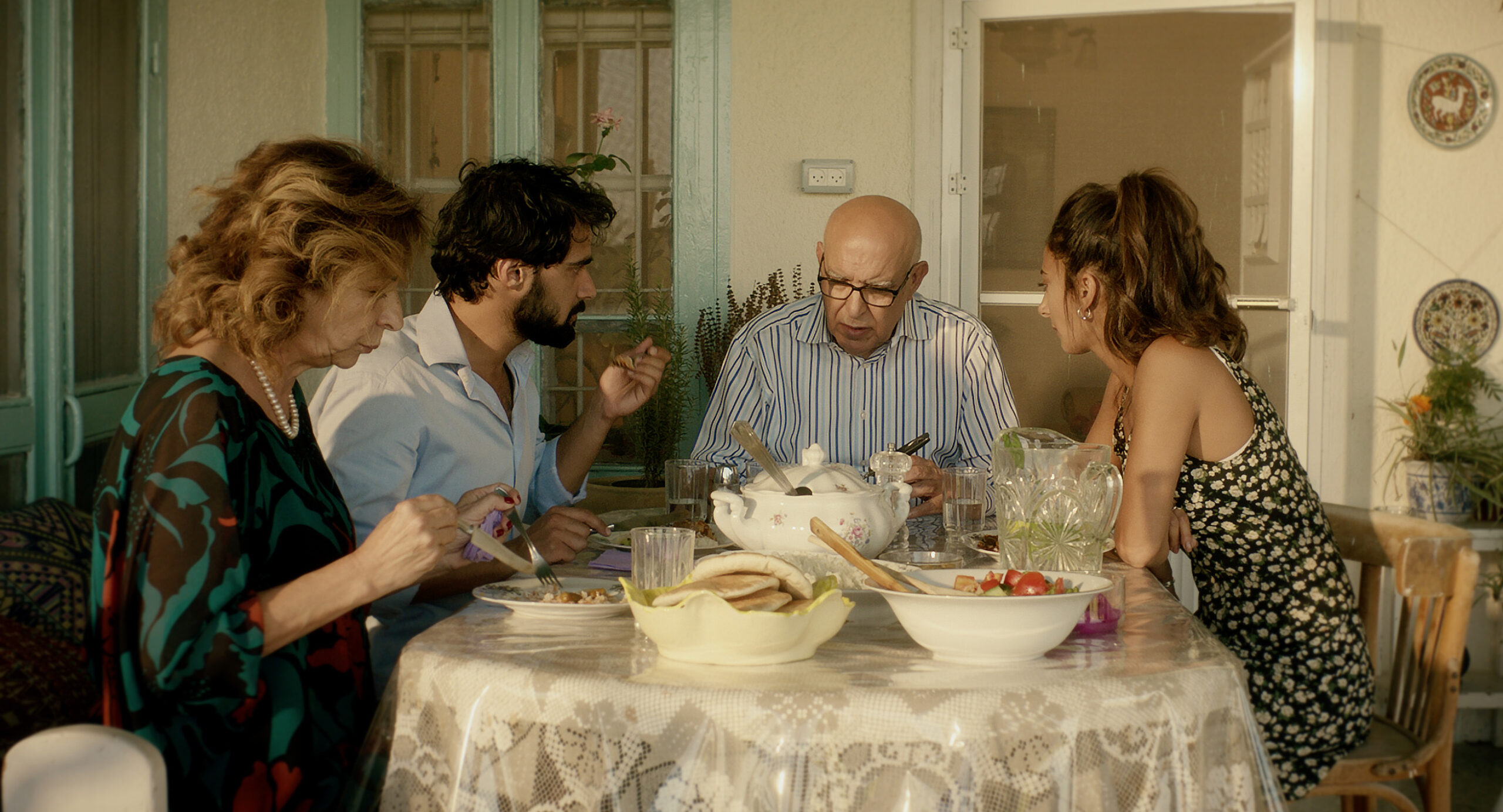
“Between Heaven and Earth,” filmmaker Najwa Najjar’s latest offering about love and divorce under occupation, is part road movie, part mystery, and part deep dive into the Palestinian psyche. To call its whole ethos a wild ride might just be an understatement.
From port to port: Both Lebanon and Turkey would benefit from greater shipping connectivity
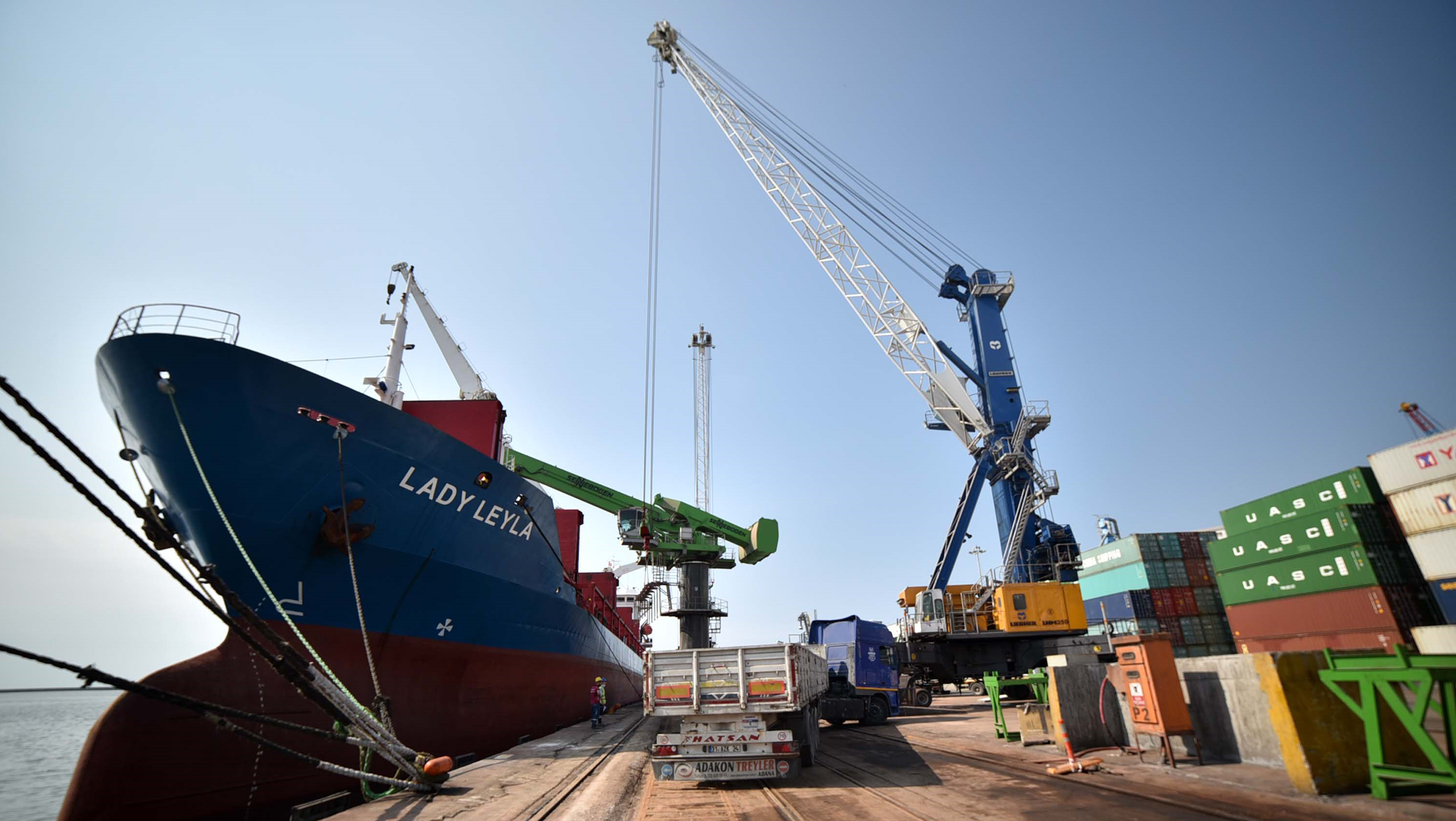
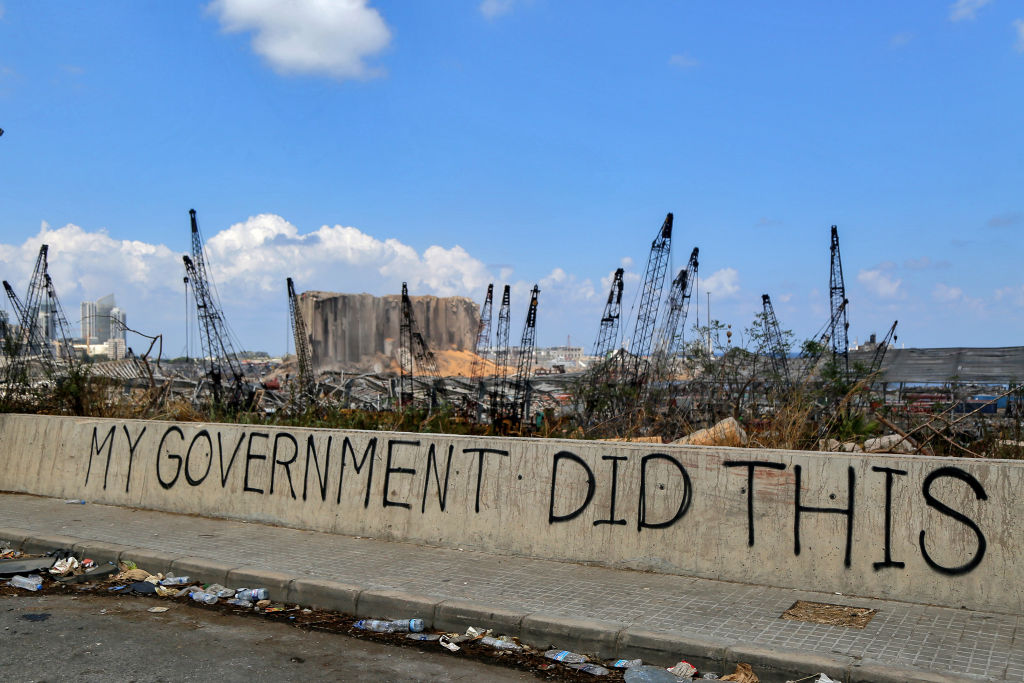
Following the devastating explosion that rocked Beirut on Aug. 4, one of the first foreign state dignitaries to visit Lebanon to pledge support was Turkish Vice President Fuat Oktay. Oktay said that not only would Turkey help to rebuild the damaged port and the surrounding buildings, but it could also provide temporary support in the form of linking Turkey’s largest Mediterranean port, Mersin International Port, with the Port of Beirut.
The Black Sea Region in a Future U.S. Grand Strategy
The United States and its many partners in the “liberal international order” must remember the principles that brought them such success, while assessing how to promulgate them in a changing and increasingly threatening world. Indeed, the biggest threat to our present peace, prosperity, and political liberty is the Leftist assault on the legitimacy of liberalism itself, matched by the Right’s retreat into blood-and-soil nationalism.
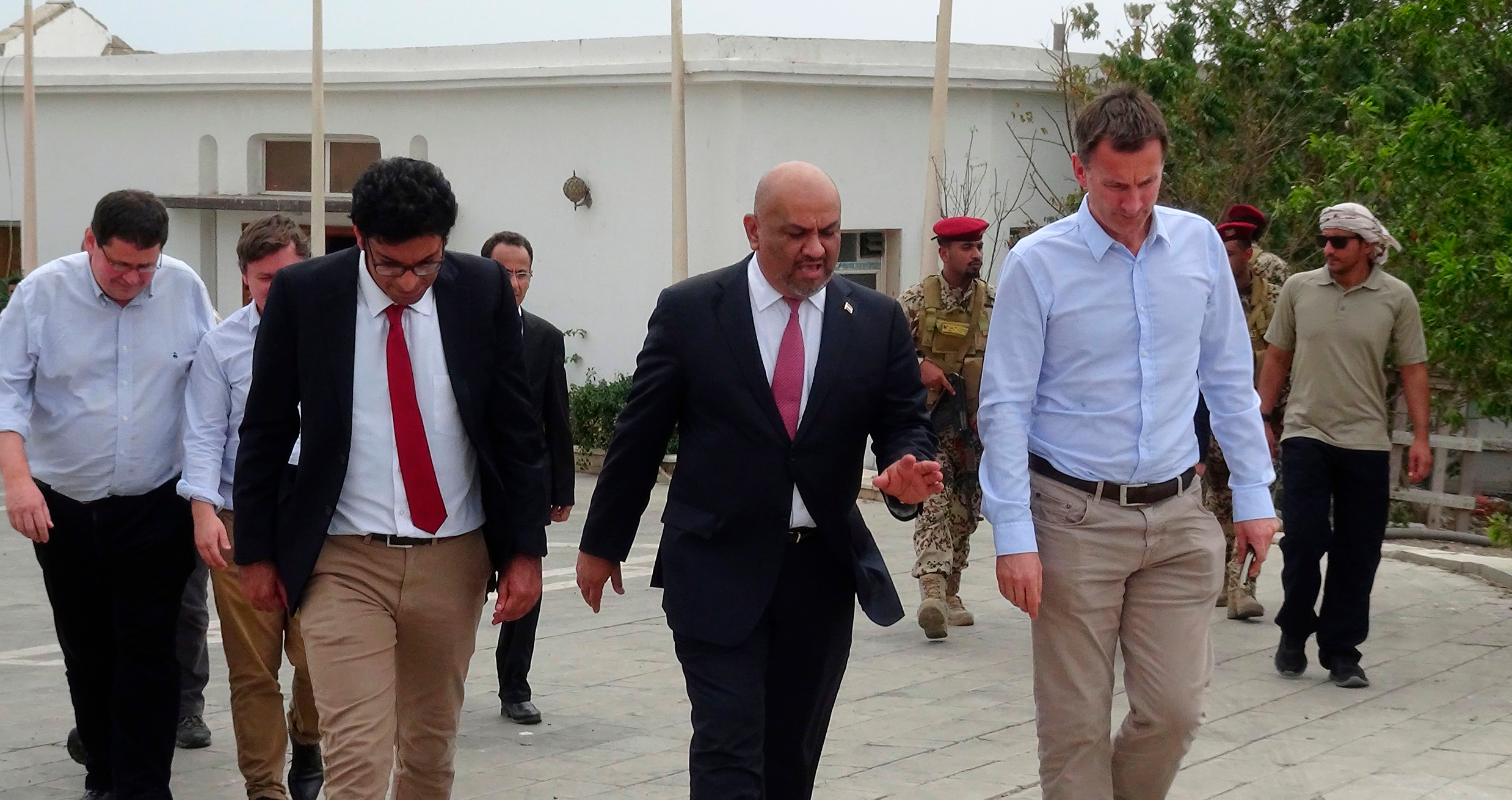
Continuity and change in British foreign policy toward Yemen
On Feb. 16, 2015, then British Ambassador to Yemen Jane Marriott wrote an article titled “Yemen: the ball is in the Houthis’ court,” asserting that the future of the country and its stability were dependent on the Houthis.
The U.S.-China rivalry is in uncharted territory. There is no clearer example of this than the U.S.’s intensifying and increasingly global fight with Chinese company Huawei over the security of 5G.
The oldest peer-reviewed publication dedicated to the study of the modern Middle East, MEI’s flagship journal covers politics, society, and culture in the region.