Washington says it doesn’t know who runs Iran. Tehran insists its leadership is united. MEI Senior Fellow Alex Vatanka joins hosts Alistair Taylor and Matthew Czekaj to sort out where the truth lies. They look at the small circle of political and military figures now steering the war effort in Tehran: who they are, how they make decisions, and how unified they really are. They also discuss the current state of US-Iran negotiations, the role of the upcoming midterm elections in the United States, and how the Islamic Republic is preparing for a potential renewal of conflict afterward.
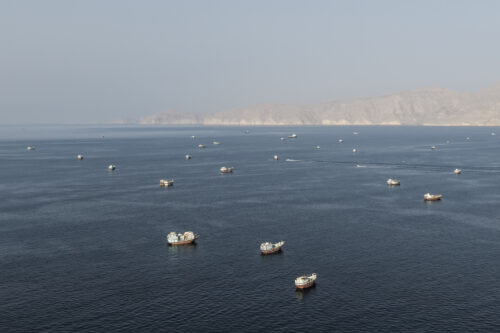
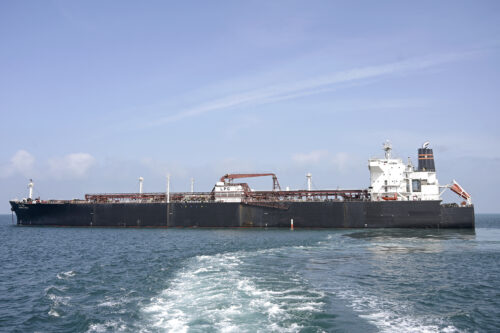
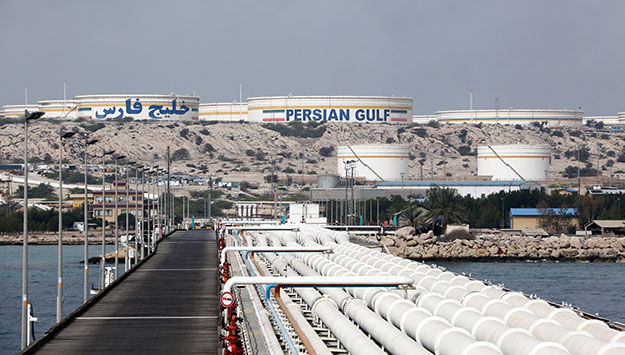
Crude oil is flowing out of the Gulf again, but the market is no better prepared for another disruption in the Strait of Hormuz. It has assembled a temporary system for managing one. Crude exports from the Gulf, excluding Iran, returned to pre-war levels in September, while total Gulf shipments reached 15.5 million barrels a day, more than 80% of the pre-conflict volume.
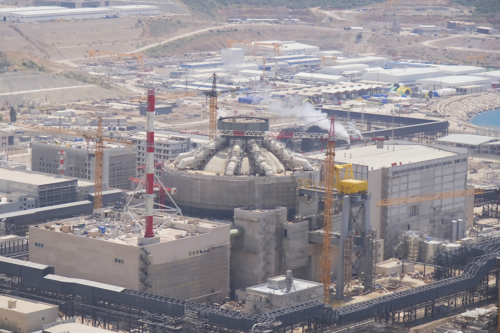
As a result of the Iran war, Turkish thinking about nuclear weapons appears to be shifting. Iran’s emergent ability to threaten regional states (and possible determination to acquire a nuclear weapon itself), growing concern about Israeli aggressiveness, doubts about US security guarantees, and greater Saudi nuclear autonomy are all pushing Ankara to consider a future nuclear option.
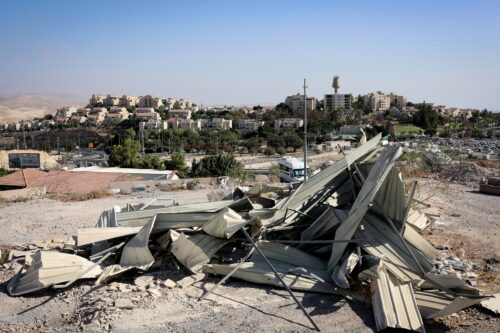
Since 1967, Israeli settlements in the West Bank have been a contested feature of the Israeli-Palestinian conflict. The ultimate disposition of the settlements and ongoing activity related to their growth have repeatedly defied agreement in negotiations over a resolution to the conflict.
The Houthis are a political-military faction and Zaydi religious movement founded in northwestern Yemen in the 1980s. A key member of Iran’s Axis of Resistance with links to other militant organizations in the Arabian Peninsula and the Horn of Africa, the group has continued to pose a threat to Western interests on a global scale.
The India-Middle East-Europe Economic Corridor (IMEC) is a proposed multinational infrastructure initiative aimed at upgrading connectivity between the three regions through integrated trade, energy, and digital networks. Announced at the G20 summit in New Delhi in September 2023, IMEC is envisioned partially as a counterweight to China’s international infrastructure project, the Belt and Road Initiative.
After a decade of post-Arab Spring isolation, Turkey’s leaders have recognized that their ambition to position the country as an agenda-setter on the world stage requires active engagement in all directions. President Recep Tayyip Erdoğan’s consolidation of executive authority has centralized foreign policy decision-making and tied it to his domestic political priorities, transforming the country’s revisionist approach to one shaped primarily by personal and pragmatic interests.
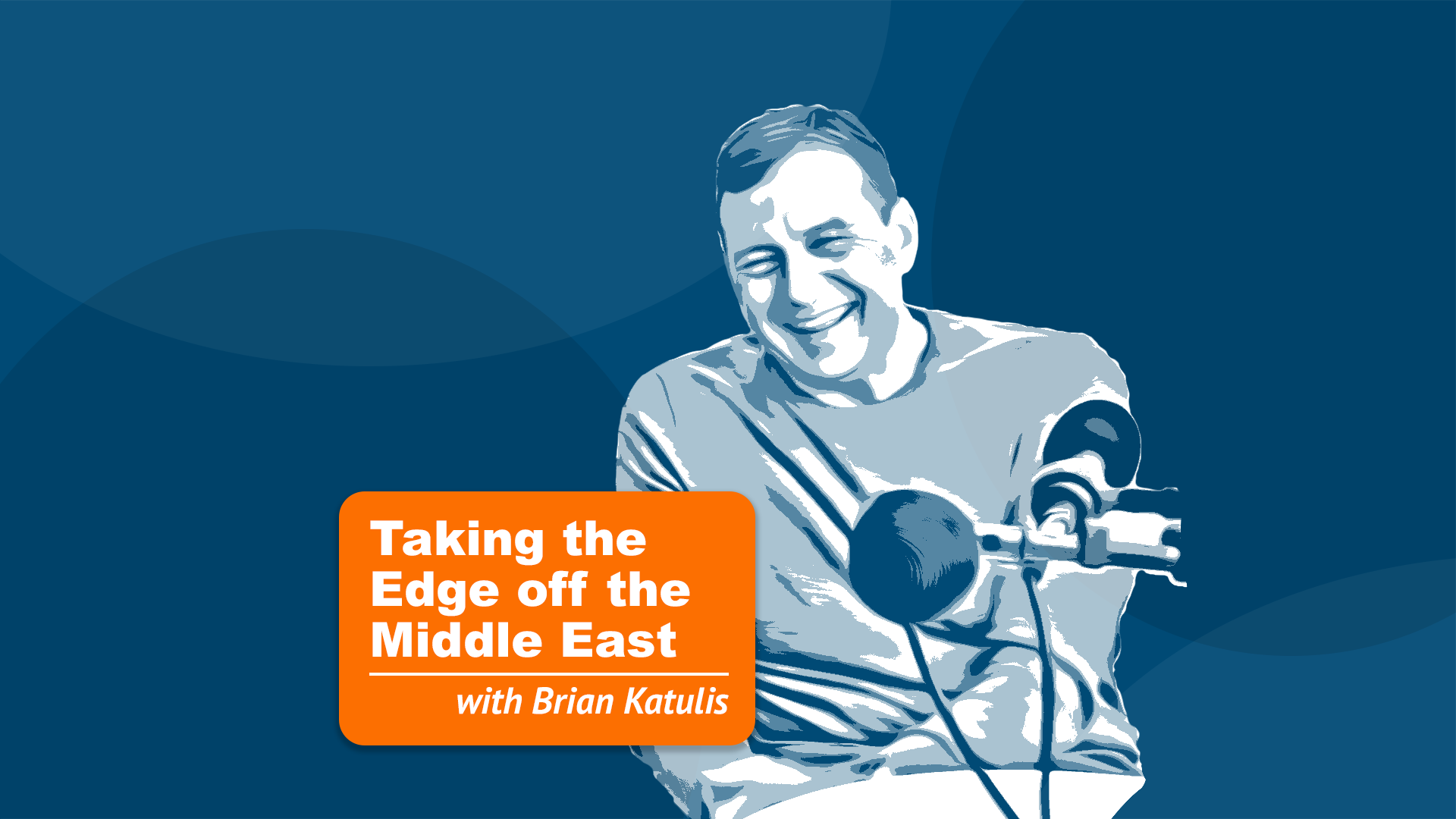
MEI Senior Fellow Brian Katulis engages friends, colleagues, and policy experts in casual conversations on the most important happenings in the Middle East.
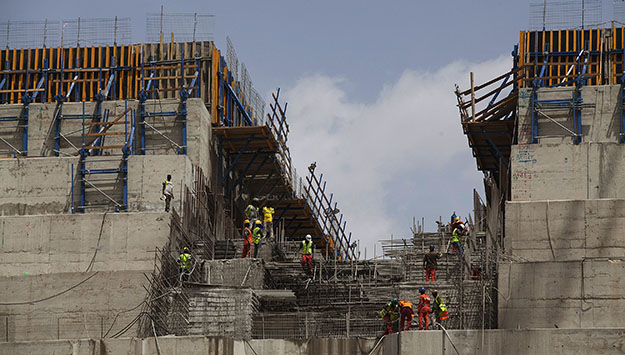
Egypt’s sustainable development threatened by Ethiopian dam
It is a travesty that in the 21st century the construction of a mega-hydropower-generation project, the Great Ethiopian Renaissance Dam (GERD) has been underway for over seven years without an independent, comprehensive transboundary Environmental and Social Impact Assessment (ESIA) conducted first.
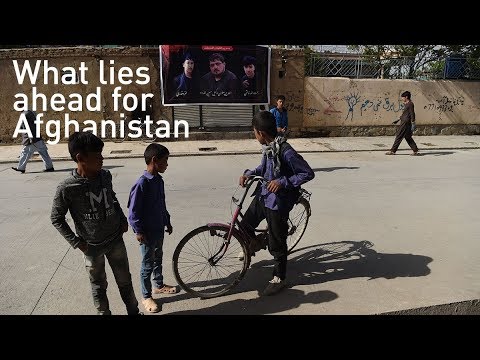
What lies ahead for Afghanistan: the various scenarios
The way forward in Afghanistan seems as unclear as it has ever been. An outright military victory against the Taliban and other insurgent groups appears to be unachievable. The prospect of insurgents overrunning the country soon appears similarly unlikely. At the same time, a negotiated peace seems presently improbable. At least on terms outlined by the Kabul government and international community, the Taliban shows little interest in reconciliation.
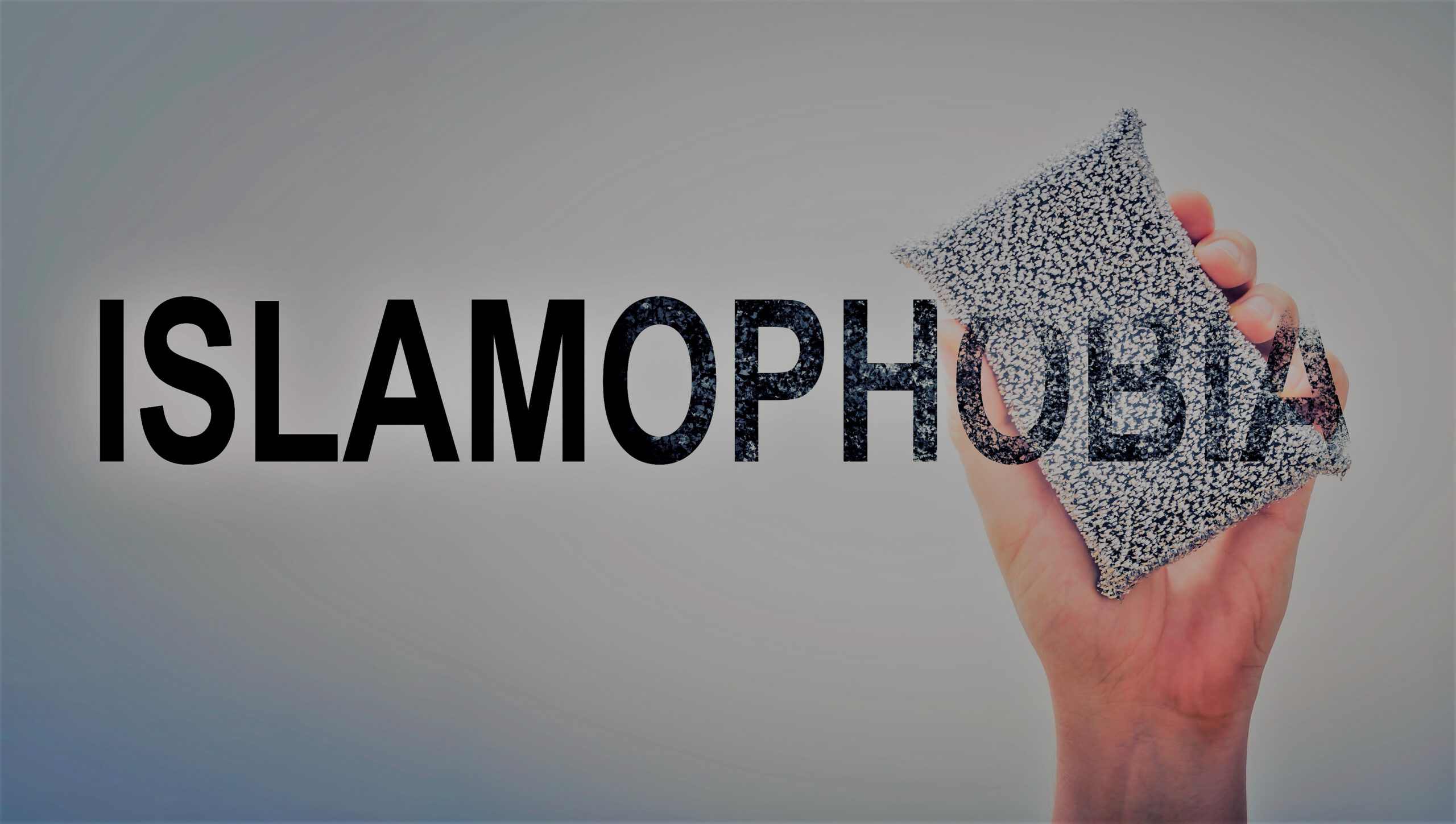
Islam, Migrants and Multiculturalism: A Glance at Germany, Korea and Beyond
Are the principles of tolerance and pluralism that underpin progressive visions of political community under threat? In this essay, the authors discuss the rising tide of Islamophobia and anti-immigrant sentiment in Germany, East Asia, and elsewhere.
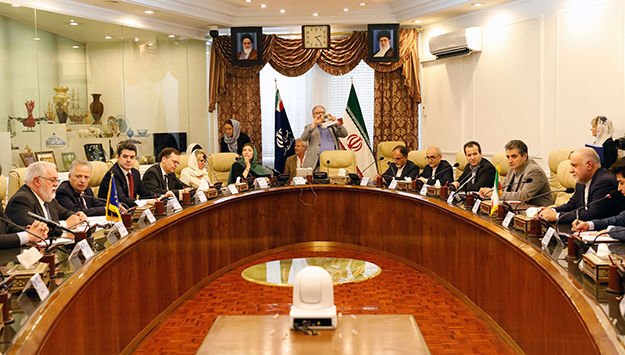
Europe has little wiggle room to keep Iran deal alive | Monday Briefing
In this week’s Monday Briefing, MEI experts Ahmad Majidyar, Alex Vatanka, Jean-François Seznec, Gerald Feierstein, Marvin G. Weinbaum, Gonul Tol, and Randa Slim provide analysis on recent and upcoming events including Europe’s scramble to salvage the Iran nuclear deal following the U.S. withdrawal, Iran’s response to Russia’s call for all foreign forces to leave Syria, a meeting by Saudi Arabia, the UAE and Russia to discuss the impact of new U.S. sanctions on Iran, the arrest of women’s rights activists in Saudi Arabia, new political tensions in Pakistan, a push in the U.S.
How Trump’s pullout from the nuclear deal will affect Iran’s energy industry
Opinions about the consequences of the U.S. pulling out of the Iran nuclear deal began flying around as soon as President Donald Trump announced the exit.
Many of the key points that pundits have made about Washington turning its back on the Joint Comprehensive Plan of Action have dealt with oil. That’s because the U.S. is likely to sanction Iranian oil exports again, as it did during the Obama administration.
Here are several short-term and long-term consequences of the U.S. about-face on the Iran deal:
Muqtada al-Sadr’s victory in Iraqi elections raises alarm in Tehran
Firebrand Shiite cleric Muqtada al-Sadr’s surprising lead in Iraq’s May 12 parliamentary elections has raised alarm in Tehran. The Iranian press expressed the concern that Sadr would seek to undercut the Islamic Republic’s influence in Iraq by marginalizing Iran’s allies and allowing regional Sunni countries, particularly Saudi Arabia, to make inroads into Iraqi politics and economy at the expense of Tehran’s interests.
Tehran rejects Putin’s call for troop withdrawal from Syria
Iran’s Foreign Ministry today rejected a call by Russian President Vladimir Putin that all foreign troops should leave Syria after intra-Syrian peace process begins, the Iranian media reported. No one can force Iran to do anything. Iran is an independent country, which determines its own policies. “Iran’s presence is based on the Syrian government’s invitation, and its objective is to fight terrorism and defend Syria’s territorial integrity,” Foreign Ministry Spokesman Bahram Qassemi said at a press briefing in Tehran.
Resistance at 70: the future of the Palestinian national movement
Seventy years after the Nakba, the Palestinian dispossession and exile that accompanied the establishment of the State of Israel in 1948, Palestinians today remain stateless. Their prospects for securing collective or individual rights are bleaker than they have been for decades. Alongside the international and regional developments that are undermining their quest for self-determination, Palestinians are also on the cusp of a leadership change that could have far reaching implications for their collective future.
While armed nonstate actors and proxy militias have been grabbing most headlines in recent years, the risk of interstate war in the Middle East is rising at an alarming rate. This includes the risk of war between Israel and Iran, Saudi Arabia and Iran, and possibly the United States and Iran, or the United States and Russia. Tensions between Israel and Iran have boiled over several times in recent weeks in Syria, risking a serious escalation between the two countries.
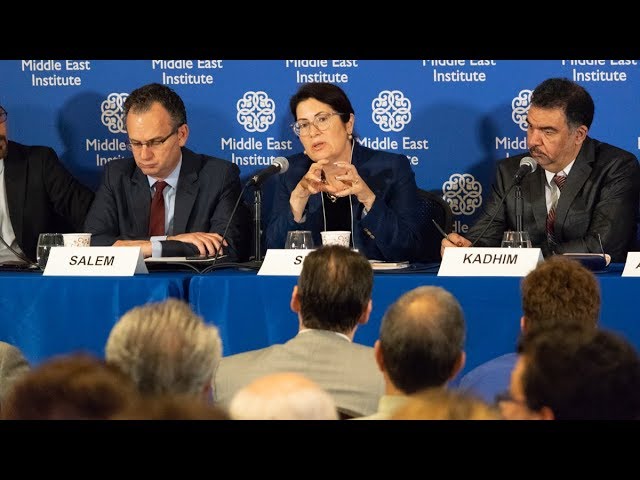
Amb. Lukman Faily, Iraq’s ambassador to the United States from 2013-2016, and Randa Slim, director of MEI’s program on Conflict Resolution and Track II Dialogues, join host Paul Salem to analyze the results of Iraq’s parliamentary elections and their implications for Iraq, the region, and U.S. policy going forward.
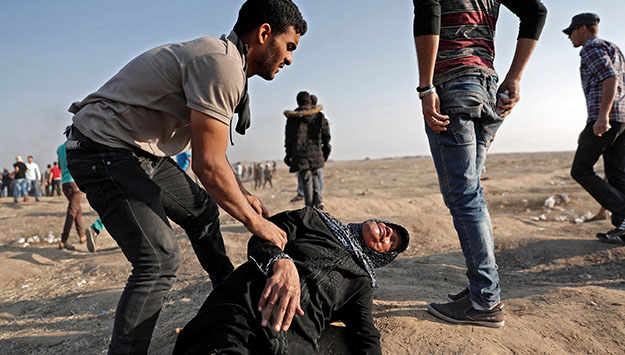
Hamas supports Gaza’s protest movement—and that’s a good thing
My first in-depth conversation on nonviolence with Hamas leader Khaled Meshaal came in the months before the Arab Spring uprisings, when the latter was still chairman of Hamas’s politburo.
Sitting in his Damascus office, Meshaal underscored that Hamas was open to any strategy that would advance Palestinian self-determination, including nonviolence—“if it would work.”
A tale of two elections: recapping the polls in Lebanon and Iraq
As Lebanon holds its first parliamentary elections in nine years and Iraq paves a way forward in the aftermath of the war against ISIS, many questions remain as to what the political future holds for both countries. The parliamentary elections in Lebanon on May 6, and in Iraq on May 12, serve as a barometer for transparency, inclusion, and the political realities in both countries. The polls have raised pressing political and governance issues such as how to overcome sectarianism, corruption, and economic stagnation in order to encourage further openness and plurality.
Sino-Israeli Security Relations: In America’s Shadow
Much has been written about the Sino-Israeli relationship, mainly regarding political and economic ties. However, the security dimension of the relationship has received comparatively less attention. This article discusses Sino-Israeli security relations in an effort to shed light on their roots, substance and prospects despite Israel’s commitment to its relations with the United States.
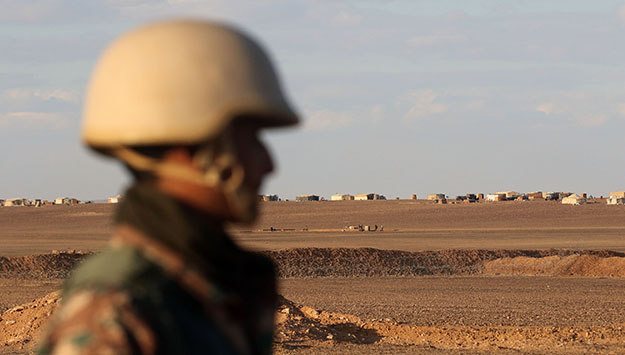
Two major events in the past few weeks have come into play regarding the future of a de-escalation zone in southern Syria from a Jordanian perspective. The first was the Western coalition’s missile strike on April 13 against Syrian regime positions in retaliation for an alleged chemical attack in the besieged Eastern Ghouta that took place on April 7.
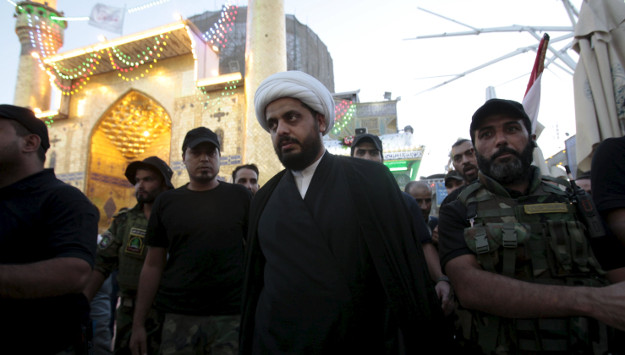
Iran-backed militia leader: “The Iraqis will be the first to enter Jerusalem”
The secretary-general of Asa’ib Ahl al-Haq, an Iranian-supported Iraqi militia group, has threatened that its forces will fight Israel to seize Jerusalem, according to Shafaaq, an Arab outlet.
The oldest peer-reviewed publication dedicated to the study of the modern Middle East, MEI’s flagship journal covers politics, society, and culture in the region.