Bonus Episode: Previewing Israel’s First Post-October 7 Election
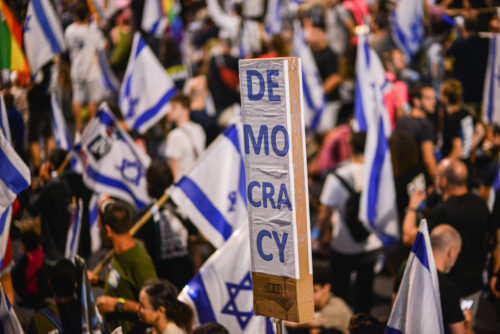
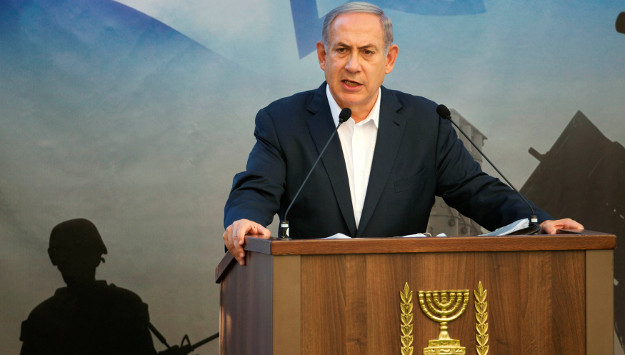
Israel is preparing to hold what may be its most consequential election in decades. On October 27, Prime Minister Benjamin Netanyahu will face his first electoral test since October 7, 2023. In this bonus episode of Middle East Focus, we present the audio from a recent MEI webinar, hosted in Israel on the eve of the vote. Senior Fellow Natan Sachs is joined by Dr. Shira Efron, Distinguished Chair for Israel Policy and senior fellow at the RAND Corporation, and Neri Zilber, veteran journalist and Financial Times correspondent. They explore what’s at stake in this historic election and how different outcomes could reshape Israel’s domestic politics and the wider region.
Israel Was Built on Hope. This Election May Be Our Last Chance to Save It
Israel’s national anthem, Hatikva, means “the hope.” Israel is not just another country, but the culmination of a 2,000-year-old dream of national redemption. The rebirth of the Jewish people’s ancestral homeland, just three years after the Holocaust, was a miraculous triumph of hope over all odds.
Today, that hope has been shattered and the elections on October 27 have become the most consequential in Israel’s history.
Washington says it doesn’t know who runs Iran. Tehran insists its leadership is united. MEI Senior Fellow Alex Vatanka joins hosts Alistair Taylor and Matthew Czekaj to sort out where the truth lies. They look at the small circle of political and military figures now steering the war effort in Tehran: who they are, how they make decisions, and how unified they really are. They also discuss the current state of US-Iran negotiations, the role of the upcoming midterm elections in the United States, and how the Islamic Republic is preparing for a potential renewal of conflict afterward.
Since 1967, Israeli settlements in the West Bank have been a contested feature of the Israeli-Palestinian conflict. The ultimate disposition of the settlements and ongoing activity related to their growth have repeatedly defied agreement in negotiations over a resolution to the conflict.
The Houthis are a political-military faction and Zaydi religious movement founded in northwestern Yemen in the 1980s. A key member of Iran’s Axis of Resistance with links to other militant organizations in the Arabian Peninsula and the Horn of Africa, the group has continued to pose a threat to Western interests on a global scale.
The India-Middle East-Europe Economic Corridor (IMEC) is a proposed multinational infrastructure initiative aimed at upgrading connectivity between the three regions through integrated trade, energy, and digital networks. Announced at the G20 summit in New Delhi in September 2023, IMEC is envisioned partially as a counterweight to China’s international infrastructure project, the Belt and Road Initiative.
After a decade of post-Arab Spring isolation, Turkey’s leaders have recognized that their ambition to position the country as an agenda-setter on the world stage requires active engagement in all directions. President Recep Tayyip Erdoğan’s consolidation of executive authority has centralized foreign policy decision-making and tied it to his domestic political priorities, transforming the country’s revisionist approach to one shaped primarily by personal and pragmatic interests.
MEI Senior Fellow Brian Katulis engages friends, colleagues, and policy experts in casual conversations on the most important happenings in the Middle East.
August 25, 2017 – Journalist Yeganeh Rezaian joins host Paul Salem for a discussion of social and cultural trends inside Iran, how youth are dealing with unemployment and other economic pressures, and how women are seeking opportunities for socioeconomic advancement and gender equality.
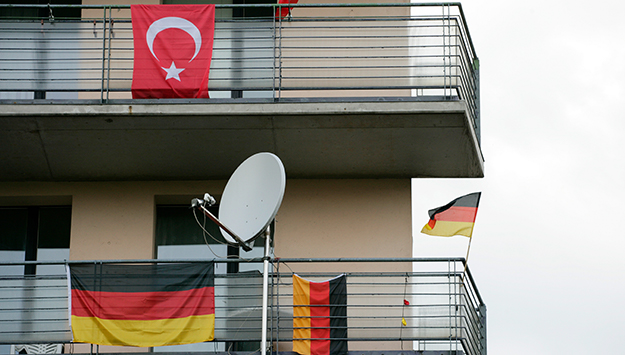
The Real Reasons behind the Current Turkish-German Row
Relations between Turkey and Germany have become increasingly fraught over the past few months. They hit a new low following the August 19 arrest of Turkish-born German writer Dogan Akhanli in Spain. Akhanli, a frequent critic of Turkish President Recep Tayyip Erdogan, was held by Spanish authorities in connection with criminal proceedings in Turkey. Germany’s foreign minister has urged Spanish officials not to extradite the writer.
I.R.G.C. Outlet: Tal Afar Liberation Paves Way for Expulsion of U.S. from Iraq
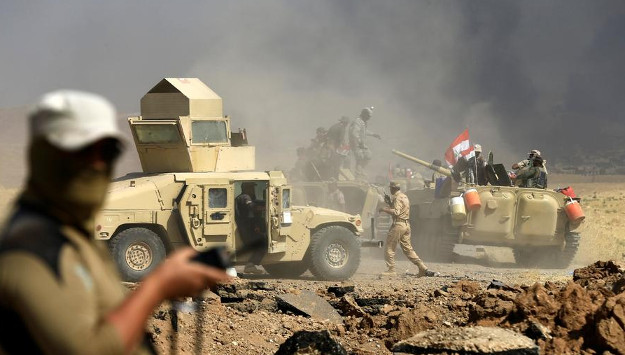
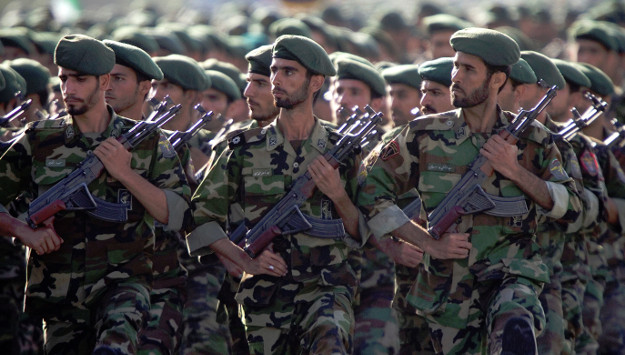
The liberation of Tal Afar is a “major defeat for America and terrorists” and paves the way for the expulsion of U.S. Troops from Iraq, says an article in hardline Javan Online, a mouthpiece of the Islamic Revolution Guards Corps (I.R.G.C.).
Hamas Chief Hails Iranian Support after “Restoration” of Ties
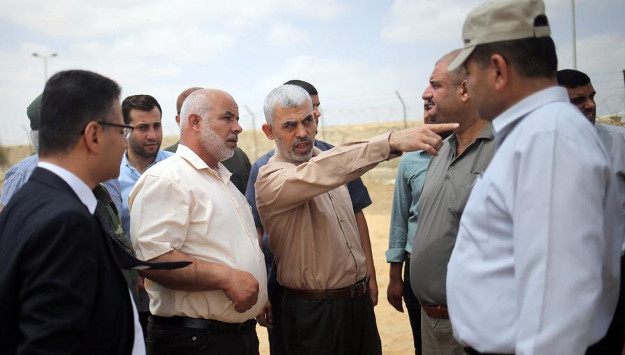
The new leader of the Palestinian militant group Hamas in Gaza has announced that it has restored its relations with the Islamic Republic of Iran, Tasnim News Agency
Iran Says Trump Determined to Cancel Nuclear Deal, Urges E.U. to Confront U.S.
The head of the Atomic Energy Organization of Iran (A.E.O.I.) has said that President Donald Trump is trying to cancel the nuclear deal Tehran signed with world powers two years ago. He claimed that the latest U.S. sanctions violate the nuclear accord and also accused the Trump administration of pressuring the International Atomic Energy Agency (I.A.E.A.) to declare that Iran is in breach of the agreement. The top Iranian nuclear official said that the Islamic Republic will not be the first party to violate the agreement, but stressed that it will not accept any U.S.
A series of high level diplomatic visits have signaled a surprising rapprochement between Iran and Turkey in recent weeks. What’s driving this warming in relations, and how has Russia been involved? What are the potential consequences in the region and for U.S. policy there? MEI’s Gonul Tol and Alex Vatanka join Paul Salem to discuss.
Haley Calls for Inspection of Iran’s Military Sites after I.A.E.A. Meeting
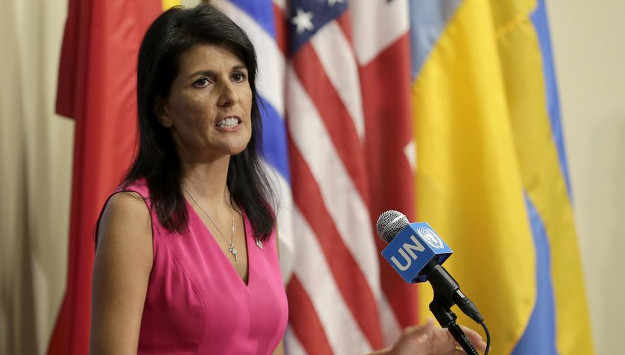
U.S. Ambassador to U.N. Nikki Haley said on Friday that the Trump administration wants inspection of Iran’s both military and non-military sites to ascertain Iran’s compliance with the Joint Comprehensive Plan of Action (J.C.P.O.A.) – the nuclear agreement Iran signed with the U.S. and five other world powers in July 2015. Haley made the remarks after returning from Vienna, where she discussed the issue with Yukiya Amano, the director-general of the International Atomic Energy Agency (I.A.E.A.). Speaking at the U.N., the top U.S.
Iran Discussing Joint Counterterrorism Measures with Regional States
The deputy chief of staff of Iran’s Armed Forces has revealed that the country has started discussions with certain states to joint fight terrorist in West Asia, the Iranian media reported. “The Islamic Republic of Iran is trying to uproot terrorism completely in the region in cooperation with other West Asian states; therefore, it has started contacts with the countries which herald establishment of tranquility in the sensitive West Asia region,” Brigadier General Massoud Jazzayeri said.
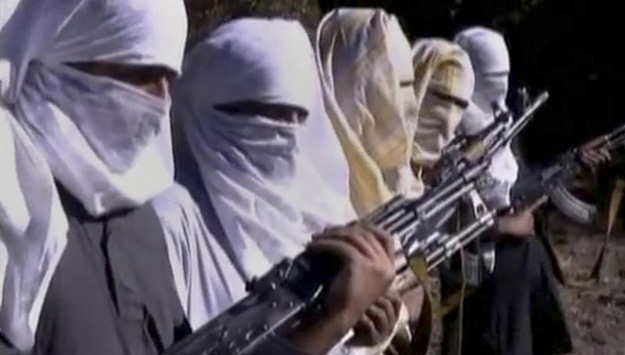
Al-Qaeda appears set to make a comeback in Pakistan, with battle-hardened militants returning from Syria and Iraq and eyeing for the resurrection of al-Qaeda in Pakistan.[i] A new terror group, Jamaat ul Ansar al-Shariah Pakistan, surfaced in June 2017, and is comprised of fighters who have returned from the Middle East.
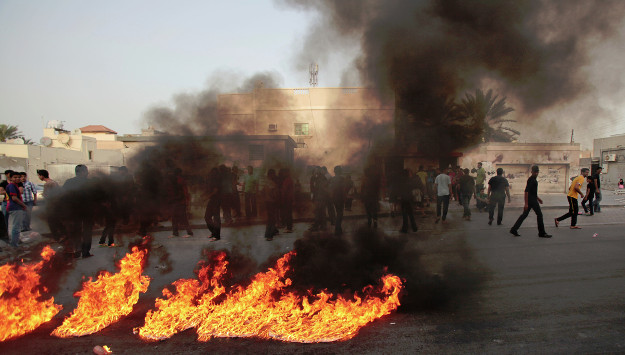
Bahrain Says It Dismantled Terrorist Cell with Links to Iran’s I.R.G.C.
The Bahraini government said today that the country’s security forces have arrested seven members of a cell suspected of carrying out acts of terrorism in the island country, the Bahraini and Iranian media reported.
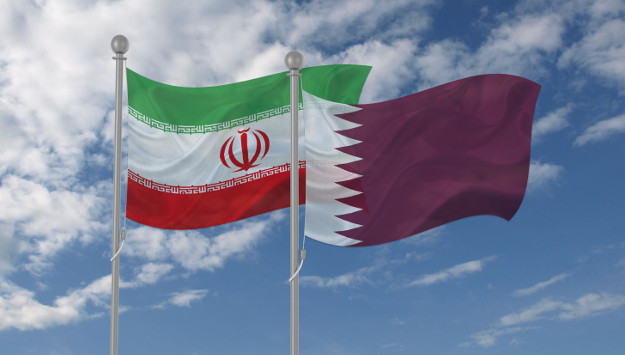
Iran Welcomes Qatar’s Decision to Return Its Ambassador to Tehran
Iran has welcomed the Qatari government’s decision to send its ambassador back to Tehran and restore full diplomatic relations between the two countries, the
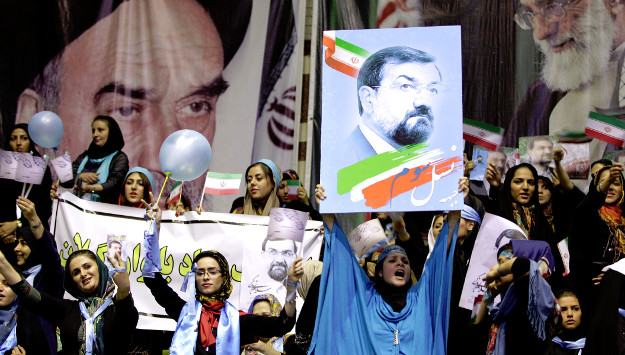
Senior Iranian Official: U.S. Has Waged Economic War against Iran
A senior Iranian official has cautioned that the Trump administration has waged an economic war against the Islamic Republic, particularly targeting the country’s Islamic Revolution Guards Corps (I.R.G.C.). “If the Americans were able to attack Iran, they would have done so a few years ago,” Mohsen Rezaei, the Secretary of Iran’s Expediency Council, said at a gathering of members of the I.R.G.C. and Basij Force in Hamadan Province on Thursday. The former I.R.G.C.
The oldest peer-reviewed publication dedicated to the study of the modern Middle East, MEI’s flagship journal covers politics, society, and culture in the region.