Bonus Episode: Previewing Israel’s First Post-October 7 Election
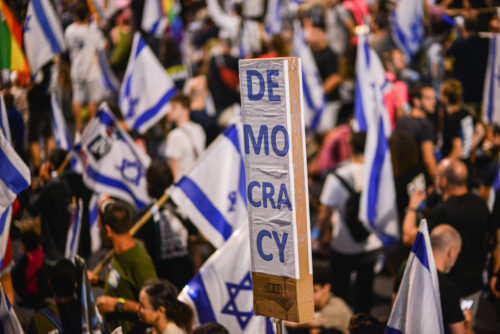
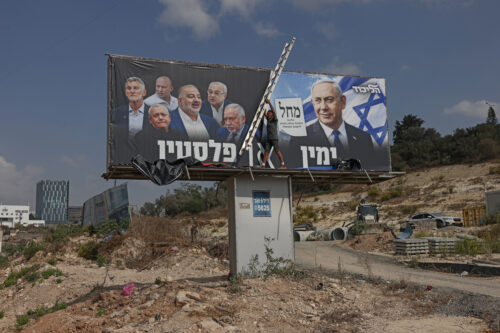
Israel is preparing to hold what may be its most consequential election in decades. On October 27, Prime Minister Benjamin Netanyahu will face his first electoral test since October 7, 2023. In this bonus episode of Middle East Focus, we present the audio from a recent MEI webinar, hosted in Israel on the eve of the vote. Senior Fellow Natan Sachs is joined by Dr. Shira Efron, Distinguished Chair for Israel Policy and senior fellow at the RAND Corporation, and Neri Zilber, veteran journalist and Financial Times correspondent. They explore what’s at stake in this historic election and how different outcomes could reshape Israel’s domestic politics and the wider region.
Israel Was Built on Hope. This Election May Be Our Last Chance to Save It
Israel’s national anthem, Hatikva, means “the hope.” Israel is not just another country, but the culmination of a 2,000-year-old dream of national redemption. The rebirth of the Jewish people’s ancestral homeland, just three years after the Holocaust, was a miraculous triumph of hope over all odds.
Today, that hope has been shattered and the elections on October 27 have become the most consequential in Israel’s history.
One striking thing about US President Donald Trump’s endorsement of Israeli Prime Minister Benjamin Netanyahu this past week is how isolated he was in making this call. The Israeli Prime Minister has become a widely detested figure worldwide following Israel’s war in Gaza—where Israel committed war crimes. This disdain was clearly on display in New York in September when dozens of diplomats streamed out of the hall during Netanyahu’s speech.
Since 1967, Israeli settlements in the West Bank have been a contested feature of the Israeli-Palestinian conflict. The ultimate disposition of the settlements and ongoing activity related to their growth have repeatedly defied agreement in negotiations over a resolution to the conflict.
The Houthis are a political-military faction and Zaydi religious movement founded in northwestern Yemen in the 1980s. A key member of Iran’s Axis of Resistance with links to other militant organizations in the Arabian Peninsula and the Horn of Africa, the group has continued to pose a threat to Western interests on a global scale.
The India-Middle East-Europe Economic Corridor (IMEC) is a proposed multinational infrastructure initiative aimed at upgrading connectivity between the three regions through integrated trade, energy, and digital networks. Announced at the G20 summit in New Delhi in September 2023, IMEC is envisioned partially as a counterweight to China’s international infrastructure project, the Belt and Road Initiative.
After a decade of post-Arab Spring isolation, Turkey’s leaders have recognized that their ambition to position the country as an agenda-setter on the world stage requires active engagement in all directions. President Recep Tayyip Erdoğan’s consolidation of executive authority has centralized foreign policy decision-making and tied it to his domestic political priorities, transforming the country’s revisionist approach to one shaped primarily by personal and pragmatic interests.
MEI Senior Fellow Brian Katulis engages friends, colleagues, and policy experts in casual conversations on the most important happenings in the Middle East.
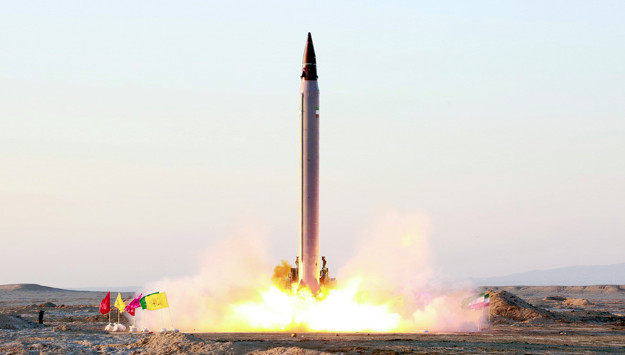
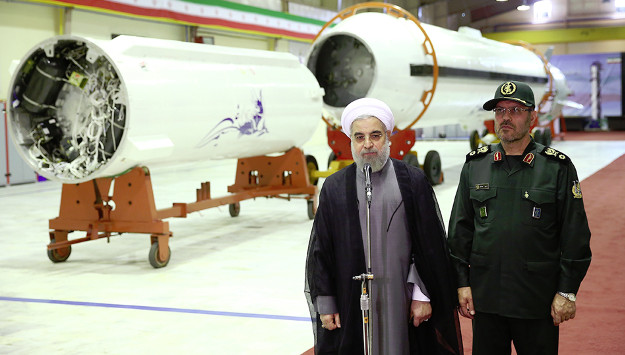
Rouhani Government Rejects Claim It Ordered Missile Tests during Nuclear Negotiations
Iranian presidential candidate Mostafa Mir-Salim claimed on Monday that Iranian diplomats had asked the country’s military to conduct a missile launch to boost Tehran’s position vis-à-vis world powers during the nuclear negotiations
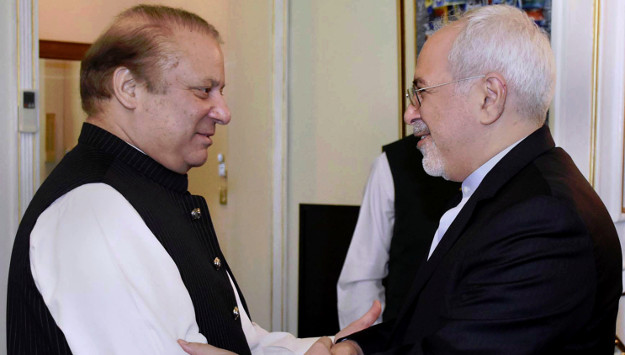
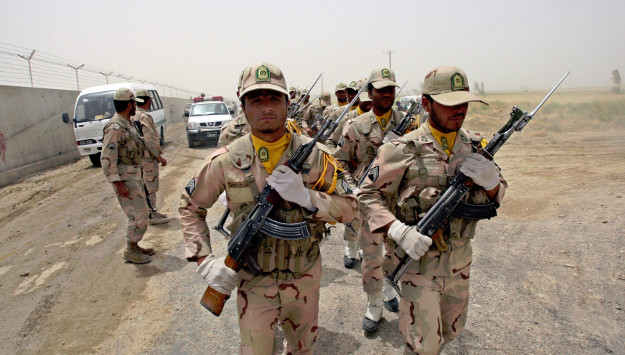
Pakistan Protests Top Iranian Military Official’s Cross-Border Attack Warning
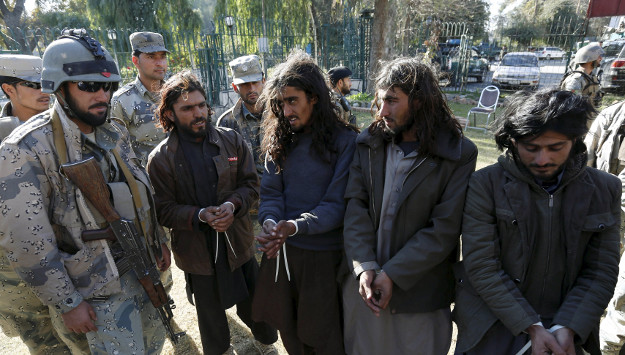
Tension between Iran and Pakistan over the latest killing of 10 Iranian border guards continues to escalate despite an agreement between leaders of the two countries last week to jointly tackle cross-border issues.
Iran-Backed Iraqi Militia Commander Says His Forces Barred from Tal Afar Operation under Pressure from U.S. and Turkey
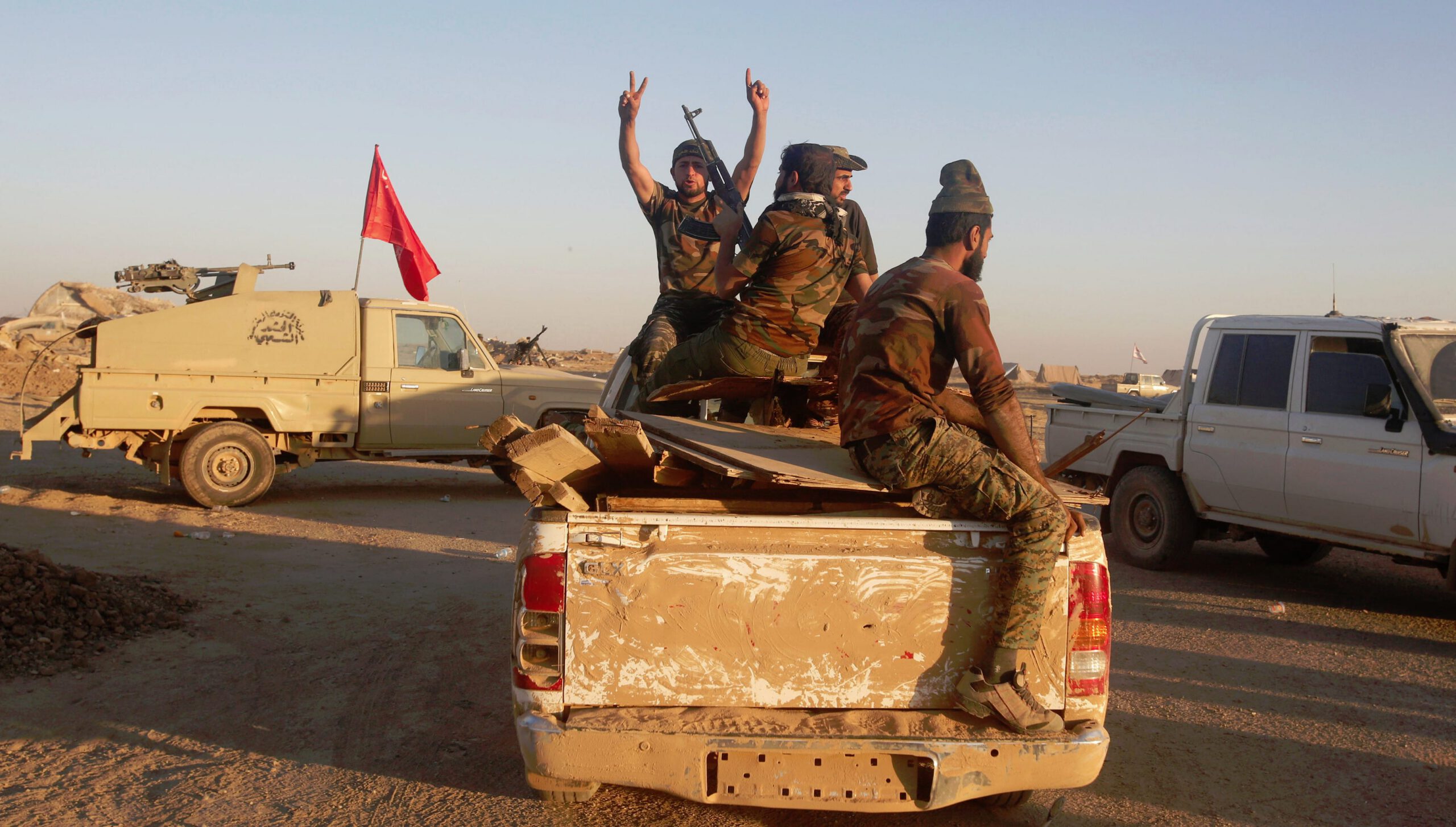
A prominent Iranian-backed Iraqi Shiite militia leader has confirmed that the Hashd al-Shaabi – the paramilitary Iraqi forces known as the Popular Mobilization Forces – will not take part in the military operation to recapture the strategic city of Tal Afar from the Islamic State.
Russia Seeks U.S. Support for Syria Plan | Monday Briefing
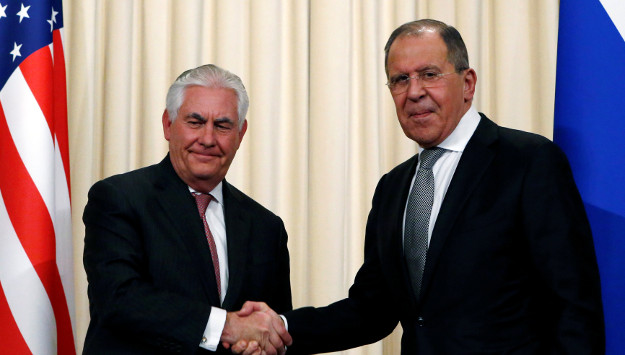
In this week’s Monday Briefing, MEI experts Charles Lister, Alex Vatanka, and Jonathan M. Winer provide analysis on recent and upcoming events including the meeting between Russian Foreign Minister Lavrov and Secretary of State Tillerson, Iranian President Rouhani’s battle for re-election, and the efforts to strike a deal for the future of the Libyan state.
Rouhani’s Missile Remark Raises Ire of Iran’s Military Leaders
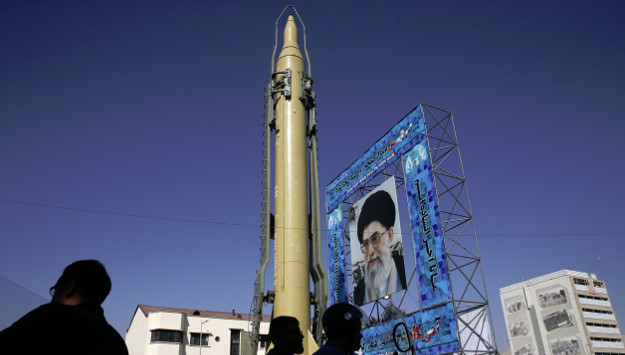
Iran’s President Hassan Rouhani’s latest remark on the country’s missile program has aroused the ire of the military establishment. In the second presidential debate aired on Iran’s state-run TV, Rouhani, who is seeking a second term in May 19 elections, accused the powerful Islamic Revolution Guards Corps (I.R.G.C.) of trying to sabotage the Joint Comprehensive Plan of Action – the nuclear deal Iran signed with world powers in July 2015. “What did they do in order to undermine the J.C.P.O.A.?” Rouhani asked, referring to the I.R.G.C.
Iran Threatens to Destroy Saudi Arabia If Provoked
The Iranian defense minister said on Sunday that his country would hit back and destroy all of Saudi Arabia, except the Muslim holy sites, if Riyadh showed any aggression toward the Islamic Republic. “I advise them against committing any ignorant move.
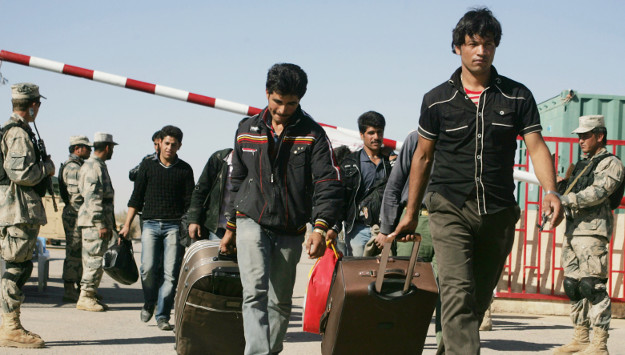
Afghan Paper Accuses Tehran of “Double Game” as FM Zarif Visits Kabul
An editorial in Afghanistan’s largest daily Hasht-e Sobh accuses the Iranian government of “playing a double game” in Afghanistan. The article analyzes Iranian Foreign Minister Javad Zarif’s weekend visit to Kabul and warns that such diplomatic outreach would yield no results unless the Iranian government cuts ties with terrorist groups fighting in Afghanistan. “Iranian Foreign Minister Javad Zarif’s trip to Kabul was an opportunity for high-ranking officials of the national unity government to share Afghanistan’s legitimate concerns with him,” the paper stressed.
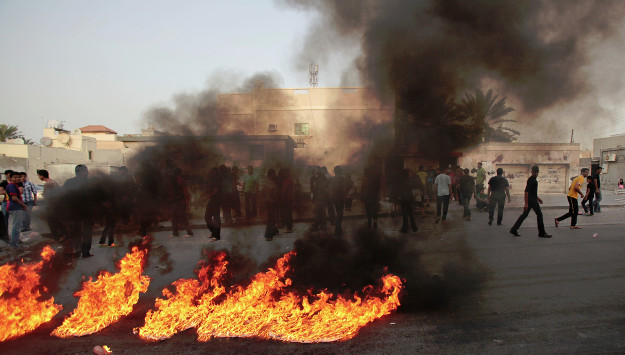
Iran-Supported Iraqi Militia Group Threatens Bahrain over Shiite Cleric’s Trial
The leader of a prominent Iran-controlled Iraqi Shiite militia group has warned that his forces and other Shiite militant groups will respond to the Bahraini government’s prosecution of Ayatollah Isa Qassim.
Interview with Raed Al Saleh, Leader of the White Helmets
April 27, 2017 – Raed Al Saleh, leader of the Syria Civil Defense (“The White Helmets”) joins host Paul Salem to discuss the situation on the ground in Syria, how the White Helmets are working to save civilian lives, and prospects for finding a path to peace.
Iran’s Intelligence Minister Says It Dismantled 30 “Terrorist Cells” inside Iran
The Iranian intelligence minister has announced that the country’s security forces have identified and disbanded about 30 terrorist cells over the past Iranian calendar
Iran Paper Predicts Major Challenges to Syria De-Escalation Zones
Although Iran, Turkey and Russia have signed an agreement to create four de-escalation zones in Syria, the implementation of the plan will face major challenges, writes
Who are the mysterious and enigmatic insurgents in southern Thailand? What do they want? Who do they actually speak for? And what does a separatist struggle and violence mean for ordinary Muslims? Sascha Helbardt’s work “Deciphering Southern Thailand’s Violence” (2015) explores the main Malay Muslim group that has been spearheading the insurgency, the Barisan Revolusi Nasional-Koordinasi (BRN-C). Drawing on Helbardt’s study, this essay seeks to shed light on the BRN-C’s central role in waging the insurgency in southern Thailand — a role that until now has been poorly understood and greatly underestimated.
The oldest peer-reviewed publication dedicated to the study of the modern Middle East, MEI’s flagship journal covers politics, society, and culture in the region.