Bonus Episode: Previewing Israel’s First Post-October 7 Election
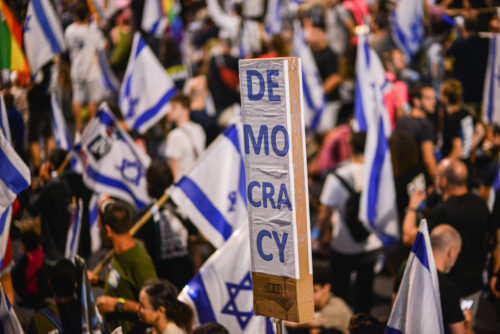
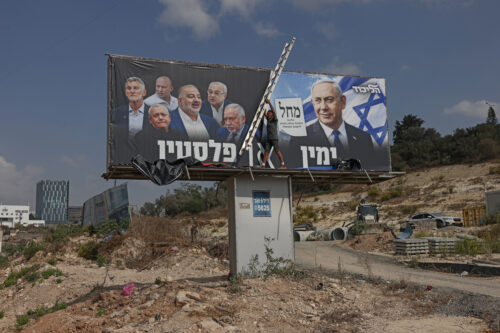
Israel is preparing to hold what may be its most consequential election in decades. On October 27, Prime Minister Benjamin Netanyahu will face his first electoral test since October 7, 2023. In this bonus episode of Middle East Focus, we present the audio from a recent MEI webinar, hosted in Israel on the eve of the vote. Senior Fellow Natan Sachs is joined by Dr. Shira Efron, Distinguished Chair for Israel Policy and senior fellow at the RAND Corporation, and Neri Zilber, veteran journalist and Financial Times correspondent. They explore what’s at stake in this historic election and how different outcomes could reshape Israel’s domestic politics and the wider region.
Israel Was Built on Hope. This Election May Be Our Last Chance to Save It
Israel’s national anthem, Hatikva, means “the hope.” Israel is not just another country, but the culmination of a 2,000-year-old dream of national redemption. The rebirth of the Jewish people’s ancestral homeland, just three years after the Holocaust, was a miraculous triumph of hope over all odds.
Today, that hope has been shattered and the elections on October 27 have become the most consequential in Israel’s history.
One striking thing about US President Donald Trump’s endorsement of Israeli Prime Minister Benjamin Netanyahu this past week is how isolated he was in making this call. The Israeli Prime Minister has become a widely detested figure worldwide following Israel’s war in Gaza—where Israel committed war crimes. This disdain was clearly on display in New York in September when dozens of diplomats streamed out of the hall during Netanyahu’s speech.
Since 1967, Israeli settlements in the West Bank have been a contested feature of the Israeli-Palestinian conflict. The ultimate disposition of the settlements and ongoing activity related to their growth have repeatedly defied agreement in negotiations over a resolution to the conflict.
The Houthis are a political-military faction and Zaydi religious movement founded in northwestern Yemen in the 1980s. A key member of Iran’s Axis of Resistance with links to other militant organizations in the Arabian Peninsula and the Horn of Africa, the group has continued to pose a threat to Western interests on a global scale.
The India-Middle East-Europe Economic Corridor (IMEC) is a proposed multinational infrastructure initiative aimed at upgrading connectivity between the three regions through integrated trade, energy, and digital networks. Announced at the G20 summit in New Delhi in September 2023, IMEC is envisioned partially as a counterweight to China’s international infrastructure project, the Belt and Road Initiative.
After a decade of post-Arab Spring isolation, Turkey’s leaders have recognized that their ambition to position the country as an agenda-setter on the world stage requires active engagement in all directions. President Recep Tayyip Erdoğan’s consolidation of executive authority has centralized foreign policy decision-making and tied it to his domestic political priorities, transforming the country’s revisionist approach to one shaped primarily by personal and pragmatic interests.
MEI Senior Fellow Brian Katulis engages friends, colleagues, and policy experts in casual conversations on the most important happenings in the Middle East.
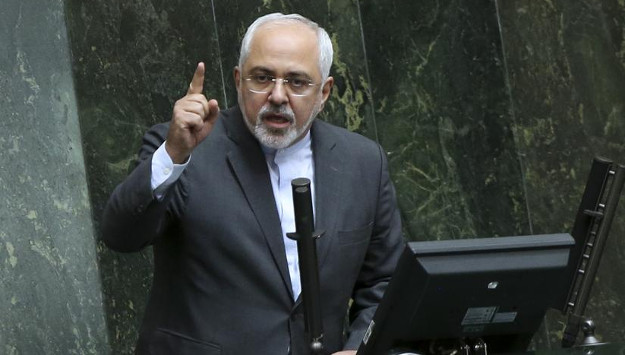
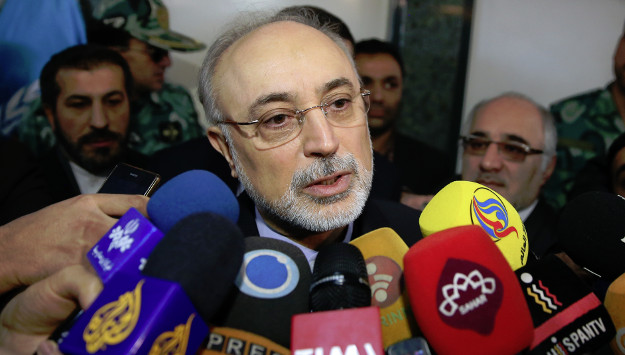
Iran’s Foreign Minister Zarif: Do Not Pay Much Attention to Trump’s Words
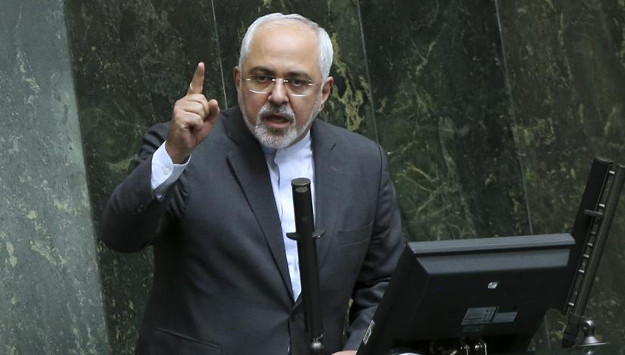
The Iranian foreign minister on Wednesday played down latest remarks by President Donald Trump on the possibility of Washington walking away from the 2015 Iran nuclear deal, the Iranian media reported. “I believe they have broken the spirit of the agreement,” Trump had told the Associated Press. “There is a spirit to agreements, and they have broken it.” Asked by the Iranian press on the sidelines of a cabinet session in Tehran about Trump’s statement, Javad Zarif replied: “Do not pay much attention to Trump’s words.”
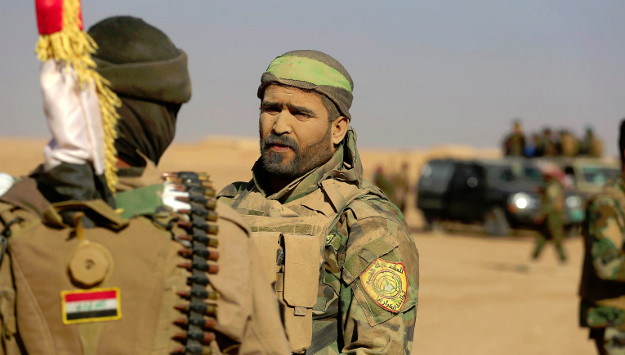
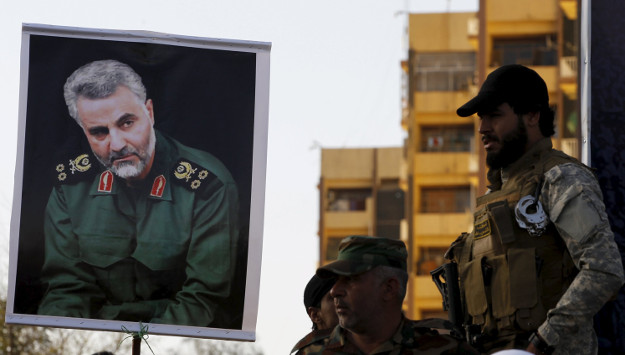
Iran-Backed Iraqi Militia Forces Retake Ancient City of al-Hadar in Western Mosul
The Iraqi Popular Mobilization Forces (P.M.F.) today liberated the historic city of al-Hadar in western Mosul from the Islamic State, the Iranian media reports. Iraqi security forces cooperated with the P.M.F. in al-Hadar offensive.
India-Saudi Arabia Relations: New Bilateral Dynamics
This essay discusses the progressive development of India-Saudi Arabia relations. It looks first at the landmark visits that have laid the foundation and supplied the momentum for progress in the relationship. The essay focuses on five pillars of cooperation: trade and investment, energy relations, overseas employment, defense and security ties, and cultural interaction.
The Horn of Africa’s Growing Importance to the U.A.E.
The Horn of Africa is currently playing a pivotal role in the U.A.E.’s security interests at a time of international uncertainty, regional conflicts, and demanding domestic transformations. The U.A.E. is expanding its foothold in the region, with Eritrea to host its first military base abroad and another in Somaliland in the works. Abu Dhabi’s ‘pivot to the Horn’ strategy is designed to tackle three rising security concerns now: Yemen’s instability, freedom of navigation threats, and piracy.
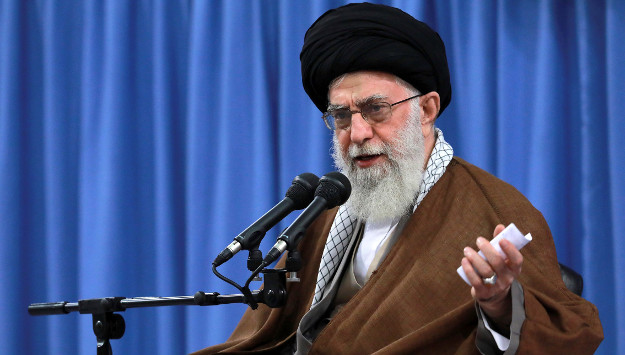
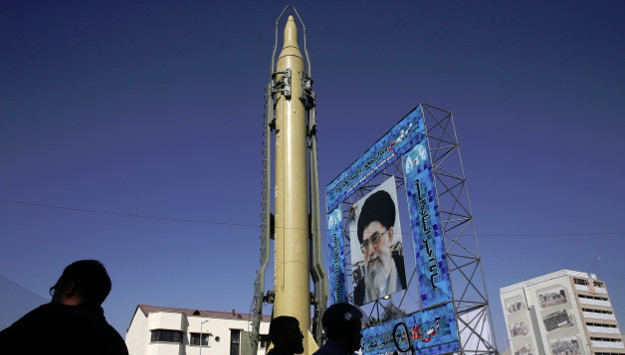
Khamenei Asks Presidential Candidates to Pledge Not to Rely on West
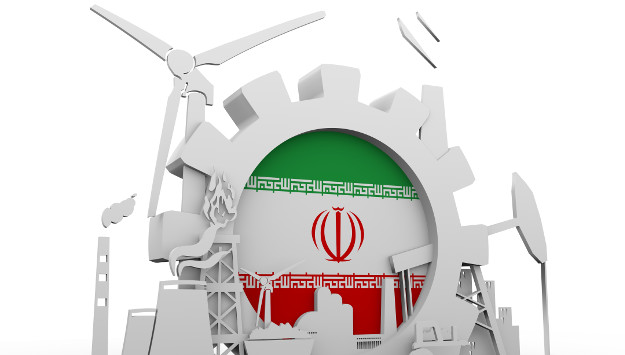
Iran’s Supreme Leader Ali Khamenei today called on next month’s presidential candidates to make a pledge not to seek foreign investment to bolster the country’s fragile economy and instead to promote self-sufficiency and domestic production.
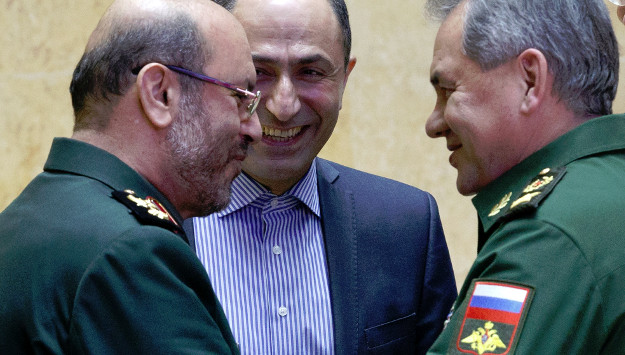
Tehran’s New Envoy Calls for Expanding Ties with Baghdad in Meeting with Abadi
Brigadier General Iraj Masjedi, the new Iranian ambassador to Baghdad, met with Iraqi Prime Haider al-Abadi on Monday to discuss ways to further boost bilateral ties between the two countries, the
Pope’s Egypt Visit to Reassure MidEast Christians | Monday Briefing
In this week’s Monday Briefing, MEI experts Paul Salem, Alex Vatanka, Eran Etzion, and Gerald Feierstein provide analysis on recent and upcoming events including the Pope’s upcoming visit to Egypt, Ahmadinejad’s public feud with Ayatollah Khamenei, Israeli efforts to draw Russian support away from Iran, and the appointment of Prince Khalid bin Salman as Saudi Ambassador to the U.S.
Iranian Student in Rare Video Blasts Regime for Repression at Home and Foreign Wars
A rare video circulating on Iranian social media shows a university student strongly denouncing the Iranian regime’s acts of oppression at home as well as costly military engagements abroad at the expense of domestic priorities. “Mr. Hassan Abbasi: Your theory is the theory of terror and horror and exporting arms and war.
I.R.G.C. Navy Receives New Anti-Ship Cruise Missiles
The Islamic Revolution Guards Corps (I.R.G.C.) Navy received the first consignment of the new Nasir anti-ship cruise missile on April 22, the Iranian media reports.
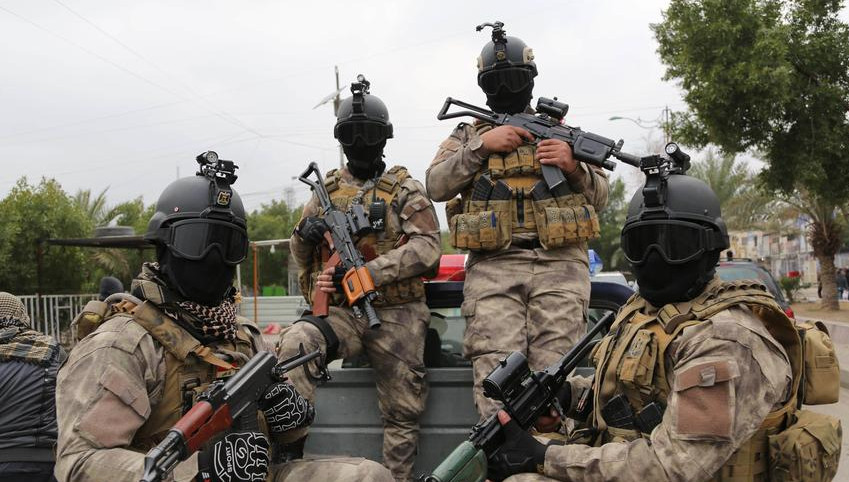
Iran-Backed Iraqi Mobilization Forces Urge Baghdad to Expel Turkish Ambassador
The Iraqi Popular Mobilization Forces (P.M.F.) – an alliance of largely Shiite militia groups dominated by Iran – has called on the Baghdad government to expel the Turkish ambassador from Iraq, Fars News Agency reported. The call came after President Recep Tayyip Erdogan called the P.M.F.
Tillerson’s Remarks Draw Angry Reaction from Iran’s Foreign Minister
Iranian Foreign Minister Javad Zarif on Thursday issued a strongly-worded statement in reaction to the latest allegations by the Trump administration about Iran’s destabilizing role in the Middle East and the 2015 Iran nuclear deal. “The Islamic Republic of Iran entered the JCPOA (Jointed Comprehensive Plan of Action, or Iran nuclear deal) with the view that it would be prudent way to address shared concerns and achieve shared objectives specifically related to the nuclear issue, without entering into other contentious issues, including the nefarious activities of the U.S.
The oldest peer-reviewed publication dedicated to the study of the modern Middle East, MEI’s flagship journal covers politics, society, and culture in the region.