Kim Ghattas on a Murder That Explains the Middle East
Brian sits down with author and Emmy Award-winning journalist Kim Ghattas to talk about her new book, The Best Kind of American, which tells the story of the 1984 assassination of Malcolm Kerr, then president of the American University of Beirut. They discuss her inspiration for the project, what Kerr’s murder revealed about the Middle East at the time, and why his story still resonates four decades later.
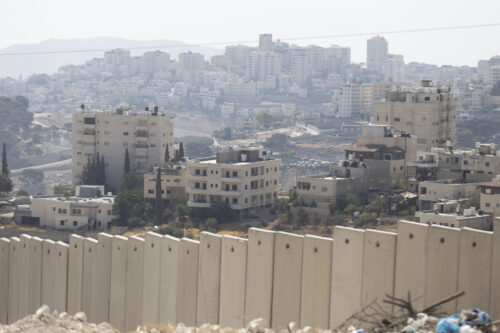
The Israeli government’s plan to build 3,401 housing units in the 12-square-kilometer E-1 corridor, between Jerusalem’s municipal boundary and the Israeli settlement of Ma’ale Adumim, would cut the West Bank in two. Israeli officials are under no illusion about the implications. Announcing the plan’s approval in August 2025, Finance Minister Bezalel Smotrich called it a “significant step that practically erases the two-state delusion.”
The Americans Are Gone. Will Iraq’s Militias Disarm?
On September 30, the US completed its military withdrawal from Iraq, ending a 12-year-long mission to combat ISIS that began in 2014. The date was also meant to be the deadline for disarming the largely Iranian-backed militias known as the Popular Mobilization Forces (PMF), but Prime Minister Ali al-Zaidi has now pushed that cutoff back to June 30, 2027. MEI Distinguished Diplomatic Fellow Amb. (ret.) Robert S. Ford joins hosts Alistair Taylor and Matthew Czekaj to discuss what the US military withdrawal means for Iraqi security and the nature of the bilateral relationship going forward. They also speak about what it will take for Baghdad to bring the PMF militias to heel, and how Iraq may navigate the post-Iran war era.
Since 1967, Israeli settlements in the West Bank have been a contested feature of the Israeli-Palestinian conflict. The ultimate disposition of the settlements and ongoing activity related to their growth have repeatedly defied agreement in negotiations over a resolution to the conflict.
The Houthis are a political-military faction and Zaydi religious movement founded in northwestern Yemen in the 1980s. A key member of Iran’s Axis of Resistance with links to other militant organizations in the Arabian Peninsula and the Horn of Africa, the group has continued to pose a threat to Western interests on a global scale.
The India-Middle East-Europe Economic Corridor (IMEC) is a proposed multinational infrastructure initiative aimed at upgrading connectivity between the three regions through integrated trade, energy, and digital networks. Announced at the G20 summit in New Delhi in September 2023, IMEC is envisioned partially as a counterweight to China’s international infrastructure project, the Belt and Road Initiative.
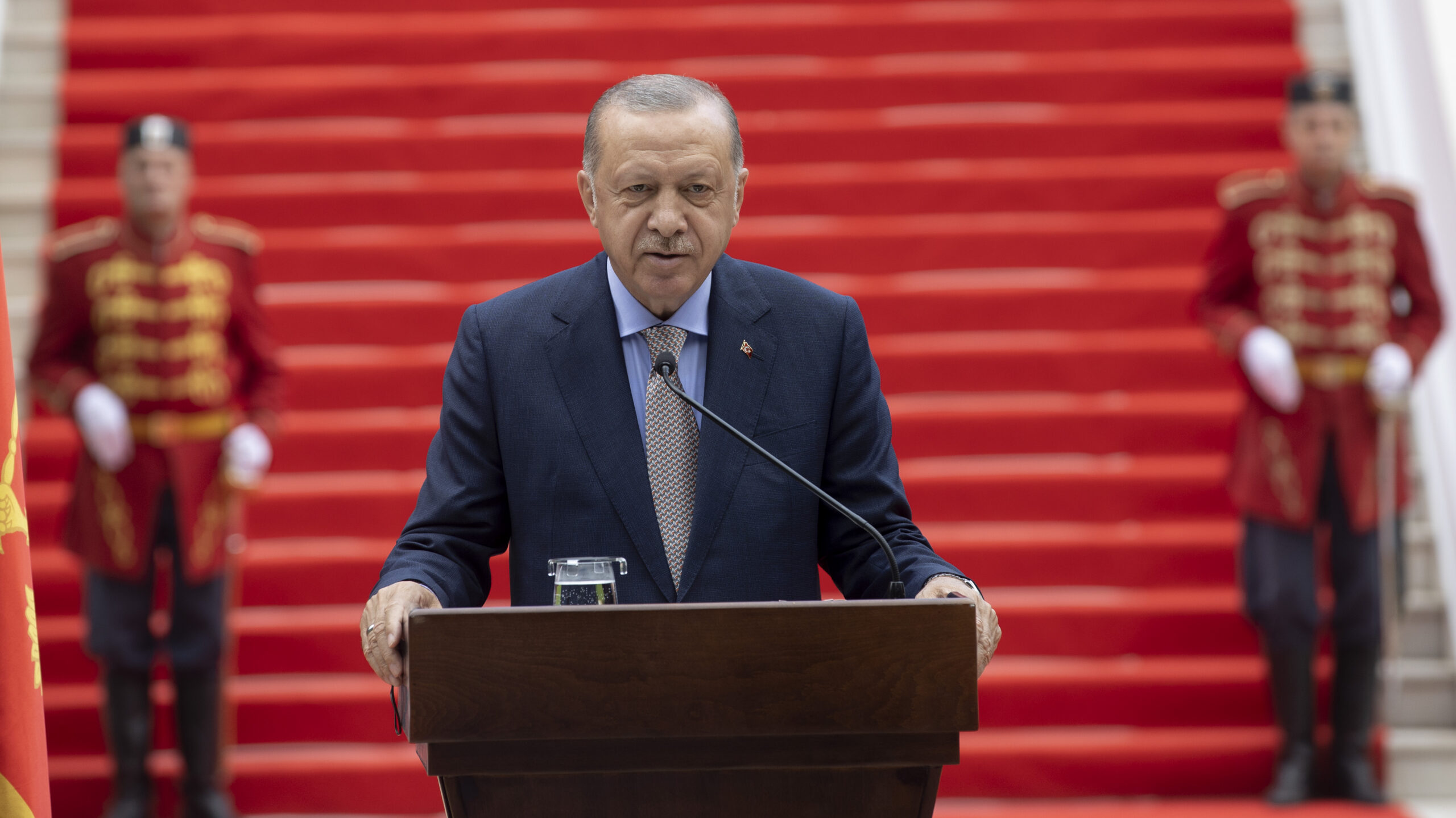
After a decade of post-Arab Spring isolation, Turkey’s leaders have recognized that their ambition to position the country as an agenda-setter on the world stage requires active engagement in all directions. President Recep Tayyip Erdoğan’s consolidation of executive authority has centralized foreign policy decision-making and tied it to his domestic political priorities, transforming the country’s revisionist approach to one shaped primarily by personal and pragmatic interests.
MEI Senior Fellow Brian Katulis engages friends, colleagues, and policy experts in casual conversations on the most important happenings in the Middle East.
As we look to maintain our coverage of the fast-moving changes and events in the region in 2025, here are some of the most popular articles, reports, and briefs from 2024.
Saudi Arabia’s diversified support for a two-state solution
More than a year has passed since the horrific attacks that took the lives of 1,200 innocent Israeli citizens on Oct. 7, 2023, a devasting day that led to many more devasting days in Gaza, where tens of thousands of innocent people have died and countless more have experienced suffering on an industrial scale. All hopes that the war might soon wind down are fading, as the conflict has expanded regionally and internationally and attention has been diverted to a hot cease-fire in Lebanon and the dramatic events unfolding in Syria. Saudi Arabia can help support a credible path to peace.
Norman T. Roule | 'Taking the Edge Off the Middle East' Ep. 6
Middle East Focus Presents: ‘Taking the Edge Off the Middle East’ with Brian Katulis.
A series of casual conversations with leading policy professionals on the most important happenings in the Middle East today – hosted by MEI’s Senior Fellow for US Foreign Policy, Brian Katulis.
Norman T. Roule is a member of MEI’s Iran Program Advisory Council. Roule served for 34-years in the Central Intelligence Agency, where his service included roles as Division Chief and Chief of Station at the CIA’s Directorate of Operations. He joins Brian to discuss the state of an ideologically contested Middle East, as well as the opportunities and challenges following the fall of the Assad regime.
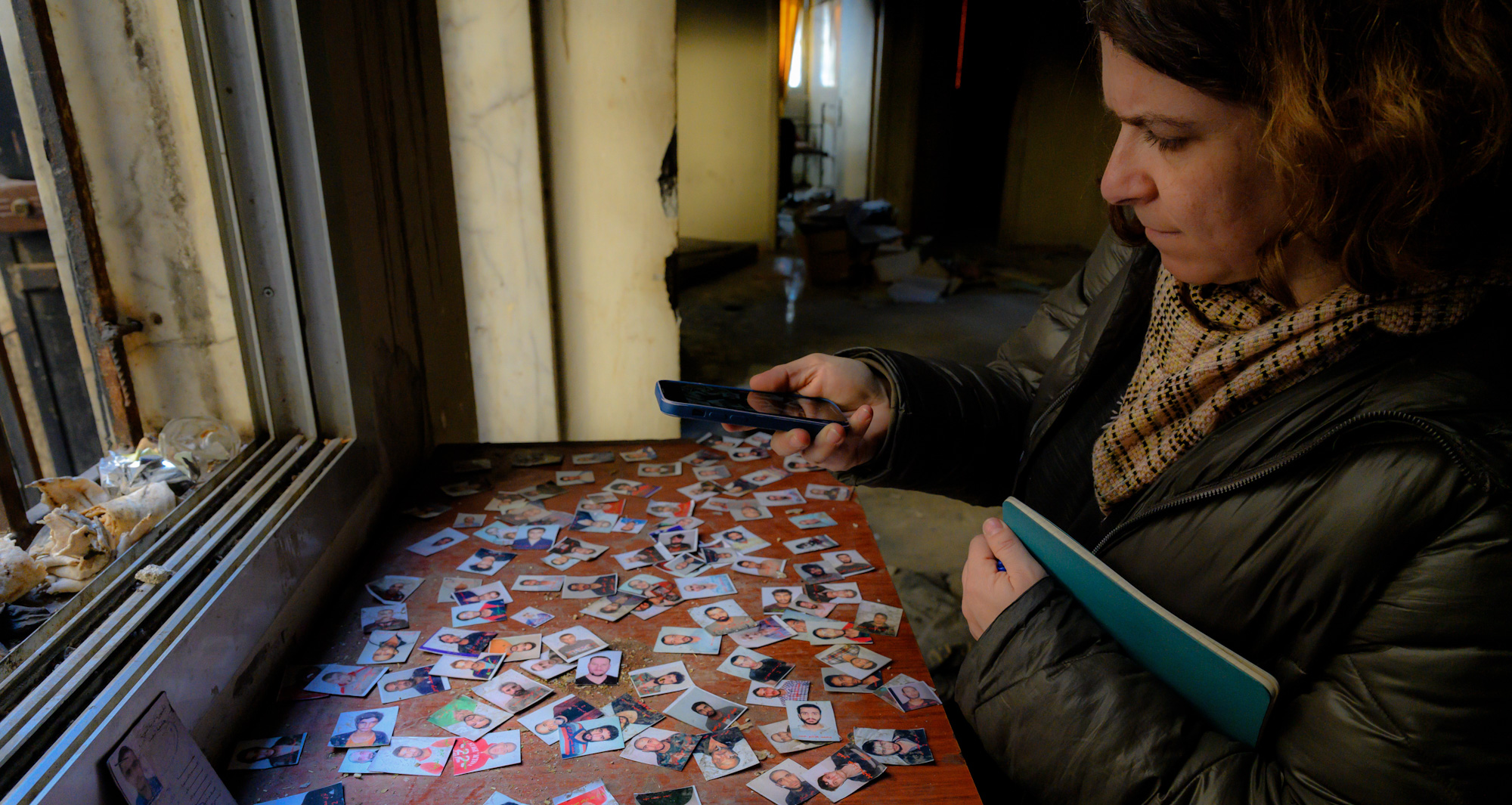
Preserving evidence and securing justice for Assad’s crimes
Under former President Bashar al-Assad’s regime, the Syrian security sector kept meticulous records of their crimes. The international community must now step up to help Syria’s new authorities secure and protect the documents, provide information to the loved ones of those who suffered in Assad’s prisons, and pursue justice.
Trump, Gaza, and the future of US policy in the Middle East
The war in Gaza continues as the Biden administration nears its end, leaving President-elect Donald Trump with a vastly different Middle East from the one he inherited in his first term. Khaled Elgindy, Director of the Palestine & Palestinian-Israeli Affairs program at MEI, is joined by Tamara Kharroub and Daniel Levy to discuss Israel’s ongoing military campaign in Gaza, the fragile cease-fire talks, and the potential shifts in US policy with Donald Trump’s return to the White House.
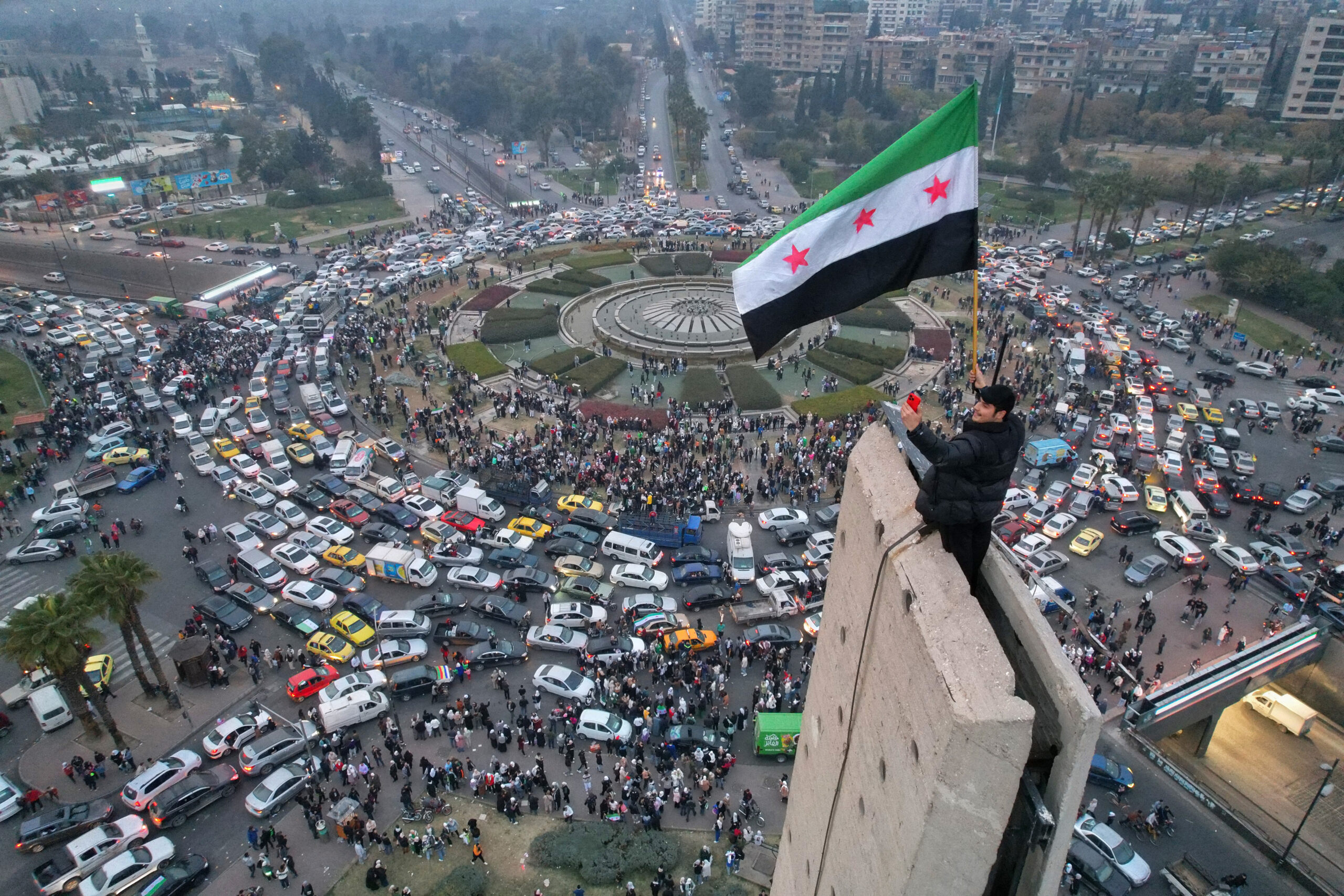
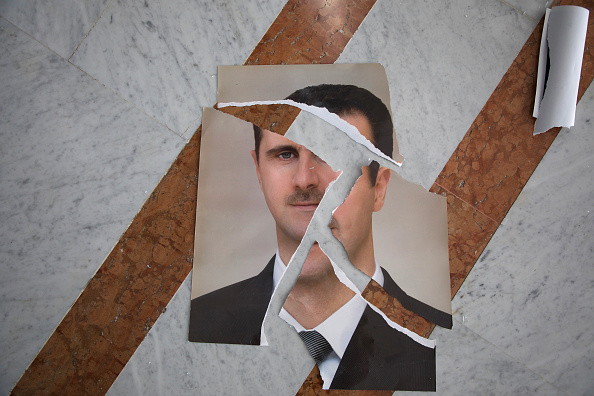
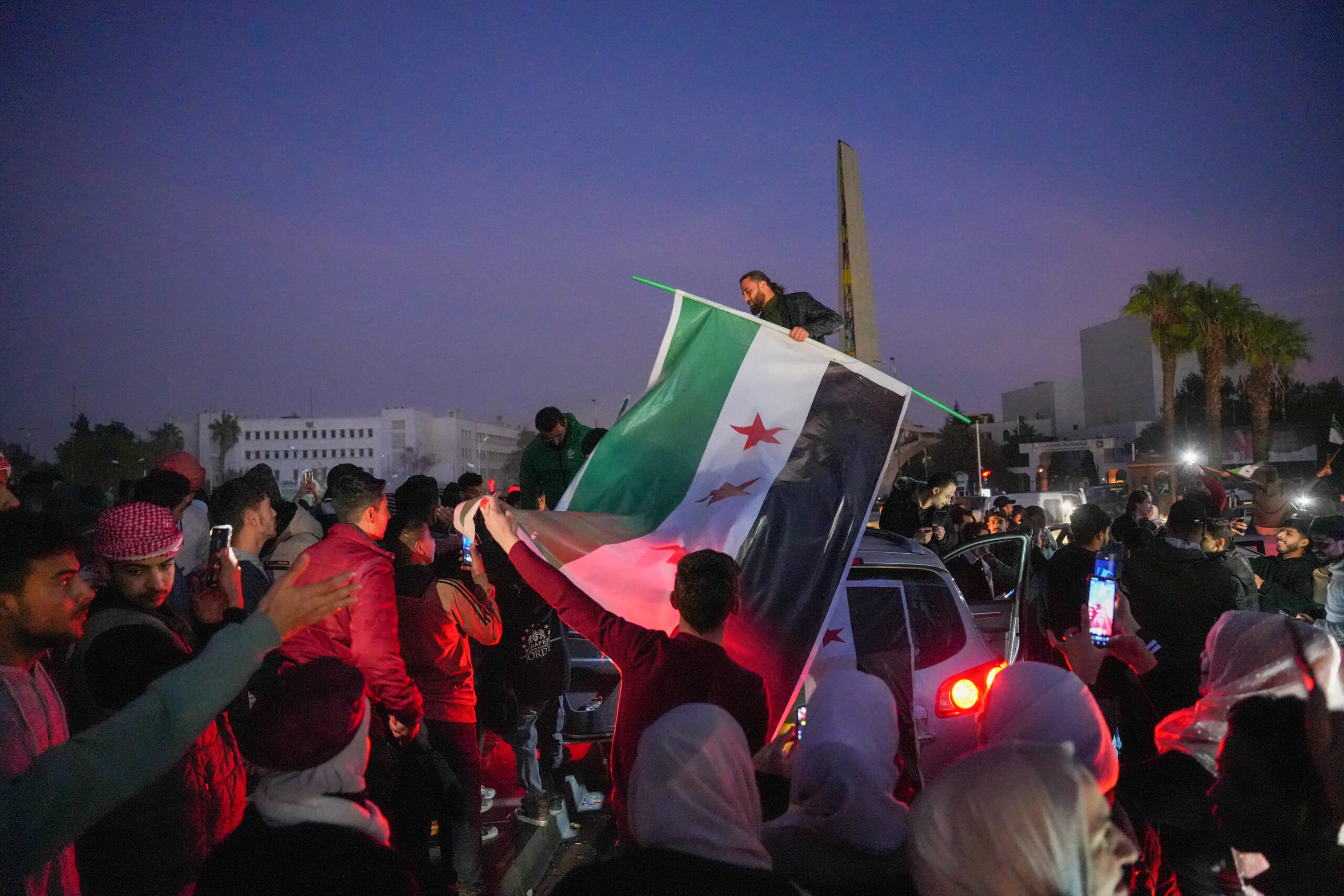
On Dec. 8, 2024, Bashar al-Assad’s regime fell. This is a fact, but it woefully understates the enormity, speed, and consequences of what has transpired. The brutal dictatorship that ruled Syria for more than 50 years disintegrated in fewer than 10 days. Celebrations erupted across public squares, thousands of Syrian refugees lined up at the borders of Turkey, Jordan, and Lebanon eager to return, and the release of political prisoners fueled hope for a new era after decades of despotism and conflict. However, concerns about Syria’s political future and territorial integrity quickly surfaced.
MEI publishes hundreds of original articles every year. In our extremely crowded, news-driven environment, not every piece gets the attention it deserves. Below are 10 original publications from the past year that are worth another share, as selected by MEI’s Editors.
Mapping MENA’s Renewable Energy Supply Chains: The Emergence of Green Energy Ecosystems in the Middle East and North Africa
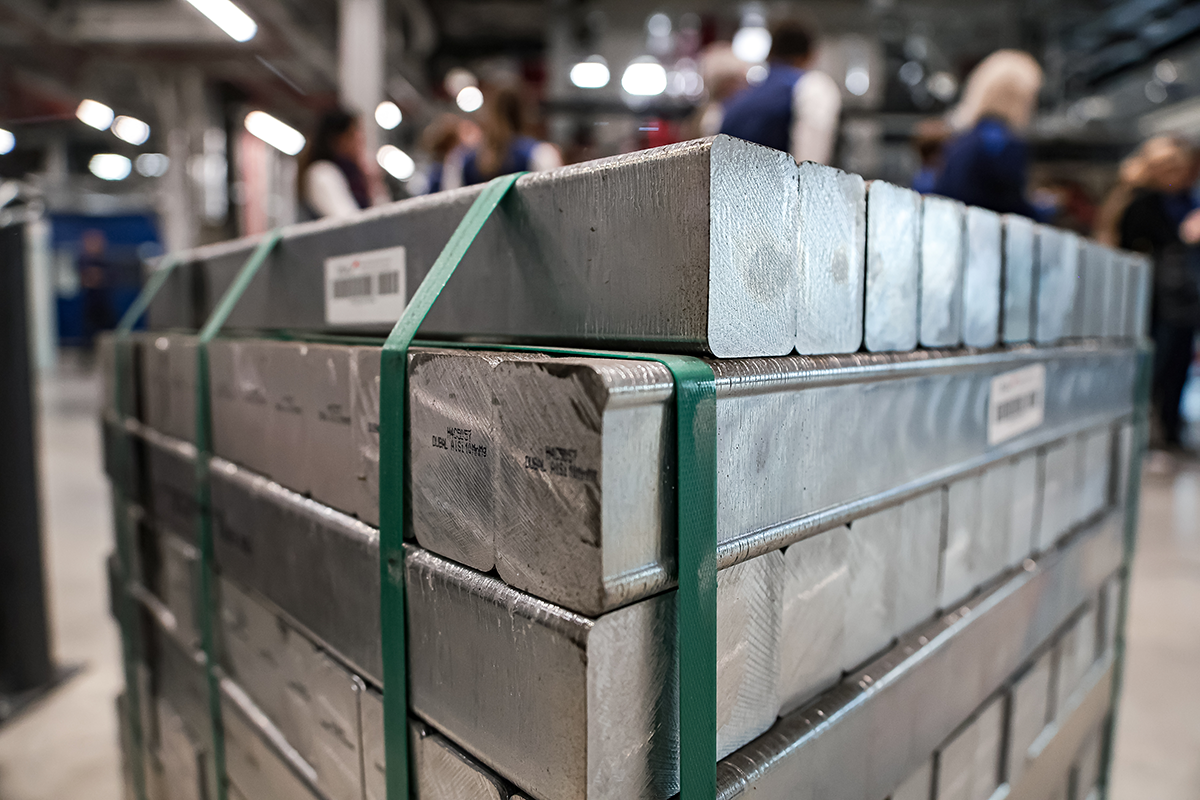
The Middle East and North Africa has the potential to become the world’s largest renewable energy-producing region. Compared to the immense scale of its resources, renewable energy is virtually untapped at present. This study maps the emerging regional trends in renewable energy development and MENA renewable energy supply chains across North Africa, the Arabian Peninsula, and the Levant. The most successful MENA nations in developing their renewable energy resources to date are doing so through the establishment of green energy ecosystems, in which the development of utility-scale renewable energy infrastructure is coordinated with that of robust offtake markets and the establishment of commercially viable storage and transportation mechanisms to service them.
The current Israeli government’s extremism encompasses two entwined trends in Israeli political culture. The first is the rise and mainstreaming of the ideological settler movement and far-right nationalism. The second is Israel’s growing authoritarian tendencies, manifested in systematic efforts to reshape state institutions. As democratic institutions are weakened, the government faces fewer barriers to implementing its expansionist territorial agenda, while the mainstreaming of far-right ideology helps justify the erosion of democratic safeguards. Yet the vast majority of Israelis fail to recognize the connection between these trends, as do most policymakers in the United States.
10 books to expand your knowledge of the Middle East – 2024 edition
Recommended readings selected by MEI’s book review editor from reviews published in this year’s issues of The Middle East Journal. Subscribe to MEJ to read full reviews of these and other new publications exploring the history, culture, and contemporary issues shaping the modern Middle East and North Africa region.
With al-Assad gone, the risk of an ISIS resurgence grows
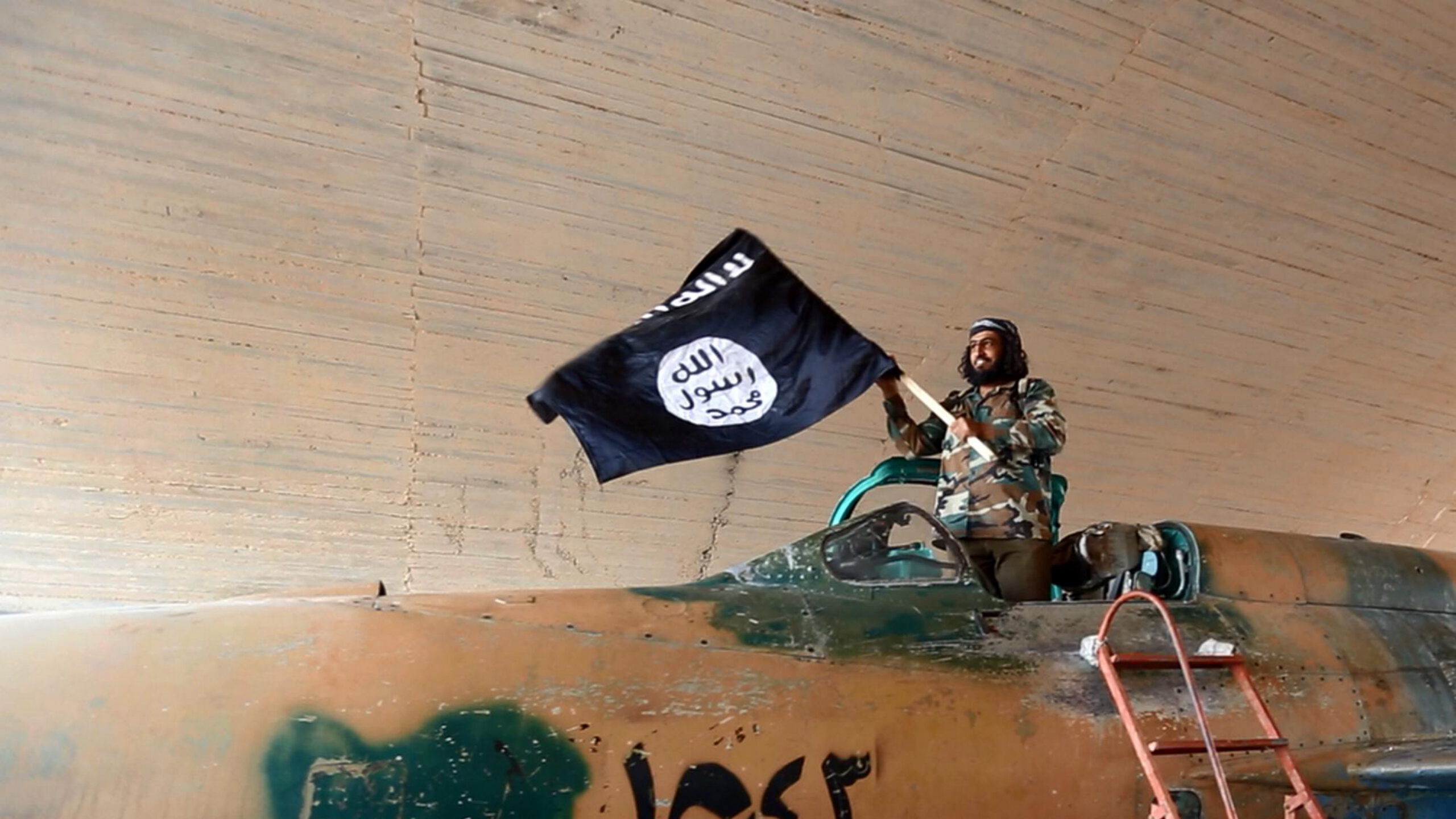
This perilous moment for Syria’s future comes at a moment when American foreign policy in the region could change on a dime. President-elect Donald Trump has already stated the United States should have “nothing to do” with Syria’s future. But to do nothing would give the Islamic State a chance to surge once again.
Following more than a year of turmoil and transformative changes reshaping the Middle East, the region witnessed another shock with the downfall of the Assad family’s 54-year rule over Syria last weekend. The rapid collapse was triggered by a lightning rebel offensive led by Hayat Tahrir al-Sham, a former affiliate of al-Qaeda.
Half a century of rule by the Assad family in Syria collapsed astonishingly quickly after insurgents burst out of a rebel-held enclave and took Damascus in a matter of days. For Turkish president Recep Tayyip Erdoğan, however, it was not fast enough. He has been waiting for this moment since the Syrian uprising in 2011 and is determined to reap the benefits of Bashar al-Assad’s ousting ahead of Turkey’s 2028 elections.
In most capitals across the Middle East, the news of Syrian President Bashar al-Assad’s fall sparked immense anxiety. Ankara is not one of them. Rather than worrying about Syria’s prospects after more than a decade of conflict, Turkish President Recep Tayyip Erdogan sees opportunity in a post-Assad future. His optimism is well founded: out of all the region’s major players, Ankara has the strongest channels of communication and history of working with the Islamist group now in charge in Damascus, positioning it to reap the benefits of the Assad regime’s demise.
The oldest peer-reviewed publication dedicated to the study of the modern Middle East, MEI’s flagship journal covers politics, society, and culture in the region.