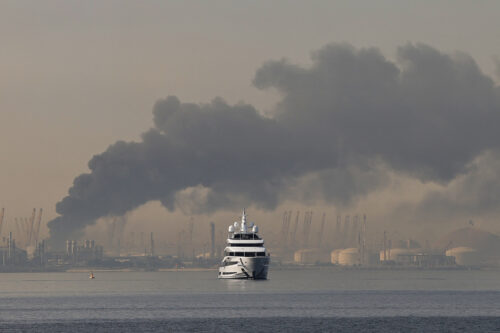
Geopolitical influence over trade increasingly rests on controlling the systems that make them work. The Middle East illustrates the stakes. US ports, cable corridors, cloud facilities, artificial intelligence (AI) investments, and maritime routes connect regional economies to global commerce while exposing them to external decisions and disruptions. For the United States, the challenge is to translate technological advantage into resilient networks rather than rely on centrality that can itself become a source of vulnerability and coercion.
Bonus Episode: Previewing Israel’s First Post-October 7 Election
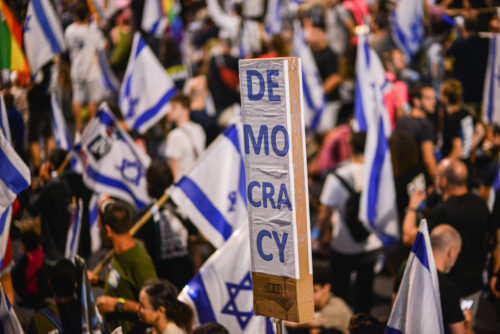
Israel is preparing to hold what may be its most consequential election in decades. On October 27, Prime Minister Benjamin Netanyahu will face his first electoral test since October 7, 2023. In this bonus episode of Middle East Focus, we present the audio from a recent MEI webinar, hosted in Israel on the eve of the vote. Senior Fellow Natan Sachs is joined by Dr. Shira Efron, Distinguished Chair for Israel Policy and senior fellow at the RAND Corporation, and Neri Zilber, veteran journalist and Financial Times correspondent. They explore what’s at stake in this historic election and how different outcomes could reshape Israel’s domestic politics and the wider region.
Israel Was Built on Hope. This Election May Be Our Last Chance to Save It
Israel’s national anthem, Hatikva, means “the hope.” Israel is not just another country, but the culmination of a 2,000-year-old dream of national redemption. The rebirth of the Jewish people’s ancestral homeland, just three years after the Holocaust, was a miraculous triumph of hope over all odds.
Today, that hope has been shattered and the elections on October 27 have become the most consequential in Israel’s history.
Since 1967, Israeli settlements in the West Bank have been a contested feature of the Israeli-Palestinian conflict. The ultimate disposition of the settlements and ongoing activity related to their growth have repeatedly defied agreement in negotiations over a resolution to the conflict.
The Houthis are a political-military faction and Zaydi religious movement founded in northwestern Yemen in the 1980s. A key member of Iran’s Axis of Resistance with links to other militant organizations in the Arabian Peninsula and the Horn of Africa, the group has continued to pose a threat to Western interests on a global scale.
The India-Middle East-Europe Economic Corridor (IMEC) is a proposed multinational infrastructure initiative aimed at upgrading connectivity between the three regions through integrated trade, energy, and digital networks. Announced at the G20 summit in New Delhi in September 2023, IMEC is envisioned partially as a counterweight to China’s international infrastructure project, the Belt and Road Initiative.
After a decade of post-Arab Spring isolation, Turkey’s leaders have recognized that their ambition to position the country as an agenda-setter on the world stage requires active engagement in all directions. President Recep Tayyip Erdoğan’s consolidation of executive authority has centralized foreign policy decision-making and tied it to his domestic political priorities, transforming the country’s revisionist approach to one shaped primarily by personal and pragmatic interests.
MEI Senior Fellow Brian Katulis engages friends, colleagues, and policy experts in casual conversations on the most important happenings in the Middle East.
Monday Briefing: Lebanon Set to Elect President; Steady Progress toward Mosul
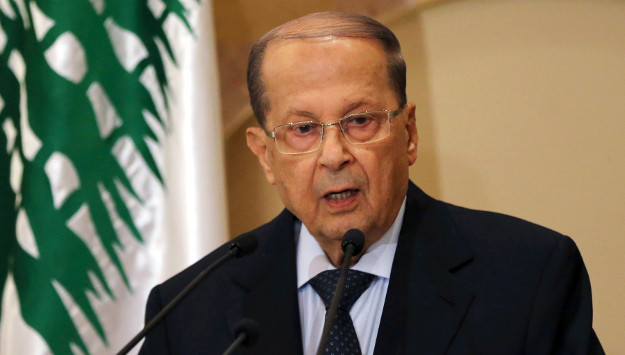
In this week’s Monday Briefing, MEI experts Paul Salem and Charles Lister provide analysis on recent and upcoming events including the expected election of Michel Aoun as president of Lebanon and the operation to expel ISIS from Mosul.
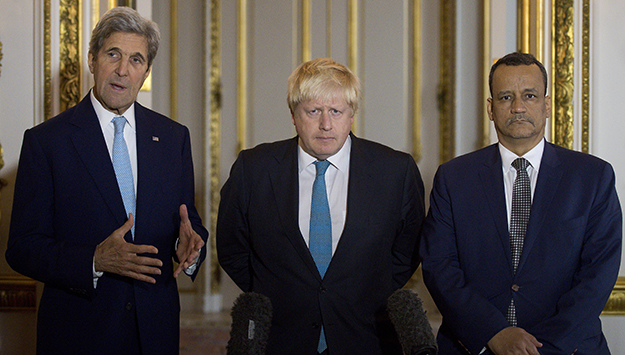
The State Department has welcomed an agreement among all Yemeni parties and the Saudi-led coalition to observe a 72-hour cease-fire beginning on October 19. The warring factions agreed to “implement a full and comprehensive halt to military activities of any kind and help facilitate the delivery of humanitarian assistance to Yemenis across the country.”[i]
Iran’s Oil Minister Comes Out Swinging in Showdown with Hardliners
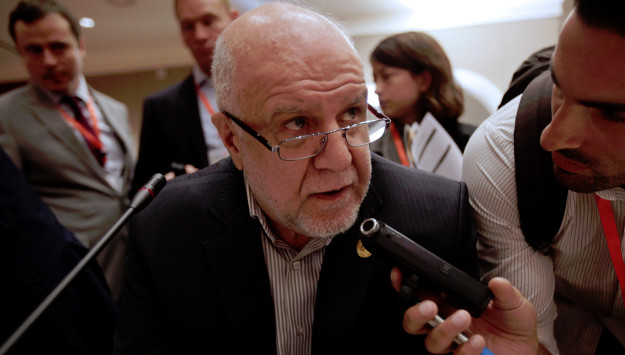
Just a few days after President Hassan Rouhani removed three of his ministers under pressure from his domestic critics, Oil Minister Bijan Zangeneh has come out on the offensive against his critics.
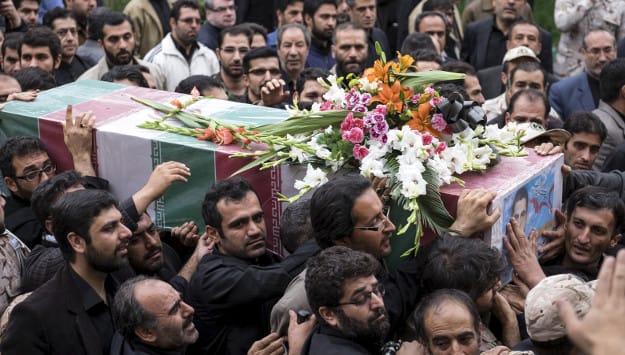
The leadership of the IRGC in Iran has unveiled a new policy of recruiting local volunteers among Iranians to fight on the side of Bashar al-Assad’s forces in Syria.
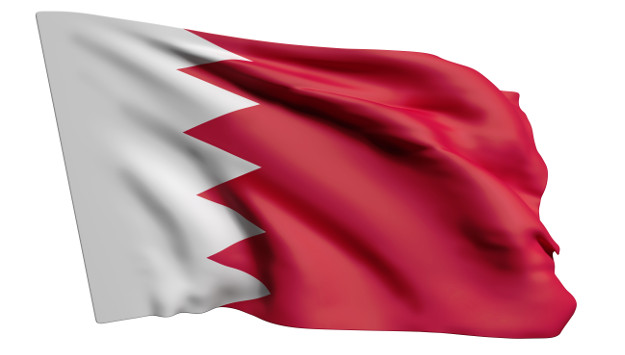
A number of Iranian hardline media outlets are presently running articles condemning the Bahraini government for its treatment of the country’s Shiite political leadership. On October 20, the offices of Al-Wefaq National Islamic Society, a large Shiite political party, were reportedly raided by the Bahraini authorities. Calling it a “historical and strategic mistake,” the Iranian foreign ministry is urging Manama to reach a political settlement on the issue of Shiite political representation in Bahrain.
“Together for Tunisia”: Tribal Structures and Social and Political Mobilization
This essay demonstrates that national unity was constructed and utilized as a tool by the Tunisian state for the purpose of consolidating power, and that traditional kin-based and family ties have existed parallel to the formal structures of both the state and civil society as frames for social and political activity.The essay shows that these historical frames for organization were revitalized and renewed after the popular uprising in 2011.
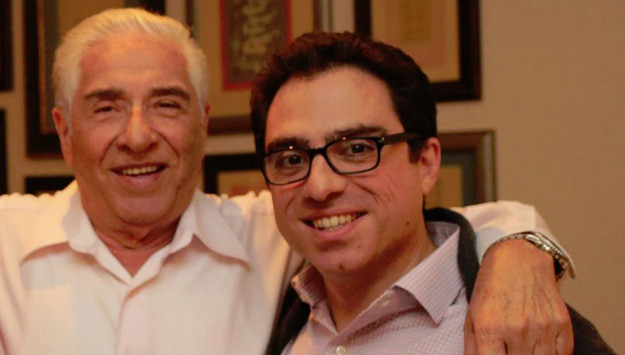
Iran Wrongfully Arrests Iranian-Americans for Potential Prisoner Swap
Fars News, a hardline outlet that promotes the views and interests of the Islamic Revolution Guard Corps (IRGC), ran a so-called exposé on the latest arrests of six individuals charged with collaborating with the United States with the aim of toppling the Iranian regime.
On September 23-24, the Middle East Institute’s Initiative for Track II Dialogues convened its ninth meeting of the Middle East Dialogue in Muscat, Oman. Participants included current and former officials and senior experts from Saudi Arabia, Lebanon, Egypt, Turkey, United Arab Emirates, Syria, Iraq, the Kurdistan Regional Government, Iran, Russia, China, the United States, and the United Nations.
Monday Briefing: Huge Humanitarian Challenges in Mosul
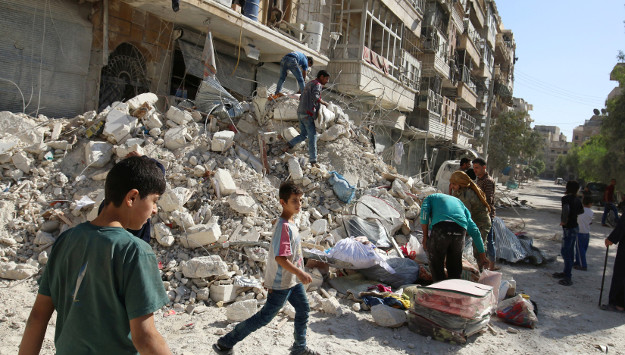
In this week’s Monday Briefing, MEI experts Randa Slim, Gonul Tol, Charles Lister, and Paul Salem provide analysis on recent and upcoming events including potential fallout from the battle for Mosul, how the row between Turkey and Iraq will complicate the operations in Mosul, the implications of ISIS’ loss of Dabiq, and recent military cooperation between Egypt and Russia.
Indonesia’s Nahdlatul Ulama: A Tolerant, Inclusive Message to the Arab Middle East
The current initiative by Nahdlatul Ulama (N.U.)—a traditionalist organization with an estimated membership of over 40 million—to promote globally the notion of Islam Nusantara (Islam of the Indonesian Archipelago) aims to spread, both locally and globally—and to the Arab Middle East in particular—a multifaceted message of a tolerance and moderation in an effort to counter religious extremism and terror. This essay examines the background, substance, and significance of this initiative.
Iraq and Syria: Regional and International Dimensions
October 14, 2016 – In this interview Randa Slim discusses the latest diplomatic and political developments in the Syrian crisis and the regional battle against ISIS, including challenges to be dealt with in the aftermath of an offensive to retake Mosul, with host Paul Salem.
New Report Details Iranian Human Rights Violations
Iran’s dismal human rights record is once again under international scrutiny. On the 7th anniversary of the regime crackdown on the opposition after 2009, the International Campaign for Human Rights in Iran ran an extensive overview of major human rights violations, including torture and executions, which the Iranian authorities are predictably refusing to acknowledge.
The oldest peer-reviewed publication dedicated to the study of the modern Middle East, MEI’s flagship journal covers politics, society, and culture in the region.