Skip to Content

Research & Commentary

Read in-depth research, analysis, and commentary from MEI’s fellows and experts on the Middle East. 

Trump’s South Caucasus Peacemaking Is His Most Successful, but It Remains Unfinished
  • Commentary
  • Trump’s South Caucasus Peacemaking Is His Most Successful, but It Remains Unfinished

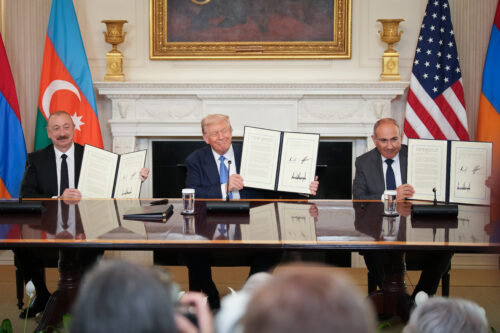
    Of all the fronts in President Trump’s peacemaking agenda, the South Caucasus has delivered the most concrete results. The August 2025 Washington Declaration, signed between Armenia and Azerbaijan and witnessed by Trump, marked an important step toward peace in the region. The two sides initialed a peace agreement and advanced plans to unblock regional connectivity, including through the establishment of the Trump Route for International Peace and Prosperity (TRIPP), which would connect Azerbaijan to its Nakhijevan exclave through southern Armenia. Implementation of TRIPP has since made notable progress, but construction has yet to start. A breakthrough on those two tracks would, in turn, unlock Armenia–Türkiye normalization, transforming a long-fractured region into an area of trade and interdependence.
    The Iran War Was Always About Regime Change
  • Commentary
  • The Iran War Was Always About Regime Change

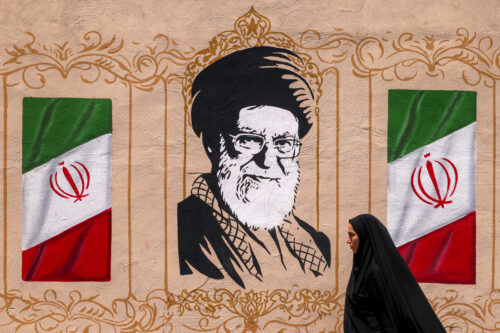
    Wars don’t just end. They get interpreted, reinterpreted, and turned into strategic doctrine. That is what happened after the Iran-Iraq War of the 1980s, a conflict that saw the United States back Tehran’s Iraqi adversaries. The war taught Tehran three lessons it never unlearned: that Washington wants the Islamic Republic gone, that Iran stands essentially alone in the world, and that it cannot survive a direct, overt fight with the U.S. and Israel.

    Iran’s New War Cabinet Is Really an Old One
  • Analysis
  • Iran’s New War Cabinet Is Really an Old One

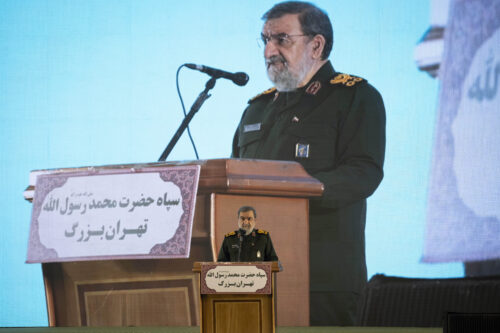
    Within 48 hours this week, Iran filled six of the most important posts in its battered military and security establishment. Read together with the biographies and mandates behind them, the appointments show how Tehran is drawing lessons from successive wars and preparing for a prolonged period of insecurity, without proving it has abandoned negotiation.

    Additional Research & Commentary

    Backgrounders

    Israeli Settlements in the West Bank
  • Backgrounder
  • Israeli Settlements in the West Bank

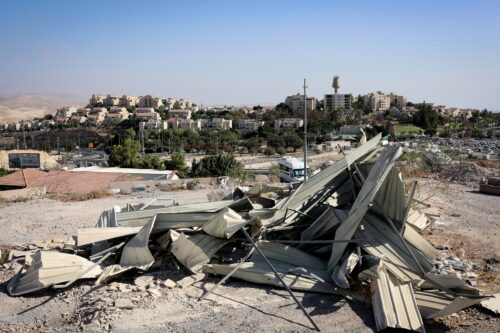
    Since 1967, Israeli settlements in the West Bank have been a contested feature of the Israeli-Palestinian conflict. The ultimate disposition of the settlements and ongoing activity related to their growth have repeatedly defied agreement in negotiations over a resolution to the conflict.

    June 9, 2026

    The Houthis
  • Backgrounder
  • The Houthis

    The Houthis are a political-military faction and Zaydi religious movement founded in northwestern Yemen in the 1980s. A key member of Iran’s Axis of Resistance with links to other militant organizations in the Arabian Peninsula and the Horn of Africa, the group has continued to pose a threat to Western interests on a global scale.

    May 15, 2026

    The India-Middle East-Europe Economic Corridor
  • Backgrounder
  • The India-Middle East-Europe Economic Corridor

    The India-Middle East-Europe Economic Corridor (IMEC) is a proposed multinational infrastructure initiative aimed at upgrading connectivity between the three regions through integrated trade, energy, and digital networks. Announced at the G20 summit in New Delhi in September 2023, IMEC is envisioned partially as a counterweight to China’s international infrastructure project, the Belt and Road Initiative.

    June 3, 2026

    Turkish Foreign Policy
  • Backgrounder
  • Turkish Foreign Policy

    After a decade of post-Arab Spring isolation, Turkey’s leaders have recognized that their ambition to position the country as an agenda-setter on the world stage requires active engagement in all directions. President Recep Tayyip Erdoğan’s consolidation of executive authority has centralized foreign policy decision-making and tied it to his domestic political priorities, transforming the country’s revisionist approach to one shaped primarily by personal and pragmatic interests.

    April 23, 2026

    Podcasts

    Middle East Focus

    MEI’s flagship weekly podcast on US foreign policy and contemporary political and social issues in the Middle East.

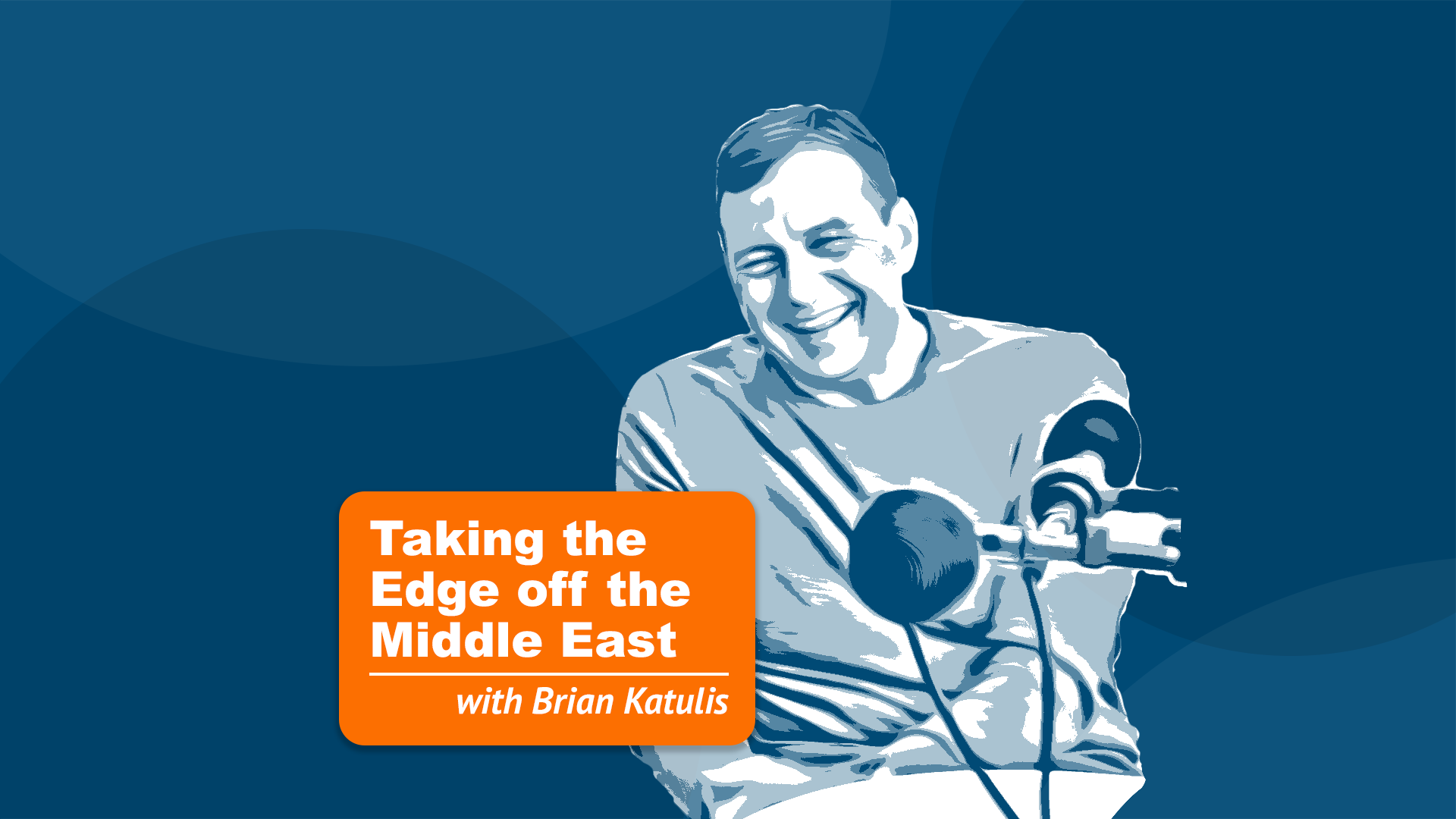
    Taking the Edge Off the Middle East

    MEI Senior Fellow Brian Katulis engages friends, colleagues, and policy experts in casual conversations on the most important happenings in the Middle East. 

    Rethinking Democracy

    MEI Senior Fellow Gonul Tol hosts leading scholars and thought leaders on global democracy trends and the state of the liberal international order. 

    Filter by
    8783 Results
    The Dichotomist Antagonist Posture in the Persian Gulf
  • Analysis
  • The Dichotomist Antagonist Posture in the Persian Gulf

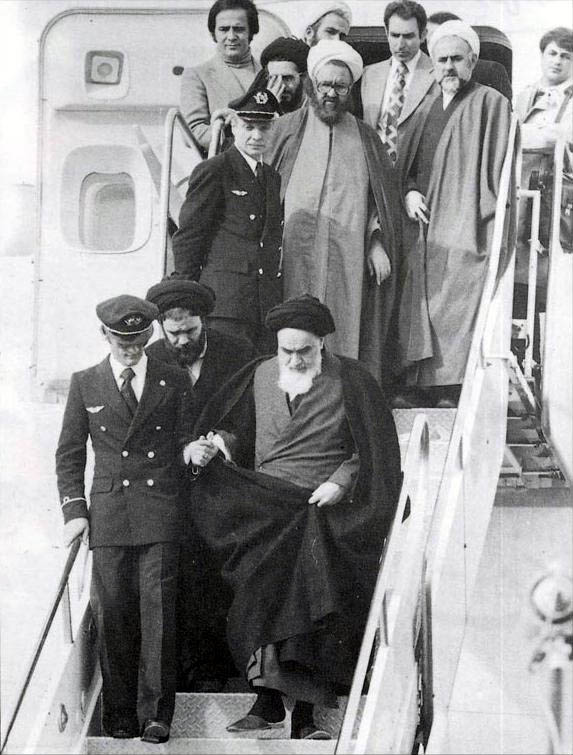
    Since the end of “Pax Britannica,” a zero-sum approach to Persian Gulf security has predominated. Ayatollah Ruhollah Khomeini’s rhetoric and ideology in favor of “exporting the Revolution” to the Sunni Arab world coupled with the strong hostility of the Gulf Arab regimes toward the Islamic Republic of Iran reinforced a dichotomist mindset with respect to regional security. Iraq’s invasion of Iran and the taking of US diplomats as hostages by Iran (which compounded the severity of the fracture in US-Iran relations) exacerbated this trend.

    January 29, 2009

    Iranian Nationalism Rediscovered
    Middle East Institute
  • Analysis
  • Iranian Nationalism Rediscovered

    In the fall of 2007, President Mahmud Ahmadinejad welcomed President Vladimir Putin on the first state visit by a Russian leader since Joseph Stalin came to Iran to attend the Tehran Summit in 1943 along with Franklin D. Roosevelt and Winston Churchill. The Iranian press was in no doubt as to the significance of the visit, which for many illustrated not only Iran’s importance but its return to the world stage as a power with which to be reckoned.

    January 29, 2009

    Iran and the Gulf Cooperation Council
    Middle East Institute
  • Analysis
  • Iran and the Gulf Cooperation Council

    Some three decades into the life of the Islamic Republic, the Iranian regime has yet to devise and implement a coherent national security policy or even a set of guidelines on which its regional and international security policies are based. In relation to the Persian Gulf region and the country’s immediate neighbors, this has resulted in the articulation of regional foreign and security policies that at times have seemed fluid and changeable.

    January 29, 2009

    Iranian "Exceptionalism"
  • Analysis
  • Iranian "Exceptionalism"

    One of the strange features of 20th century Iranian leaders has been a tendency to perceive themselves, their government, and Iran as serious challengers to the present world order. Given the fact that the present world order is very much a Western dominated system, the Iranian leaders’ historic “crusade” has been broadly anti-Western. Shah Muhammad Reza Pahlavi as well as his successors have perceived their respective regime as offering the world a different system of leadership — one that is far superior to that of the West in many respects.

    January 29, 2009

    Potentials and Challenges in the Iranian Oil and Gas Industry
    Middle East Institute
  • Analysis
  • Potentials and Challenges in the Iranian Oil and Gas Industry

    Thirty years after the revolution, Iran’s hydrocarbon industry is facing new opportunities and challenges. This essay attempts to evaluate the future of Iran’s oil and gas sector in view of changing circumstances in the oil and gas industry and the barriers to Iran taking full advantage of its potentials.

    January 29, 2009

    Iran's Foreign Policy and the Iran-Pakistan-India Gas Pipeline
    Middle East Institute
  • Analysis
  • Iran's Foreign Policy and the Iran-Pakistan-India Gas Pipeline

    Shortly after the revolution in 1979, Iran somewhat irrationally distanced itself from the international community. Partly because of revolutionary fervor, Iran initially made itself vulnerable. The American hostage crisis and the eight-year war with Iraq exposed Iran to economic hardship and international isolation.

    January 29, 2009

    The European Union and Iran
    Middle East Institute
  • Analysis
  • The European Union and Iran

    European governments initially reacted to Iran’s Islamic revolution by a careful testing of the ground with the new regime. But relations deteriorated quickly, as Iran accused some European countries of siding with Iraq in the Iran-Iraq War and Iranian agents killed Iranian opposition figures in European capitals.

    January 29, 2009

    Iran and Saudi Arabia: Eternal "Gamecocks?"
  • Analysis
  • Iran and Saudi Arabia: Eternal "Gamecocks?"

    Almost immediately after the triumph of the Islamic revolution, Ayatollah Khomeini and the new Iranian leadership turned against Saudi Arabia and its ruling family.

    January 29, 2009

    Iran and France: Shattered Dreams
    Middle East Institute
  • Analysis
  • Iran and France: Shattered Dreams

    When Iran’s 1979 revolution took place, many Iranians predicted that relations between Iran and France would improve in an unprecedented way. Ayatollah Ruhollah Khomeini, the founder of the Islamic Republic, spent the last four months of his 14-year in exile in France. The revolutionaries in Tehran lauded French leaders for being hospitable toward their spiritual leader. They had no hatred of France, which lacked colonialist aspirations regarding Iran.

    January 29, 2009

    The Spectrum of Perceptions in Iran's Nuclear Issue
    Middle East Institute
  • Analysis
  • The Spectrum of Perceptions in Iran's Nuclear Issue

    The relationship between Iran and the West has been marked by mutual mistrust and confrontation for the past 30 years. Iran’s nuclear standoff with Western countries is currently regarded as the main symbol of that confrontational relationship. Iran insists that its nuclear program is exclusively peaceful, while Western countries are suspicious of Tehran’s intentions. There are polarized and incompatible views about this complicated and multidimensional issue. The main source of incompatibility is that this issue is seen from different perspectives.

    January 29, 2009

    Iran's Islamic Revolution and Its Future
    Middle East Institute
  • Analysis
  • Iran's Islamic Revolution and Its Future

    As one of the most important events of the past three decades in the Middle East, the Islamic Revolution not only has sustained itself, but the Islamic Republic which it spawned celebrated its 30th anniversary in February 2009.

    January 29, 2009

    The Iranian Revolution of February 1979
  • Analysis
  • The Iranian Revolution of February 1979

    The revolution of February 1979 was a revolt of the society against the state. In some of its basic characteristics, the revolution did not conform to the usual norms of Western revolutions, because the state did not represent just an ordinary dictatorship but an absolute and arbitrary system that lacked political legitimacy and a social base virtually across the whole of the society.

    January 29, 2009

    Water Issues in the Gulf: Time for Action
  • Analysis
  • Water Issues in the Gulf: Time for Action

    Originally posted January 2009

    The Arab world, especially the Gulf countries, face many environmental threats and problems such as desertification, biodiversity loss, marine and coastal areas pollution, air pollution, and water scarcity and quality. Beside these traditional environmental threats, various other environmental problems have begun to emerge in the last few years, related to military conflicts, construction and demolition debris, and climate change.

    January 1, 2009

    Architecture and Urbanism in the Middle East
    Middle East Institute
  • Analysis
  • Architecture and Urbanism in the Middle East

    MEI´s special edition of Viewpoints on “Architecture and Urbanism in the Middle East” is an opportunity to celebrate the beauty, diversity, and vitality of the built environment of the region. It is also an opportunity to consider the challenges facing architects, designers, and developers in their efforts not only to preserve the rich cultural heritage of Middle Eastern cities but to shape these urban spaces in ways that address the physical and socioeconomic pressures occurring within them.

    November 6, 2008

    Read the Middle East Journal

    The oldest peer-reviewed publication dedicated to the study of the modern Middle East, MEI’s flagship journal covers politics, society, and culture in the region.