MINURSO’s Future: What the Security Council’s Choice May Reveal
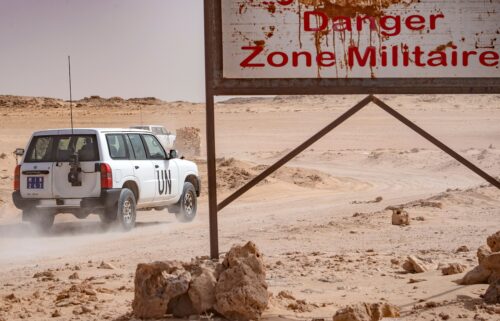
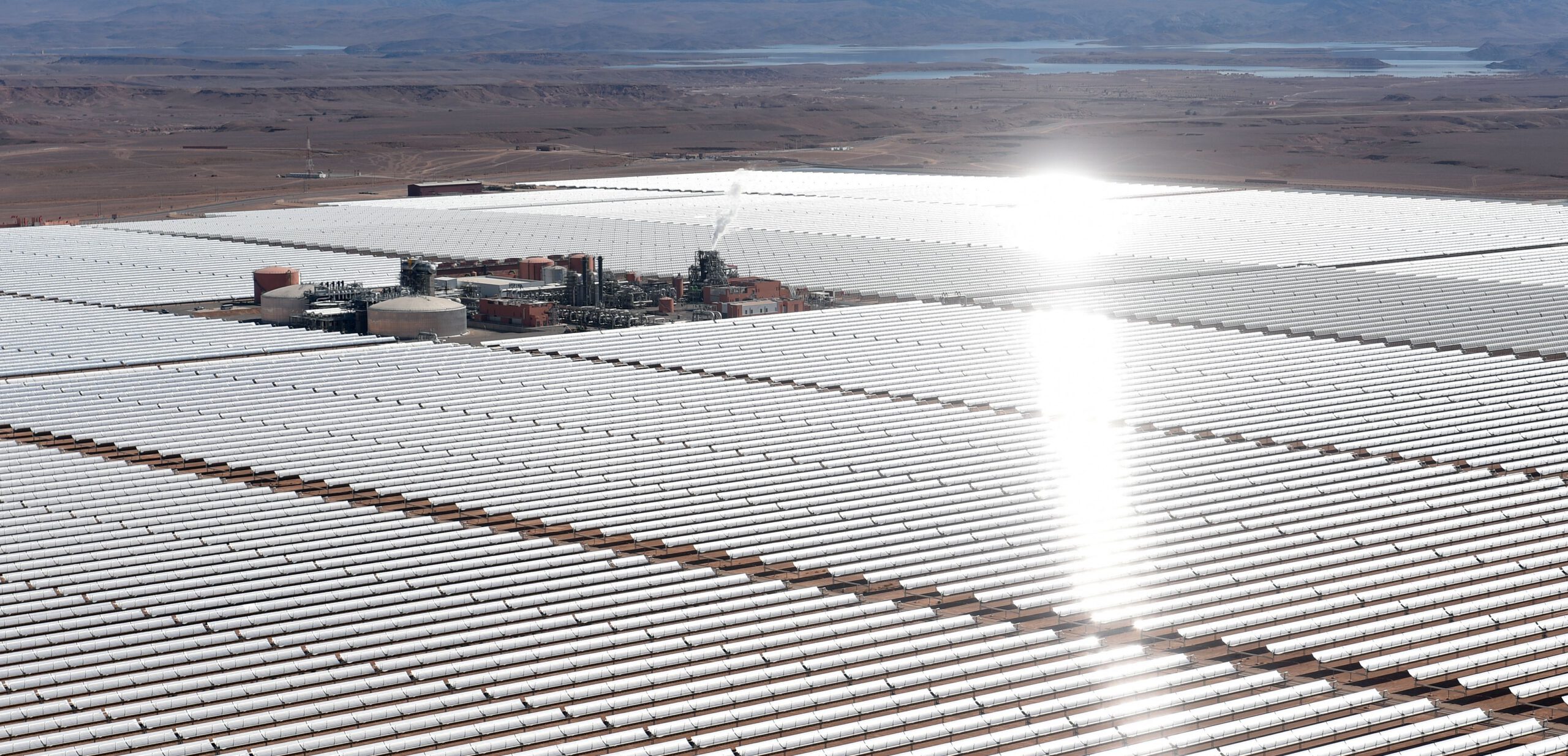
As the United Nations Security Council (UNSC) approaches the October 31 renewal deadline of the UN Monitoring Mission in Western Sahara (MINURSO), the mission’s longer-term future remains uncertain. Another largely unchanged renewal remains a likely immediate outcome. But beyond that holding pattern, three possible scenarios are also on the table.
How Lebanon can be Trump’s first success in a troubled region
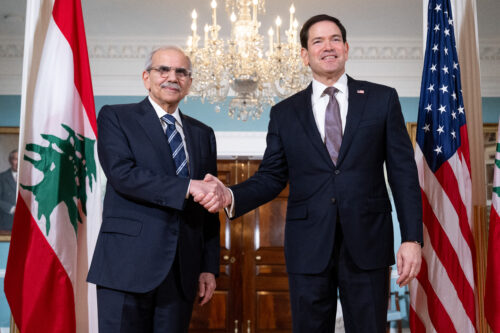
The Trump administration has done more than any of its predecessors to restore sovereignty for a much traumatized nation, Lebanon. The Israel Defense Forces’ operations in 2024 against Hezbollah decimated that organization, long the “A Team” in global terror.
Kim Ghattas on a Murder That Explains the Middle East
Brian sits down with author and Emmy Award-winning journalist Kim Ghattas to talk about her new book, The Best Kind of American, which tells the story of the 1984 assassination of Malcolm Kerr, then president of the American University of Beirut. They discuss her inspiration for the project, what Kerr’s murder revealed about the Middle East at the time, and why his story still resonates four decades later.
Since 1967, Israeli settlements in the West Bank have been a contested feature of the Israeli-Palestinian conflict. The ultimate disposition of the settlements and ongoing activity related to their growth have repeatedly defied agreement in negotiations over a resolution to the conflict.
The Houthis are a political-military faction and Zaydi religious movement founded in northwestern Yemen in the 1980s. A key member of Iran’s Axis of Resistance with links to other militant organizations in the Arabian Peninsula and the Horn of Africa, the group has continued to pose a threat to Western interests on a global scale.
The India-Middle East-Europe Economic Corridor (IMEC) is a proposed multinational infrastructure initiative aimed at upgrading connectivity between the three regions through integrated trade, energy, and digital networks. Announced at the G20 summit in New Delhi in September 2023, IMEC is envisioned partially as a counterweight to China’s international infrastructure project, the Belt and Road Initiative.
After a decade of post-Arab Spring isolation, Turkey’s leaders have recognized that their ambition to position the country as an agenda-setter on the world stage requires active engagement in all directions. President Recep Tayyip Erdoğan’s consolidation of executive authority has centralized foreign policy decision-making and tied it to his domestic political priorities, transforming the country’s revisionist approach to one shaped primarily by personal and pragmatic interests.
MEI Senior Fellow Brian Katulis engages friends, colleagues, and policy experts in casual conversations on the most important happenings in the Middle East.
Amid renewed protests and political maneuvering, the odds of early elections in Israel are rising
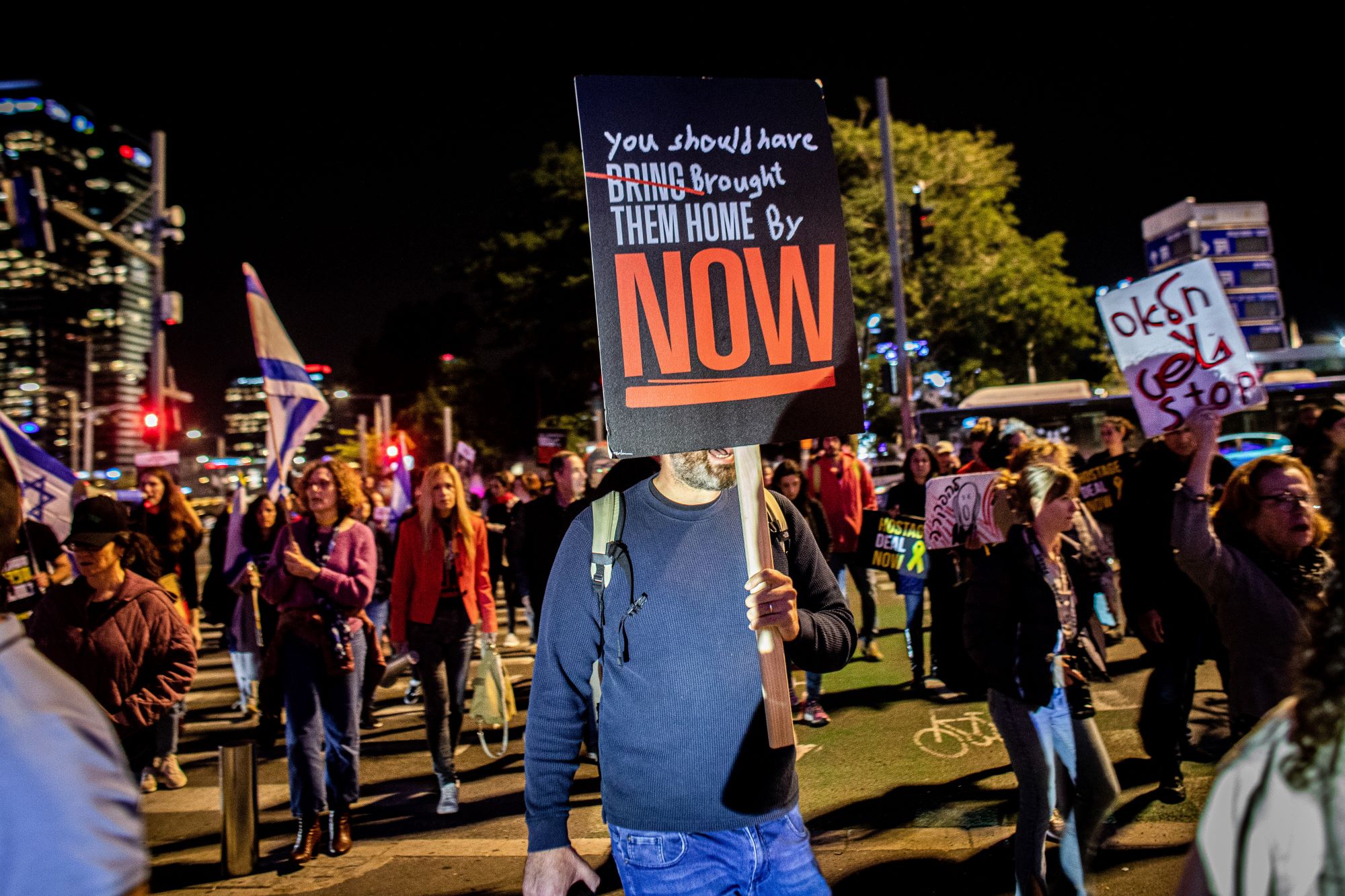
Public opinion polls indicate that a plurality of Israelis have lost faith in Prime Minister Benjamin Netanyahu and support early elections. Recently, this trend has been coupled with renewed demonstrations against the government and maneuvers by key politicians, indicating that the chances Israelis will go to the polls during 2024 are on the rise.
Strategic foresight is helping create Arab futures
On March 5-7, 2024, the United Nations’ Economic and Social Commission for Western Asia (ESCWA) hosted the annual Arab Forum for Sustainable Development (AFSD). The inclusion of a special session on “Collaborative Futures: Strategic Foresight for Sustainable Development in a World of Crisis” is another example of the growing attention to foresight-driven analysis and decision-making among leaders in the Arab world.
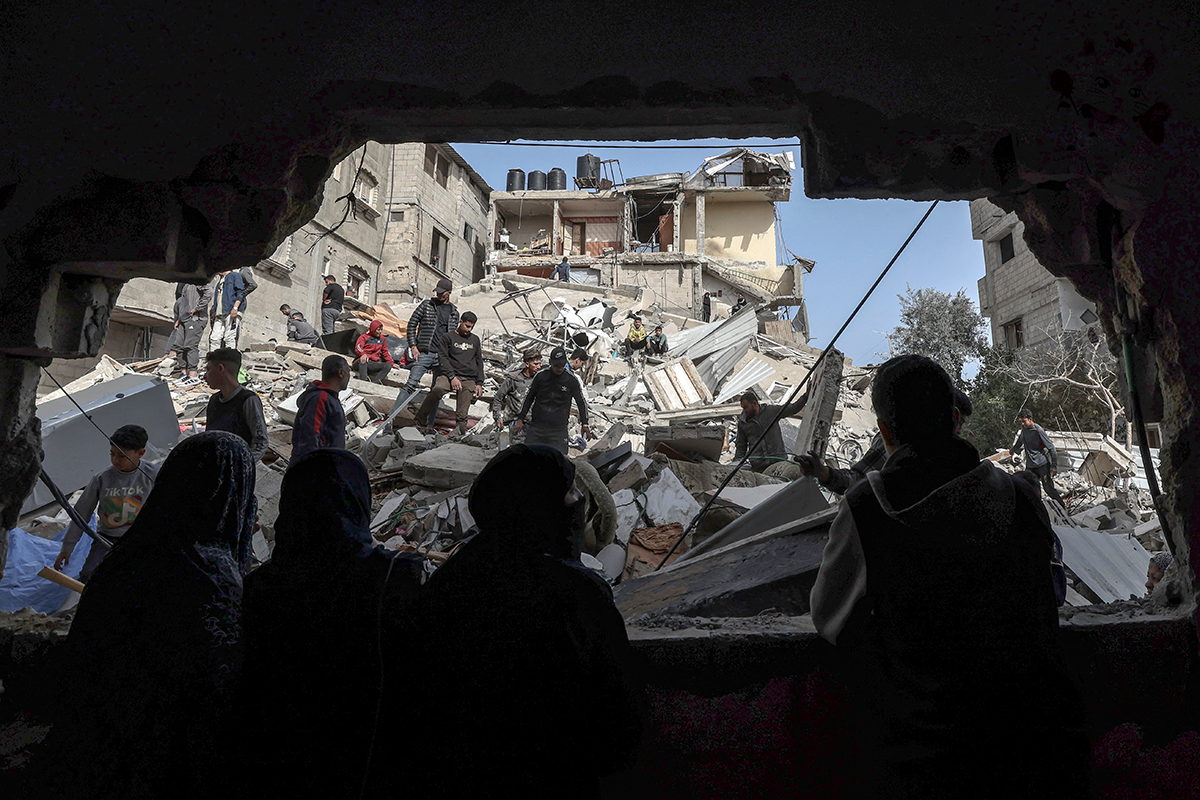
The Second War for Palestine has continued longer than any Israel-Palestinian conflict since Israel’s establishment. Neither Gamal Abdel Nasser’s army nor Hafez al-Assad’s tanks fought as long as the Izzedine al-Qassam Brigades still battling in Gaza.
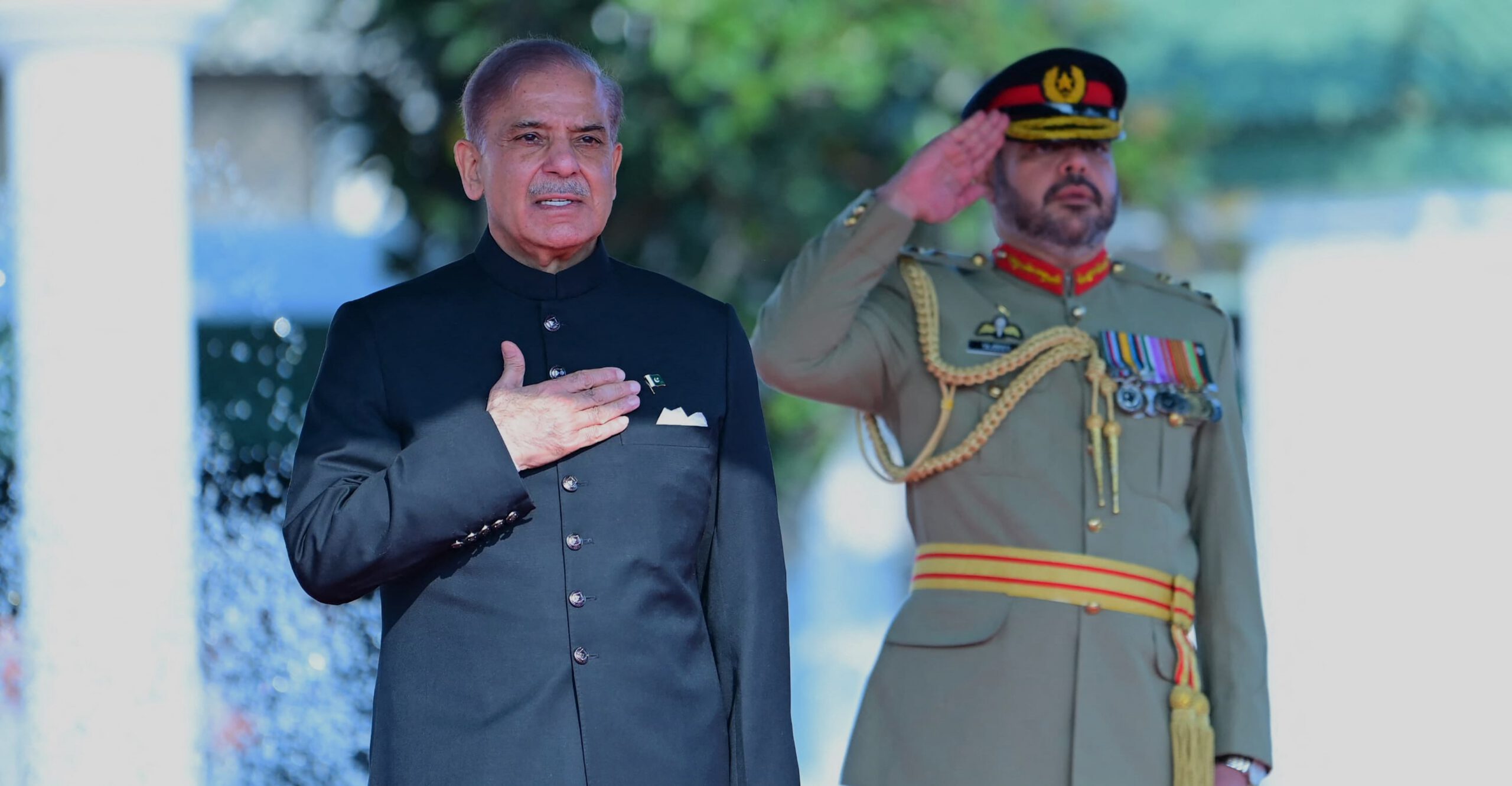
The newly formed government coalition in Islamabad initially looked weak, unstable, and probably short lived. But in the weeks since the outcome of the vote was announced, the political landscape has rapidly changed. Nevertheless, there are portents of trouble ahead that could send Pakistan back into the political tangle from which it has so recently emerged.
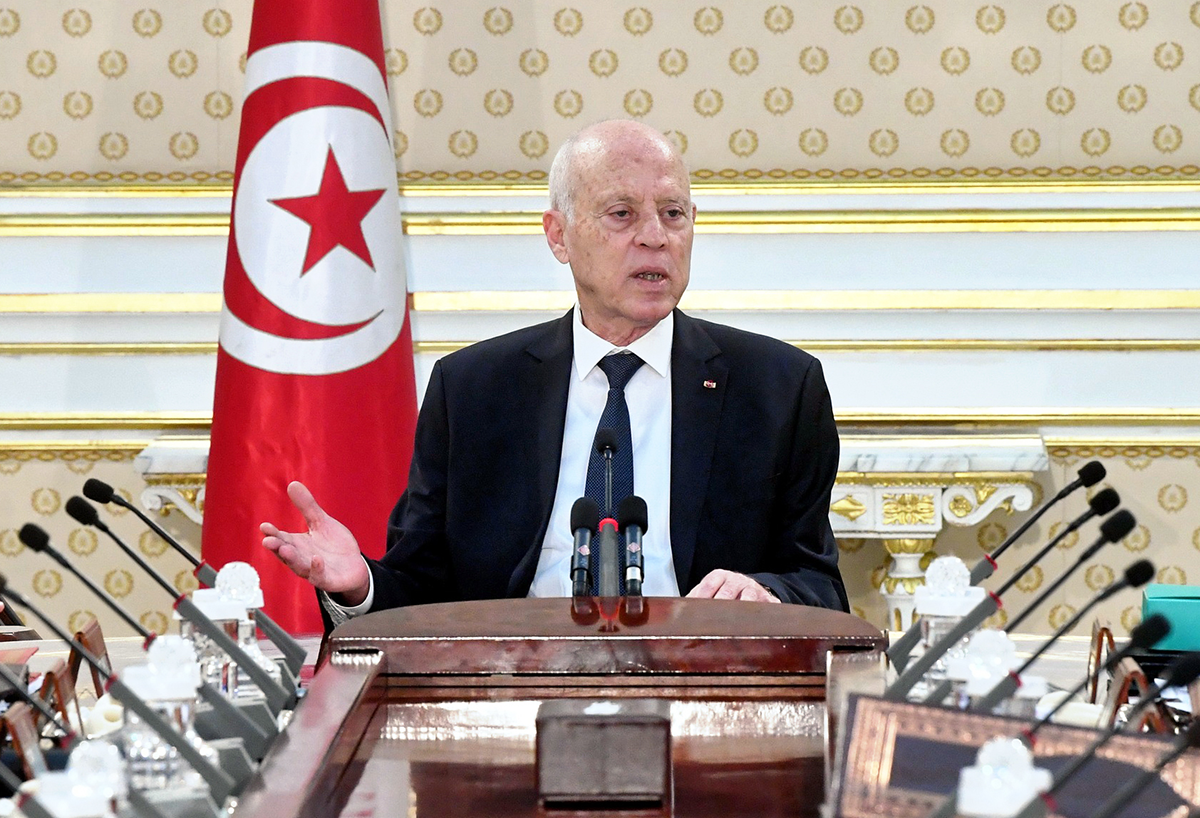
Tunisian President Kais Saied appears to be constructing a new economic strategy. While he has previously outlined his priorities with broad strokes, like fighting corruption and defending sovereignty, he has recently begun to add greater detail, adopting a personalized approach that appears to be attempting to bypass the existing corporatist structures.
Rethinking Democracy, Ep. 1: Why Does Democracy Flourish? With Francis Fukuyama and Paul Salem
The world’s oldest democracy is in trouble. According to a study by the Public Religion Research Institute and the Brookings Institution, 75% of Americans believe that “the future of American democracy is at risk in the 2024 presidential election.” We often debate why democracies die because we assume that authoritarian power is the exception and democracy is the norm. But history says otherwise. Francis Fukuyama and Paul Salem join Gonul Tol to answer the question: Why has democracy flourished in certain countries and regions and not in others?
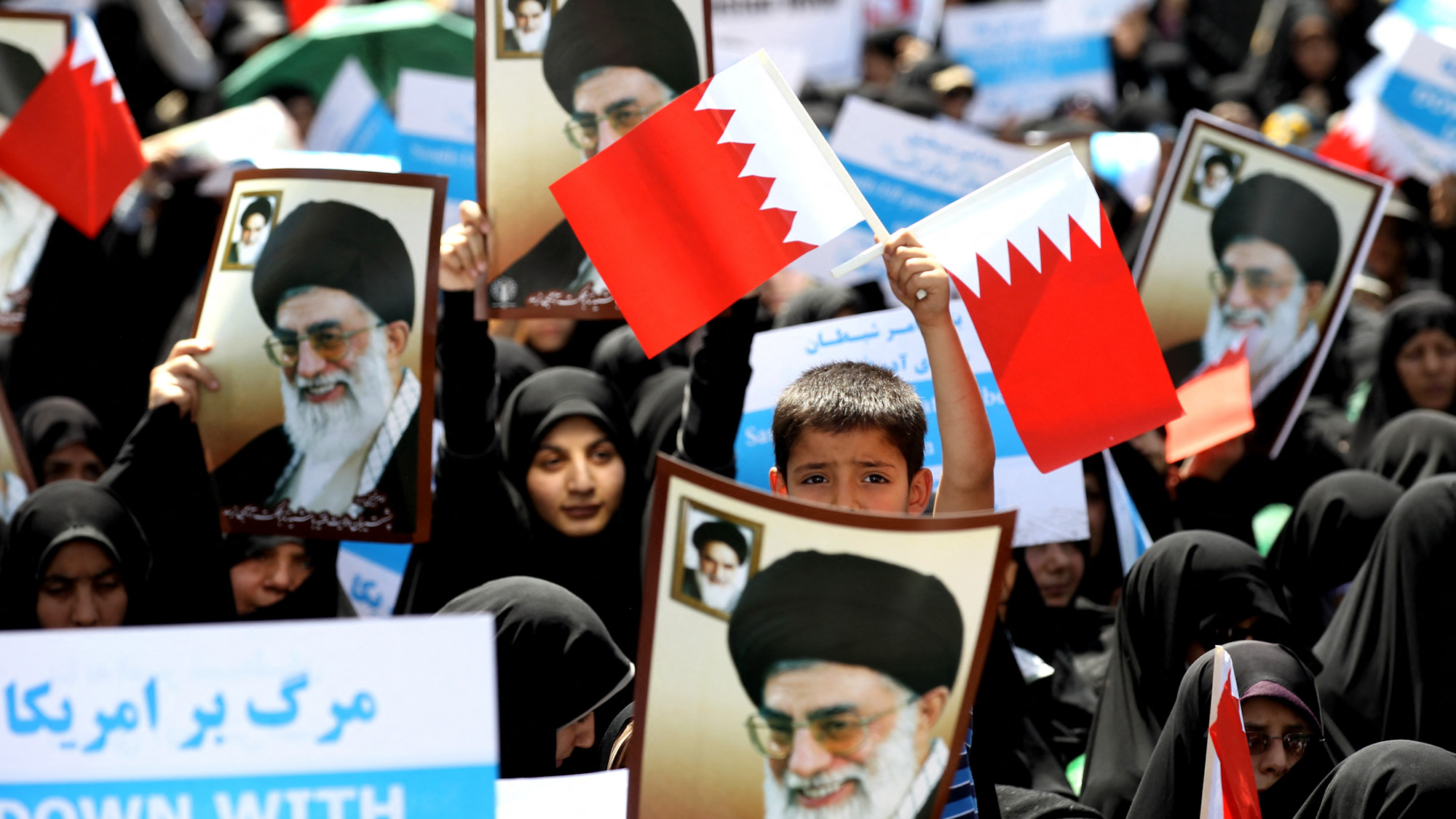
On March 12, the United States Department of the Treasury sanctioned four individuals for supporting the Iran-linked al-Ashtar Brigades in Bahrain. This US announcement might suggest that Iranian-Bahraini relations are about to take a nose-dive. But in reality, that is unlikely to happen — at least not while Iranian-Saudi détente continues.
Pillars of sand: The environmental fragility of Gulf cities
Future climate change is set to increase temperatures around the Gulf further still, rising twice as fast as the global average and pushing the cities of this rapidly growing region toward the edge of their viability as human habitats. But how did this situation come to be in the first place, and why did humans settle in such an inhospitable environment and build such cities around the Gulf waters?
The great financing gap: The state of climate funding in MENA
The Middle East and North Africa region is one of the lowest recipients of climate finance compared to other areas of the globe, such as East Asia and the Pacific Islands, despite MENA’s exposure to extreme climate risks. The MENA region’s share of climate financing from the big three global climate funds — the Green Climate Fund (GCF), the Climate Investment Funds (CIF), and the Global Environment Facility (GEF) — and their sub-funds made up only 6.6% of their cumulative global financing through 2023.
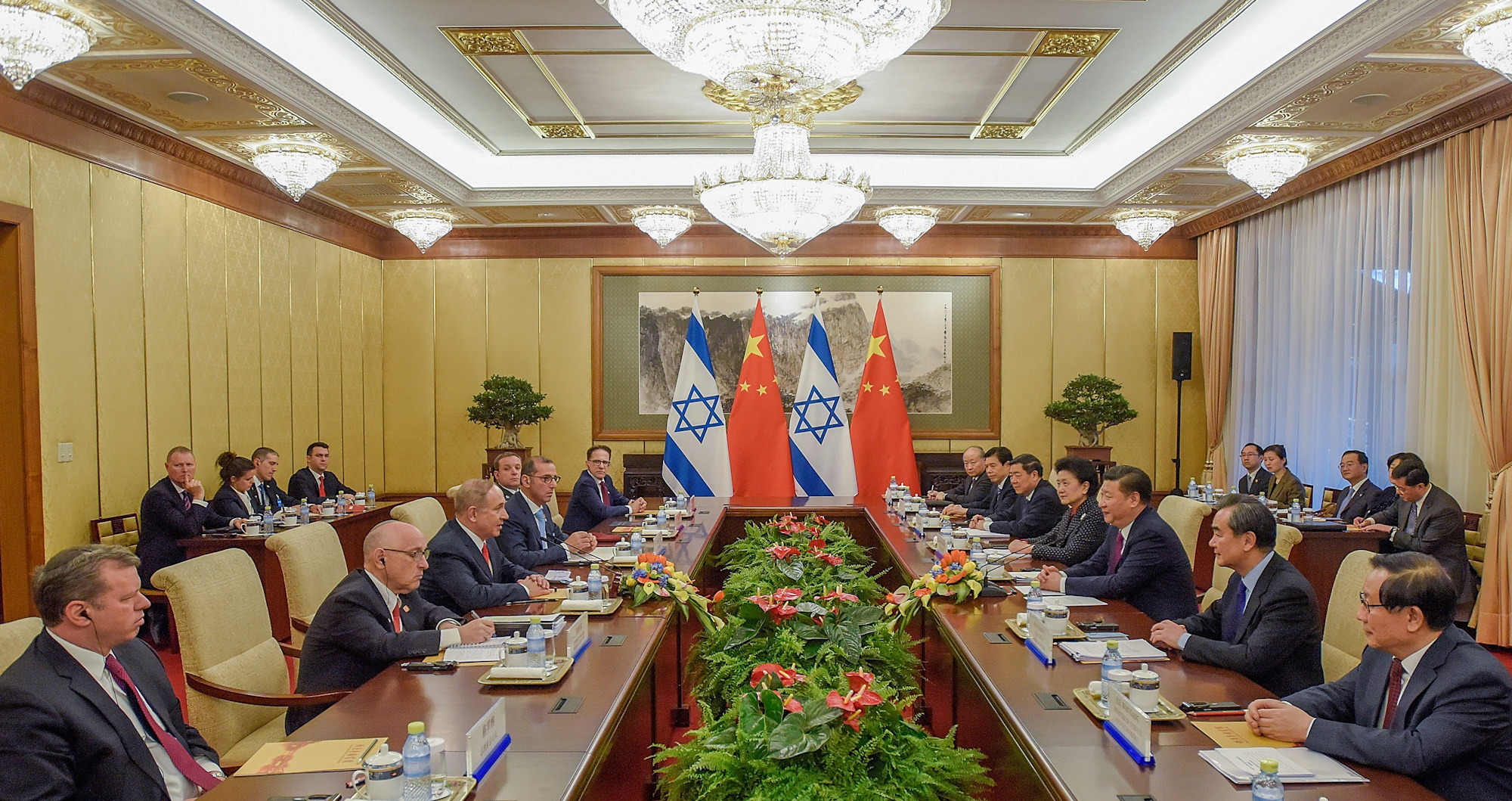
Over the past two decades, relations between Israel and China expanded significantly. Since then, however, there have been indications that the growth prospects for the bilateral relationship have diminished. China’s stance on the Oct. 7, 2023, Hamas attack and on Israel’s conduct during the ensuing war in Gaza, in particular, has further cast doubt on the future trajectory of the relationship.
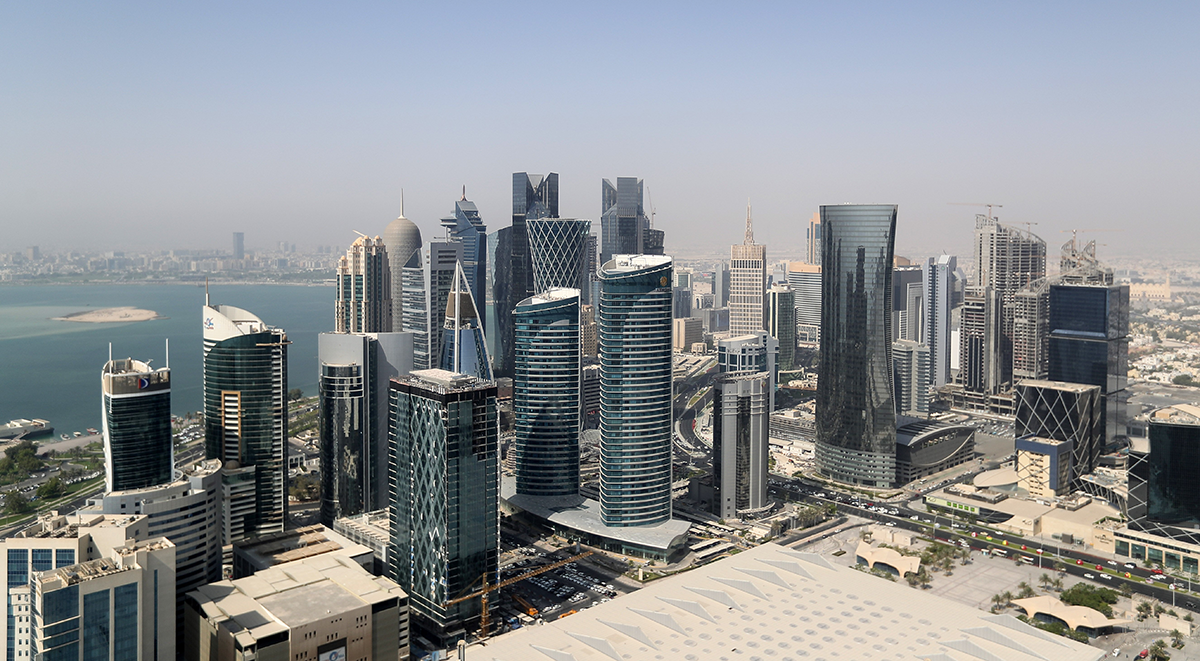
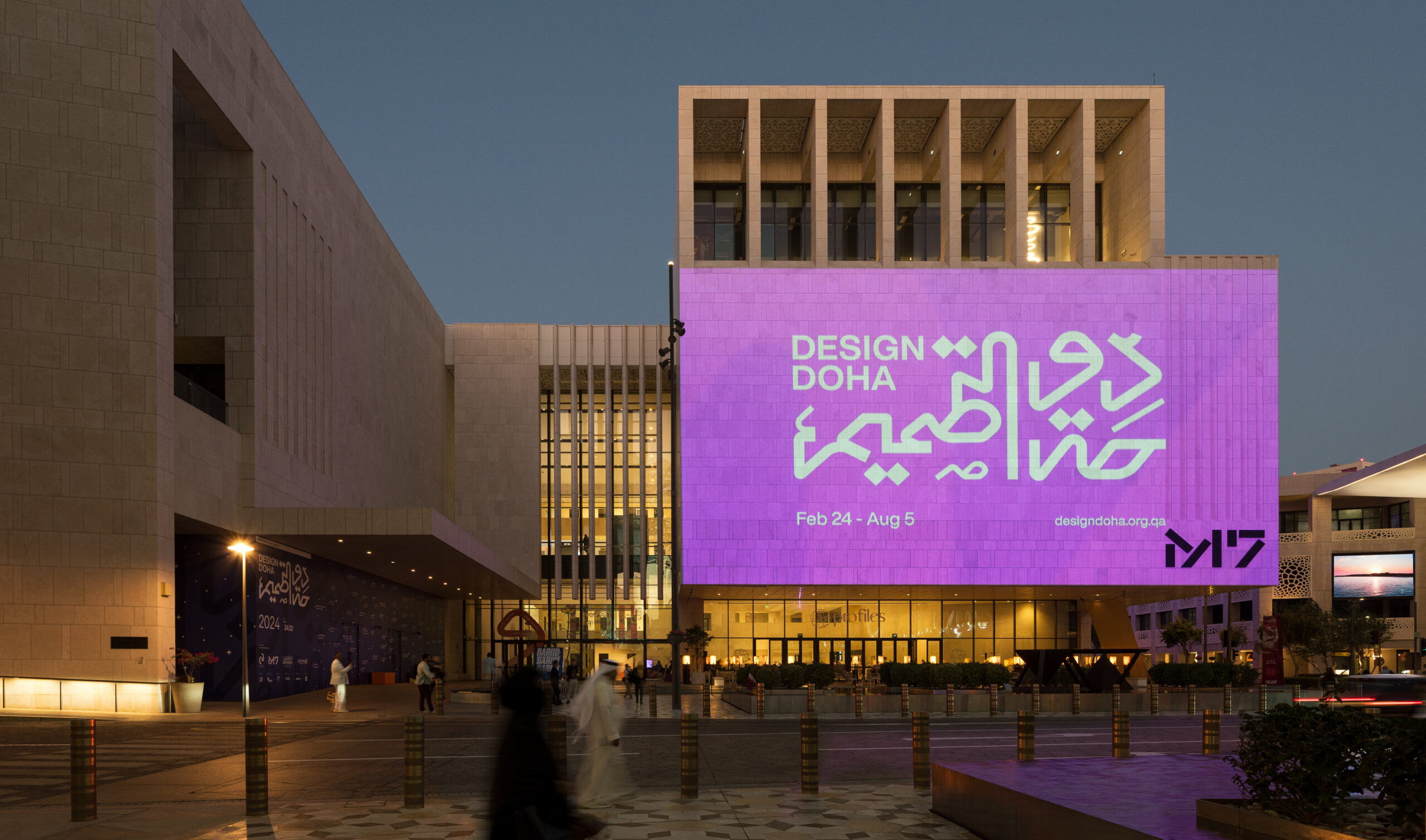
“For Arabs, by Arabs”: Inaugural Design Doha Biennial spotlights emerging voices in Middle Eastern design
Amid a plethora of early spring exhibition openings, artist events, and biennales throughout the Middle East, one clearly stands out in terms of its scale, scope, and thought: the Design Doha Biennial, which ushers in a new phase in Qatar’s long-standing focus on art, culture, and design.
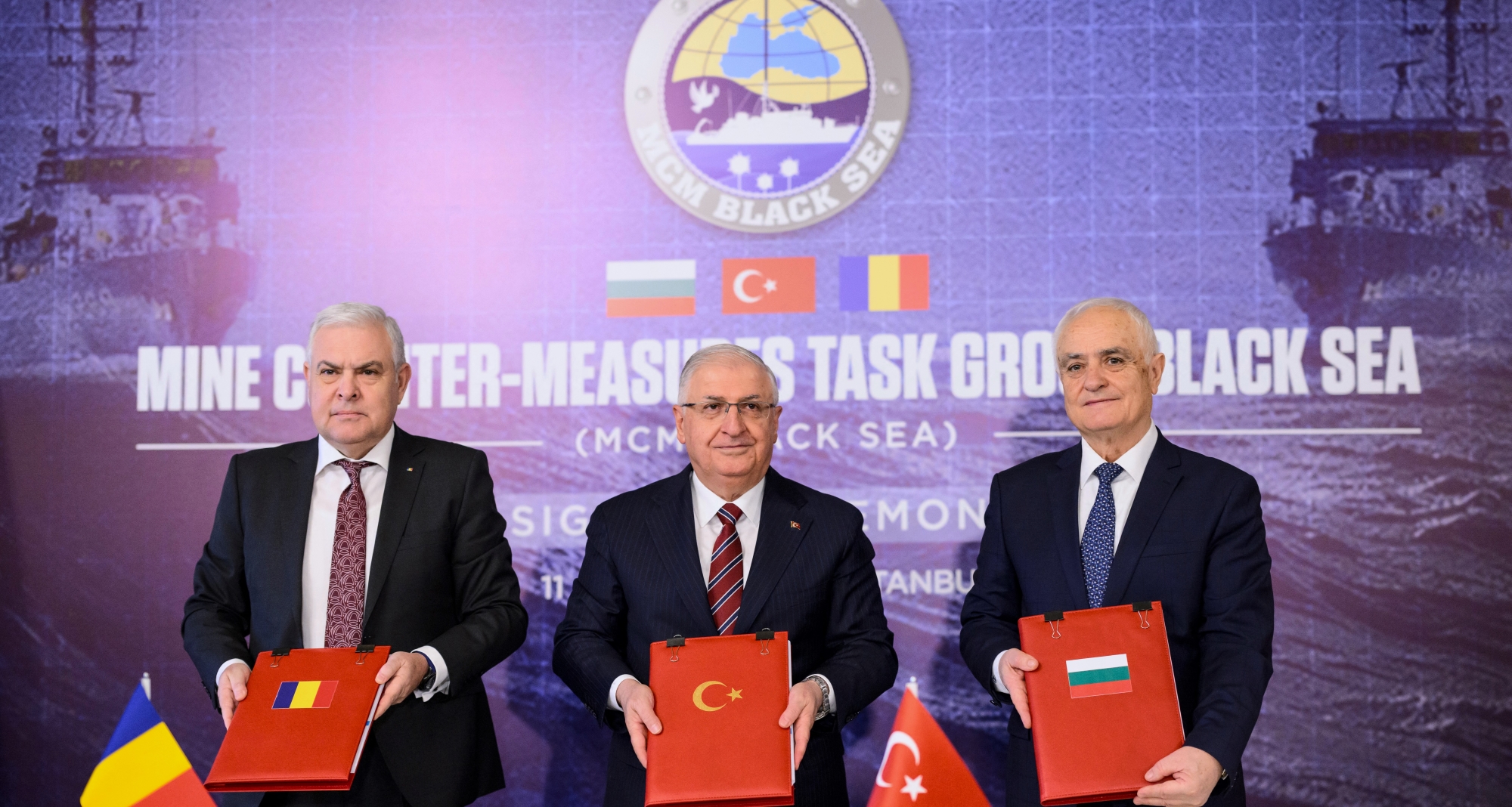
Sweeping the minefield: The case for a NATO Black Sea Fleet
Since the start of Russia’s full-scale invasion of Ukraine, the threat of sea mines to maritime traffic in the region has become exponentially more acute. The Turkish-Romanian-Bulgarian trilateral minesweeping mission is a welcome sign of regional willingness to cooperate in this space and could, with the right incentives and sufficient political will, open the door to the establishment of a NATO Black Sea Fleet.
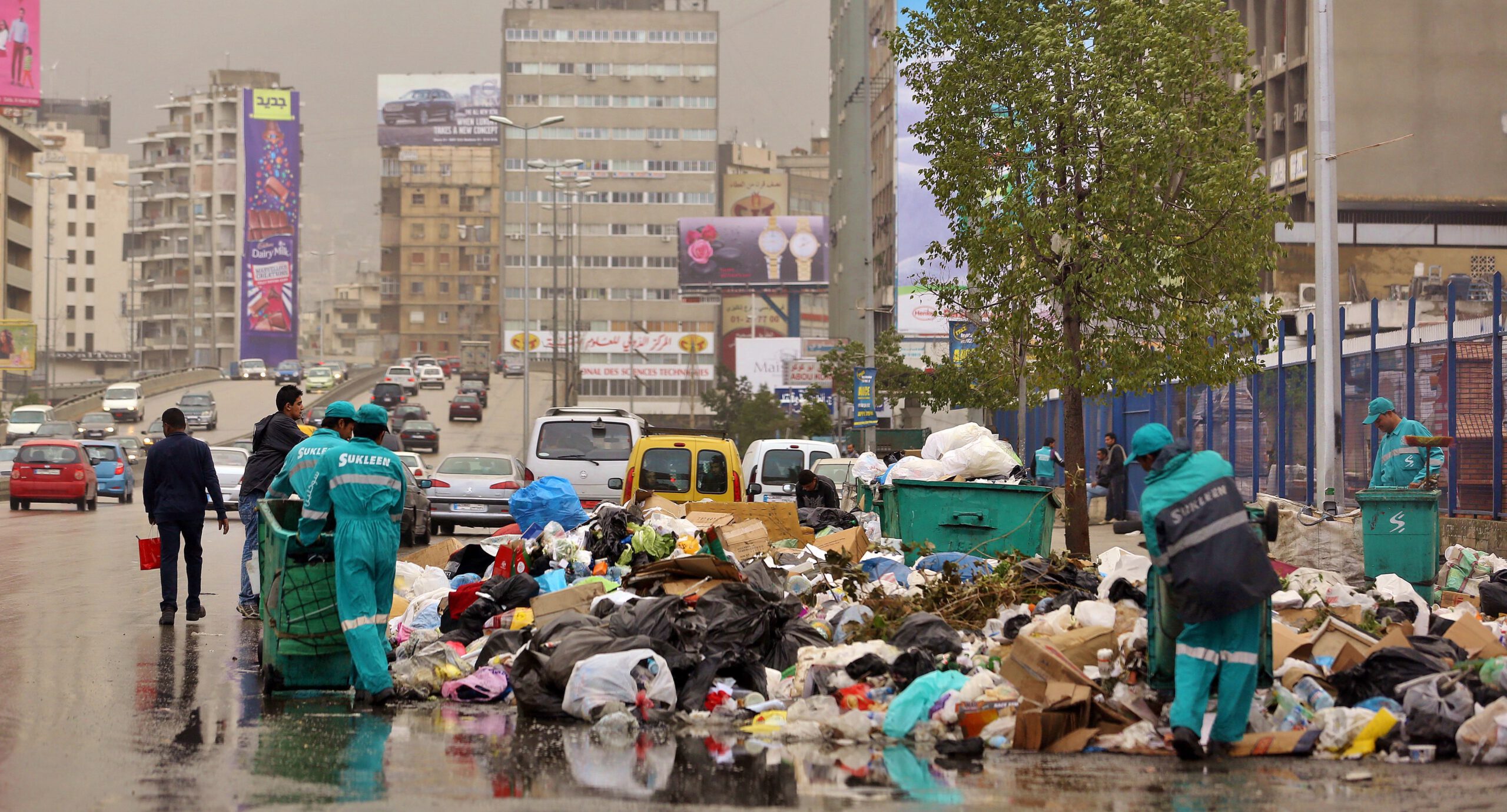
A better development funding model for Lebanon: Prospects, challenges, and applicable lessons
International funders have often called upon recipients to carry out reforms before any funding can be made available or the amount increased. But in many crisis-wracked countries, such as Lebanon, the prospect of reforms may be too distant, with intervention needed immediately. This is why greater emphasis must be placed on risk mitigation measures over which funders can exercise control.
The oldest peer-reviewed publication dedicated to the study of the modern Middle East, MEI’s flagship journal covers politics, society, and culture in the region.