The Coming Debate Over the US Military Presence in the Gulf
The war with Iran is hardly over, but the debate over the shape and nature of the post-conflict American posture in the Gulf region is just beginning. Undoubtedly, how the war ends will affect how the United States adjusts its role. While this debate is still in its early stages, something of a conventional wisdom is already developing in policy circles that could seriously compromise American influence in the Middle East.
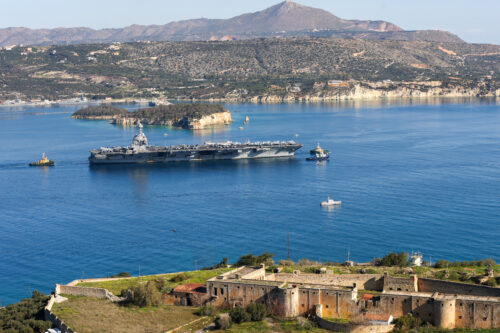
This report explores maritime security conditions in the Mediterranean and the evolving US engagement in the region. As critical infrastructure becomes increasingly vulnerable to sabotage, freedom of navigation is undermined by conflict, and energy disputes generate tension, US policy focus on the region has become fragmented and disengaged. The authors call for a sustained American role to strengthen maritime domain awareness, allied coordination, infrastructure protection, and the capacity to respond when Mediterranean crises affect US and transatlantic interests.
Curb Your Enthusiasm: Why the Midterms Might Not Change Much in US Middle East Policy
With less than a week before the midterm elections in the United States, the spotlight is on the economy and cultural divides. US foreign policy remains mostly on the sidelines, but this year’s inconclusive Iran war and its effect on America’s economy have shaped the broader political environment in this electoral cycle.
Since 1967, Israeli settlements in the West Bank have been a contested feature of the Israeli-Palestinian conflict. The ultimate disposition of the settlements and ongoing activity related to their growth have repeatedly defied agreement in negotiations over a resolution to the conflict.
The Houthis are a political-military faction and Zaydi religious movement founded in northwestern Yemen in the 1980s. A key member of Iran’s Axis of Resistance with links to other militant organizations in the Arabian Peninsula and the Horn of Africa, the group has continued to pose a threat to Western interests on a global scale.
The India-Middle East-Europe Economic Corridor (IMEC) is a proposed multinational infrastructure initiative aimed at upgrading connectivity between the three regions through integrated trade, energy, and digital networks. Announced at the G20 summit in New Delhi in September 2023, IMEC is envisioned partially as a counterweight to China’s international infrastructure project, the Belt and Road Initiative.
After a decade of post-Arab Spring isolation, Turkey’s leaders have recognized that their ambition to position the country as an agenda-setter on the world stage requires active engagement in all directions. President Recep Tayyip Erdoğan’s consolidation of executive authority has centralized foreign policy decision-making and tied it to his domestic political priorities, transforming the country’s revisionist approach to one shaped primarily by personal and pragmatic interests.
MEI Senior Fellow Brian Katulis engages friends, colleagues, and policy experts in casual conversations on the most important happenings in the Middle East.
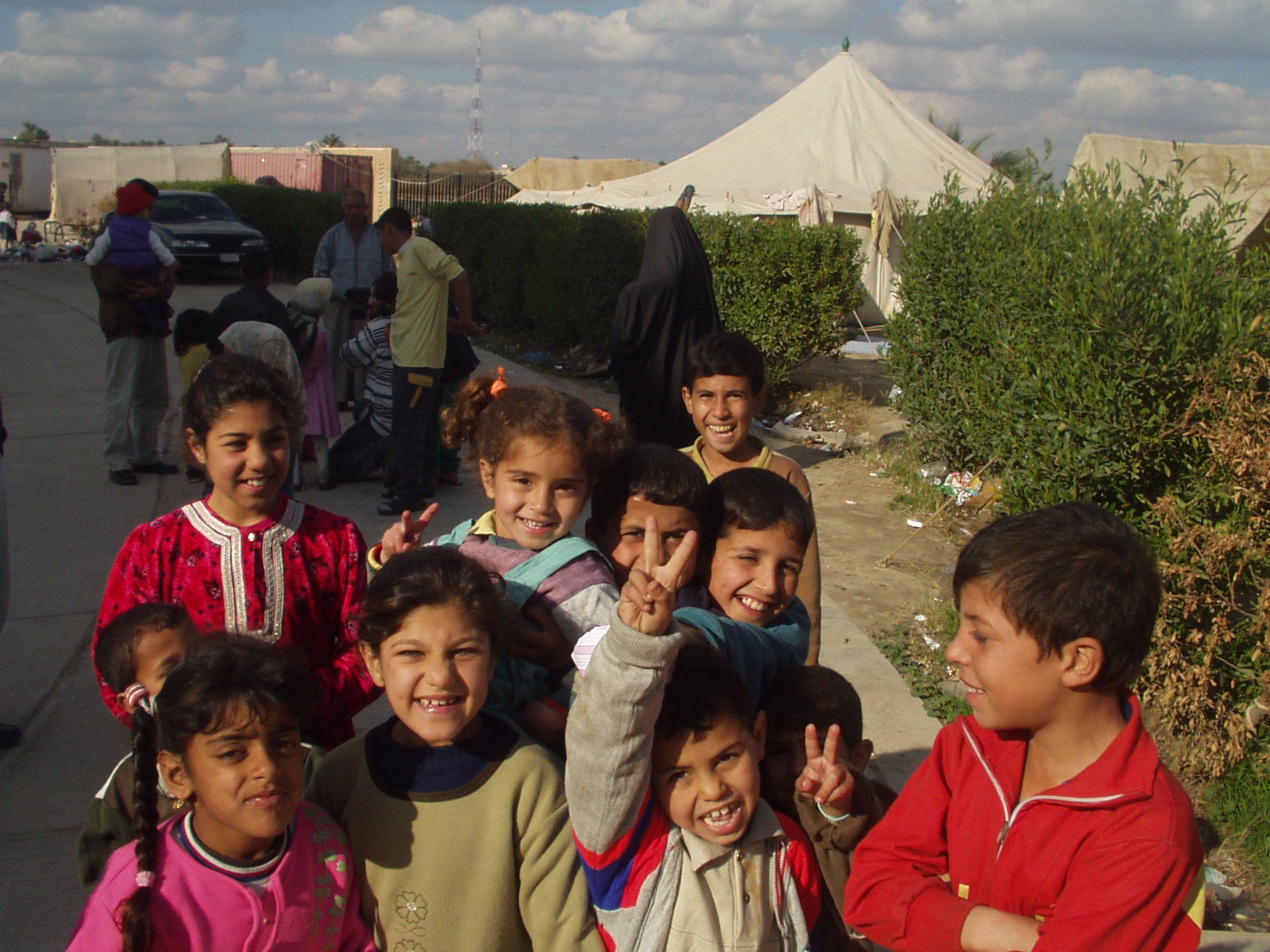
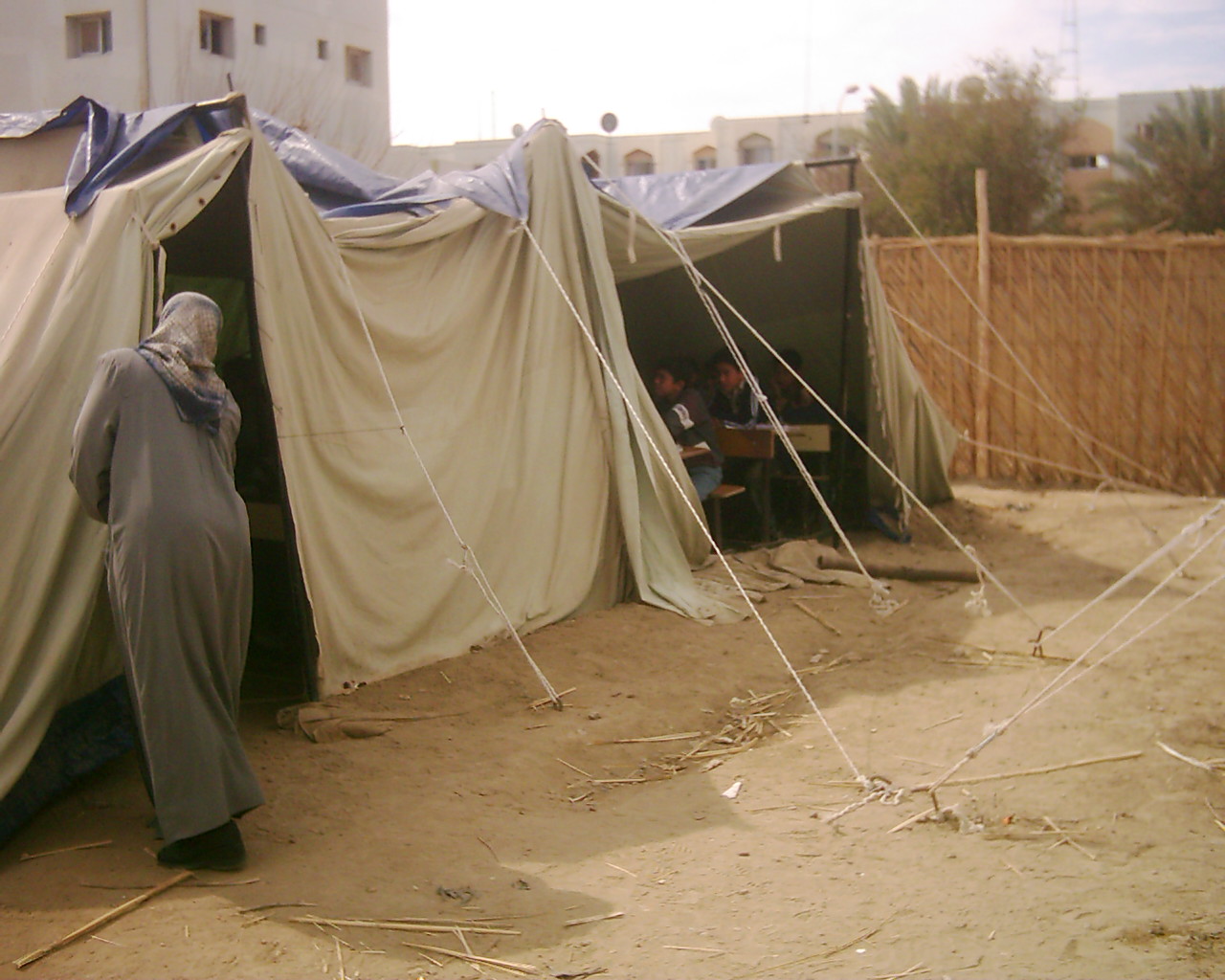
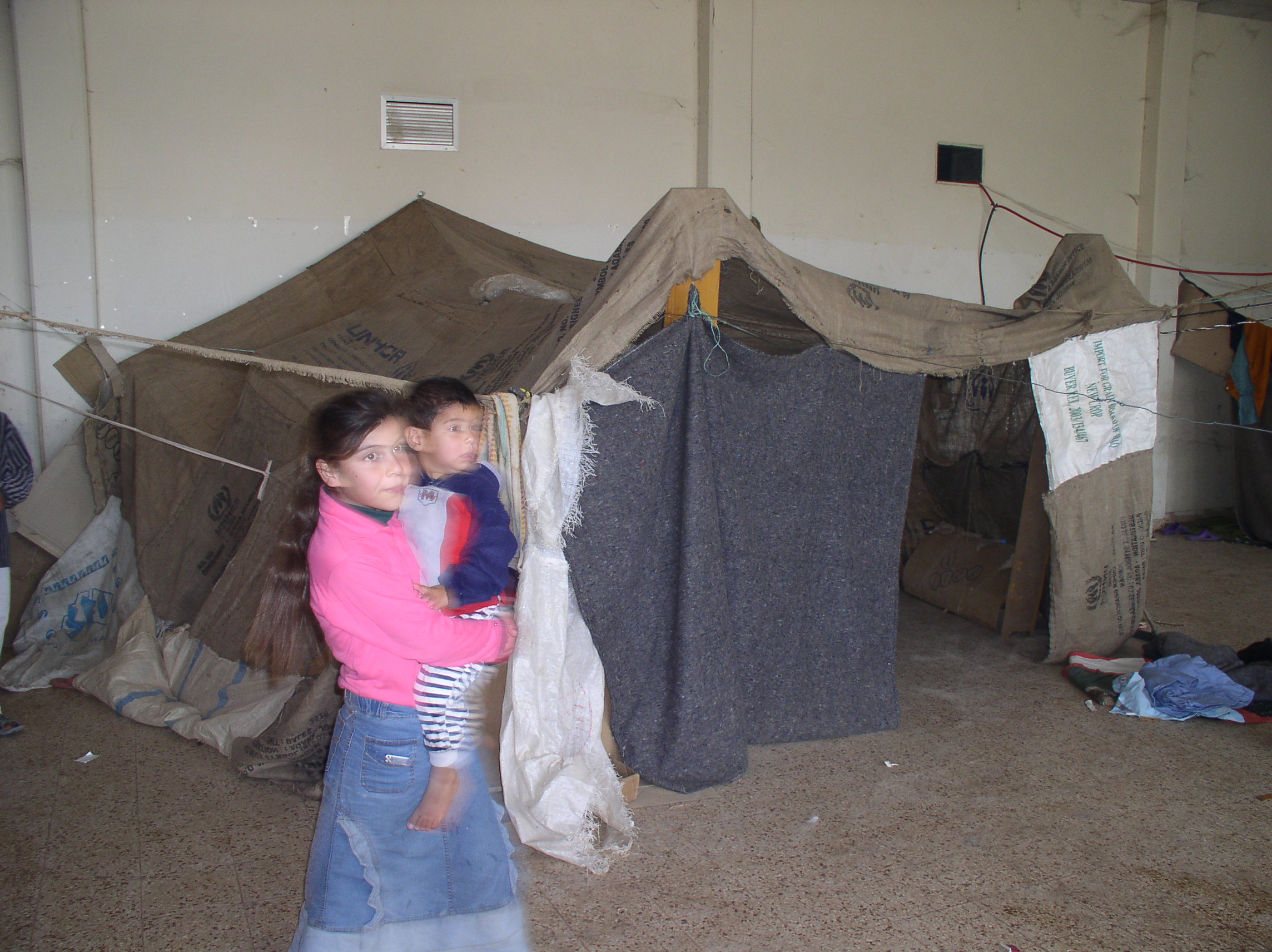
Palestinian Refugees from Iraq in Critical Need of Protection
Originally posted July 2008
“The twice-displaced Palestinian refugees are one of the worst-off groups in a country full of desperate people. … They have no country to go to, no valid travel documents, no protectors inside Iraq, and hardly anyone prepared to support them outside either. … It is to everyone’s dishonor that these human beings are still rotting [in border camps] and — worst of all — in Baghdad where one or more is being murdered virtually every day.”1
Kirkuk: Constitutional Promises of Normalization, Census, and Referendum Still Unfulfilled
Originally posted July 2008
Many people view Kirkuk as a microcosm of all of Iraq. The ancient city counts among its inhabitants significant numbers of almost all of Iraq’s ethnic and religious groups — Arabs, Kurds, Turkmen, Assyrians, Chaldeans, Sunnis, and Shi‘ites. The last semi-reliable census of Kirkuk’s population, from 1957, indicated a slight majority of Turkmen in Kirkuk City and a majority of Kurds, followed by Arabs, in the province as a whole.
Nur, an Iraqi refugee who has been in the States for four days, is dipping parsley in a china cup of salt water in Bethesda, Maryland. The salt water signifies tears shed over slavery and displacement; the parsley stands for spring and hope. Another interpretation likens the act in the Passover Seder to a biblical moment of betrayal: Joseph’s brothers sold him into slavery and dipped his striped garment in blood to feign his death.
Preface to Iraq's Refugee and IDP Crisis: Human Toll and Implications
Originally posted July 2008
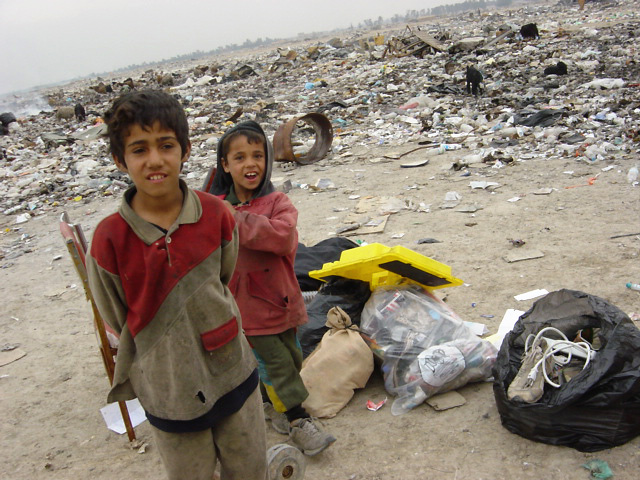
In the comparatively short time since the establishment of the Iraqi state in 1920, the country has experienced successive waves of forced migration. Yet the magnitude of the forced displacement of Iraqis from their homes since 2003 is unprecedented. In addition to the still dire humanitarian situation are the potentially far-reaching negative implications of the refugee/IDP crisis for the future of Iraq and the Middle East as a whole.
Affirming the Saudi Will to Power: Domestic Challenges to King ‘Abdullah
Over a single week in late 2007, the Custodian of the Two Holy Mosques, King ‘Abdullah bin ‘Abd al-‘Aziz, authorized the establishment of a Supreme Court, issued by-laws for his 2006 succession edict that named its permanent members, and ordered his foreign minister to take necessary steps to counter the rise of the kingdom’s regional hegemonic foe, Iran.
From Conflict Transformation to Conflict Resolution?
Originally posted June 2008
Intra-basin dynamics amongst the Euphrates and Tigris co-riparians — Iraq, Syria, and Turkey — are better described as leading to conflict transformation rather than conflict resolution. The process of interaction has effectively seen the de-securitization of water issues, but the roots of the conflict have not yet been fully addressed.
The Jordan Valley is a lush, wetland ecosystem that is the biological heart of the Middle East region at large. As the meeting point of the Asian, African, and European continents, the valley is at the crossroads of biodiversity. In addition to the unique flora and fauna, the valley is one of the world’s most important migratory pathways for birds. Over 500 million birds migrate from Europe to Africa twice a year, dependent on the Jordan Valley as a stopping ground on their long journey.
The oldest peer-reviewed publication dedicated to the study of the modern Middle East, MEI’s flagship journal covers politics, society, and culture in the region.