MINURSO’s Future: What the Security Council’s Choice May Reveal
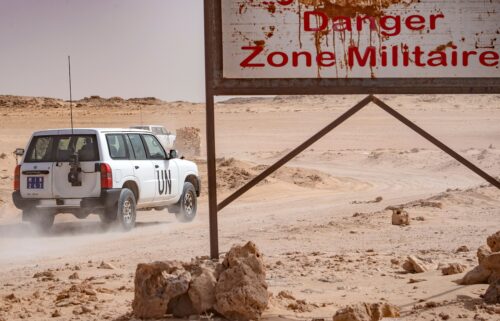
As the United Nations Security Council (UNSC) approaches the October 31 renewal deadline of the UN Monitoring Mission in Western Sahara (MINURSO), the mission’s longer-term future remains uncertain. Another largely unchanged renewal remains a likely immediate outcome. But beyond that holding pattern, three possible scenarios are also on the table.
How Lebanon can be Trump’s first success in a troubled region
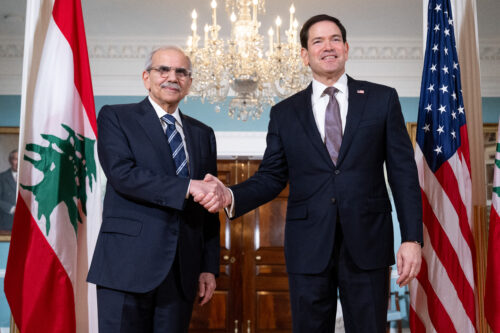
The Trump administration has done more than any of its predecessors to restore sovereignty for a much traumatized nation, Lebanon. The Israel Defense Forces’ operations in 2024 against Hezbollah decimated that organization, long the “A Team” in global terror.
Kim Ghattas on a Murder That Explains the Middle East
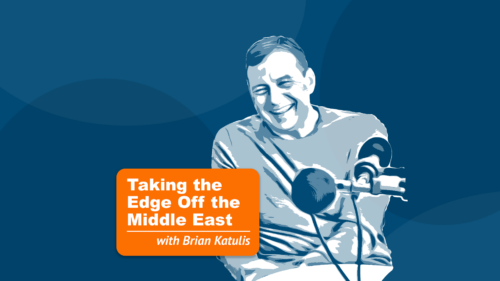
Brian sits down with author and Emmy Award-winning journalist Kim Ghattas to talk about her new book, The Best Kind of American, which tells the story of the 1984 assassination of Malcolm Kerr, then president of the American University of Beirut. They discuss her inspiration for the project, what Kerr’s murder revealed about the Middle East at the time, and why his story still resonates four decades later.
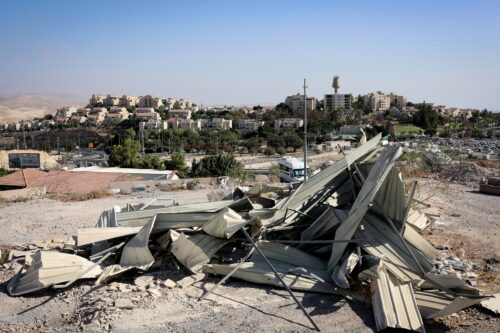
Since 1967, Israeli settlements in the West Bank have been a contested feature of the Israeli-Palestinian conflict. The ultimate disposition of the settlements and ongoing activity related to their growth have repeatedly defied agreement in negotiations over a resolution to the conflict.
The Houthis are a political-military faction and Zaydi religious movement founded in northwestern Yemen in the 1980s. A key member of Iran’s Axis of Resistance with links to other militant organizations in the Arabian Peninsula and the Horn of Africa, the group has continued to pose a threat to Western interests on a global scale.
The India-Middle East-Europe Economic Corridor (IMEC) is a proposed multinational infrastructure initiative aimed at upgrading connectivity between the three regions through integrated trade, energy, and digital networks. Announced at the G20 summit in New Delhi in September 2023, IMEC is envisioned partially as a counterweight to China’s international infrastructure project, the Belt and Road Initiative.
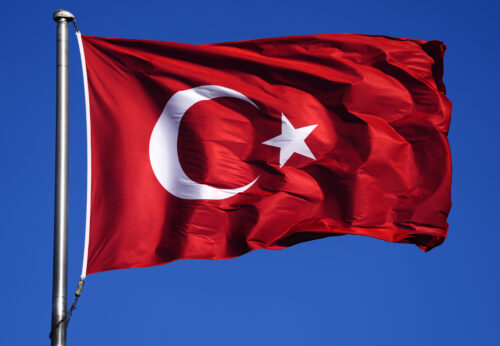
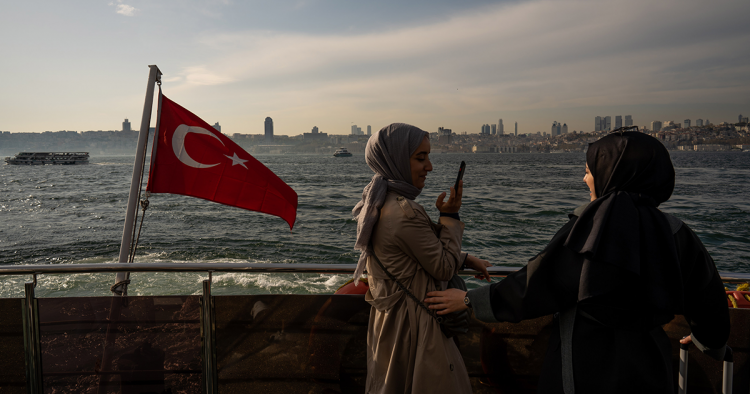
After a decade of post-Arab Spring isolation, Turkey’s leaders have recognized that their ambition to position the country as an agenda-setter on the world stage requires active engagement in all directions. President Recep Tayyip Erdoğan’s consolidation of executive authority has centralized foreign policy decision-making and tied it to his domestic political priorities, transforming the country’s revisionist approach to one shaped primarily by personal and pragmatic interests.
MEI Senior Fellow Brian Katulis engages friends, colleagues, and policy experts in casual conversations on the most important happenings in the Middle East.
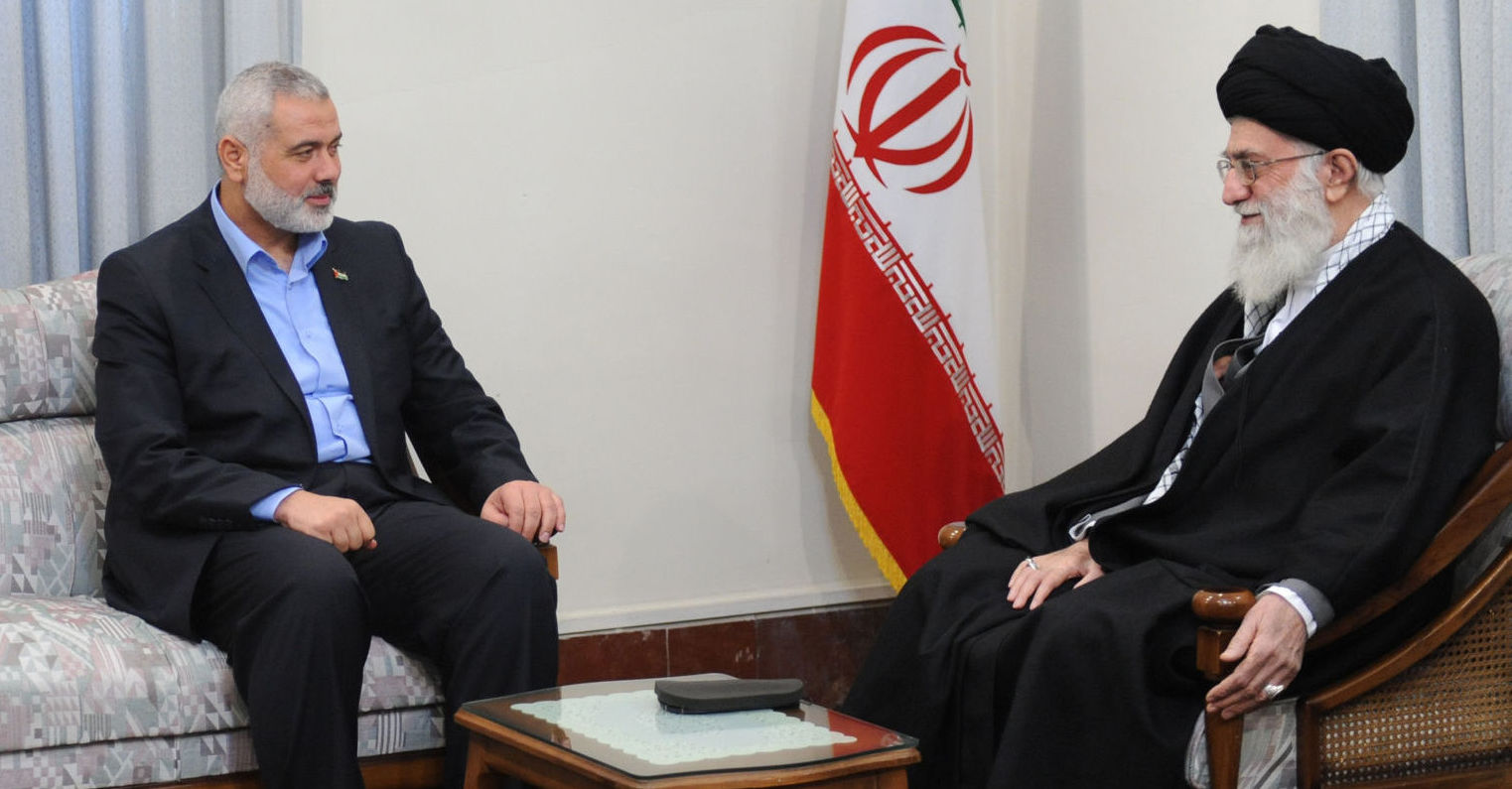
Iran and Hamas beyond the borders of the Middle East
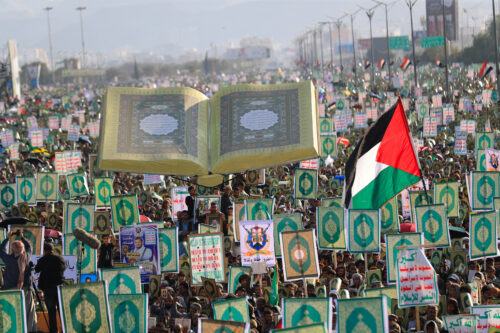
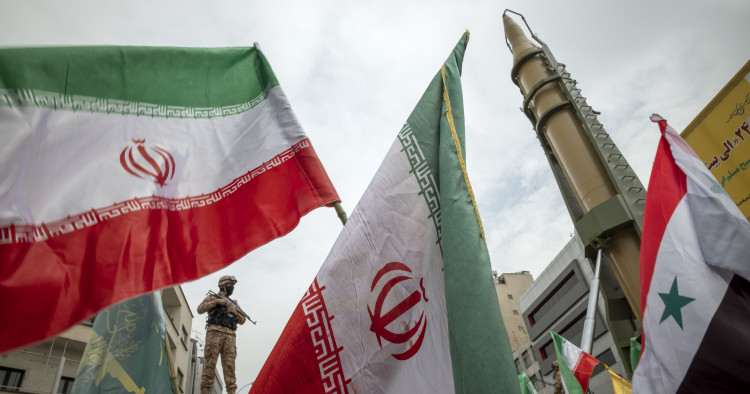
As the fighting in Gaza continues to rage, Iran’s influence with Hamas, hitherto limited, could expand further, extending beyond the Middle East. Tehran is looking to contain Israel not just in the region but in Africa and Latin America as well. Although there are ideological differences between these two members of the so-called “Axis of Resistance,” the Israel-Hamas war may bring them closer together and strengthen their partnership.
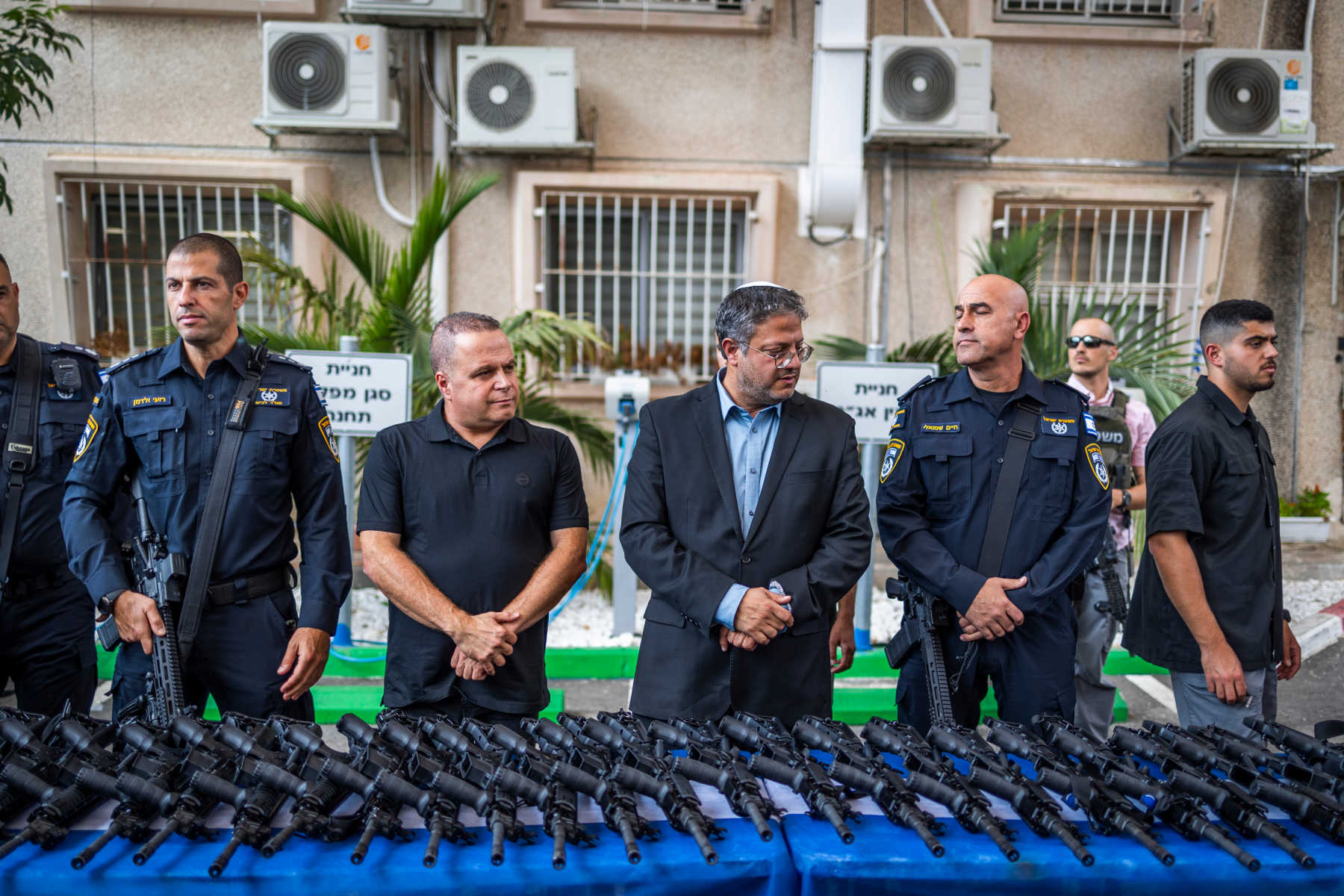
Ben-Gvir Is Arming Thousands of Israelis—and Playing With Fire
In the aftermath of Hamas’s horrific terrorist attack on Oct. 7, Itamar Ben-Gvir, Israel’s far-right minister of national security, keeps on pushing his Jewish supremacist agenda, risking new tensions and more violence between Israeli Jews and Palestinians.
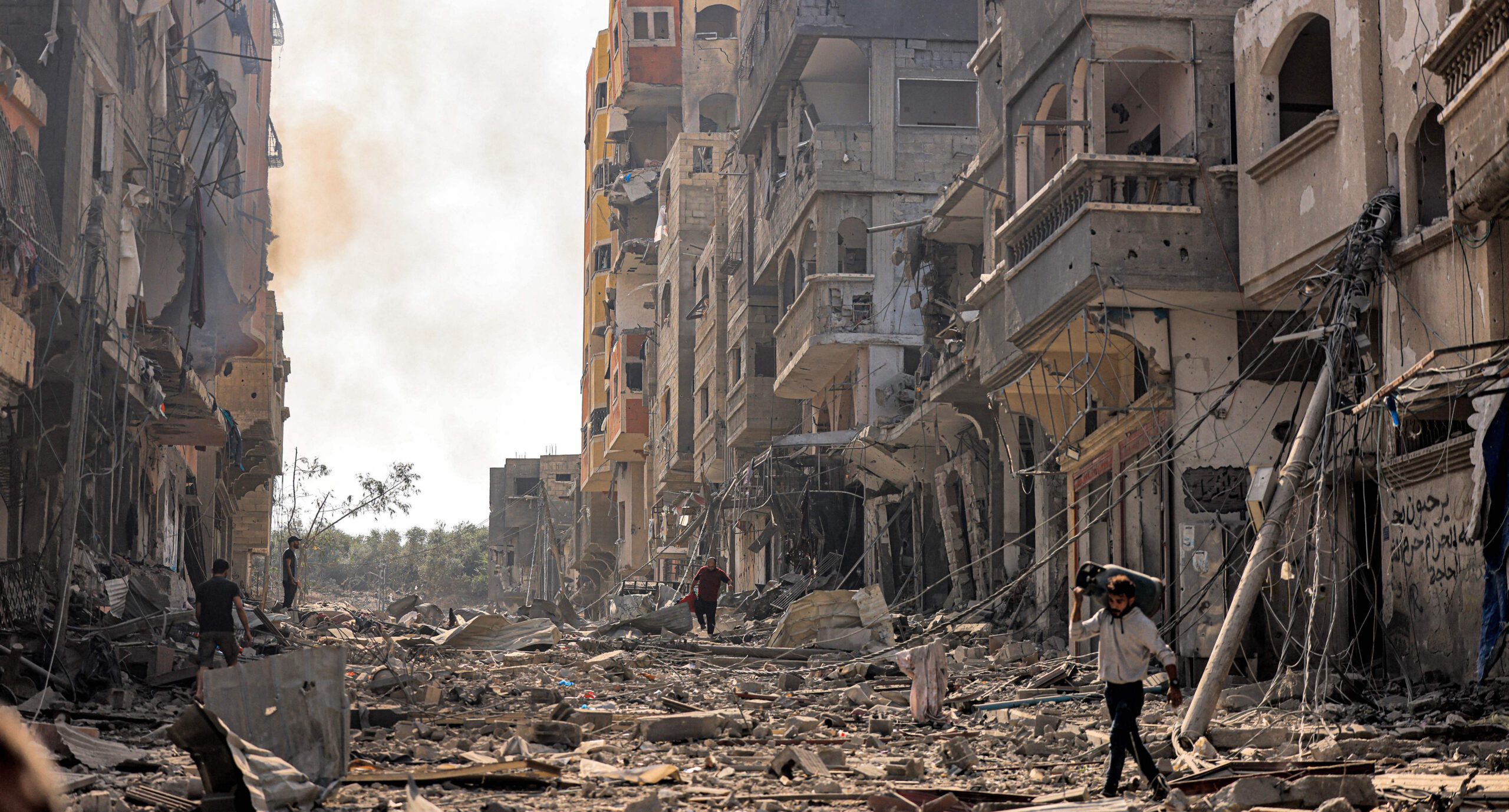
Five scenarios for Gaza and how the international community can shape its future
In the midst of the current war, there is still no concrete plan for what the future of Gaza could look like. Yet preparations for a viable and lasting post-war order should start before it could be too late.
China’s growing maritime presence in Egypt's ports and the Suez Canal
In recent years, China’s presence in Egypt’s strategic ports has grown noticeably, including the involvement of both private and state-owned Chinese companies. While this reflects Beijing’s growing ambitions in the region, the opacity of the Sino-Egyptian agreements and the blurry lines between China’s commercial ports and its military aspirations raise questions about the potential implications.
As the Israel-Hamas war rages on, Iran’s role will continue to be a pivotal question. While Tehran no doubt feels vindicated in its model of armed campaign against Israel, it will likely not seek escalation by confronting Israel and the United States militarily. Instead, Iranian officials seem to consider the war as a moment to elevate Tehran’s image in the Islamic world—and in the global south generally.
Modern Türkiye (the official spelling of Turkey since 2021) sprang like a phoenix from the ashes in 1923, overcoming daunting odds. Its predecessor, the Ottoman Empire, had foolishly joined the war with the Central Powers in 1914 and naively thought its Arab subjects would remain loyal, only to have been utterly defeated and then dismembered. A rebellion led by the empire’s most famous war hero and leader, Kemal Ataturk, overthrew the last sultan, rejected an unjust treaty to divide up the country and repelled the occupying Allies. He established a contemporary republic based on popular
Turkey and Iran: Toward an “Axis of Revisionism” amid the war in Gaza?
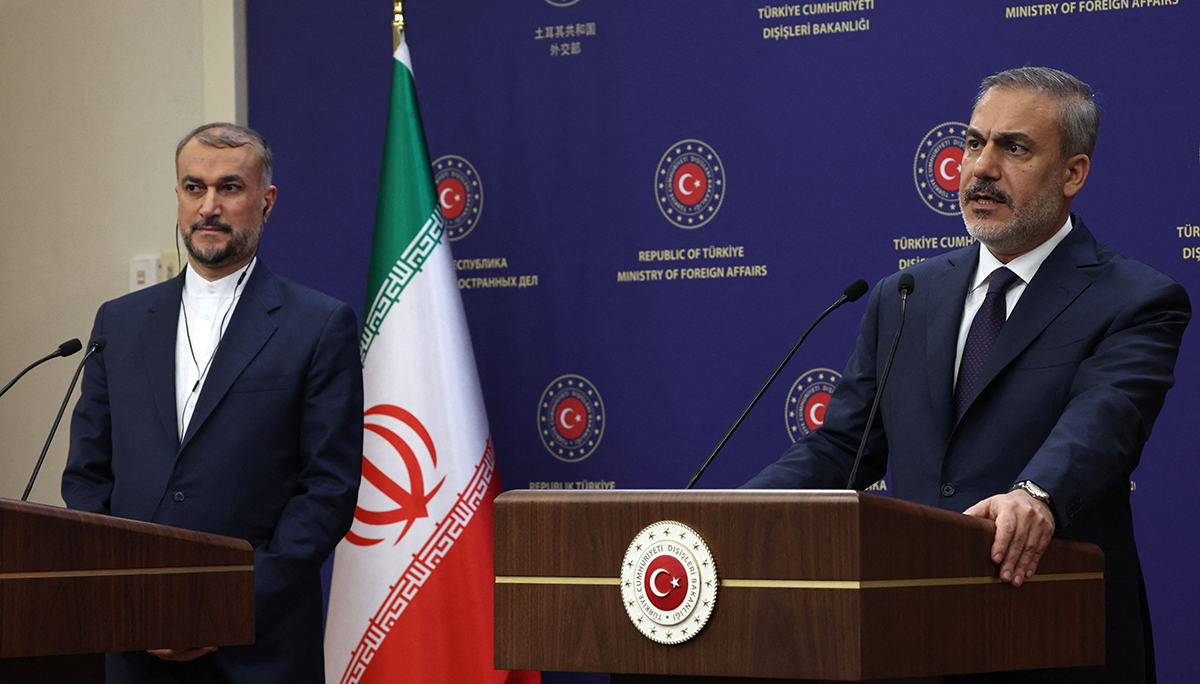
Hamas’ violent and unexpected Oct. 7 attack on Israel has shaken a fragile regional order in the Middle East. Ankara and Tehran are worried that a stronger U.S. presence in the Middle East is detrimental to their regional interests. The war in Gaza might help close the ranks between Turkey and Iran, yet there are serious limitations to a sustainable alliance between the two countries.
“The worst is coming”: Jordan braces for spillover effects of Israel-Hamas war
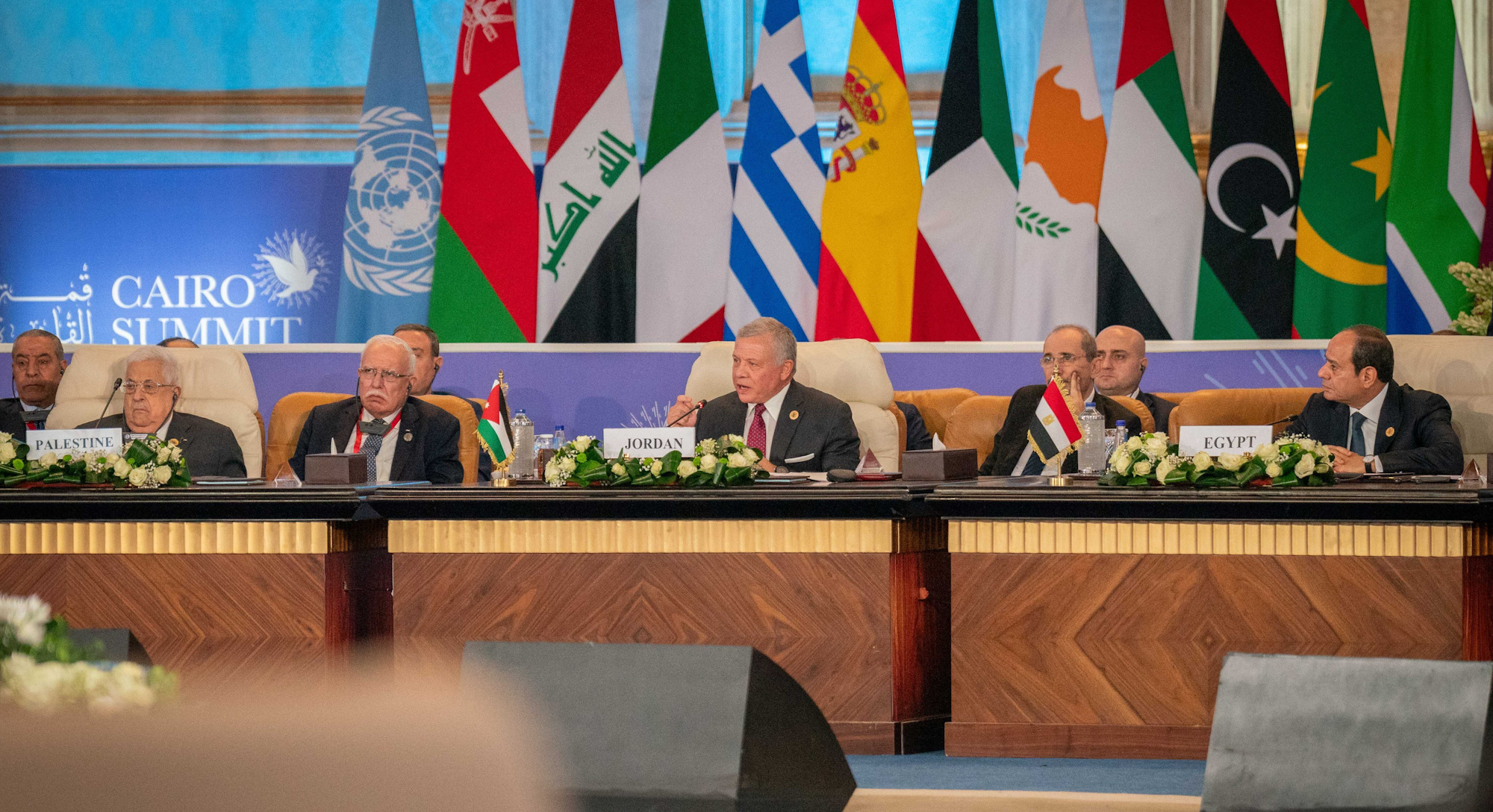
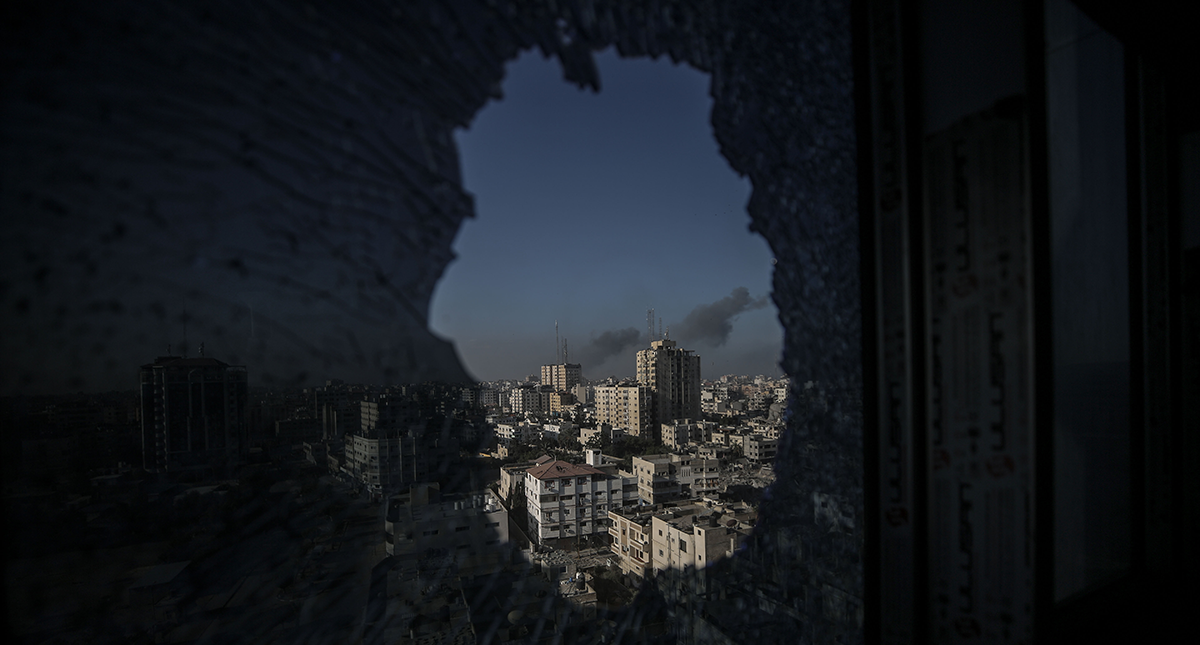
As the Israel-Hamas war enters its fourth week, the Kingdom of Jordan finds itself on the frontline of the conflict and King Abdullah II a central figure in the regional and global diplomatic efforts to contain it. The Hashemite Kingdom braces for a broader conflict and multiple spillover effects, having little leverage and few policy options.
Gaza crisis shows Washington badly missing Iran strategy
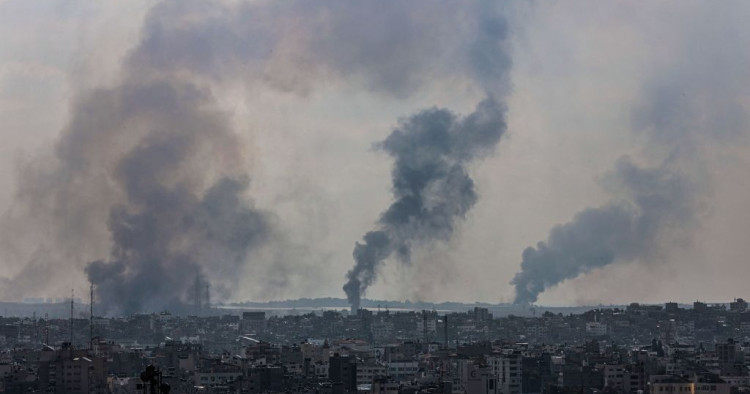
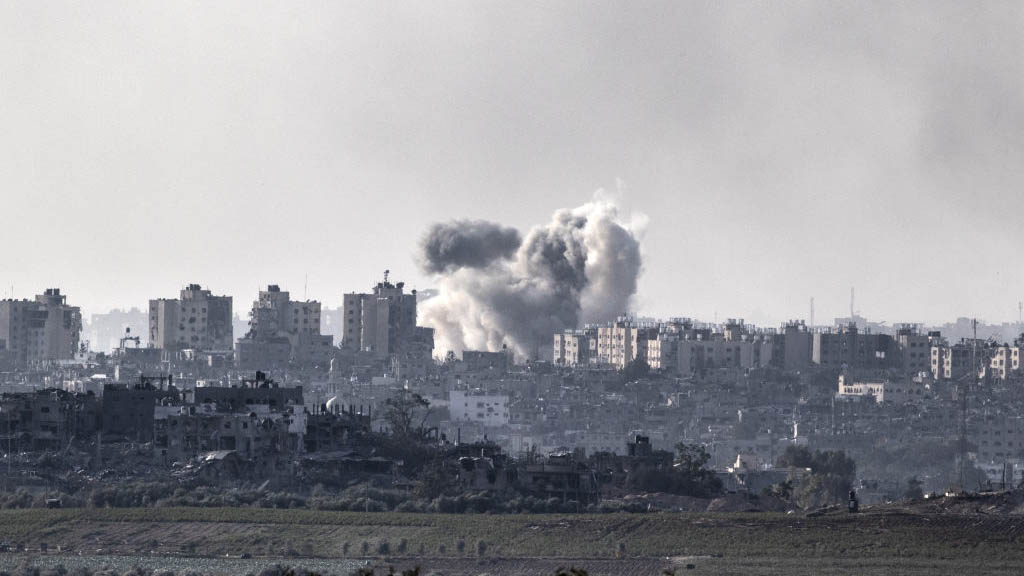
Washington’s chief concern regarding Israel’s ground offensive against Hamas in Gaza is the risk of regional escalation and Iran’s opening of another front against the Jewish state, which could drag the United States into the war.
The United States has communicated to Tehran the consequences of further Iranian involvement in the conflict, and it has moved additional military assets to the region to boost the credibility of its threats.
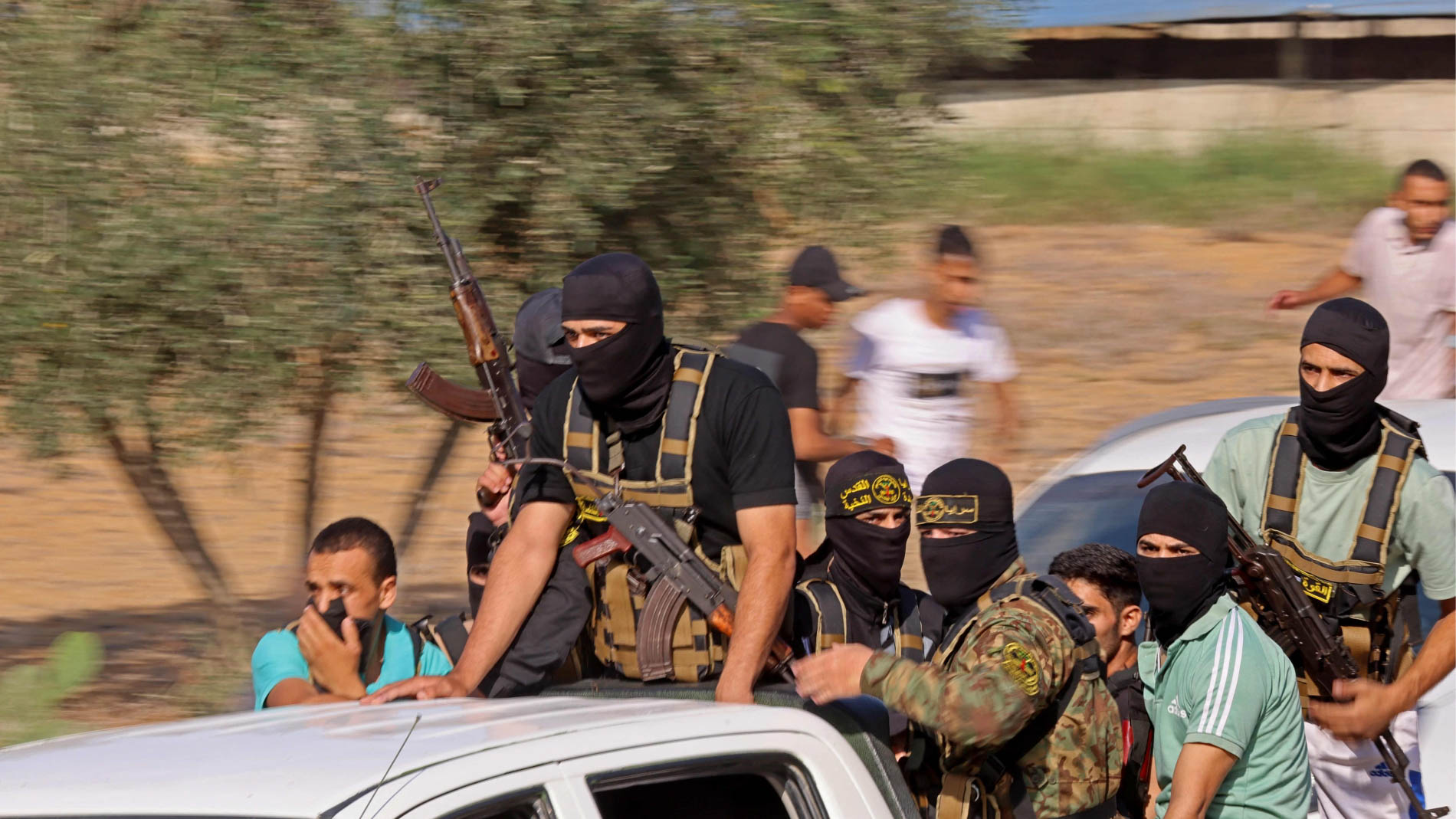
On 7 October, Hamas shocked the world, when thousands of its militants invaded southern Israel, taking control of territory, massacring civilians and kidnapping hundreds.
The attack itself demonstrated an unusual level of complexity, with a first wave seeing drones taking out Israeli reconnaissance equipment and observation posts and cyber attacks creating distractions, opening a path for amassed militant incursions from the air, sea and ground.
Israel’s ‘second stage’ ground operation is proof its priorities have changed
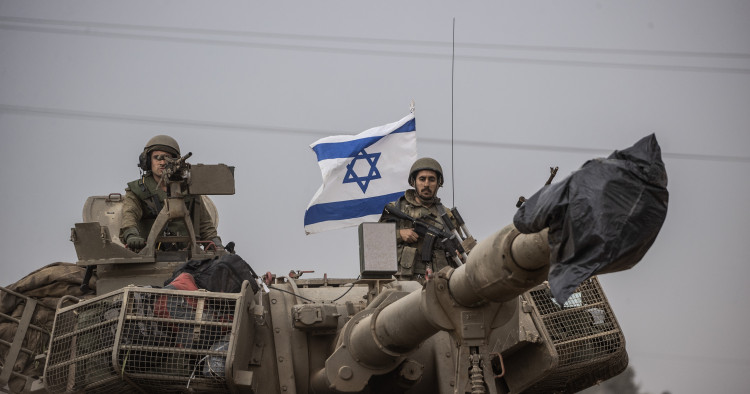
The Israeli prime minister, Benjamin Netanyahu, declared over the weekend that Israel had embarked on the “second stage” of its war against Hamas in Gaza. What did he mean – and is the Israeli government any closer to its objective of “wiping out” Hamas?
Any swords into ploughshares? The challenge of the current conflict
The only long-term way of building security and stability, and reducing violence for Palestinians and Israelis alike, is to create hope and establish a political pathway for both sides
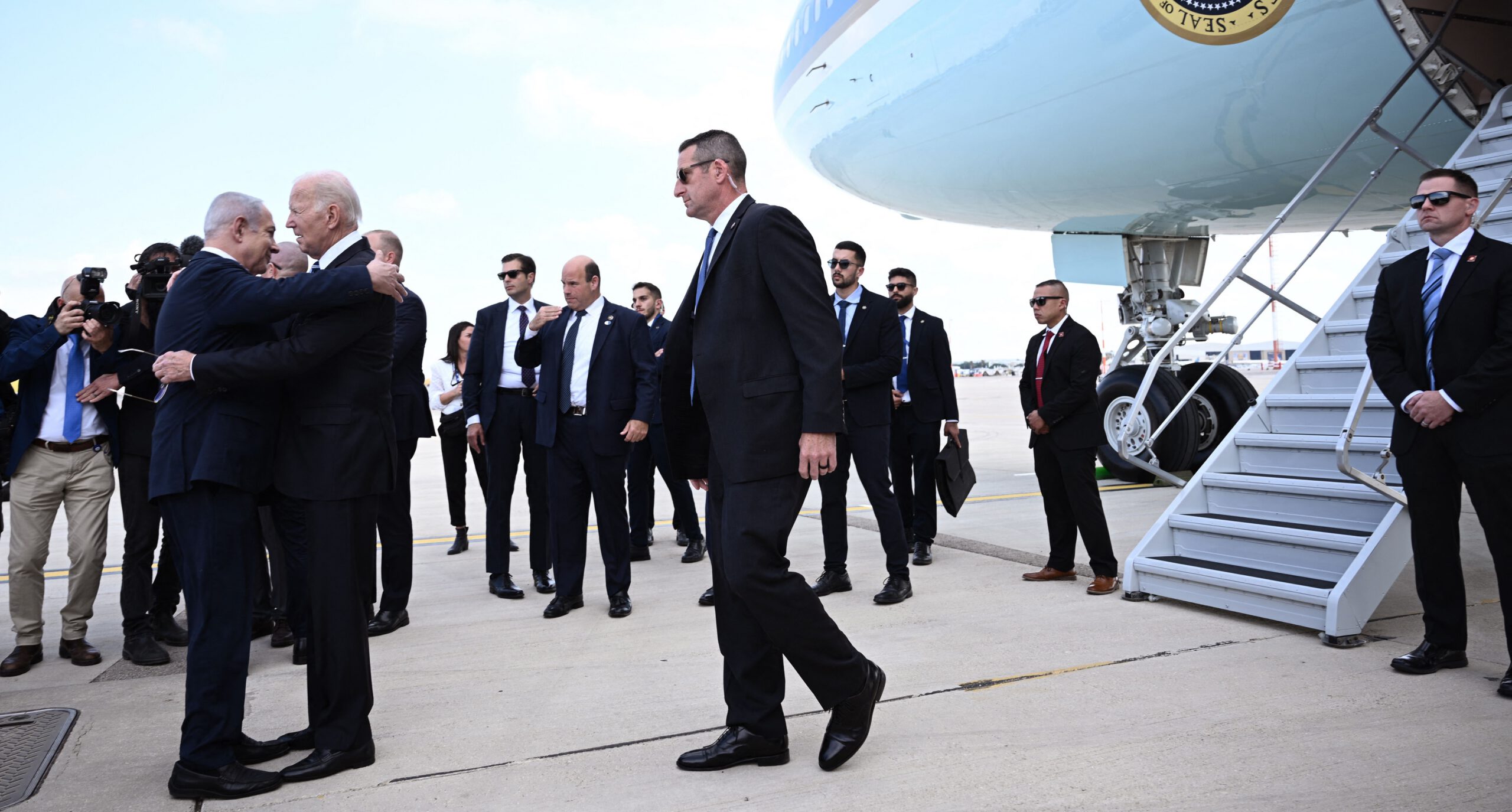
The intensity of the Oct. 7 terrorist attacks by Gaza and the ensuing crisis have already had a significant and dramatic impact on relations between the United States and Israel. The resolute American backing reflects the purest expression of the strategic partnership that has existed between Israel and the U.S. for more than five decades.
Enhancing Morocco's energy supplies with ISO tank and small-scale LNG
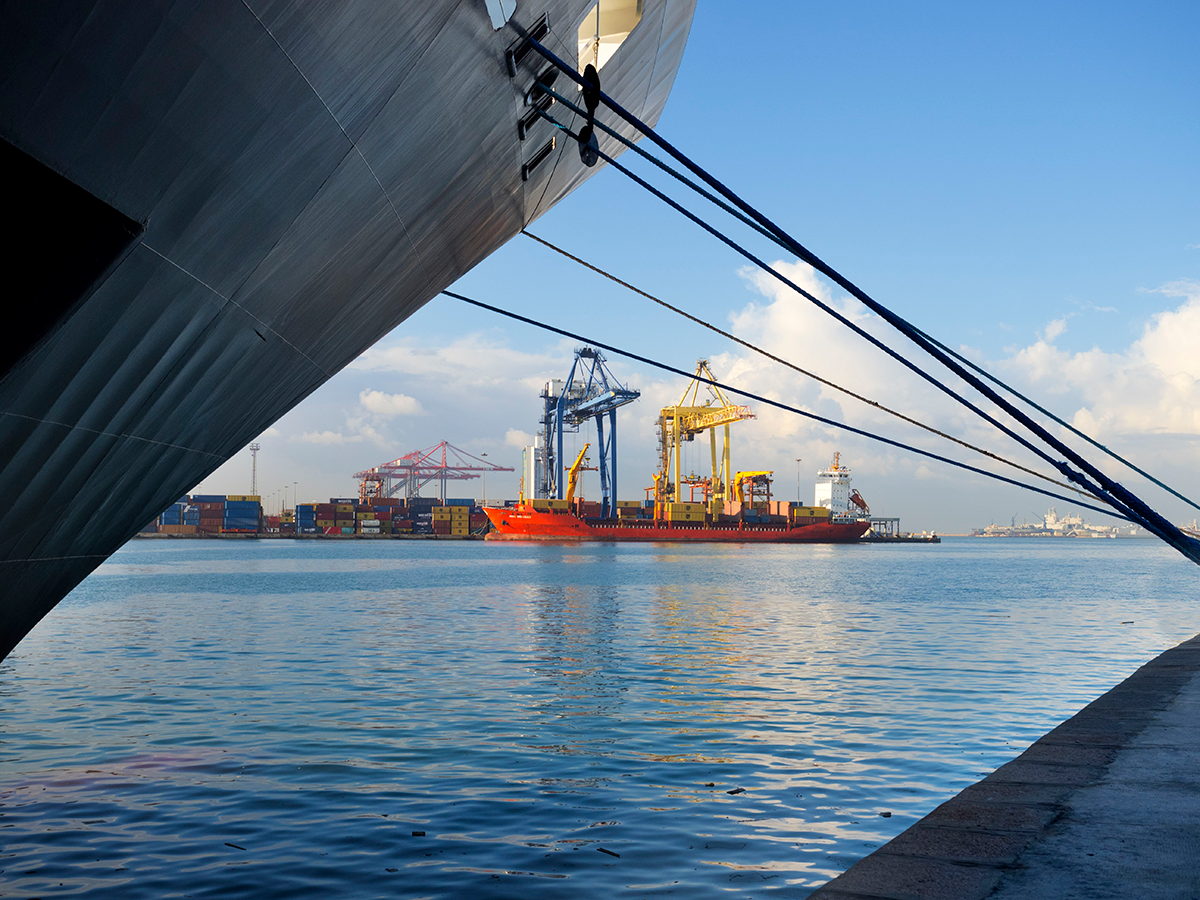
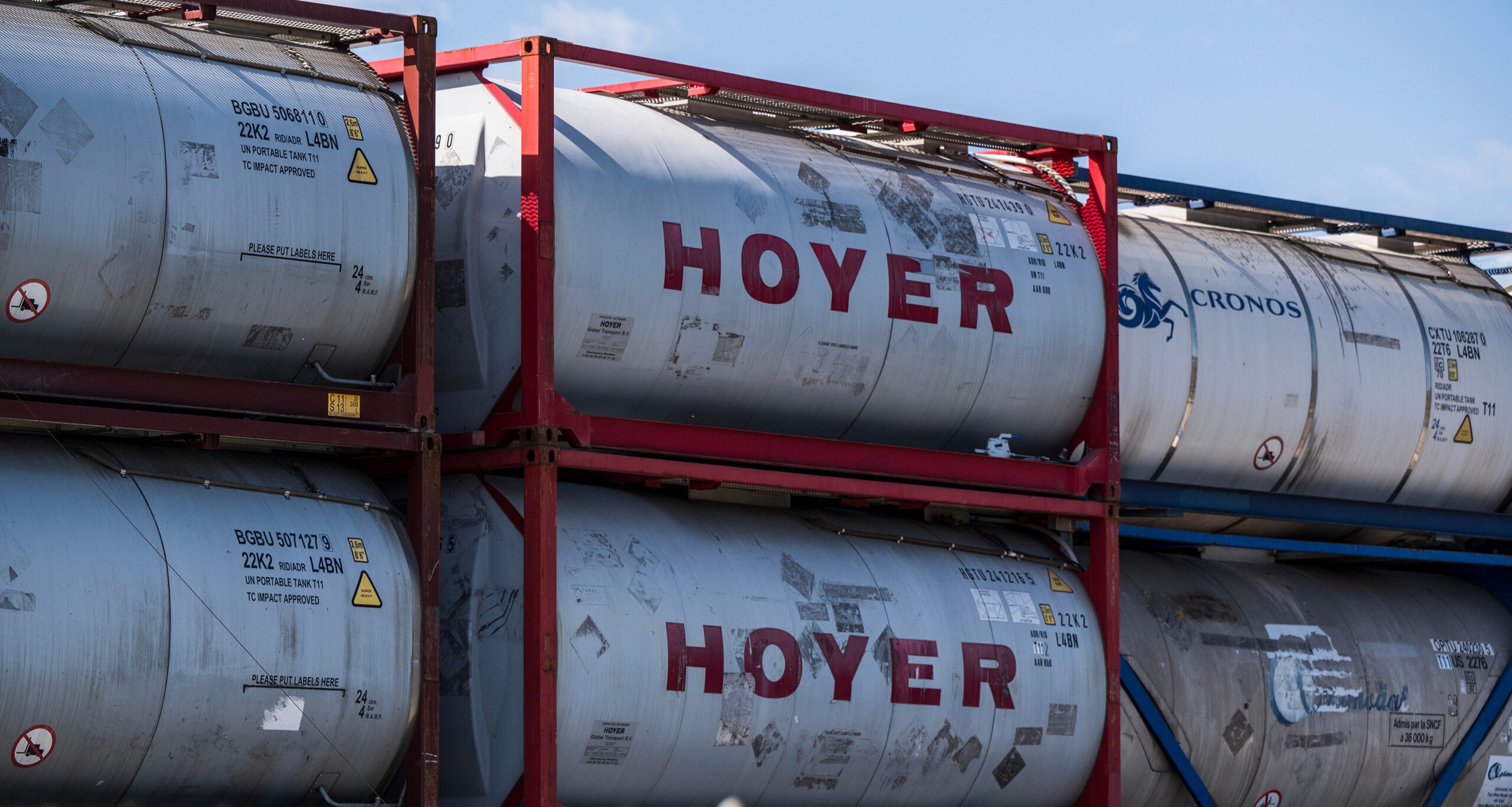
With no new interregional or international gas pipelines currently planned, gas-poor Morocco should consider alternative import schemes, such as LNG import via ISO tank containers, utilizing its well-developed port, rail, and road infrastructure.
The oldest peer-reviewed publication dedicated to the study of the modern Middle East, MEI’s flagship journal covers politics, society, and culture in the region.