This summer, brutally hot temperatures, deepening water scarcity, and spiking fertilizer costs have put North Africa’s agricultural sector under intense pressure. Host Alistair Taylor is joined by Mohammed Mahmoud, CEO and founder of the Climate and Water Initiative and lead for Middle East Climate and Water Policy at the United Nations University Institute for Water, Environment, and Health, to unpack the region’s food and water security challenges. Drawing on Mahmoud’s new report card on agricultural sustainability in North Africa, they explore the diverging picture across the region, why some countries have weathered the strain better than others, and what it will take to build a more resilient and secure food system.
When the Strait of Hormuz closed in March, fertilizer prices spiked within weeks, triggering a food security crisis across North Africa and the Sahel. Host Alistair Taylor is joined by MEI Senior Fellow Intissar Fakir to explore what it means for the region, unpack the link between food security and regional stability, and assess how the strait’s reopening could impact those affected.
The Gulf’s water crisis: Why cooperation is crucial — and complicated
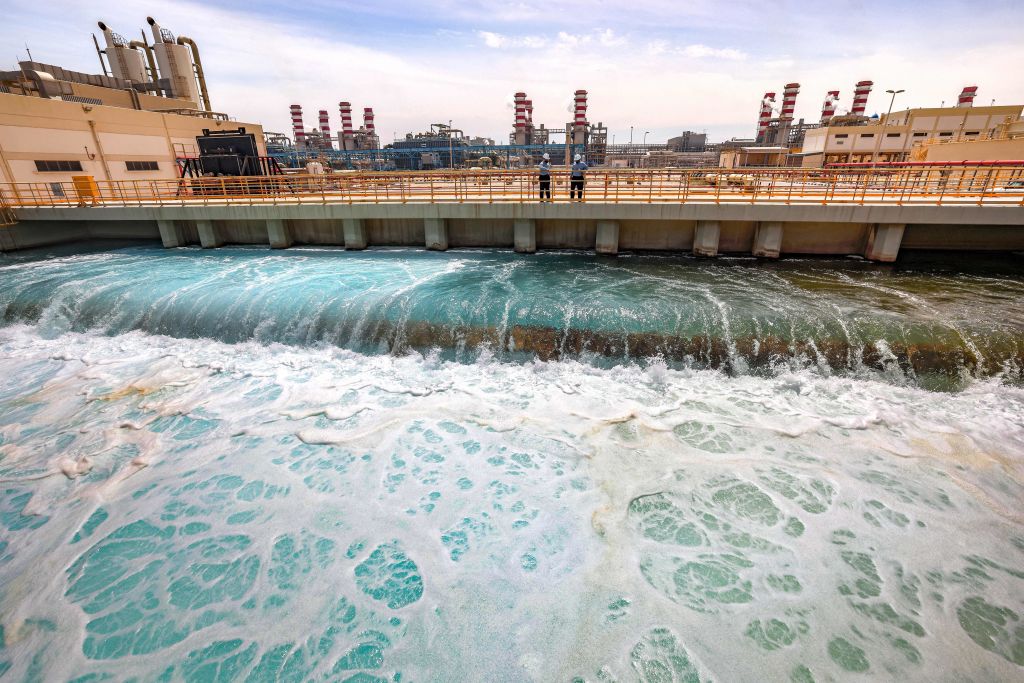
On June 19, false reports of an Israeli strike on Iran’s Bushehr nuclear plant sparked alarm across the Gulf. Though denied by Israeli officials, the claim traces back to a warning from Qatar’s prime minister of a potential catastrophe in the event of nuclear contamination — no water, no food, no life — due to the Gulf’s reliance on desalinated seawater. Gulf governments moved quickly to reassure the public that no radiation had been detected, but the episode underscored the region’s growing sense of vulnerability. A regional approach to water security could help to mitigate such risks.
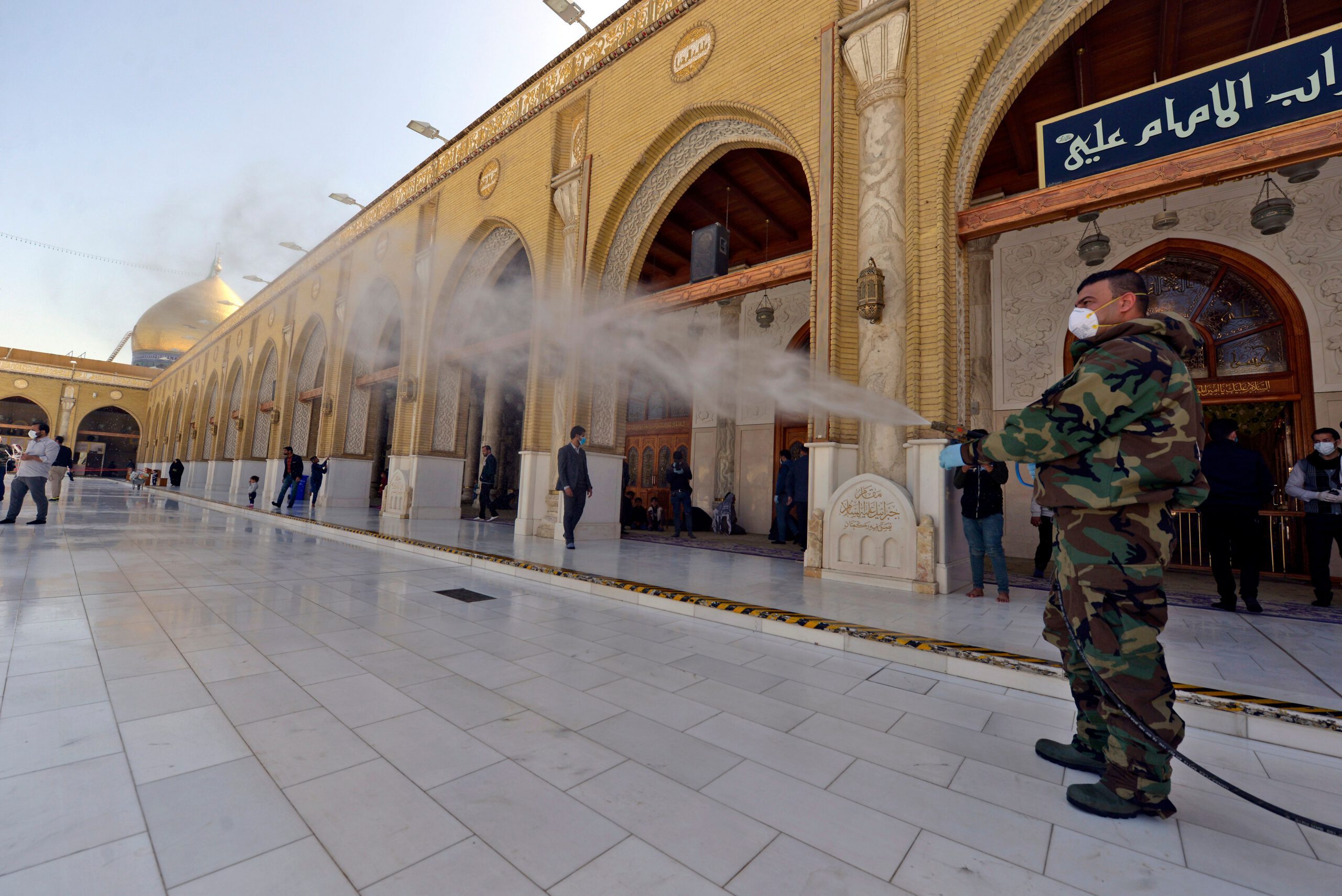
MEI’s Paul Salem, Khaled Elgindy, and Fatima Abo Alasrar join host Alistair Taylor to discuss the coronavirus pandemic’s impact on the Middle East as nations scramble to contain the spread of COVID-19 and the massive humanitarian and economic toll it could take on already vulnerable populations.
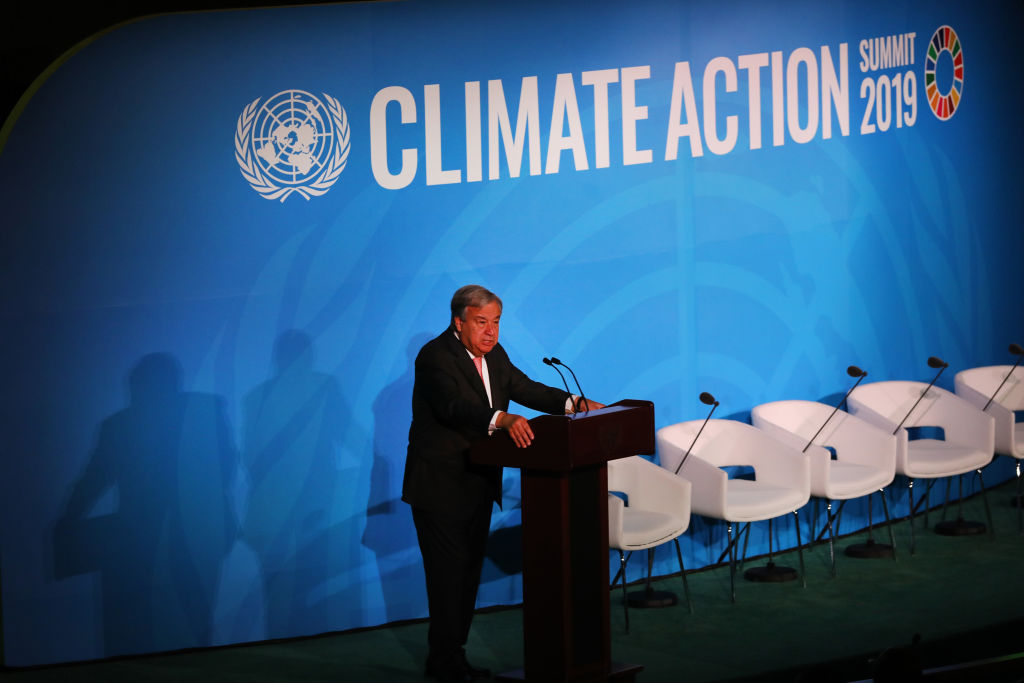
UN Summits Week puts a spotlight on climate change
This week heads of state and government are gathered in New York for the UN Summits Week, during which five key summits are taking place to urge action on major challenges that continue to undermine human security globally.
The end is not near: Sleepwalking through human and military security crises in MENA
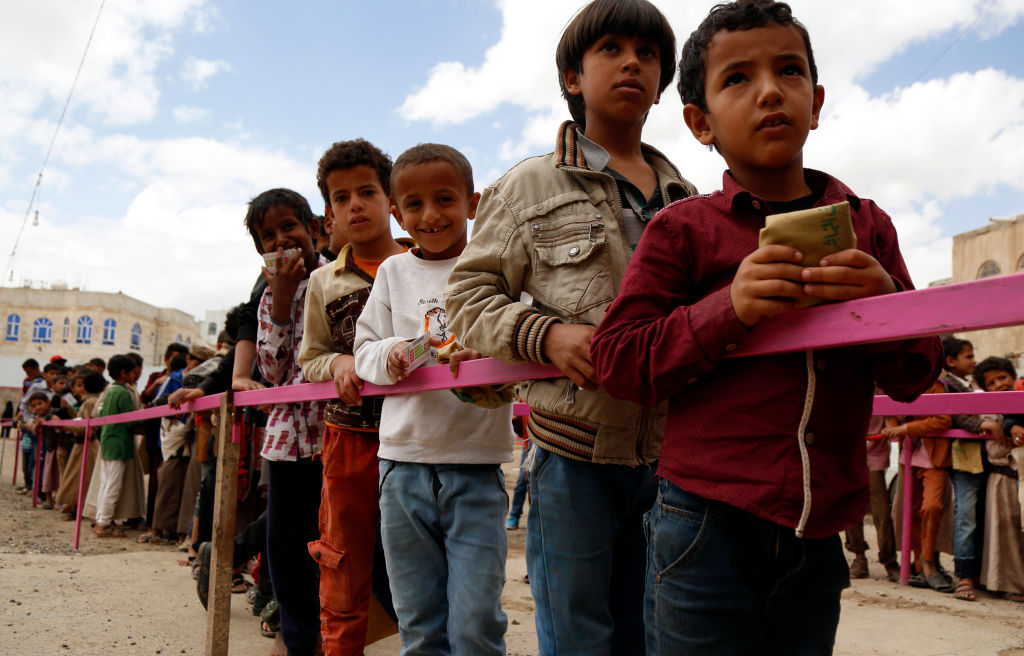
The Middle East and North Africa (MENA) is shouldering the world’s largest humanitarian caseload and most severe crises of undernourishment since World War II. Tens of millions of people in five MENA countries are struggling with chronic hunger, and millions of them are on the brink of famine. MENA has also been grappling with the world’s longest chain of consecutive regional wars every decade since the mid-20th century, now spanning nearly 75 years.
Freshwater Resources in the MENA Region: Risks and Opportunities
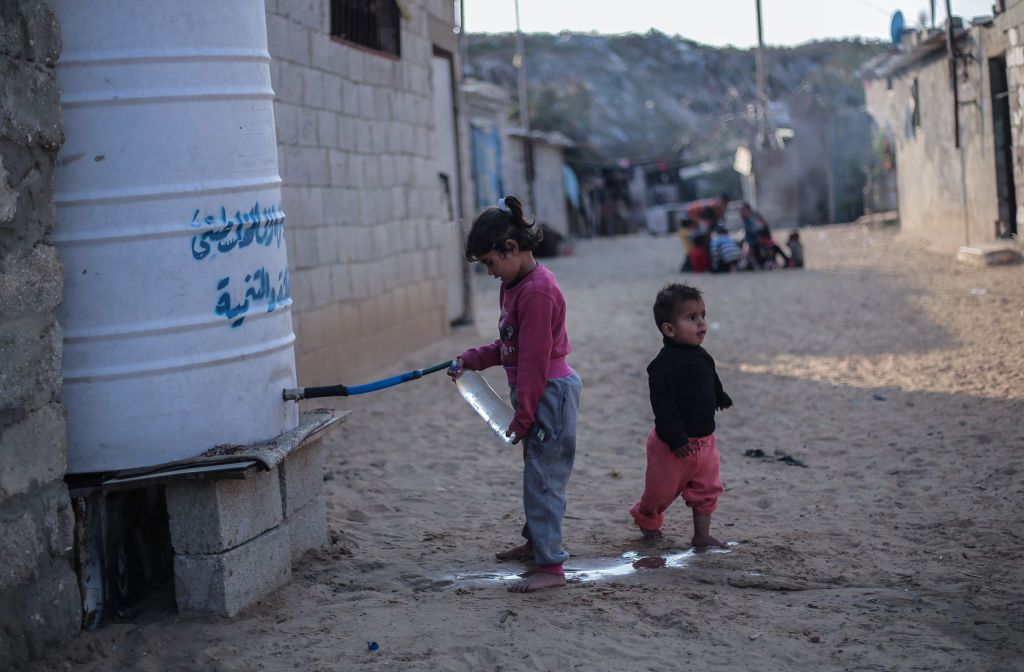
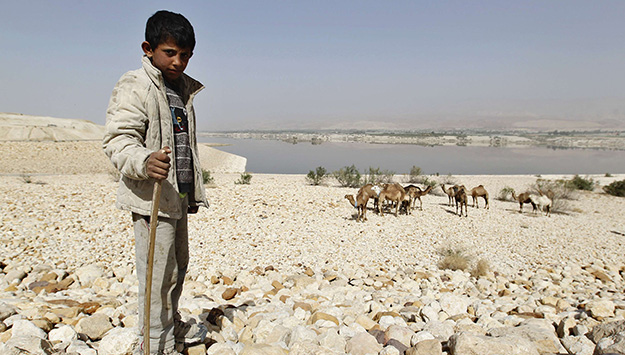
A reliable supply of freshwater is a prerequisite for sustainable socioeconomic development, as well as for sociopolitical stability and human prosperity, especially in semi-arid and arid regions of the world. The Middle East and North Africa’s freshwater resources are under immense pressures and are facing significant risks to their sustainability due to overexploitation, climate change, and interstate competition over their use that extends beyond the region’s boundaries.
Interconnected: Trade, food security, and stability in the GCC and MENA
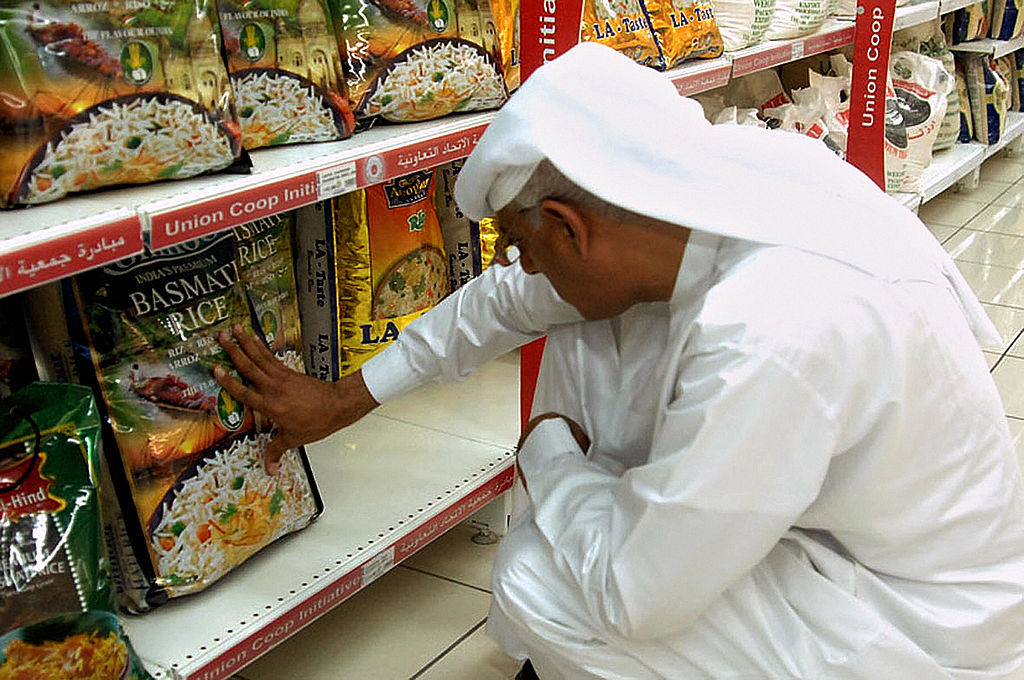
It is easy to overlook the fact that food security could be an issue of concern in the Gulf Cooperation Council. After all, its member states have some of the world’s highest per capita income levels. Food supplies in the Gulf are normally abundant and stable. Were they to be disrupted, however, it could lead to food security challenges and a chain of adverse consequences for human security throughout the region.
Egypt’s sustainable development threatened by Ethiopian dam
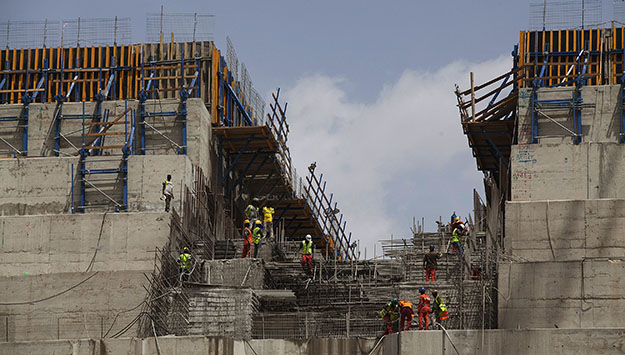
It is a travesty that in the 21st century the construction of a mega-hydropower-generation project, the Great Ethiopian Renaissance Dam (GERD) has been underway for over seven years without an independent, comprehensive transboundary Environmental and Social Impact Assessment (ESIA) conducted first.
Sub-Saharan Africa must respect North Africa's water rights
The Middle East is the world’s most arid region and the one most dependent on renewable freshwater resources that originate outside its territories. These resources are largely contained in the Nile, Euphrates-Tigris, and Jordan river basins. An international law-based approach to transboundary watercourse development and management is vital for human security and regional stability. Applying legal principles in the Nile Basin is imperative, as unilateral actions by upstream countries can harm livelihoods on a large scale in downstream countries and destabilize their economies.
Climate Change: The Middle East Faces a Water Crisis
The International Panel on Climate Change (IPCC) projects that the Middle East and North Africa (MENA) will be one of the world’s regions hit hardest by climate change in the 21st century, particularly due to increased heat and aridity. In face of these challenges, interventions in domestic agricultural sectors have the potential to offset many negative impacts on the region.
Wars Distracting Middle East from Serious Climate Change Threats
Wars in MENA are causing irreparable damage to water security and resilience to climate change in some of the region’s countries and to their viability. The continuation of this dangerous state could ultimately reinforce even deeper instability in MENA.
Millions of Rural Working Women in Egypt at Risk from Climate Change
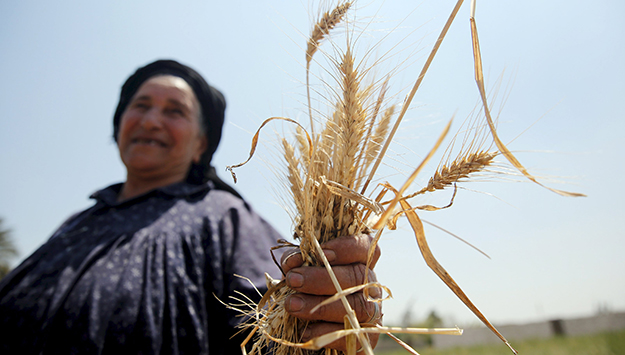
The impacts of climate change on Egypt’s agriculture are likely to be substantial, and will affect the millions of Egyptian women reliant on this economic activity for their livelihoods. The agricultural sector employs a large percentage of Egypt’s working women, a sector known for its low and unstable earnings. Millions of rural Egyptian women working in agriculture already suffer from poverty, and climate change will make matters worse.
Read the Middle East Journal
The oldest peer-reviewed publication dedicated to the study of the modern Middle East, MEI’s flagship journal covers politics, society, and culture in the region.