This summer, brutally hot temperatures, deepening water scarcity, and spiking fertilizer costs have put North Africa’s agricultural sector under intense pressure. Host Alistair Taylor is joined by Mohammed Mahmoud, CEO and founder of the Climate and Water Initiative and lead for Middle East Climate and Water Policy at the United Nations University Institute for Water, Environment, and Health, to unpack the region’s food and water security challenges. Drawing on Mahmoud’s new report card on agricultural sustainability in North Africa, they explore the diverging picture across the region, why some countries have weathered the strain better than others, and what it will take to build a more resilient and secure food system.
When the Strait of Hormuz closed in March, fertilizer prices spiked within weeks, triggering a food security crisis across North Africa and the Sahel. Host Alistair Taylor is joined by MEI Senior Fellow Intissar Fakir to explore what it means for the region, unpack the link between food security and regional stability, and assess how the strait’s reopening could impact those affected.
The Gulf’s water crisis: Why cooperation is crucial — and complicated
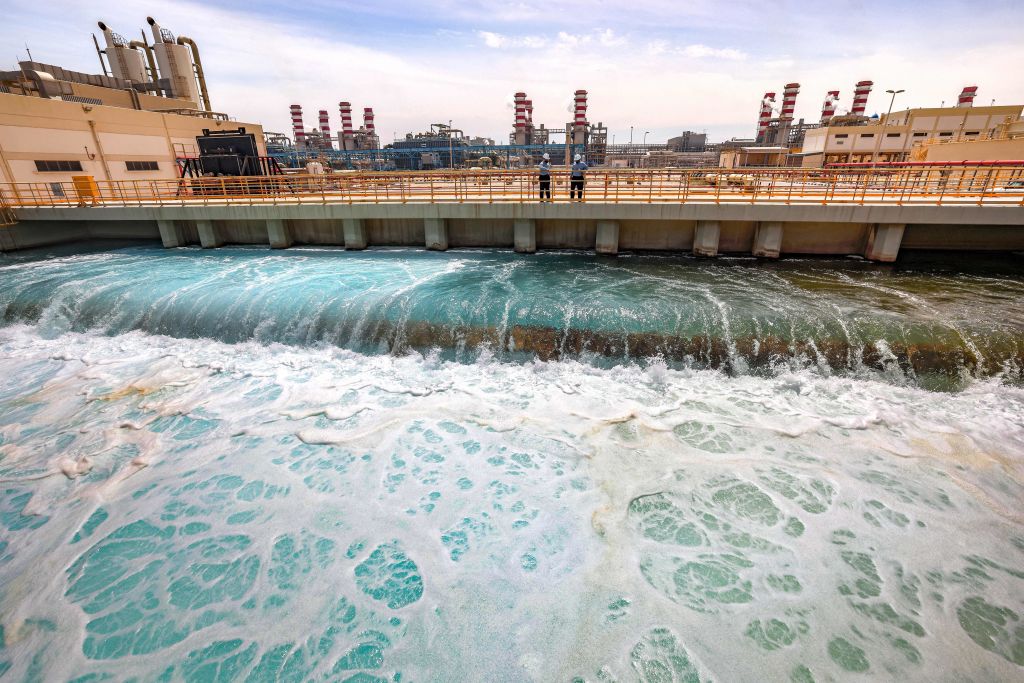
On June 19, false reports of an Israeli strike on Iran’s Bushehr nuclear plant sparked alarm across the Gulf. Though denied by Israeli officials, the claim traces back to a warning from Qatar’s prime minister of a potential catastrophe in the event of nuclear contamination — no water, no food, no life — due to the Gulf’s reliance on desalinated seawater. Gulf governments moved quickly to reassure the public that no radiation had been detected, but the episode underscored the region’s growing sense of vulnerability. A regional approach to water security could help to mitigate such risks.
Expert Views: Opportunities to enhance water security in MENA
Water resources are a key component of global sustainability, especially in light of the mounting environmental challenges posed by climate change. We asked some of MEI’s Climate and Water Program scholars to share their perspective on strategies and opportunities that could most readily alleviate the region’s water security concerns.
We can’t tackle climate change in the Middle East without ESG investing
As a major center for fossil-based energy production, the Middle East is key to global ESG developments. The region is currently at an early stage of ESG adoption, although holding COP27 and COP28 has provided some initial movement towards mainstreaming climate finance regulations.
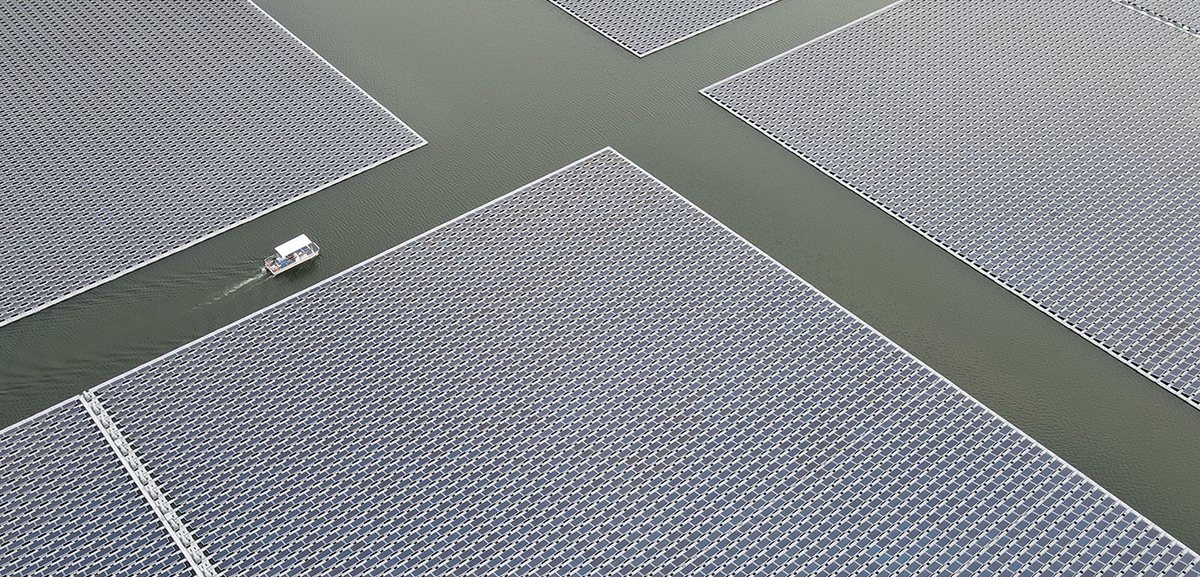
How floating solar farms can help the Middle East deal with water and power challenges
There is an emerging solar technology that is more efficient than the current photovoltaic solar farms and which also helps to save water by reducing evaporation. Floating solar farms can play a significant role in addressing the Middle East’s clean energy needs as well as mitigating its water shortages.
The Gulf Arab states, while major oil and gas producers, can play a significant role in supporting global efforts to achieve net-zero goals. They are not only endowed with great potential for renewable energy resources as well as some of the world’s lowest carbon content fuels, but also with, to varying extents, sizable financial resources. Yet, to unlock such huge potential, the Gulf Arab states will need to systematically identify and address the various challenges in their path to net zero.
Atmospheric rivers play an important role in the movement of water through the atmosphere and can release that water at magnitudes capable of producing extreme weather and flooding. But what are atmospheric rivers exactly? And how do they behave in relation to current climate change in the MENA region? MEI’s Mohammed Mahmoud and Raha Hakimdavar are joined by Dr. Amin Dezfuli to discuss these questions and more.
The intricacies of climate finance in the MENA region: Challenges and the way forward
Given the risks associated with climate change in the MENA region, there is a pressing need to provide sustainable financing resources for climate adaptation and mitigation
Tracking water resources from space: Challenges for the MENA region
In the Middle East and North Africa, water is a scarce resource with uneven distribution, resulting in geo-environmental problems at the national level and conflicts between countries that share access to key rivers and water resources that straddle state borders. The stress on the region’s limited water resources is exacerbated by an increasing reliance on groundwater. In such context, monitoring precipitation — the sole renewable water source — is essential yet also challenging. But space-based monitoring can provide a promising technological solution.
Citizen priorities on the environment and climate change in MENA
The results of the seventh wave survey from Arab Barometer shed light on regional perspectives on issues of climate change, water resources, and the environment. Here are five key takeaways gleaned from the survey results.
A decline in average annual precipitation, rise in temperatures, and dire water shortages are leading drivers of climate-induced internal migration in Iran. This long-term trend was further exacerbated in 2022 by more intense heat waves, resulting in a spike in seasonal migration.
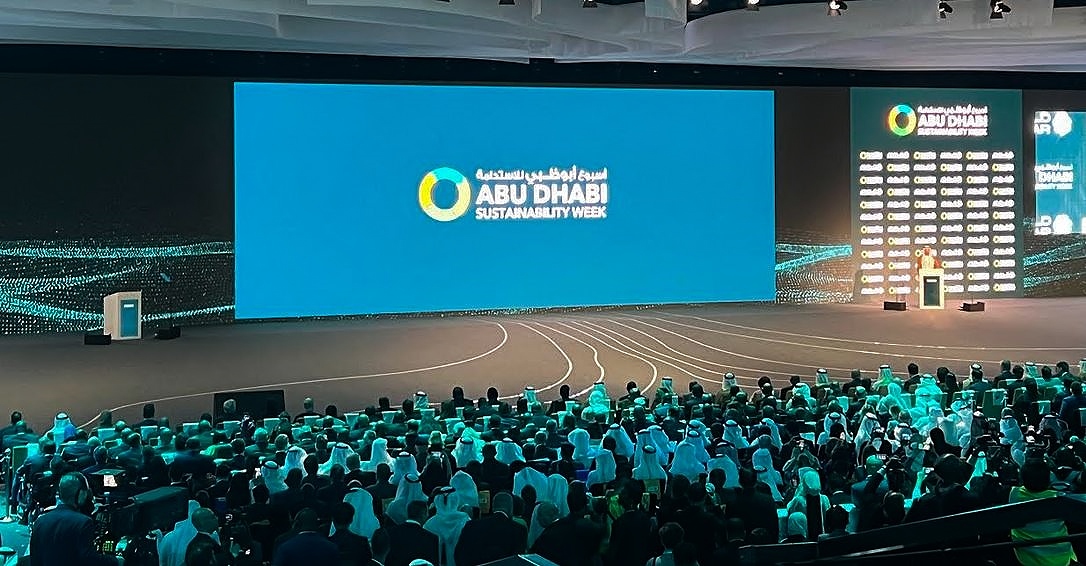
2023 ADSW: A solid start for a climate-focused year in the UAE
This year’s Abu Dhabi Sustainability Week focused on both adaptation strategies and mitigation actions. Judging by the solid foundation established at this conference, and building on the efforts the UAE launched in previous years, the upcoming COP28, which will be hosted in Dubai, appears to have all the ingredients to bring together relevant stakeholders and deliver on its promises.
The oldest peer-reviewed publication dedicated to the study of the modern Middle East, MEI’s flagship journal covers politics, society, and culture in the region.