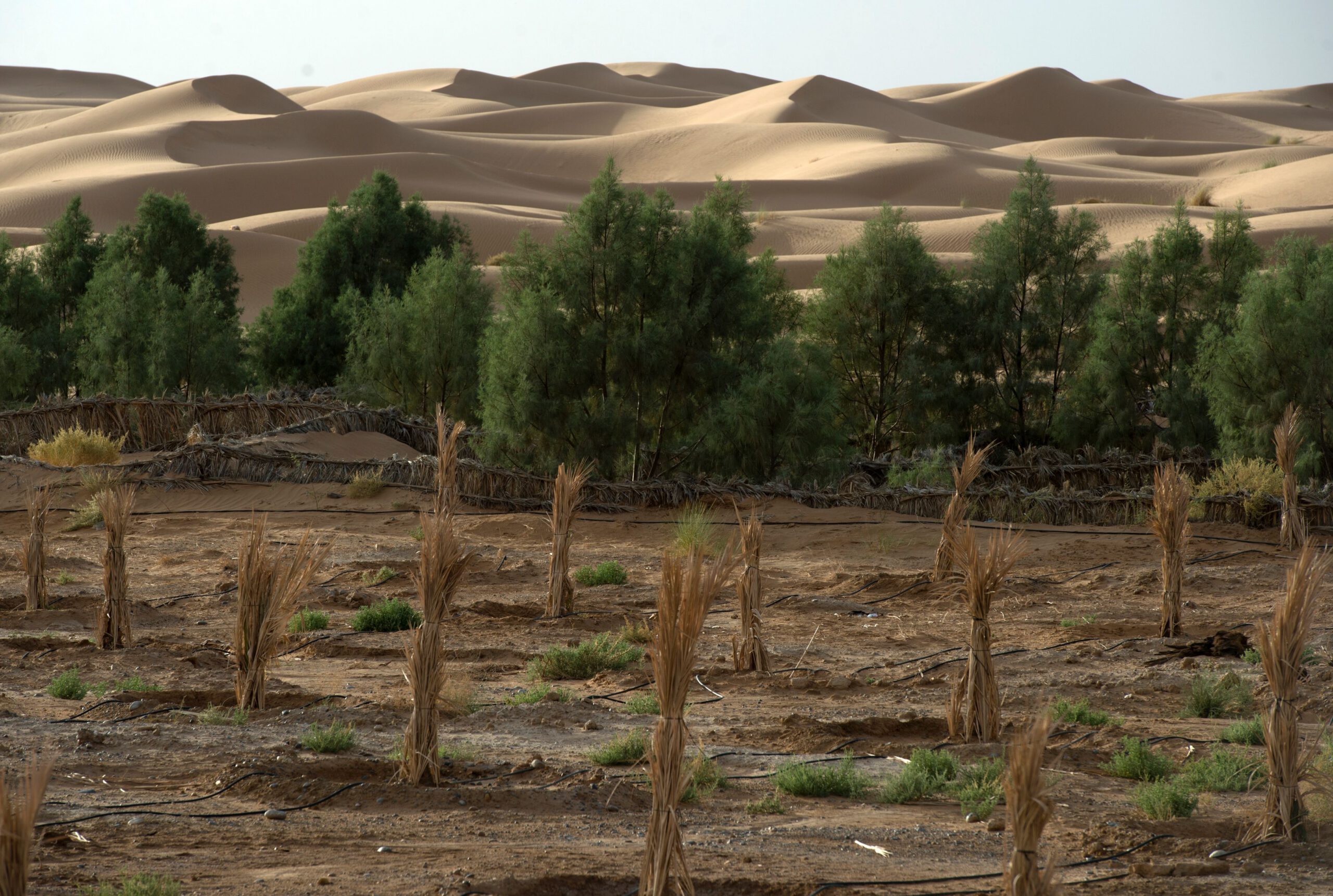
This summer, brutally hot temperatures, deepening water scarcity, and spiking fertilizer costs have put North Africa’s agricultural sector under intense pressure. Host Alistair Taylor is joined by Mohammed Mahmoud, CEO and founder of the Climate and Water Initiative and lead for Middle East Climate and Water Policy at the United Nations University Institute for Water, Environment, and Health, to unpack the region’s food and water security challenges. Drawing on Mahmoud’s new report card on agricultural sustainability in North Africa, they explore the diverging picture across the region, why some countries have weathered the strain better than others, and what it will take to build a more resilient and secure food system.
When the Strait of Hormuz closed in March, fertilizer prices spiked within weeks, triggering a food security crisis across North Africa and the Sahel. Host Alistair Taylor is joined by MEI Senior Fellow Intissar Fakir to explore what it means for the region, unpack the link between food security and regional stability, and assess how the strait’s reopening could impact those affected.
The Gulf’s water crisis: Why cooperation is crucial — and complicated
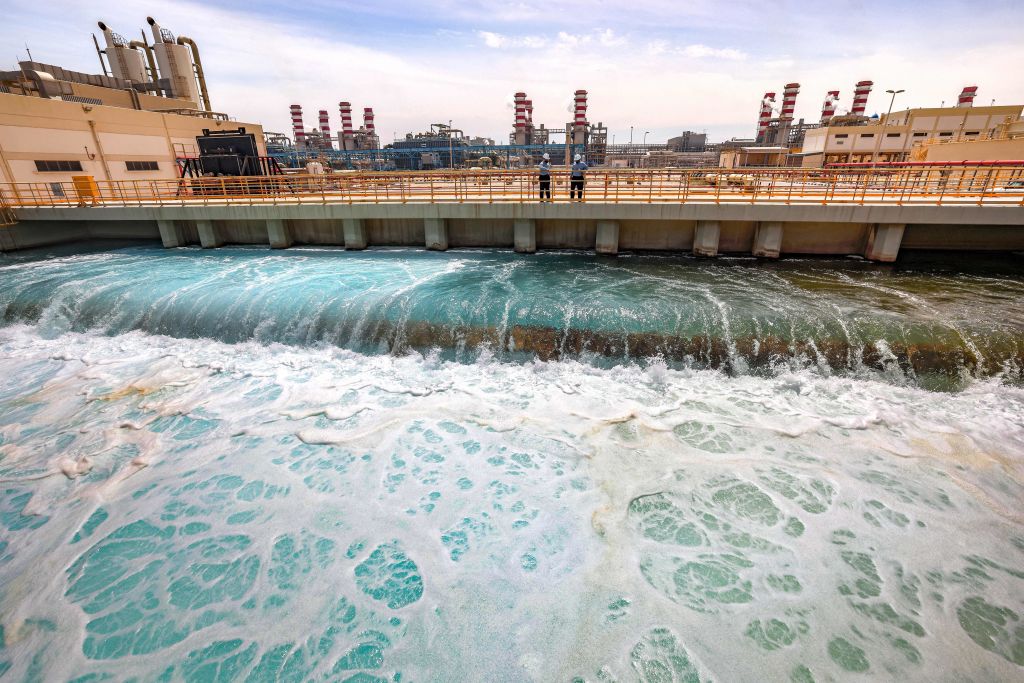
On June 19, false reports of an Israeli strike on Iran’s Bushehr nuclear plant sparked alarm across the Gulf. Though denied by Israeli officials, the claim traces back to a warning from Qatar’s prime minister of a potential catastrophe in the event of nuclear contamination — no water, no food, no life — due to the Gulf’s reliance on desalinated seawater. Gulf governments moved quickly to reassure the public that no radiation had been detected, but the episode underscored the region’s growing sense of vulnerability. A regional approach to water security could help to mitigate such risks.
Climate-induced migration in the GCC states: A looming challenge
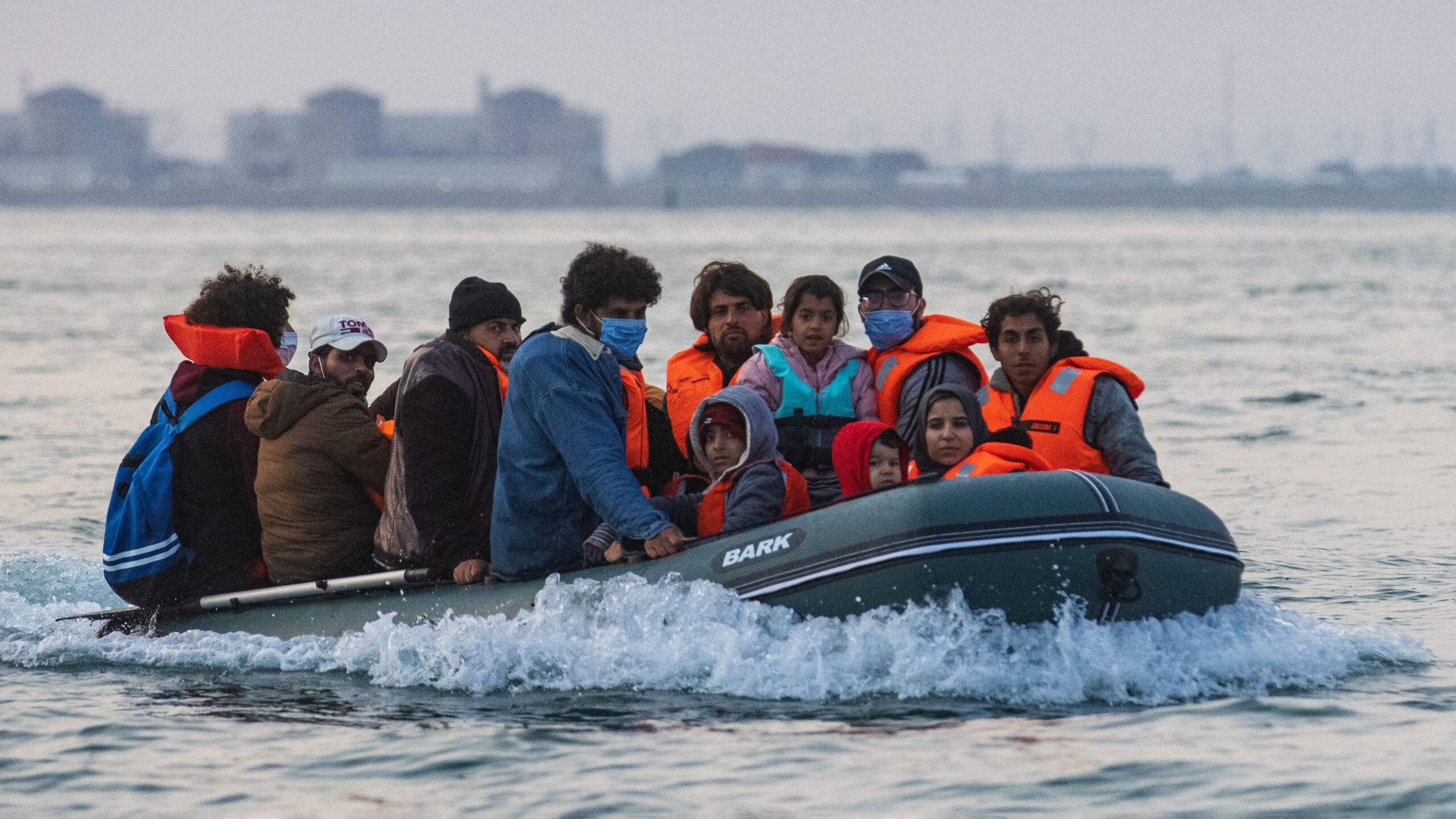
Gulf states are collectively investing billions of dollars in developing renewable energy. Yet climate change patterns in neighboring regions, combined with rising average temperatures, could eventually trigger more serious climate migration problems for the Gulf countries themselves.
What the United Nations’ 6th Climate Assessment tells us about the Mediterranean’s climate future
The latest U.N. IPCC report details the alarming changes that Mediterranean countries will experience in the coming decades due to climate change, highlighting three critical areas — warming and droughts, declining ecosystems, as well as socioeconomic and public health risks.
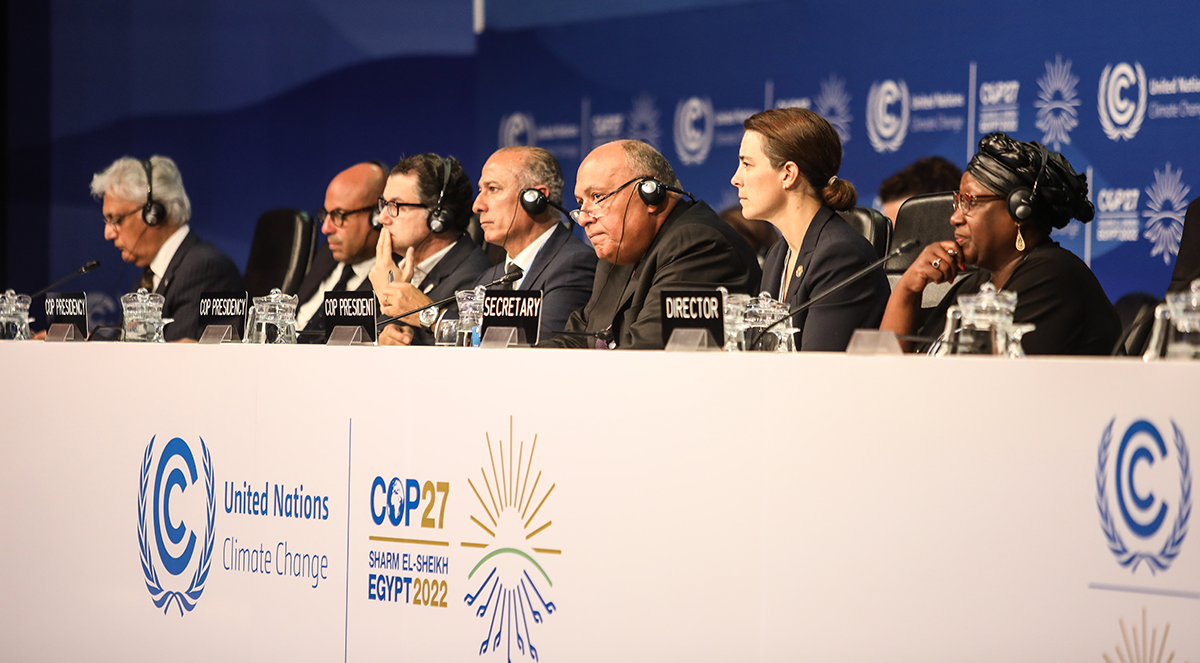
With COP27 concluded, we asked experts from across MEI, some of whom attended the meeting, to offer their perspectives on the developments that came out of the conference and what it means moving forward, especially for the Middle East and North Africa.
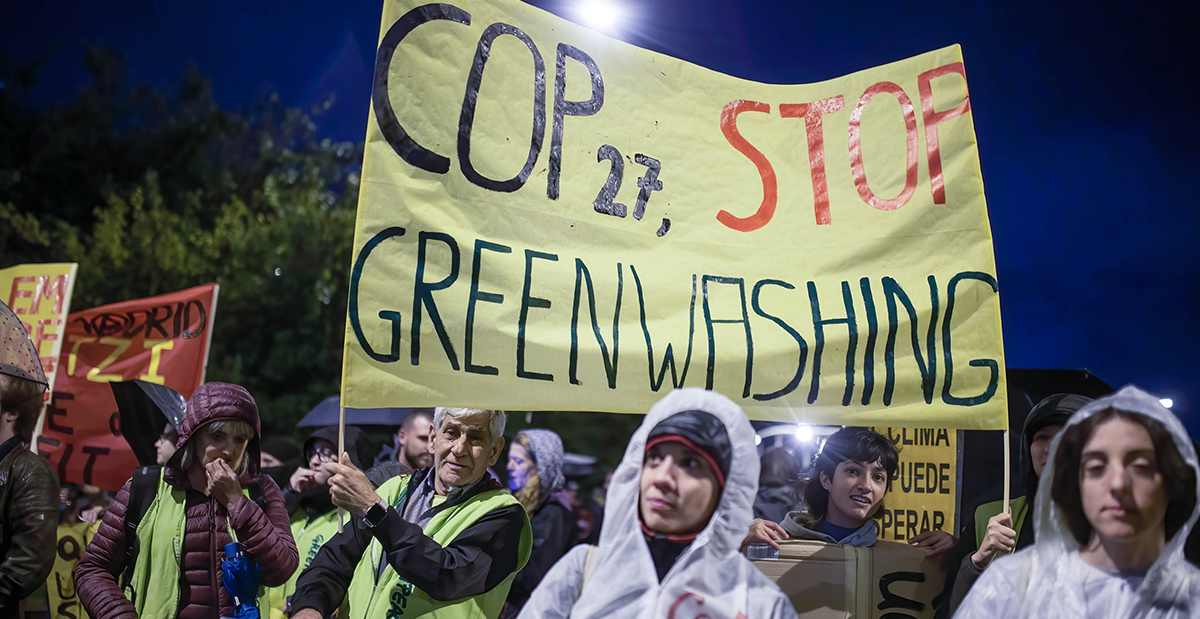
Many big polluters around the world, including in the Middle East and North Africa, use “greenwashing” to cover up their environmentally detrimental practices by claiming they are sustainable, eco-friendly, and low carbon in an effort to deceive people about climate action. This creates the false impression that everything has changed without actually changing anything at all.
The future of climate technology: Data-informed policies are indispensable in mitigating climate risks
During COP27 in Egypt, world leaders discussed climate adaptation, mitigation, financing, and collaboration. Data is at the heart of these conversations. Although most countries are already integrating data into their policymaking process, it remains an under-utilized resource despite the fact that half the world is vulnerable to climate disasters.
Dispatches from Sharm el-Sheikh: Reviewing COP27 from the MENA perspective
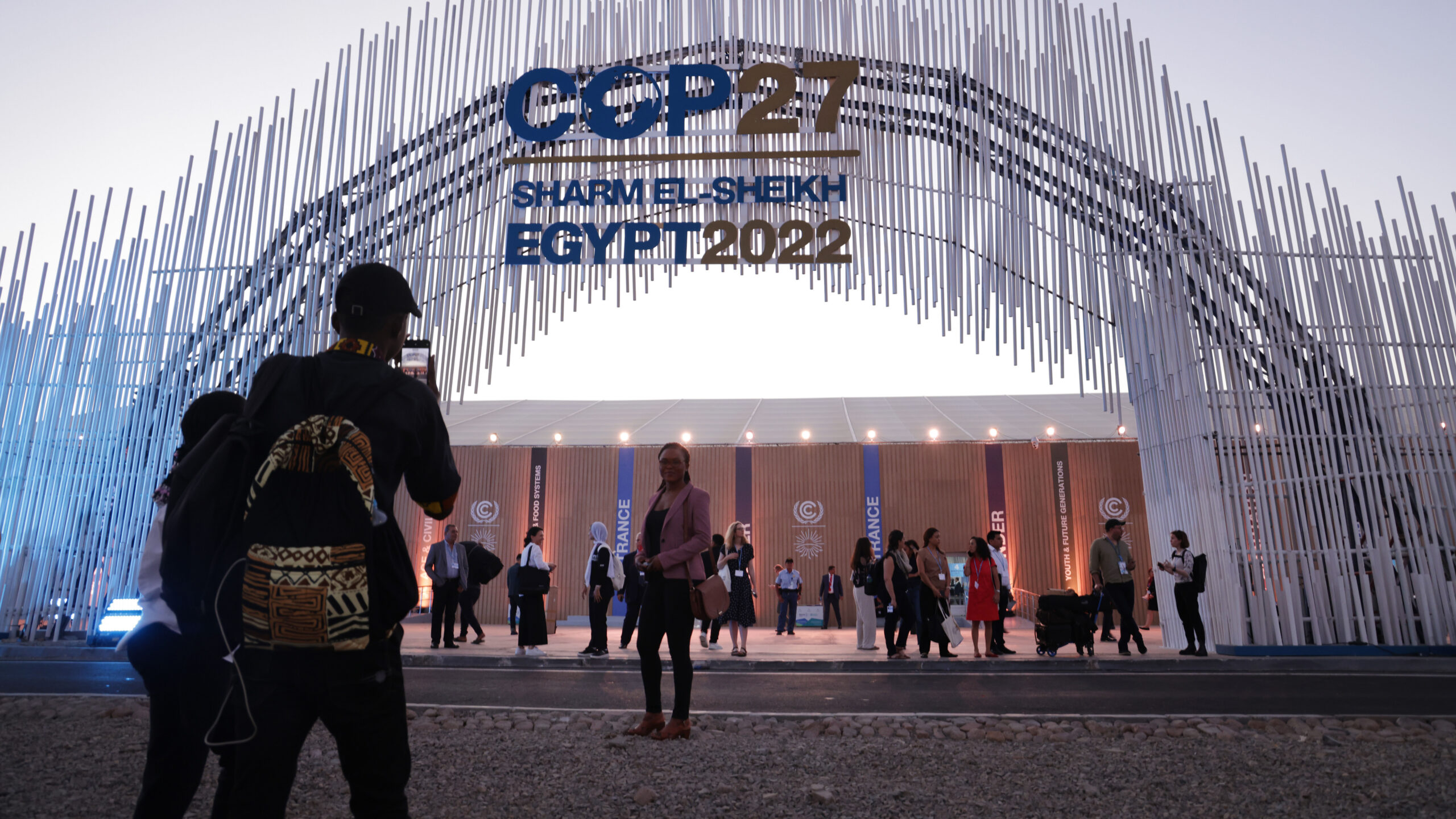
Participating in COP27 provided a unique opportunity to view the proceedings firsthand and evaluate the effectiveness of the meeting in advancing critical climate priorities that can alter the alarming trajectory of future climate change.
Briefing: Latest UN reports highlight urgency of emissions reductions just ahead of COP27
The latest Nationally Determined Contributions assessment report demonstrates that the parties to the Paris Agreement are boosting their plans to reduce carbon emissions.
However, current climate mitigation efforts are still insufficient to curb future global temperature increases to below 2°C — with a projected average temperature rise of 2.8°C by the end of century.
With Egypt hosting COP 27 this week, all eyes are on climate change in the MENA region. For today’s episode, Senior Fellow and Director of the Climate and Water Program Mohammed Mahmoud asked several of MEI’s Climate and Water Program scholars what they consider to be the most pressing issues regarding climate change, water resources, and the environment. Today’s guests include Andrei Covatariu, Athraa Khamis, Malak Altaeb, Megan Ferrando, Orestes Morfin, and Youssef Wehbe.
The oldest peer-reviewed publication dedicated to the study of the modern Middle East, MEI’s flagship journal covers politics, society, and culture in the region.