This summer, brutally hot temperatures, deepening water scarcity, and spiking fertilizer costs have put North Africa’s agricultural sector under intense pressure. Host Alistair Taylor is joined by Mohammed Mahmoud, CEO and founder of the Climate and Water Initiative and lead for Middle East Climate and Water Policy at the United Nations University Institute for Water, Environment, and Health, to unpack the region’s food and water security challenges. Drawing on Mahmoud’s new report card on agricultural sustainability in North Africa, they explore the diverging picture across the region, why some countries have weathered the strain better than others, and what it will take to build a more resilient and secure food system.
When the Strait of Hormuz closed in March, fertilizer prices spiked within weeks, triggering a food security crisis across North Africa and the Sahel. Host Alistair Taylor is joined by MEI Senior Fellow Intissar Fakir to explore what it means for the region, unpack the link between food security and regional stability, and assess how the strait’s reopening could impact those affected.
The Gulf’s water crisis: Why cooperation is crucial — and complicated
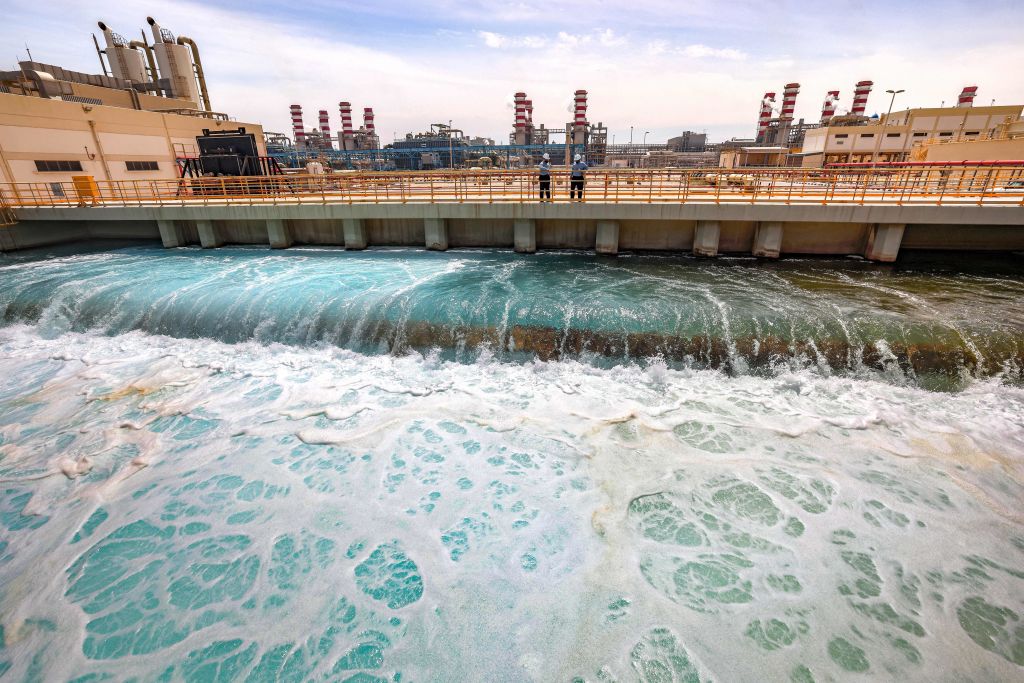
On June 19, false reports of an Israeli strike on Iran’s Bushehr nuclear plant sparked alarm across the Gulf. Though denied by Israeli officials, the claim traces back to a warning from Qatar’s prime minister of a potential catastrophe in the event of nuclear contamination — no water, no food, no life — due to the Gulf’s reliance on desalinated seawater. Gulf governments moved quickly to reassure the public that no radiation had been detected, but the episode underscored the region’s growing sense of vulnerability. A regional approach to water security could help to mitigate such risks.
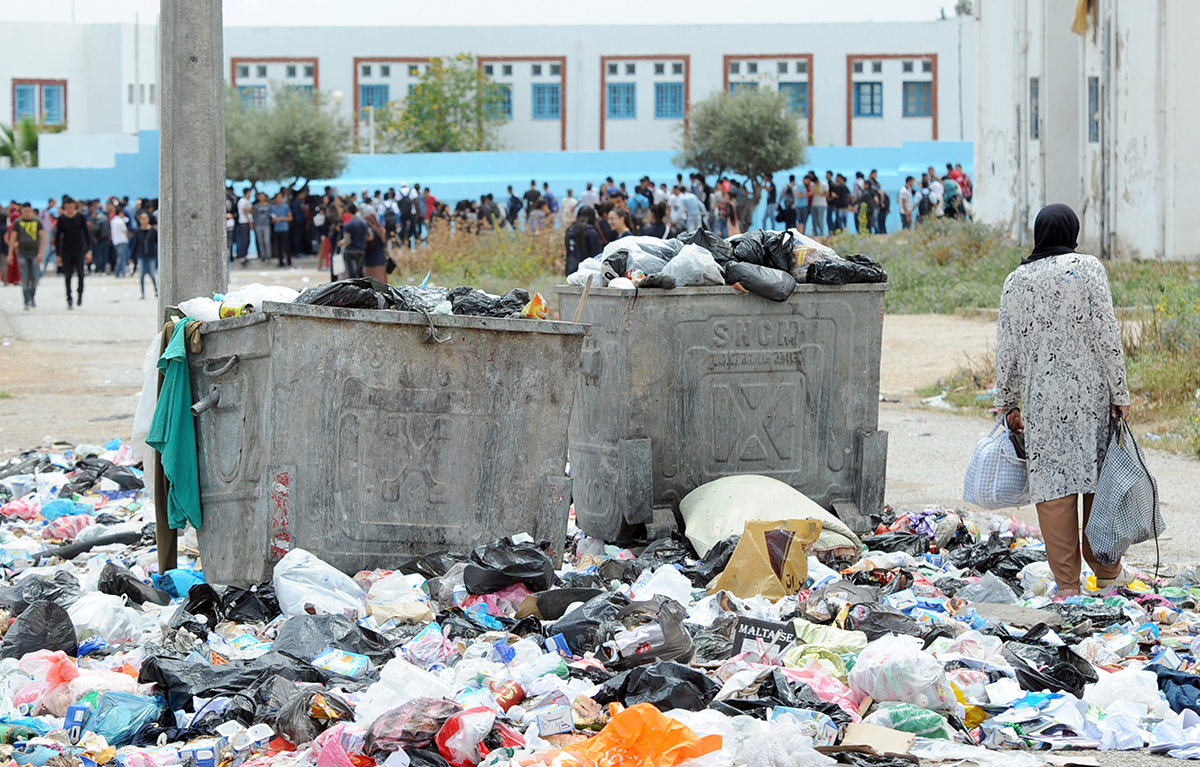
Solving Tunisia’s growing waste management problem
Given its outsized role in contributing to greenhouse gas emissions, waste management is an issue of global importance. Landfills account for almost 5% of total global greenhouse gas emissions and 12% of the world’s emissions of methane. The associated challenges are particularly acute in North Africa, and especially in Tunisia.
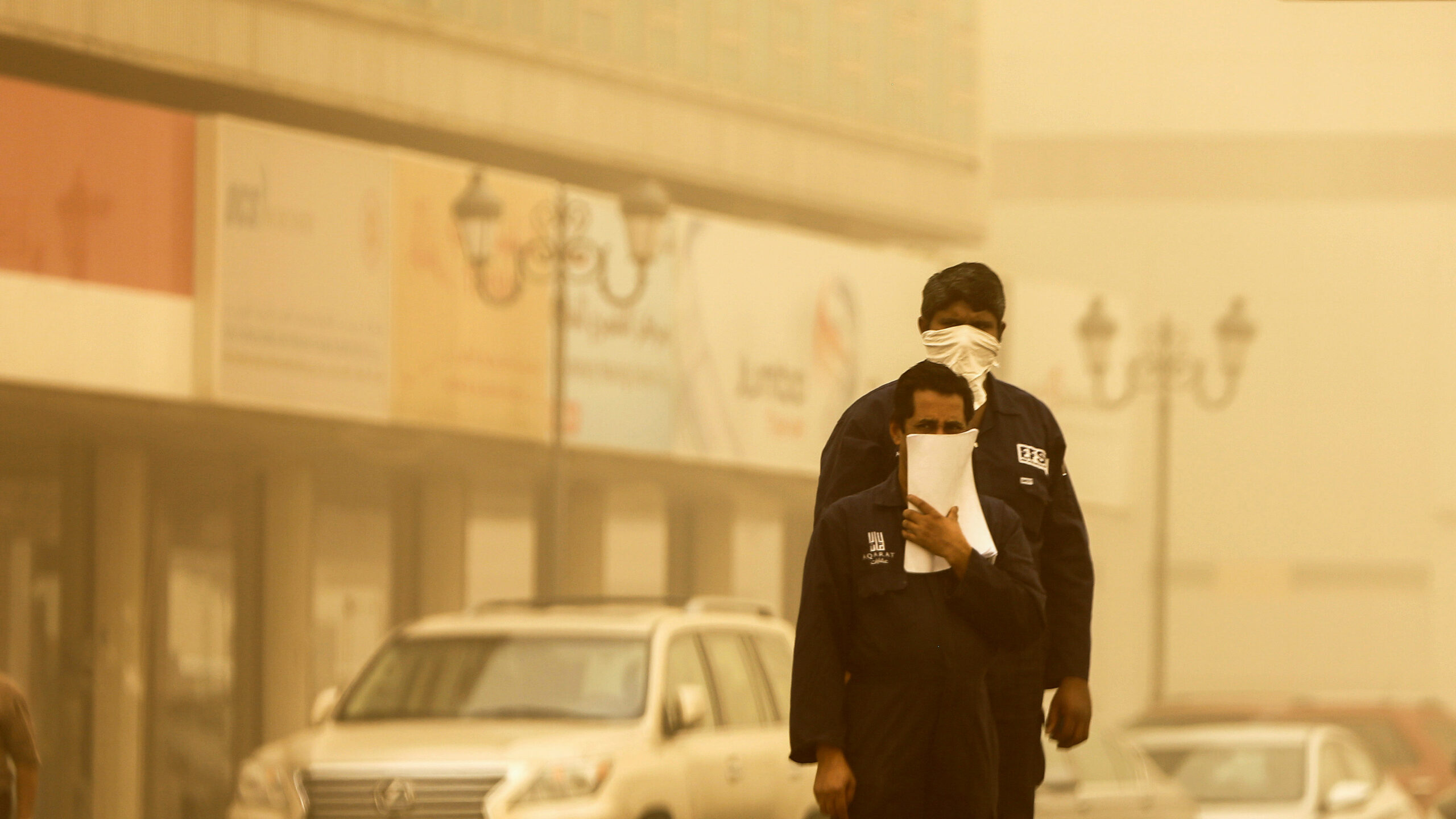
Severe sand and dust storms are an underrated risk in the Gulf region, despite mitigation measures
The precise causes of sand and dust storms (SDSs) are not fully known, but they are becoming better understood. Armed with this knowledge, regional actors are beginning to respond in the face of intensifying SDSs.
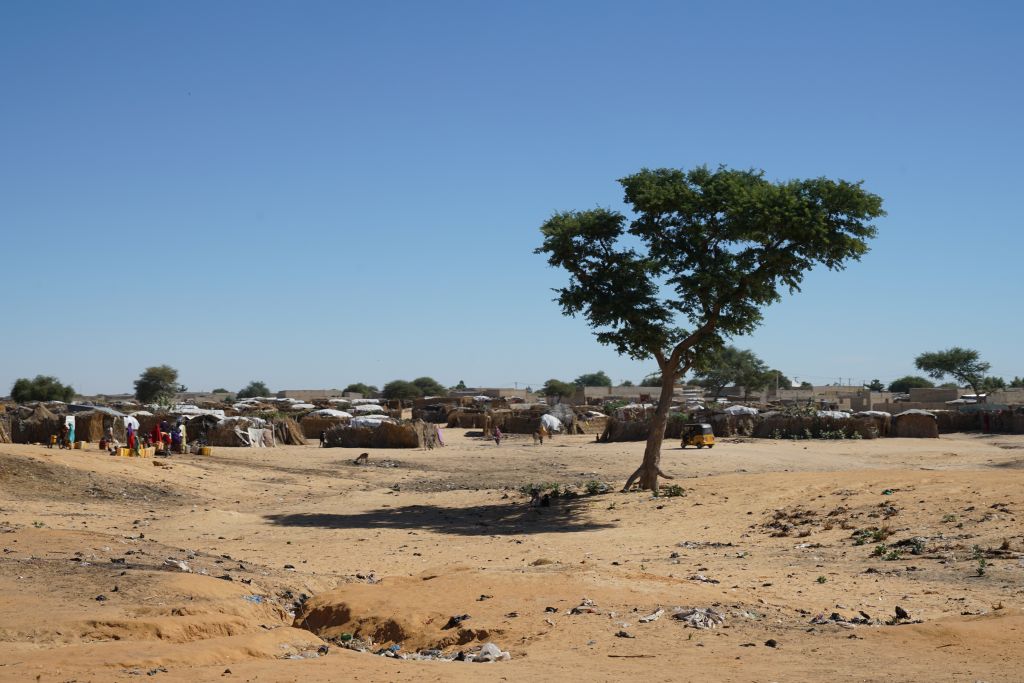
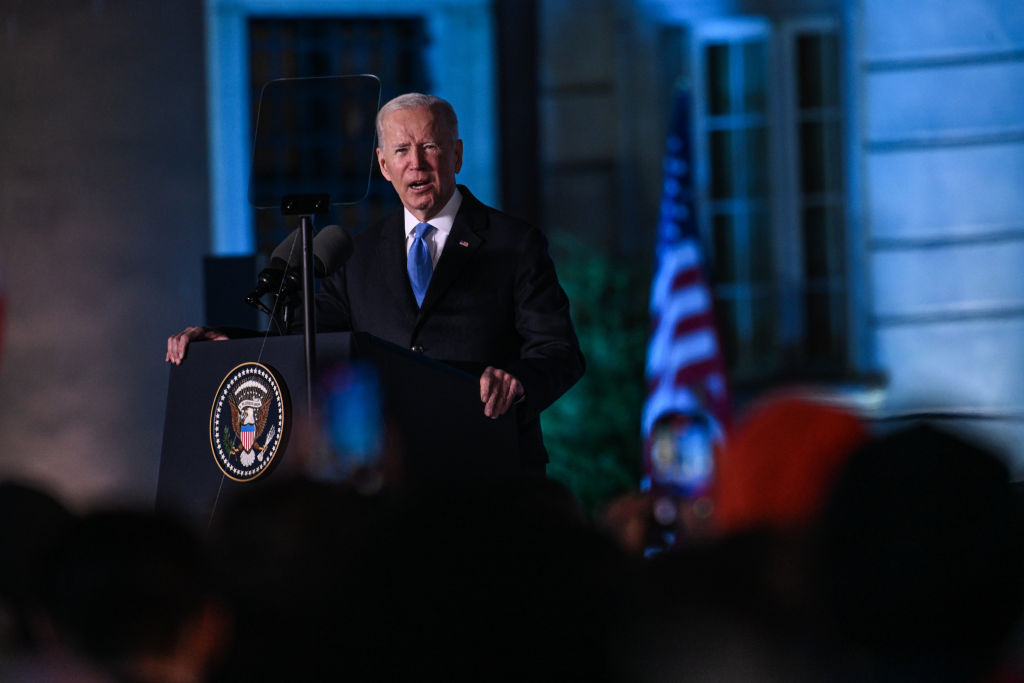
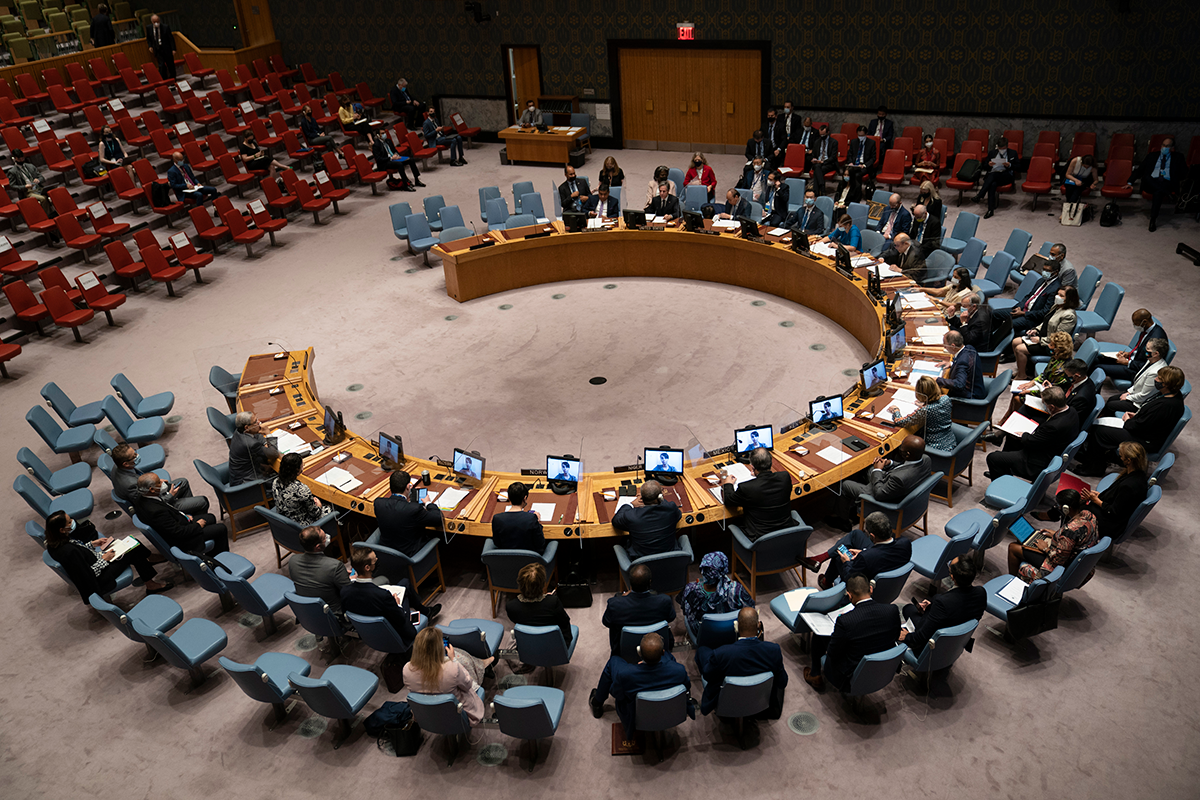
On Dec. 13, 2021, at a United Nations Security Council (UNSC) meeting, a draft resolution that would have recognized climate change as a security threat was rejected. The resolution, co-sponsored by Niger and Ireland, would have incorporated climate change as a security risk within the U.N. framework of conflict prevention strategies. What are the potential implications of this and what comes next? We asked seven experts to weigh in with their thoughts.
Confronting climate change, Turkey needs “green” leadership now more than ever
Turkey, like all other countries, is facing the harsh reality of climate change. Last year, it experienced one of the hottest summers on record. Blistering heat waves led to widespread wildfires in the country’s southwest, affecting five times more land than normal during the summer. Though Turkey usually has large water surpluses, some areas experienced shortages due to extreme drought. Others suffered heavy flooding, leaving scores dead.
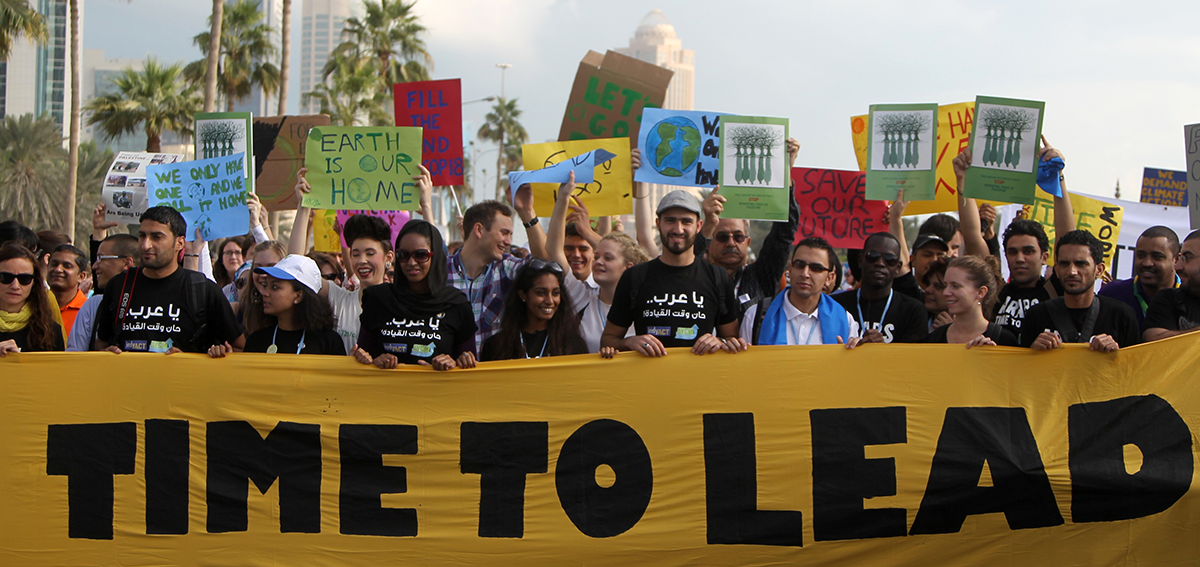
As UN climate summit returns to the Middle East, Arab youth fear a lack of representation and opportunities
It’s worth considering how youth in the Arab region have fared and are expected to fare in terms of climate activism. While this has historically been excellent, there are some disparities masked by the glossy big picture in the global climate movement.
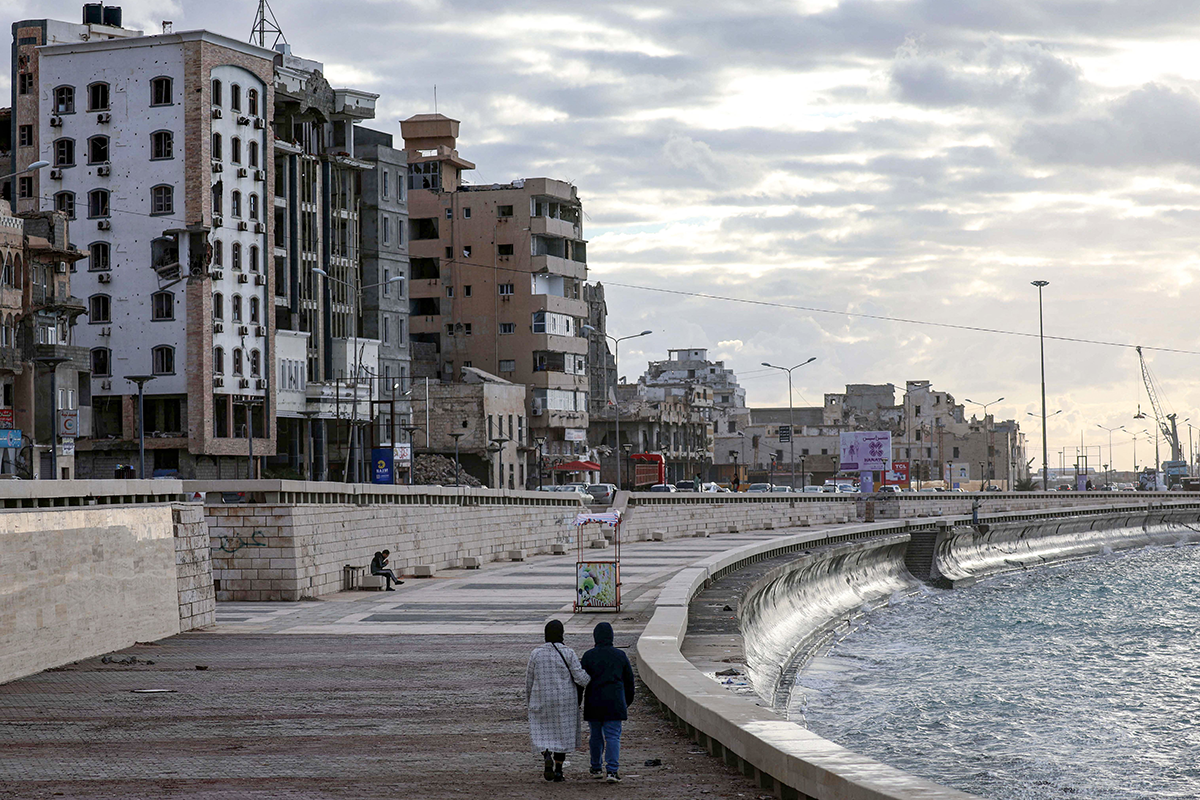
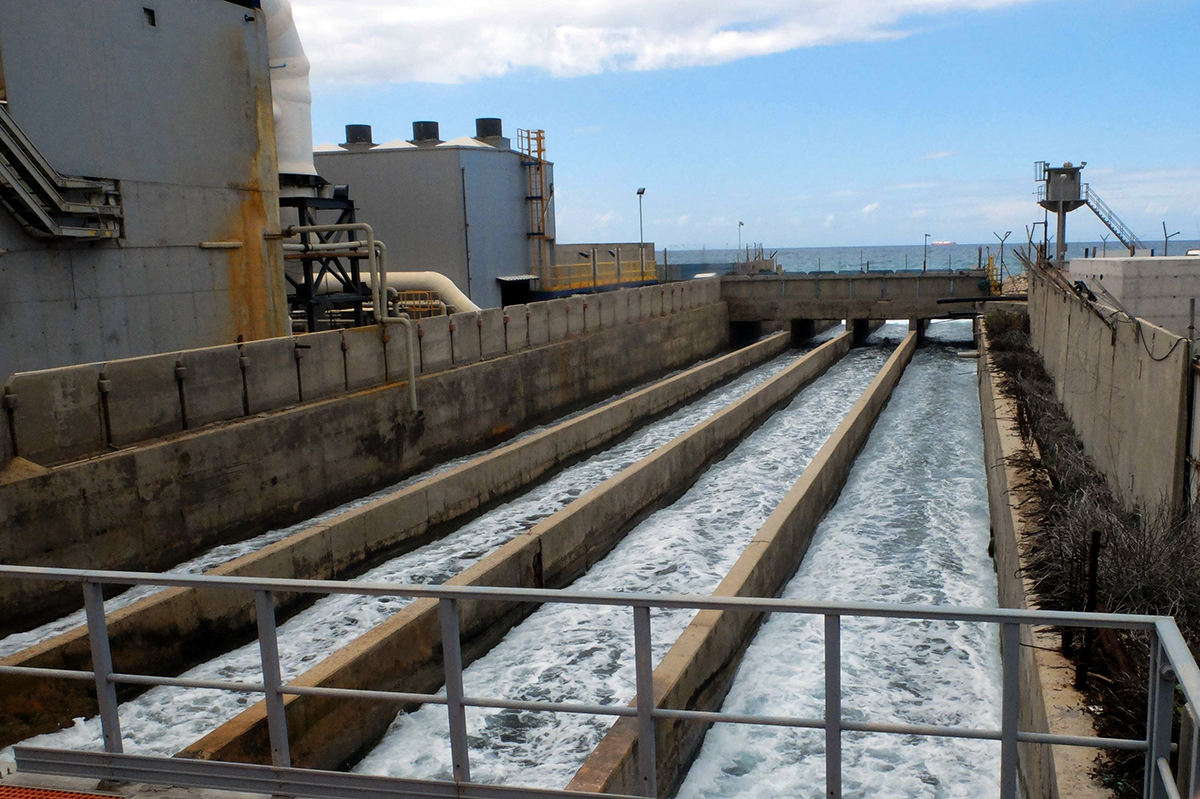
Desalination in Libya: Challenges and opportunities
For the MENA region, groundwater is a hidden but significant problem, as many countries extract more than is being recharged and most lack solid legal frameworks and national water policy regulations to determine use. As a result, there are questions and concerns about the current status of groundwater aquifers, especially with the increasing impact of climate change, as well as the type of sustainable alternative solutions that could assist in conserving them. Libya is no exception to this broader regional trend, and the country suffers from growing water scarcity.
Exploring the feasibility of the Jordan-Israel energy and water deal
On Nov. 22, the Dubai Expo hosted an event where the United Arab Emirates (UAE), Jordan, and Israel signed a cooperation agreement that would broker an exchange of renewable energy and water between Jordan and Israel. The signing of the agreement between the respective minsters of the three countries took place in the presence of Abu Dhabi Crown Prince Mohammed bin Zayed and U.S. Climate Envoy John Kerry, who played a role in getting the deal done.
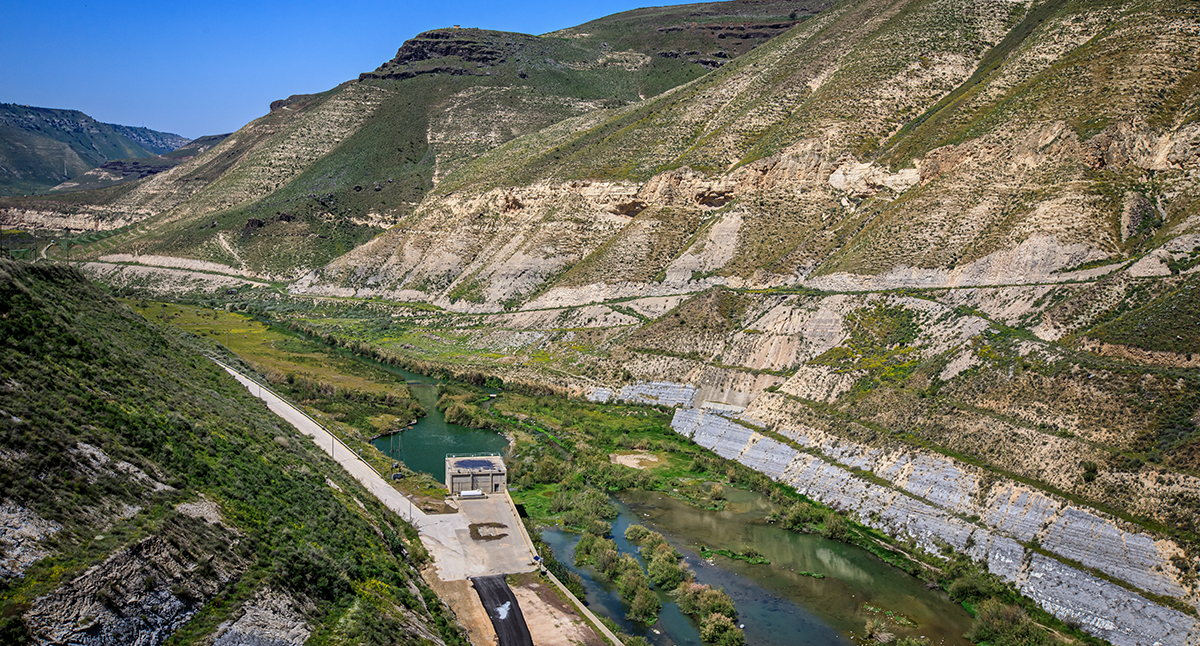
The existential challenge of Jordan’s unquenchable thirst
Jordan is facing an existential challenge and it has nothing to do with the deadlocked Israeli-Palestinian peace process, the war in neighboring Syria, or the threat of militant Islamists. The challenge is climate change, which is responsible for poor rainy seasons over the past few years. The situation has become so bad that in the past few weeks the government admitted that six of the kingdom’s 14 active dams have now completely dried up, exacerbating endemic shortages of water used for drinking, irrigation, and industry.
The oldest peer-reviewed publication dedicated to the study of the modern Middle East, MEI’s flagship journal covers politics, society, and culture in the region.