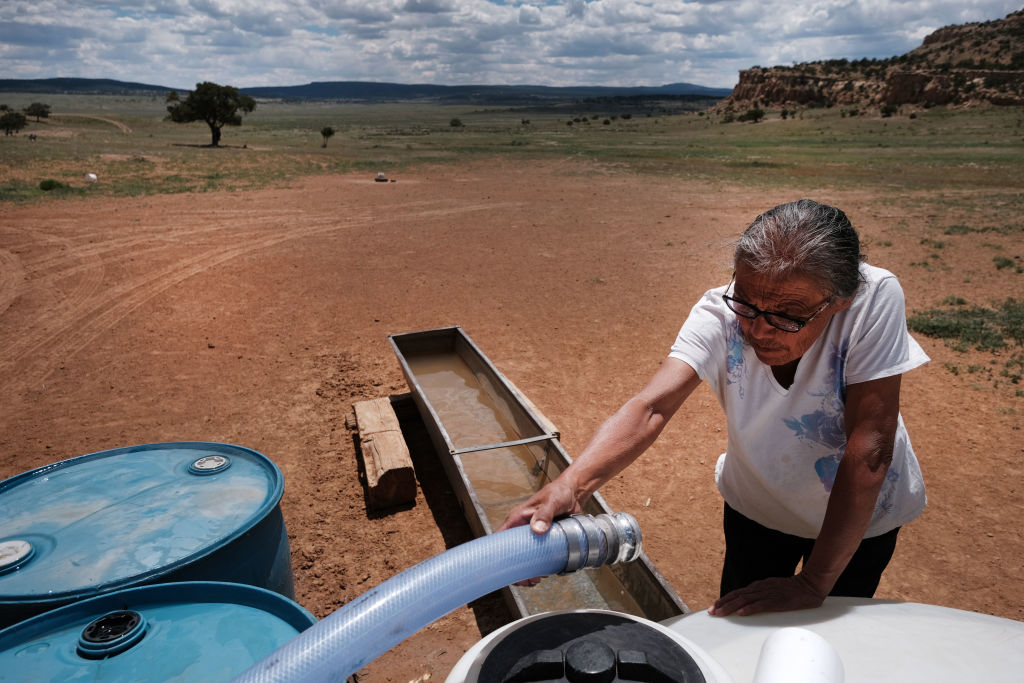
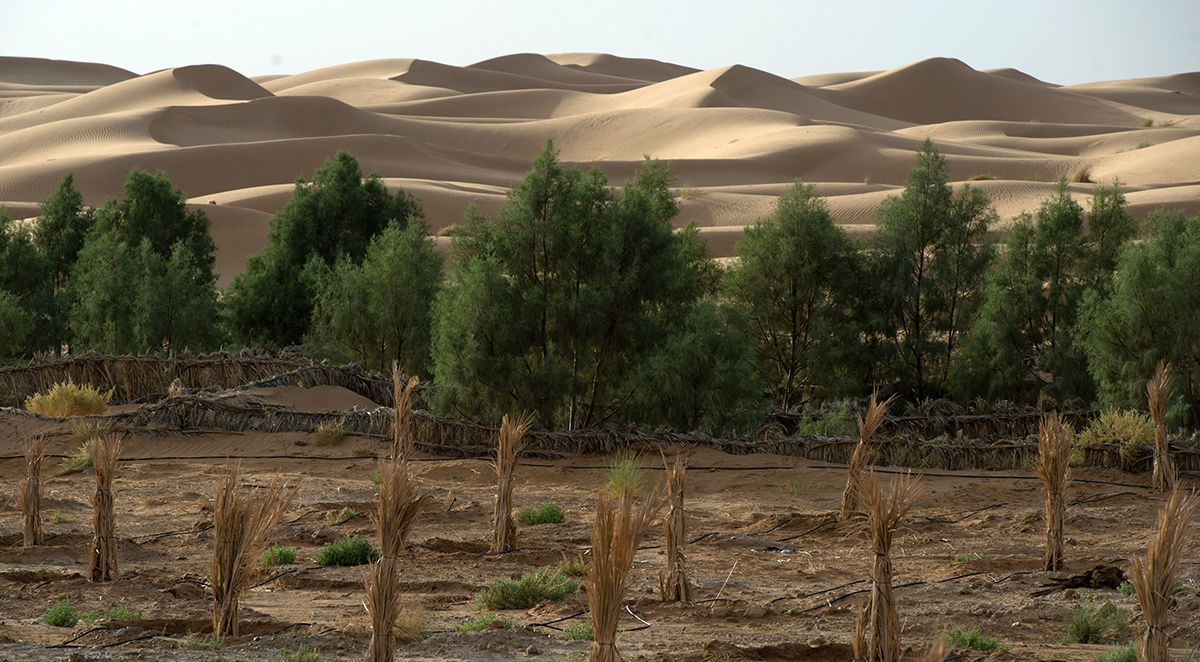
This summer, brutally hot temperatures, deepening water scarcity, and spiking fertilizer costs have put North Africa’s agricultural sector under intense pressure. Host Alistair Taylor is joined by Mohammed Mahmoud, CEO and founder of the Climate and Water Initiative and lead for Middle East Climate and Water Policy at the United Nations University Institute for Water, Environment, and Health, to unpack the region’s food and water security challenges. Drawing on Mahmoud’s new report card on agricultural sustainability in North Africa, they explore the diverging picture across the region, why some countries have weathered the strain better than others, and what it will take to build a more resilient and secure food system.
When the Strait of Hormuz closed in March, fertilizer prices spiked within weeks, triggering a food security crisis across North Africa and the Sahel. Host Alistair Taylor is joined by MEI Senior Fellow Intissar Fakir to explore what it means for the region, unpack the link between food security and regional stability, and assess how the strait’s reopening could impact those affected.
The Gulf’s water crisis: Why cooperation is crucial — and complicated
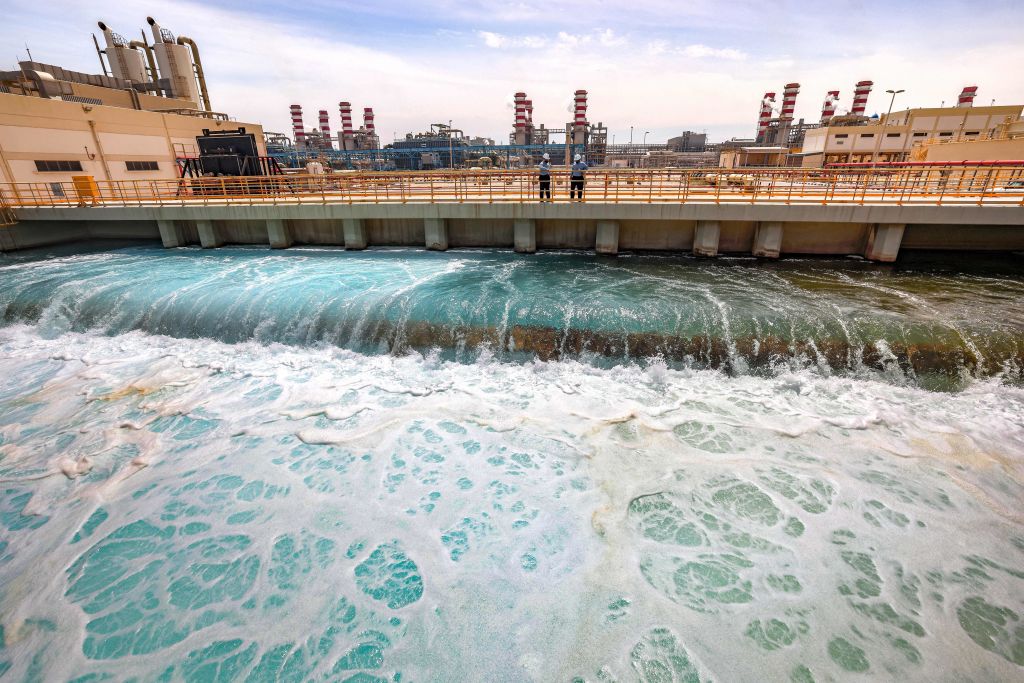
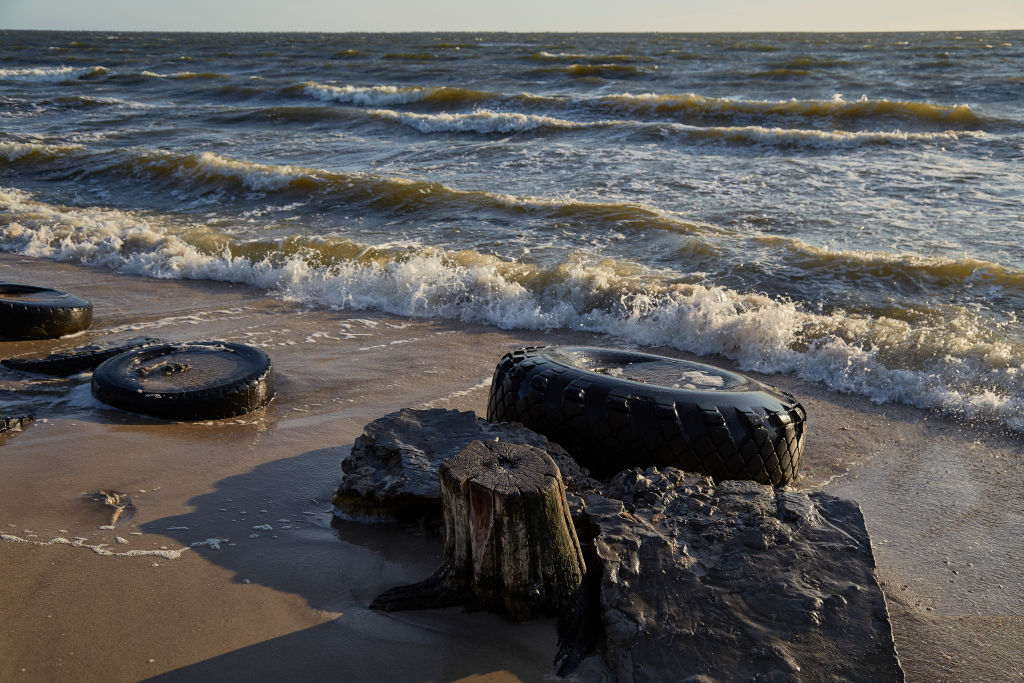
On June 19, false reports of an Israeli strike on Iran’s Bushehr nuclear plant sparked alarm across the Gulf. Though denied by Israeli officials, the claim traces back to a warning from Qatar’s prime minister of a potential catastrophe in the event of nuclear contamination — no water, no food, no life — due to the Gulf’s reliance on desalinated seawater. Gulf governments moved quickly to reassure the public that no radiation had been detected, but the episode underscored the region’s growing sense of vulnerability. A regional approach to water security could help to mitigate such risks.
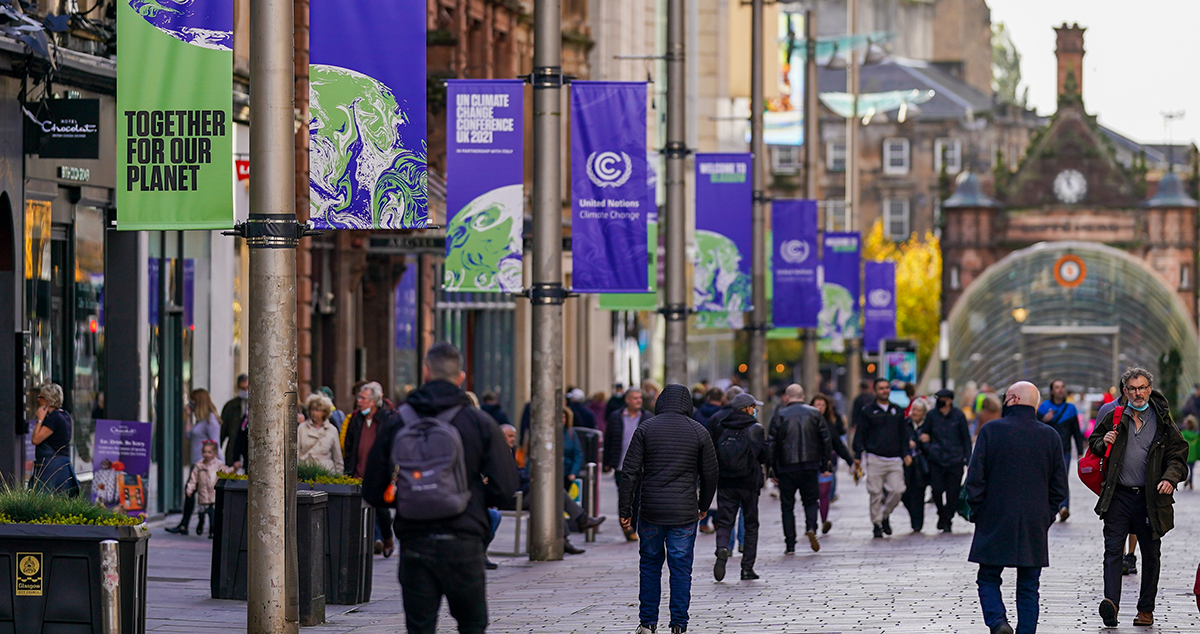
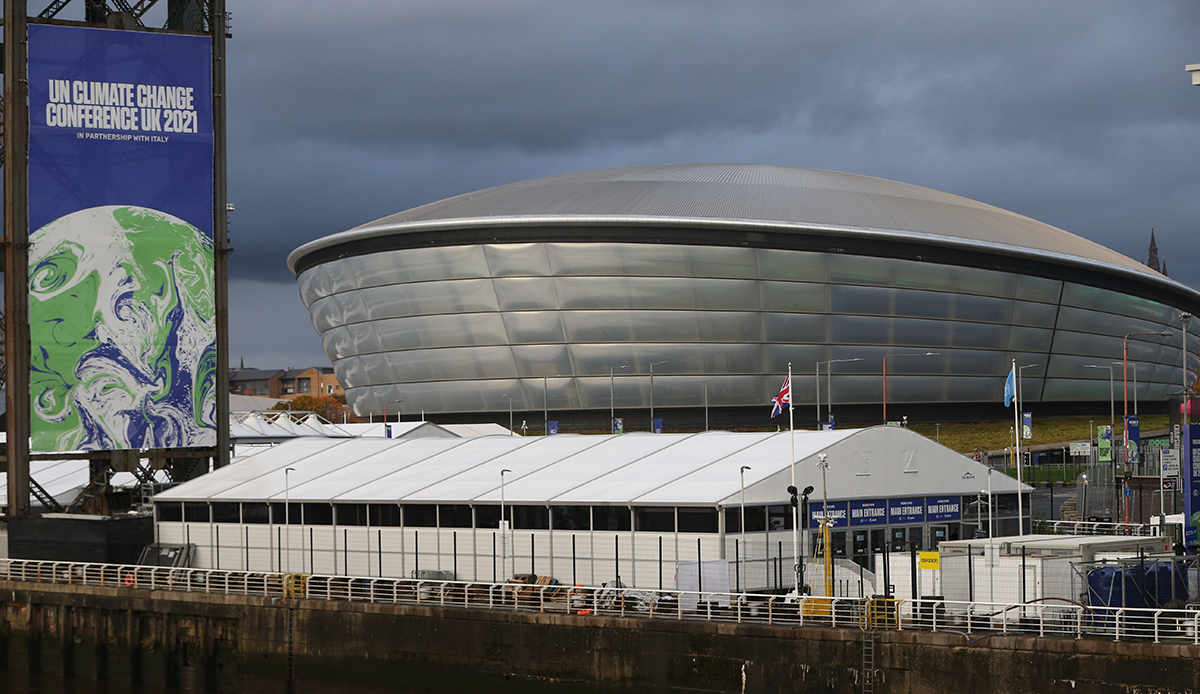
Mohammed Mahmoud, director of MEI’s Climate and Water Program, and Abbey Krulik, who attended the recent United Nations Climate Change Conference, known as COP26, as an observer, discuss takeaways from the conference and the Glasgow Pact that was signed there.
من 31 أكتوبر/تشرين الأول إلى 12 نوفمبر/تشرين الثاني، يجتمع عشرات الآلاف من قادة العالم والمفاوضين والعلماء ورجال الأعمال والنشطاء والمراقبين في غلاسكو باسكتلندا لحضور مؤتمر الأمم المتحدة السادس والعشرين لتغير المناخ. تُعرف هذه الهيئة المميزة أيضًا باسم مؤتمر الأطراف (COP)، وهي تجتمع سنويًا لاتخاذ قرارات بشأن تنفيذ اتفاقية الأمم المتحدة الإطارية بشأن تغير المناخ (UNFCCC).
التطلع إلى COP26: كيف يمكن للتطورات الأخيرة أن تصيغ اجتماع هذا العام
في الأسبوع المقبل، سيجتمع عشرات الآلاف من قادة العالم والمفاوضين والعلماء ورجال الأعمال والنشطاء والمراقبين من جميع أنحاء العالم في غلاسكو بإسكتلندا لحضور مؤتمر الأمم المتحدة السادس والعشرين لتغير المناخ، والذي سيستمر في الفترة من 31 أكتوبر/تشرين الأول إلى 12 نوفمبر/تشرين الثاني. المؤتمر المعروف أيضًا باسم مؤتمر الأطراف (COP)، تجتمع فيه هذه الهيئة المتميزة سنويًا لاتخاذ قرارات بشأن تنفيذ اتفاقية الأمم المتحدة الإطارية بشأن تغير المناخ (UNFCCC)، والتي تهدف إلى “منع تدخل الأنشطة البشرية في النظام المناخي”.
Expert Views: What should be the key outcomes from COP26?
As the U.N. Climate Change Conference (COP26) kicks off in Glasgow, climate change is front and center on the global agenda. Few regions of the world have more at stake than the Middle East and North Africa, given the current environmental and sustainability challenges and potential future scenarios. Experts from across MEI weigh in with their thoughts on what should be the key outcomes from COP26.
Looking ahead to COP26: How recent developments could shape this year’s meeting
Next week, tens of thousands of world leaders, negotiators, scientists, business executives, activists, and observers from all over will gather in Glasgow, Scotland for the 26th United Nations Climate Change Conference, which will run from Oct. 31 to Nov. 12. Also known as the Conference of the Parties (COP), this distinguished body meets annually to make decisions regarding the implementation of the United Nations Framework Convention on Climate Change (UNFCCC), which aims to “prevent anthropogenic interference with the climate system.”
Turkey finally ratified the Paris Agreement. Why now?
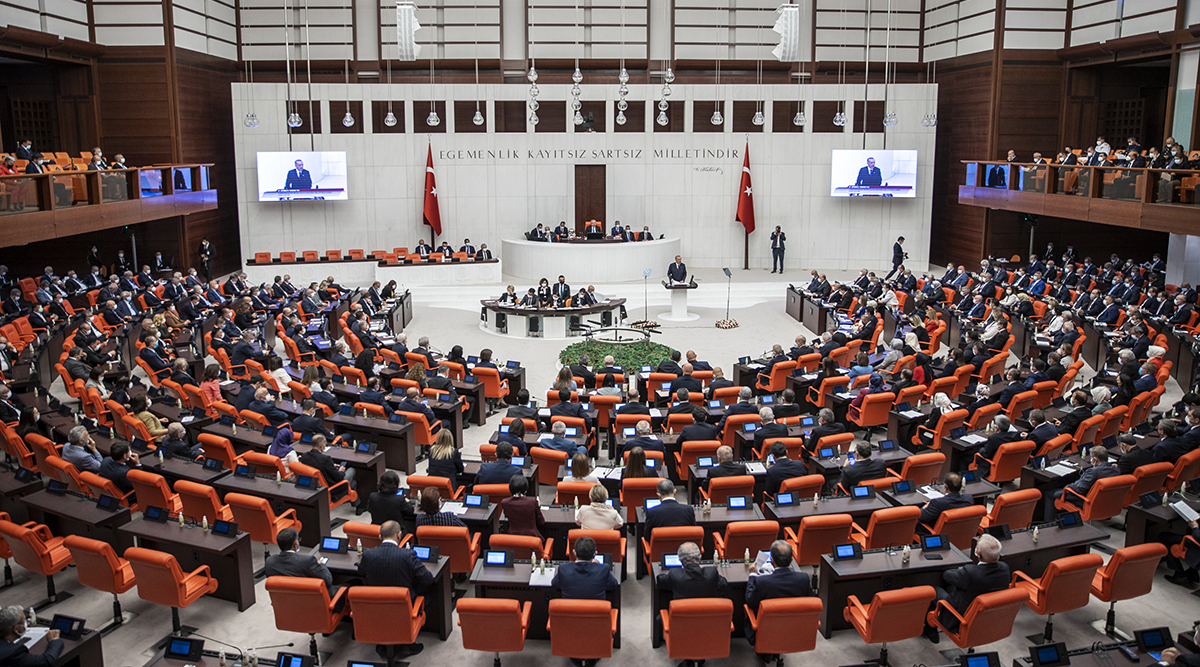
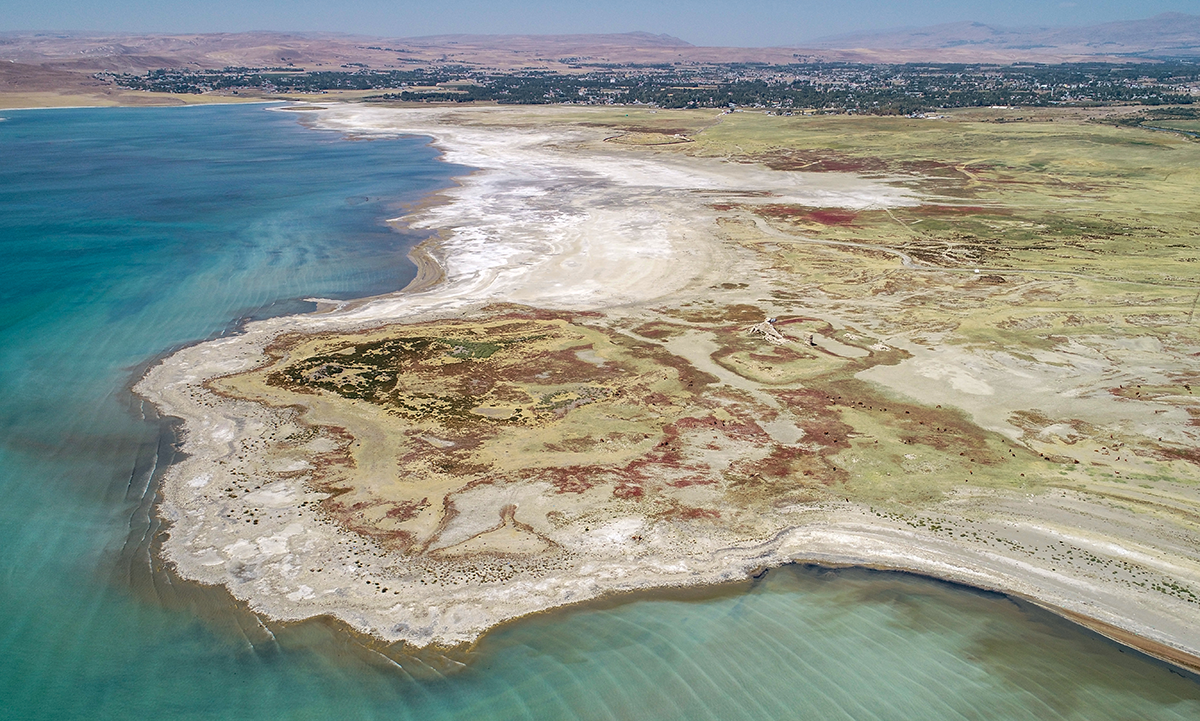
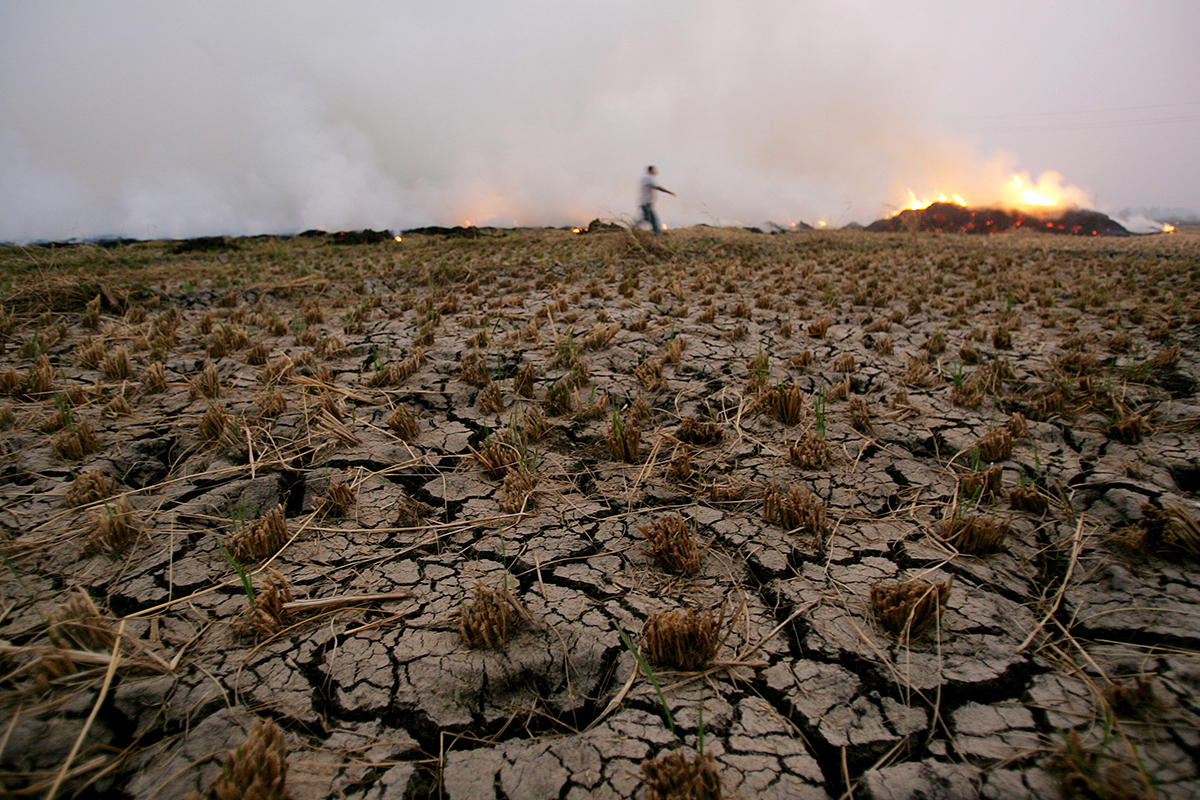
Turkey, like many countries worldwide, has recently faced severe environmental events. Suffering from floods and the worst wildfires in its history in the summer of 2021, the country finally took an important step to tackle climate change, ratifying the Paris Agreement international treaty on climate change on Oct. 6, 2021.
The IPCC Sixth Assessment Report on Climate Change and what it means for the Middle East
The Intergovernmental Panel on Climate Change (IPCC) released their Sixth Assessment Report on the Physical Science Basis of Climate Change in August of this year. This report brings together the latest advances in climate science, observations, paleoclimatology, and climate simulations to provide the most up-to-date physical science understanding of climate change. The report also describes the anthropogenic influence on the current state of climate and how future climate can distinctly affect different regions across the world.
The most immediate threat posed by climate change to the Middle East, one that will be in the forefront of climate adaptation efforts within the next five years, is extreme heat. Average global temperatures have been projected to increase up to 1.5°C by 2030.
Cyclone Shaheen: A reminder of the Arabian Peninsula’s vulnerability to extreme weather events
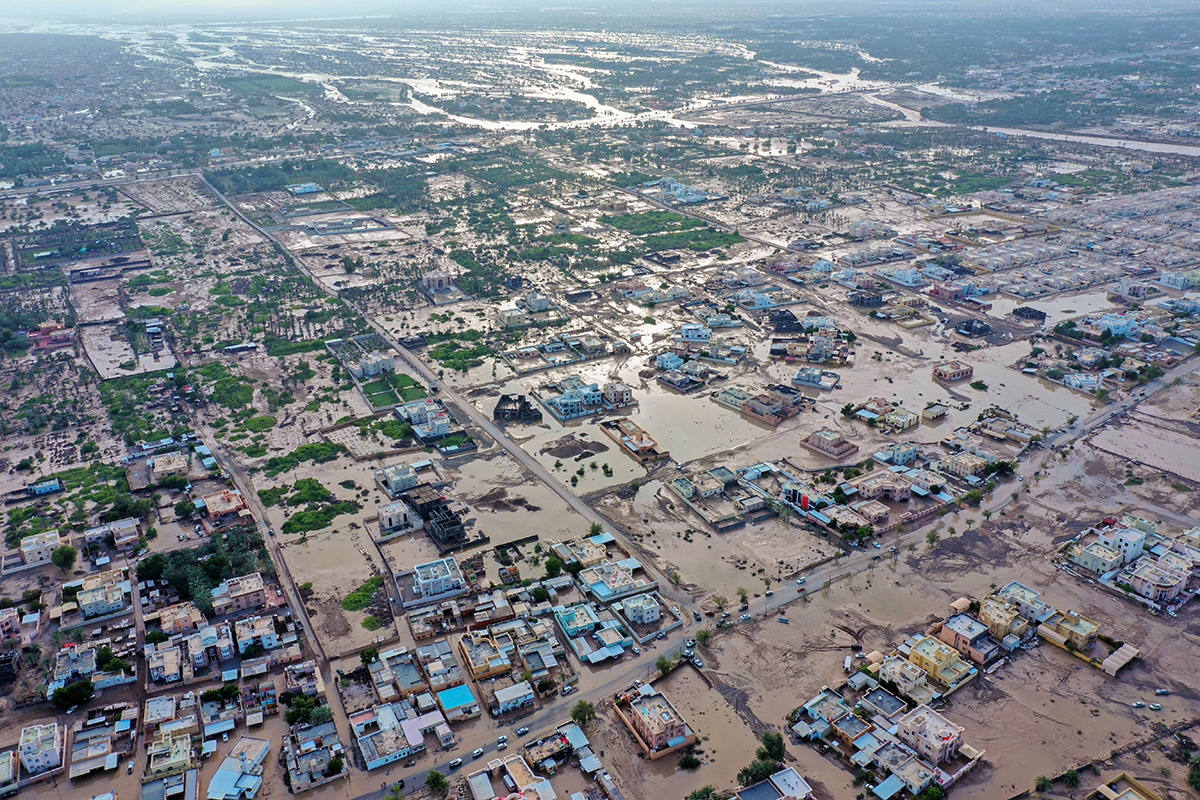
On Oct. 3 Cyclone Shaheen made landfall in Oman, near Muscat, after traveling through the Gulf of Oman from the Arabian Sea. According to the India Meteorological Department, which monitors and tracks the formation of cyclones in the North Indian Ocean, Cyclone Shaheen was categorized as a severe cyclonic storm when it made landfall with sustained winds of 70 miles per hour. Its arrival brought on heavy rainfall and excessive flooding in the many valleys that are a natural part of Oman’s topography. The high winds of the cyclone generated massive storm surges along the coast and caused serious damage to infrastructure and homes, displacing many.
Avoiding water bankruptcy in the drought-troubled Southwest: What the US and Iran can learn from each other
It was another hot, dry year in the western U.S., with almost the entire region in drought. Vital reservoirs have fallen to dangerous lows. More than 7,000 miles away, Iran is grappling with water problems that are similar to the U.S. Southwest’s but more severe.
Could climate risk insurance reduce the cost of climate change adaptation in the Middle East?
As one of the hottest and driest spots globally, the Middle East region faces some of the worst impacts of climate change. Many of these events have not only been socially and politically devastating but have also resulted in huge financial losses for countries already experiencing economic insecurity. Countries in MENA have found themselves increasingly exposed to extreme weather events and natural disasters, which have affected more than 40 million people and cost more than $20 billion over the past 30 years, according to the World Bank. During the last five years alone, 120 disasters were recorded in the region, resulting in an average of $1 billion annually in damages and losses.
The oldest peer-reviewed publication dedicated to the study of the modern Middle East, MEI’s flagship journal covers politics, society, and culture in the region.