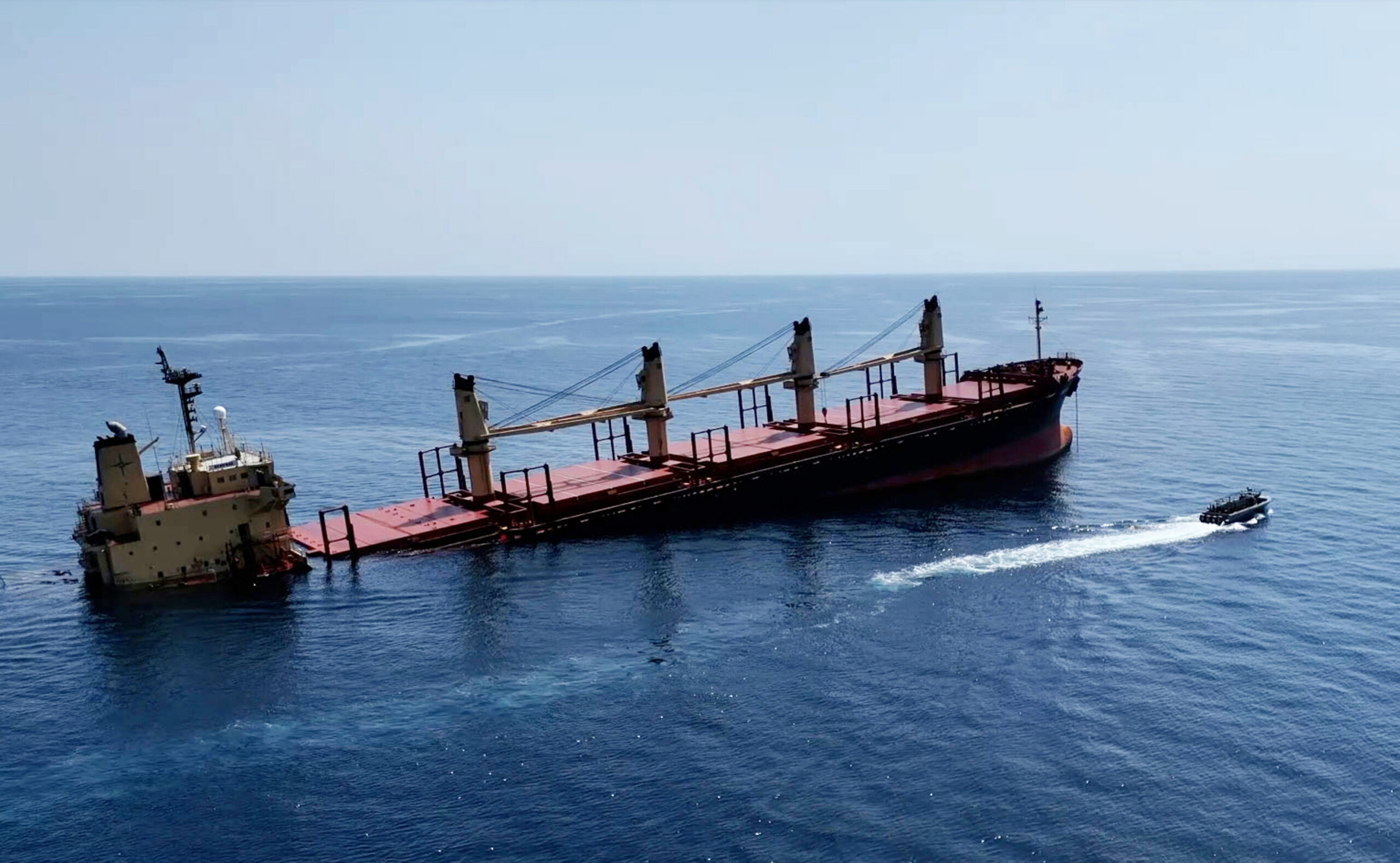
Over the past several weeks, the Houthis have seized the port city of Mokha, Yemen’s western coastline, and several islands in the Bab el-Mandeb Strait, and they are now massing around Marib and Taiz in the first major frontline shift since 2022. MEI Associate Fellow Nadwa Al-Dawsari joins host Matthew Czekaj to unpack the latest developments. Together, they discuss what has allowed the Houthis to advance against Yemeni government forces, the role the militant group plays in Iran’s regional strategy, and what it will take to contain the threat.
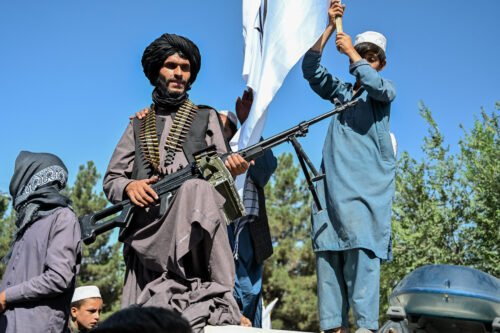
I was a teenage Afghan refugee in Pakistan’s tribal areas when the Twin Towers fell. Almost nobody around us understood the politics of what had happened, but we knew that something had changed for good. Afghanistan, which until then had been our private tragedy and our first exile from Taliban rule, had suddenly become the world’s concern, with the United States leading the response.
Though it has fallen out of the headlines because of the Iran war, Syria has had a dramatically consequential summer. Hosts Alistair Taylor and Matthew Czekaj are joined by MEI Senior Fellow Charles Lister to take stock of recent developments: the dissolution of the Kurdish-led Syrian Democratic Forces, Israeli strikes and the friction with Turkey they have exposed, the standoff in Sweida, as well as Damascus’s bid to turn Syria into a trade corridor between the Mediterranean and the Gulf. Is the transition consolidating or fragmenting nearly two years after the fall of the Assad regime?
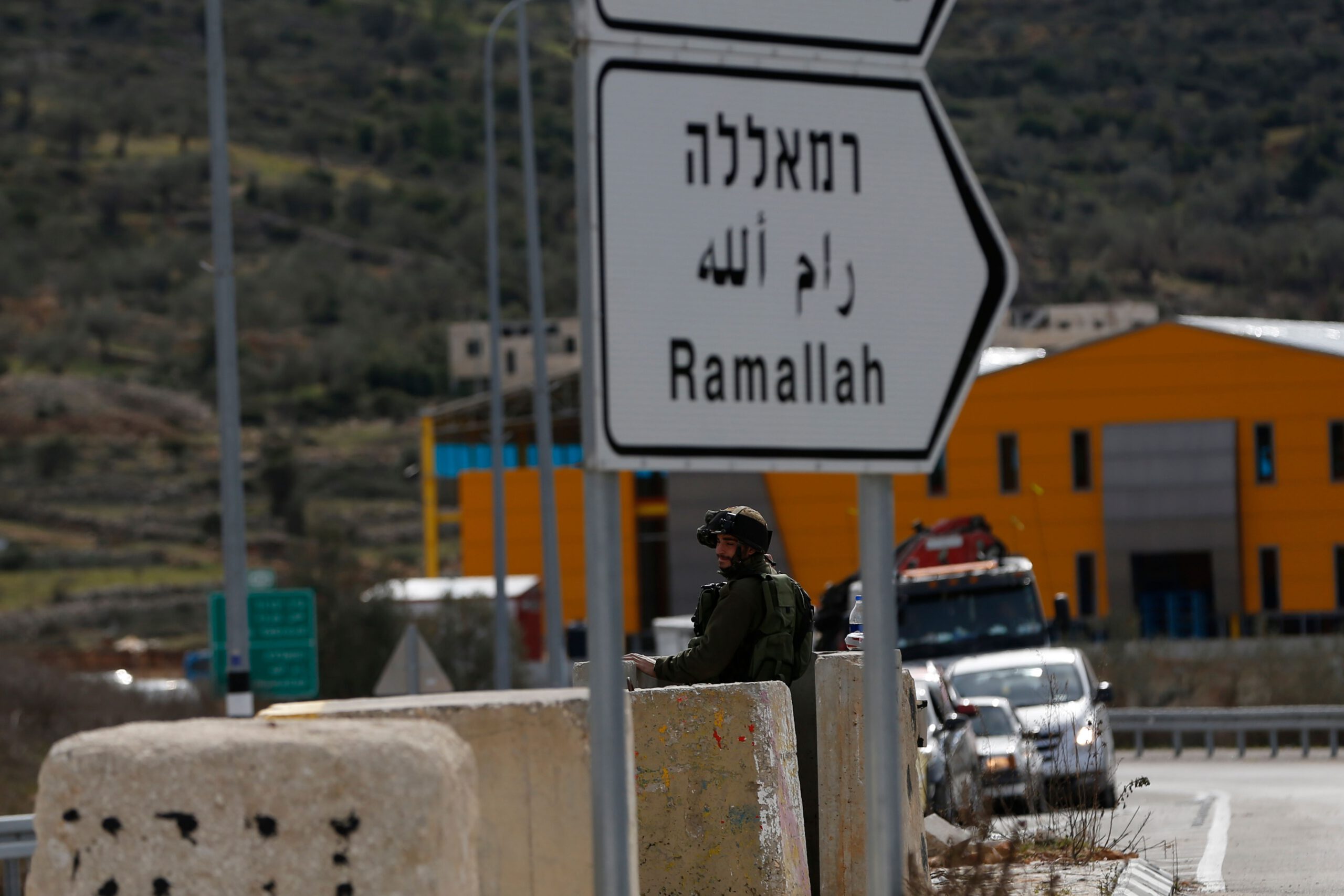
From “fierce entanglement” to a viable path toward Palestinian statehood: A pragmatic proposal
The Israelis and Palestinians are stuck with each other in a situation of “fierce entanglement.” Things never got “bad enough” for Israel to work toward a better and lasting solution with the Palestinians until Oct. 7 abruptly changed the status quo. After the visceral anger subsides and Hamas is replaced in Gaza, Israel and the Palestinian Authority must work together for something other than “waiting for the next round of violence.”
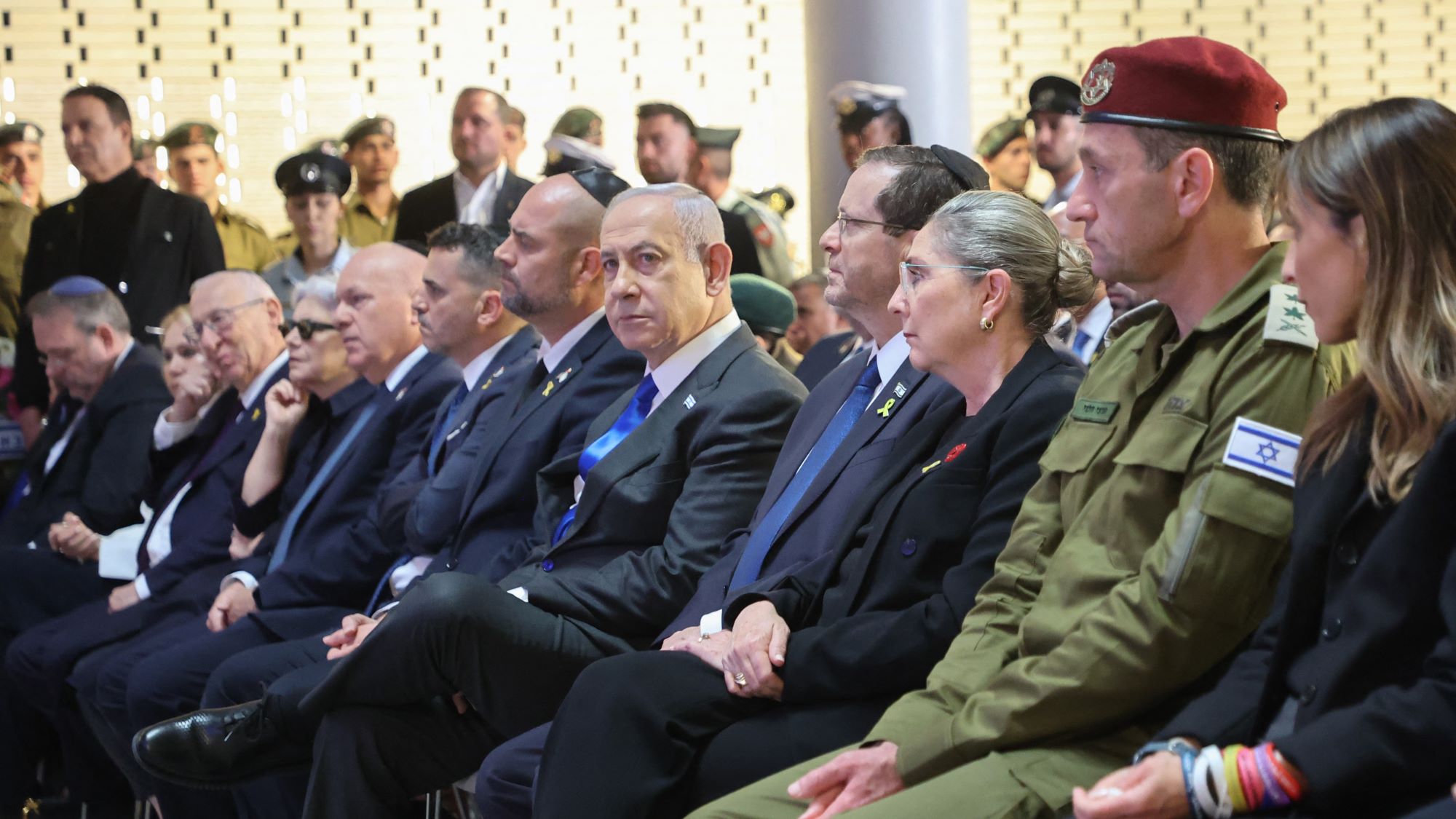
Netanyahu has sought to direct the blame for the debacle of Oct. 7, as well as the subsequent failures in the management of the war, squarely on the Israeli security establishment, while avoiding taking personal responsibility that would cost him his job.
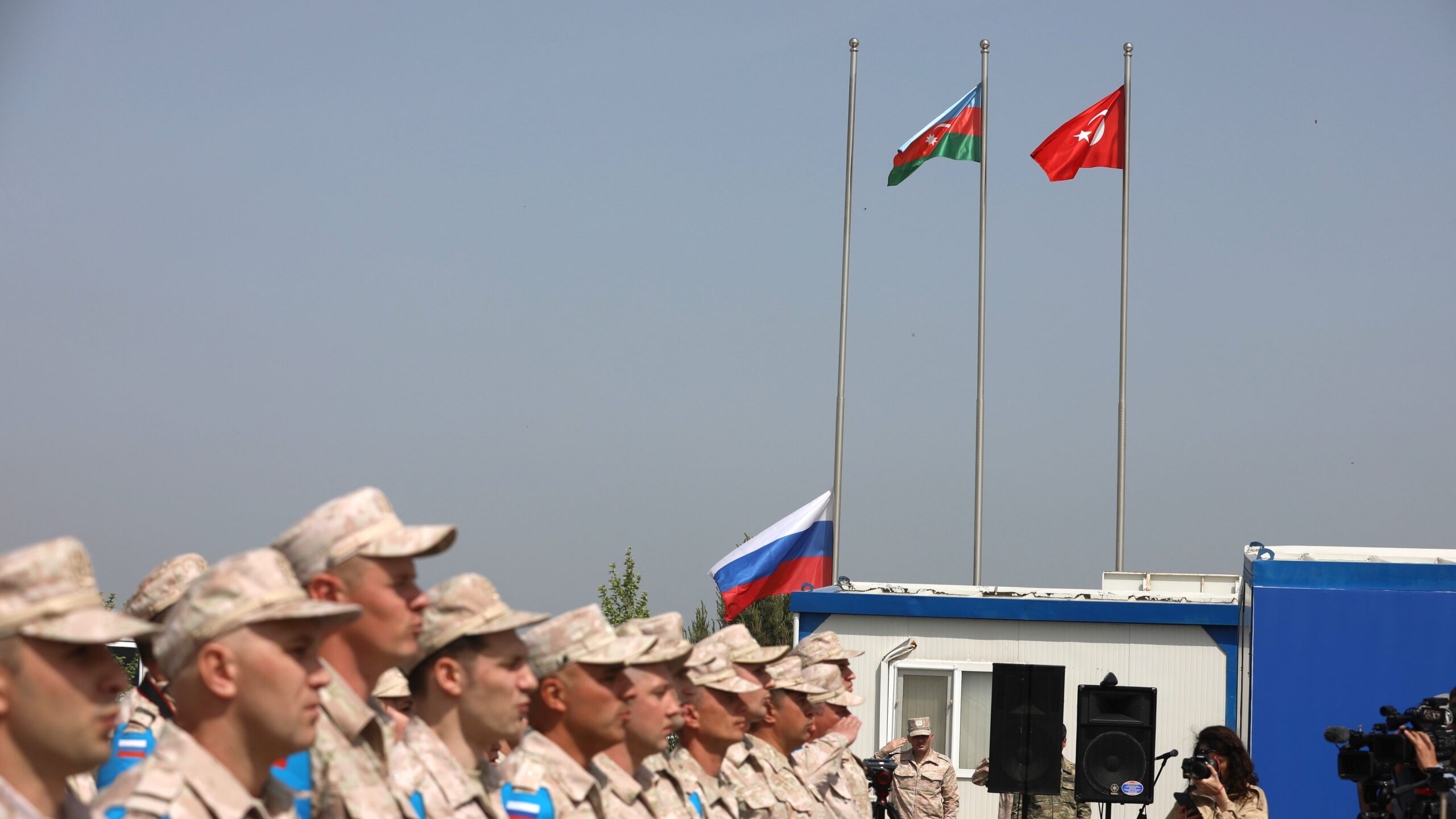
Why they left: The causes and implications of the Russian peacekeepers’ withdrawal from Karabakh
On April 17, Russian and Azerbaijani officials confirmed that the Russian peacekeeping forces deployed in Karabakh since November 2020 had begun pulling out from the region. The reasons behind the decision remain a matter of intense debate; but it is possible to draw several important conclusions from its timing and consequences.
Human shields or shielding Israel from accountability?
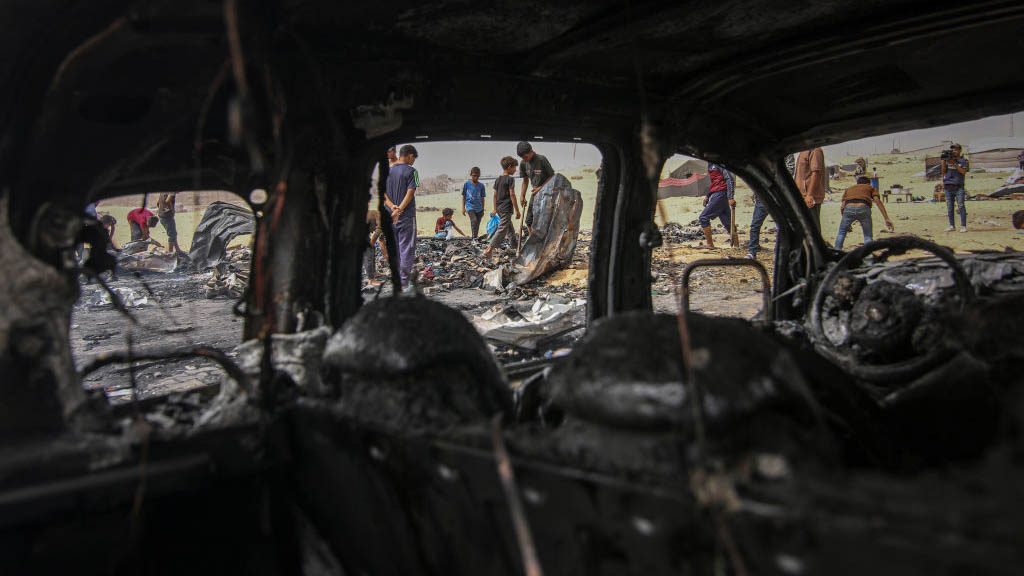
Israeli leaders insist that the extreme destruction in the Gaza Strip is unavoidable given Hamas’ use of “human shields” and the fact that the militant group has embedded itself among the civilian population and routinely operates from civilian structures like hospitals and schools. But far from explaining the current devastation, the questionable “human shields” charge has become a way to shield Israel from legitimate scrutiny and accountability.
Israel in the Red Sea during the War in Gaza: Strategic insights
In recent months, Israel’s situation in the Red Sea has grown increasingly challenging in the security, economic, and diplomatic spheres. But the country is in a better position to meet these challenges and threats by leveraging the strategic regional partnerships it has developed over the past several years.
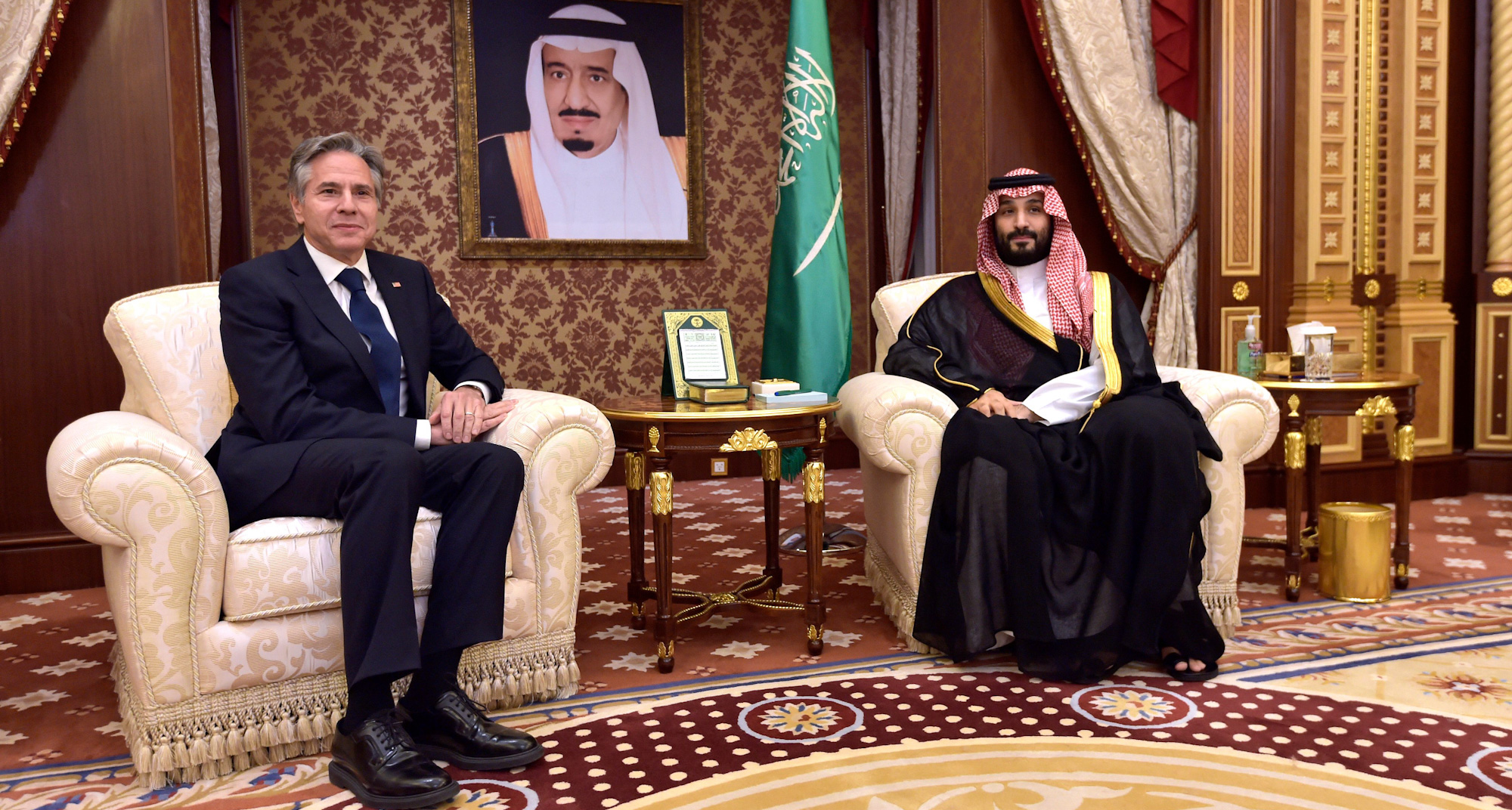
US-Saudi accords must not remain hostage to normalization with Israel
After Hamas’s unprecedented attack against Israel on Oct. 7, the siren song of Saudi-Israeli normalization risks wrecking the US-Saudi relationship against the rocks of stubborn geopolitical realities. An interim less-for-less approach in US-Saudi negotiations that doesn’t immediately require Senate approval nor is beholden to a much less certain Israeli-Palestinian peace process could set the stage for an even more consequential “mega deal” down the line.
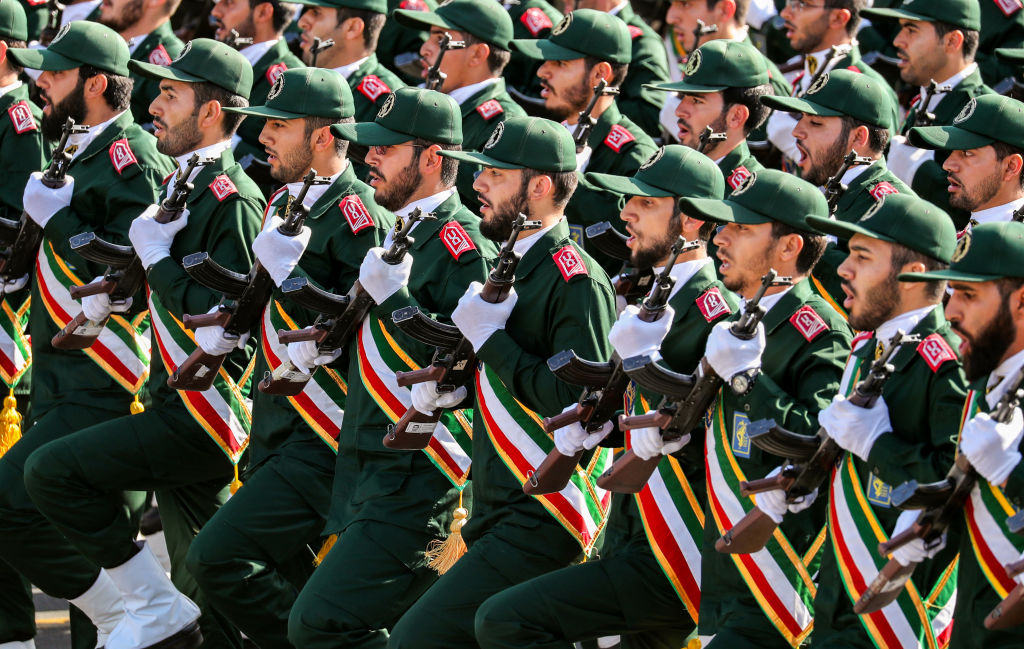
“The IRGC has become a multi-headed dragon”: A conversation with Mohsen Sazegara about the IRGC’s emergence and evolution
This month marks the 45th anniversary of the founding of Iran’s Islamic Revolutionary Guard Corps (IRGC). Mohsen Sazegara, a non-resident scholar with MEI’s Iran Program, was one of the group’s founders and a member of its first board of commanders. He later became a journalist and a reformist political activist. He was arrested and imprisoned four times before ultimately leaving Iran. He was interviewed by MEI in early May.
It’s time for Tehran to take a cold, hard look at its proxy strategy
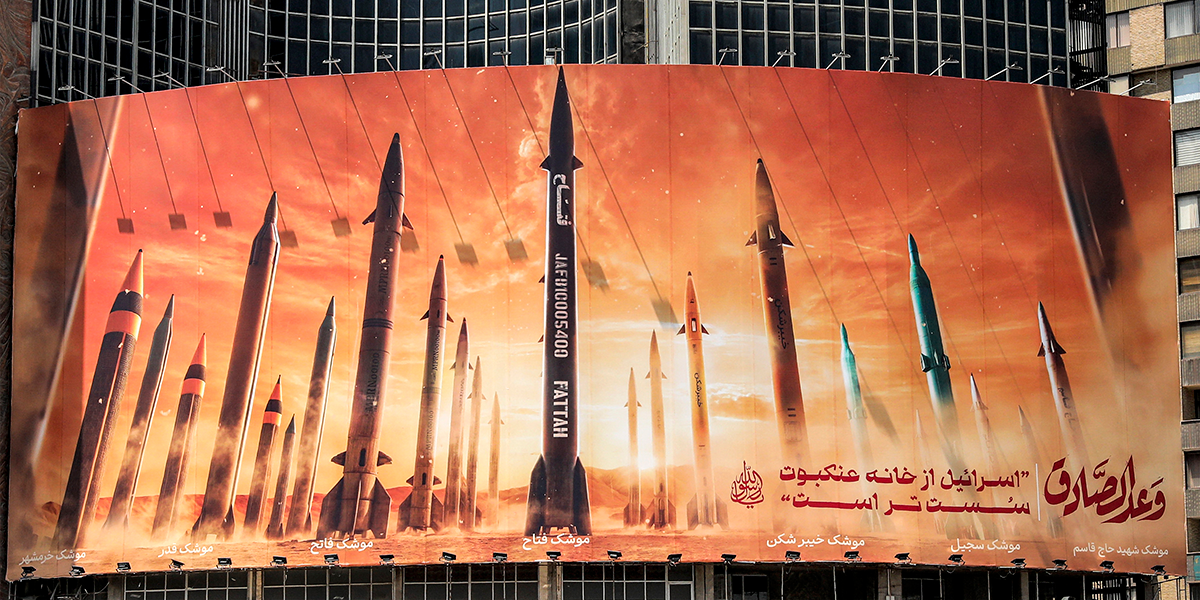
The recent blow-for-blow strikes by Iran and Israel are bound to result in some introspection in Tehran. It is the first time since the launch of the “Axis of Resistance” some 20 years ago that Tehran has to choose whether it wants to center its entire national security strategy around the conflict with Israel. Going forward, Tehran could choose to handle this conflict through political and diplomatic means rather than via the Axis of Resistance.
Expert Views: How should we navigate the new rules of the game in the Israel-Iran conflict?
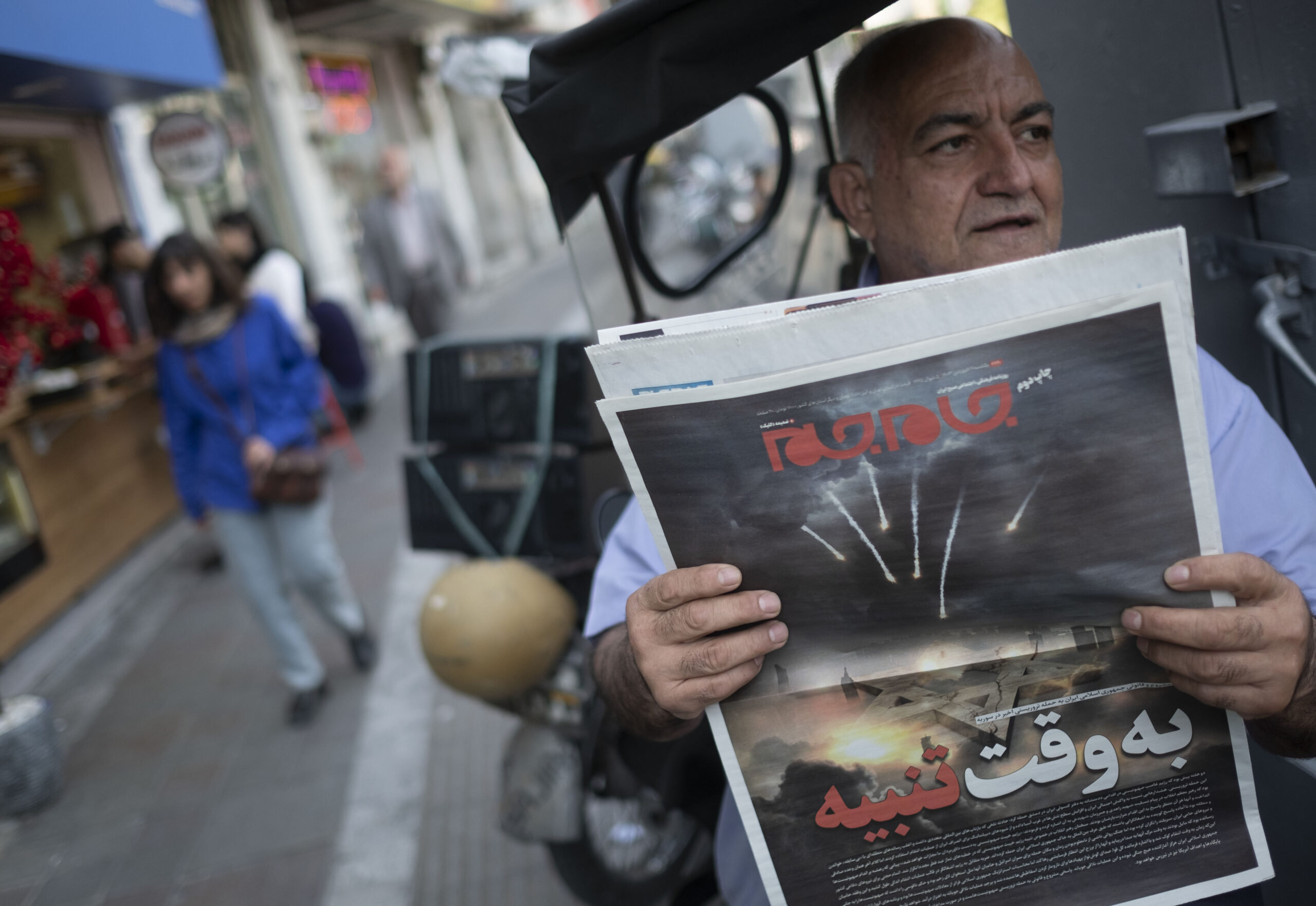
The month of April saw a series of unprecedented escalations in the long-simmering Iranian-Israeli conflict, with both countries launching missile and drone attacks against the other’s territory for the first time in history.
In the wake of these strikes, what will be the impact on the regional security and political environment going forward, what is needed to stabilize the new rules of the game, and how can US diplomacy help to facilitate that process? MEI has asked its experts to weigh in.
The Biden Administration’s Middle East Policy at a Time of War: An Assessment of US Policy Six Months Into the Israel-Hamas War
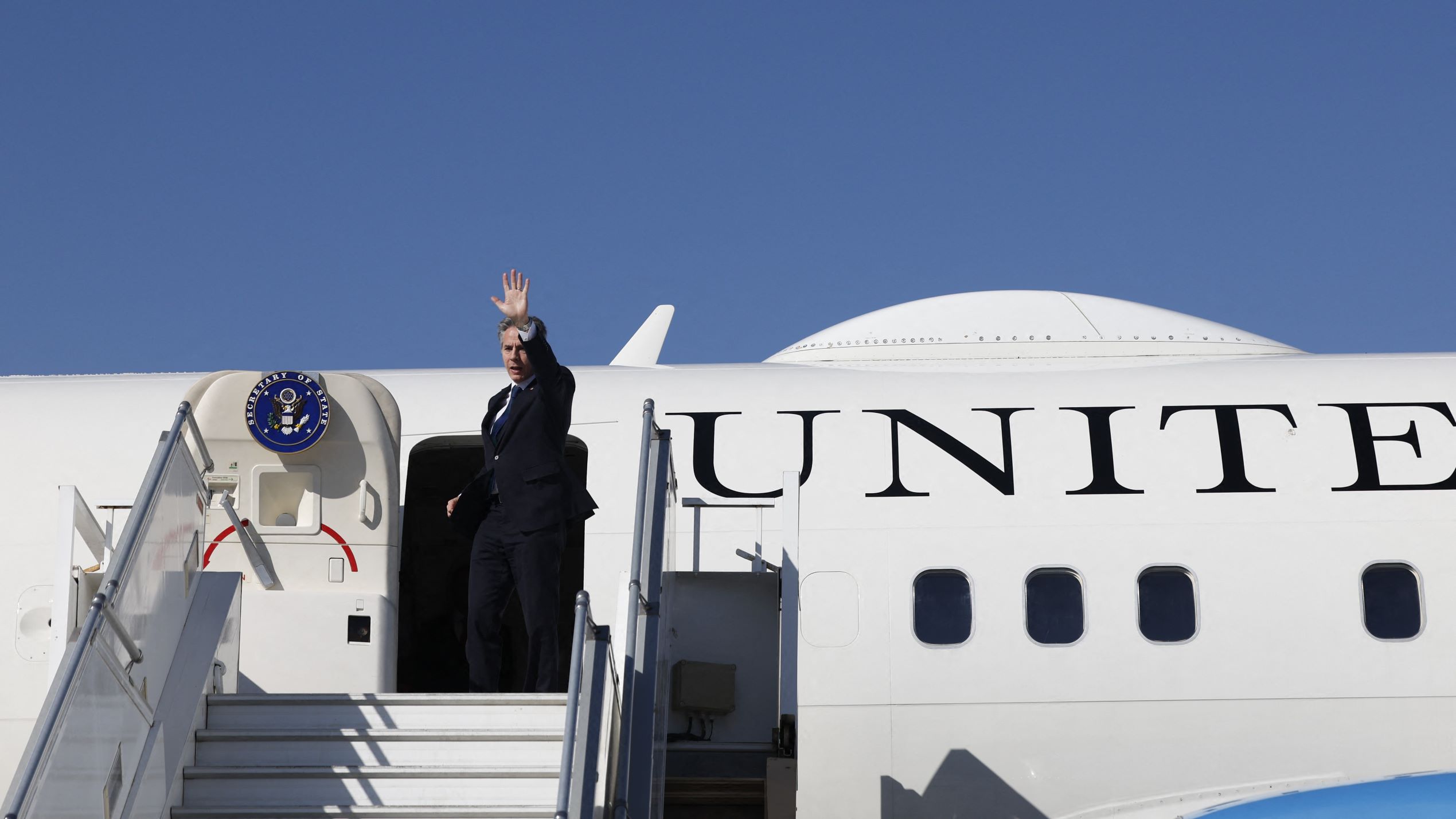
The Biden administration set forth five main objectives in reaction to the Oct. 7 Hamas attack against Israel and ensuing war in the Gaza Strip. Six months into the Israel-Hamas war, the Biden administration has not achieved enough progress toward these goals, although it has avoided some of the worst-case scenarios. Success is hampered in part by tensions stemming from the fact that some of the tactics and policy approaches are at odds with each other.
The oldest peer-reviewed publication dedicated to the study of the modern Middle East, MEI’s flagship journal covers politics, society, and culture in the region.