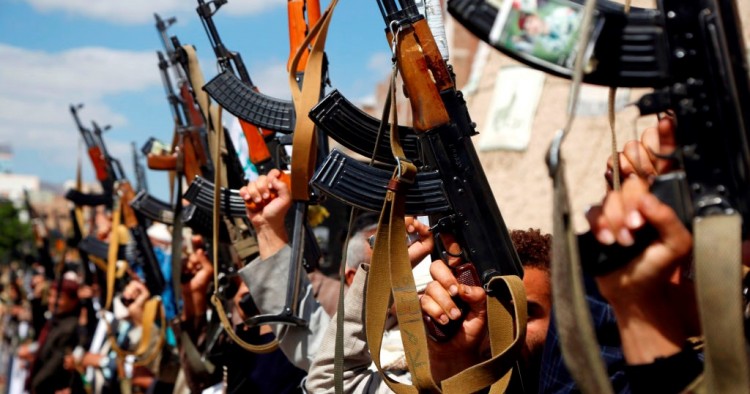
Over the past several weeks, the Houthis have seized the port city of Mokha, Yemen’s western coastline, and several islands in the Bab el-Mandeb Strait, and they are now massing around Marib and Taiz in the first major frontline shift since 2022. MEI Associate Fellow Nadwa Al-Dawsari joins host Matthew Czekaj to unpack the latest developments. Together, they discuss what has allowed the Houthis to advance against Yemeni government forces, the role the militant group plays in Iran’s regional strategy, and what it will take to contain the threat.
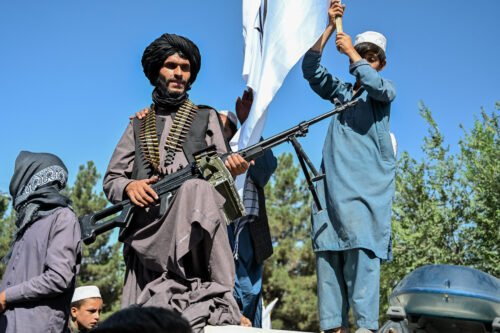
I was a teenage Afghan refugee in Pakistan’s tribal areas when the Twin Towers fell. Almost nobody around us understood the politics of what had happened, but we knew that something had changed for good. Afghanistan, which until then had been our private tragedy and our first exile from Taliban rule, had suddenly become the world’s concern, with the United States leading the response.
Though it has fallen out of the headlines because of the Iran war, Syria has had a dramatically consequential summer. Hosts Alistair Taylor and Matthew Czekaj are joined by MEI Senior Fellow Charles Lister to take stock of recent developments: the dissolution of the Kurdish-led Syrian Democratic Forces, Israeli strikes and the friction with Turkey they have exposed, the standoff in Sweida, as well as Damascus’s bid to turn Syria into a trade corridor between the Mediterranean and the Gulf. Is the transition consolidating or fragmenting nearly two years after the fall of the Assad regime?
The Biden administration and the Middle East: Four-year policy goals
The Biden administration will face a number of major challenges in the Middle East over the next four years, from great power competition and climate change to cybersecurity and refugees and migration. But what realistically can it achieve in that time on the policy front? To better understand what’s possible, we asked 10 experts from across MEI to weigh in with their thoughts.
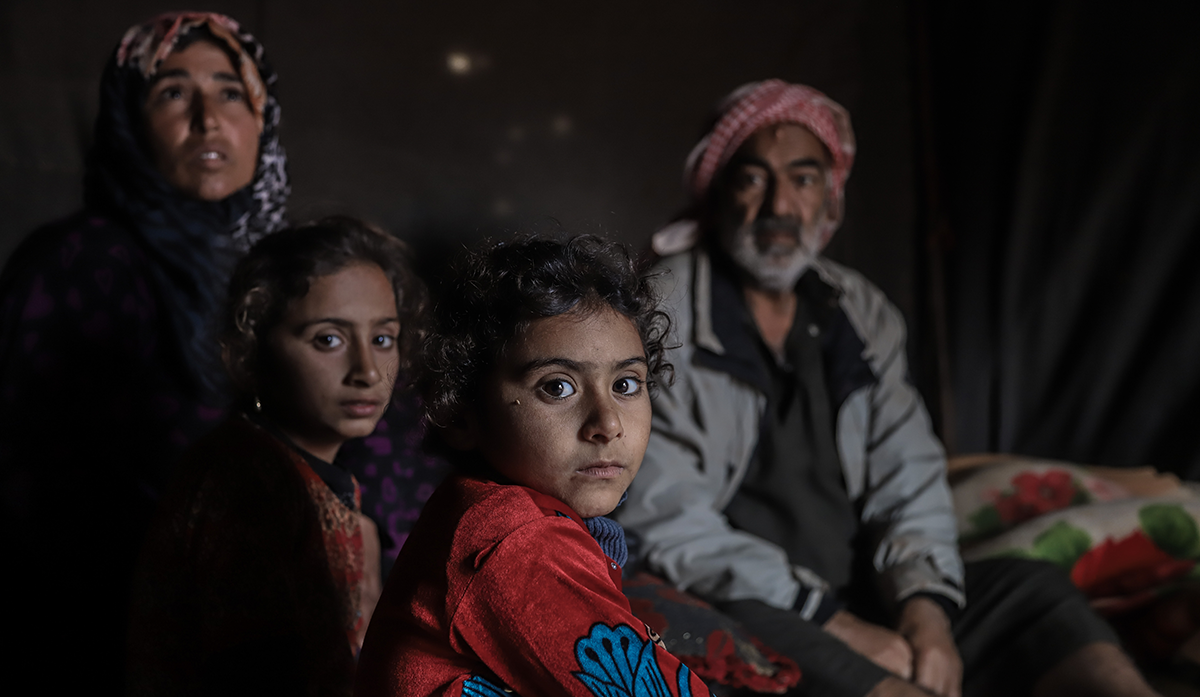
In two months’ time, Syria’s crisis will turn 10 years old — a grim milestone for what has been the most deadly and destructive civil conflict in recent history.
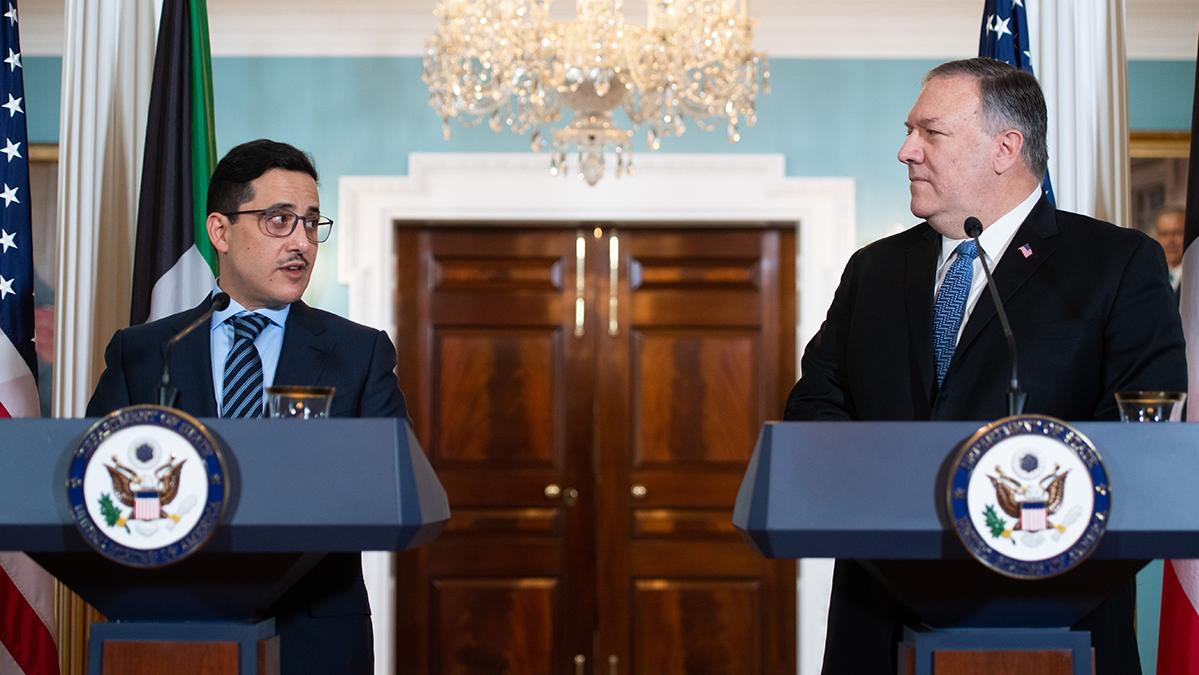
The United States and the Gulf: Trapped in transition?
The mixed messages and pendulum swings in U.S. Gulf policy in recent years are rooted in and have further fueled deep questioning and a largely unresolved debate within the United States about America’s role in the region, and indeed in the world. Like the U.S., relations between the GCC and Iran are locked in confrontation. Breaking this impasse requires decisive U.S. reengagement in Gulf affairs led by vigorous, sustained diplomacy that promotes intra-GCC reconciliation and supports efforts aimed at tempering the Saudi-Iran strategic rivalry.
Political support, not terrorist designation, is key to moving forward in Yemen
Now is the time for a political reset in Yemen — and the United States must play an important role. This role must include encouraging all sides toward a more inclusive political process that reduces violence and raises Yemeni and international voices, and moves toward specific and achievable objectives over time. Solutions that purport to be either speedy or simple are, in fact, quite dangerous. To that point, the current administration’s consideration of designating Ansar Allah (the Houthi movement) as a foreign terrorist organization (FTO) will not help advance the United States or the other various participants in this conflict toward a durable strategic settlement.
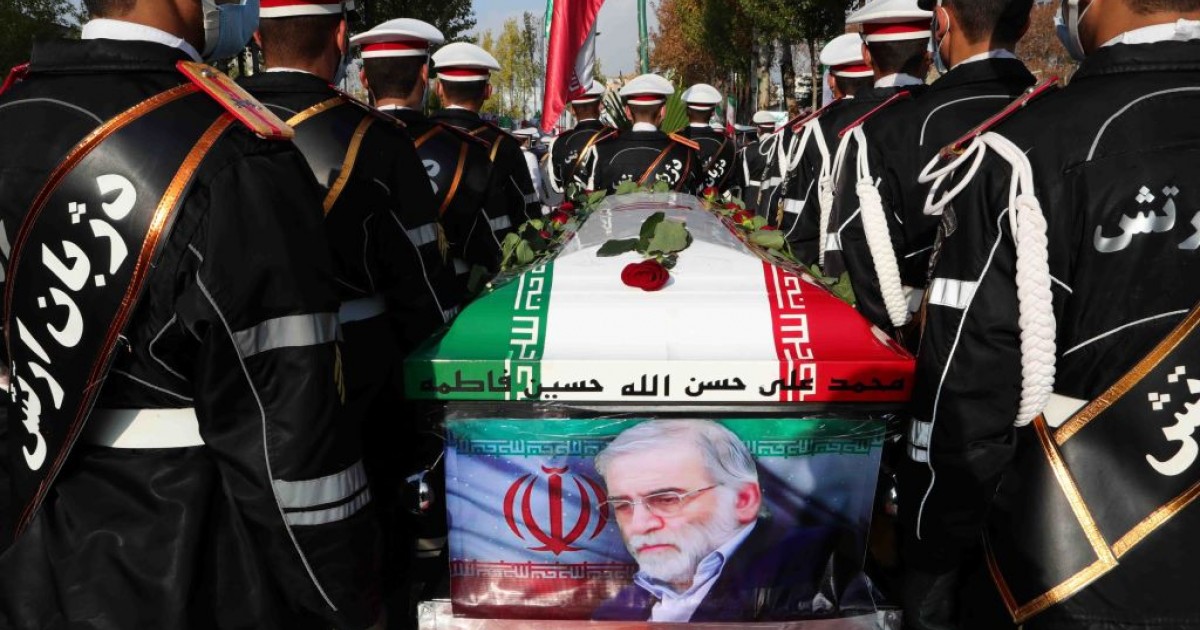
The Fakhrizadeh assassination: A major failure for Iranian intelligence
The assassination of Mohsen Fakhrizadeh, the most important figure in Iran’s nuclear program, in late November 2020 is a major failure for Iran’s intelligence services. Despite all the secrecy and the emphasis on protecting Fakhrizadeh, however, he was still assassinated in the Absard area, about 70 km from Tehran, on Nov. 27. Why was he killed despite such a high level of protection, and what effect will his death have on the Iranian regime’s intelligence and security structures?
In our final episode of the year, host Alistair Taylor interviews several MEI scholars on the key events that transpired across the Middle East in 2020 including in Iraq, Iran, and Afghanistan, and they discuss US defense and diplomatic strategy in region as the as the transition to the Biden administration gets underway. Guests include Paul Salem, Bilal Saab, Randa Slim, and Marvin Weinbaum.
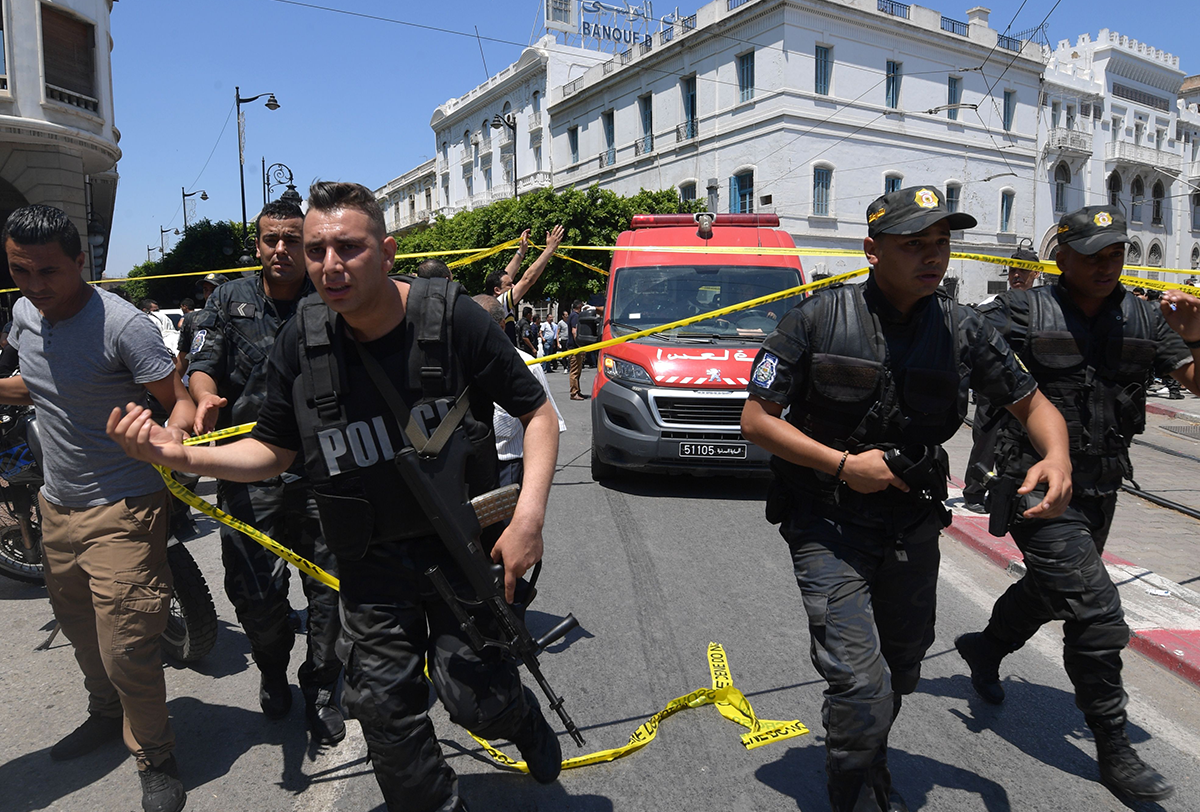
Putting up a fight: Tunisia’s counterterrorism successes and failures
Alongside a stalled economy and a messy political transition, the decade since the 2011 revolution has left Tunisia with an intermittent yet ferocious terrorism problem. The frequency of terrorist attacks highlights the dangers posed by an uncertain political environment, widespread economic problems, and regional instability. But the fact that they have become less deadly over time also seems to underline the improvements that successive governments have made to Tunisia’s security apparatus.
Weighing the scales of violence in northwest Syria
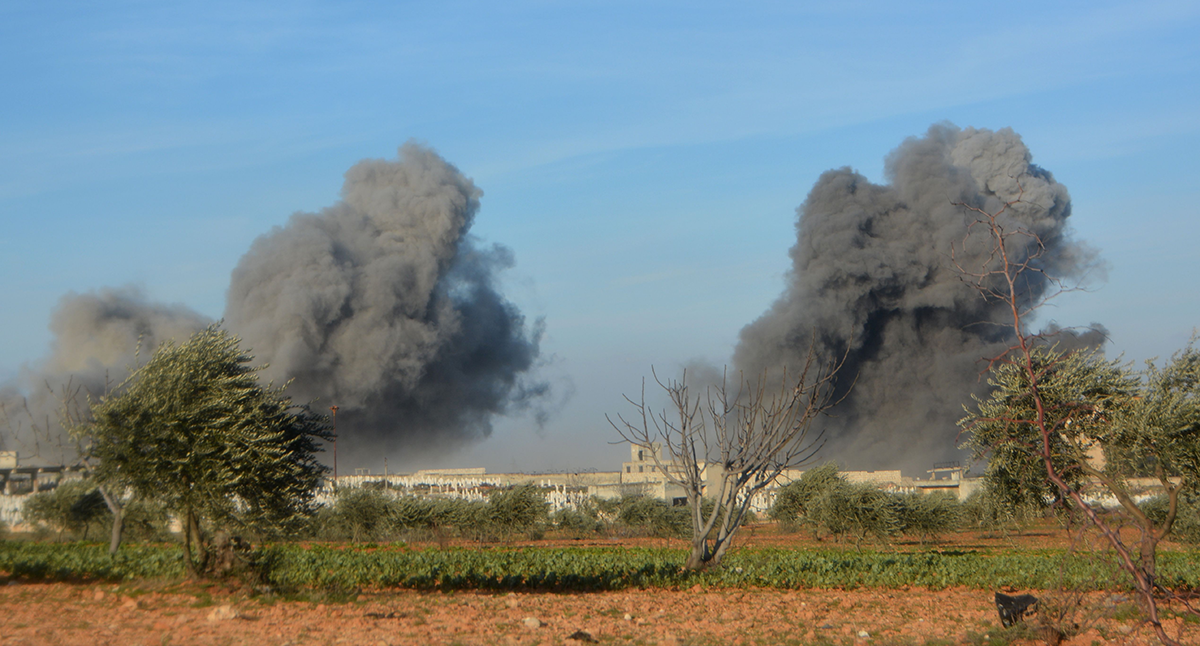
When looking at a map of all artillery and airstrikes in the period from November 2019 through November 2020, first, it is quite clear that the majority of attack are carried out by either Syrian, Russia, or pro-government forces across the northwest of the country, save for northern Aleppo, where the Turkish military is more active.
Now in its sixth year, the war in Yemen shows no signs of abating. The country faces what is widely considered the world’s worst humanitarian crisis — a situation that has only been exacerbated by the global coronavirus pandemic. As a new administration prepares to take over in Washington, it is a natural time to assess U.S. policy toward the country. We asked 9 experts to provide their perspective and answer the following question: How should the Biden administration approach Yemen?
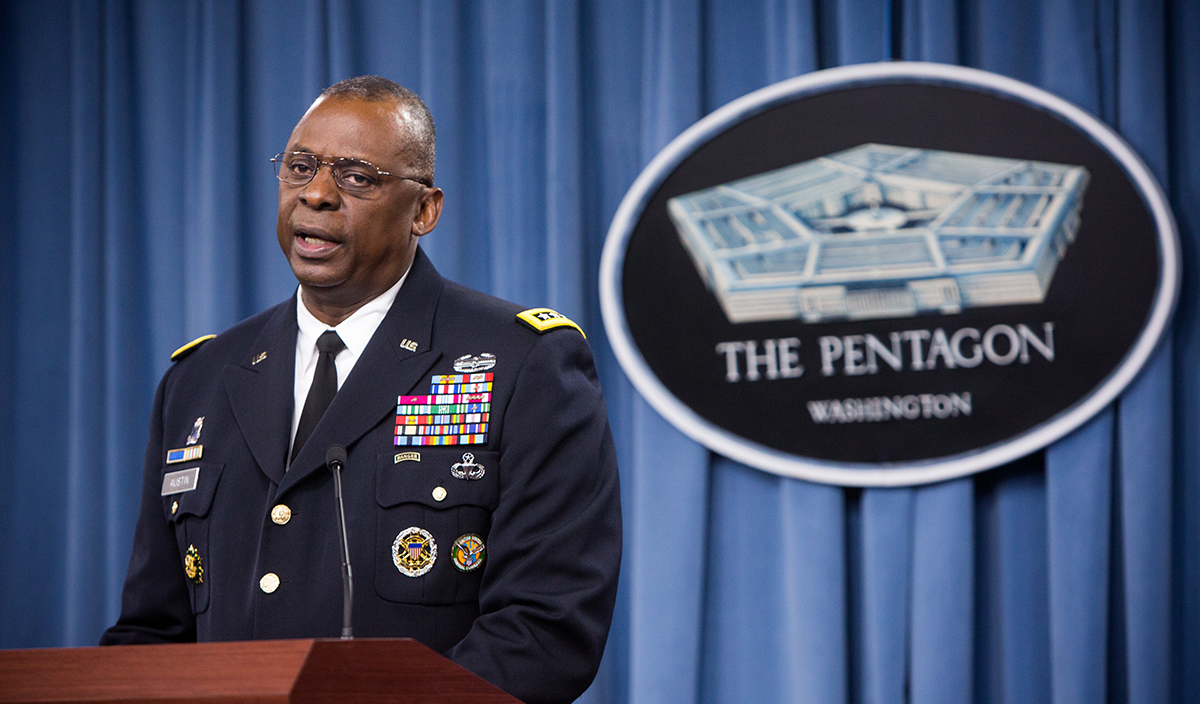
For someone who’s on the record strongly supporting Michèle Flournoy, the former under secretary of defense for policy in the Obama administration, to serve as President-elect Joe Biden’s secretary of defense, I don’t believe the choice of Lloyd Austin is as troubling as many portray it to be. He’s an impeccable and loyal public servant who will bring a wealth of relevant experience to the job. He is more than qualified. And he enjoys the full trust of Biden, which is indispensable.
The Consequences of Inaction: US and NATO Syria Policy
In recent years of the Syrian crisis, the reluctance of NATO states to take decisive action to secure their interests and protect Syrian lives has had drastic repercussions in both Syria and the wider region. Where NATO members have shown indecisiveness and a refusal to engage, their geopolitical rivals, Iran and Russia, have seized the moment and cemented their influence. However, as the regime is challenged by a crippling economic crisis, a new U.S. administration may offer an opening for the U.S. and its NATO allies to develop a collective approach in Syria that will secure their interests and bolster regional security.
The oldest peer-reviewed publication dedicated to the study of the modern Middle East, MEI’s flagship journal covers politics, society, and culture in the region.