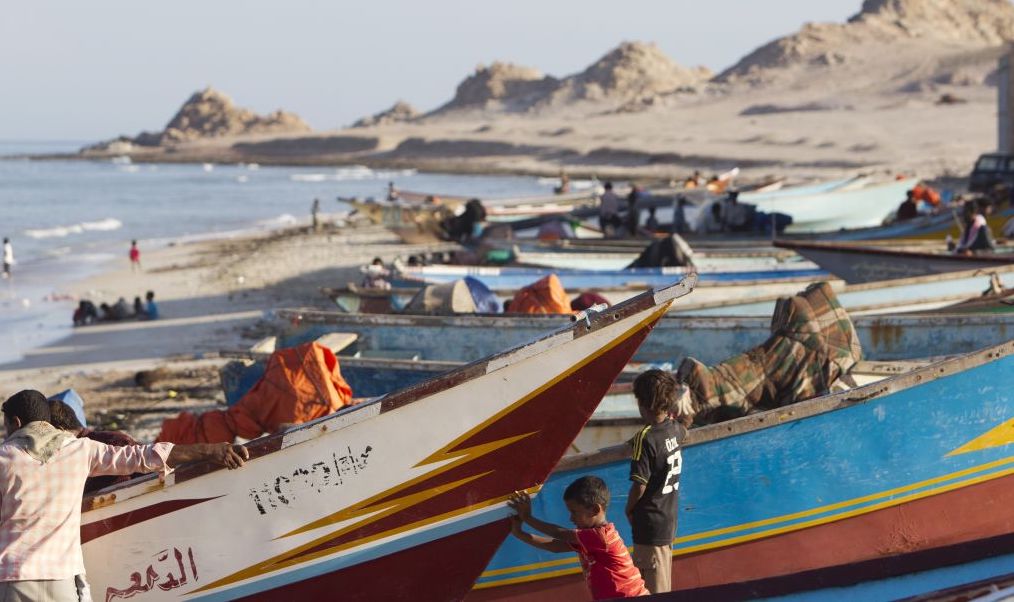
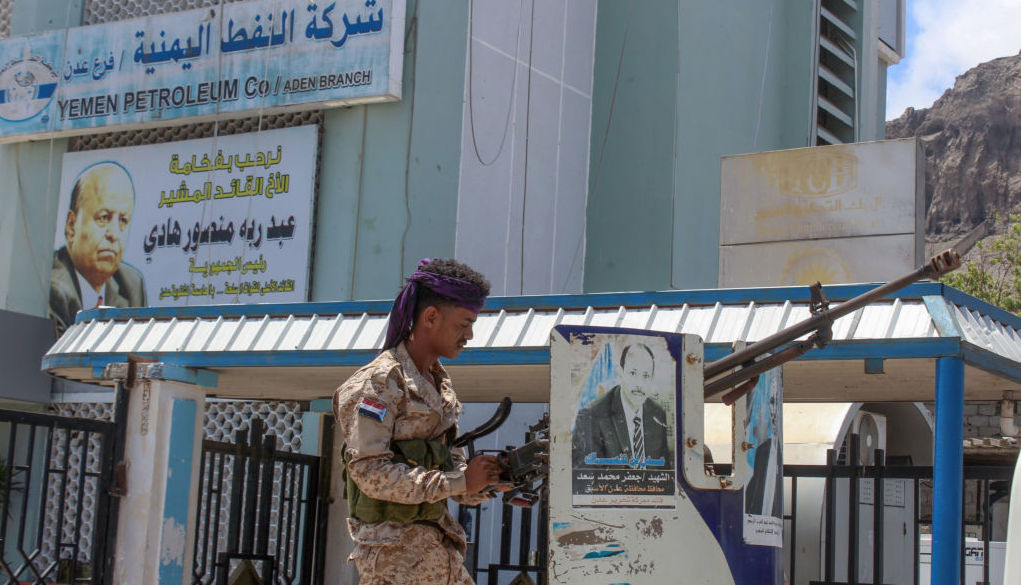
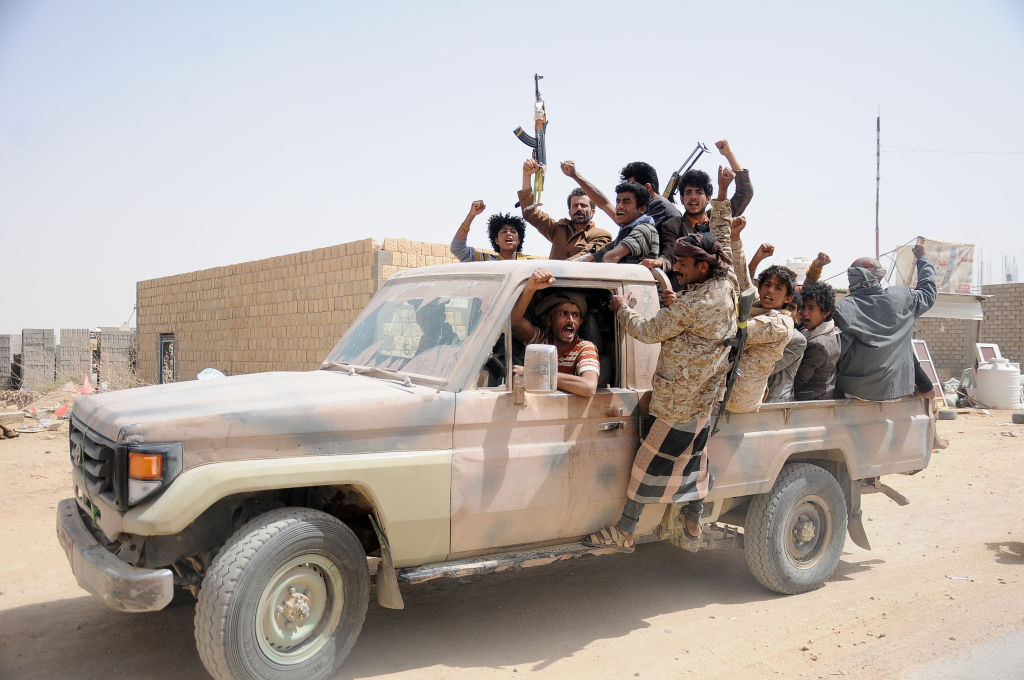
Over the past several weeks, the Houthis have seized the port city of Mokha, Yemen’s western coastline, and several islands in the Bab el-Mandeb Strait, and they are now massing around Marib and Taiz in the first major frontline shift since 2022. MEI Associate Fellow Nadwa Al-Dawsari joins host Matthew Czekaj to unpack the latest developments. Together, they discuss what has allowed the Houthis to advance against Yemeni government forces, the role the militant group plays in Iran’s regional strategy, and what it will take to contain the threat.
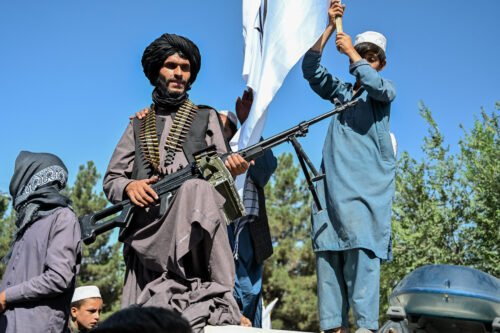
I was a teenage Afghan refugee in Pakistan’s tribal areas when the Twin Towers fell. Almost nobody around us understood the politics of what had happened, but we knew that something had changed for good. Afghanistan, which until then had been our private tragedy and our first exile from Taliban rule, had suddenly become the world’s concern, with the United States leading the response.
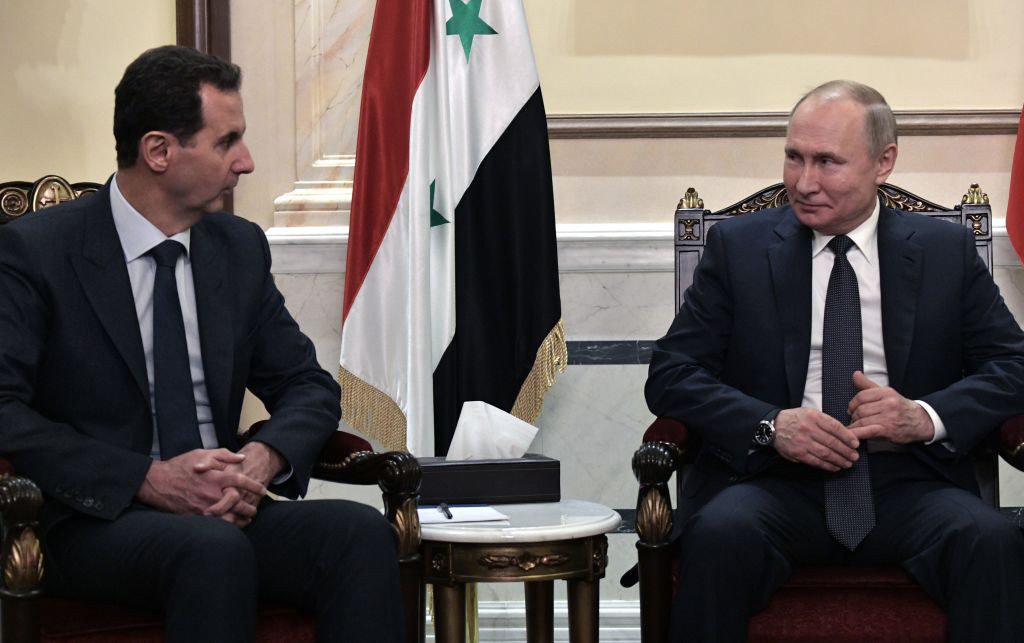
Though it has fallen out of the headlines because of the Iran war, Syria has had a dramatically consequential summer. Hosts Alistair Taylor and Matthew Czekaj are joined by MEI Senior Fellow Charles Lister to take stock of recent developments: the dissolution of the Kurdish-led Syrian Democratic Forces, Israeli strikes and the friction with Turkey they have exposed, the standoff in Sweida, as well as Damascus’s bid to turn Syria into a trade corridor between the Mediterranean and the Gulf. Is the transition consolidating or fragmenting nearly two years after the fall of the Assad regime?
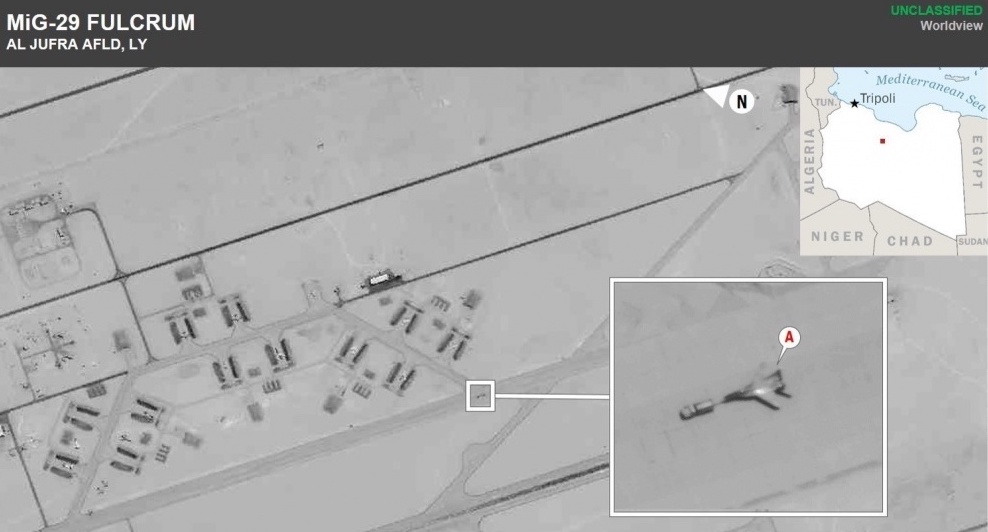
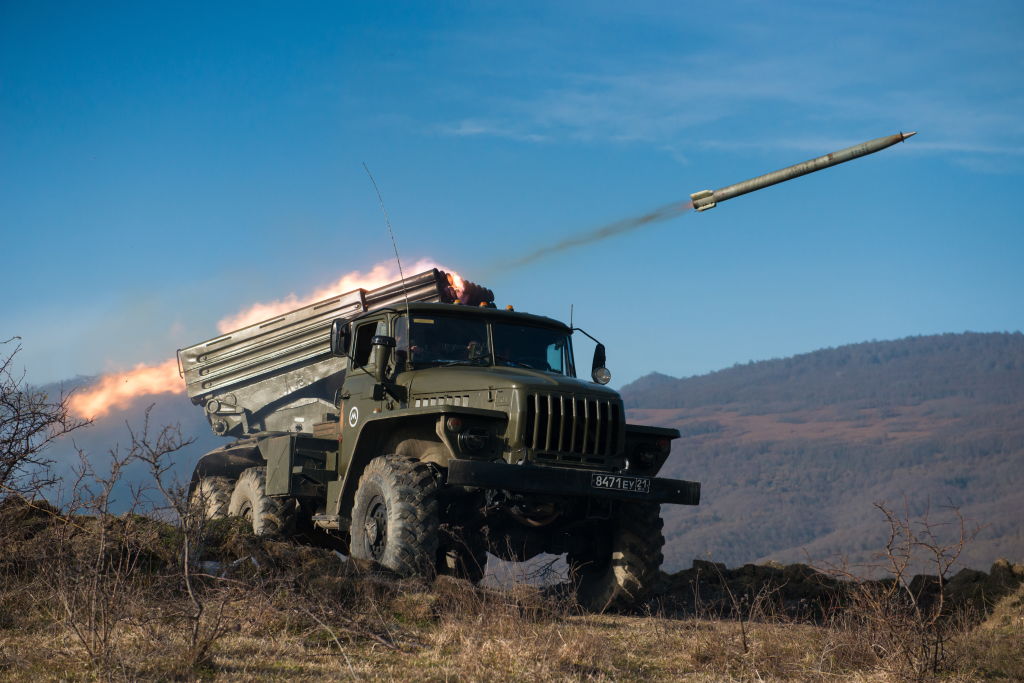
As the May 26 AFRICOM statement makes clear, Russia’s strategy is fraught with the risk of new sanctions and its geopolitical maneuvers may not come for free.
Kidnappings, cross-border clashes threaten increasingly fragile status quo in Syria’s south
The recent deployment of Syrian army Fourth Division troops to Daraa is yet another reminder of the deadly unrest ongoing in southwestern Syria. Sent to pacify Mazayreeb following an unprecedented armed attack after which several soldiers were publicly executed, Daraa’s western countryside still regularly witnesses violent unrest including assassinations, hit-and-run attacks, and drive-by shootings.
Gulf Partners Can No Longer Afford To Stay The Course With U.S. Iran Policy
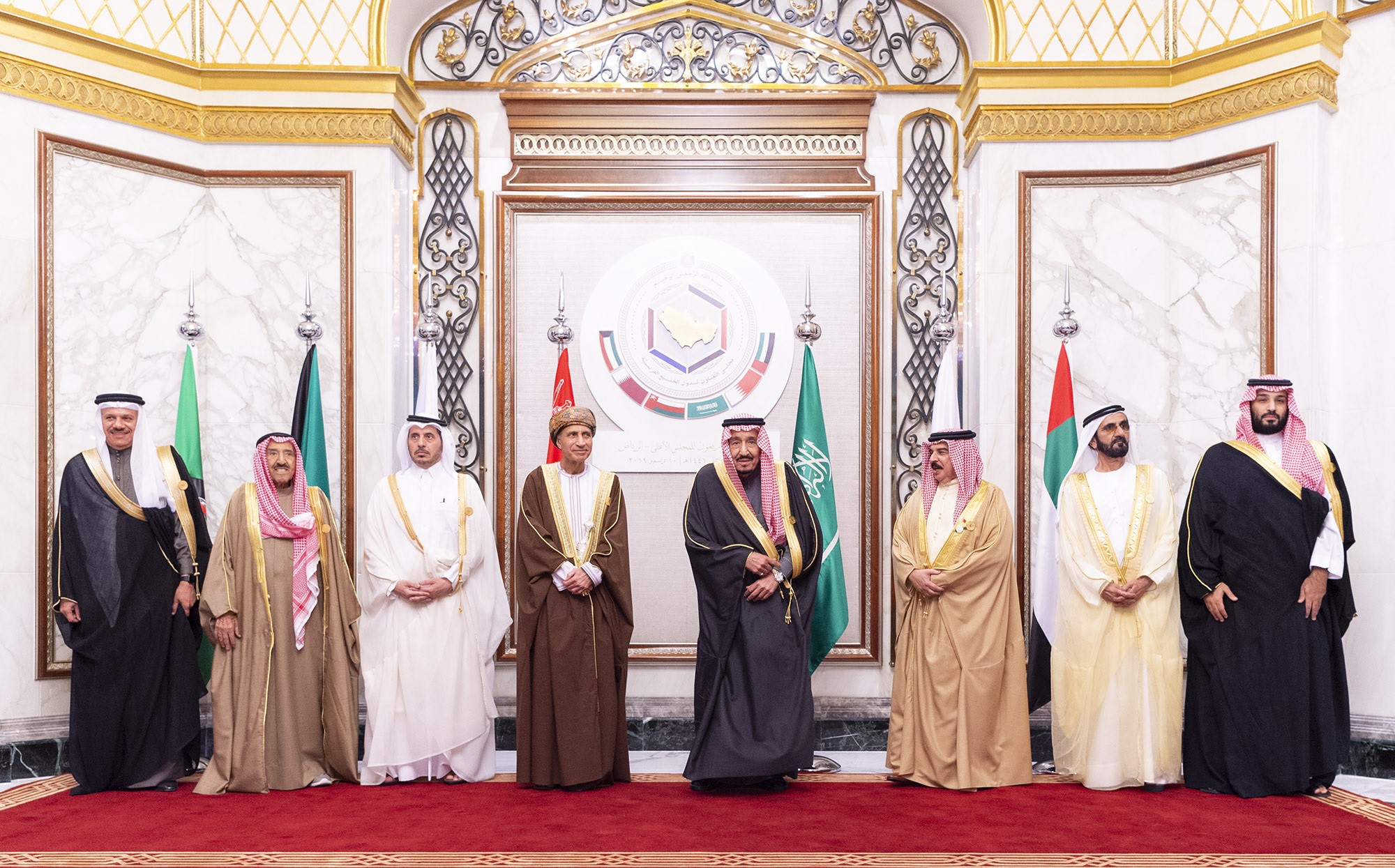
To help prevent a U.S.-Iran war in their neighborhood, the countries of the Gulf Cooperation Council have called for diplomacy. They have reached out to Iranian officials to de-escalate. And they have provided Tehran with humanitarian assistance to deal with the coronavirus pandemic.
Challenges of COVID-19 in areas of protracted conflict
COVID-19 poses immense humanitarian, economic, social and political challenges for the world. However, the threat is especially serious for those affected by ongoing or protracted conflicts. Despite United Nations Secretary General António Guterres appealing for a global ceasefire, there are many conflicts which are not at the forefront of international attention but remain extremely vulnerable to COVID-19. Among them are ongoing and protracted conflicts in the Black Sea and South Caucasus regions.
Protracted conflict on Yemen’s island of Socotra reflects rival geopolitical ambitions
On April 30, roughly a week after the Southern Transitional Council (STC) declared self-administration in Aden, a military confrontation broke out on the remote Yemeni island of Socotra between members of the STC and government forces. After just a few days, the situation was diffused when the island’s governor and the STC asked the Saudis to intervene. Although an agreement was reached quickly, it is likely to be fragile because the causes of the conflict are not entirely local. The island of Socotra is simply too important to multiple international players that are not willing to let it easily slip outside their sphere of influence.
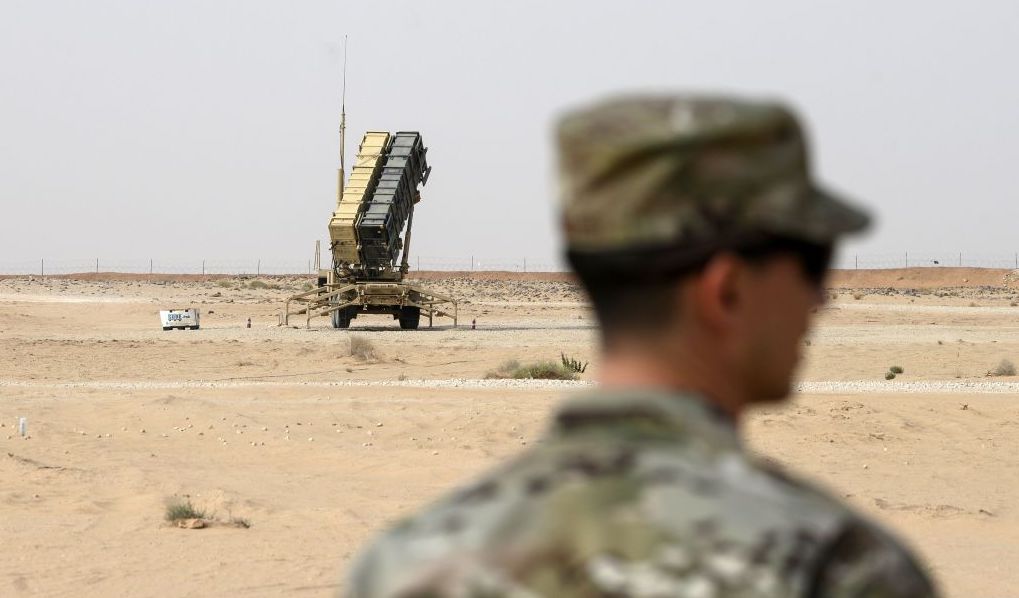
The best way to describe the Trump administration’s decision to remove Patriot missile defense systems from Saudi Arabia is by highlighting its military irrelevance and political significance.
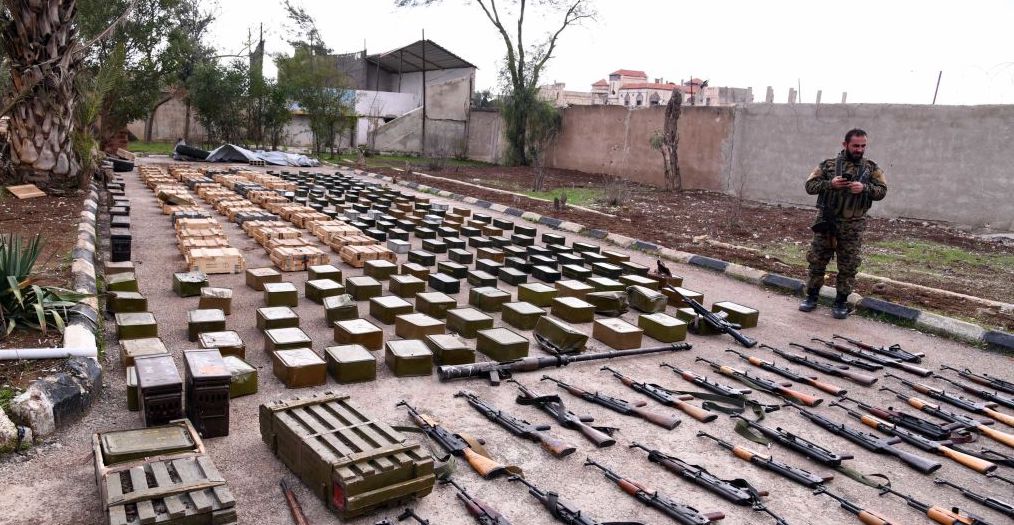
Russia signals growing dissatisfaction with Syria’s Assad regime
In recent weeks, a flurry of commentary from prominent voices and publications in Russia has seen a wave of criticism directed at Syria’s Assad regime. Accusations have been leveled against the regime of corruption, warlordism, and incompetence, as well as an obsession with achieving unrealistic military objectives at the expense of dwindling resources, reconstruction, and political and economic reforms.
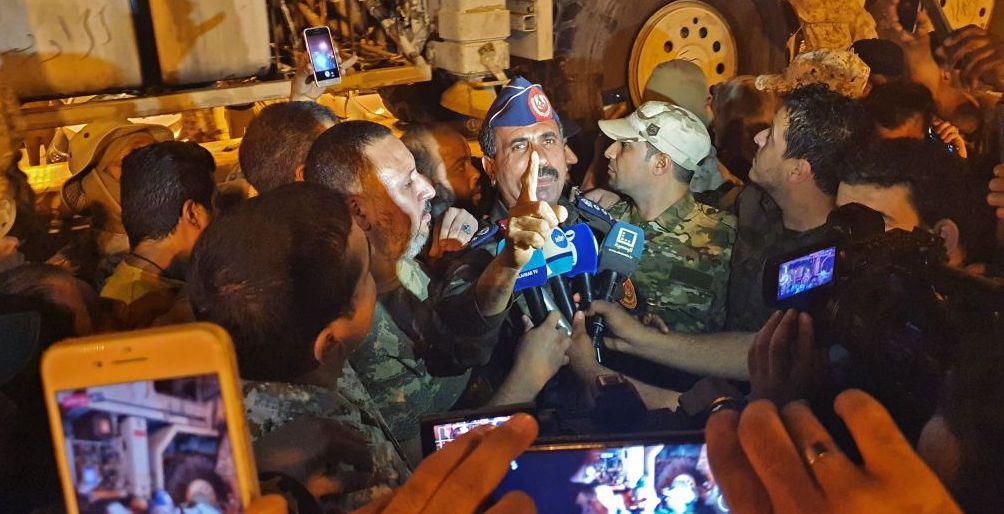
Last week Libya witnessed one of the oldest tricks in the book: unilaterally declare a cease-fire at exactly the moment when your opponents are poised to gain territory.
Yemen's competition for Saudi patronage heats up as the STC declares self-rule
On April 25, the Southern Transitional Council declared self-administration and claimed authority over state institutions in the interim capital of Aden. The declaration demonstrates the region’s volatility, the limited reach of Yemen’s government, and the difficulty of imposing a solution to the problem of secessionism. It is also sparking political competition for Saudi patronage, and all of this poses a major diplomatic challenge for the Saudis.
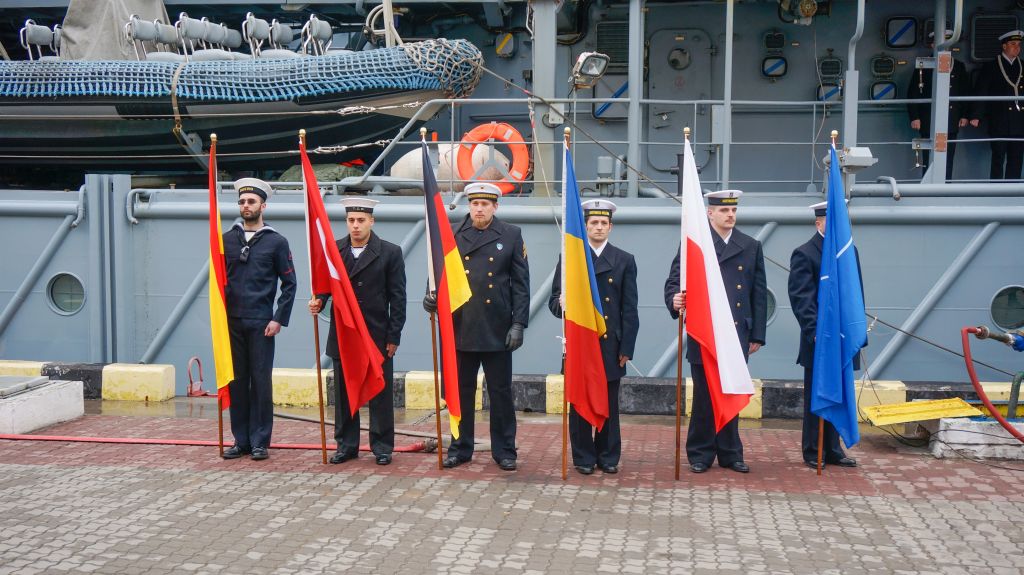
For an organization whose primary mission is collective security in the North Atlantic area, the Black Sea is a very important region for the North Atlantic Security Organization (NATO). This region forms the southeastern frontier of NATO’s area of responsibility. Thanks to Russia’s actions in the region, there are more miles of coastline under illegal military occupation along the Black Sea than in any other place in the world.
Gen. Joseph Votel on US military challenges in the Middle East
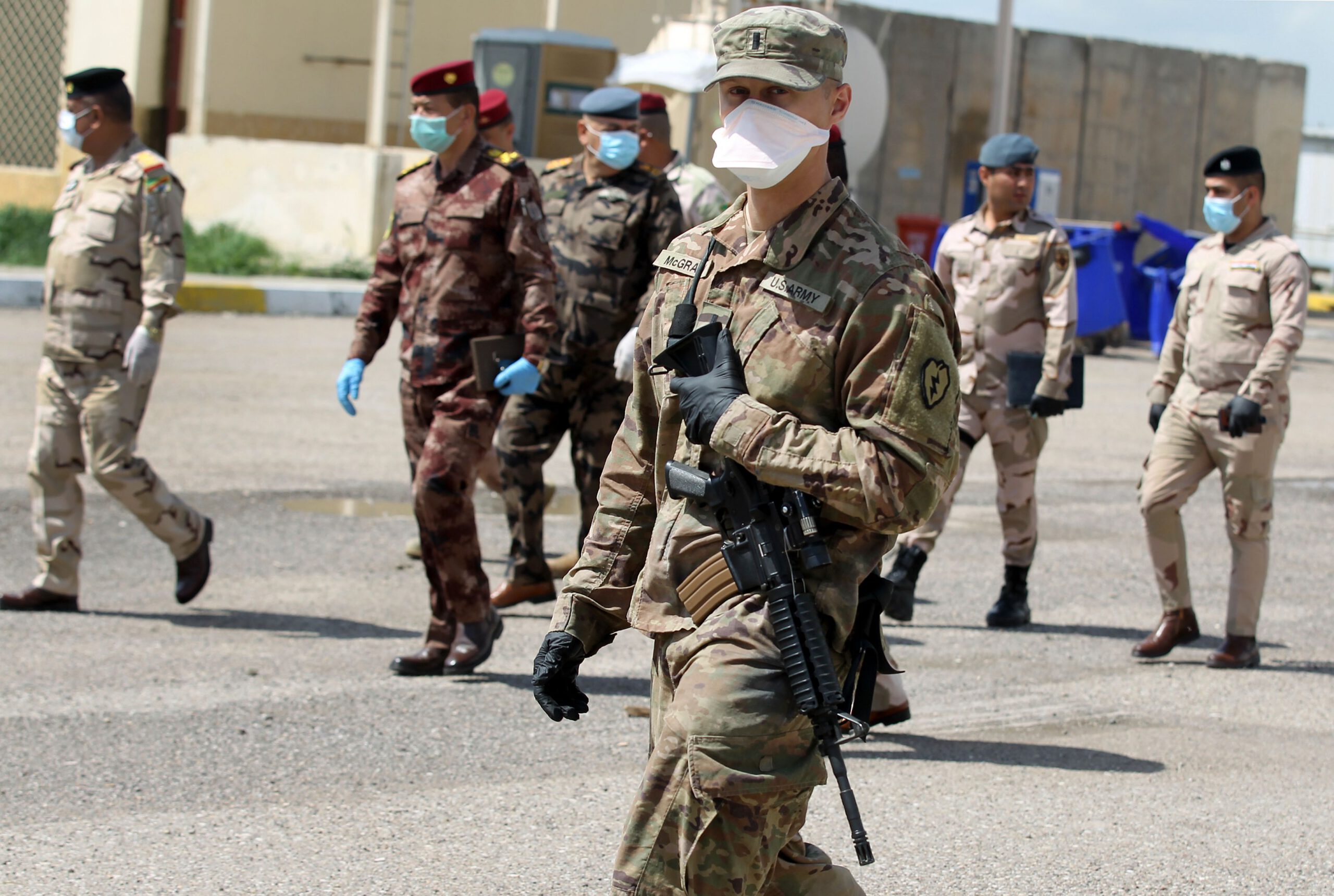
MEI Distinguished Senior Fellow Joseph Votel, a retired four-star general in the Army and former commander of U.S. Central Command, joins host Alistair Taylor to discuss the challenges facing American forces in the Middle East today, from COVID-19 and ISIS to the turbulent situations in Iraq and Afghanistan.
The oldest peer-reviewed publication dedicated to the study of the modern Middle East, MEI’s flagship journal covers politics, society, and culture in the region.