Skip to Content

Energy

Special Episode: Saudi Oil After the East-West Pipeline Attack
  • Podcast
  • Special Episode: Saudi Oil After the East-West Pipeline Attack

    Saudi Arabia’s East-West pipeline is back in operation after a drone attack from Iraq, blamed on Iran-backed militias, shut it down for nearly two weeks. The pipeline is the kingdom’s main way to export oil while the Strait of Hormuz is closed, so the shutdown dealt another blow to global energy markets. How vulnerable is this route, and what does that mean for the kingdom and the world economy? This episode of Middle East Focus features a recent MEI Virtual Briefing in which Director of Communications Zeina Al-Shaib is joined by MEI Senior Fellow Colby Connelly and MEI Affiliate Yesar Al-Maleki. They examine the new geopolitical risks facing the oil market, what further losses of global supply could mean for Saudi Arabia and the world economy, and which buffers outside the Persian Gulf could ease the pressure.
    October 1, 2026

    Gulf Political Economy: The Cost of Accommodating Iran
  • Analysis
  • Gulf Political Economy: The Cost of Accommodating Iran

    There may be no near-term resolution to the conflict between the United States, Israel, and Iran. The cease-fire and memorandum of understanding (MoU) signed on June 18  have broken down, there is little diplomatic engagement, and new flare-ups in early September indicate a further round of escalation. Gulf states may have no choice but to protect their assets and populations while trying to deter Iran by finding mechanisms of both containment and accommodation.

    Gulf Energy Markets: The Region’s Edge Will Survive — At a Price
  • Analysis
  • Gulf Energy Markets: The Region’s Edge Will Survive — At a Price

    Across the Gulf, views differ widely on how the Iran war can and should end, and what the region will look like once it does. Yet on the crisis over the closure of the Strait of Hormuz, the view is near-unanimous that a repeat is not only possible but likely. That expectation, more than any single incident over the past year, is becoming a major driver of decision-making in industry and policy circles alike.

    Filter by
    401 Results
    The Gulf’s twin failings: Innovation and private sector employment for nationals
    Photo by KARIM SAHIB/AFP via Getty Images
  • Analysis
  • The Gulf’s twin failings: Innovation and private sector employment for nationals

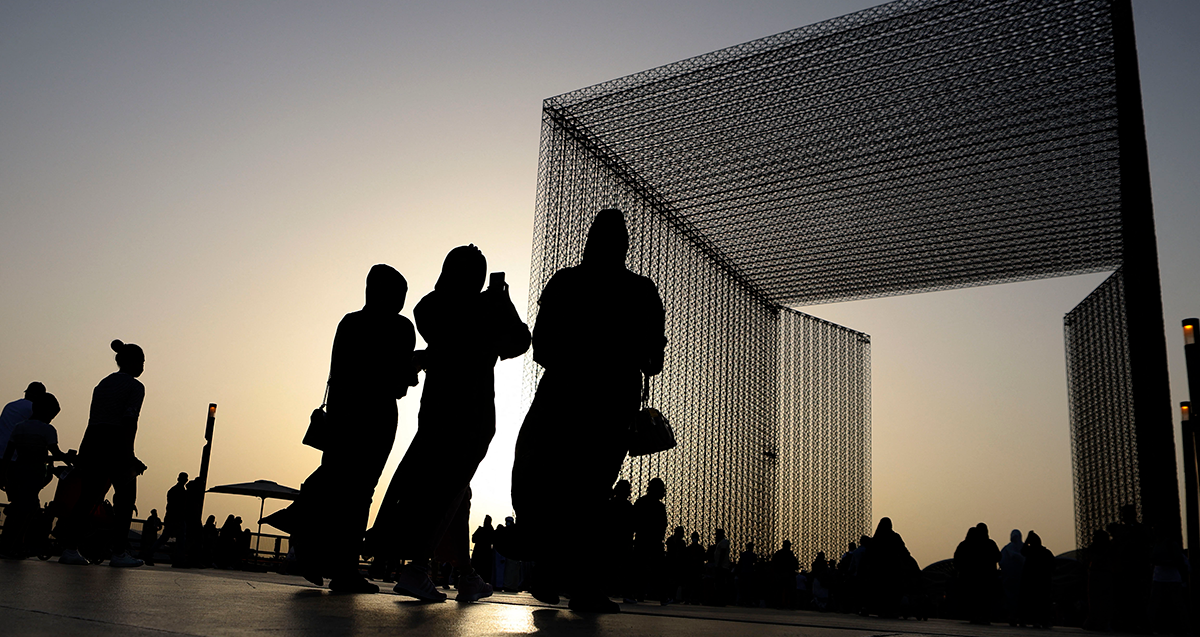
    The Gulf states emerged from the global pandemic with the wind in their economic sails. But high-profile events like Qatar’s hosting of the FIFA World Cup and the UAE’s World Expo continued to mask two subtle but major weaknesses that have plagued them for decades. Why do Gulf economies lack innovation? And why do they struggle to create private sector employment for nationals?

    July 6, 2023

    Saudis in charge: Managing OPEC+’s unhappy days
    Photographer: Simon Dawson/Bloomberg via Getty Images
  • Analysis
  • Saudis in charge: Managing OPEC+’s unhappy days

    The current complex situation in the global oil market seriously tests the abilities of OPEC+ to play the role of a regulator, forcing Saudi Arabia to assume the main burden of responsibility for keeping oil prices from declining further and for shoring up the cartel ranks.

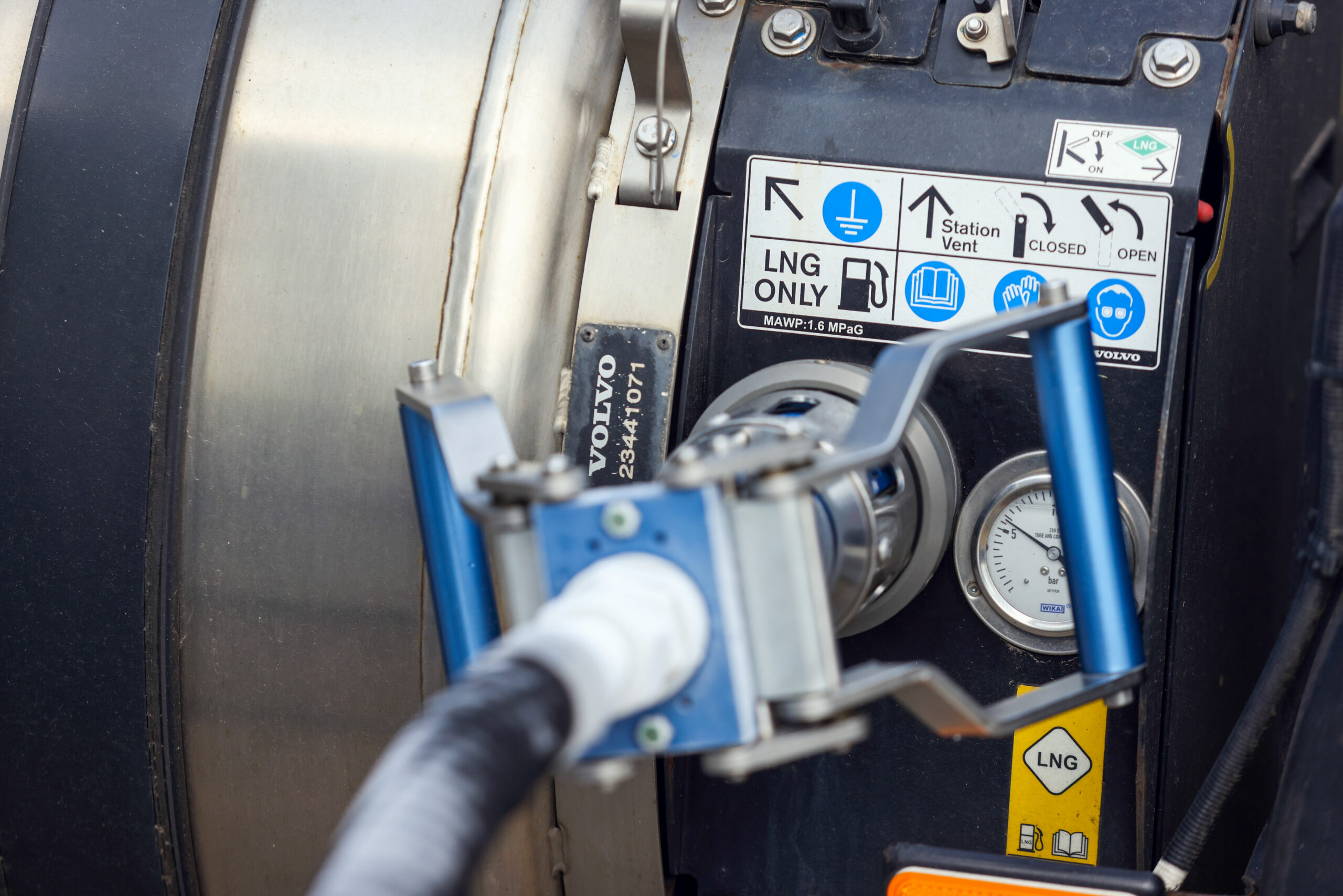
    Saudi LNG exports: Overcoming challenges to commercial success
    Photographer: Maya Sidiqqui/Bloomberg
  • Analysis
  • Saudi LNG exports: Overcoming challenges to commercial success

    After issuing positive statements around greenfield blue hydrogen projects in late 2022, the company, Bloomberg now reports, may be migrating away from the hydrogen scheme and toward LNG exports. Both would require significant capital investment. Assuming the company decides to pursue an LNG export project, it will face many potentially value-erosive challenges and risks that must be overcome before achieving economic success.

    June 27, 2023

    Beijing to Baghdad: China’s growing role in Iraq’s energy sector
    Photo by ASAAD NIAZI/AFP via Getty Images
  • Analysis
  • Beijing to Baghdad: China’s growing role in Iraq’s energy sector

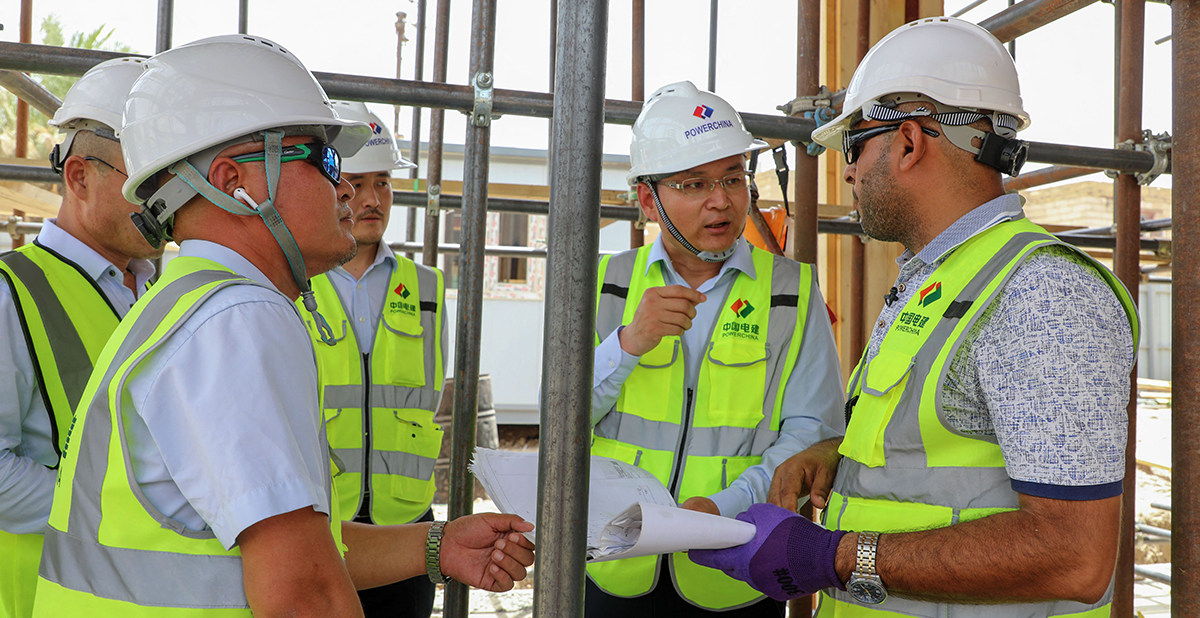
    Chinese companies are well positioned to participate in Iraq’s efforts to expand its oil production capacity and develop domestic gas supplies, as they are actively engaged in various energy-related undertakings throughout the country. However, if indeed China’s strategy is, as some have suggested, to become the dominant player in Iraq’s economy, achieving that objective will likely prove difficult given Iraq’s challenging operating environment and contentious politics.

    War as a catalyst for greater Black Sea-Gulf interconnectivity
    Photo by Saudi Foreign Ministry / Handout/Anadolu Agency via Getty Images
  • Analysis
  • War as a catalyst for greater Black Sea-Gulf interconnectivity

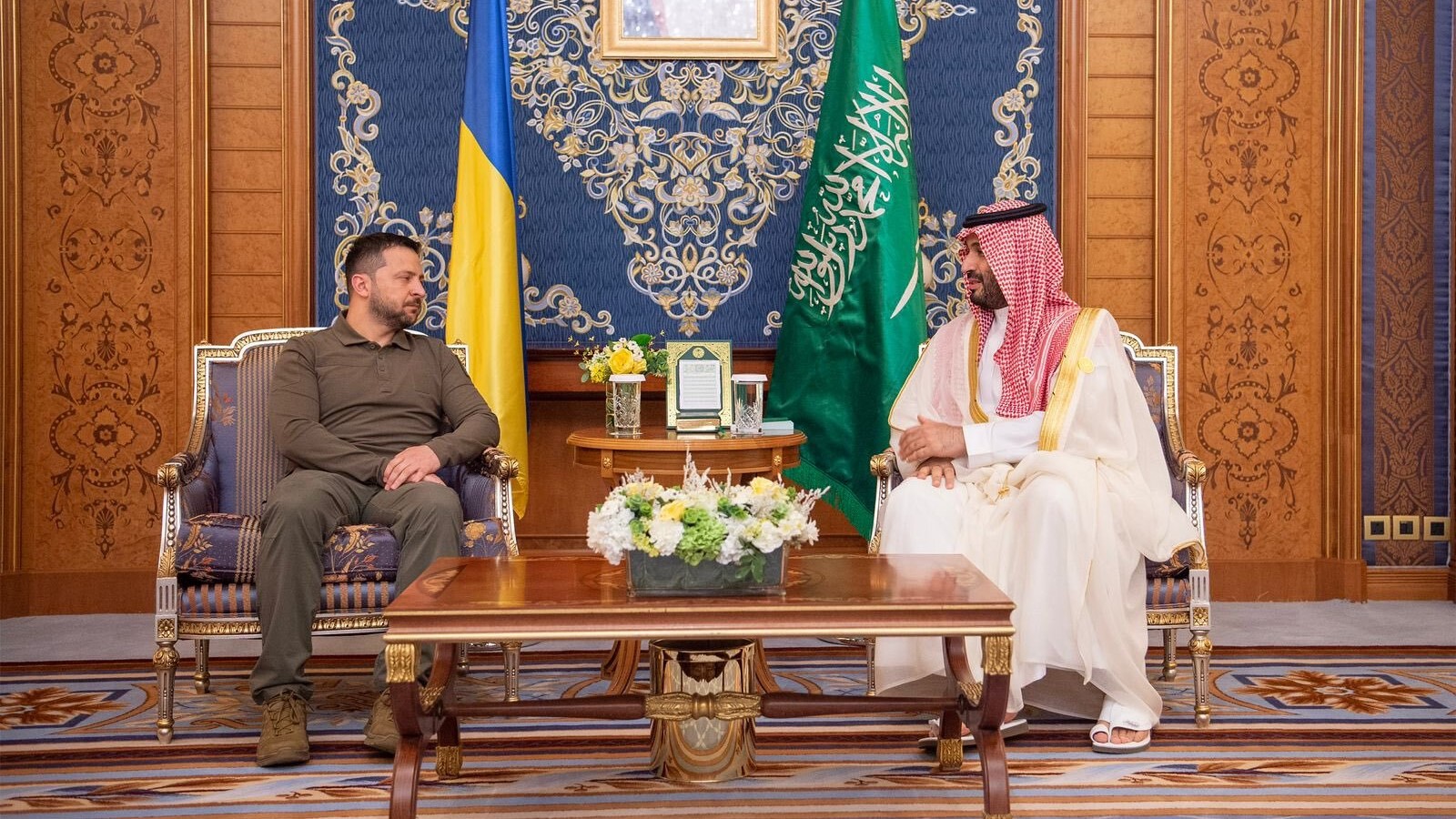
    Russia’s full-scale invasion of Ukraine has destabilized and distressed the entire Black Sea neighborhood. Yet despite the war, or perhaps because of it, strategically important foreign direct investments into Black Sea littoral countries, including from the Gulf, have endured or even grown.

    The Western Mediterranean: Energy and Geopolitics
  • Commentary
  • The Western Mediterranean: Energy and Geopolitics

    Over the last two decades, the Mediterranean has become an important region. Many scholars, policymakers and analysts have mostly referred to this region from a nexus of security, geopolitics and traditional energy politics. With the war in Ukraine, the relevance of this whole region has increased along the same line. The Mediterranean today is home to some of the most enduring conflicts in the world. New energy resources are being discovered in disputed areas in an environment of intense geopolitical competition over regional leadership and energy routes within and beyond the region.

    Is Jordan’s public debt on a sustainable path?
    Photo by Artur Widak/NurPhoto via Getty Images
  • Analysis
  • Is Jordan’s public debt on a sustainable path?

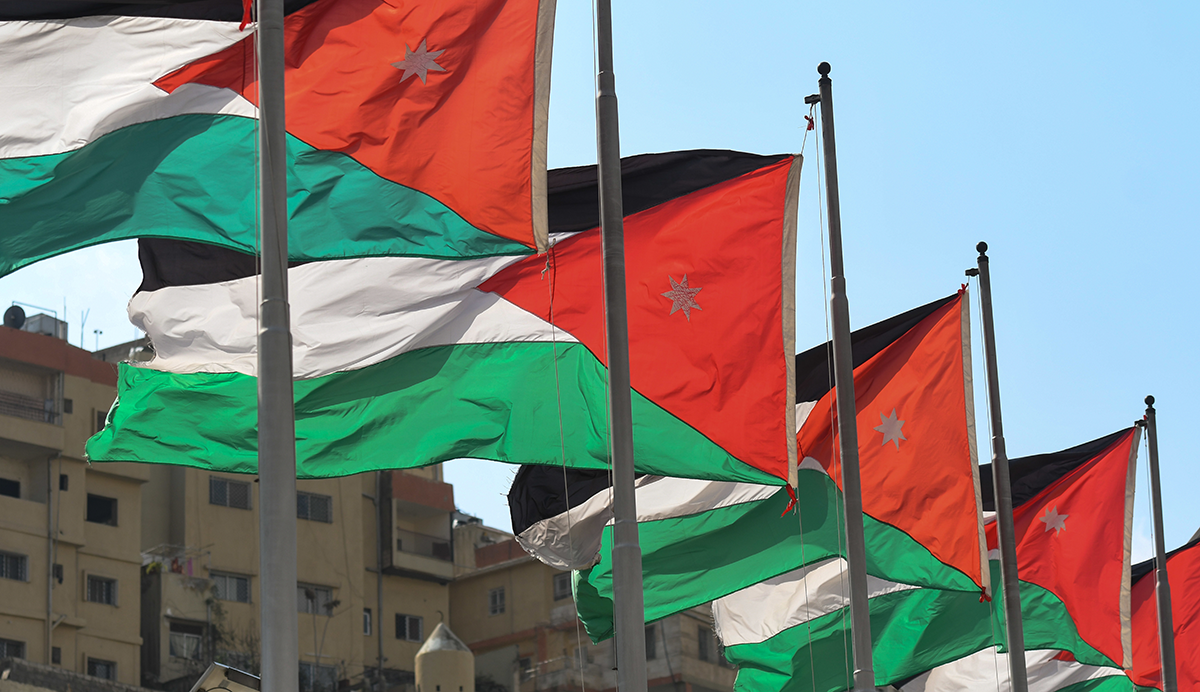
    In the past few years, Jordan’s public debt has become a major policy concern for the government, the international community, and key donors that support Amman. The public debt has risen significantly over the past 15 years, raising many questions about Jordan’s future macroeconomic stability, public debt sustainability, and the government’s ability to finance development projects.

    May 15, 2023

    US-Japan relations and the Persian Gulf
    Photo by Toru Hanai/Bloomberg via Getty Images
  • Analysis
  • US-Japan relations and the Persian Gulf

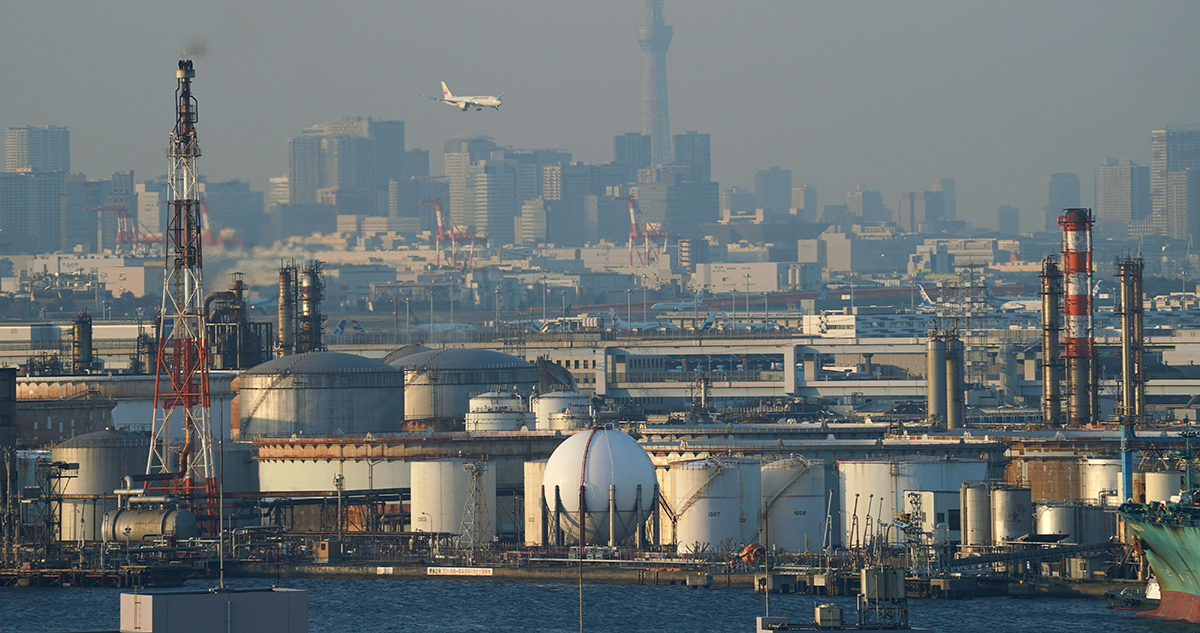
    When Saudi Arabia suddenly announced in early April that it would reduce its oil production by 500,000 bpd, followed shortly thereafter by several other OPEC+ members, bringing the total cut to 1.1 million bpd, Japan was greatly concerned. In spite of Japan’s serious efforts to work toward a carbon-neutral society, the country is still heavily dependent on oil, the overwhelming majority of which comes from the Persian Gulf.

    April 25, 2023

    The road to Marrakech: US-China tensions loom over IMF/WB spring meetings
    Photographer: Samuel Corum/Bloomberg via Getty Images
  • Commentary
  • The road to Marrakech: US-China tensions loom over IMF/WB spring meetings

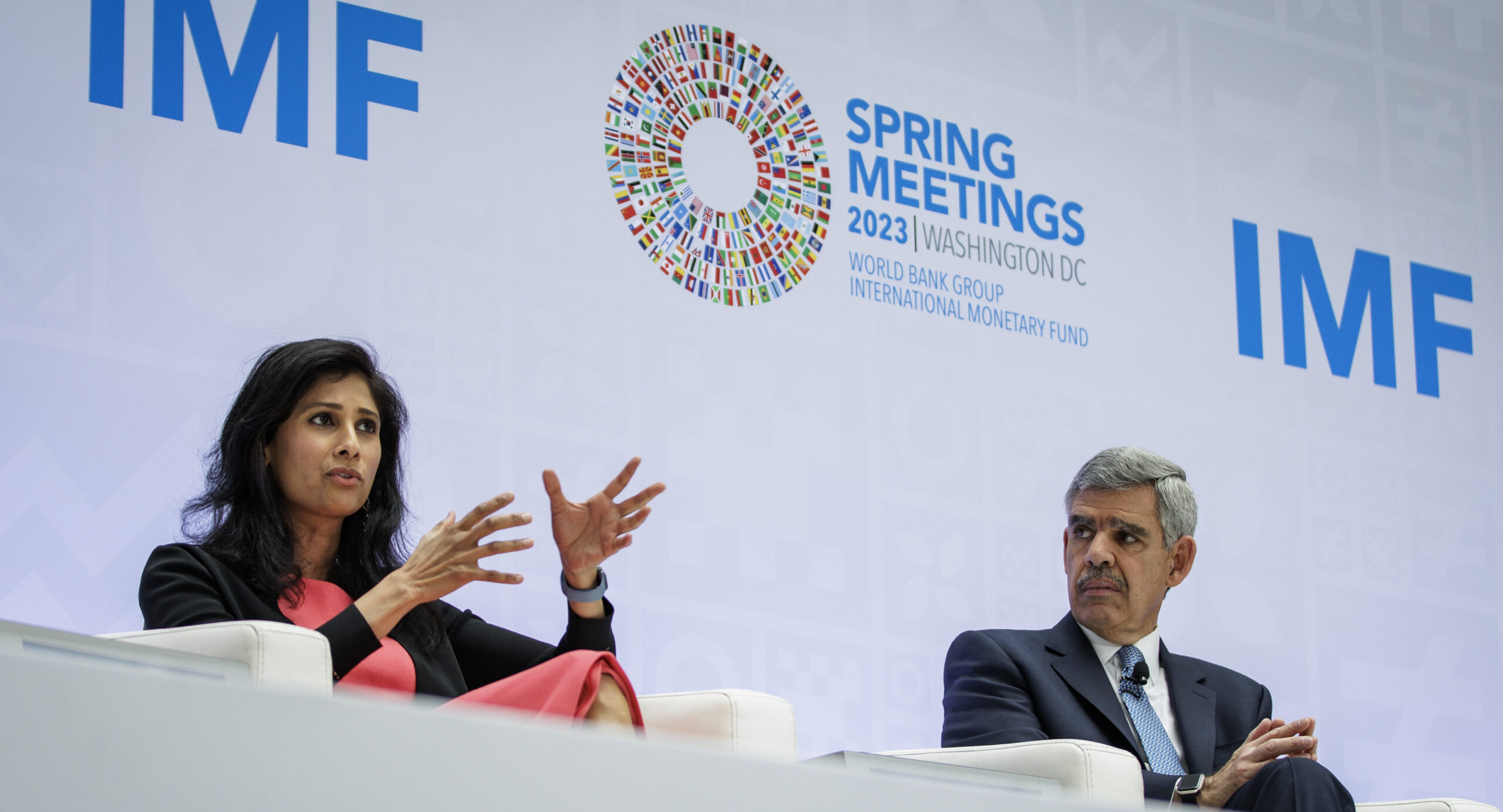
    Last week’s spring meetings of the IMF and World Bank in Washington, D.C., were an important occasion for financial and economic leaders from the MENA region to meet with their counterparts from these IFIs and major bilateral donor countries. At the same time, they serve as a lead up to the important Annual Meetings that will be held in Marrakech, Morocco, in the fall — the first time they will be hosted by an Arab or African country.

    April 20, 2023

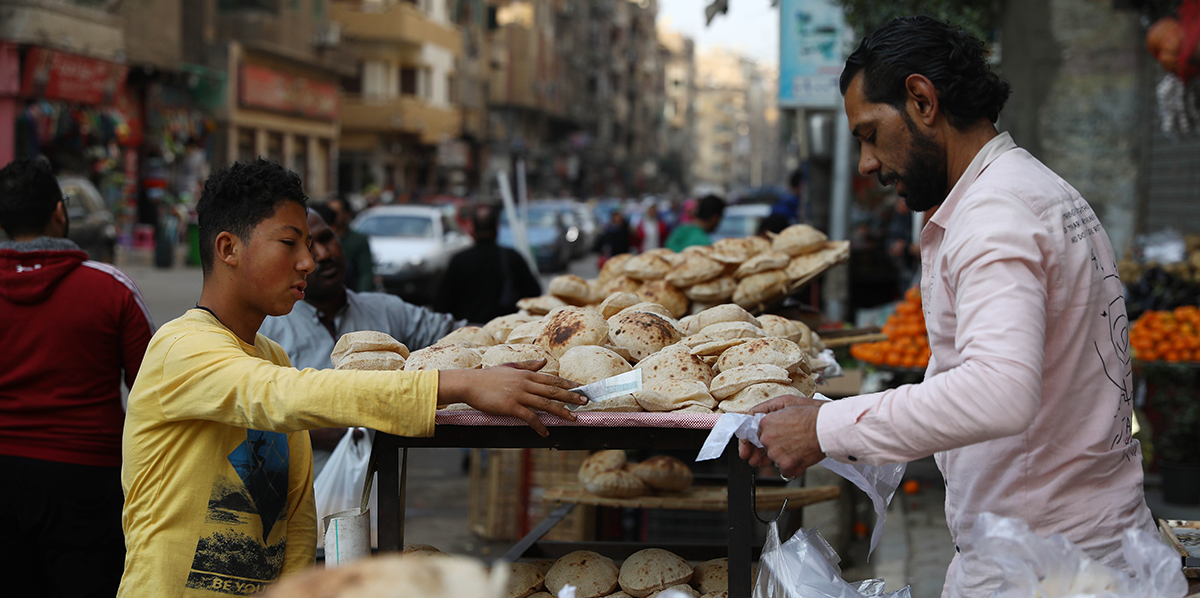
    Middle East and Africa: Slowing Growth and Rising Food Prices Present Human Capital Challenges
    Photo by Ahmed Gomaa/Xinhua via Getty Images
  • Commentary
  • Middle East and Africa: Slowing Growth and Rising Food Prices Present Human Capital Challenges

    The World Bank’s MENA regional economic update released on April 6, 2023 is one that may herald a sharp divide, both within the region, with its uneven economic trajectory and obstacles to human capital development, and globally, as a cleavage between energy exporters and importers.

    Read the Middle East Journal

    The oldest peer-reviewed publication dedicated to the study of the modern Middle East, MEI’s flagship journal covers politics, society, and culture in the region.