The Americans Are Gone. Will Iraq’s Militias Disarm?
On September 30, the US completed its military withdrawal from Iraq, ending a 12-year-long mission to combat ISIS that began in 2014. The date was also meant to be the deadline for disarming the largely Iranian-backed militias known as the Popular Mobilization Forces (PMF), but Prime Minister Ali al-Zaidi has now pushed that cutoff back to June 30, 2027. MEI Distinguished Diplomatic Fellow Amb. (ret.) Robert S. Ford joins hosts Alistair Taylor and Matthew Czekaj to discuss what the US military withdrawal means for Iraqi security and the nature of the bilateral relationship going forward. They also speak about what it will take for Baghdad to bring the PMF militias to heel, and how Iraq may navigate the post-Iran war era.
Proponents of the war with Iran have taken recent increases in crude-oil flows through the Strait of Hormuz as proof that the US strategy is finally working. President Trump is so confident in this that he recently rejected a seven-day plan, set forward by Iran’s foreign ministry, to end the war and open the strait. The United States is “winning tremendously,” Trump boasted.
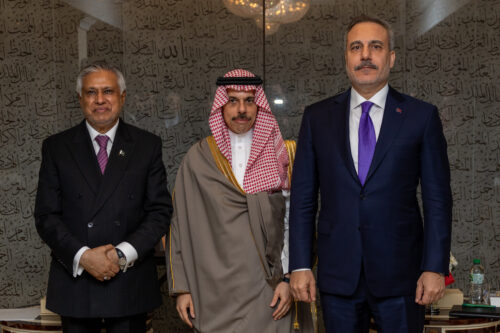
The Mecca Joint Défense Agreement: A New Geometry of Middle Eastern Power?
On August 7, 2026, Saudi Arabia, Turkey, and Pakistan signed the Mecca Joint Défense Agreement, a collective-defense pact widely compared to NATO’s Article 5. This essay argues that the comparison is misleading. Mecca borrows NATO’s language of solidarity without yet possessing NATO’s institutional machinery, and the Houthi offensive against Saudi Arabia in September 2026 provided an early and revealing test of what the agreement actually means in practice. Neither Pakistan nor Turkey automatically entered the fight on Saudi Arabia’s behalf, and Washington, despite an initial reluctance to strike directly, remained indispensable through intelligence support and a major proposed F-35 sale. Drawing on realist alliance theory — Hans Morgenthau, Kenneth Waltz, Stephen Walt, Glenn Snyder, and Steven David — and on the precedent of the Central Treaty Organization (CENTO), the essay contends that the Middle East is not dividing into rival blocs but moving from hierarchy toward a looser, overlapping geometry of hedged partnerships, in which American exclusivity is eroding considerably faster than American primacy.
Proxies, spies and saboteurs: How Georgia can identify, resist and deter covert and deniable threats
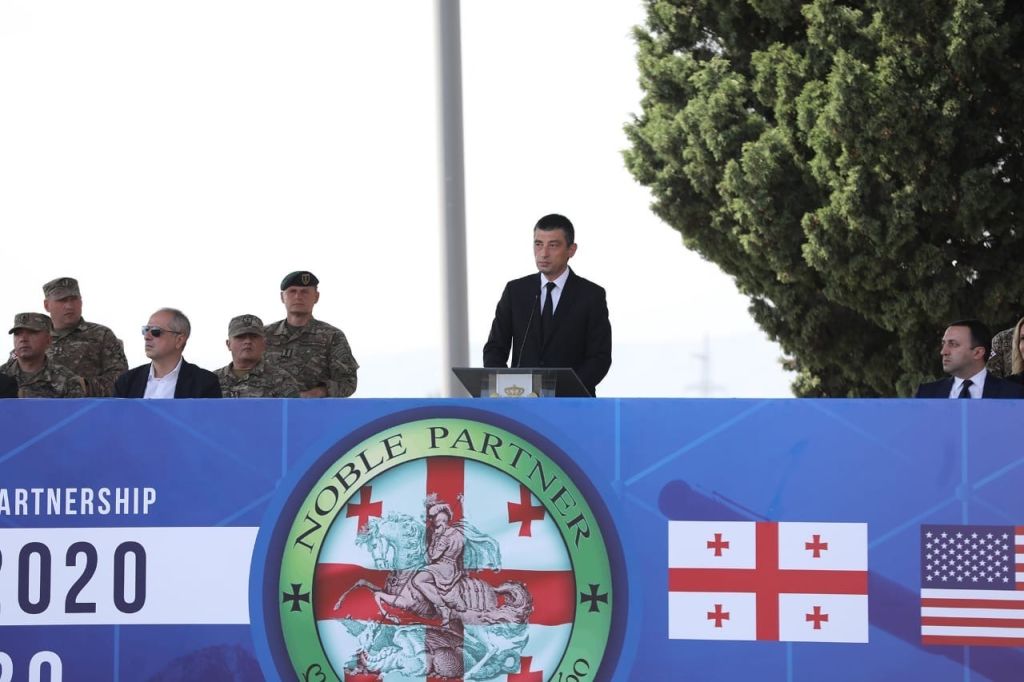
Georgia has experienced the full spectrum of Russian aggression, from direct military action to covert subversion and proxy operations. Nonetheless, while there are undoubted challenges for such a small country in resisting this threat, there are certainly opportunities for Georgia and for Western nations eager to support. After all, the latter should understand that they have as much to learn in Georgia as to teach.
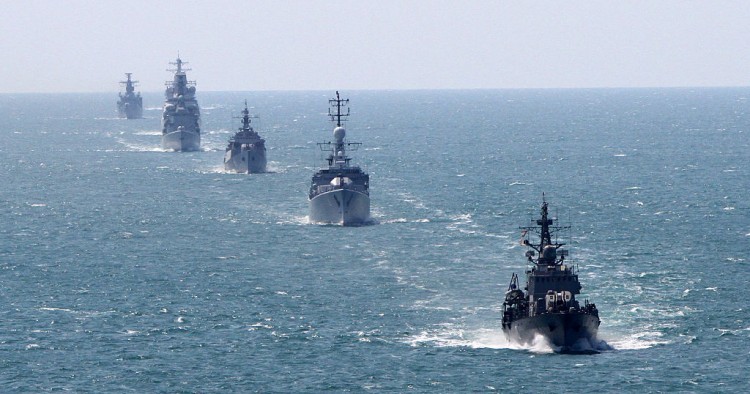
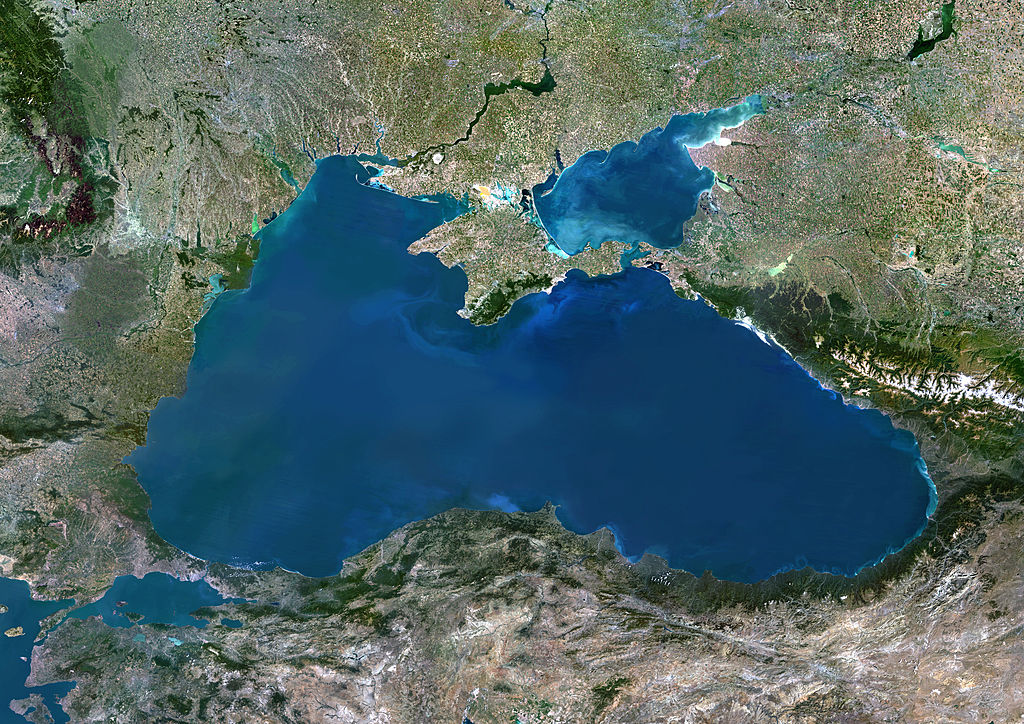
Drifting attention: Why the Black Sea continues to matter
The threat of Russian aggression in Eastern Europe is once again lingering. As if by clockwork, Russia’s relations with its neighbors are under scrutiny once more, six years after its annexation of Crimea and 12 years after its invasion of Georgia.
Election 2020: The Future of U.S.-Black Sea Relations
In Frontier Europe Initiative’s new briefing book, entitled Election 2020: The Future of Black Sea-U.S. Relations, MEI scholars and external contributors identify key issues across the region, highlight U.S. interests at stake, and provide policy insights and recommendations for the path forward. The pieces in this book serve as a contribution to the broader discussion about the challenges and opportunities for U.S. policy in the region
Protracted conflicts and security challenges in the Black Sea
Protracted regional conflicts affect the security and stability of the Black Sea region in a number of ways, including through increased militarization, the growing influence of disinformation, and an absence of comprehensive domestic and regional peacebuilding policies.
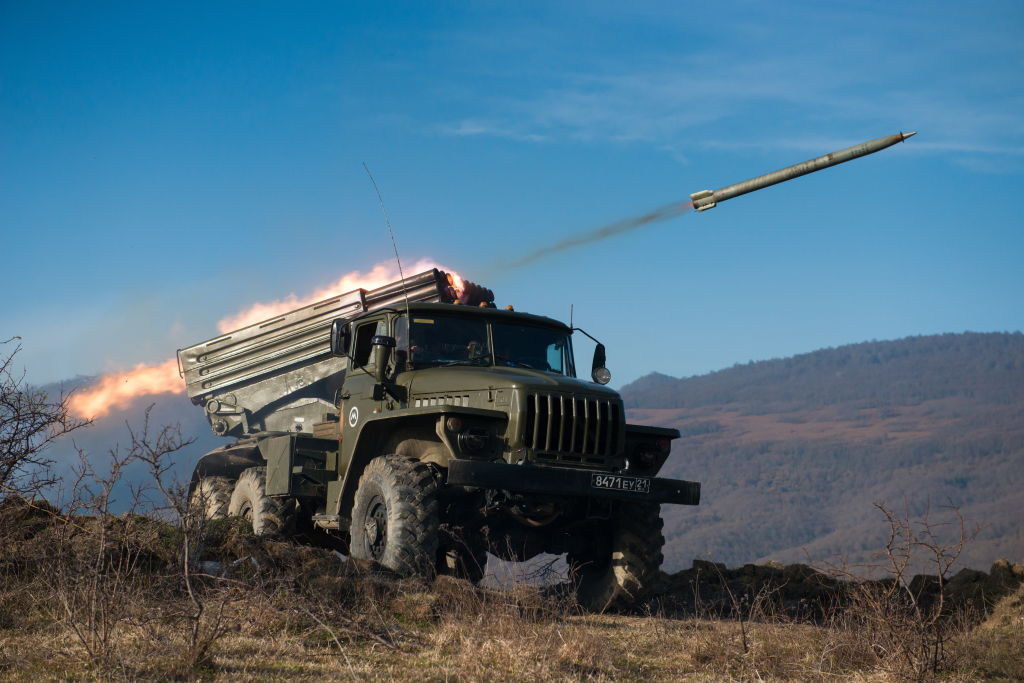
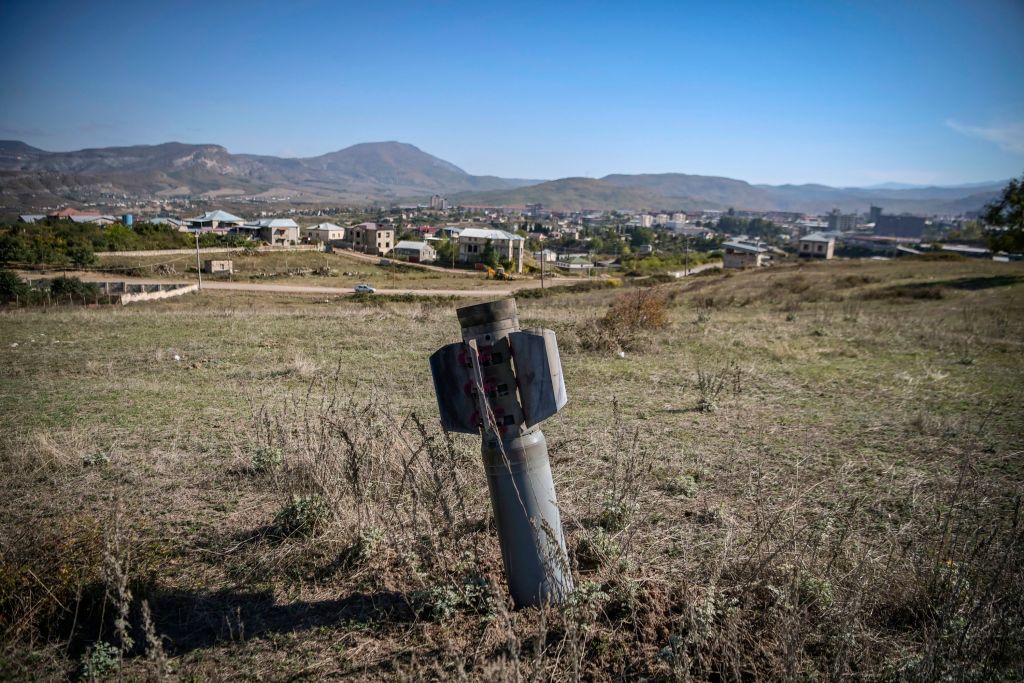
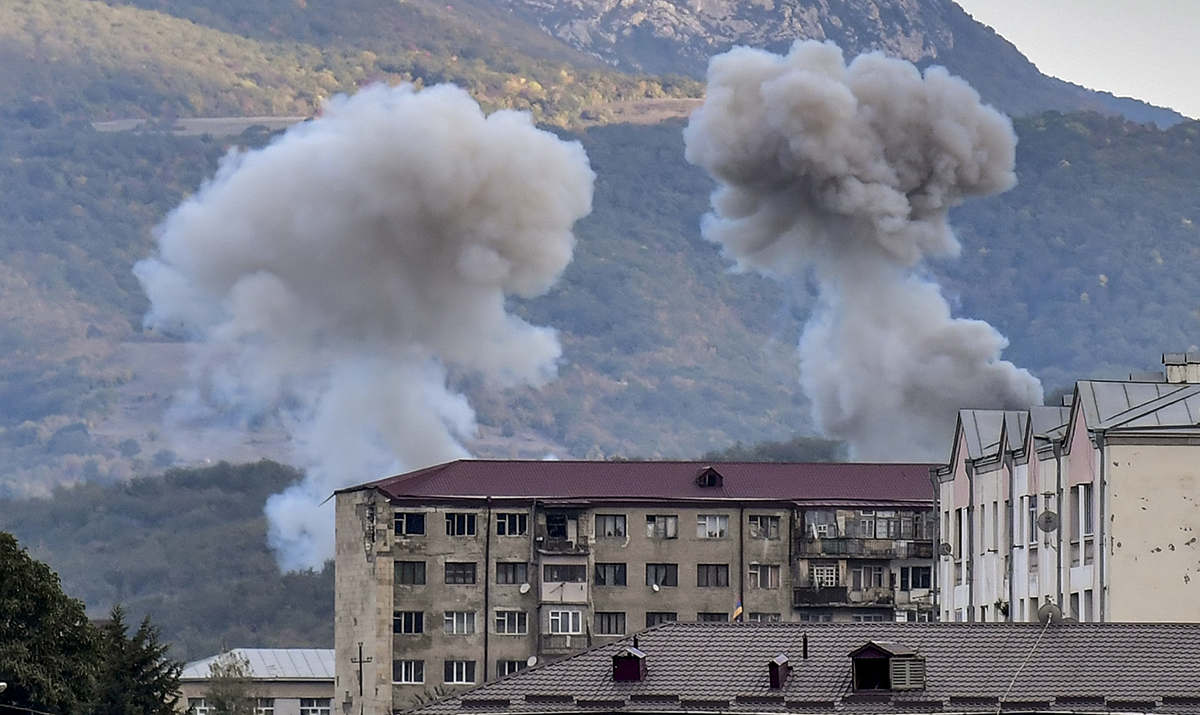
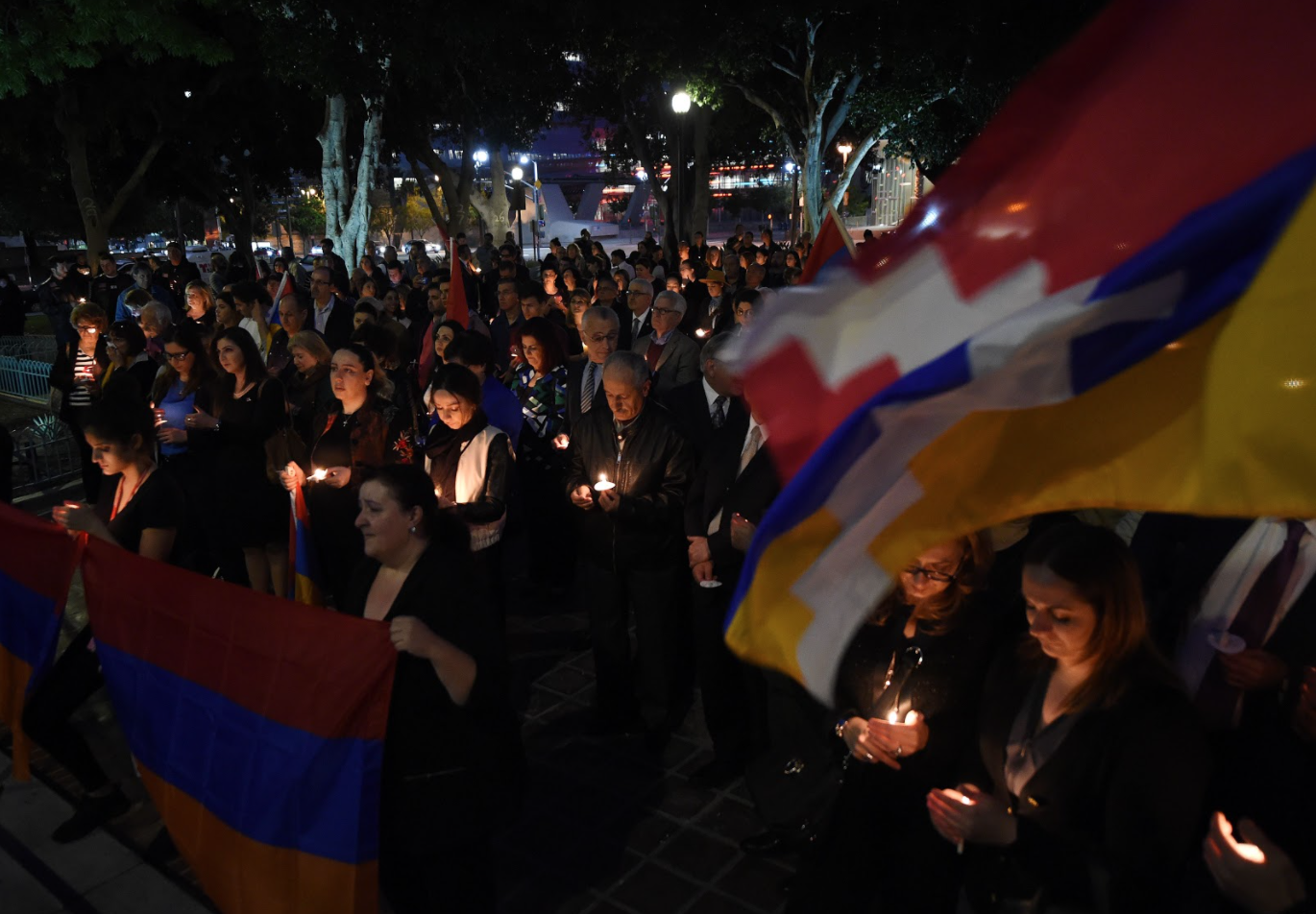
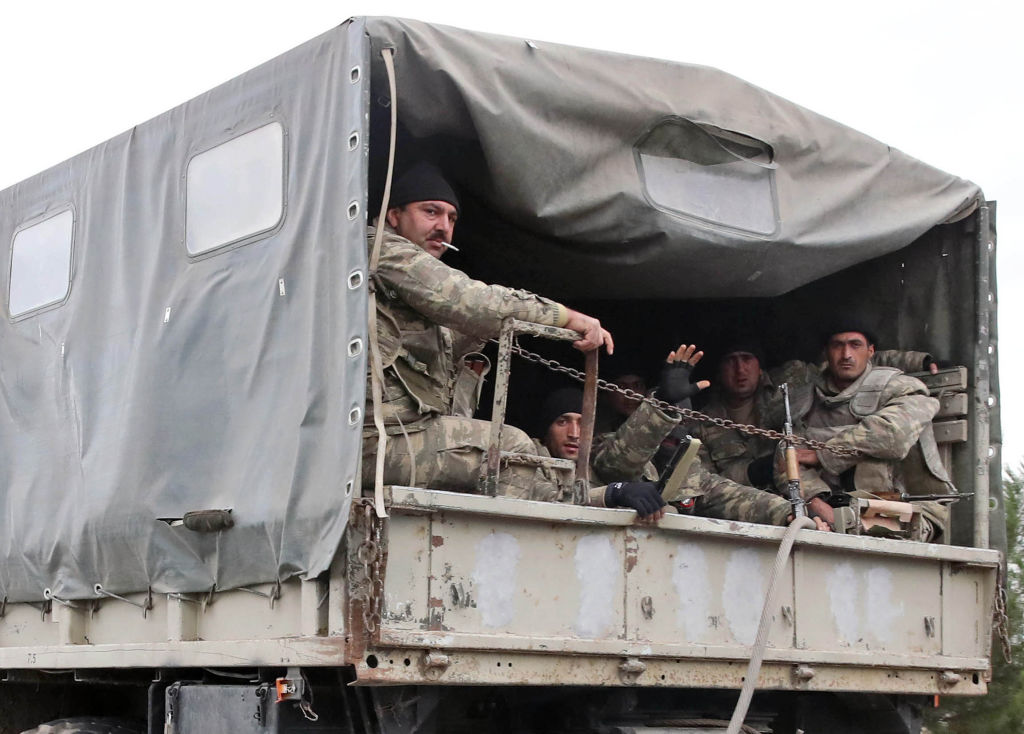
It has now been more than two weeks since fighting flared up along the frontlines of the Nagorno-Karabakh conflict. Far from being a small skirmish like the fighting was in July, the current fighting is taking place along the entire frontline. The Republic of Georgia is located right in the middle of this current storm. One only has to look at a map to see Georgia’s predicament.
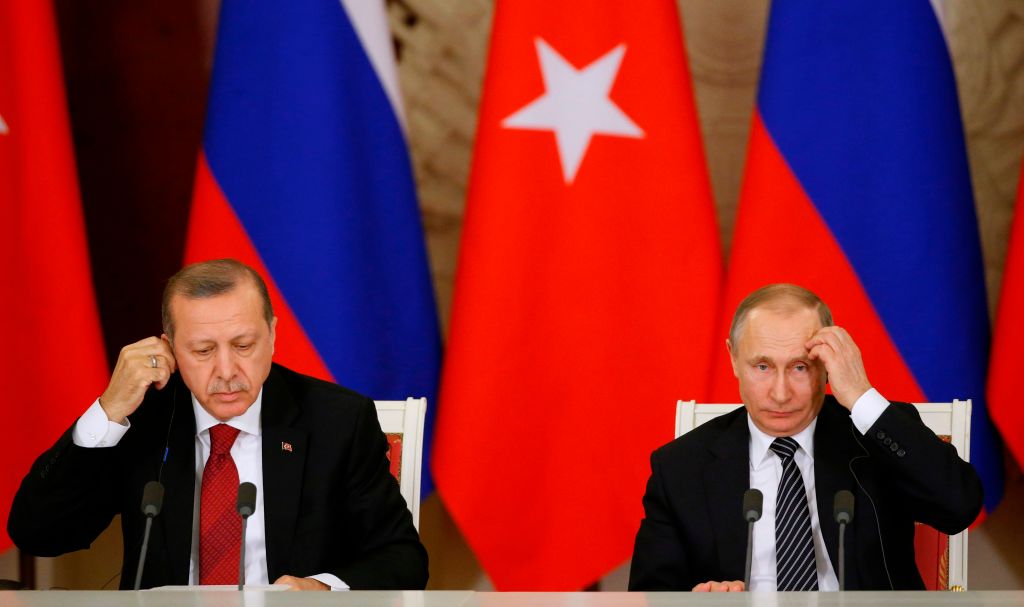
“Diplomacy of attrition”: How will the Russia-Turkey stand-off in Nagorno-Karabakh play out?
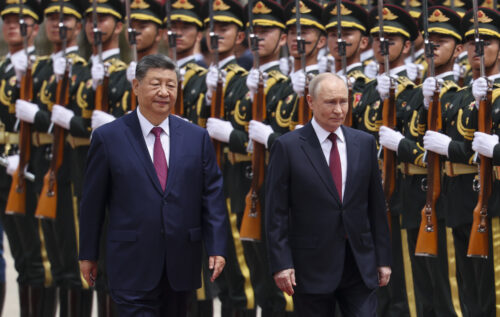
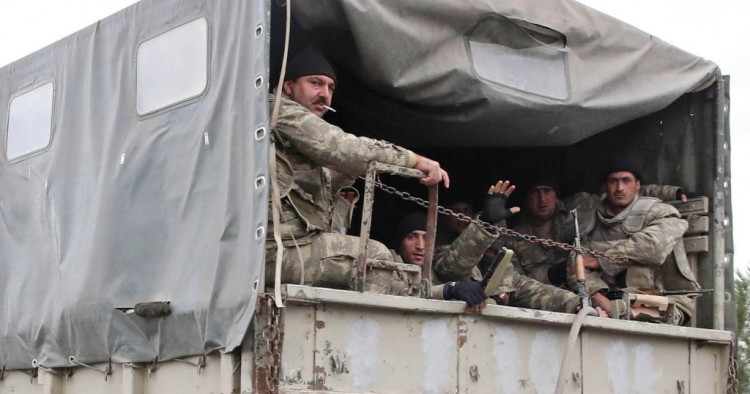
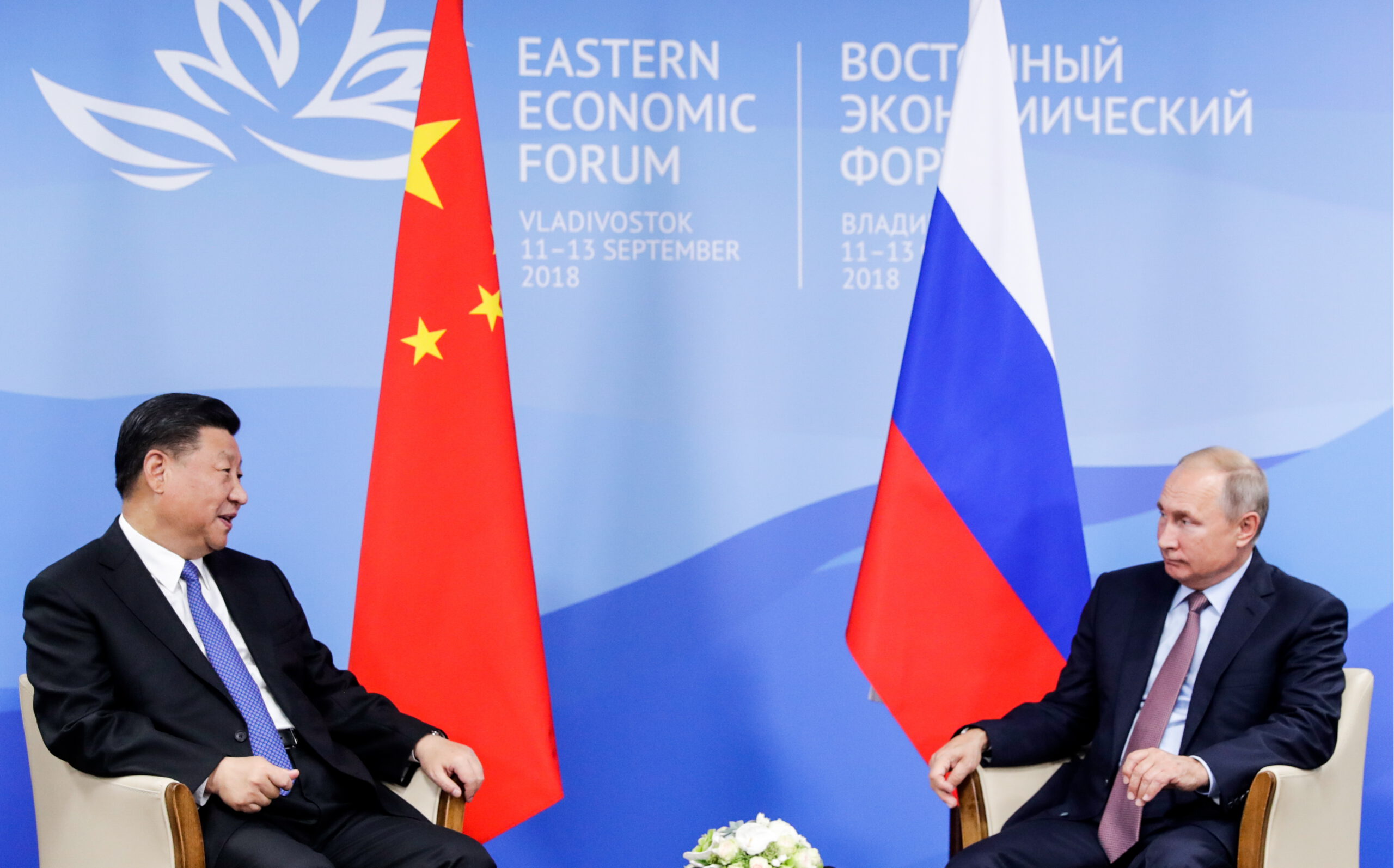
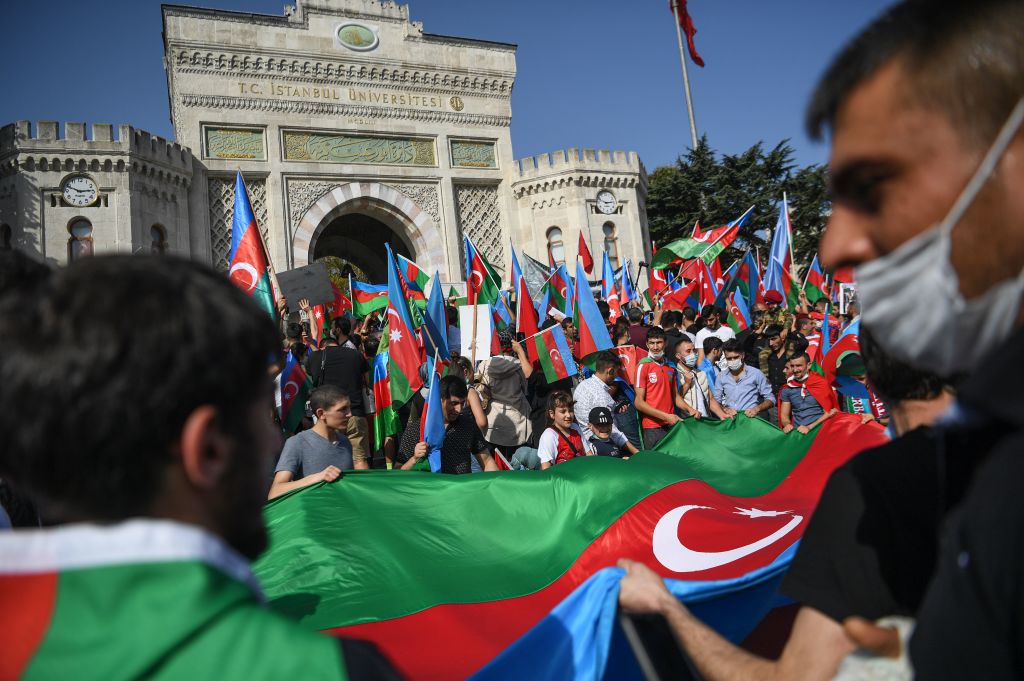
Over the past few years, both Russia and Turkey have played key roles in the world’s hottest conflict zones. Usually on opposite sides and often on the verge of a direct confrontation, Moscow and Ankara have demonstrated a knack for brinkmanship and crisis management through diplomacy. While both sides have suffered casualties, they pulled back before any fight got too big. On Sept. 27 the latest in a series of conflicts emerged when fighting broke out again between Azerbaijan and Armenia over the disputed territory of Nagorno-Karabakh. With Turkey and Russia on opposite sides once more, the flare-up in the South Caucasus will be a major test of whether their relationship will bend or break.
Escalation and Regional Risks in a New Karabakh War
Fierce fighting between Azerbaijani and Armenian forces represents a dramatic escalation in longstanding tensions, with the two countries on an all-out war footing following over a week of battle. Although the fighting has already dramatically eclipsed previous spikes in violence since the 1994 ceasefire, the most recent conflagration shows no signs of abating anytime soon, and raises the specter of even greater escalation among regional and global powers.
Turkey, Russia and the escalation in Nagorno-Karabakh
On September 27, hostilities broke out between Armenia and Azerbaijan in the disputed region of Nagorno-Karabakh (NK). Following several days of fighting, the region is now witnessing the worst escalation of tensions since the early 1990s. This time, Azerbaijan’s efforts are boosted by Turkey’s readiness to render robust military support.
Monday Briefing: Will Russia and Turkey face off over Nagorno-Karabakh?
This week’s briefing on recent news and upcoming events in the region featuring Maxim A. Suchkov, Ibrahim Jalal, Eliza Campbell, Alex Vatanka, and Marvin G. Weinbaum.
Abkhazia, Georgia and COVID: An opportunity from crisis
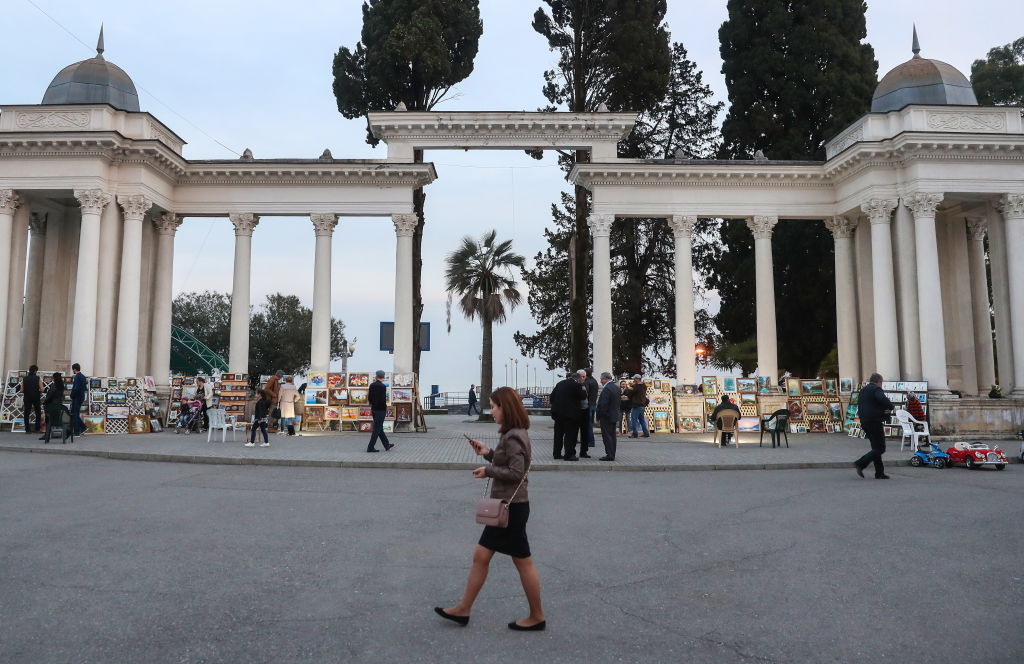
As with nearly everywhere in 2020, the Caucasus has been hit hard by the coronavirus pandemic. While Armenia has registered by far the most cases of the three internationally recognized South Caucasian states, it’s another regional territory where the pandemic’s effects are being felt most broadly: the breakaway Georgian province of Abkhazia.
Challenges of economic integration in the Black Sea
Countries in the Black Sea region have largely failed to integrate with their neighbors, despite common levels of openness and dependence on foreign trade. For many countries in the region, trade has become a driving force for growth, accounting for on average one-third of regional GDP. However, Black Sea supply chains largely connect the region to the outside world – primarily Europe and Asia – instead of neighboring countries. Highly integrated trade relationships, like those seen in Southeast Asia, simply do not exist amongst Black Sea countries.