The Americans Are Gone. Will Iraq’s Militias Disarm?
On September 30, the US completed its military withdrawal from Iraq, ending a 12-year-long mission to combat ISIS that began in 2014. The date was also meant to be the deadline for disarming the largely Iranian-backed militias known as the Popular Mobilization Forces (PMF), but Prime Minister Ali al-Zaidi has now pushed that cutoff back to June 30, 2027. MEI Distinguished Diplomatic Fellow Amb. (ret.) Robert S. Ford joins hosts Alistair Taylor and Matthew Czekaj to discuss what the US military withdrawal means for Iraqi security and the nature of the bilateral relationship going forward. They also speak about what it will take for Baghdad to bring the PMF militias to heel, and how Iraq may navigate the post-Iran war era.
Proponents of the war with Iran have taken recent increases in crude-oil flows through the Strait of Hormuz as proof that the US strategy is finally working. President Trump is so confident in this that he recently rejected a seven-day plan, set forward by Iran’s foreign ministry, to end the war and open the strait. The United States is “winning tremendously,” Trump boasted.
The Mecca Joint Défense Agreement: A New Geometry of Middle Eastern Power?
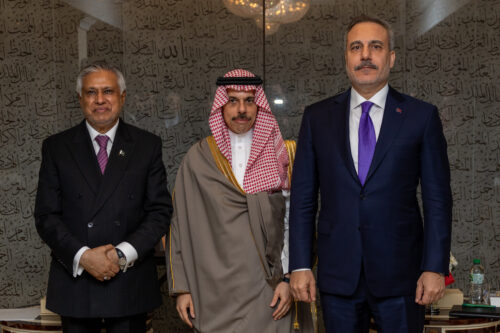
On August 7, 2026, Saudi Arabia, Turkey, and Pakistan signed the Mecca Joint Défense Agreement, a collective-defense pact widely compared to NATO’s Article 5. This essay argues that the comparison is misleading. Mecca borrows NATO’s language of solidarity without yet possessing NATO’s institutional machinery, and the Houthi offensive against Saudi Arabia in September 2026 provided an early and revealing test of what the agreement actually means in practice. Neither Pakistan nor Turkey automatically entered the fight on Saudi Arabia’s behalf, and Washington, despite an initial reluctance to strike directly, remained indispensable through intelligence support and a major proposed F-35 sale. Drawing on realist alliance theory — Hans Morgenthau, Kenneth Waltz, Stephen Walt, Glenn Snyder, and Steven David — and on the precedent of the Central Treaty Organization (CENTO), the essay contends that the Middle East is not dividing into rival blocs but moving from hierarchy toward a looser, overlapping geometry of hedged partnerships, in which American exclusivity is eroding considerably faster than American primacy.
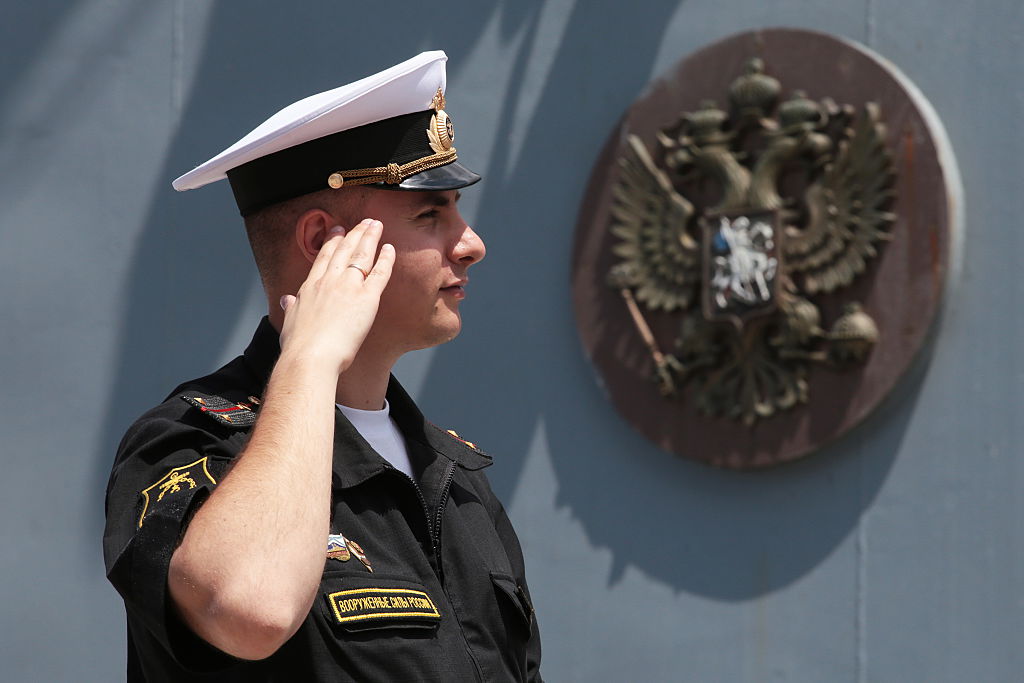
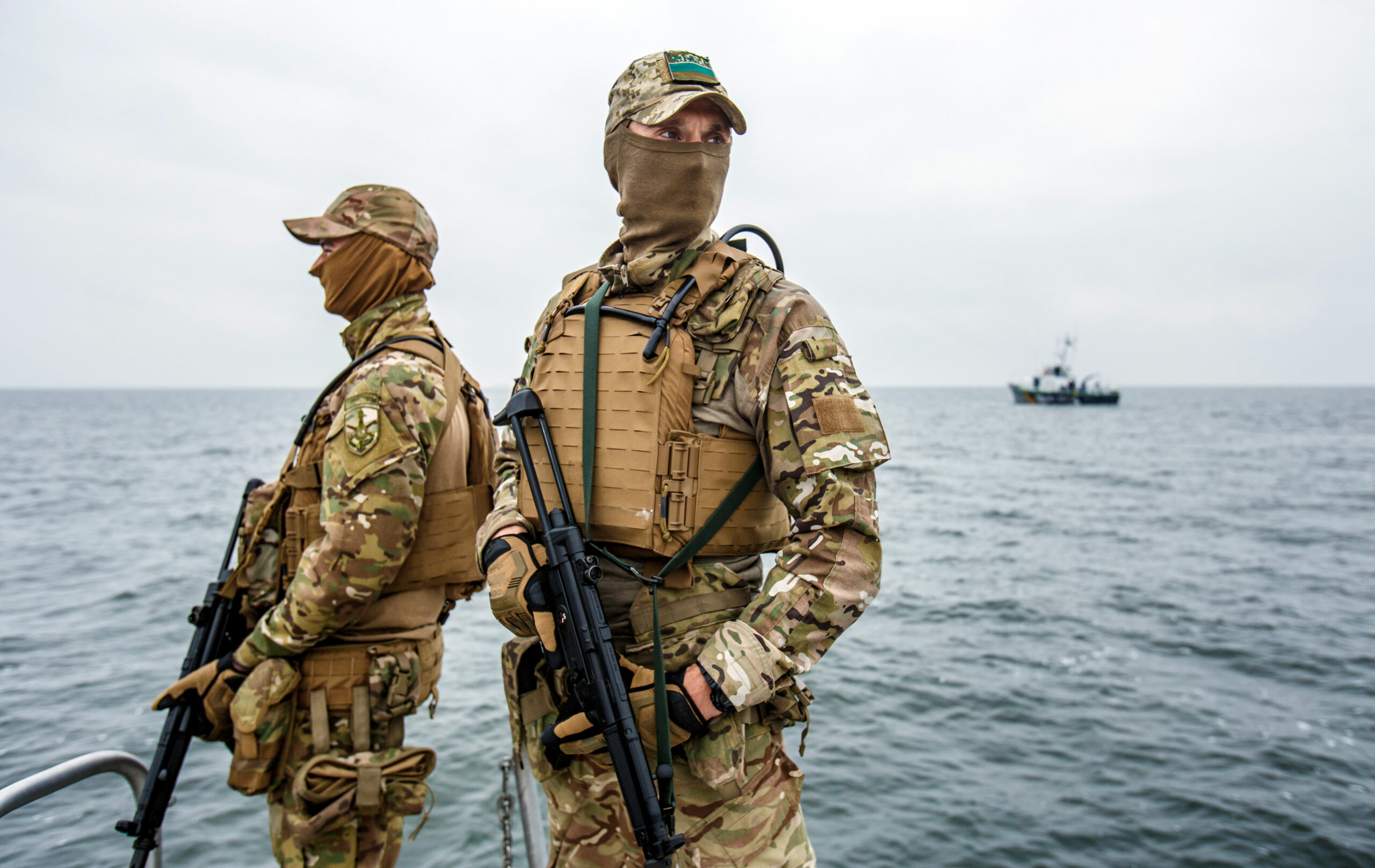
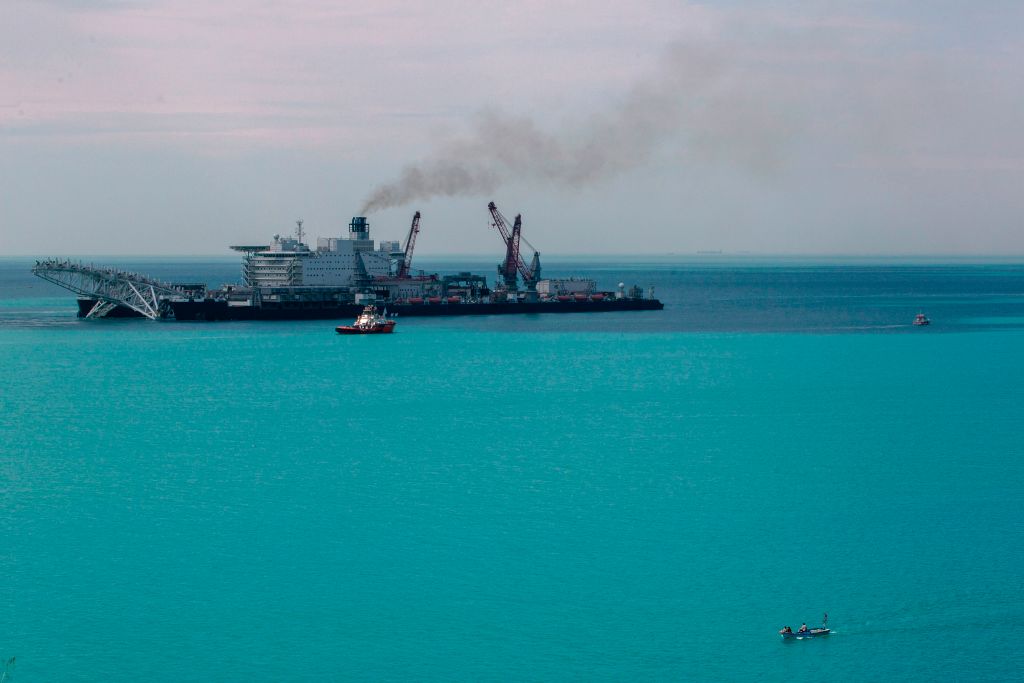
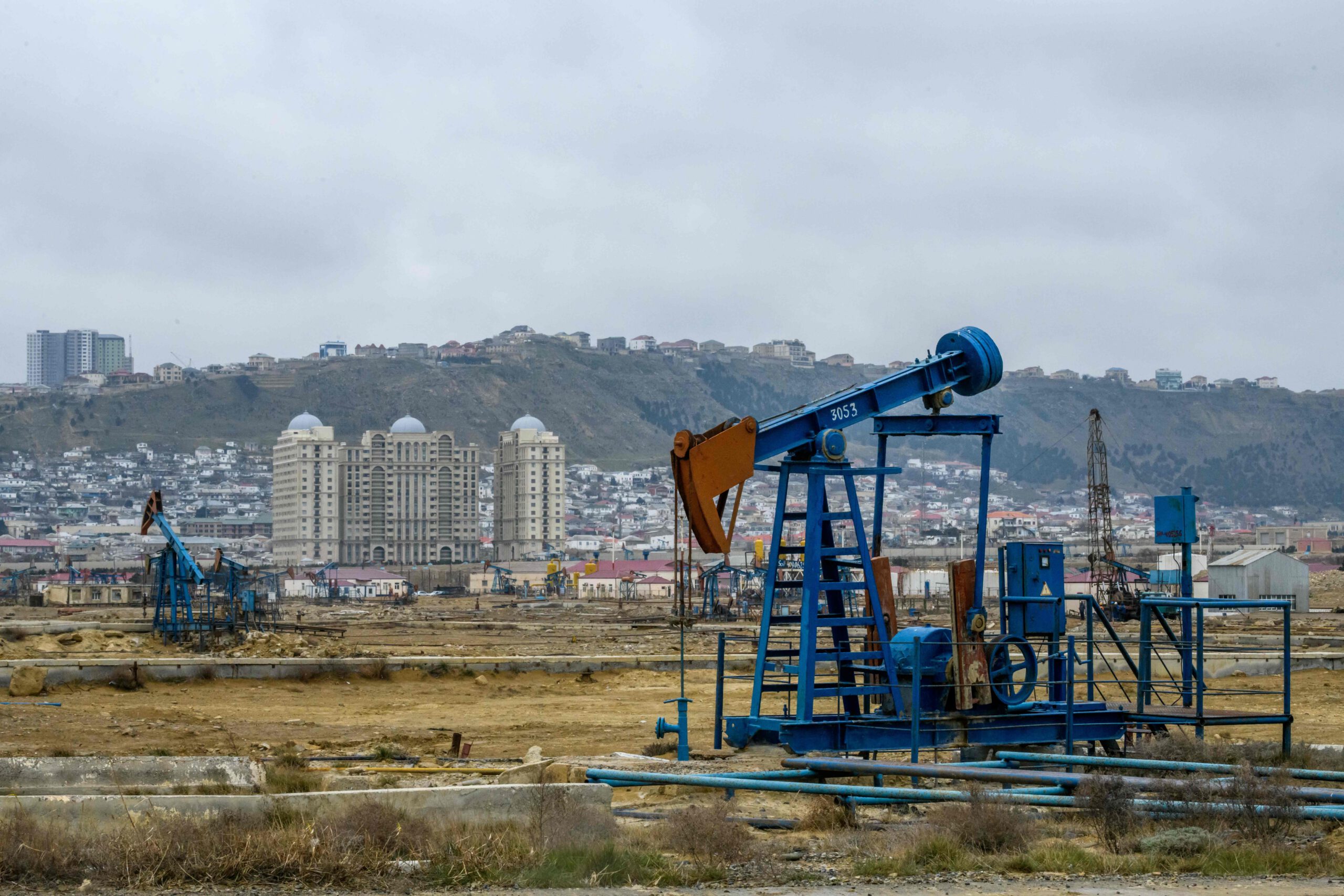
The Black Sea sits at an important economic and civilizational crossroads on the Eurasian landmass. The region contains oil and gas resources, key energy pipelines, shipping lanes, and fiber-optic cables. For Russia, the Black Sea is of particular importance for economic and geostrategic reasons.
Strategic competitors in search of China: The story of Romania and Bulgaria
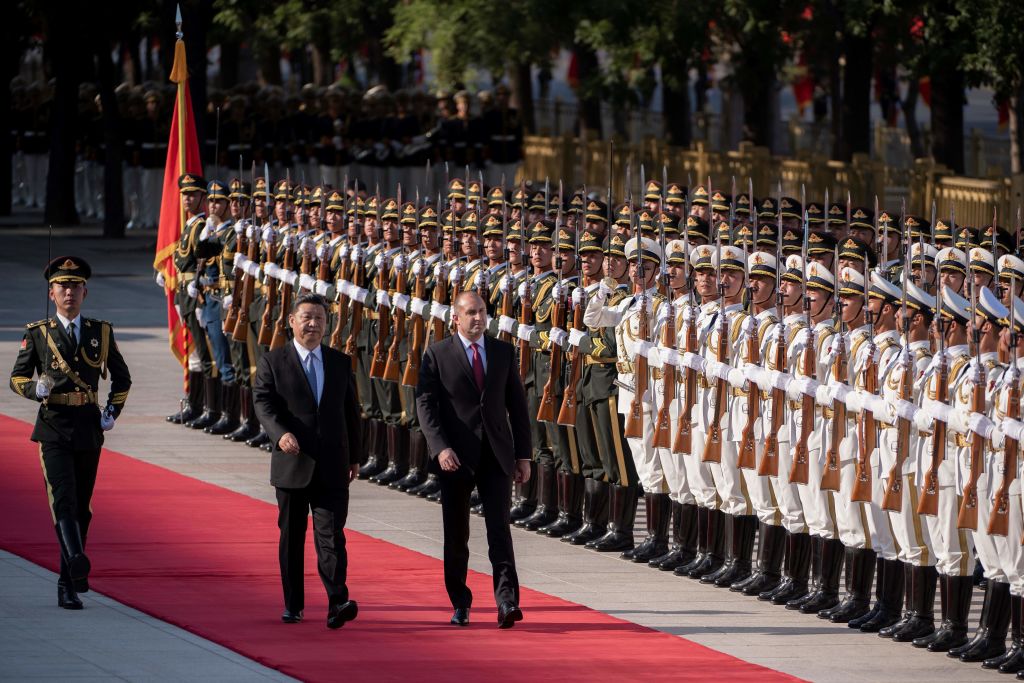
Romanian and Bulgarian interests have diverged on many occasions throughout history, but their outlooks have recently become more aligned. For one thing, both countries have fostered a competitive dynamic to exploit their advantageous position near the Black Sea, or to join the EU and the Schengen Area. Their narratives regarding China are also similar.
The Middle Kingdom and the Middle Corridor: Prospects for China-Turkey ties
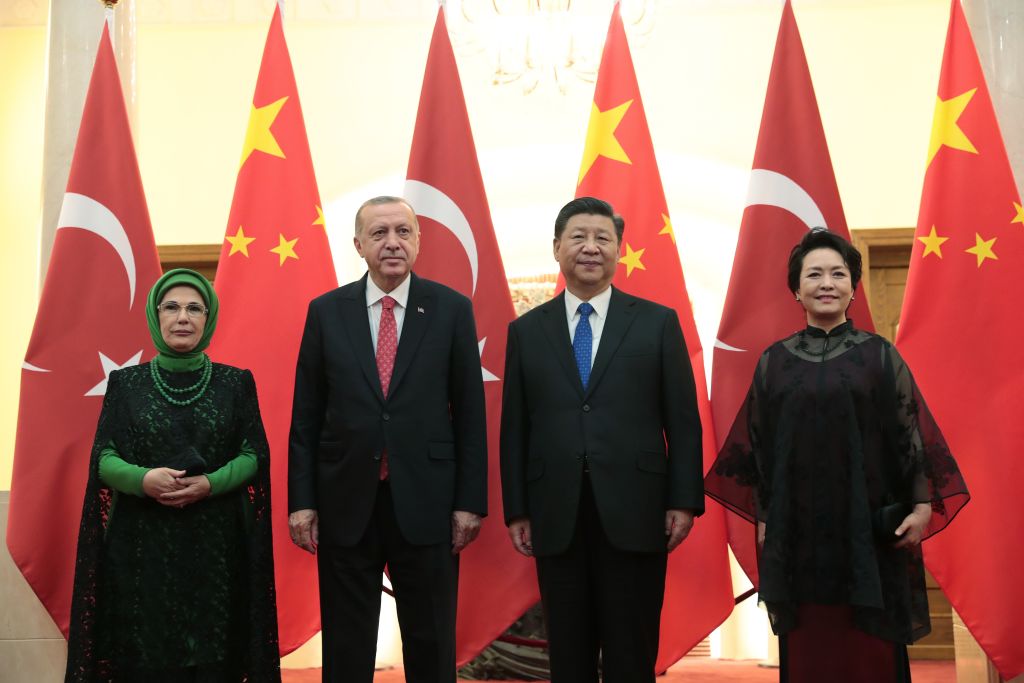
As part of Beijing’s broader strategy of seeking out new markets and cultivating strategic partnerships with countries beyond its backyard, China has been seeking to expand its economic and political ties with Black Sea states. While Beijing’s involvement in the region is still at a nascent stage, it has already prompted fears that its economic engagement masks a political agenda that could hurt Western interests.
Natural gas in the Black Sea: Strengthening cooperation and balancing power
After the collapse of the Soviet Union, Russia used its dominant position as a natural gas supplier to wield outsized influence in the region. But recent changes in the natural gas market have eroded that dominance. Under increasingly globalized and interconnected natural gas markets, Russia has been losing its ability to use its dominance as a gas supplier to influence the region geopolitically and economically.
NATO and its Eastern Flank: Challenges of a post-COVID environment
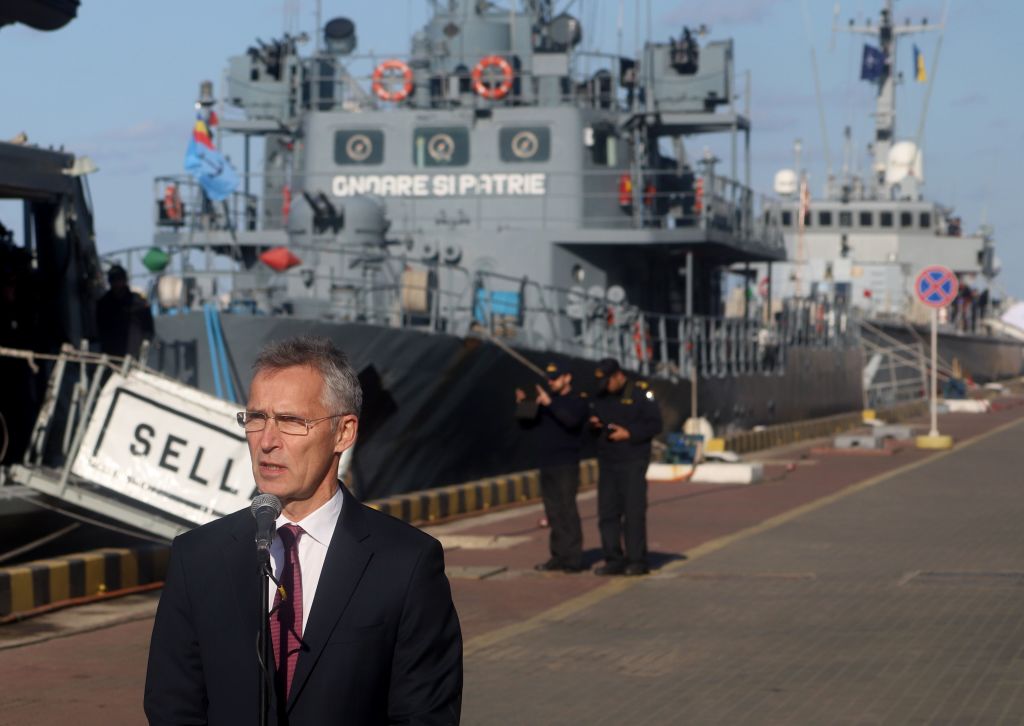
NATO Secretary General Jens Stoltenberg recently urged that the current health crisis should not become a security crisis. To stay secure in the years to come, the Alliance must become more resilient and ready to meet the challenges of a post-COVID environment. This is especially true for the most vulnerable part of the Alliance – its Central and Eastern European (former Communist) member countries.
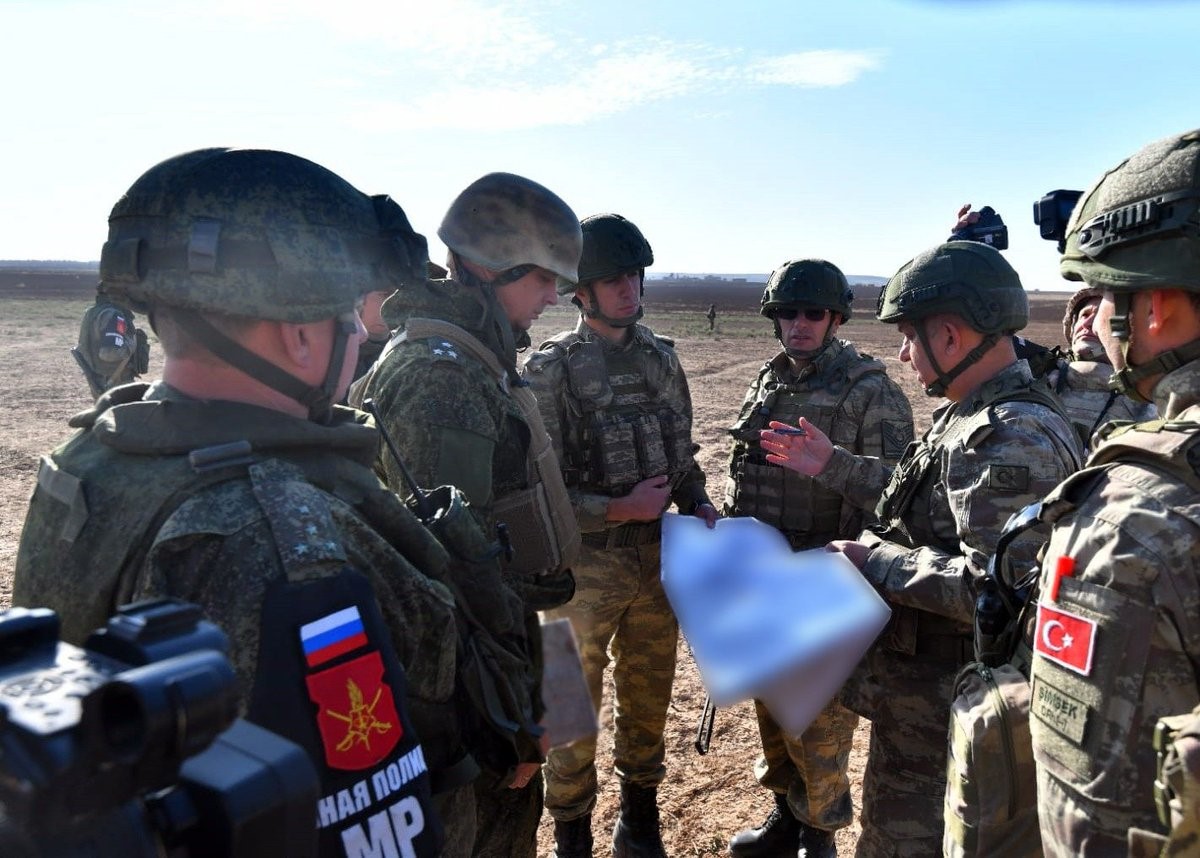
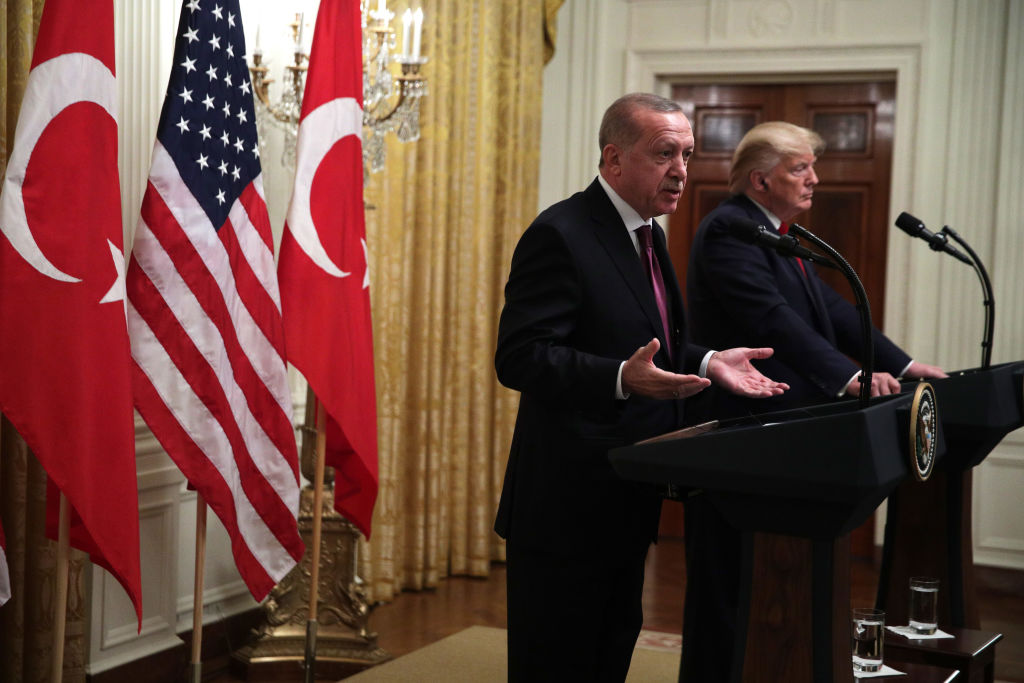
Arguably the time is now ripe to begin accumulating such nuances in regard to Turkey. The difficulties of dealing with Turkey and President Recep Erdogan are incontestable and well-known. Nevertheless, Turkey’s geopolitical significance is equally indisputable and far-reaching. Many of the major issues in European security – migration, Libya’s civil war, confronting Syria’s civil war (the equivalent in our time of the Spanish Civil War in the 1930s), stabilizing the Balkans, defending the Black Sea, European energy security, and in particular accessing the energy in the Eastern Mediterranean – would benefit from the restoration of a true and ongoing strategic dialogue with Turkey. Indeed, neither we nor Turkey can make progress on them without such a dialogue.
Challenges of COVID-19 in areas of protracted conflict
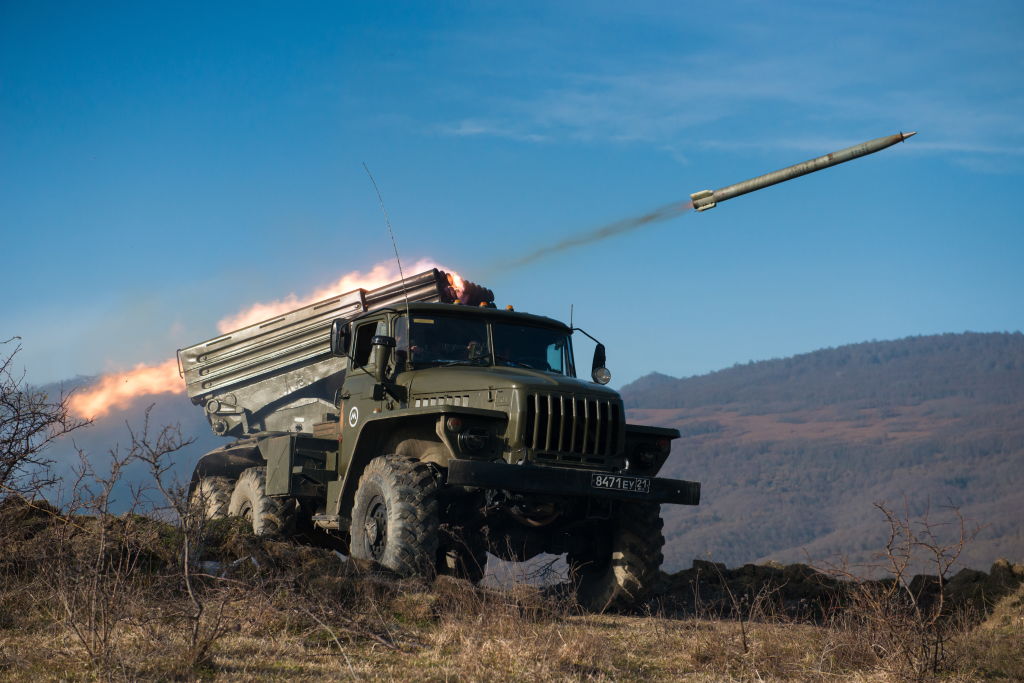
COVID-19 poses immense humanitarian, economic, social and political challenges for the world. However, the threat is especially serious for those affected by ongoing or protracted conflicts. Despite United Nations Secretary General António Guterres appealing for a global ceasefire, there are many conflicts which are not at the forefront of international attention but remain extremely vulnerable to COVID-19. Among them are ongoing and protracted conflicts in the Black Sea and South Caucasus regions.
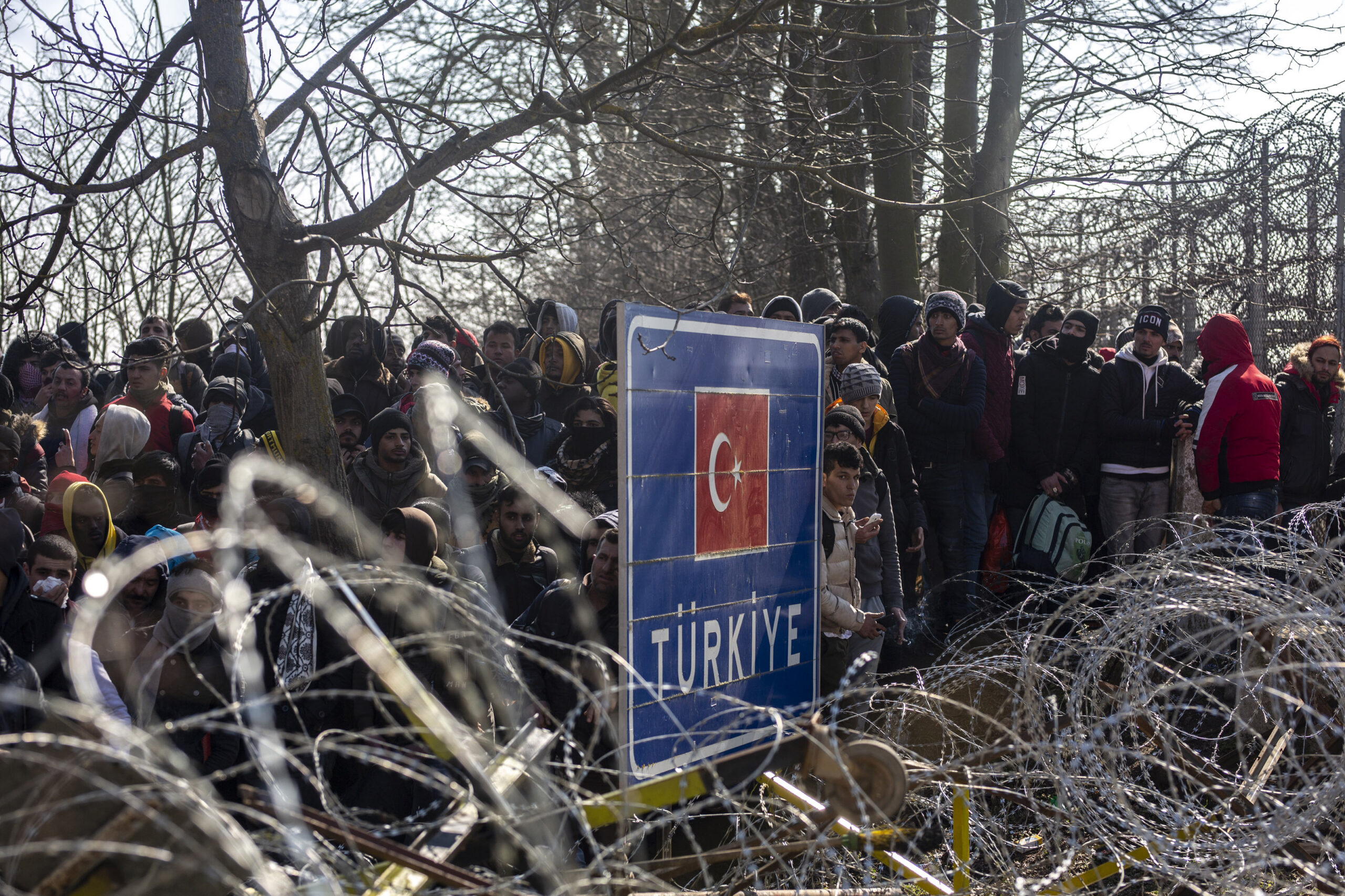
Iulia Joja and Bob Hamilton join host Alistair Taylor to discuss the impact of the coronavirus pandemic on economic migration, with a focus on migration trends in the Western Black Sea and South Caucasus.
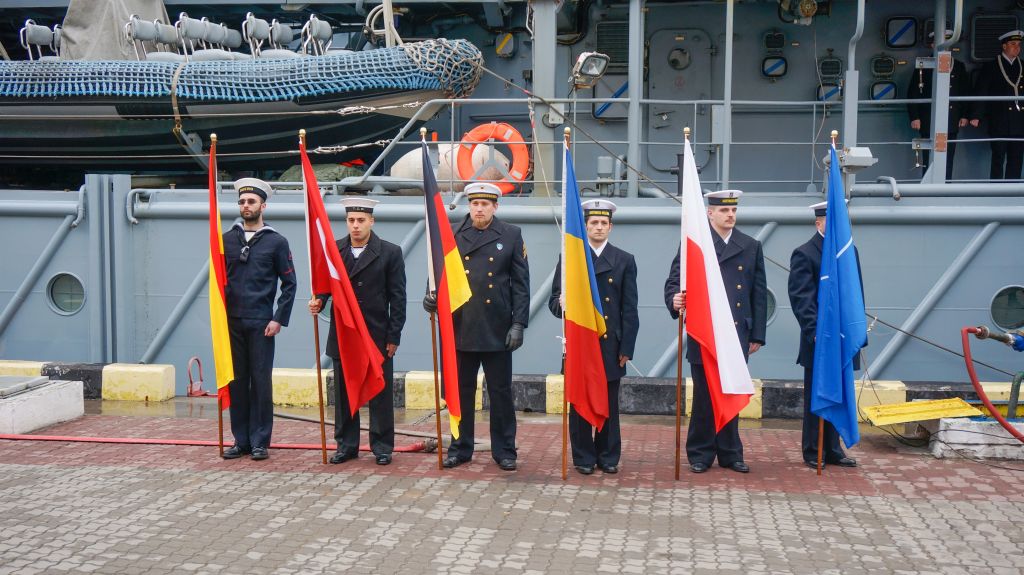
For an organization whose primary mission is collective security in the North Atlantic area, the Black Sea is a very important region for the North Atlantic Security Organization (NATO). This region forms the southeastern frontier of NATO’s area of responsibility. Thanks to Russia’s actions in the region, there are more miles of coastline under illegal military occupation along the Black Sea than in any other place in the world.
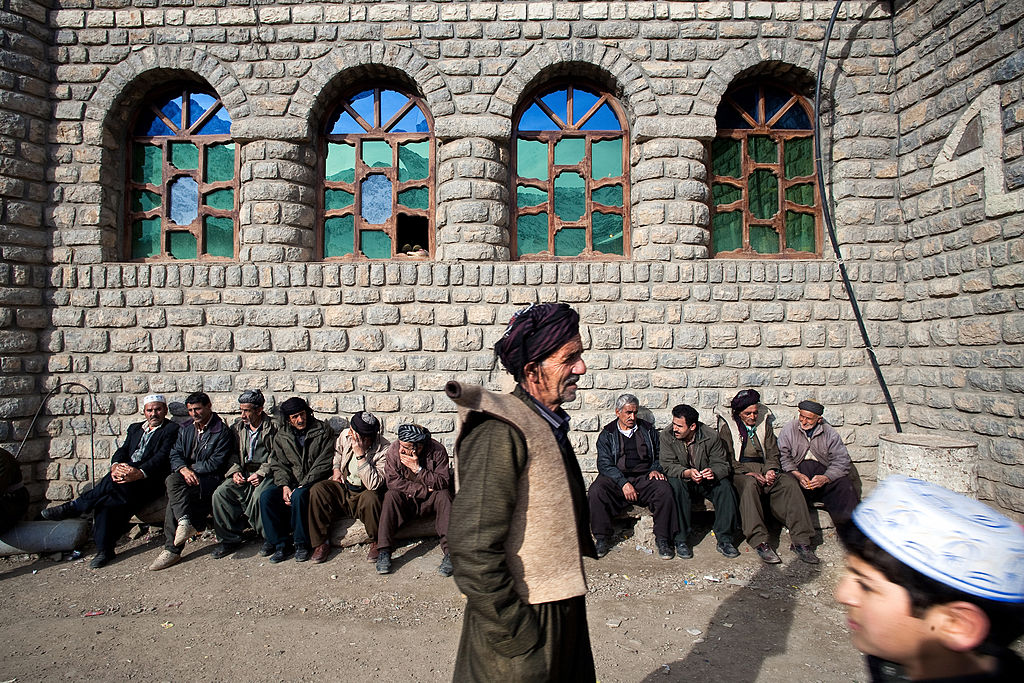
Initial data of Covid-19 mortality rates in the United States suggest that in several regions and cities, the virus hits minority communities harder than the general population. A similar trend has emerged in the Islamic Republic of Iran where published data indicates Iran’s ethnic minorities have higher Covid-19 fatality rates than the general Iranian population.