After decades of political setbacks, Iran’s former Revolutionary Guards commander has returned to the center of power. Is he an incidental beneficiary of war, or have observers underestimated him all along?
The Unavoidable Neighbor: Managing Iran Beyond the War
Gulf states and their partners are increasingly looking beyond their most immediate interests of containing the war with Iran. While recent talks between Saudi Arabia, Turkey, Pakistan, and Iran have kept de-escalation on the agenda, a broader regional security framework and non-aggression pact has also emerged, envisioning a longer-lasting solution to regional conflicts. The talks have yet to produce a settlement, but they reflect a growing recognition that Gulf security cannot depend entirely on Washington. Iran will still be there, and its neighbors will have to find ways of living with it.
This report explores maritime security conditions in the Mediterranean and the evolving US engagement in the region. As critical infrastructure becomes increasingly vulnerable to sabotage, freedom of navigation is undermined by conflict, and energy disputes generate tension, US policy focus on the region has become fragmented and disengaged. The authors call for a sustained American role to strengthen maritime domain awareness, allied coordination, infrastructure protection, and the capacity to respond when Mediterranean crises affect US and transatlantic interests.
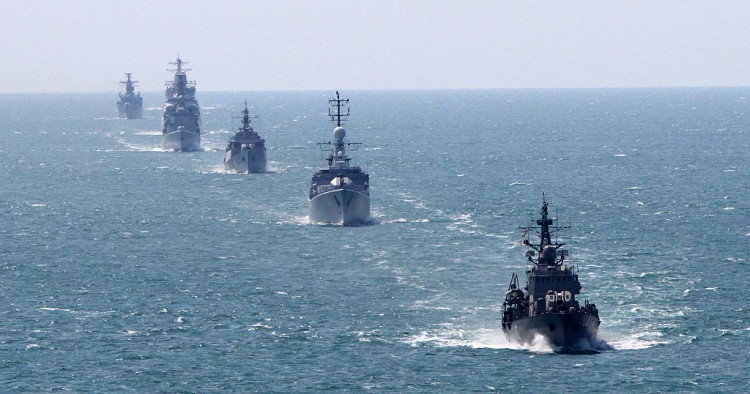
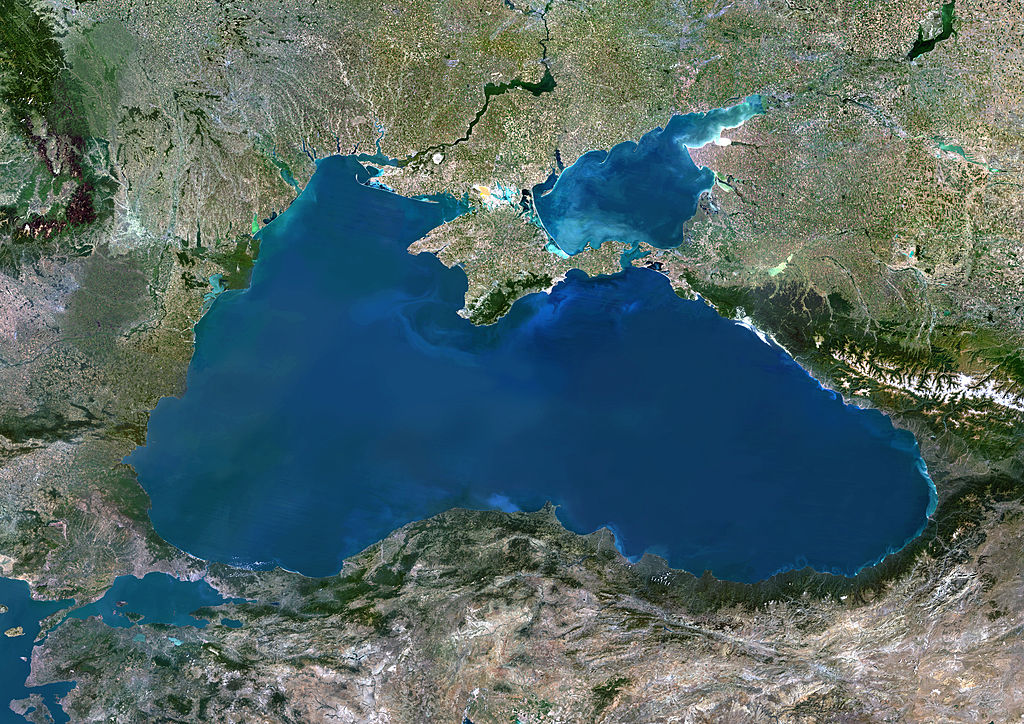
Drifting attention: Why the Black Sea continues to matter
The threat of Russian aggression in Eastern Europe is once again lingering. As if by clockwork, Russia’s relations with its neighbors are under scrutiny once more, six years after its annexation of Crimea and 12 years after its invasion of Georgia.
Election 2020: The Future of U.S.-Black Sea Relations
In Frontier Europe Initiative’s new briefing book, entitled Election 2020: The Future of Black Sea-U.S. Relations, MEI scholars and external contributors identify key issues across the region, highlight U.S. interests at stake, and provide policy insights and recommendations for the path forward. The pieces in this book serve as a contribution to the broader discussion about the challenges and opportunities for U.S. policy in the region
Protracted conflicts and security challenges in the Black Sea
Protracted regional conflicts affect the security and stability of the Black Sea region in a number of ways, including through increased militarization, the growing influence of disinformation, and an absence of comprehensive domestic and regional peacebuilding policies.
It has now been more than two weeks since fighting flared up along the frontlines of the Nagorno-Karabakh conflict. Far from being a small skirmish like the fighting was in July, the current fighting is taking place along the entire frontline. The Republic of Georgia is located right in the middle of this current storm. One only has to look at a map to see Georgia’s predicament.
“Diplomacy of attrition”: How will the Russia-Turkey stand-off in Nagorno-Karabakh play out?
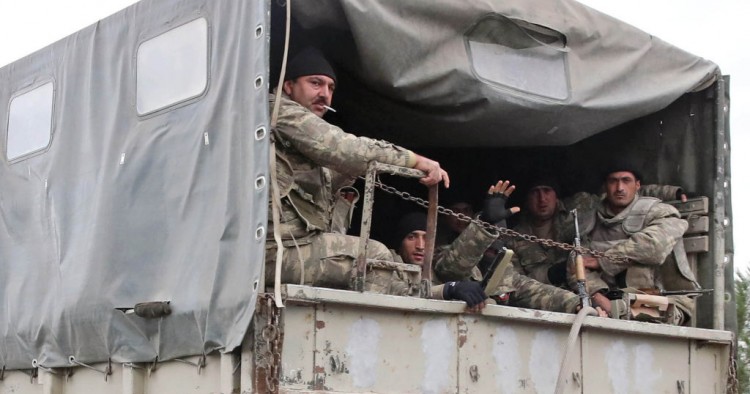
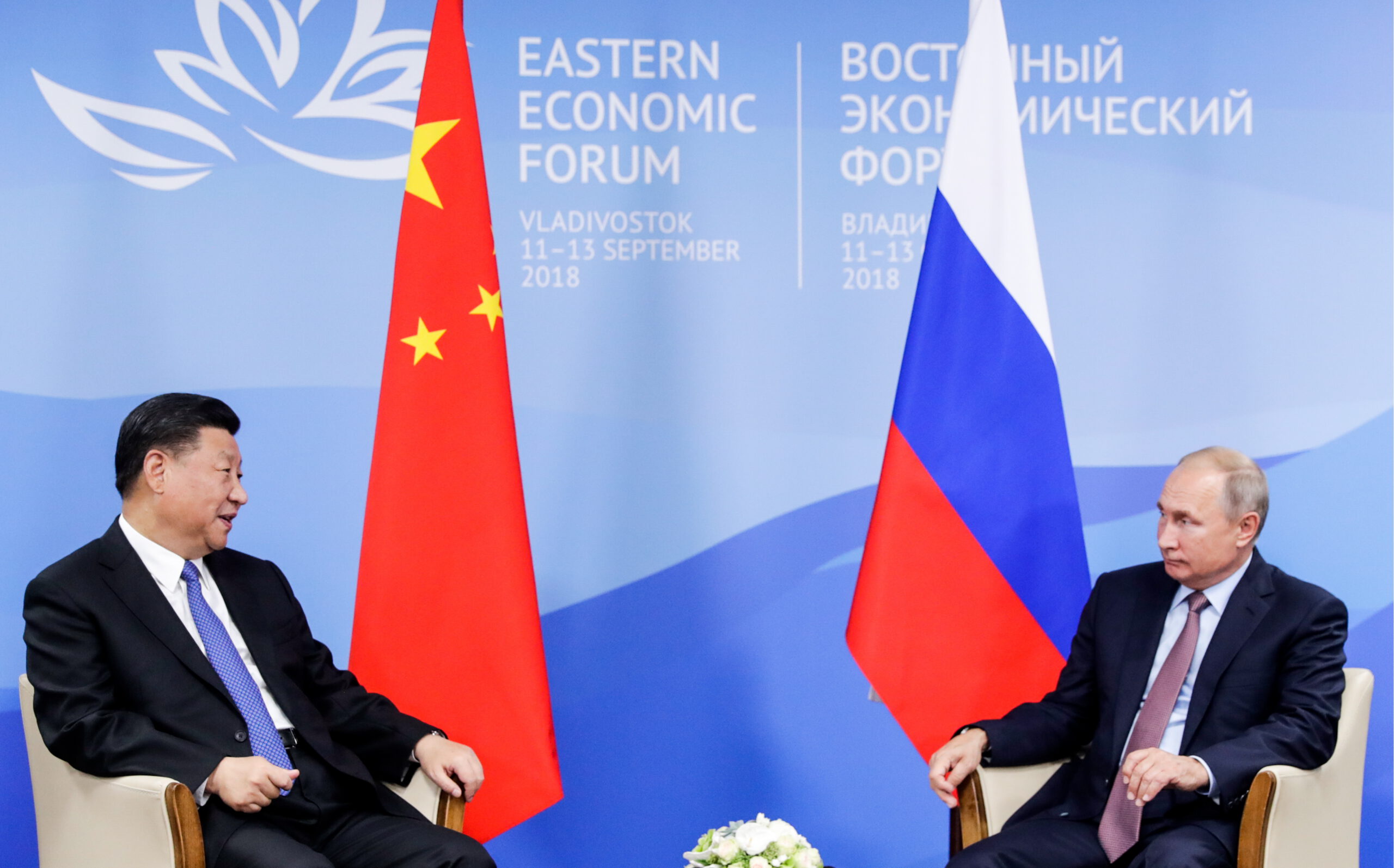
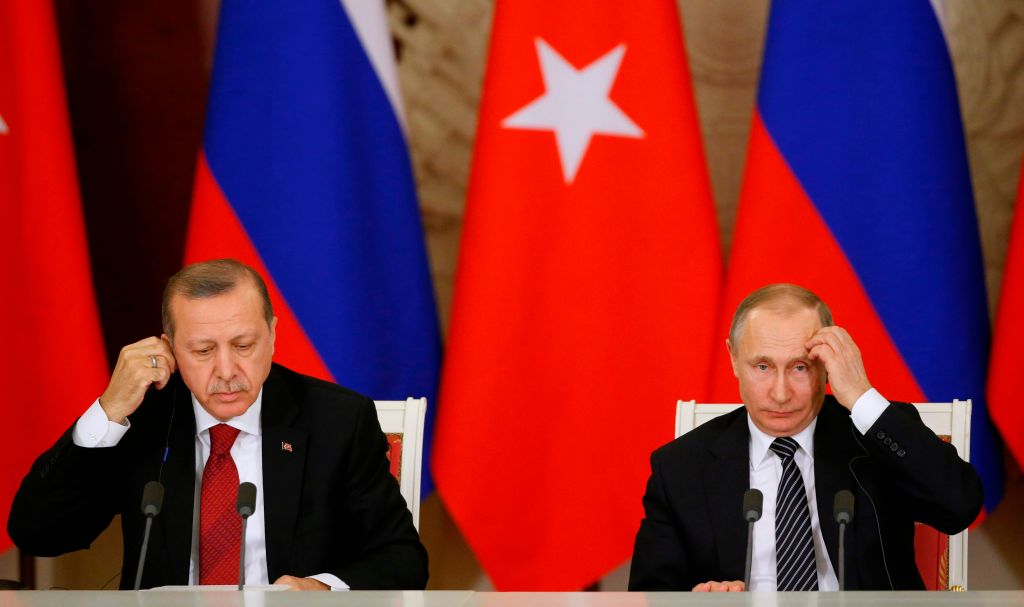
Over the past few years, both Russia and Turkey have played key roles in the world’s hottest conflict zones. Usually on opposite sides and often on the verge of a direct confrontation, Moscow and Ankara have demonstrated a knack for brinkmanship and crisis management through diplomacy. While both sides have suffered casualties, they pulled back before any fight got too big. On Sept. 27 the latest in a series of conflicts emerged when fighting broke out again between Azerbaijan and Armenia over the disputed territory of Nagorno-Karabakh. With Turkey and Russia on opposite sides once more, the flare-up in the South Caucasus will be a major test of whether their relationship will bend or break.
Escalation and Regional Risks in a New Karabakh War
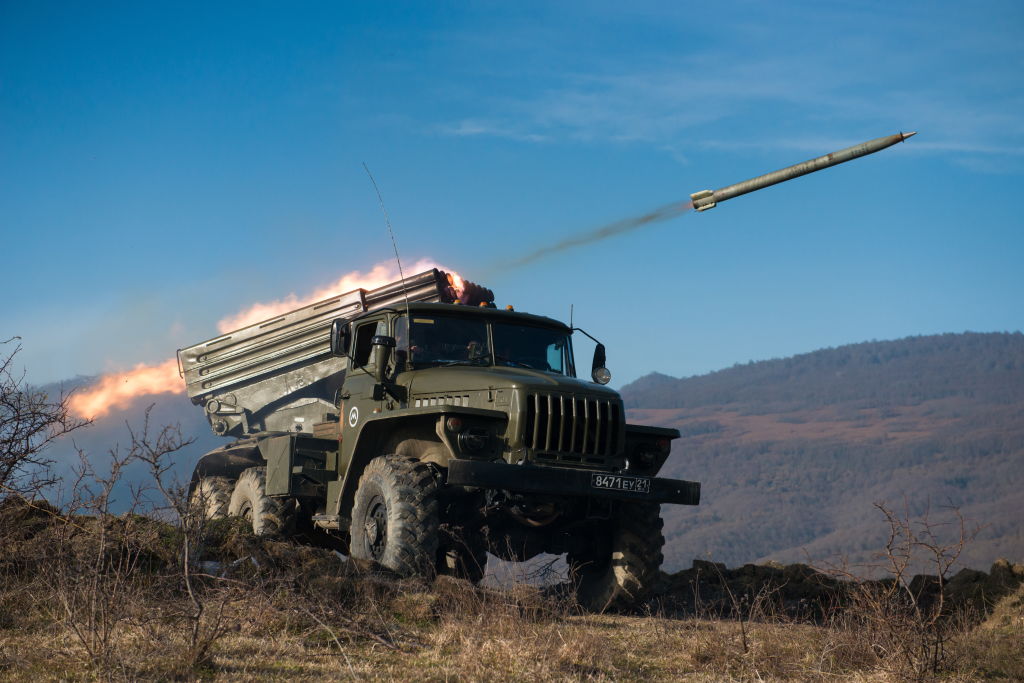
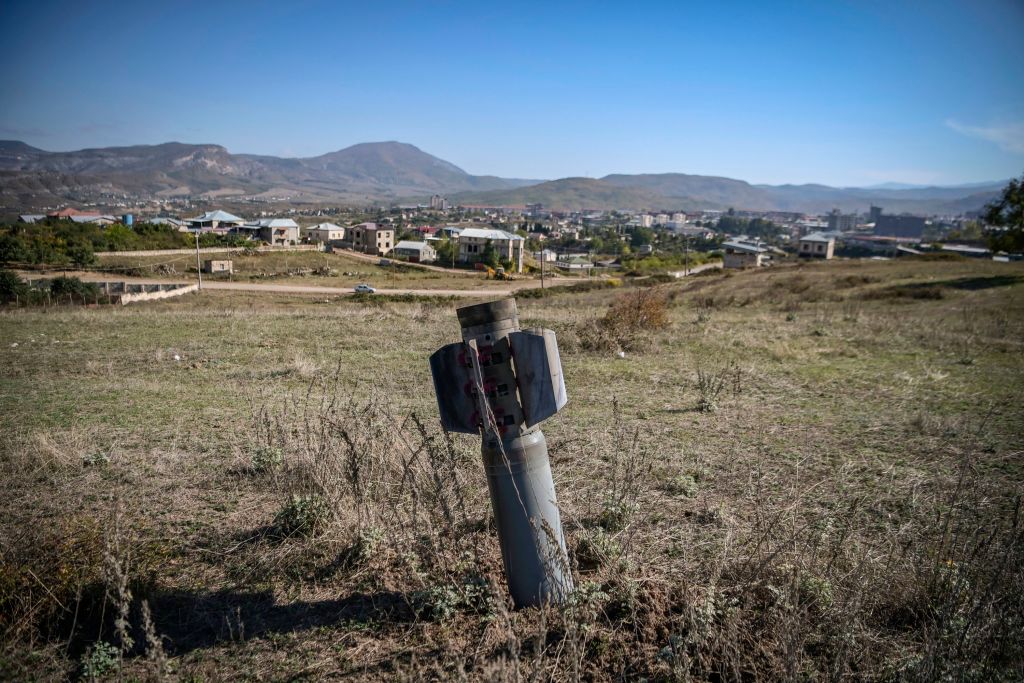
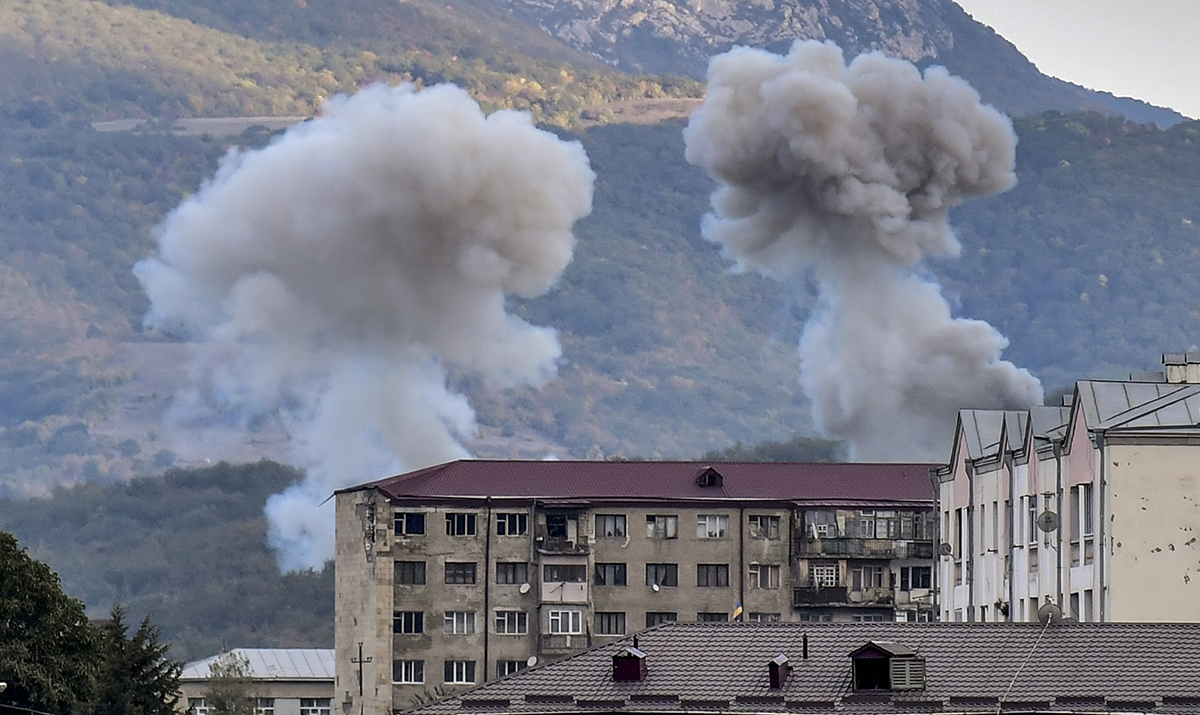
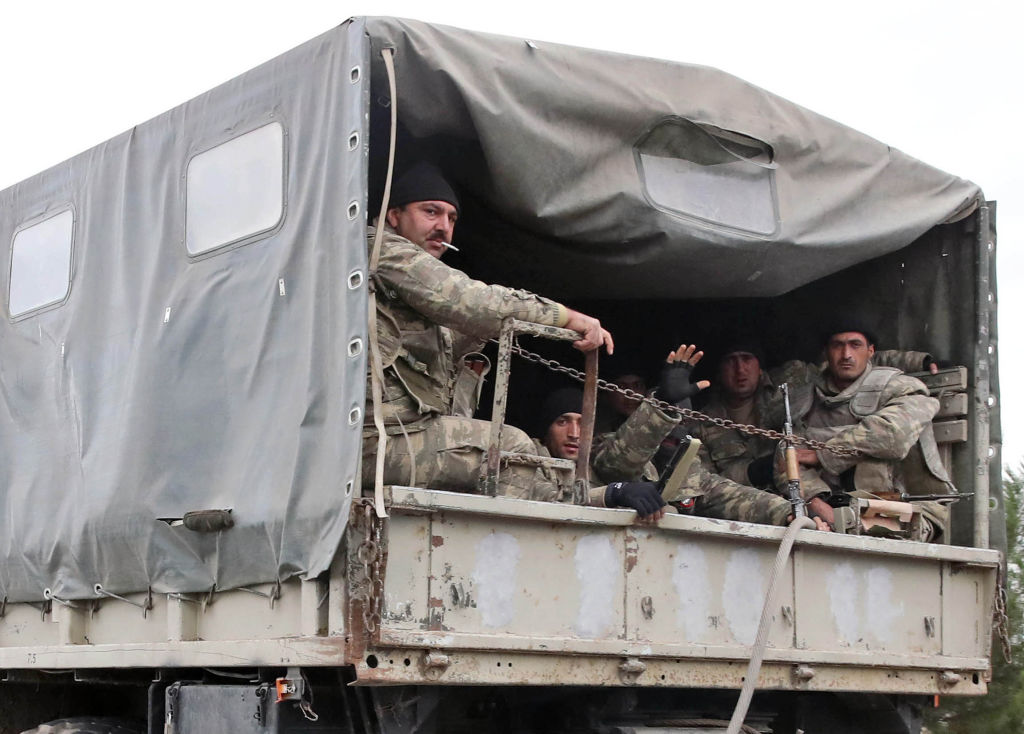
Fierce fighting between Azerbaijani and Armenian forces represents a dramatic escalation in longstanding tensions, with the two countries on an all-out war footing following over a week of battle. Although the fighting has already dramatically eclipsed previous spikes in violence since the 1994 ceasefire, the most recent conflagration shows no signs of abating anytime soon, and raises the specter of even greater escalation among regional and global powers.
Turkey, Russia and the escalation in Nagorno-Karabakh
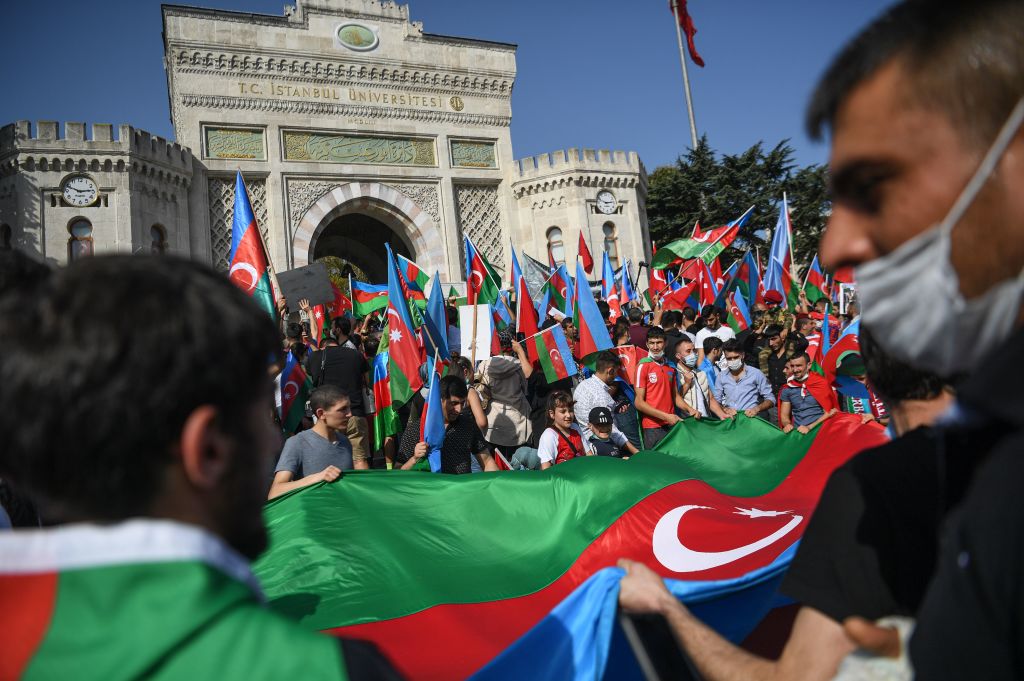
On September 27, hostilities broke out between Armenia and Azerbaijan in the disputed region of Nagorno-Karabakh (NK). Following several days of fighting, the region is now witnessing the worst escalation of tensions since the early 1990s. This time, Azerbaijan’s efforts are boosted by Turkey’s readiness to render robust military support.
Monday Briefing: Will Russia and Turkey face off over Nagorno-Karabakh?
This week’s briefing on recent news and upcoming events in the region featuring Maxim A. Suchkov, Ibrahim Jalal, Eliza Campbell, Alex Vatanka, and Marvin G. Weinbaum.
Abkhazia, Georgia and COVID: An opportunity from crisis
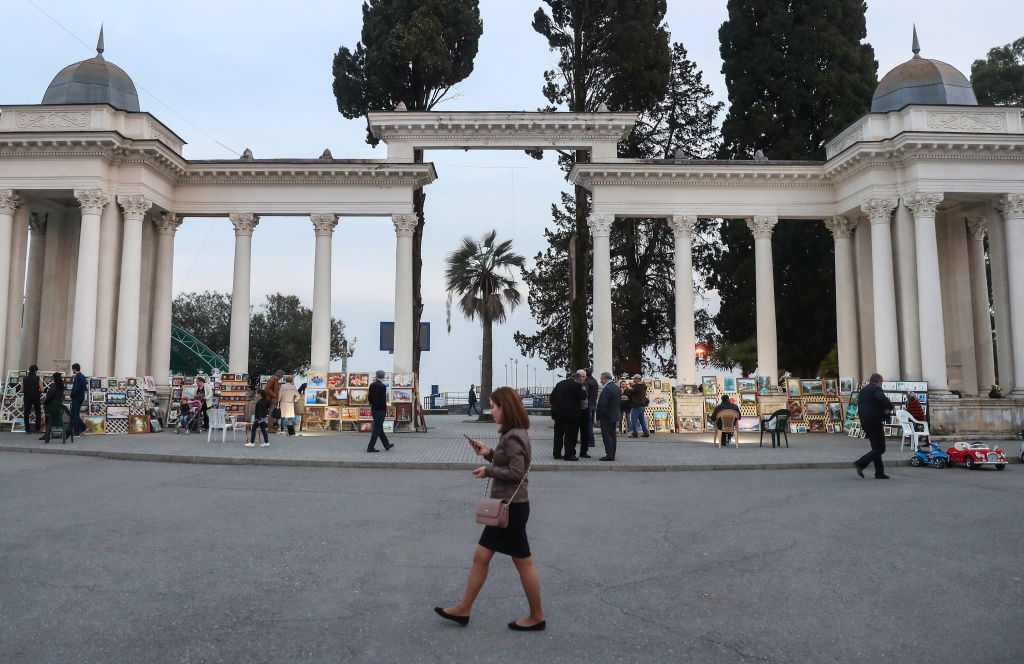
As with nearly everywhere in 2020, the Caucasus has been hit hard by the coronavirus pandemic. While Armenia has registered by far the most cases of the three internationally recognized South Caucasian states, it’s another regional territory where the pandemic’s effects are being felt most broadly: the breakaway Georgian province of Abkhazia.
Challenges of economic integration in the Black Sea
Countries in the Black Sea region have largely failed to integrate with their neighbors, despite common levels of openness and dependence on foreign trade. For many countries in the region, trade has become a driving force for growth, accounting for on average one-third of regional GDP. However, Black Sea supply chains largely connect the region to the outside world – primarily Europe and Asia – instead of neighboring countries. Highly integrated trade relationships, like those seen in Southeast Asia, simply do not exist amongst Black Sea countries.
Russian dominance in the Black Sea: The Sea of Azov
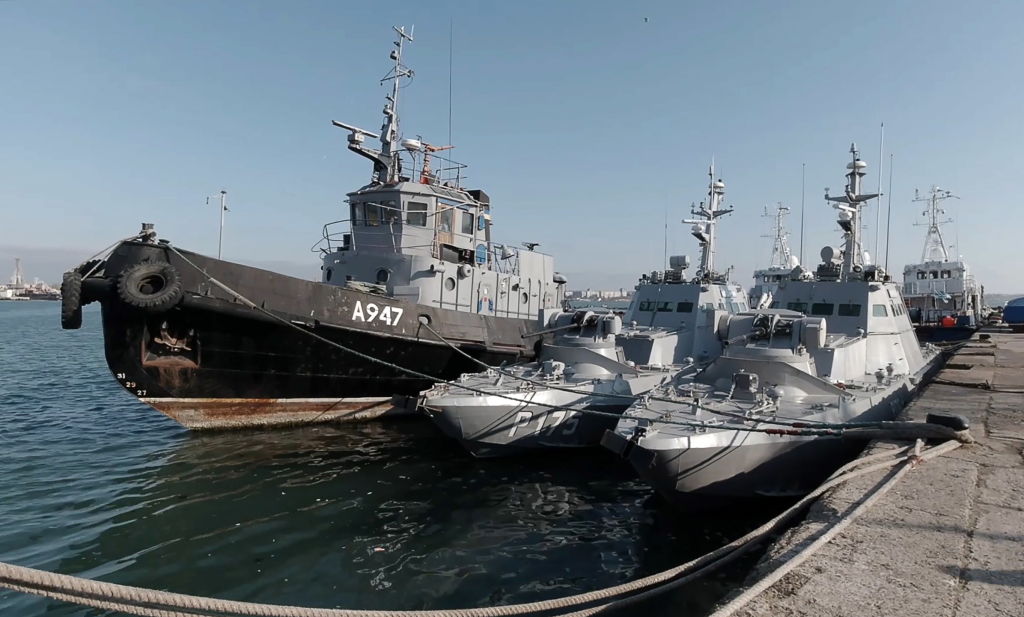
Since its annexation of Crimea, Russia has spent the past few years militarizing the peninsula. But one aspect of Russia’s control of Crimea is less discussed in Western policy circles—the importance of the Sea of Azov to Russia’s Black Sea ambitions. Russian control of Crimea does not only bring the goal of turning the Black Sea into a Russian lake closer, control over Crimea gives Russia dominance over the Sea of Azov.