Israel/Palestine: What the Iran War Broke and What May Yet Be Salvaged
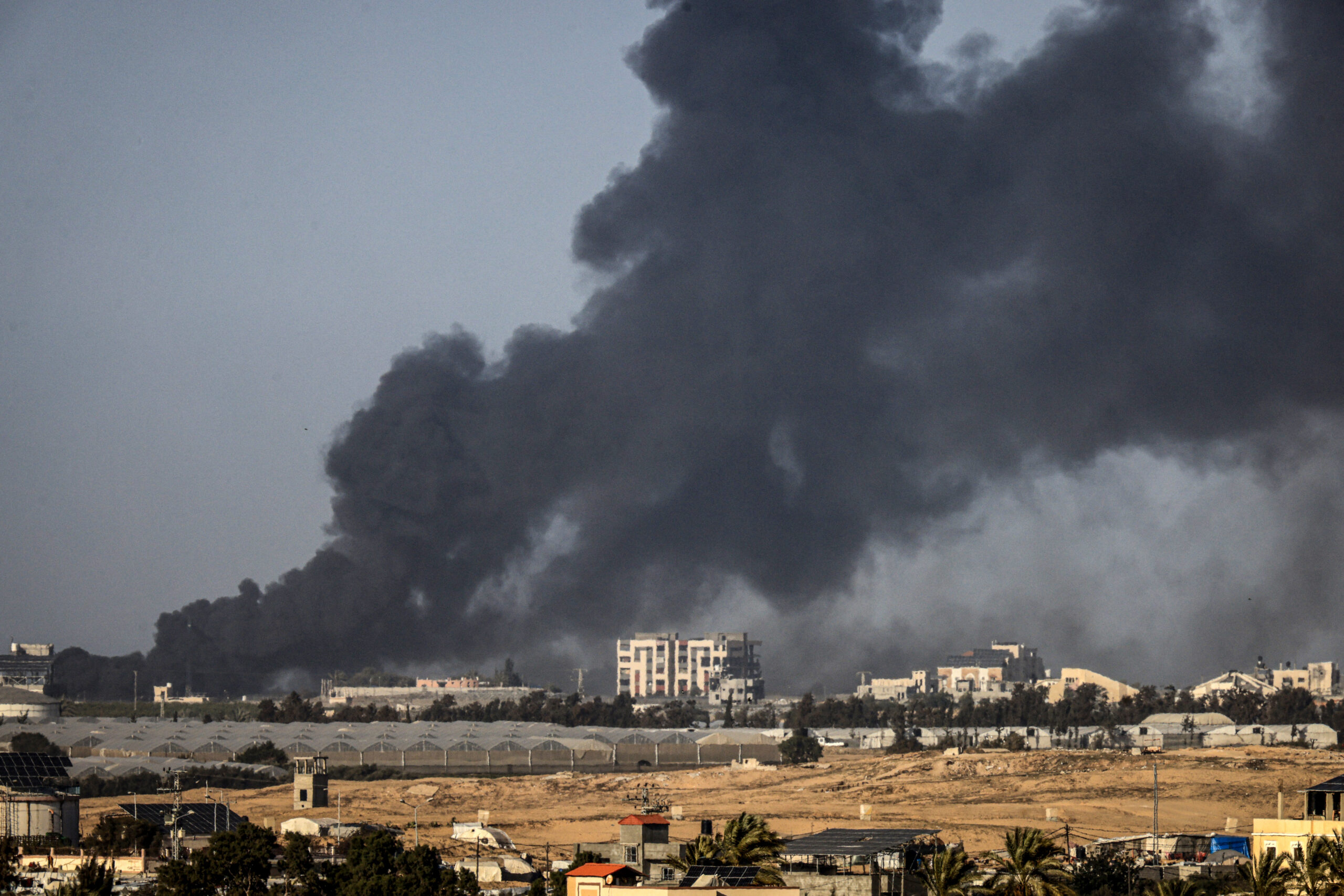
The 20-point plan for Gaza introduced before the war with Iran began has languished, with no meaningful recovery, reconstruction, Hamas disarmament, governance transition, or Israeli withdrawal. The diplomatic pivot back to Gaza in late July and early August suggests that the Iran war’s stubborn persistence may be causing the US and regional actors to seek wins on other fronts.
This report considers the lack of Palestinian political agency as a driver of regional insecurity that must be resolved before wider conflicts can be settled. The author analyses the conditions that contributed to the destruction of Palestinian political capacity, including Israeli policies, Palestinian shortcomings, and exploitation by Iran, and makes recommendations for an Arab strategic initiative.
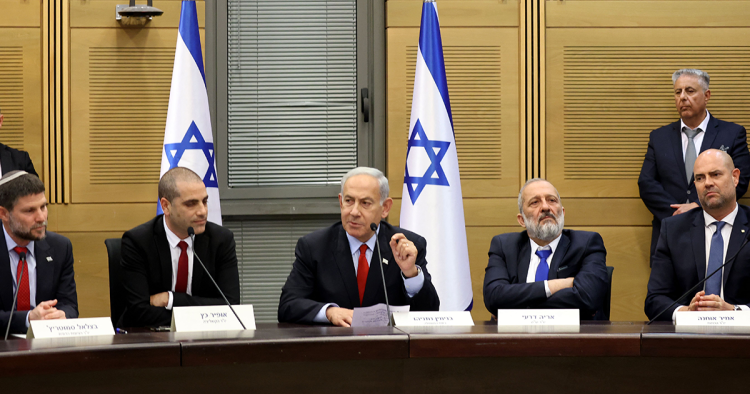
Expelling MK Cassif: A warning sign for Palestinian representation in the Knesset
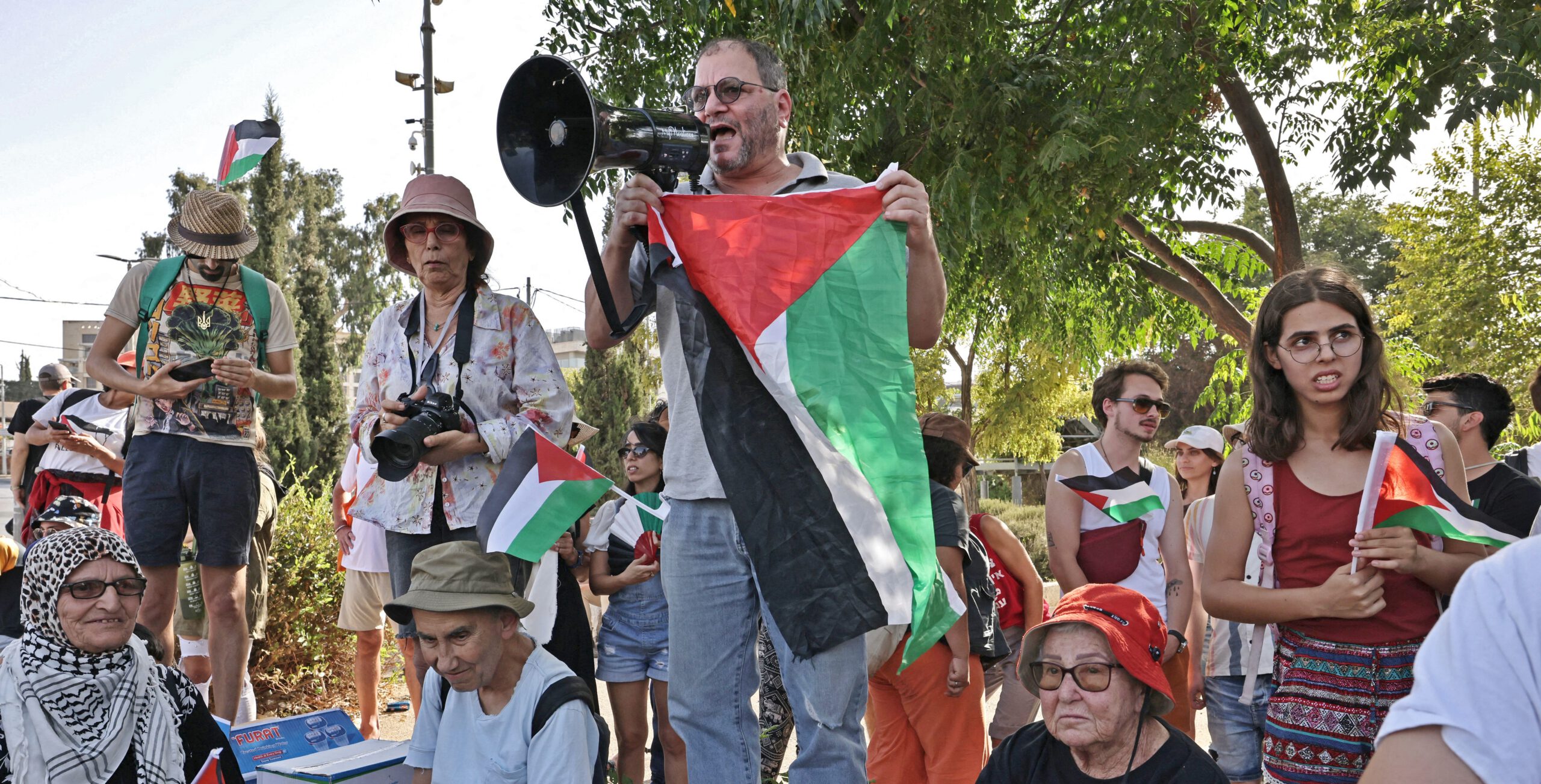
If the Knesset expels lawmaker Ofer Cassif, it will represent the national legislature’s first use of the Suspension Law and signal a sharp curtailing of legal space for non-Zionist players in Israeli politics.
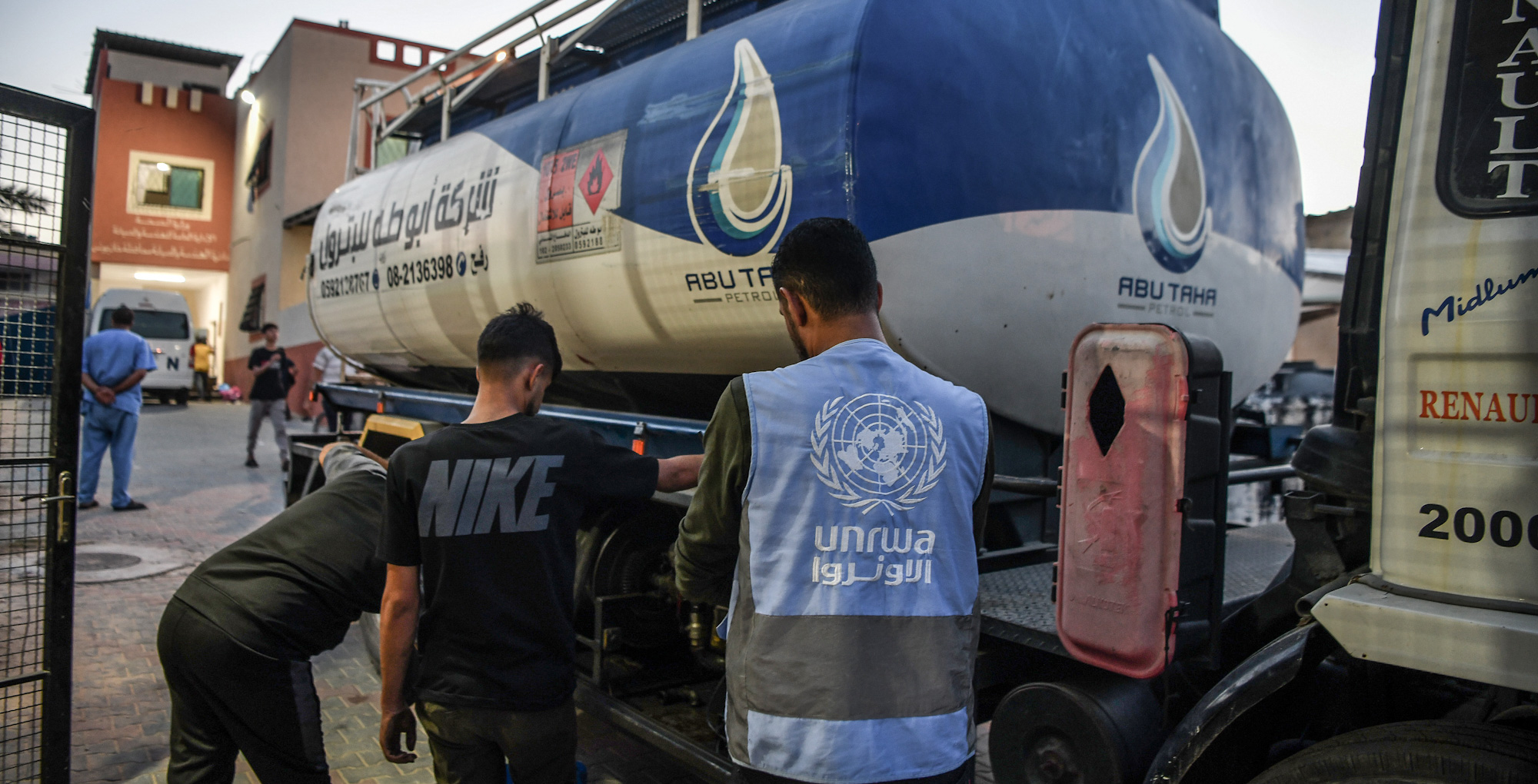
Suspending UNRWA funding is collective punishment for Palestinians
The decision by the United States and other donor countries to suspend financial assistance to UNRWA will have far-reaching and likely devastating consequences for the civilian populations that rely on its services, particularly in the Gaza Strip. Donor countries must realize that the consequences will hinder the humanitarian response to the Israeli war on Gaza, incurring a heavy cost in human lives.
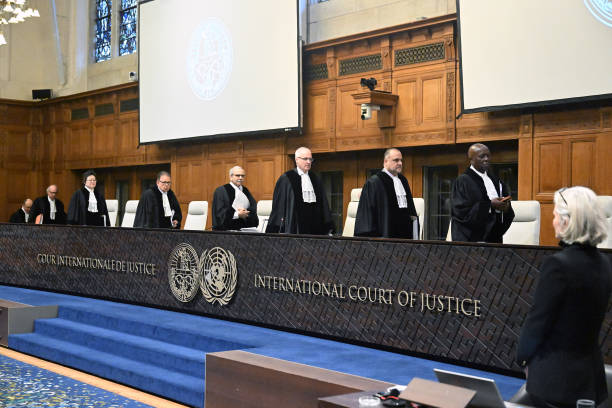
Why Israel’s top court is greenlighting a civil rights crackdown
In times of war, constitutional courts frequently fail to defend civil liberties. There is no shortage of examples of this from around the world, often stemming from an impulse to avoid conflict with the national security establishment in order to avoid losing public support. In the wake of the Hamas-led attacks on October 7 and Israel’s ongoing bombardment of the Gaza Strip, the Israeli Supreme Court has been no exception.
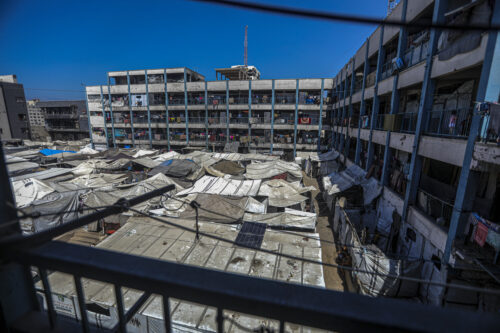
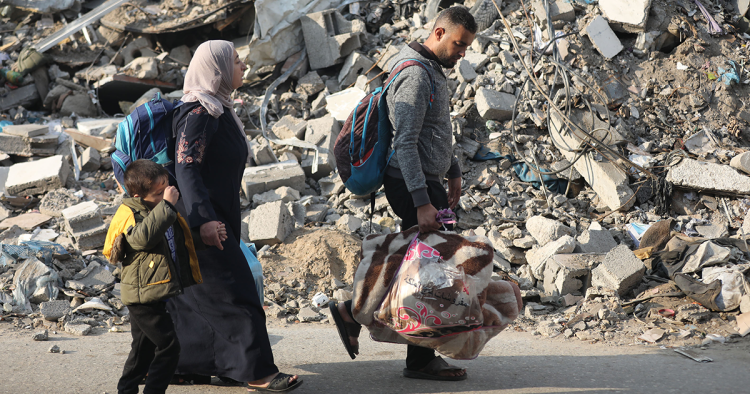
The Israeli military offensive in the Gaza Strip has led to a displacement crisis of historic magnitude. According to international assessments, about 1.9 million Palestinians are displaced in Gaza—85 percent of the population. More than a million of them have fled from the northern part of Gaza following Israel’s instructions. The pictures, stories, and videos appearing on social media since the beginning of the war, with Palestinian families fleeing with light luggage, feel to many like a national flashback to the Nakba, an Arabic word that means “catastrophe.”.
Reinventing a square wheel: Can a revitalized Palestinian Authority lead the way to a better “day after?”
As questions about regarding who can take over governance of the war-torn Gaza Strip, Washington and other are pinning their hopes on a revitalized Palestinian Authority. But such “revitalization,” if limited to “strengthening” the PA cabinet and making only minor improvements in governance, will ensure that Gaza will remain a “super camp” and a source of recurring/persistent instability for Palestine and Israel.
Antisemitism and Islamophobia in the US Political Discourse on Israel/Palestine
Sahar Aziz and Mitchell Plitnick discuss their study “Presumptively Antisemitic: Islamophobic Tropes in the Palestine Israel Discourse” with MEI’s Palestine and Palestinian-Israeli Affairs Program Director Khaled Elgindy.
The oldest peer-reviewed publication dedicated to the study of the modern Middle East, MEI’s flagship journal covers politics, society, and culture in the region.