The Multiple Costs of the US–Iran War – From Hormuz to Europe and South Asia: The Widening Economic and Political Geography of the Conflict
Wars are decided by those who hold military power, but their costs are increasingly borne by those who have little or no voice in the decisions that start them. The US–Iran war shows this imbalance very clearly. Its economic consequences have gone far beyond the battlefield and have disrupted energy markets, trade routes, food supplies, public finances and investment in the Gulf, Europe, Africa and Asia. The most striking feature of the conflict, however, is not only the size of the damage but its very unequal distribution.
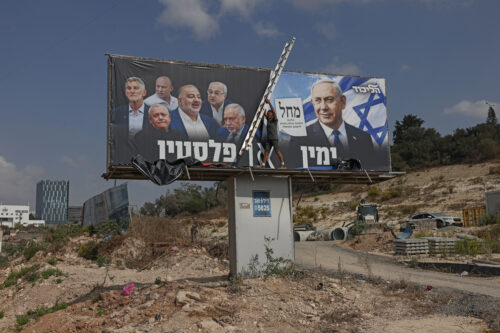
One striking thing about US President Donald Trump’s endorsement of Israeli Prime Minister Benjamin Netanyahu this past week is how isolated he was in making this call. The Israeli Prime Minister has become a widely detested figure worldwide following Israel’s war in Gaza—where Israel committed war crimes. This disdain was clearly on display in New York in September when dozens of diplomats streamed out of the hall during Netanyahu’s speech.
Iran’s New Defense Minister Is a Missile Man, Not a Military Man
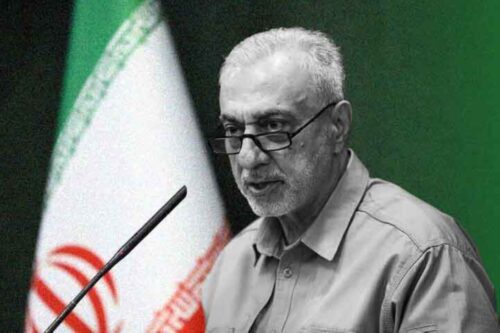
Mehrdad Akhlaghi was appointed defense minister in October 2026 by Iranian President Masoud Pezeshkian. He is an unusual choice, as, unlike most of his predecessors, he does not come from a uniformed military background. And his appointment comes arguably at the most sensitive time in the history of the Islamic Republic.
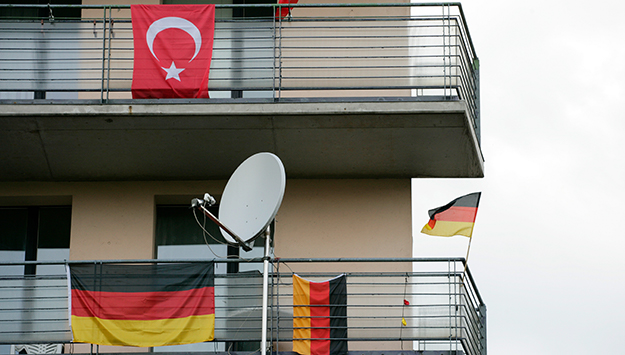
The Real Reasons behind the Current Turkish-German Row
Relations between Turkey and Germany have become increasingly fraught over the past few months. They hit a new low following the August 19 arrest of Turkish-born German writer Dogan Akhanli in Spain. Akhanli, a frequent critic of Turkish President Recep Tayyip Erdogan, was held by Spanish authorities in connection with criminal proceedings in Turkey. Germany’s foreign minister has urged Spanish officials not to extradite the writer.
The Middle East Dialogue, a regional Track 1.5 group in which officials and non-officials from the region and beyond meet to discuss current issues in their personal capacities, met May 12-13 in Malta. Read the full report (PDF).
On September 23-24, the Middle East Institute’s Initiative for Track II Dialogues convened its ninth meeting of the Middle East Dialogue in Muscat, Oman. Participants included current and former officials and senior experts from Saudi Arabia, Lebanon, Egypt, Turkey, United Arab Emirates, Syria, Iraq, the Kurdistan Regional Government, Iran, Russia, China, the United States, and the United Nations.
Iraq and Syria: Regional and International Dimensions
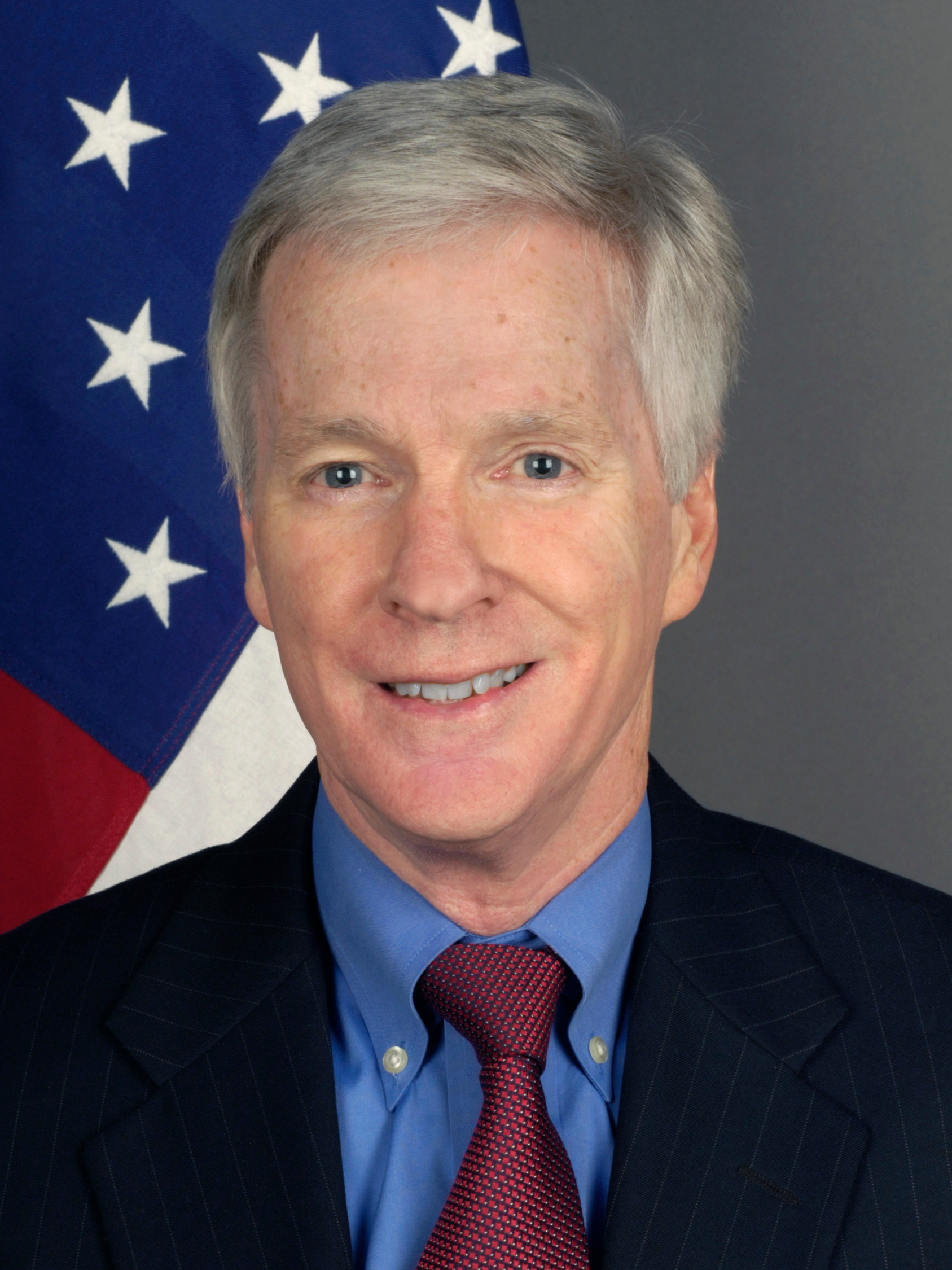
October 14, 2016 – In this interview Randa Slim discusses the latest diplomatic and political developments in the Syrian crisis and the regional battle against ISIS, including challenges to be dealt with in the aftermath of an offensive to retake Mosul, with host Paul Salem.
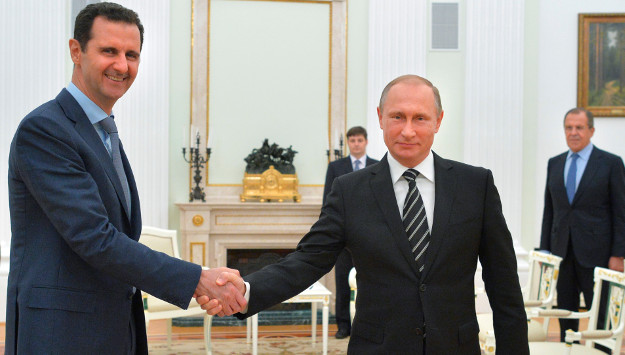
After first surprising the world by entering the fray in Syria last year, Vladimir Putin again shocked observers by announcing he was partially pulling out. On March 14, the Russian president declared his objectives “generally accomplished” and announced the withdrawal of part of his Russian military forces in Syria.
Under the pall cast by the horrific terrorist attacks in Paris, the U.S., Russia and other world powers met in Vienna Saturday and agreed on a timetable for a political process in Syria. However, the principles and steps they set conjure a sense of déjà vu.
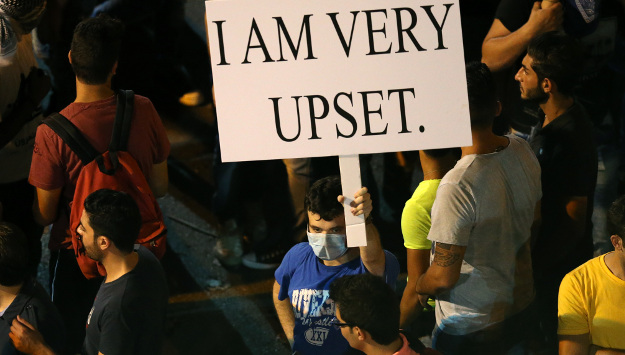
Lebanese have long suffered through water shortages, regular electricity blackouts, a leaking sewage system and poor health and education services. But as trash has piled up on the streets in recent weeks, it looks like the people of Lebanon have had enough.
“You Stink” is the message they are sending. And the campaign might just succeed where others have failed.
The Middle East Dialogue on New Political and Security Dynamics Shaping the Arab Region met in Beirut May 30-31 to consider the situation in Syria, which has deteriorated further since the last meeting of the Dialogue in Berlin last December. Violence has risen, government-controlled territory has been lost to both opposition and extremist forces, Syrians are suffering and the Syrian government is reaching the limits of its military and civilian capabilities.
The Middle East Dialogue is a regional Track 1.5 forum that meets twice a year under Chatham House rules. It brings together current and former officials as well as senior experts from the Middle East, the United States, Russia, China, and the EU to discuss emerging political & security trends in the region. What follows is a report from the latest meeting of the Dialogue in Berlin, Germany, December 5-7, 2014.
The oldest peer-reviewed publication dedicated to the study of the modern Middle East, MEI’s flagship journal covers politics, society, and culture in the region.