Reflections on a Diplomatic Career in the Middle East: A Conversation With Ambassador Yael Lempert
Brian is joined by Amb. (ret.) Yael Lempert, Vice President for Outreach at MEI, to discuss her career in diplomacy and the importance of US diplomatic efforts abroad. She shares stories from postings across the Middle East in Baghdad, Cairo, Tripoli, Jerusalem, and Amman and examines how her personal and professional experiences shaped her approach to the work. Together, Brian and Yael discuss the realities of life in the Foreign Service, the core tenets of American diplomacy, and why it matters in today’s Middle East.
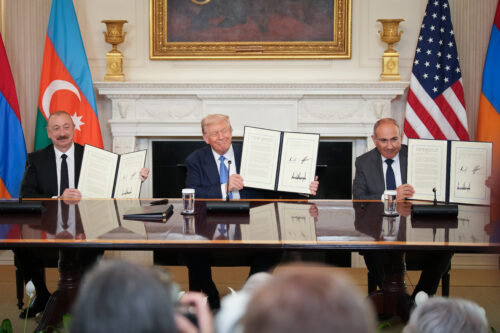
Trump’s South Caucasus Peacemaking Is His Most Successful, but It Remains Unfinished
Of all the fronts in President Trump’s peacemaking agenda, the South Caucasus has delivered the most concrete results. The August 2025 Washington Declaration, signed between Armenia and Azerbaijan and witnessed by Trump, marked an important step toward peace in the region. The two sides initialed a peace agreement and advanced plans to unblock regional connectivity, including through the establishment of the Trump Route for International Peace and Prosperity (TRIPP), which would connect Azerbaijan to its Nakhijevan exclave through southern Armenia. Implementation of TRIPP has since made notable progress, but construction has yet to start. A breakthrough on those two tracks would, in turn, unlock Armenia–Türkiye normalization, transforming a long-fractured region into an area of trade and interdependence.
Wars don’t just end. They get interpreted, reinterpreted, and turned into strategic doctrine. That is what happened after the Iran-Iraq War of the 1980s, a conflict that saw the United States back Tehran’s Iraqi adversaries. The war taught Tehran three lessons it never unlearned: that Washington wants the Islamic Republic gone, that Iran stands essentially alone in the world, and that it cannot survive a direct, overt fight with the U.S. and Israel.
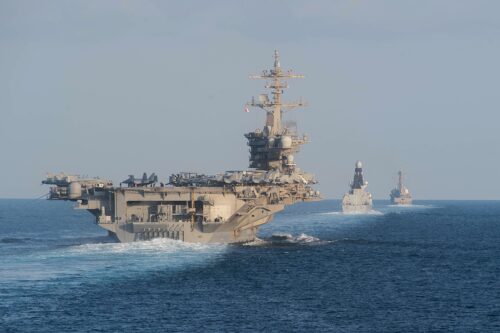
From a US military build-up in the region to Trump’s growing unpopularity at home, several factors could influence his decision on whether or not to attack.
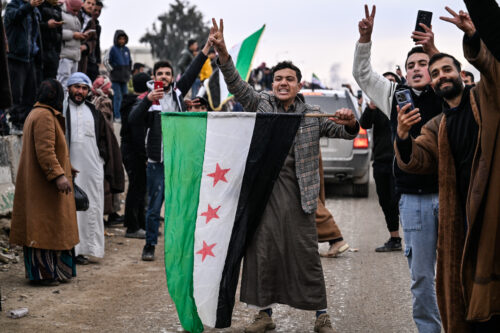
Ankara’s double win: Kurds, Israel, and the new Syria
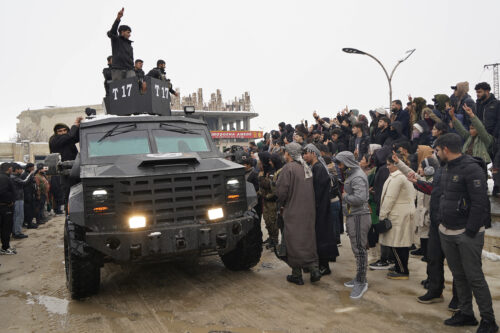
Whether the truce between Damascus and the Kurdish-led Syrian Democratic Forces holds or collapses will have major implications for neighboring Turkey, which has long-standing interests in Syria, but recent developments already point to a win for Ankara.
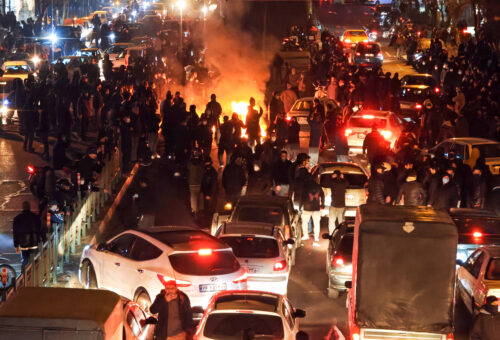
Brian sits down with Behnam Taleblu, Senior Fellow at the Foundation for Defense of Democracies, to unpack the ongoing protests in Iran and what this moment reveals about the long struggle between the state and the street. They discuss the regime’s brutal crackdown, the prospect of US intervention, and what both could mean for the future of the Islamic Republic. The episode centers on agency, imagination, and the possibilities facing Iranians at a critical juncture in the country’s history.
Iran’s coming reckoning: Regime collapse is likely — democracy is not
The collapse of the Iranian regime in its present form now seems more plausible than its survival as a functioning state. Yet the emergence of a democratic Iran remains far from certain. Between these two outcomes lies a volatile and dangerous middle ground. But much will depend on four factors.
Potential US military strikes on Iran: This won’t be another 12-Day War
President Donald Trump has sharply warned the Iranian regime to halt its brutal crackdown on protesters. Amid speculation that the US is preparing for military action in Iran, Washington should take the lessons and fundamentally different context of its successful June 2025 operation against the Islamic Republic into account as it plans for how to respond.
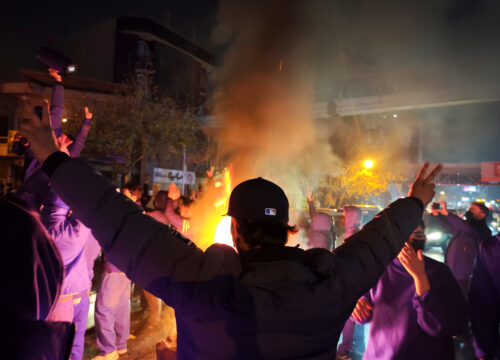
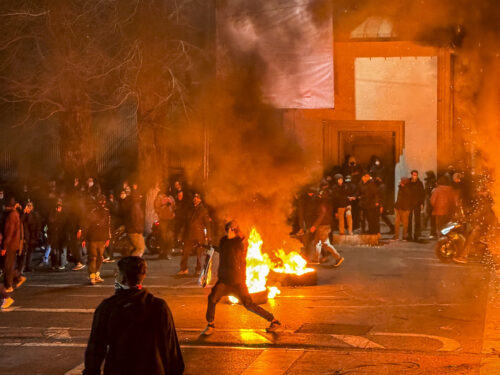
Iran protests seem different. They may lead to real change.
People are not protesting because they suddenly discovered activism. They are protesting because the habits of coping and waiting for conditions to improve have finally stopped working.
Venezuela’s Shadow Over MENA: Perceptions and Precedents
MEI Vice President for Policy Ken Pollack joins hosts Alistair Taylor and Matthew Czekaj to explore what the precedent set by the Trump administration’s military capture of Venezuelan President Nicolás Maduro could mean for US policy in the Middle East — particularly in light of ongoing anti-regime protests in Iran. The conversation unpacks the reverberations of Operation Absolute Resolve, Washington’s options for and potential consequences of responding to the Iranian regime’s brutal crackdown, regional perceptions of recent US actions and stated objectives, and broader questions around the direction of the Trump administration’s evolving grand strategy.
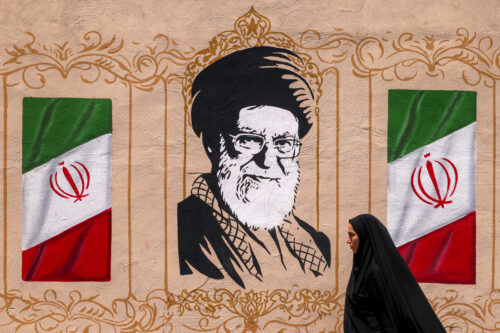
Khamenei did this to himself. The US can help — without another Middle East quagmire
Last week, Iran’s Supreme Leader Ali Khamenei effectively greenlit mass killing to save his regime. His message was blunt: blood would be spilled to preserve the system. His security forces followed through, unleashing a level of violence against protesters that even by the Islamic Republic’s grim standards marks a dangerous escalation.
The oldest peer-reviewed publication dedicated to the study of the modern Middle East, MEI’s flagship journal covers politics, society, and culture in the region.