Curb Your Enthusiasm: Why the Midterms Might Not Change Much in US Middle East Policy
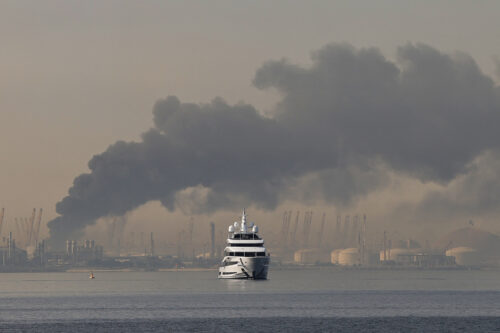
With less than a week before the midterm elections in the United States, the spotlight is on the economy and cultural divides. US foreign policy remains mostly on the sidelines, but this year’s inconclusive Iran war and its effect on America’s economy have shaped the broader political environment in this electoral cycle.
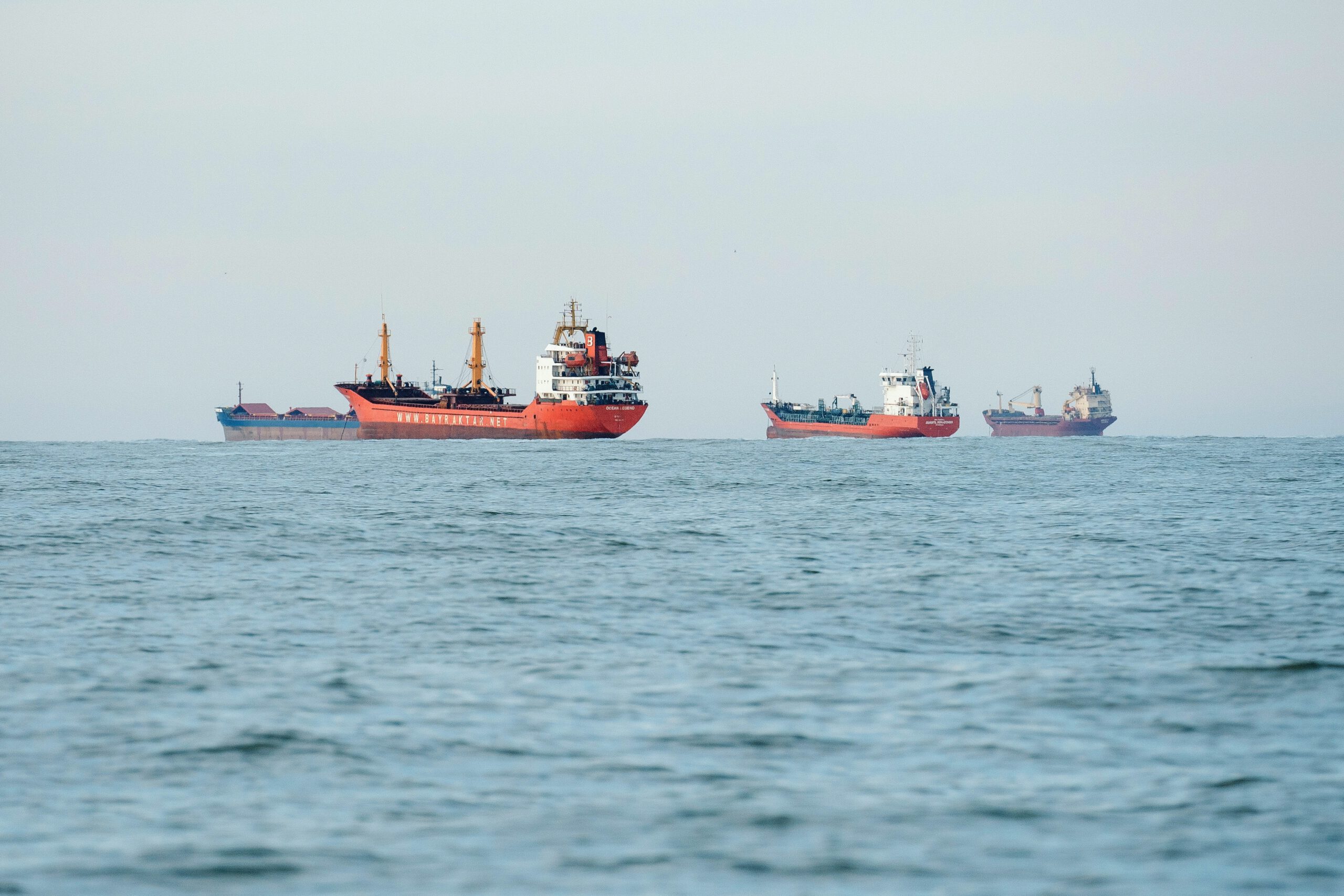
Geopolitical influence over trade increasingly rests on controlling the systems that make them work. The Middle East illustrates the stakes. US ports, cable corridors, cloud facilities, artificial intelligence (AI) investments, and maritime routes connect regional economies to global commerce while exposing them to external decisions and disruptions. For the United States, the challenge is to translate technological advantage into resilient networks rather than rely on centrality that can itself become a source of vulnerability and coercion.
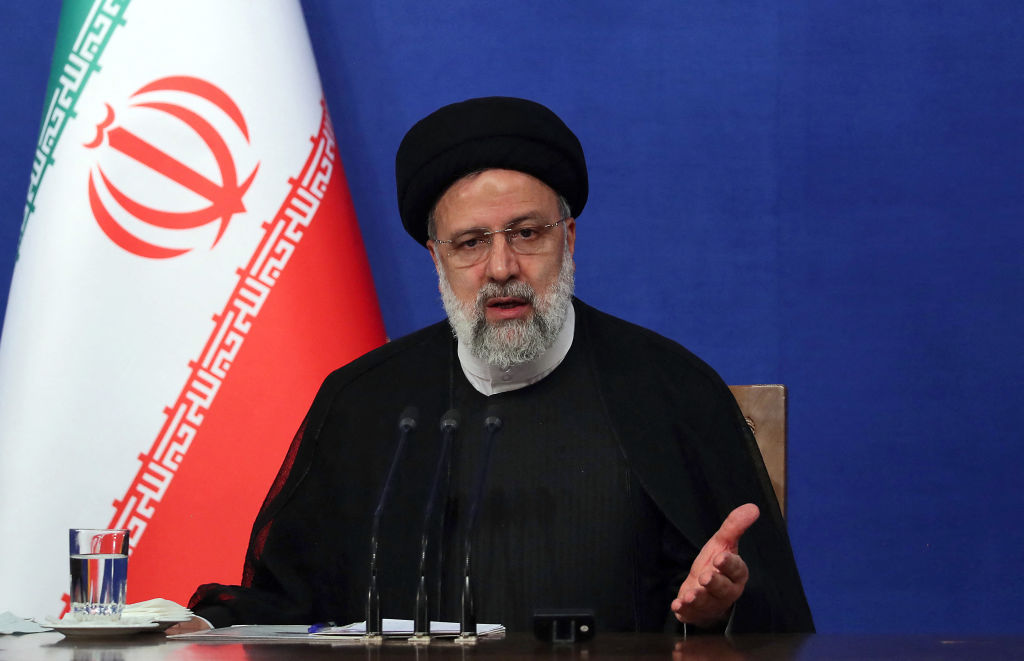
Washington says it doesn’t know who runs Iran. Tehran insists its leadership is united. MEI Senior Fellow Alex Vatanka joins hosts Alistair Taylor and Matthew Czekaj to sort out where the truth lies. They look at the small circle of political and military figures now steering the war effort in Tehran: who they are, how they make decisions, and how unified they really are. They also discuss the current state of US-Iran negotiations, the role of the upcoming midterm elections in the United States, and how the Islamic Republic is preparing for a potential renewal of conflict afterward.
Dispatches from Jerusalem: On the brink in the Middle East between escalation and de-escalation
My week of meetings with Israeli and Palestinian officials and analysts in mid-September has left me groping for a coherent through line in the story about today’s Middle East. It’s the best of times and the worst of times, depending on where one sits.
Biden v. Putin: Rival roadshows in an increasingly assertive Middle East
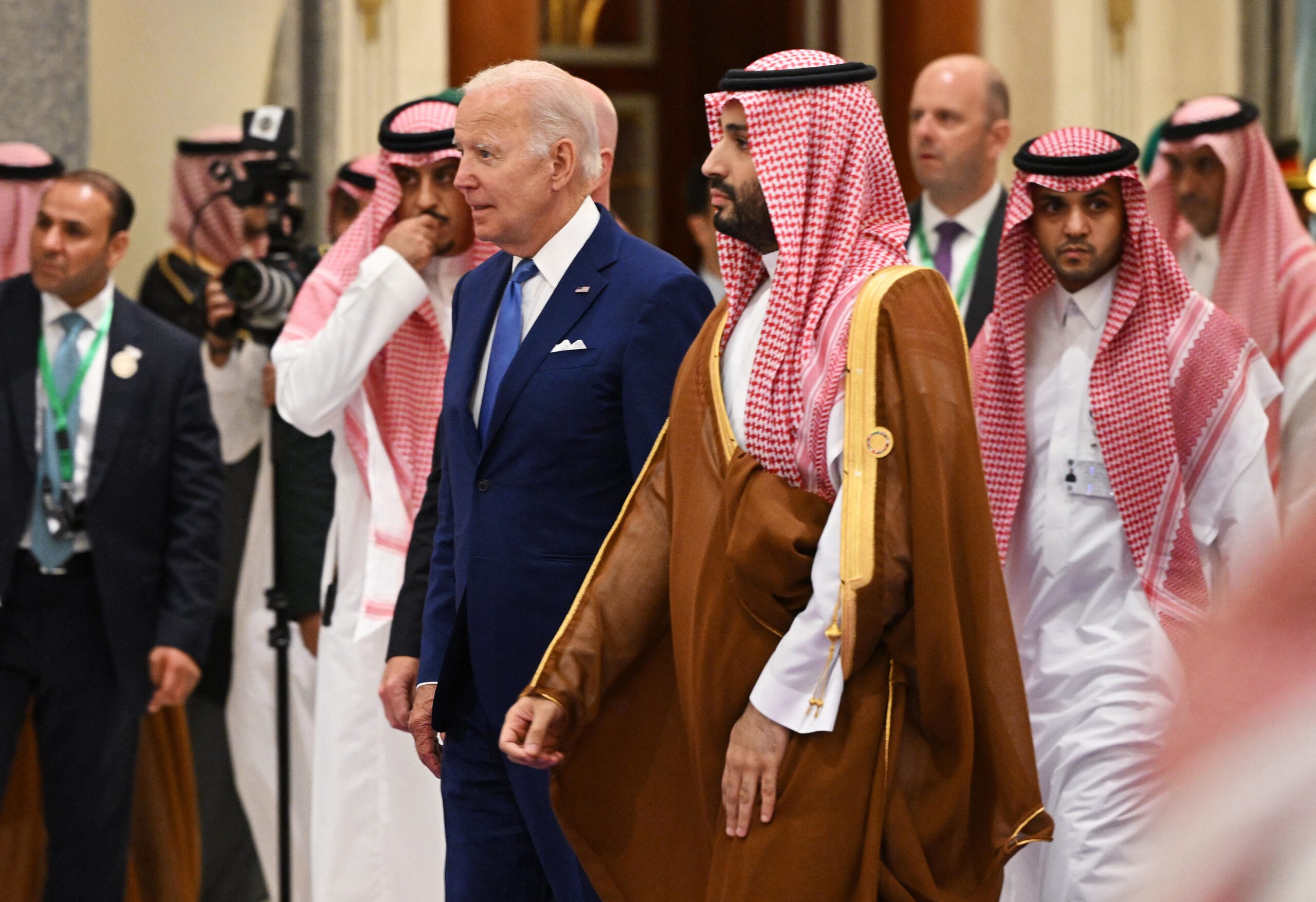
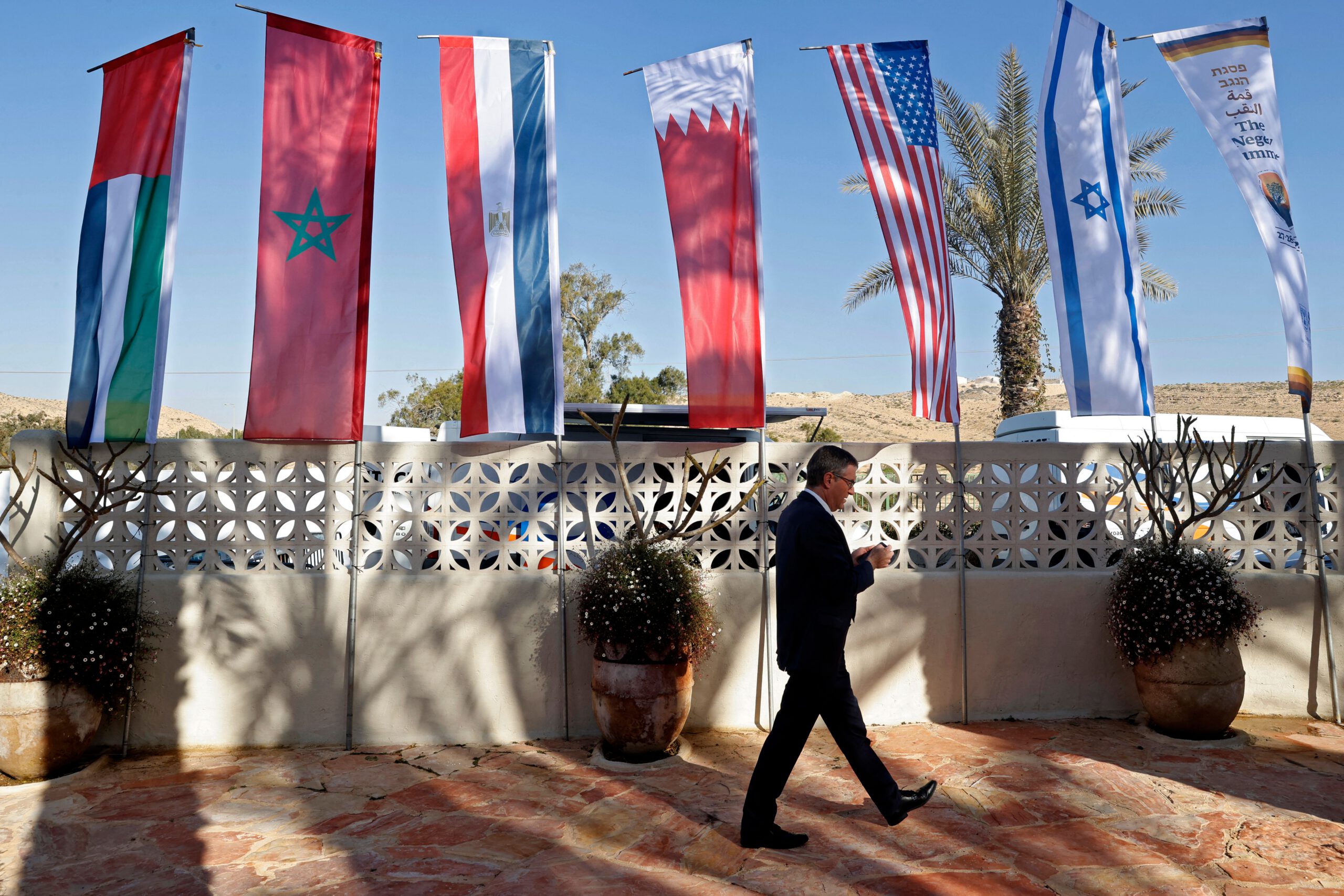
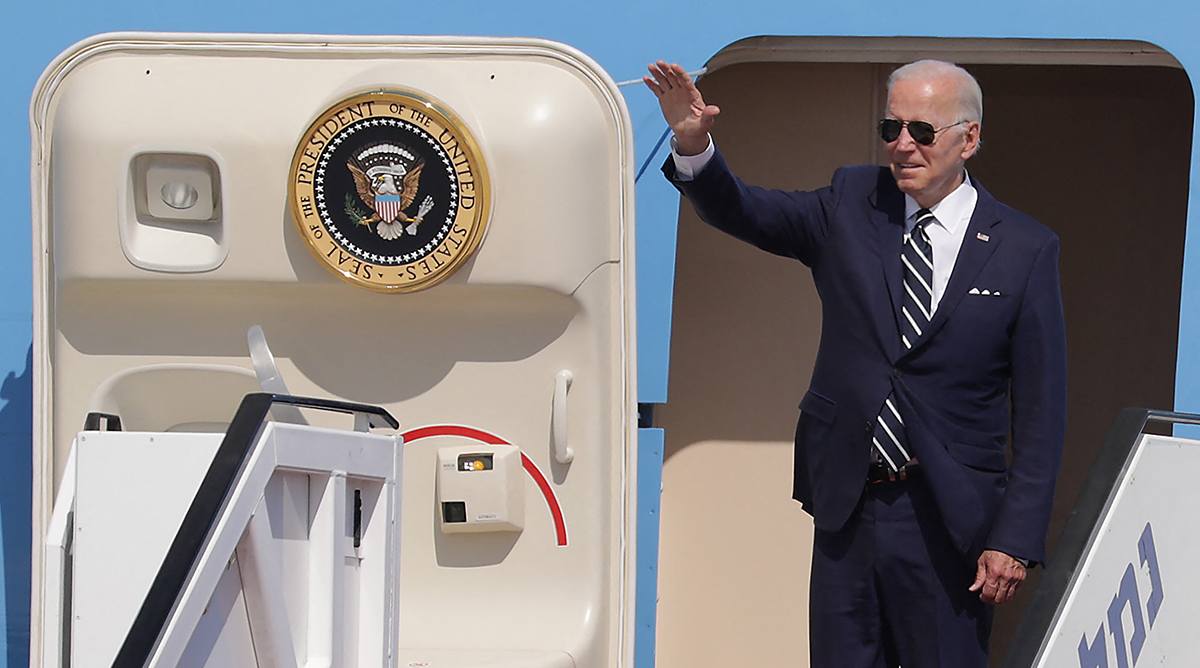
The U.S. and Russian presidents staged high visibility visits to the Middle East in the past week and a half. The visits were designed to assert each great power’s influence in the region at a time of escalating great power conflict. But both presidents cut a diminished figure on the regional stage at a time when leaders in Turkey, Iran, and Saudi Arabia are feeling increasingly empowered.
As Biden and Mideast leaders meet in Jeddah, human security should be urgently on the agenda
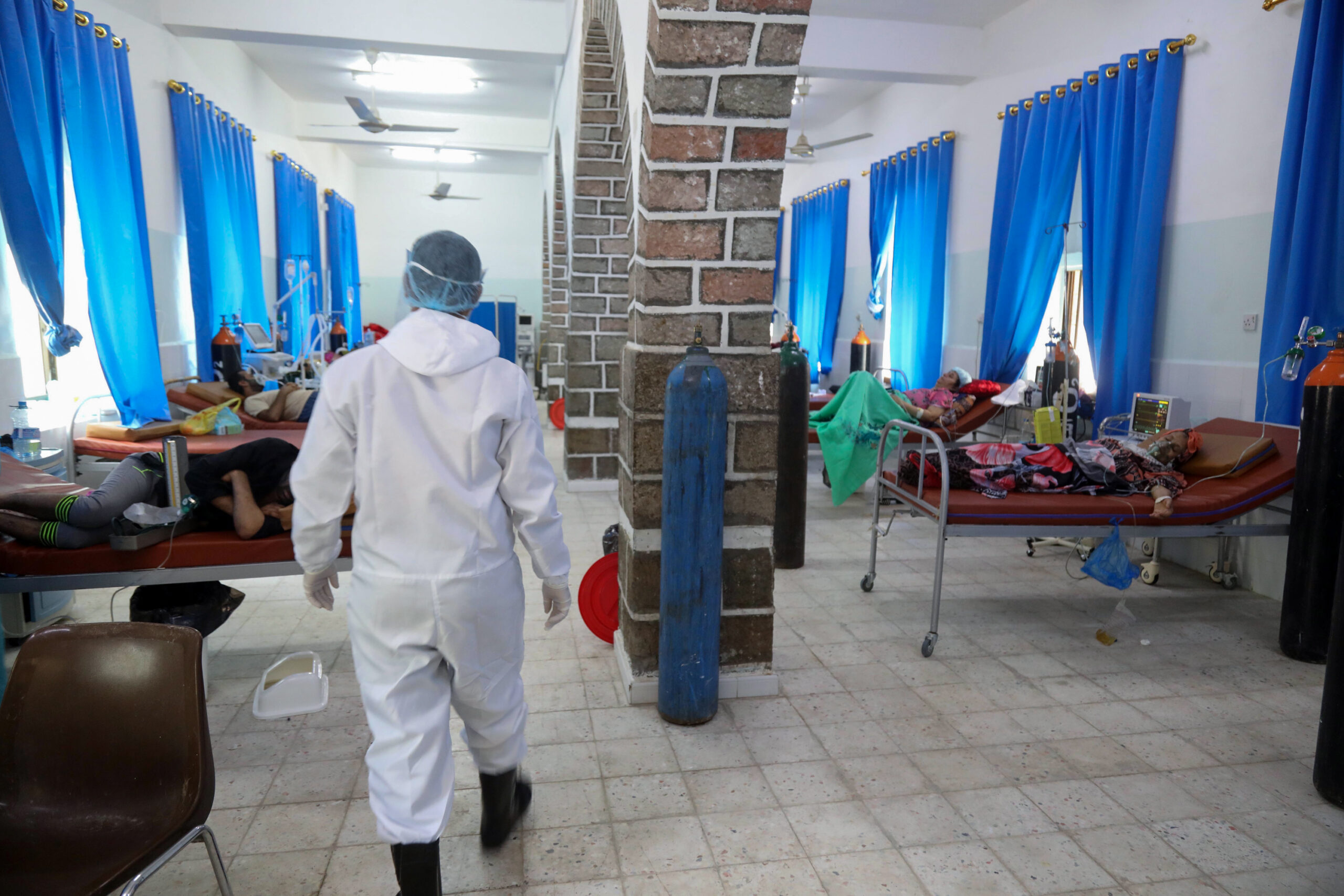
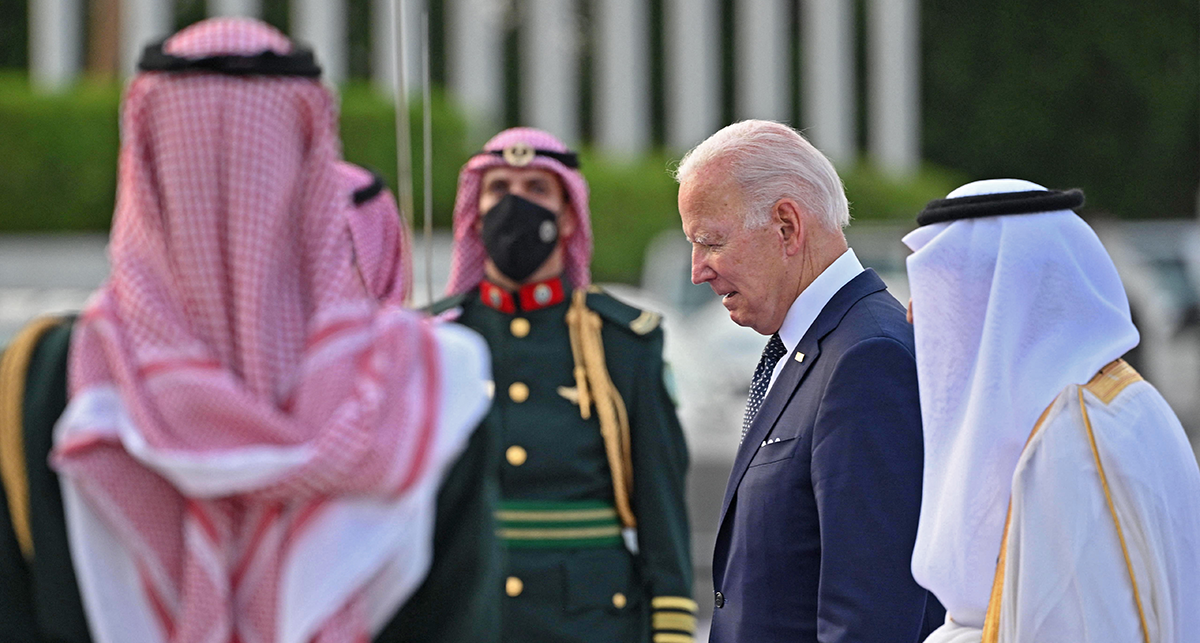
As President Joe Biden and several Gulf and Middle East leaders meet in Jeddah, they will be discussing global energy markets, regional security, countering Iran, and building on the Abraham Accords. But in the wake of the COVID-19 pandemic, and as the Russian war on Ukraine reverberates, half of the countries in the region, and tens of millions of people, are facing desperately worsening socio-economic conditions. If the summit seeks to work toward a more stable Middle East, the U.S. and Gulf leaders should agree on a sustained effort to use part of the region’s windfall from high energy prices to support vulnerable states and societies that are at risk of serious unraveling and instability.
The oldest peer-reviewed publication dedicated to the study of the modern Middle East, MEI’s flagship journal covers politics, society, and culture in the region.