Skip to Content

Dr. Yoel Guzansky is a Senior Research Fellow at the Institute for National Security Studies (INSS) specializing in Gulf politics & security. Dr. Guzansky was a Visiting Fellow at Stanford University’s Hoover Institution, an Israel Institute Postdoctoral Fellow, and a Fulbright Scholar. He served on Israel’s National Security Council in the Prime Minister’s Office, coordinating the work on Iran and the Gulf under four National Security Advisers and three Prime Ministers. He is currently a consultant to several ministries. 

Dr. Guzansky has published articles in Middle East JournalForeign AffairsForeign PolicyWashington QuarterlySurvivalMiddle East PolicyRUSI JournalMediterranean PoliticsMiddle Eastern Studies and Journal of Arabian Studies, among others. His most recent book, Fraternal Enemies: Israel and the Gulf Monarchies, co-authored with Prof. Clive Jones, was published by Oxford University Press in 2020. 

His other recent books and monographs include: One Year of the Arab Spring: Global and Regional implications (Ed. With Mark Heller, 2012); The Gulf States: Between Iran and the West (Ed. with Uzi Rabi, 2012); The Gulf States in a Changing Strategic Environment (INSS, Hebrew, 2012); The Arab Gulf States and Reform in the Middle East (Palgrave, 2015); The Arab World on the Road to State Failure (INSS: Hebrew, 2016, co-authored with Kobi Michael); and Between Resilience and Revolution: Regime Stability in the Gulf Monarchies (INSS, 2019).  

Languages:
English, Hebrew

Countries/Regions of Expertise:
Gulf states, Saudi Arabia, Israel

Issues of Expertise:
Gulf politics and security, Middle East regional dynamics, nuclear proliferation, Israel-GCC relations

The Latest from Yoel Guzansky

Filter by
12 Results
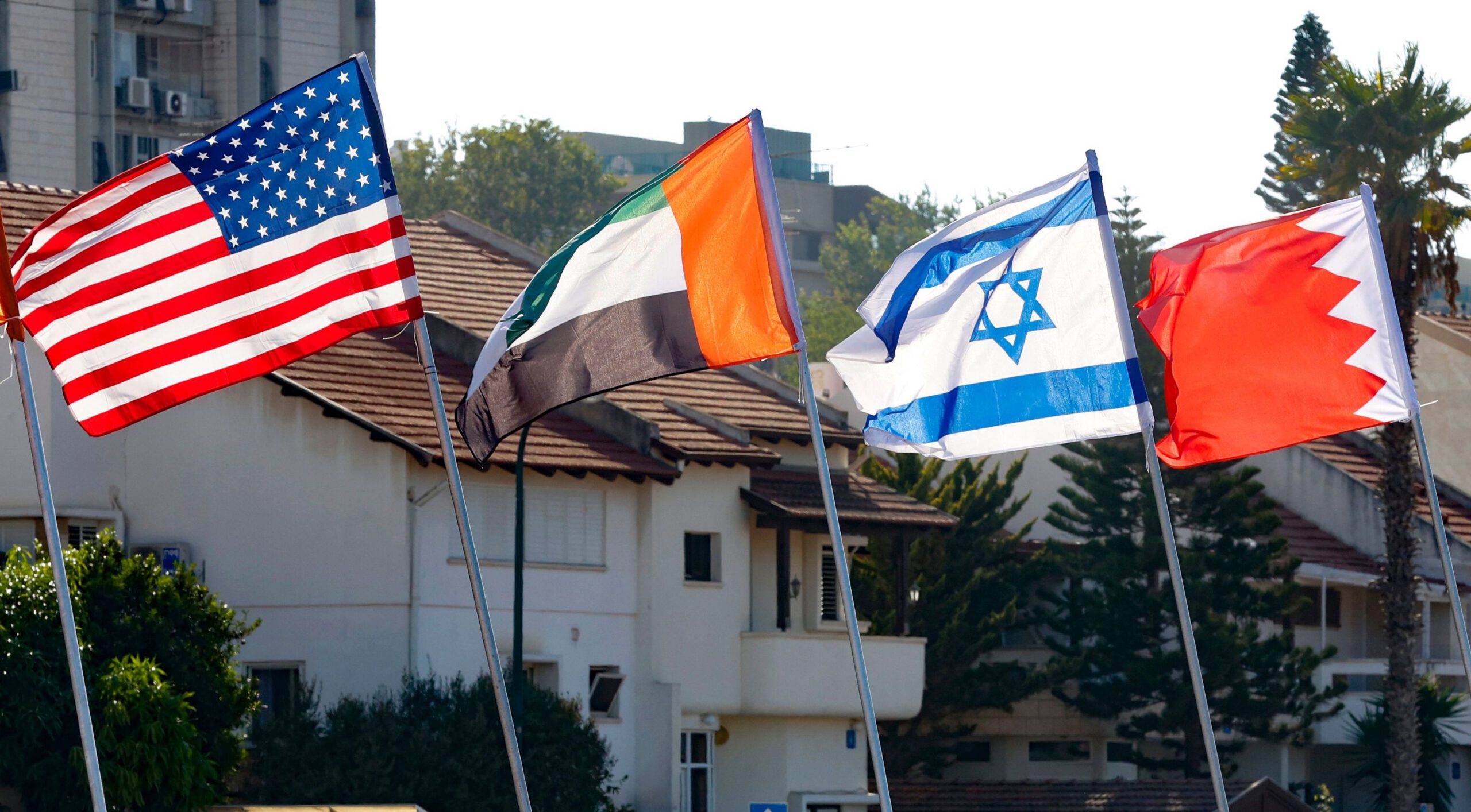
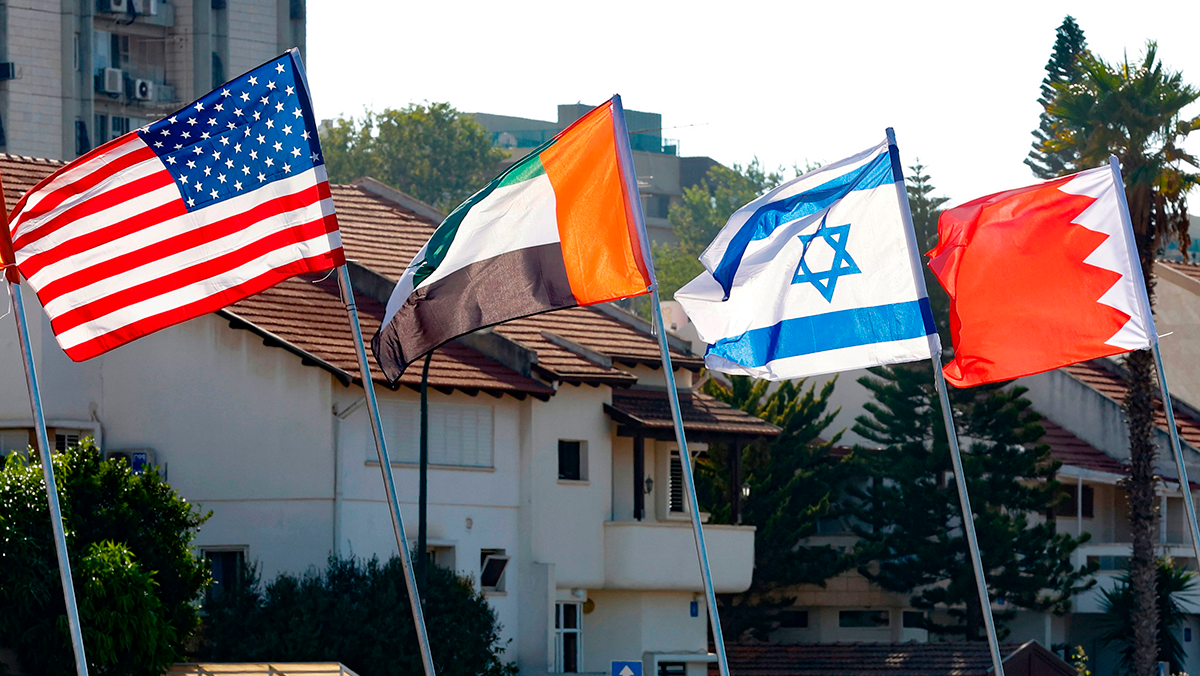
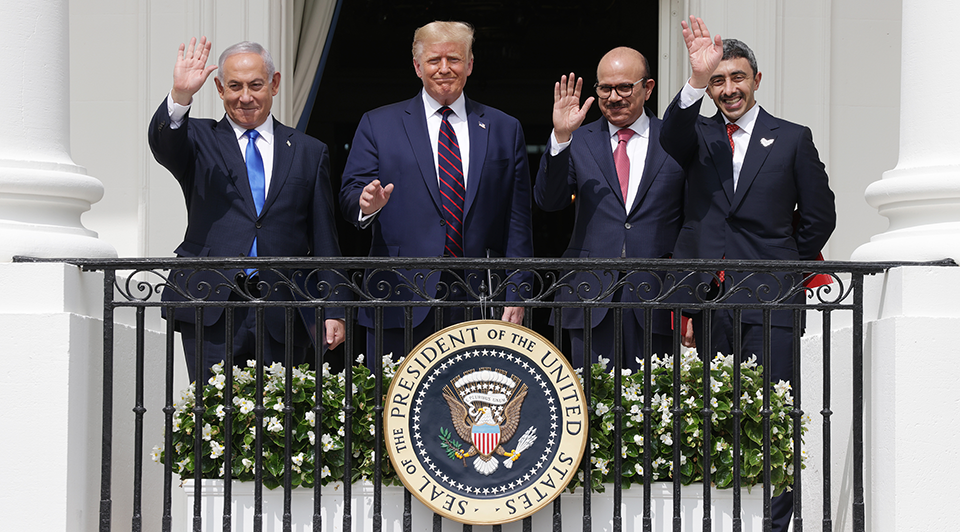
A mixed report card: The Abraham Accords at three
Photographer: Yuri Gripas/Abaca/Bloomberg via Getty Images
  • Analysis
  • A mixed report card: The Abraham Accords at three

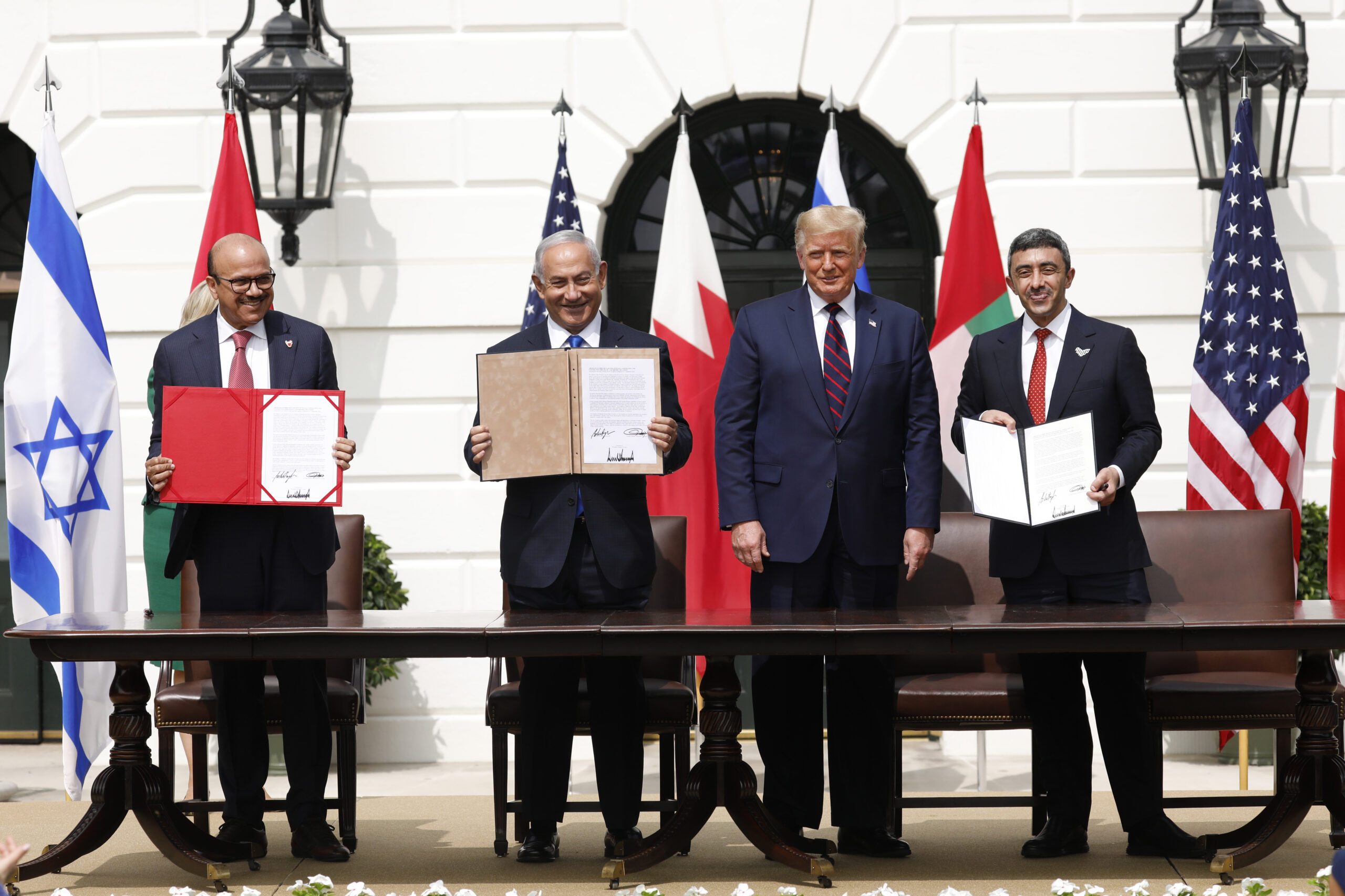
    As the original Abraham Accords signatories — Israel, the United Arab Emirates, and Bahrain — observe the third anniversary of their September 2020 agreement, there is a sufficient basis to evaluate whether the Abraham Accords are real, hype, or something in-between. Much like the case a year ago, the results so far remain mixed.

    In an era of Middle East détente, how should the US and Israel respond?
    Photo by MAZEN MAHDI/AFP via Getty Images
  • Analysis
  • In an era of Middle East détente, how should the US and Israel respond?

    Both Washington and Jerusalem welcome any reduction in regional tensions and prospects for a more stable, secure, and prosperous environment. However, there is a risk for U.S. and Israeli policy priorities, such as that regional de-escalation will reduce pressure on Tehran to negotiate on issues of concern, especially its nuclear weapons program.

    The Arab Peace Initiative returns. Will it supplant the Abraham Accords?
    Photo by Amir Levy/Getty Images
  • Analysis
  • The Arab Peace Initiative returns. Will it supplant the Abraham Accords?

    Although the Abraham Accords have been the main focus of Arab-Israeli peace-making since they were signed, the Arab Peace Initiative (API), introduced by the late Saudi King Abdullah 20 years ago, remains relevant and may be the better reflection of a path forward for Middle East peace

    Two years on, what is the state of the Abraham Accords?
    Photo by Menahem KAHANA / AFP) (Photo by MENAHEM KAHANA/AFP via Getty Images
  • Analysis
  • Two years on, what is the state of the Abraham Accords?

    Two years after the signing of the Abraham Accords, progress in developing relations between Israel and its Arab neighbors has achieved mixed results, opening up some greater cooperation in the security sphere but failing to change Arab publics’ minds due to the lack of movement on the Israeli-Palestinian conflict.

    Saudi Arabia Returns
    Photo by Saudi Royal Council/Anadolu Agency via Getty Images.
  • Analysis
  • Saudi Arabia Returns

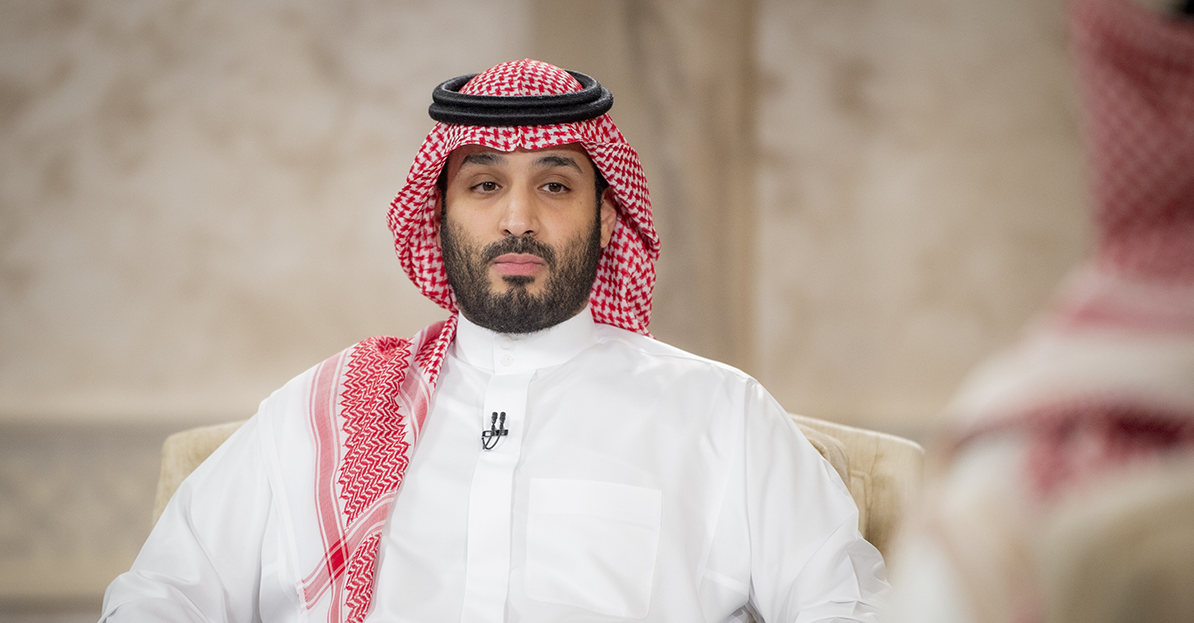
    At the dawn of the Biden era of American foreign policy, a more mature, realistic Saudi foreign policy is emerging to match the shifting signals from Washington. In some measure, the Saudis are readopting elements that traditionally characterized their policy preferences before the meteoric rise of Crown Prince Mohammed bin Salman (MbS), the kingdom’s de facto ruler.

    The first test of the Abraham Accords
    Photo by JACK GUEZ/AFP via Getty Images
  • Analysis
  • The first test of the Abraham Accords

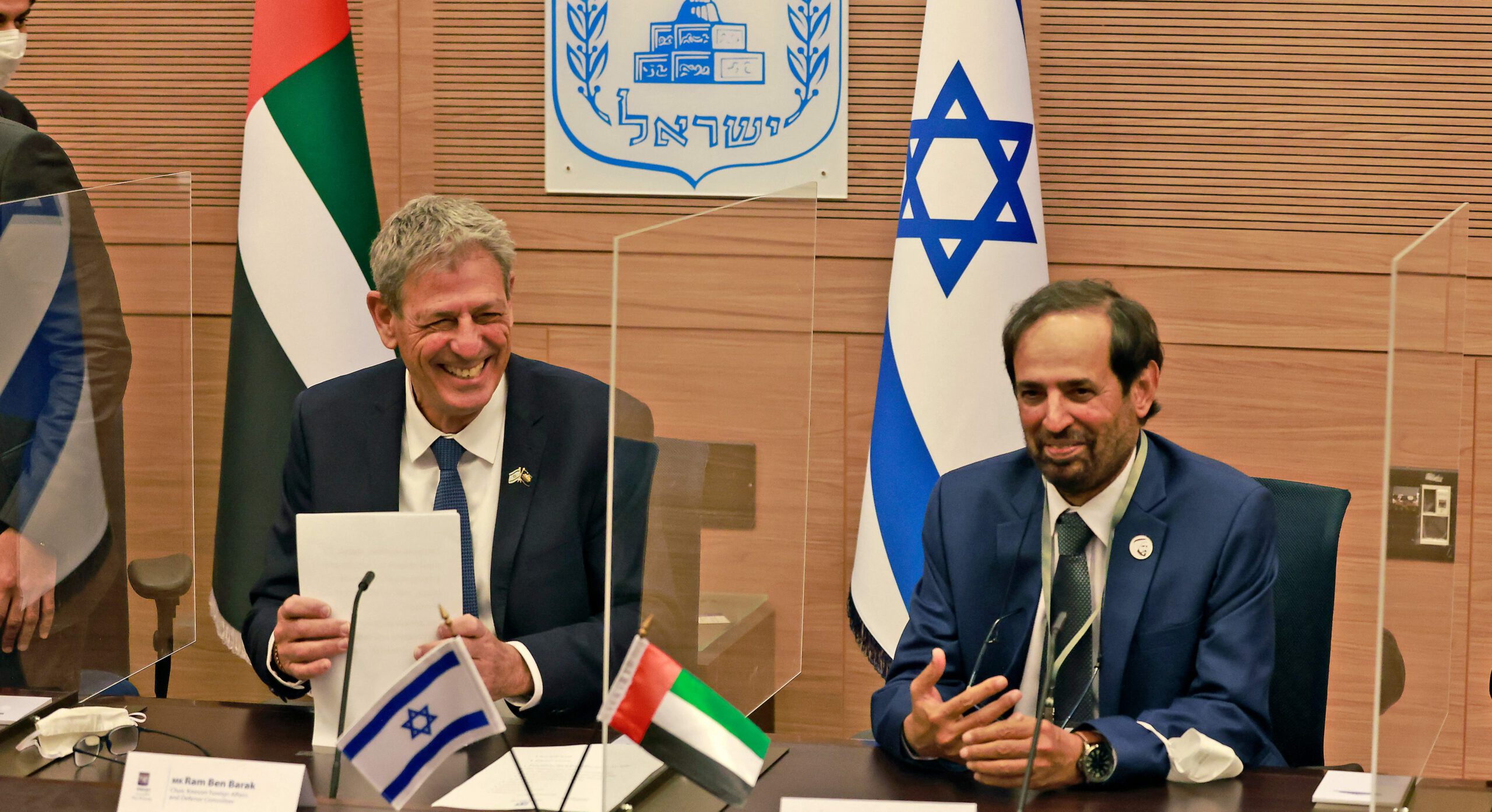
    The recent round of fighting between Israel and Hamas, and especially the events that preceded it in Jerusalem, were the first significant test of the Arab-Israeli normalization agreements signed in 2020. Saved by Hamas’ intervention, the four normalizing Arab governments were nevertheless forced to address the consequences of their agreement in the face of popular discontent with the situation at home as well as criticism from other Arab and Muslim states over their relative silence. How they respond to the evolving Israeli-Palestinian tension going forward will be critical not only in regard to their own relations with Israel but also in terms of the future path of Arab-Israeli normalization.

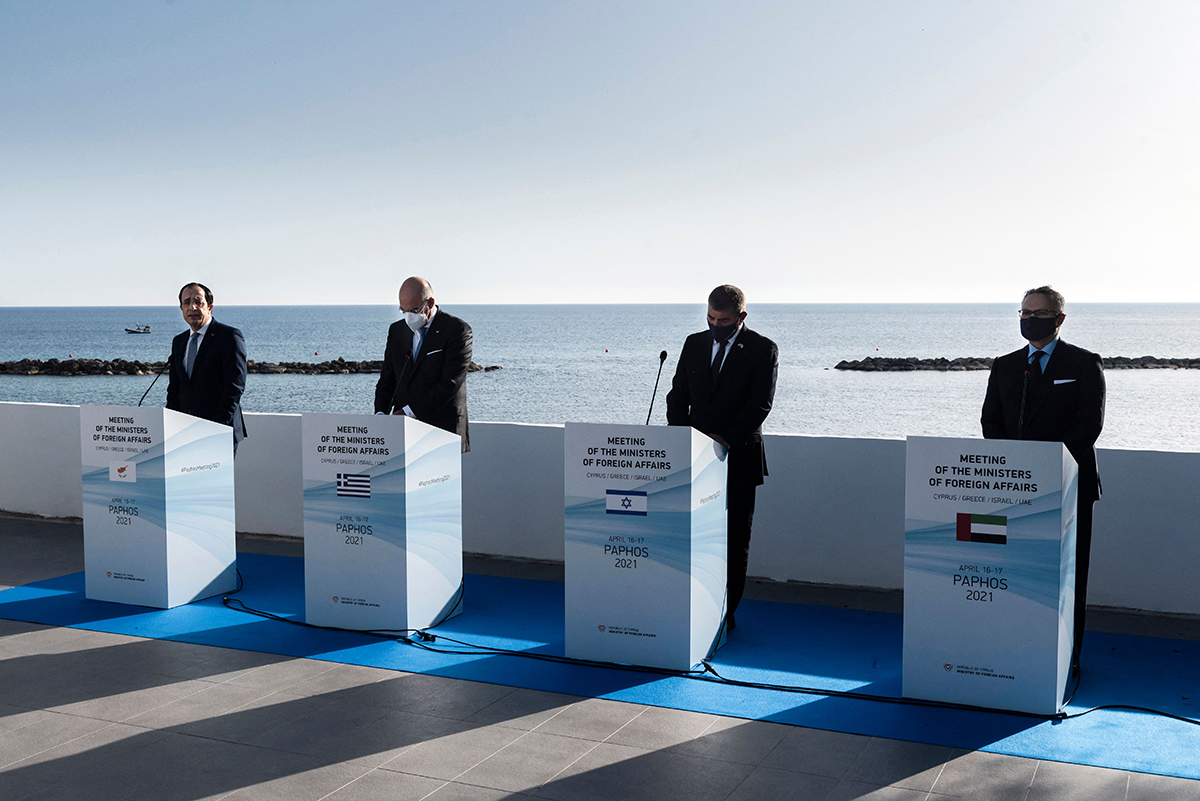
    The Growing Alignment Between the Gulf and the Eastern Mediterranean
    Photo by IAKOVOS HATZISTAVROU/POOL/AFP via Getty Images
  • Analysis
  • The Growing Alignment Between the Gulf and the Eastern Mediterranean

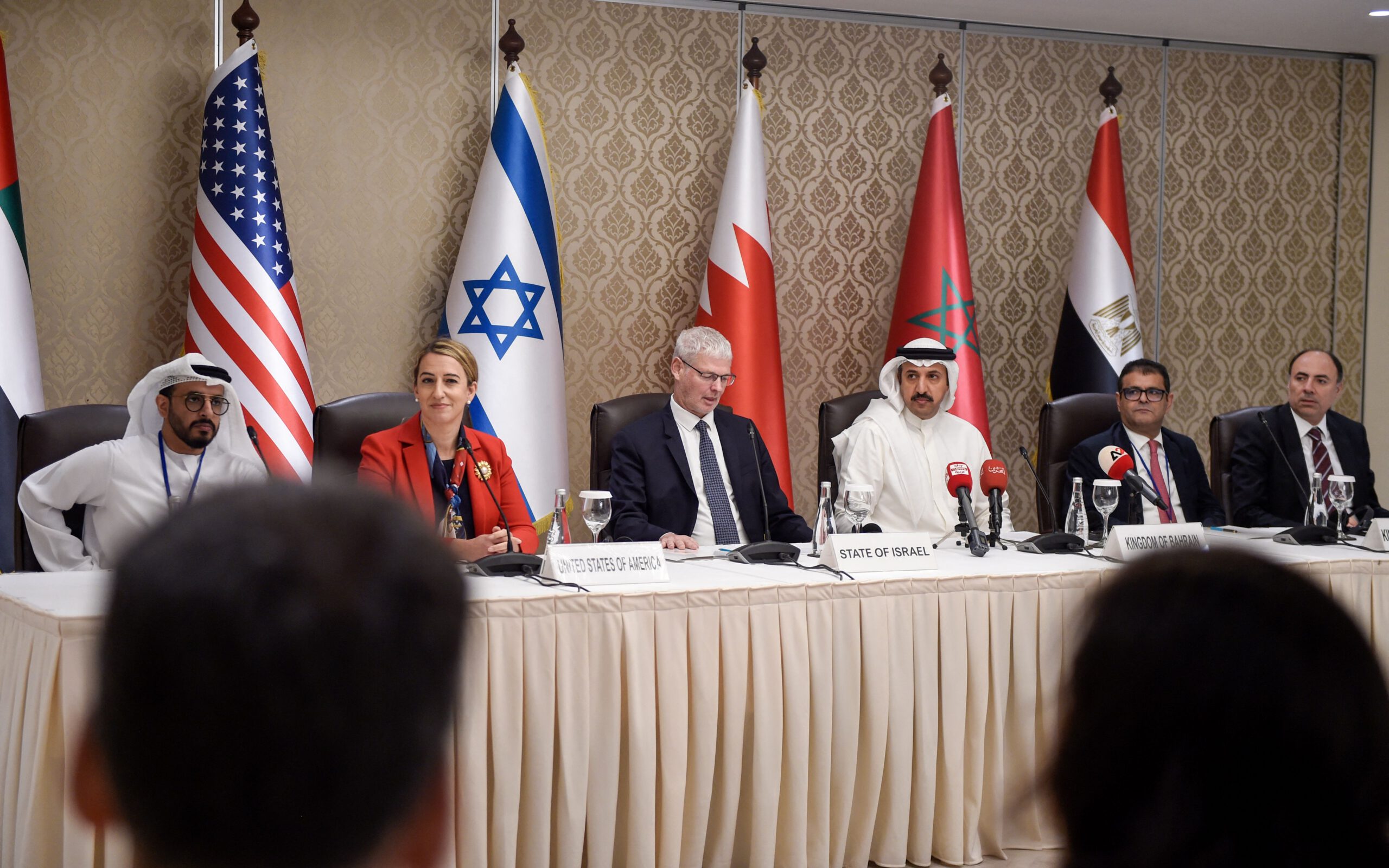
    The synergies between the Gulf and the eastern Mediterranean theaters have grown substantially in recent years. Speaking at a meeting in Paphos, Cyprus in mid-April 2021 with his counterparts from Greece and Israel, as well as the former minister of state for foreign affairs of the UAE (now an advisor to the UAE president), the Cypriot foreign minister noted, “The evolving web of regional cooperation is creating a new narrative.” A week later, the UAE and Israeli fighter jets flew together publicly — for the first time — in an international aerial exercise hosted by Greece. How can we explain the signs of growing cooperation between these actors that seemingly operate in close but not completely overlapping arenas?

    What will the Middle East look like in 2030? An Israeli Perspective
  • Analysis
  • What will the Middle East look like in 2030? An Israeli Perspective

    The following article addresses the question of how the Middle East might develop in the coming decade. Long-term and detailed strategic predictions are a thankless task and are often doomed to failure. Therefore, this article refrains from attempts at prophecy but deals instead with “thinking about the future.” It opens with an analytical framework for scenario development, supplemented by “trends impact” and “horizon scanning.” The second section studies “the futures of the past,” in terms of what we might learn about the pitfalls of future projection and scenario-building from those outlining possible futures for 2020 from years past. Then, on the basis of the first two sections, four scenarios elaborate some distinctly different pathways that the Middle East might take to 2030. Finally, the article concludes with several key takeaways for Israeli decision makers.

    March 1, 2021

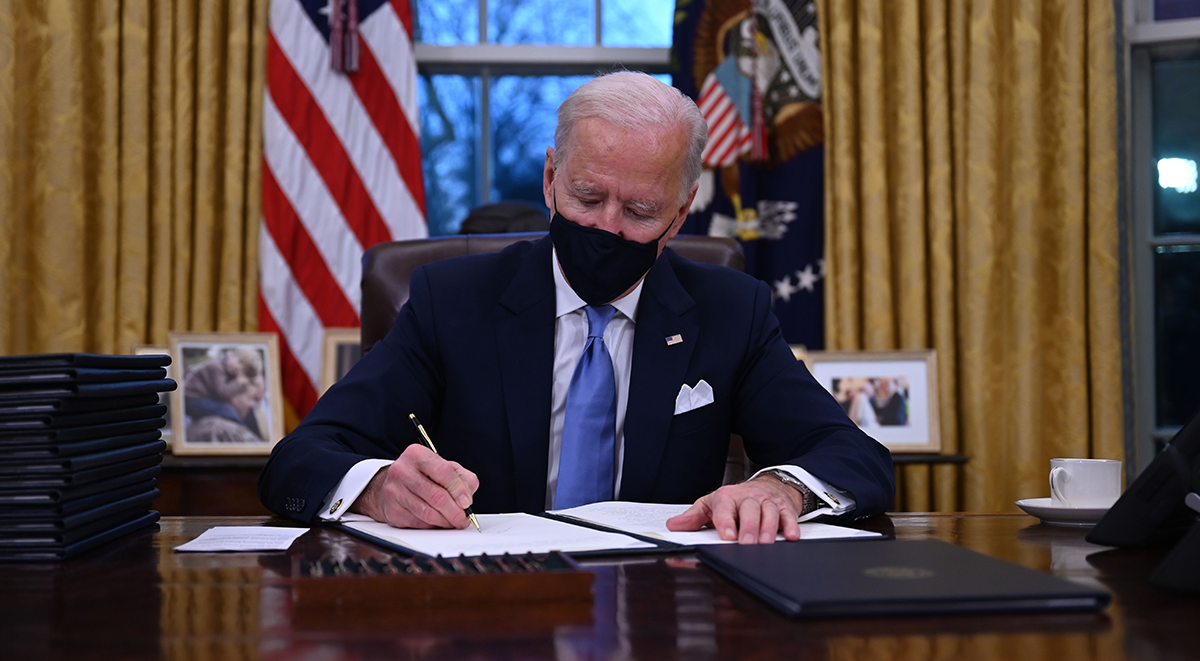
    The Biden administration and the Middle East: Regional perspectives on the first 200 days
    Photo by JIM WATSON/AFP via Getty Images
  • Analysis
  • The Biden administration and the Middle East: Regional perspectives on the first 200 days

    As the Biden administration takes office, it faces a host of challenges, both at home and abroad. Where does the Middle East fit into all of this and what should the new administration prioritize in its first 200 days? In the second part of a two-part series, we asked experts and scholars from across the region to weigh in with their thoughts. 

    January 21, 2021

    The benefits and challenges of UAE-Israel normalization
    Photo by JACK GUEZ/AFP via Getty Images
  • Analysis
  • The benefits and challenges of UAE-Israel normalization

    Israel and the United Arab Emirates (UAE) have initiated a process that, if it comes to fruition, will bring about the normalization of relations between the two countries. The broader geostrategic challenges that the agreement could pose for Israel and the UAE have not been part of the public discourse, however, and any balanced treatment requires a discussion of those aspects as well.

    Is the Israel-UAE agreement a game changer for Israel?
    Photo by Alex Wong/Getty Images
  • Analysis
  • Is the Israel-UAE agreement a game changer for Israel?

    In an Aug. 13 tweet, U.S. President Donald Trump celebrated the Israeli-Emirati accord to normalize relations as a “HUGE breakthrough.” Israel’s integration into the region has been a goal of U.S. and Israeli foreign policy for decades, and the mid-August announcement was the first major official step in that direction in over 25 years. But is this really a game changer for Israel’s strategy in the Middle East?