F. Gregory Gause III is an Associate Fellow at the Middle East Institute in Washington, DC, and Professor Emeritus of International Affairs at the Bush School of Government and Public Service, Texas A&M University, from which he retired in January 2025. From fall 2014 through summer 2022 he served as Head of the School’s Department of International Affairs. He is the author of three books and numerous articles on the politics of the Middle East, with a particular focus on the Arabian Peninsula and the Persian Gulf. He was previously on the faculties of the University of Vermont (1995-2014) and Columbia University (1987-1995) and was Fellow for Arab and Islamic Studies at the Council on Foreign Relations in New York (1993-1994). During the 2009-10 academic year he was Kuwait Foundation Visiting Professor of International Affairs at the Kennedy School of Government, Harvard University. In spring 2009 he was a Fulbright Scholar at the American University in Kuwait. In spring 2010 he was a research fellow at the King Faisal Center for Islamic Studies and Research in Riyadh, Saudi Arabia. His most recent book is The International Relations of the Persian Gulf (Cambridge University Press, 2010). His articles have appeared in Foreign Affairs, Foreign Policy, The Middle East Journal, Security Studies, Washington Quarterly, National Interest, and other journals and edited volumes. He received his Ph.D. in political science from Harvard University in 1987 and his A.B. (summa cum laude) from St. Joseph’s University in Philadelphia in 1980. He studied Arabic at the American University in Cairo (1982-83) and Middlebury College (1984).
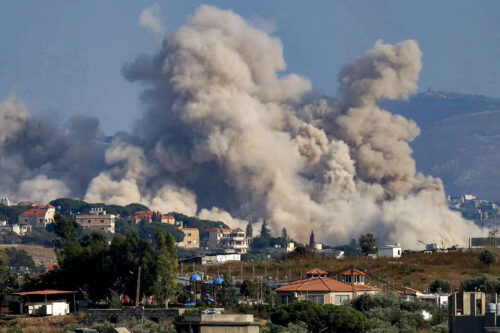
In many ways, the U.S.-Israeli war against Iran and the war in Gaza that preceded it seem transformative. After decades of shadow warfare, Iran and Israel have now attacked each other’s homelands directly. And Israel and the United States have joined forces in a genuinely novel way to wage war against Iran.
After the US-Israel-Iran war — and the strikes that followed the cease-fire — the Gulf states find themselves dangerously exposed. Host Alistair Taylor is joined by MEI Associate Fellow Gregory Gause to discuss the war’s impact on the Gulf, their partnership with the United States, and whether the turmoil of recent months will push Gulf leaders to reassess their alliances and international engagement.
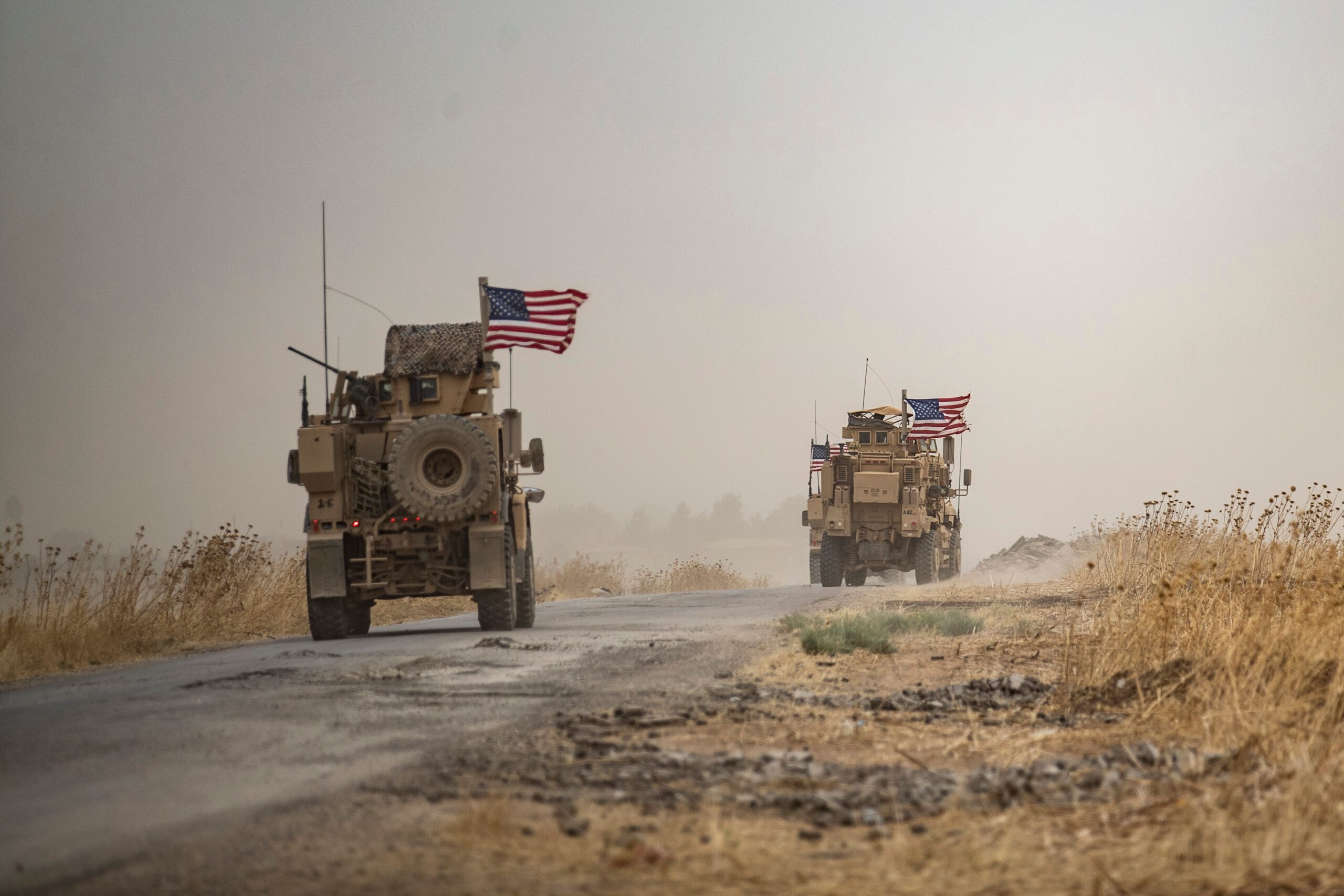
American Bases in the Gulf: Targets or Deterrents?
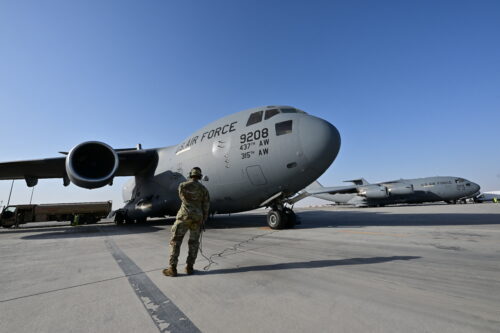
Did the presence of American military bases in the Gulf monarchies draw those states into the American-Israeli war against Iran, a war they had no say in initiating and no voice in prosecuting? That is certainly the feeling among some citizens of those states.
Trump-MBS summit: Good feelings, real commitments, and unresolved questions
Mohammed bin Salman, the crown prince, prime minister, and main decision-maker in Saudi Arabia, left Washington and his summit with President Donald Trump with a number of promises made and commitments received. But several questions, including on shared diplomatic agenda items, the extent of civilian nuclear cooperation, and the nature of the American defense commitment to Saudi Arabia, remain unanswered.
Has Pakistan agreed to use nuclear force to defend Saudi Arabia?
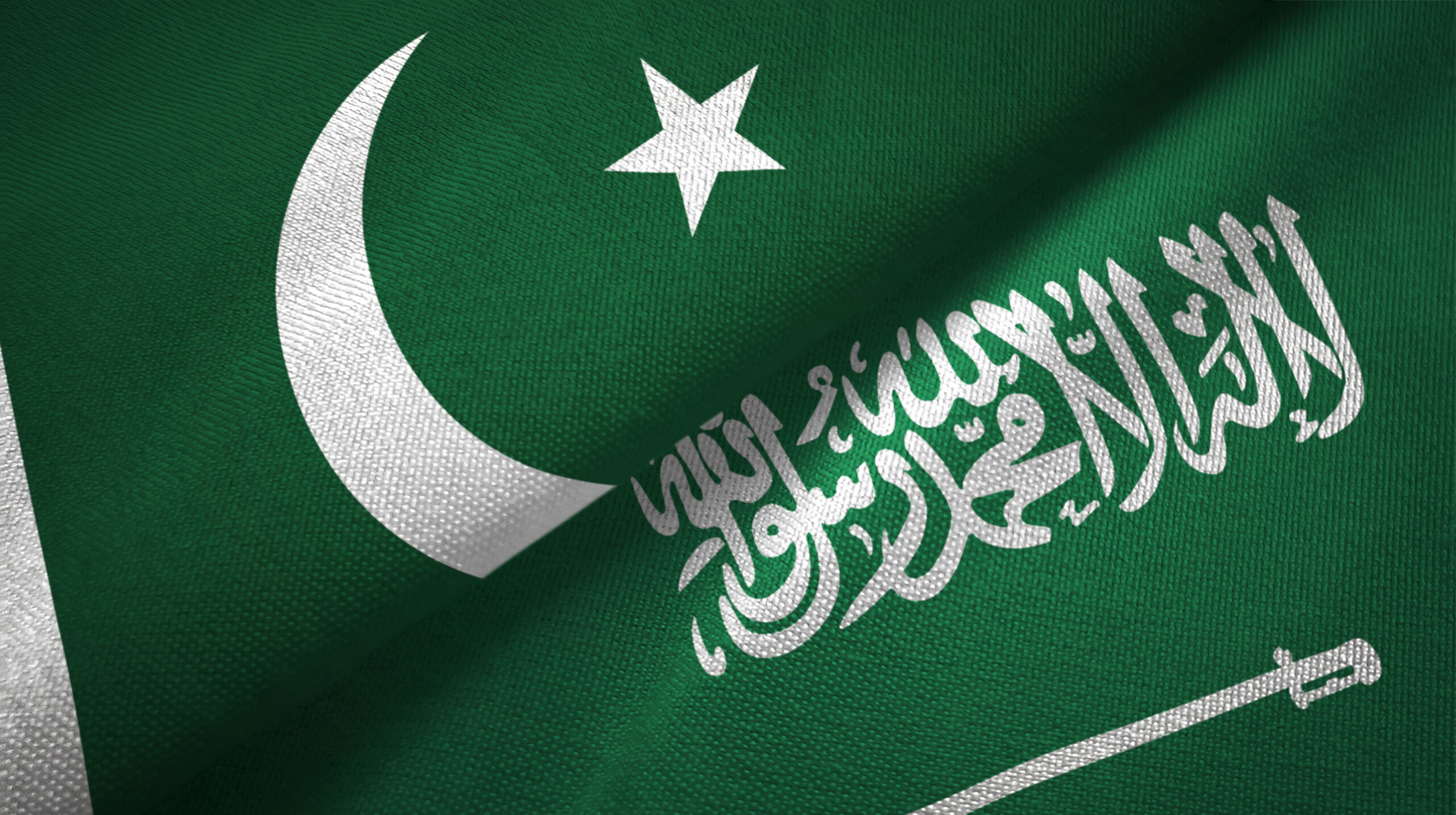
Saudi Arabia and Pakistan signed a mutual defense pact on September 17, 2025, declaring that “any aggression against either country shall be considered an aggression against both.” The wording of the agreement sparked speculation that Pakistan might use its nuclear capabilities to defend Saudi Arabia. MEI’s F. Gregory Gause contends otherwise, offering insight into the history and strategic calculations driving the deal. To learn more about the deal, visit our website.
Don't believe the hype: The modest reality of the Saudi-Pakistani defense pact
The September 17 Saudi-Pakistani defense agreement generated a wave of overheated commentary about Saudi Arabia now residing under a Pakistani nuclear umbrella and how a new strategic reality was in the offing in the Persian Gulf and South Asian regions. Analysts need to slow their roll. Extended deterrence is an extremely difficult thing to pull off. The devil is in the details, about which we know nothing.
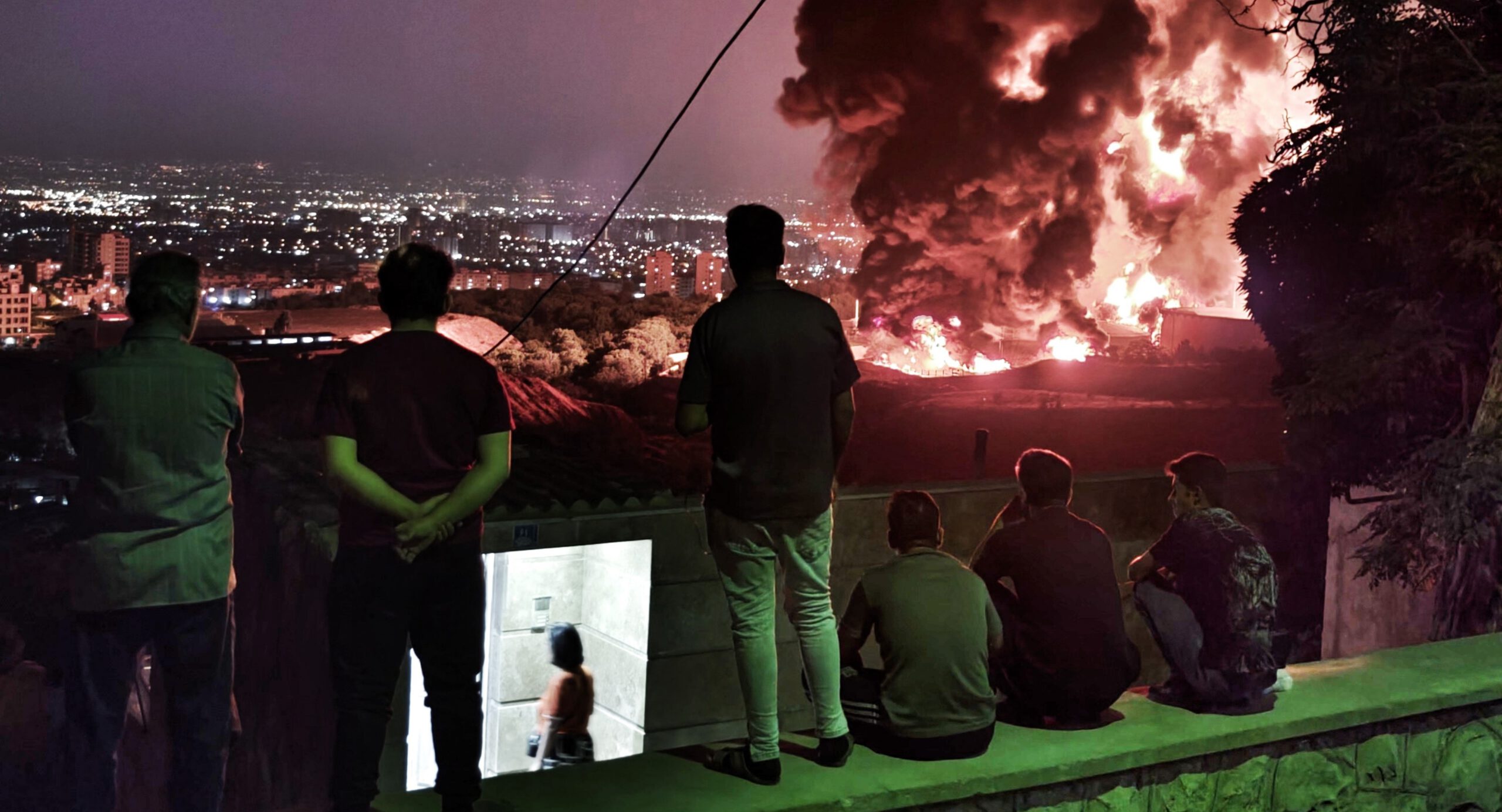
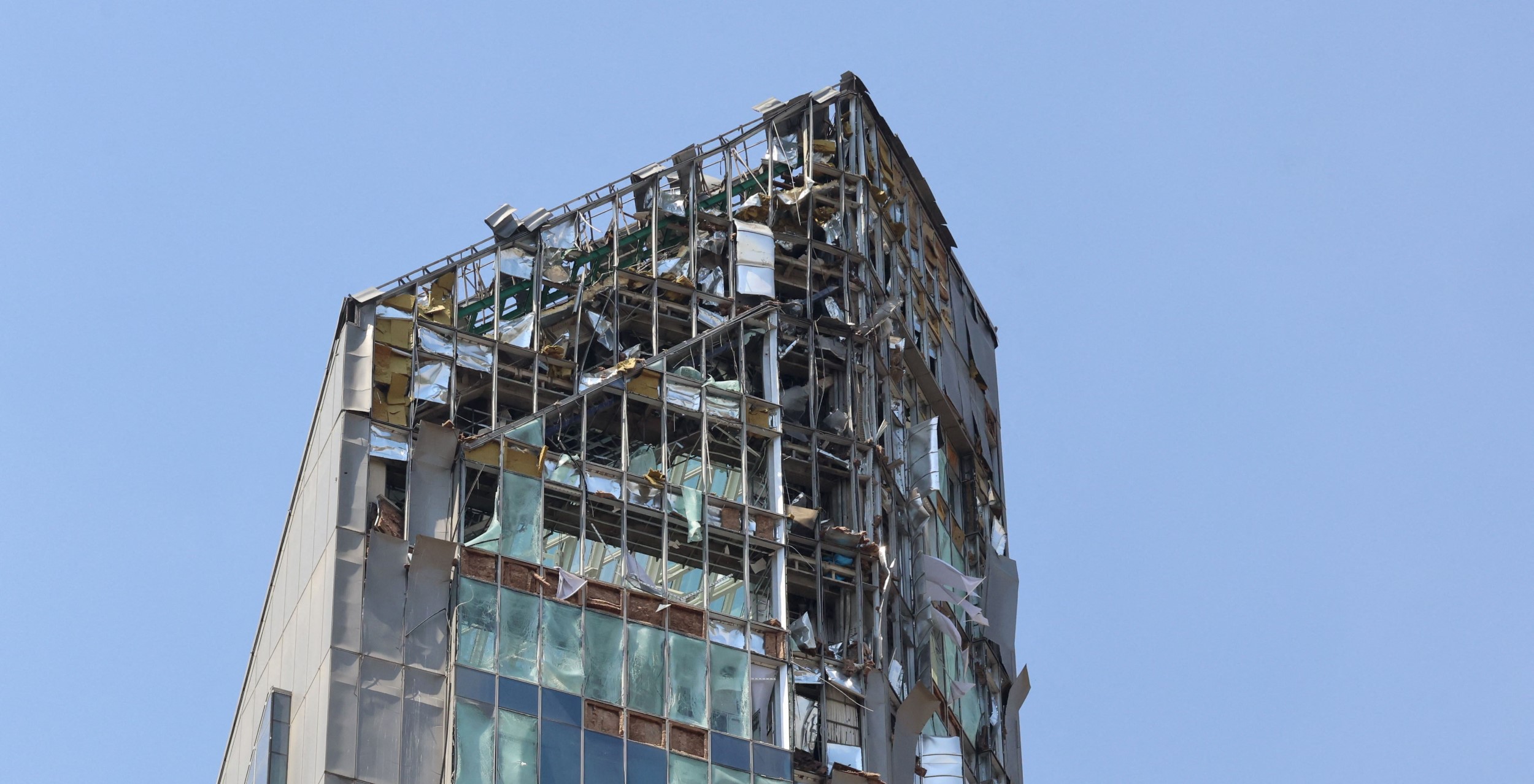
The monarchical Arab Gulf states emerged on the other side of last June’s Israeli and US attacks on Iran largely unscathed, with the important exception of a limited, retaliatory Iranian missile strike on the American airbase in Qatar. However, in a larger sense, this short war, part of the broader regional conflict that began with the Hamas attack on Israel in October 2023, reinforced the precariousness of the Gulf monarchies’ security situation.
Where do we go from here? Day 5 of the Israel-Iran war
The past four days have clarified much about what Israel wants from this conflict, what Iran can and cannot do to fight back, and what decisions confront the American president over the next few days.
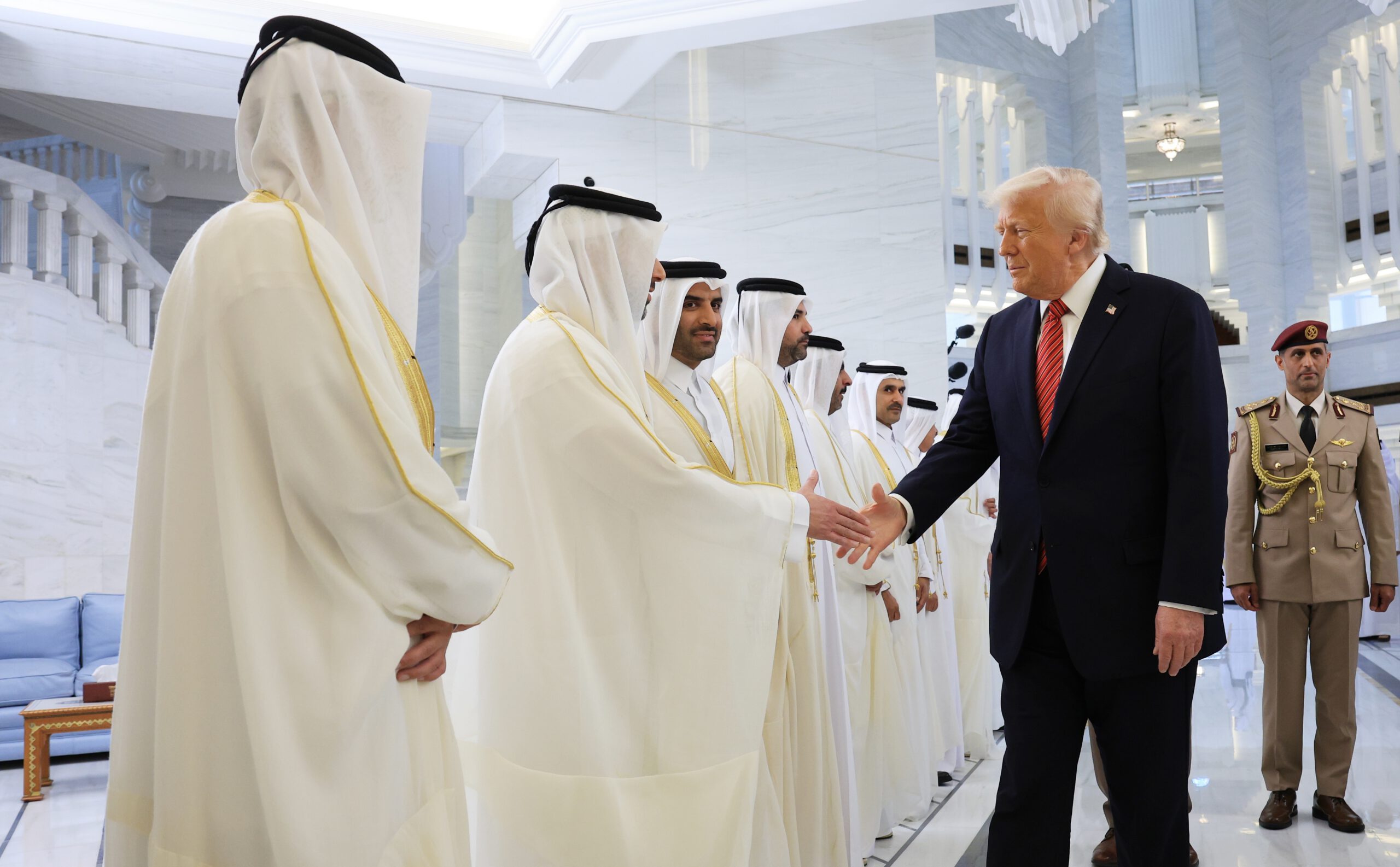
This week, US President Donald Trump makes his inaugural visit to the Middle East since the start of his second term, traveling to Saudi Arabia, Qatar, and the United Arab Emirates on May 13-16. Amid the heightened focus on US policy toward the Middle East, MEI’s experts take stock of Trump’s trip to the Gulf, how his administration has shaped its approach to the wider region in its first several months, and how regional actors are responding to the policies coming out of Washington.
First Stop, Riyadh: Why Trump’s Saudi Visit Will Be Nothing Like the Last
As President Trump prepares for his visit to Saudi Arabia in May, MEI’s F. Gregory Gause, III unpacks the evolving Saudi-American relationship. Compared to his first term, Trump faces a more volatile Middle East and a Crown Prince Mohammed bin Salman whose calculations have fundamentally shifted. The new regional landscape has directly reshaped MBS’s priorities toward regional stability, cautious Iran relations, and economic transformation through Vision 2030. Discover what challenges await as these two leaders navigate complex dynamics, oil markets, and the fallout from the Gaza War.
A different Middle East: How should Washington respond?
A very different Middle East will greet President-elect Trump this month compared to the region he experienced during his first term. However, there are opportunities to advance American interests for a more stable and less conflictual Middle East, which might not require the kind of intense US commitment we have seen over the last quarter-century.