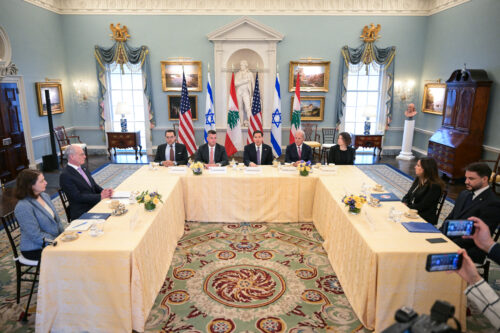
It is done—or rather, has begun. After an April cease-fire and nearly 70 days of indirect talks brokered by Pakistan and Qatar, Iran and the United States have signed a memorandum of understanding ending their war.
This month in Switzerland, the two sides held their first round of talks under the MOU, emerging with a road map to a final agreement within 60 days; working groups on nuclear enrichment, sanctions, and implementation; and new channels to keep the Strait of Hormuz open and the Lebanon cease-fire intact. The hardest questions—the fate of Iran’s enrichment program, the scale of sanctions relief, the shape of any settlement—were deferred to that window, with Tehran insisting that implementation comes first. The blockade is lifted, and Hormuz has reopened; in the days following the news, the Iranian rial gained more than 15 percent against the dollar.
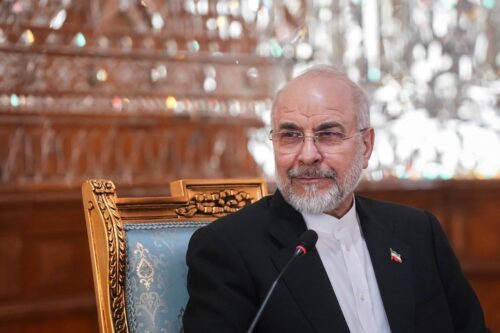
To Iran’s adversaries and many pundits, the way the deal came together confirms a verdict advanced recently, including in these pages: that the war has produced an Iranian regime more united than at any point in recent memory. Iranian commentary across the political spectrum, too, has described a real closing of ranks: Former lawmaker Mansour Arami spoke in April of a rare alignment across political, military, and social spheres, all operating within the regime’s framework.
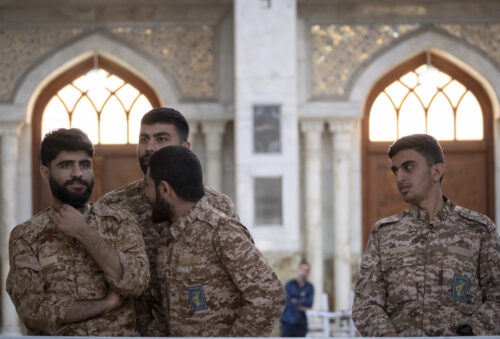
Photo by Morteza Nikoubazl/NurPhoto via Getty Images
The Middle East Institute (MEI) is an independent, non-partisan, not-for-profit, educational organization. It does not engage in advocacy and its scholars’ opinions are their own. MEI welcomes financial donations, but retains sole editorial control over its work and its publications reflect only the authors’ views. For a listing of MEI donors, please click here.