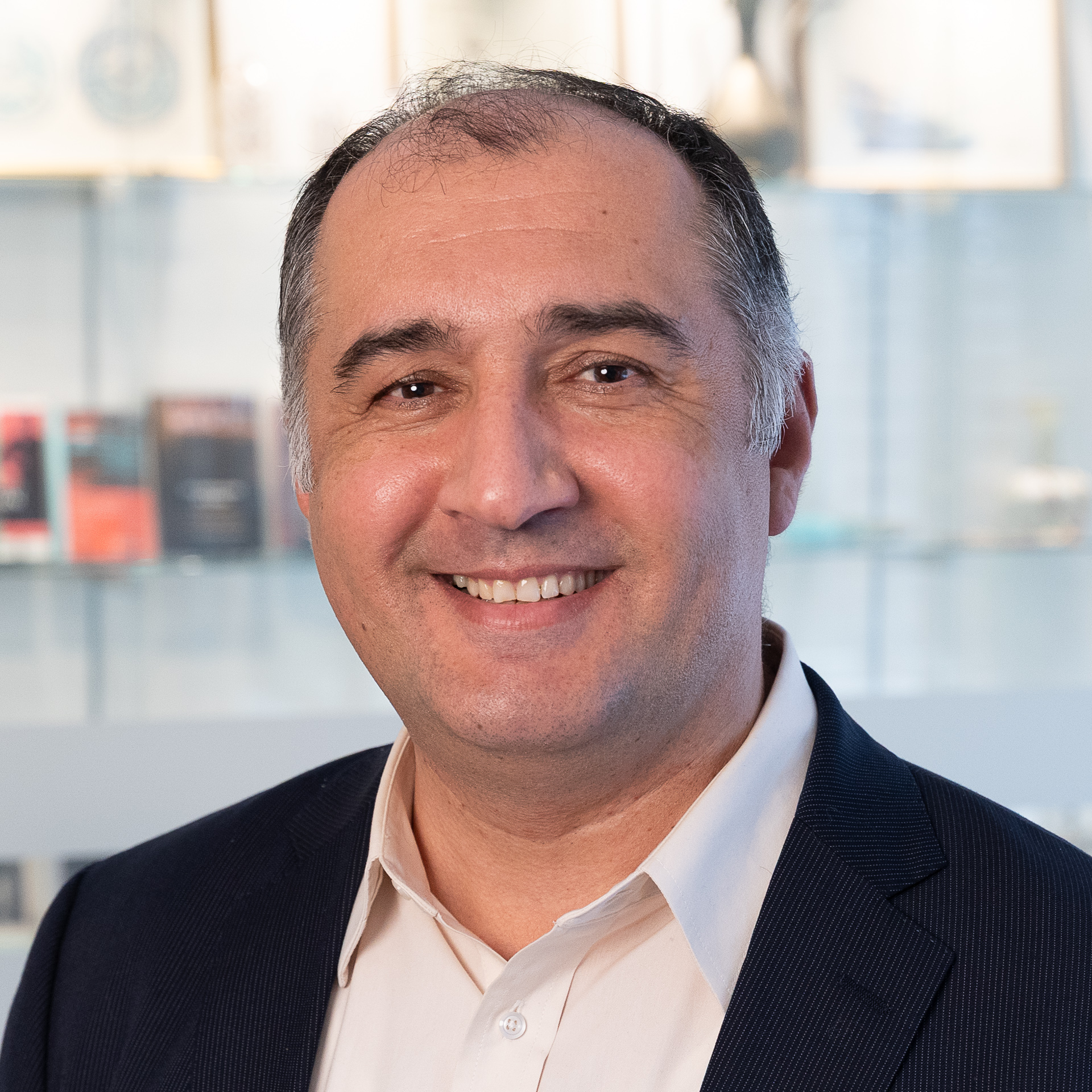
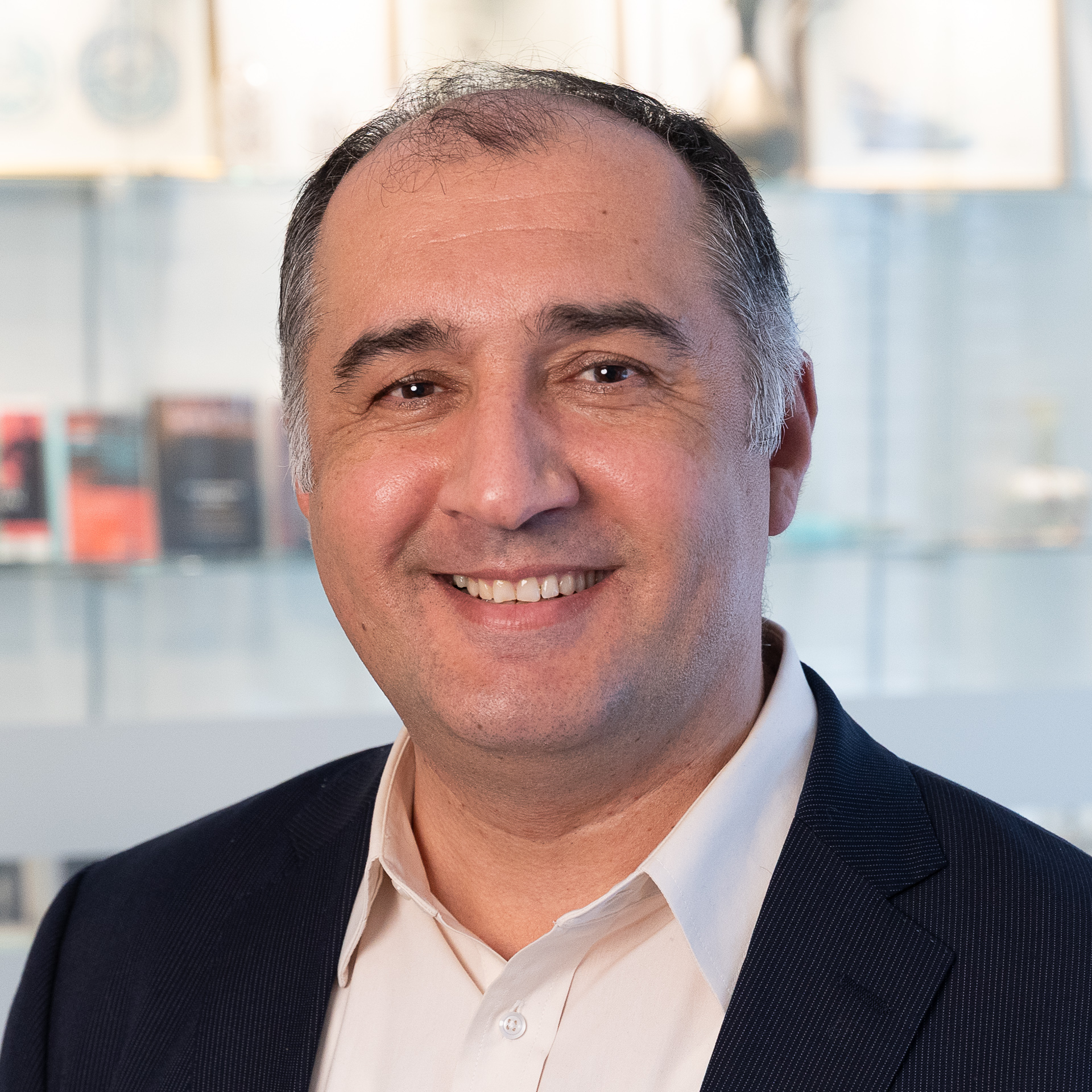
Alex Vatanka is a Senior Fellow at the Middle East Institute. He specializes in Middle Eastern regional security affairs with a particular focus on Iran. He was formerly a Senior Analyst at Jane’s Information Group in London. Alex is also a Senior Fellow in Middle East Studies at the US Air Force Special Operations School (USAFSOS) at Hurlburt Field and teaches as an Adjunct Professor at DISAS at Wright-Patterson Air Force Base. He has testified before the US Congress and lectured widely for both governmental and commercial audiences, including the US Departments of State and Defense, US intelligence agencies, and a list of international corporations.
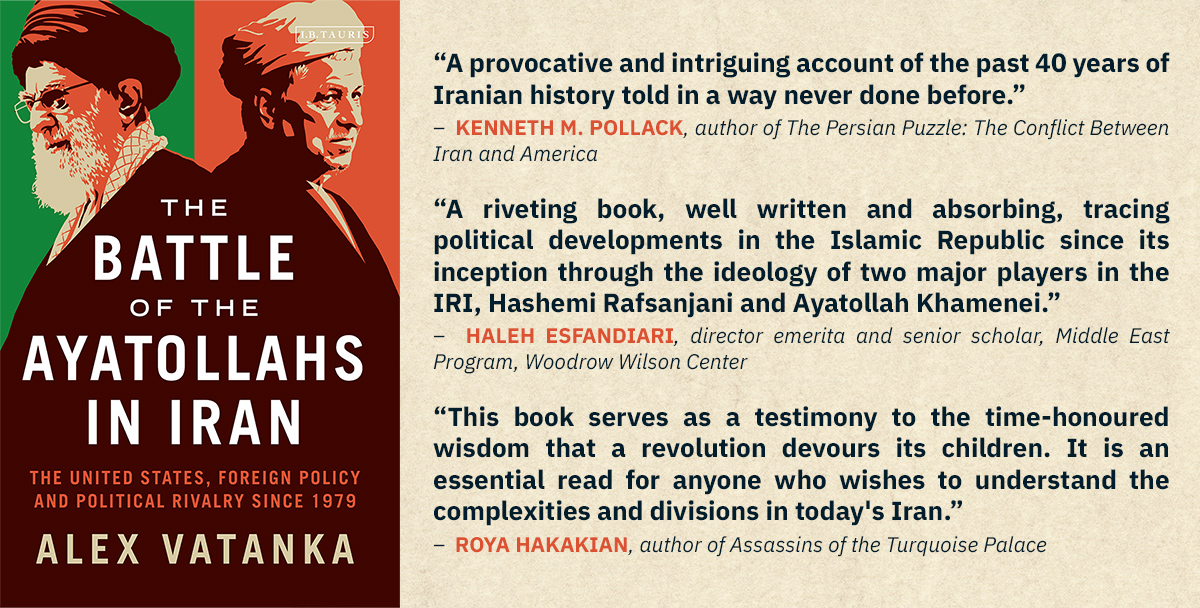
Born in Tehran, he holds a BA in Political Science (Sheffield University, UK), and an MA in International Relations (Essex University, UK), and is fluent in Farsi and Danish. He is the author of two books: The Battle of the Ayatollahs in Iran: The United States, Foreign Policy and Political Rivalry Since 1979 (2021) and Iran and Pakistan: Security, Diplomacy, and American Influence (2015).
He has also written chapters for a number of books, including Authoritarianism Goes Global (2016); Handbook on Contemporary Pakistan (2017); Russia in the Middle East (2018), Winning the Battle, Losing the War: Addressing the Drivers Fueling Armed Non-state Actors and Extremist Groups (2020); Global, Regional and Local Dynamics in the Yemen Crisis (2020); Routledge Handbook of Counterterrorism and Irregular Warfare Operations (2021); and Understanding New Proxy Wars (2022). He is presently working on his third book, Iran’s Arab Strategy: Defending the Homeland or Exporting Khomeinism?
Education
B.A. in Political Science at Sheffield University; M.A. in International Relations at Essex University
Languages
Farsi, Danish
Countries of Expertise
Iran
Issues of Expertise
Iran domestic and foreign affairs, Iranian military and security forces, Iran-US relations, Political Islam in Middle East
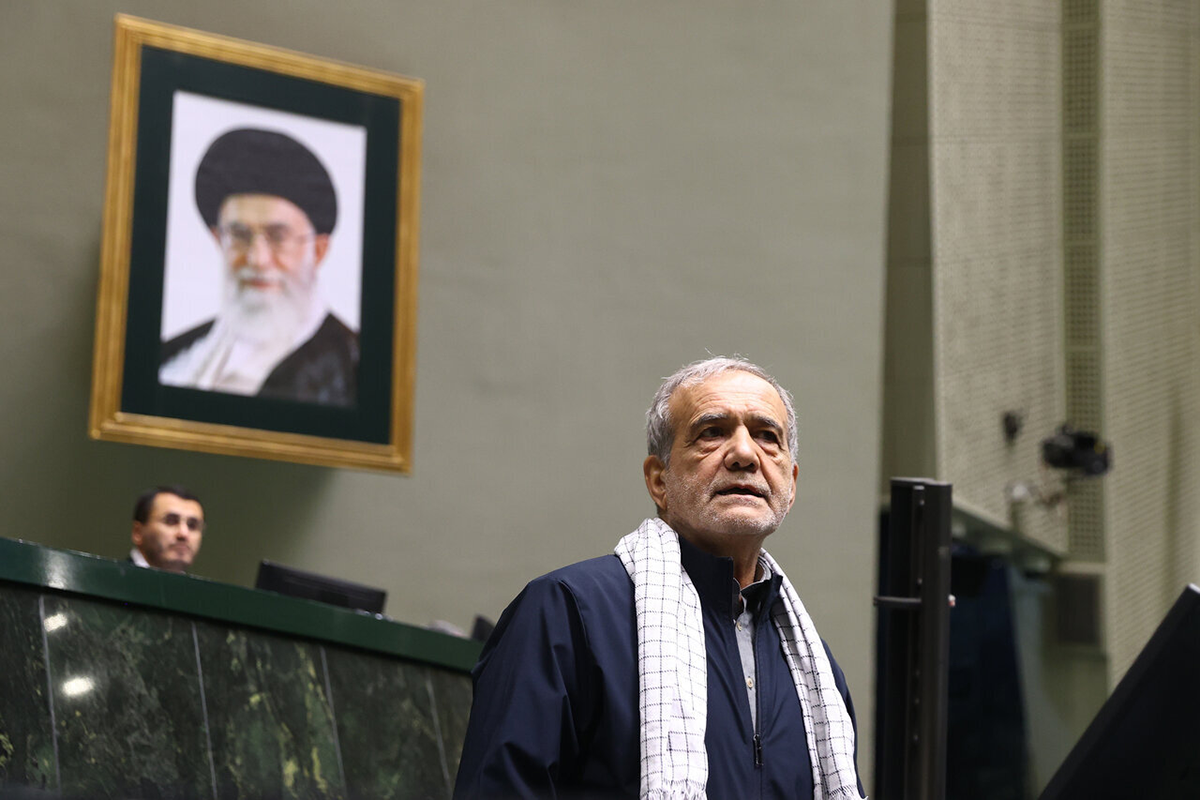
President Masoud Pezeshkian’s first year in office has been defined by Iran’s familiar political structural constraints, external crises, and a moderate-reformist base forever frustrated with his cautious pragmatism and unfulfilled promises. His July 2024 election was undeniably a setback for hardliners. Yet one year later, the assessment is sobering: While Pezeshkian has in some ways perhaps helped in slowing the hardline march, he has not made any fundamental difference in how the Islamic Republic is run. Every decision requires second-guessing Supreme Leader Ali Khamenei’s next move, and even as a president boxed in by the system with limited powers, he is constantly under the sword of Damocles.
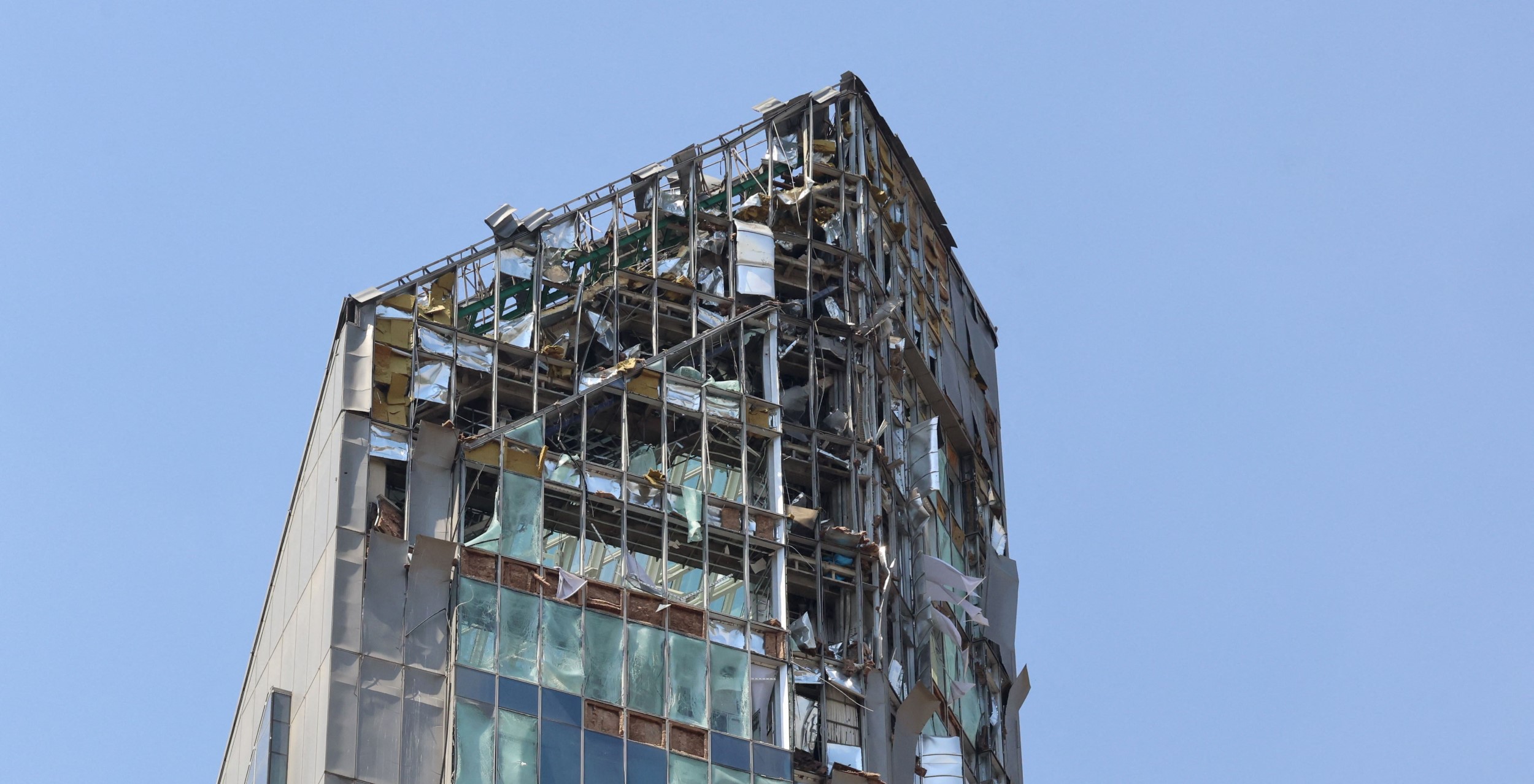
The 12-day war between Iran, Israel, and the United States has ended, but the dust has not yet settled. Many official voices in Tehran are warning that the war can resume at any moment. Iran now faces deepening economic turmoil, political uncertainty, and hard choices about its nuclear future. The central question is whether the Islamic Republic will emerge stronger through nationalist mobilization or weaker, exposed by vulnerabilities it long sought to deny. No doubt, Iran’s leaders stand at a true crossroads.
Pezeshkian’s overtures: Cosmetic change or real shift in power?
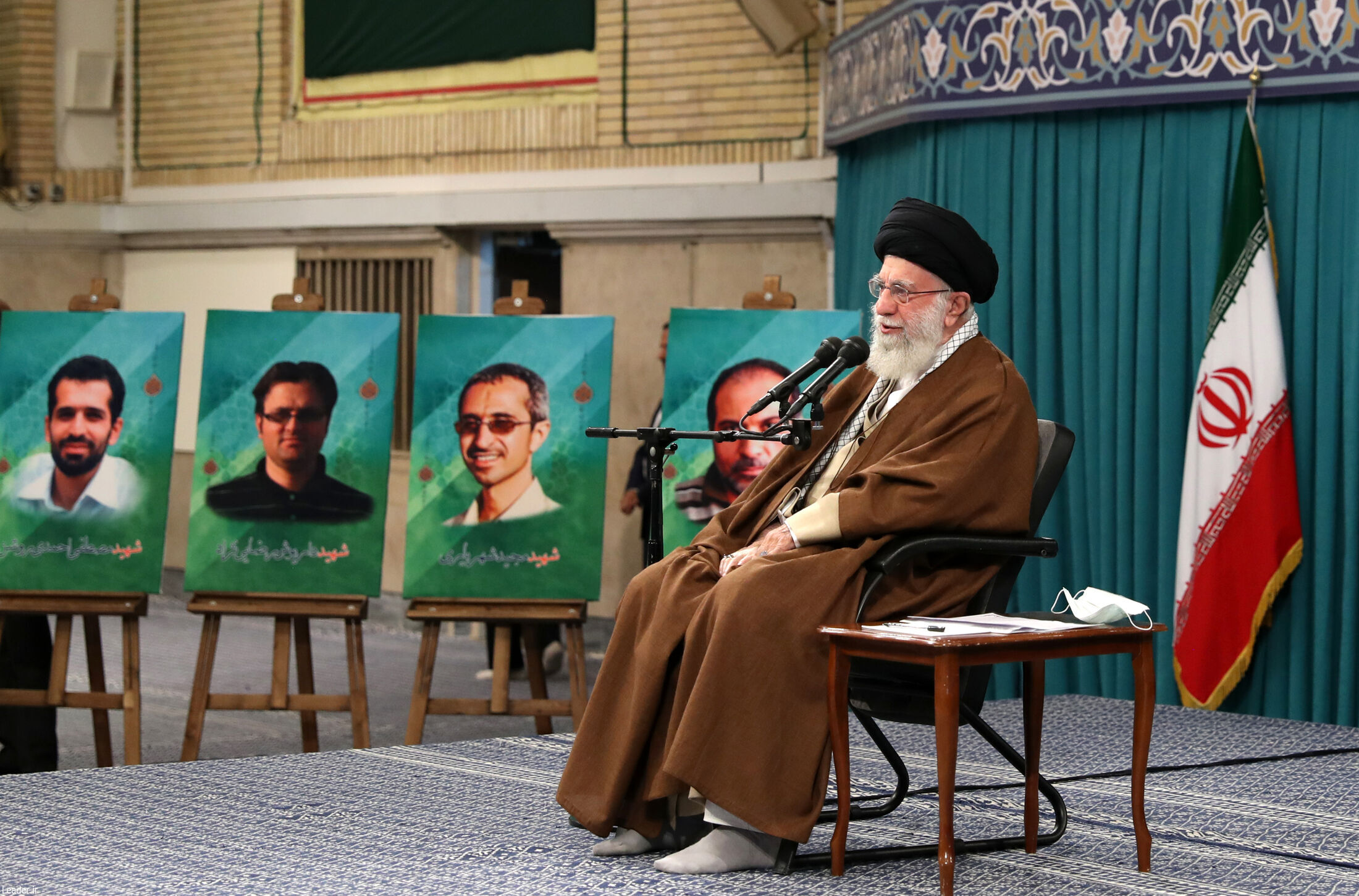
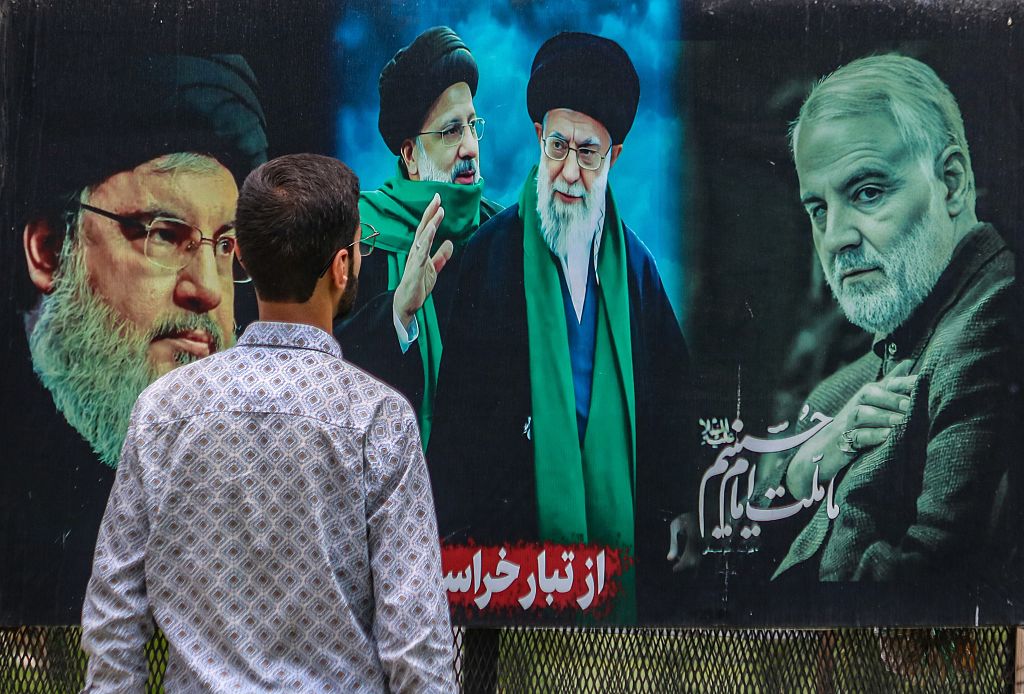
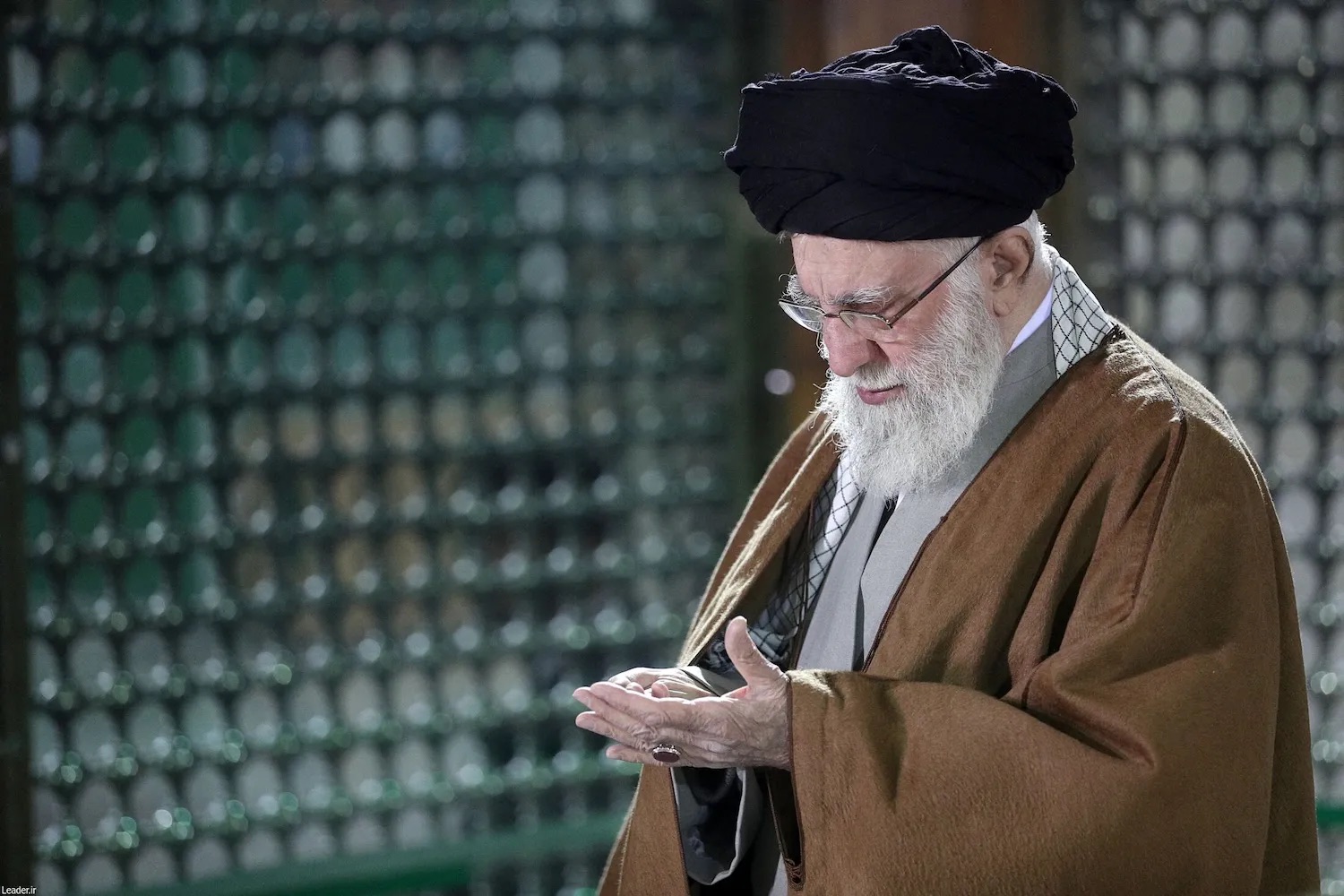
Where is Ali Khamenei? That is the question on the minds of many Iranians and foreign observers in the aftermath of the 12-day war between Iran and Israel. As missiles rained down and retaliatory strikes escalated, one voice was conspicuously absent: that of the supreme leader of the Islamic Republic.
Trump at war with Iran: Regime change, risk, and the hidden battle inside Tehran
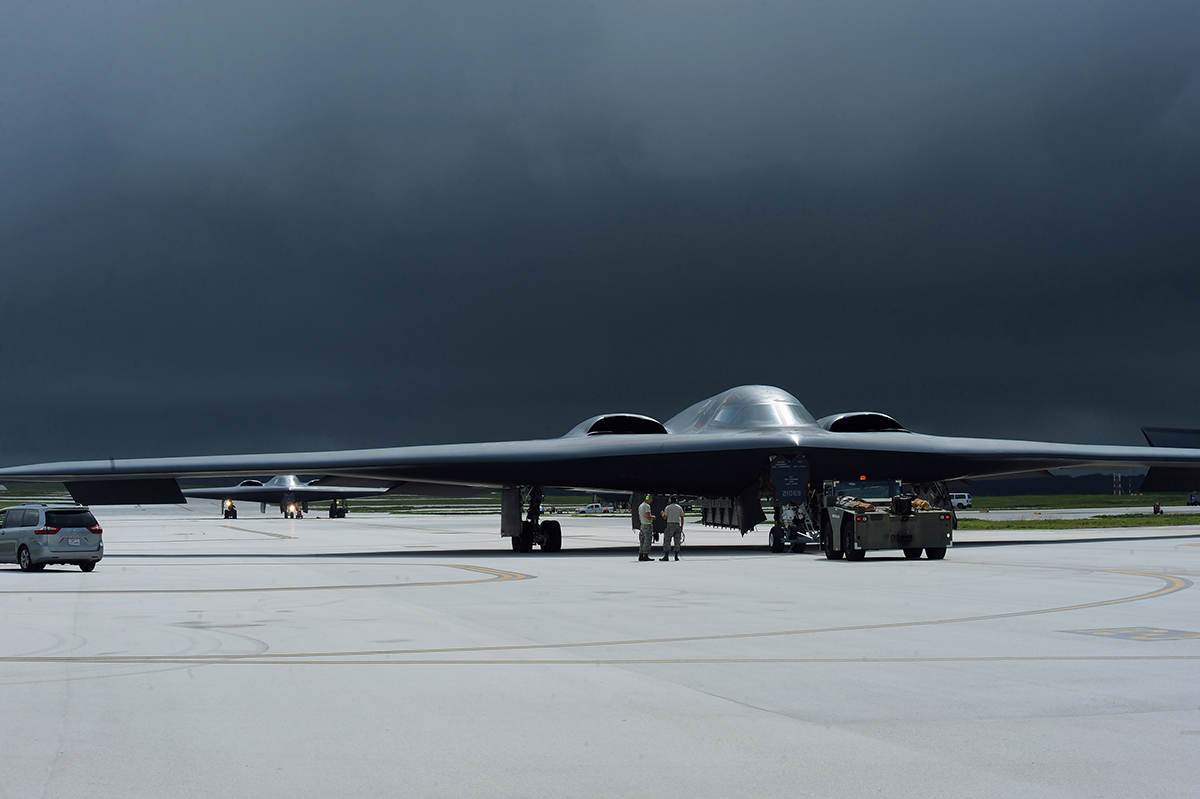
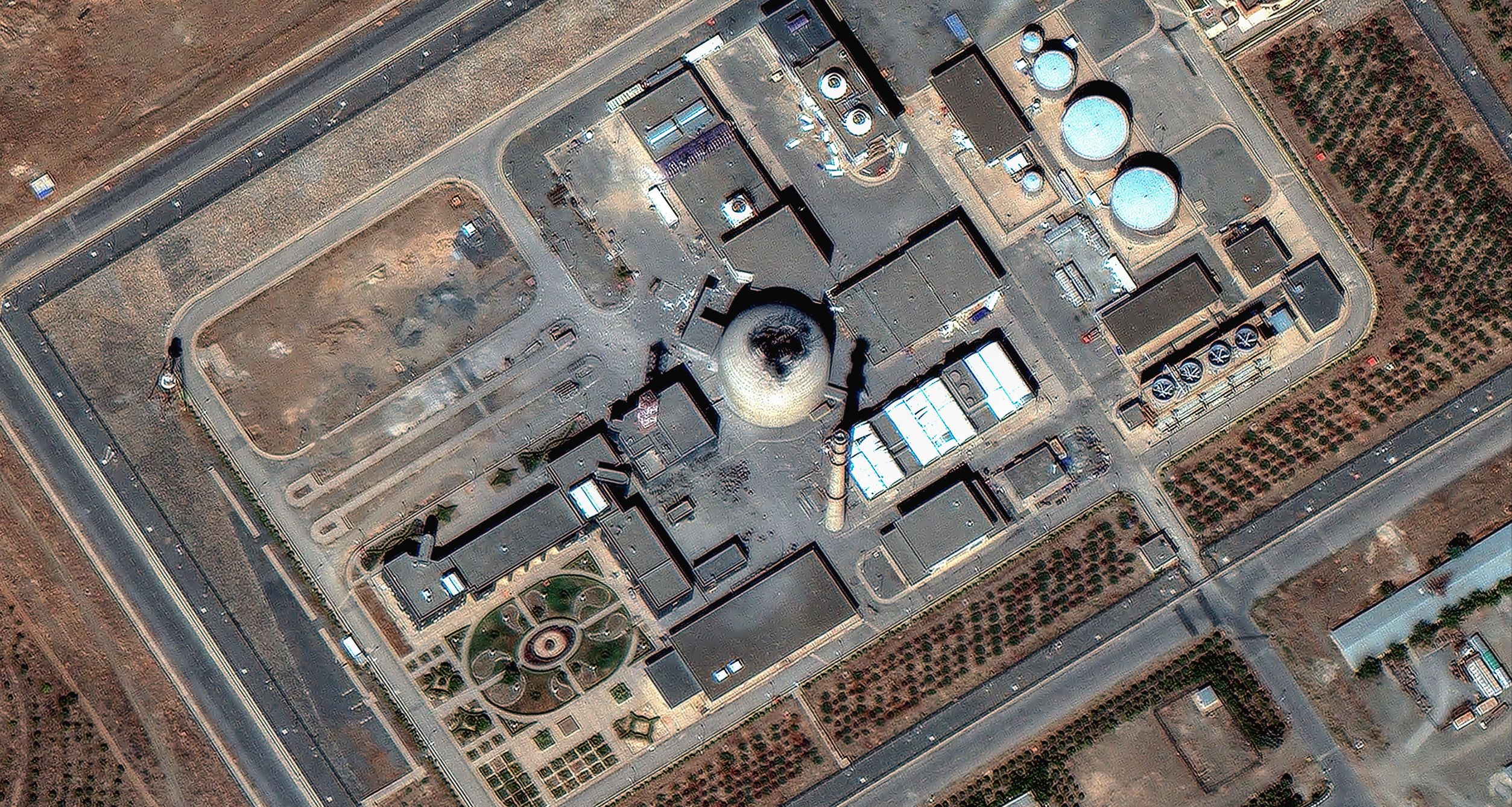
The United States is now at war with Iran, or at least something dangerously close to it. The June 21 US strikes on key Iranian nuclear infrastructure, including the underground Fordow facility, marked a dramatic escalation. Yet Washington has carefully avoided calling this a full-scale war.
US has an opening to force concessions from Iran in a potential deal
As the Israel-Iran conflict intensifies, warnings are growing louder that the war could result in hazardous and destructive radiological spillover to much of the region. But the posturing of various key actors in the Gulf and beyond has opened the door to a broader political settlement between the United States and Iran that could end the hostilities before such a dangerous scenario comes to pass.
As the war between Iran and Israel continued, Supreme Leader Ayatollah Ali Khamenei delivered a speech on June 17, framing the conflict as an “imposed war” and calling for national unity. But instead of using this moment to explore diplomatic off-ramps, particularly as President Donald Trump signaled the possible direct participation of the United States in the war on the side of Israel, Khamenei opted for posturing over negotiation and left the Iranian people even more fearful about the future.
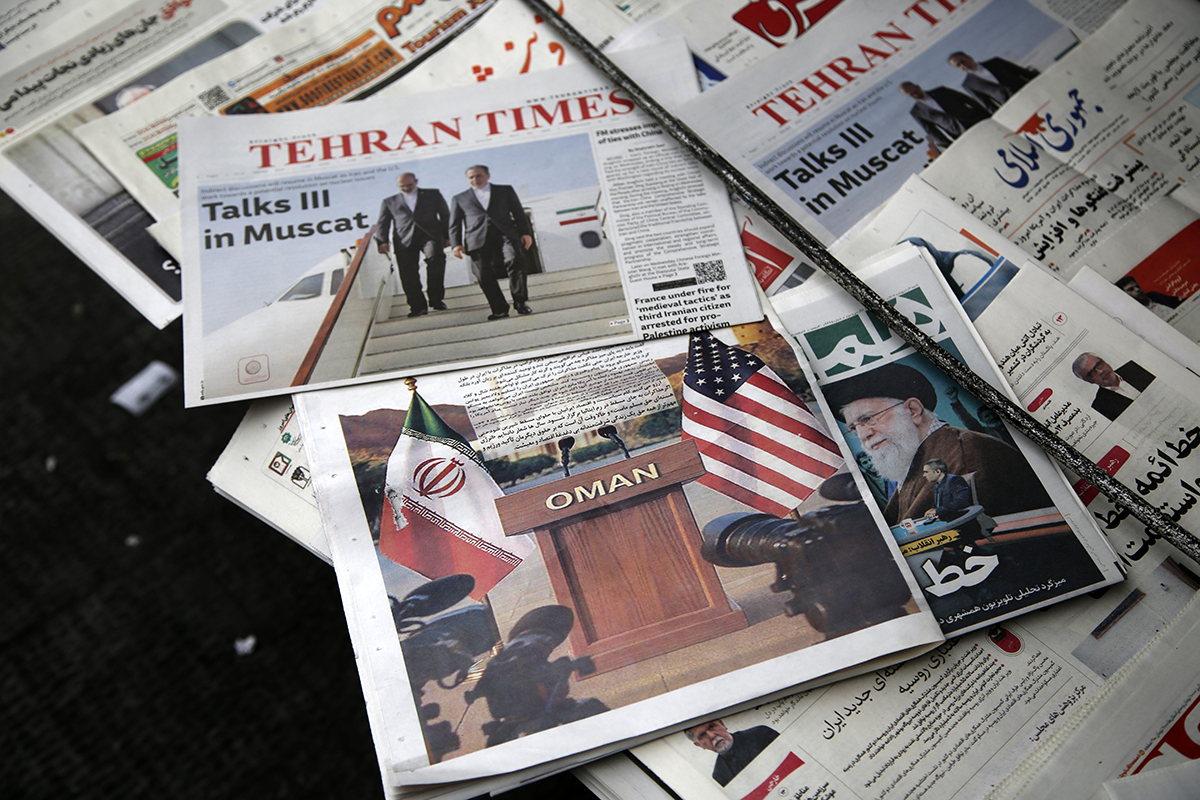
Since mid-April, diplomacy between Tehran and Washington has shifted into overdrive. After a seven-year freeze, Iran’s supreme leader, Ayatollah Ali Khamenei, has made a stunning, if not entirely surprising, reversal: He has greenlit a new nuclear deal if U.S. President Donald Trump accepts Tehran’s basic red lines. While the fourth round of talks between the two countries last weekend in Oman contained no apparent breakthrough, both sides seem determined to continue negotiating.
This week, US President Donald Trump makes his inaugural visit to the Middle East since the start of his second term, traveling to Saudi Arabia, Qatar, and the United Arab Emirates on May 13-16. Amid the heightened focus on US policy toward the Middle East, MEI’s experts take stock of Trump’s trip to the Gulf, how his administration has shaped its approach to the wider region in its first several months, and how regional actors are responding to the policies coming out of Washington.
Iran appears to be reorienting its approach to diplomatic engagement with its neighbors and the West by prioritizing the economic benefits of cooperation. A possible withdrawal of support for the Houthis is the latest significant potential outcome of Iran’s shifting stance. The following are five factors to watch for as a Tehran under duress reformulates its policies.
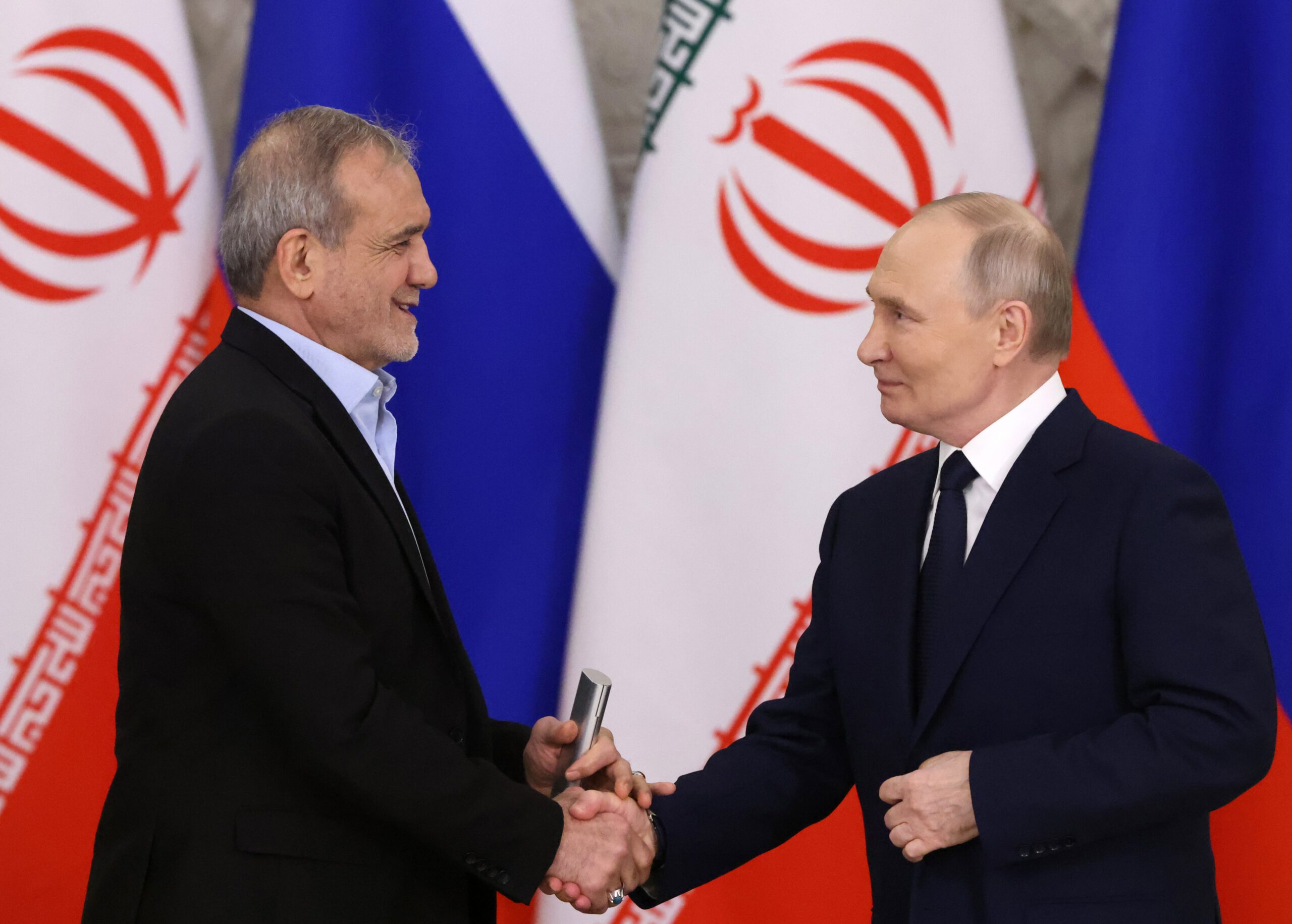
Could Russia support US-Iran negotiations? An indirect opportunity worth exploring.
On April 12, the United States and Iran wrapped up their first round of renewed diplomatic talks in Muscat, with round two set for April 19, in Rome. In the interim, Iranian Foreign Minister Abbas Araghchi is in Moscow to coordinate with the Russians. But the real breakthrough will not come from nuclear talks alone — it will require confronting the region’s most explosive fault line: the Iranian-Israeli standoff. Russia claims it can help.
Thinking the unthinkable: Improved US-Iran relations under Trump?
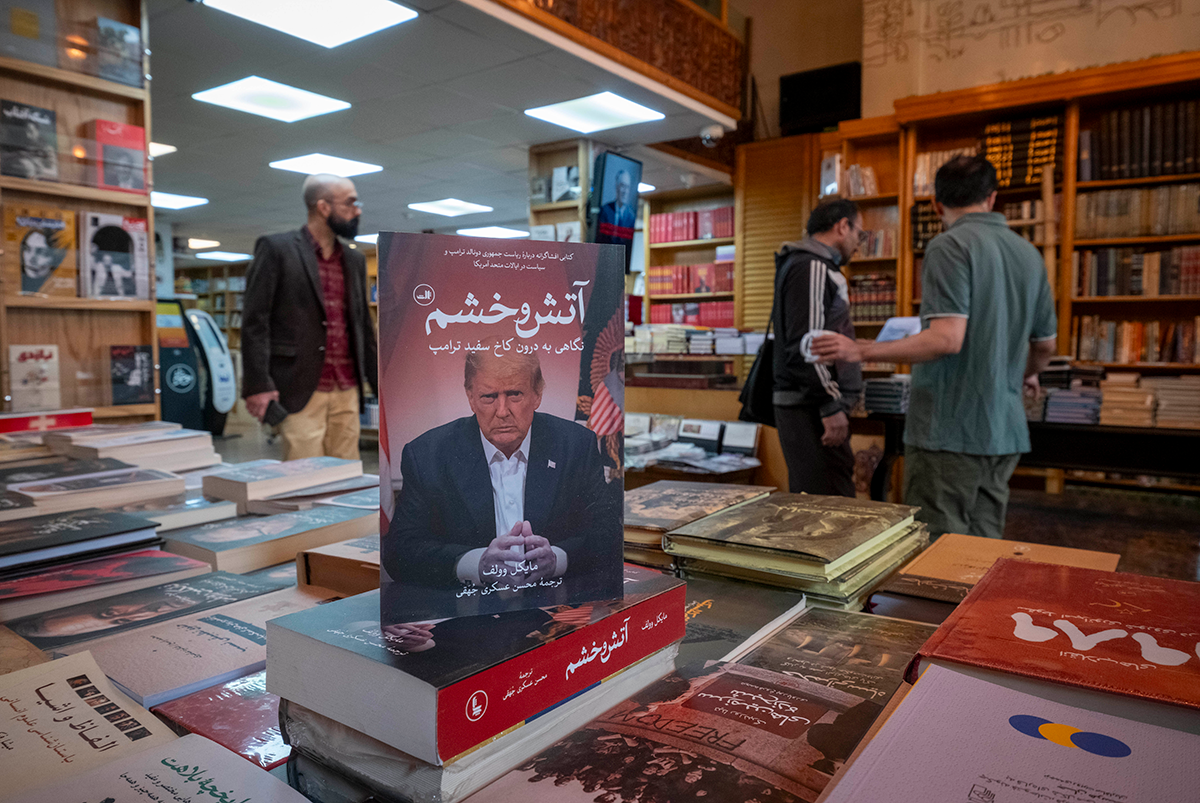
It is no surprise that both Iran and the United States have approached their first diplomatic engagement in four years with wariness. There are plenty of reasons to be skeptical about the probability of the negotiations culminating in a deal. But it would be a mistake to assume that the conditions in 2025 are the same as existed in 2015. Time is not on the Iranians’ side now and changes afoot in the Middle East and the broader global community give Iran an incentive to move toward an agreement, assuming that Washington is sincere and realistic in its negotiations with Tehran.
President Masoud Pezeshkian might be the loneliest man in Iran. Just eight months into his term in office, he is already losing the support of those who once championed him. While the Iranian presidency is a thankless job, Pezeshkian is not helping his own case.
War of words as Turkey-Iran tensions escalate over Syria, Iraq
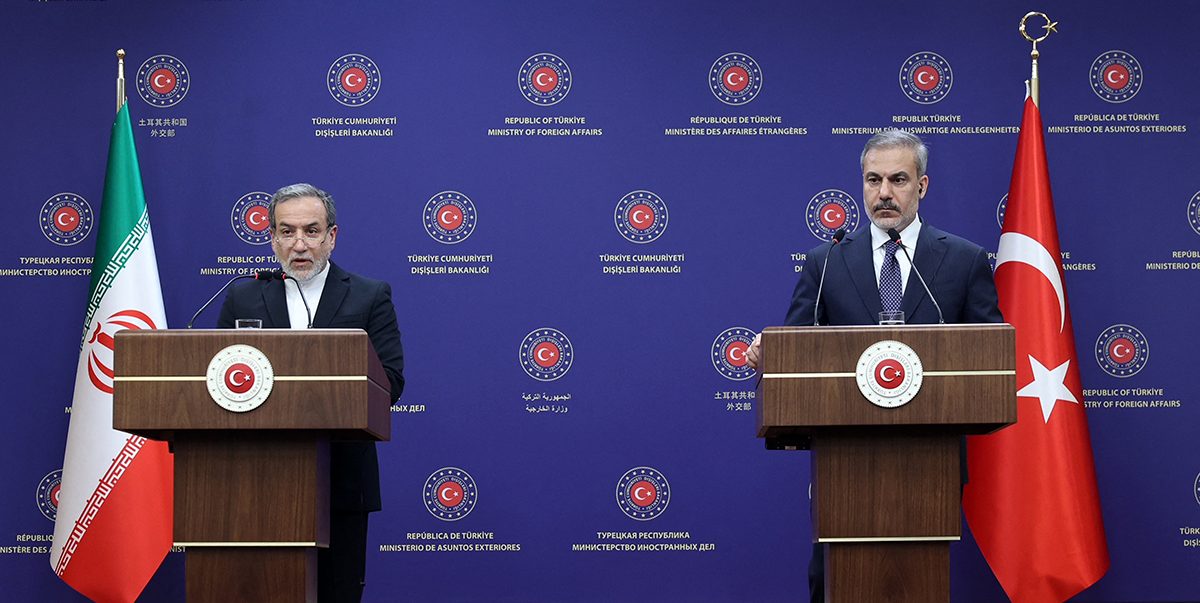
After decades of managing tensions through careful balancing, Turkey and Iran now find themselves increasingly at odds following recent shifts in the regional balance of power. With Ankara emboldened and Tehran on its back foot after the fall of the regime of Bashar al-Assad, the struggle for influence between the two neighbors and long-time rivals is escalating in both Syria and Iraq and could spread well beyond their borders.