Skip to Content

Alex Vatanka is a Senior Fellow at the Middle East Institute. He specializes in Middle Eastern regional security affairs with a particular focus on Iran. He was formerly a Senior Analyst at Jane’s Information Group in London. Alex is also a Senior Fellow in Middle East Studies at the US Air Force Special Operations School (USAFSOS) at Hurlburt Field and teaches as an Adjunct Professor at DISAS at Wright-Patterson Air Force Base. He has testified before the US Congress and lectured widely for both governmental and commercial audiences, including the US Departments of State and Defense, US intelligence agencies, and a list of international corporations.

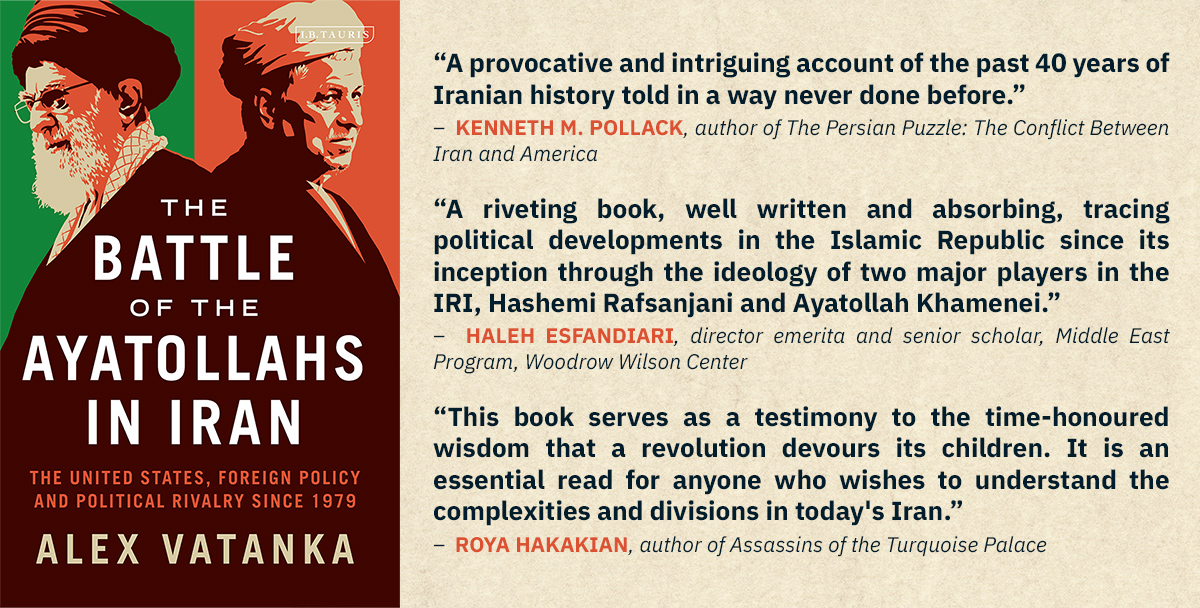
Born in Tehran, he holds a BA in Political Science (Sheffield University, UK), and an MA in International Relations (Essex University, UK), and is fluent in Farsi and Danish. He is the author of two books: The Battle of the Ayatollahs in Iran: The United States, Foreign Policy and Political Rivalry Since 1979 (2021) and Iran and Pakistan: Security, Diplomacy, and American Influence (2015).

He has also written chapters for a number of books, including Authoritarianism Goes Global (2016); Handbook on Contemporary Pakistan (2017); Russia in the Middle East (2018), Winning the Battle, Losing the War: Addressing the Drivers Fueling Armed Non-state Actors and Extremist Groups (2020); Global, Regional and Local Dynamics in the Yemen Crisis (2020); Routledge Handbook of Counterterrorism and Irregular Warfare Operations (2021); and Understanding New Proxy Wars (2022). He is presently working on his third book, Iran’s Arab Strategy: Defending the Homeland or Exporting Khomeinism?

Education
B.A. in Political Science at Sheffield University; M.A. in International Relations at Essex University

Languages
Farsi, Danish

Countries of Expertise
Iran

Issues of Expertise
Iran domestic and foreign affairs, Iranian military and security forces, Iran-US relations, Political Islam in Middle East

Website
Vatanka.com

Books

Praise for "The Battle of the Ayatollahs in Iran"

Book chapters

Select articles

The Latest from Alex Vatanka

Filter by
526 Results
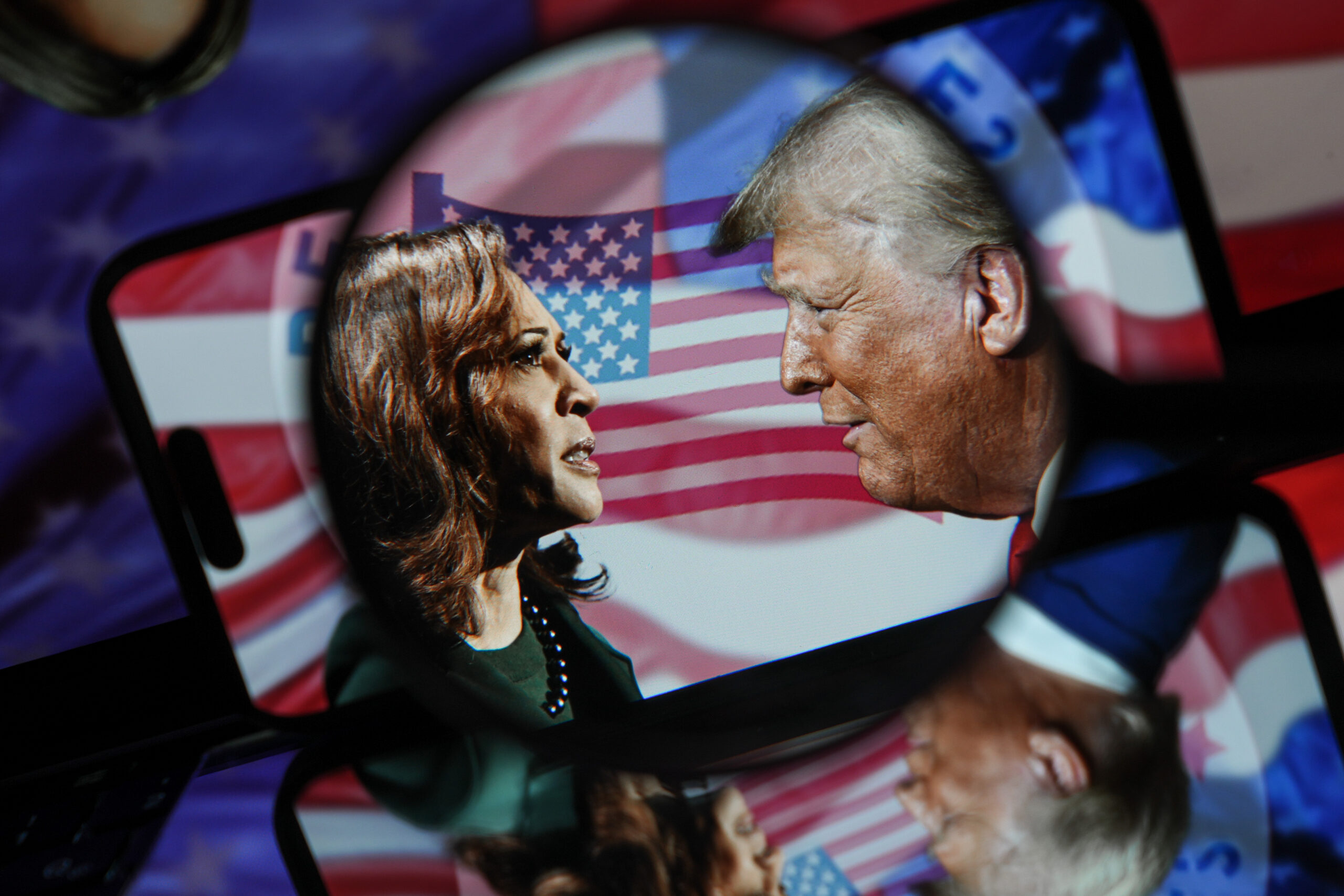
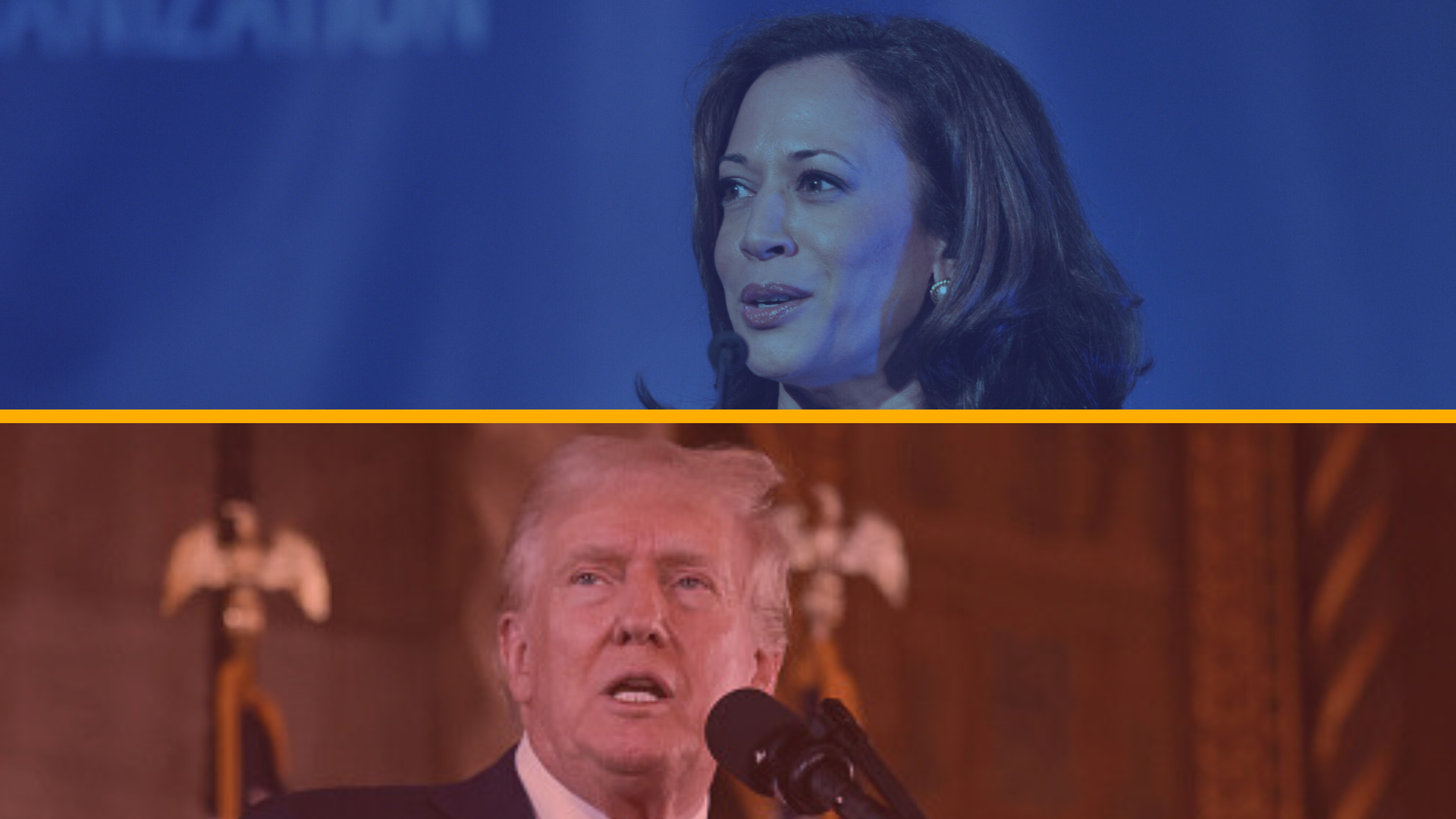
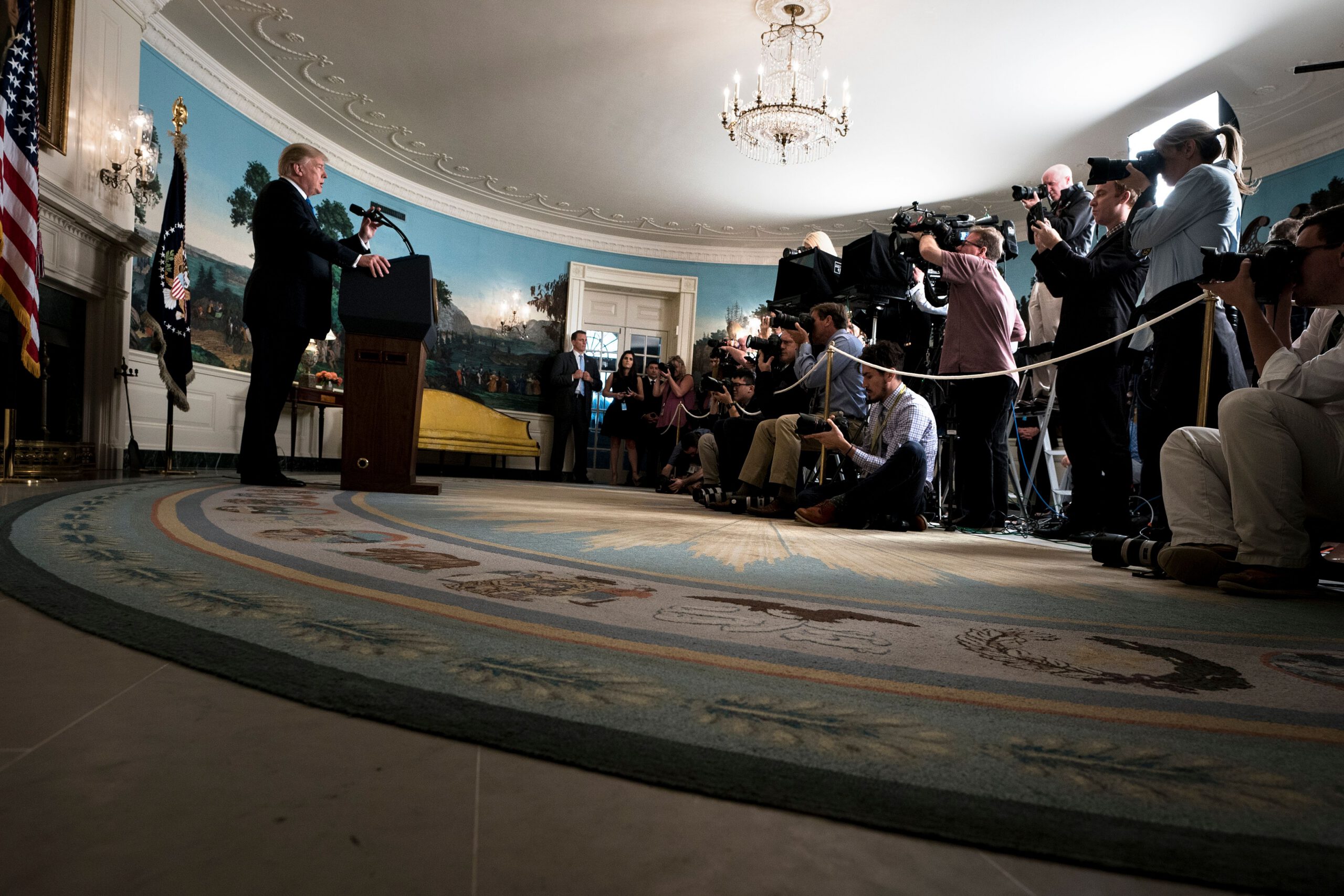
How Trump and Harris compare on Iran
  • Commentary
  • How Trump and Harris compare on Iran

    Iran looms large as an important policy question in the Middle East these days. But it barely received mention on the campaign trail in the United States, where American voters are fixated on issues closer to home: the economy, abortion, immigration, and the health of America’s democratic system are all front and centre. This doesn’t mean that Iran is unimportant when it comes to US national security policy—it just these issues aren’t very likely to determine who will win the presidential race in November.

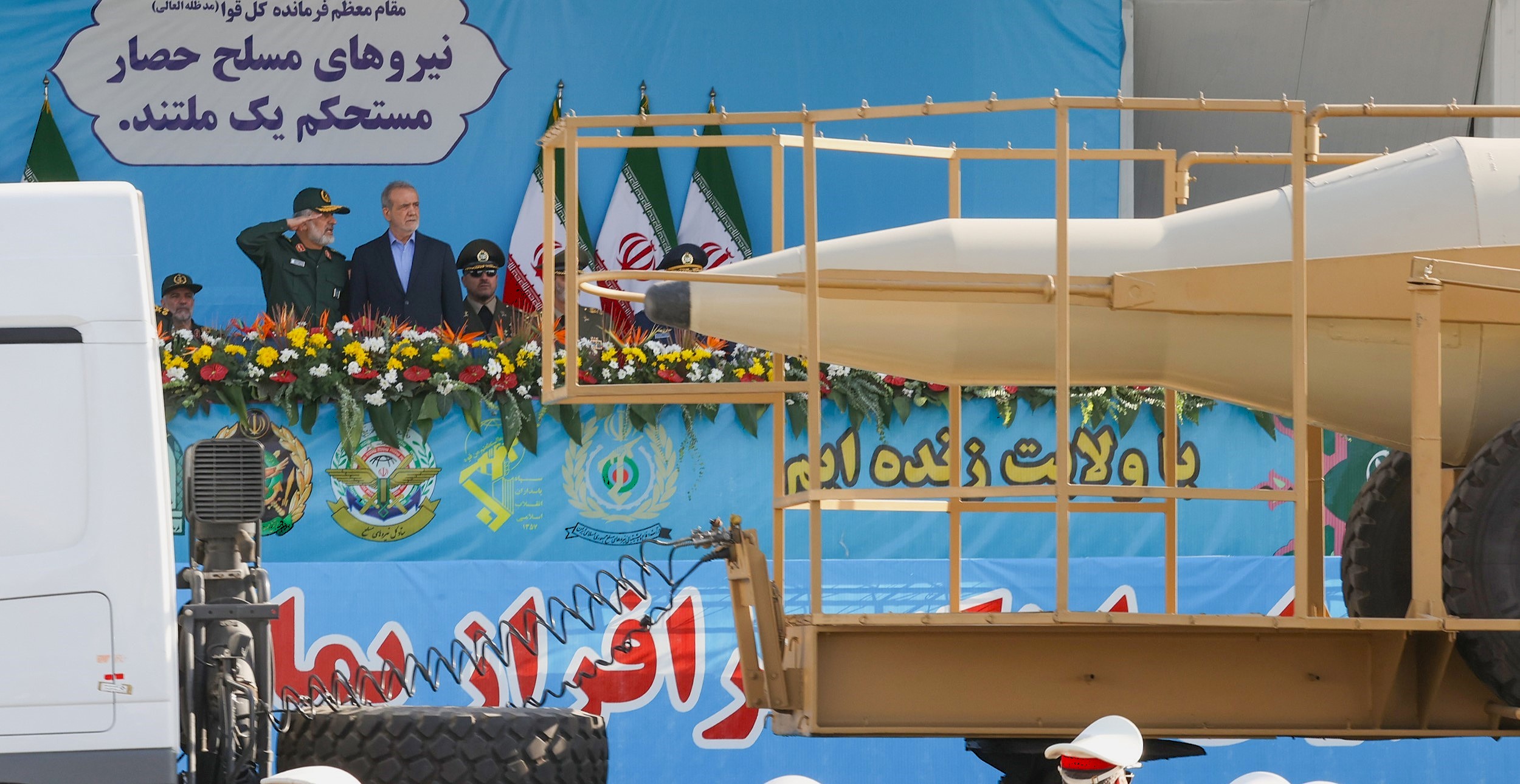
    The Islamic Republic, the most unpatriotic in Iranian history?
    Photo by Sayed Hassan/Getty Images
  • Analysis
  • The Islamic Republic, the most unpatriotic in Iranian history?

    It is no exaggeration to say that the Islamist political system in Tehran is on the brink of experiencing perilous blowback for the foreign policy choices it has made. Whether Tehran continues to prioritize the fight against Israel or decides to look for ways to deprioritize the conflict as a national security matter will not be settled in the foreseeable future — or perhaps the matter will be taken out of Iran’s hands.

    Iran will feel Israel’s wrath like never before
  • Commentary
  • Iran will feel Israel’s wrath like never before

    After Iran’s second direct missile attack on Israel in less than six months, all eyes are on Israel’s next move. Reports suggest that Jerusalem plans a massive revenge that might include striking Iran’s oil and nuclear facilities and other strategic sites.

    Pezeshkian in New York and Khamenei’s moment of truth
    Photo by CHARLY TRIBALLEAU/AFP via Getty Images
  • Analysis
  • Pezeshkian in New York and Khamenei’s moment of truth

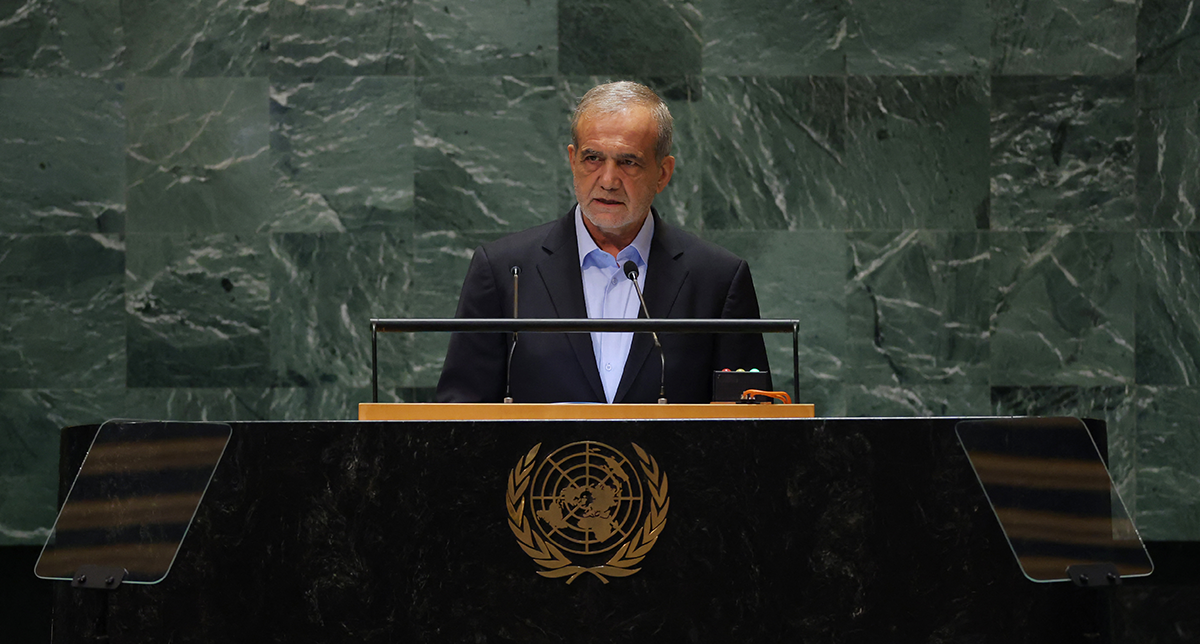
    Iran’s new president, Masoud Pezeshkian, arrived in New York this week for the United Nations General Assembly amid both widespread skepticism and a small dose of hopeful anticipation about his message to the world. In the end, he landed somewhere in the middle. The question now is how much leeway Supreme Leader Ali Khamenei and his foot soldiers in the Revolutionary Guards will give Pezeshkian in an attempt to start a new chapter.

    Pezeshkian’s presidency is Khamenei’s Hail Mary moment
    Photo by Iran's Supreme Leader Press Office/Anadolu via Getty Images
  • Analysis
  • Pezeshkian’s presidency is Khamenei’s Hail Mary moment

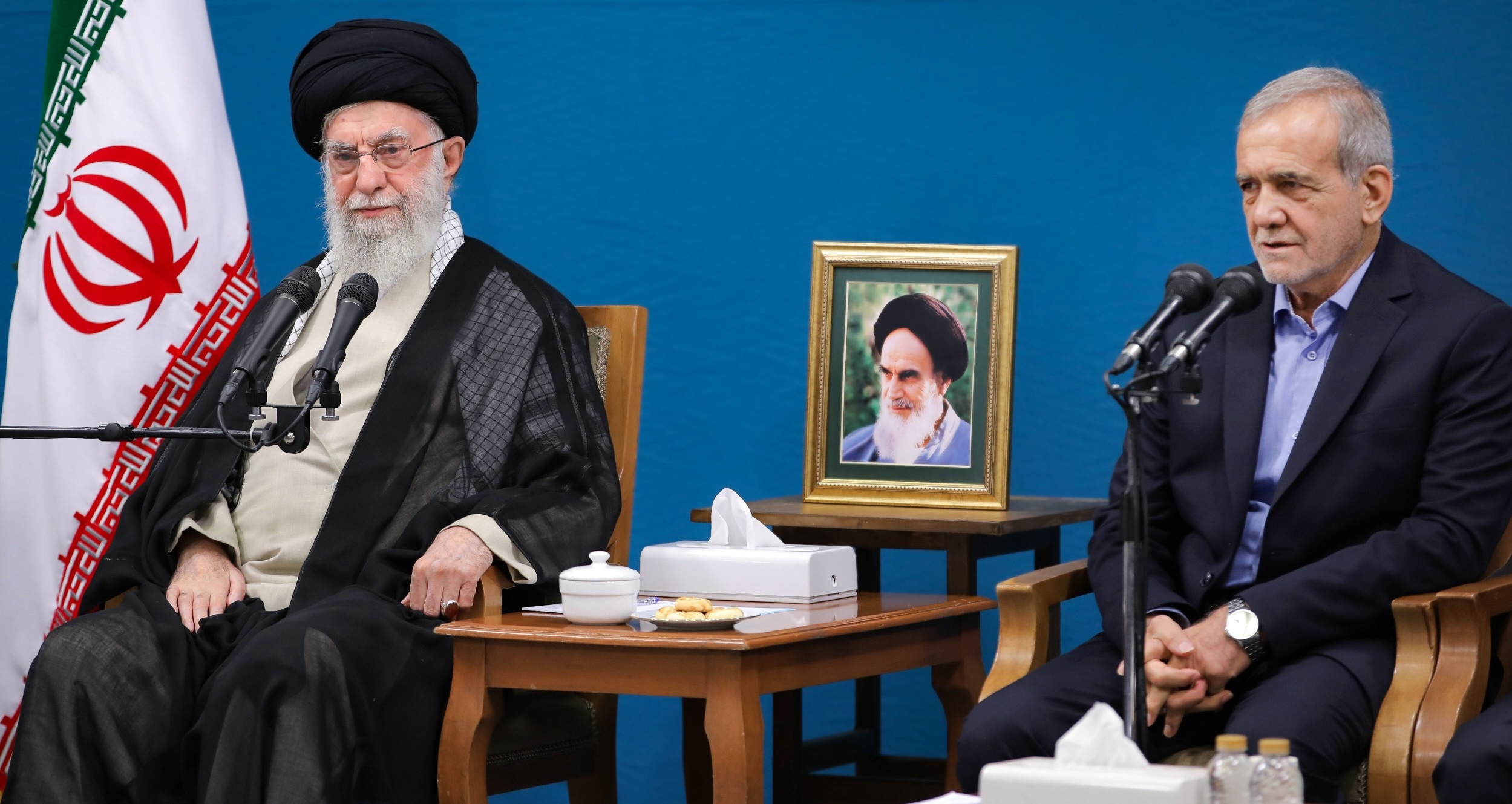
    It is critical to understand Ayatollah Ali Khamenei’s plans for the presidency of Masoud Pezeshkian at this moment in time. Changing course is a necessity for a regime beset by a long list of ailments, many of which are rooted in Tehran’s foreign policy choices. For Khamenei, Pezeshkian will not be as much of an instigator of change as he will be an implementor of policy shifts that the leader deems necessary.

    Special Briefing: The regional impact of Ismail Haniyeh’s assassination
  • Commentary
  • Special Briefing: The regional impact of Ismail Haniyeh’s assassination

    In a new special briefing, scholars from across MEI weigh in with their thoughts on the assassination of Hamas political leader Ismail Haniyeh and the potential regional impact.

    July 31, 2024

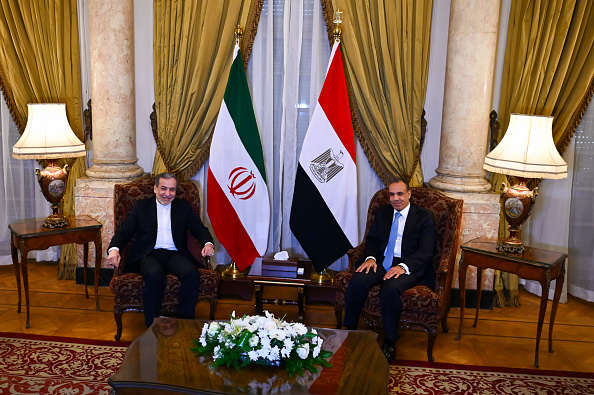
    Why President-elect Pezeshkian’s focus on Arab ties makes sense for an Iran facing monumental socio-economic challenges
    Photo by Fatemeh Bahrami/Anadolu via Getty Images
  • Analysis
  • Why President-elect Pezeshkian’s focus on Arab ties makes sense for an Iran facing monumental socio-economic challenges

    The conventional wisdom is that Iranian President-elect Masoud Pezeshkian is yet another bit of window dressing put up by the “deep state” in Tehran, which effectively calls the shots on the most contentious foreign policy files. But it might just be that Pezeshkian’s sudden emergence as president was orchestrated from the outset as a pretext for the Iranian regime to change course.

    What’s at stake as Iran heads to a presidential runoff?
    Photo by Fatemeh Bahrami/Anadolu via Getty Images
  • Analysis
  • What’s at stake as Iran heads to a presidential runoff?

    On June 28, Iran held its third election in the span of just four months. A fourth contest, a presidential runoff, is scheduled for July 5. And yet the opposite of election fervor has gripped the country. The June 28 election made history by setting a new record low for turnout, with official data suggesting 39.9% of voters cast a ballot. Participation is unlikely to rise in the second round, on July 5, but where turnout will end up is the million-dollar question.