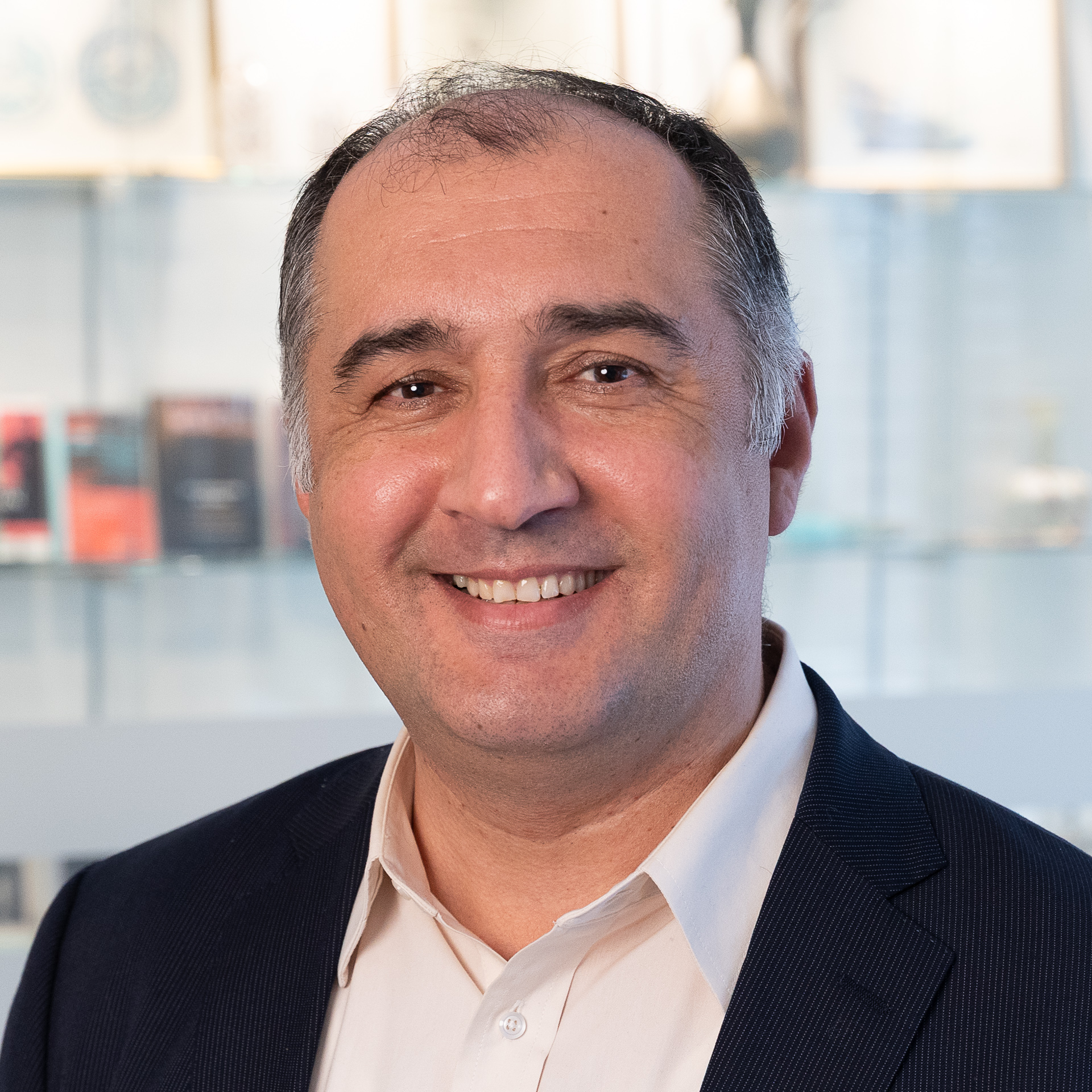
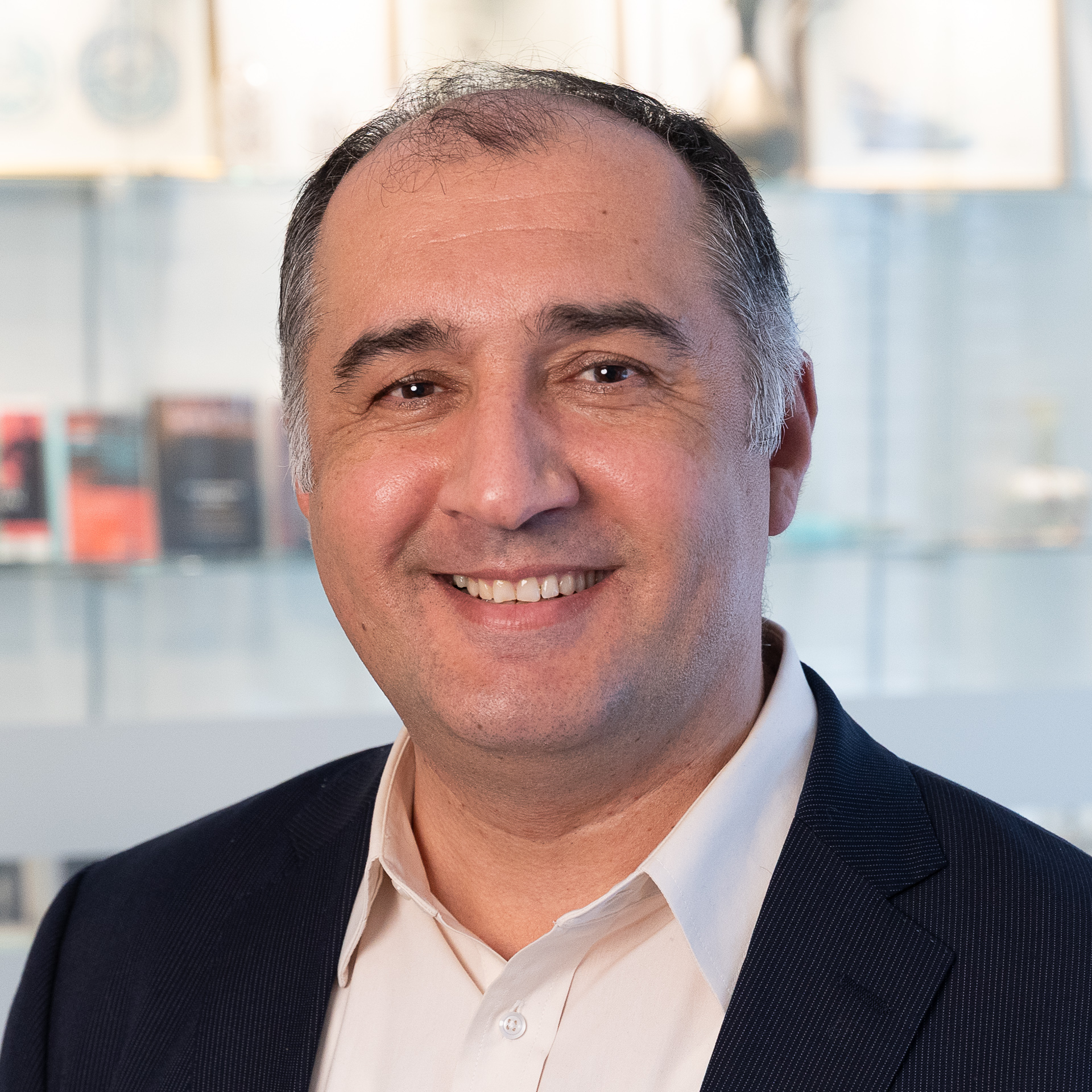
Alex Vatanka is a Senior Fellow at the Middle East Institute. He specializes in Middle Eastern regional security affairs with a particular focus on Iran. He was formerly a Senior Analyst at Jane’s Information Group in London. Alex is also a Senior Fellow in Middle East Studies at the US Air Force Special Operations School (USAFSOS) at Hurlburt Field and teaches as an Adjunct Professor at DISAS at Wright-Patterson Air Force Base. He has testified before the US Congress and lectured widely for both governmental and commercial audiences, including the US Departments of State and Defense, US intelligence agencies, and a list of international corporations.
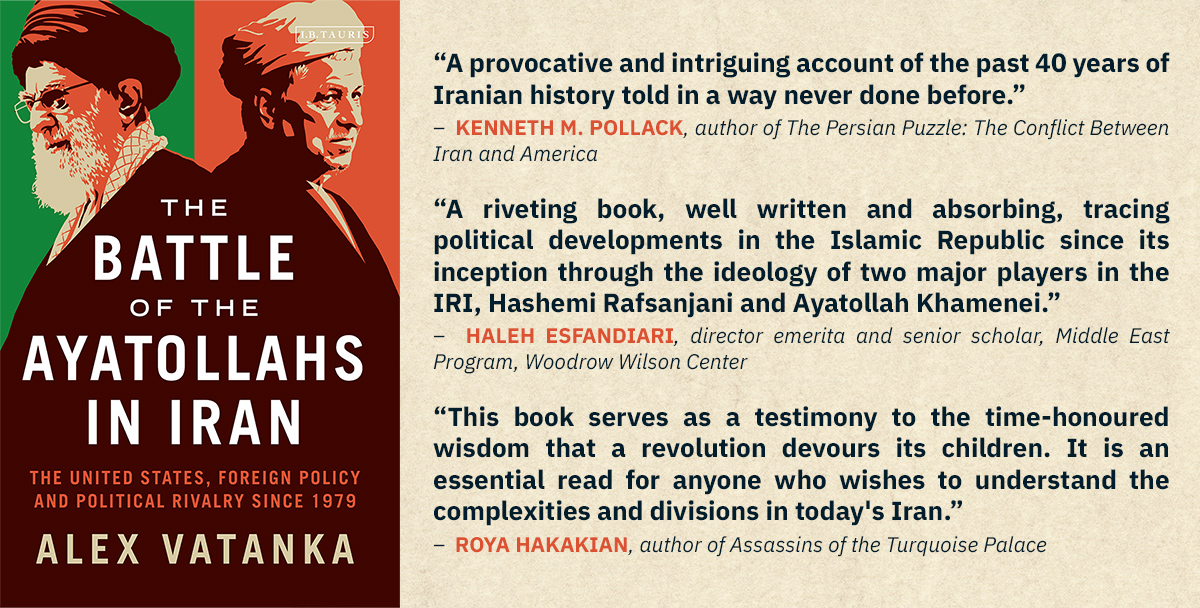
Born in Tehran, he holds a BA in Political Science (Sheffield University, UK), and an MA in International Relations (Essex University, UK), and is fluent in Farsi and Danish. He is the author of two books: The Battle of the Ayatollahs in Iran: The United States, Foreign Policy and Political Rivalry Since 1979 (2021) and Iran and Pakistan: Security, Diplomacy, and American Influence (2015).
He has also written chapters for a number of books, including Authoritarianism Goes Global (2016); Handbook on Contemporary Pakistan (2017); Russia in the Middle East (2018), Winning the Battle, Losing the War: Addressing the Drivers Fueling Armed Non-state Actors and Extremist Groups (2020); Global, Regional and Local Dynamics in the Yemen Crisis (2020); Routledge Handbook of Counterterrorism and Irregular Warfare Operations (2021); and Understanding New Proxy Wars (2022). He is presently working on his third book, Iran’s Arab Strategy: Defending the Homeland or Exporting Khomeinism?
Education
B.A. in Political Science at Sheffield University; M.A. in International Relations at Essex University
Languages
Farsi, Danish
Countries of Expertise
Iran
Issues of Expertise
Iran domestic and foreign affairs, Iranian military and security forces, Iran-US relations, Political Islam in Middle East
ما وراء "الضغط الأقصى" في سياسة الولايات المتحدة تجاه إيران: الاستفادة من الشركاء الإقليميين لاحتواء تصرفات إيران وتشكيل خياراتها المستقبلية
في ولايته الثانية، يواجه الرئيس دونالد ترامب منطقة الشرق الأوسط التي تشهد اضطرابات متعددة الأوجه وجمهورية إيران الإسلامية التي تمر حالياً بأضعف وأكثر مواقفها عزلة منذ تأسيس النظام في عام 1979. ومع ذلك، وبعيداً عن الخضوع الدائم، تواصل طهران الاقتراب من بناء سلاح نووي، وتحاول الحفاظ على شبكتها الإقليمية من الوكلاء والحلفاء غير الحكوميين. يواجه ترامب الآن خيارًا استراتيجيًا مهمًا بشأن سياسة إيران. يحلل هذا التقرير ثلاث ديناميات شاملة: التغيرات الاستراتيجية في الشرق الأوسط في 2023-2024؛ وتأثير هذه التغيرات على إيران وشبكة محور المقاومة؛ وموقف إيران الحالي ومكانتها في الداخل وفي المنطقة. ويختتم التقرير بسلسلة من التوصيات الاستراتيجية للإدارة الجديدة.
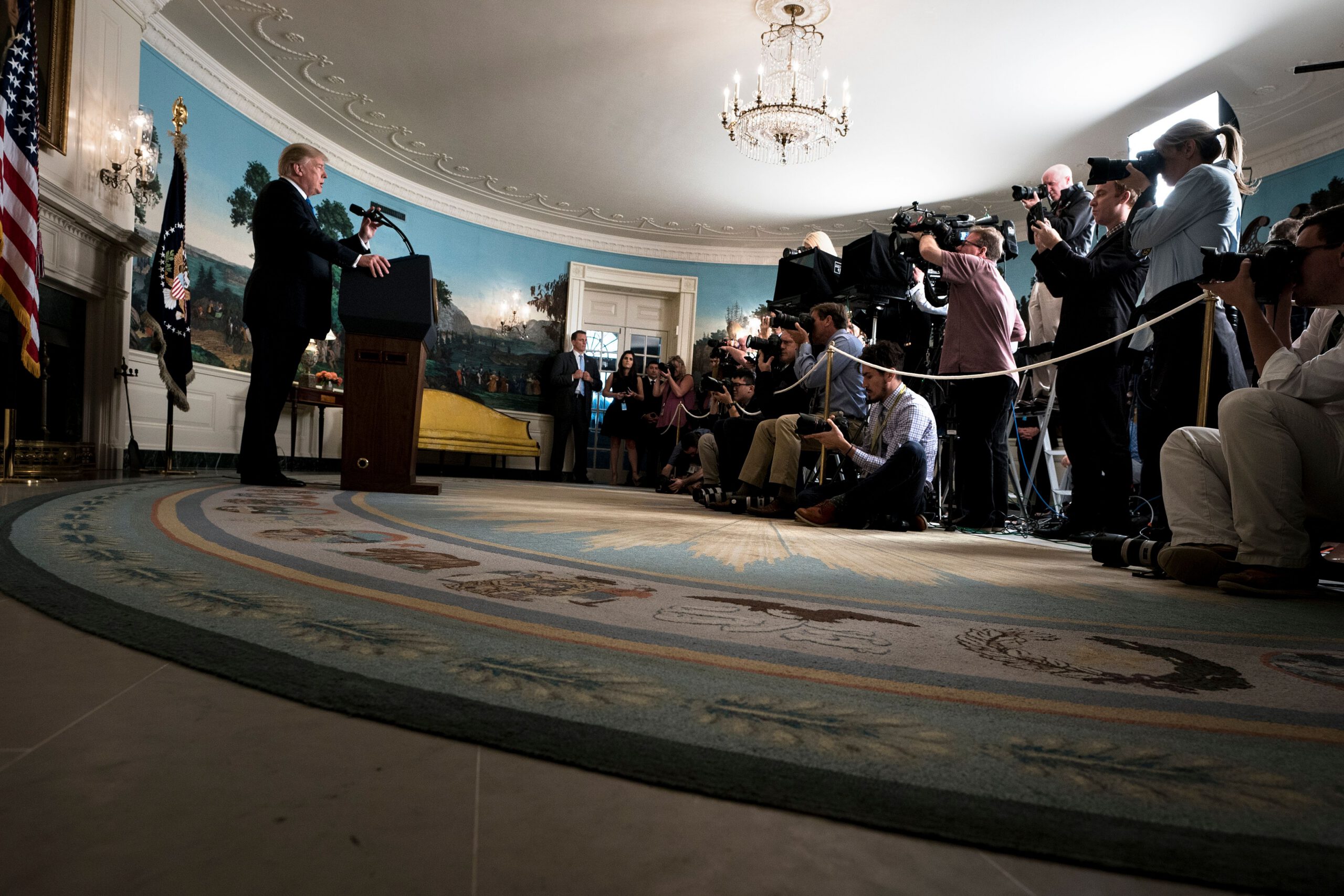
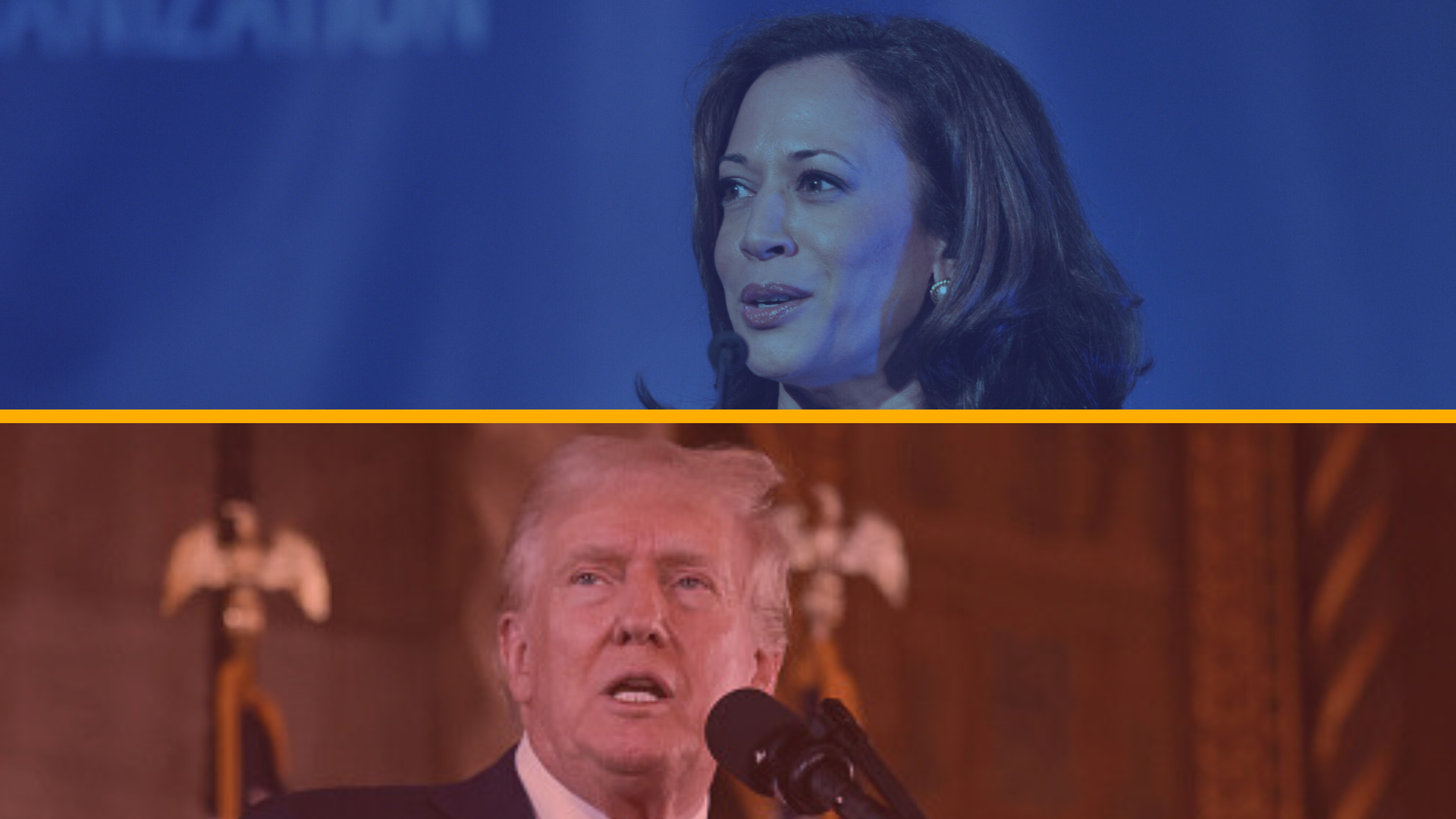
As Donald Trump prepares to return to the White House, the main question in Tehran is not so much what the incoming American president will do about Iran. Rather, it is about whether Tehran should negotiate with him.
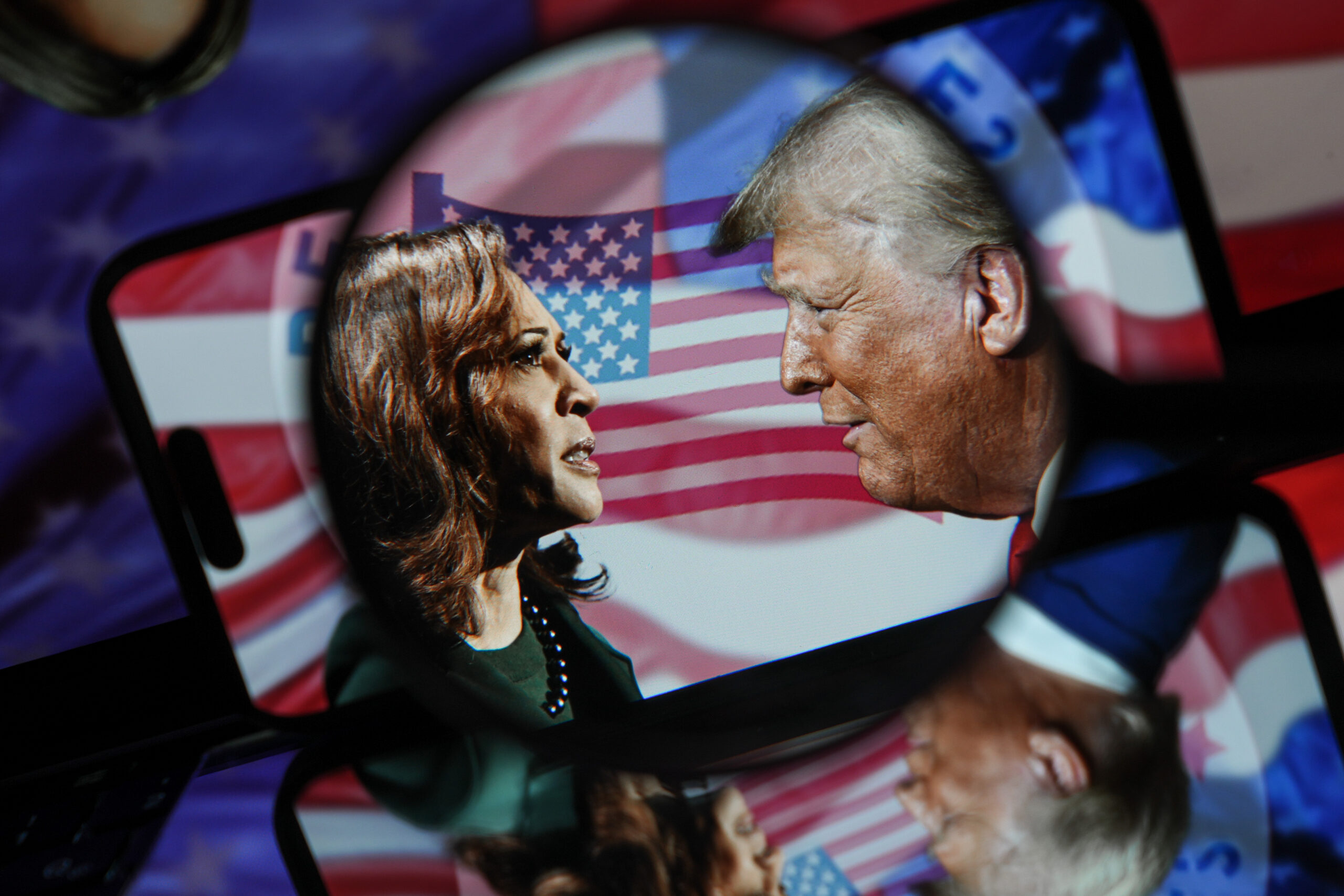
Iran looms large as an important policy question in the Middle East these days. But it barely received mention on the campaign trail in the United States, where American voters are fixated on issues closer to home: the economy, abortion, immigration, and the health of America’s democratic system are all front and centre. This doesn’t mean that Iran is unimportant when it comes to US national security policy—it just these issues aren’t very likely to determine who will win the presidential race in November.
The Islamic Republic, the most unpatriotic in Iranian history?
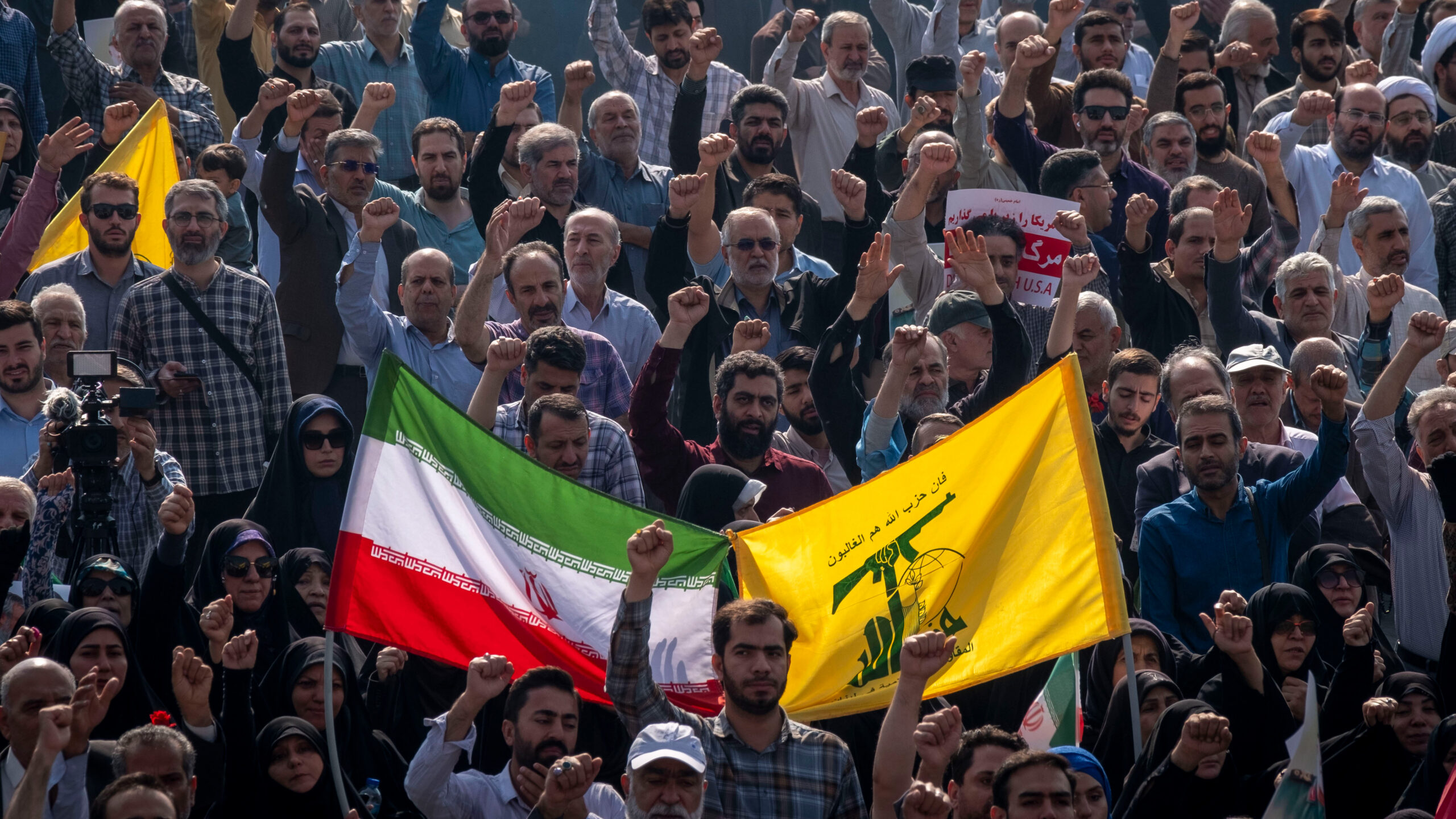
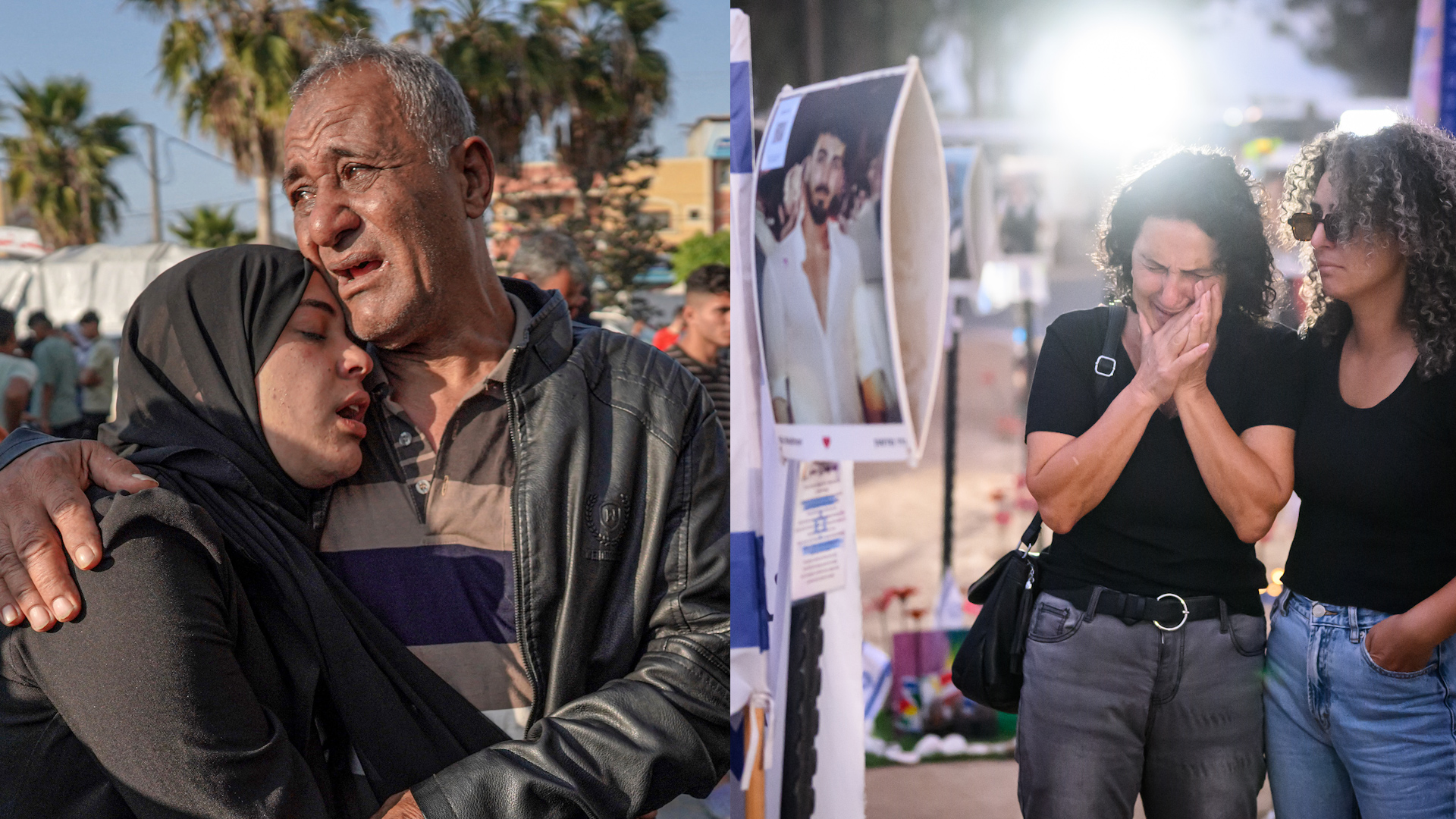
It is no exaggeration to say that the Islamist political system in Tehran is on the brink of experiencing perilous blowback for the foreign policy choices it has made. Whether Tehran continues to prioritize the fight against Israel or decides to look for ways to deprioritize the conflict as a national security matter will not be settled in the foreseeable future — or perhaps the matter will be taken out of Iran’s hands.
Key takeaways from new polling on Iran’s foreign policy and regional role
Arash Ghafouri and Alex Vatanka break down key takeaways from a new survey conducted by Stasis Consulting among Iranians living in Iran on Tehran’s foreign policy, regional influence, and diplomatic relations.
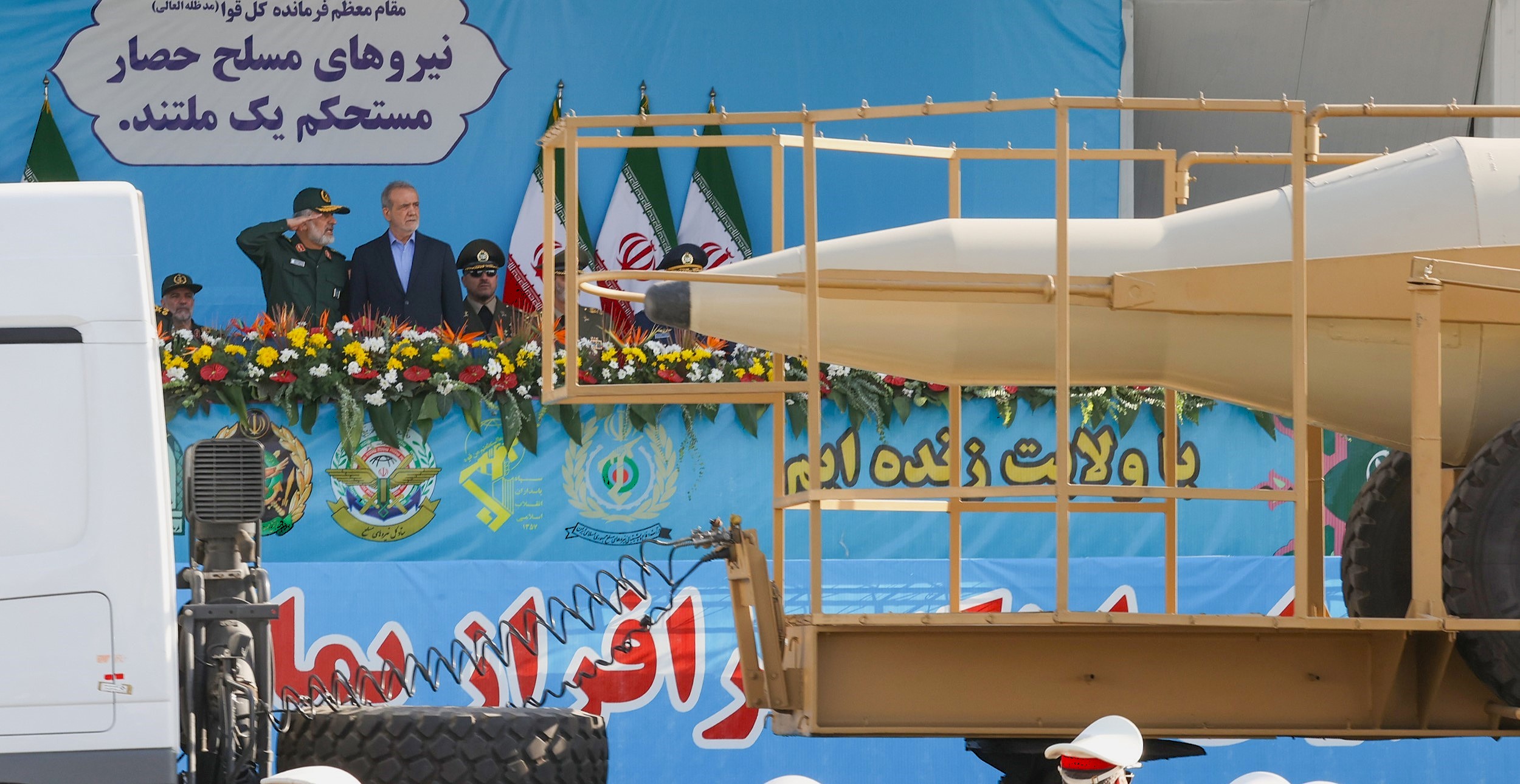
After Iran’s second direct missile attack on Israel in less than six months, all eyes are on Israel’s next move. Reports suggest that Jerusalem plans a massive revenge that might include striking Iran’s oil and nuclear facilities and other strategic sites.
Pezeshkian in New York and Khamenei’s moment of truth
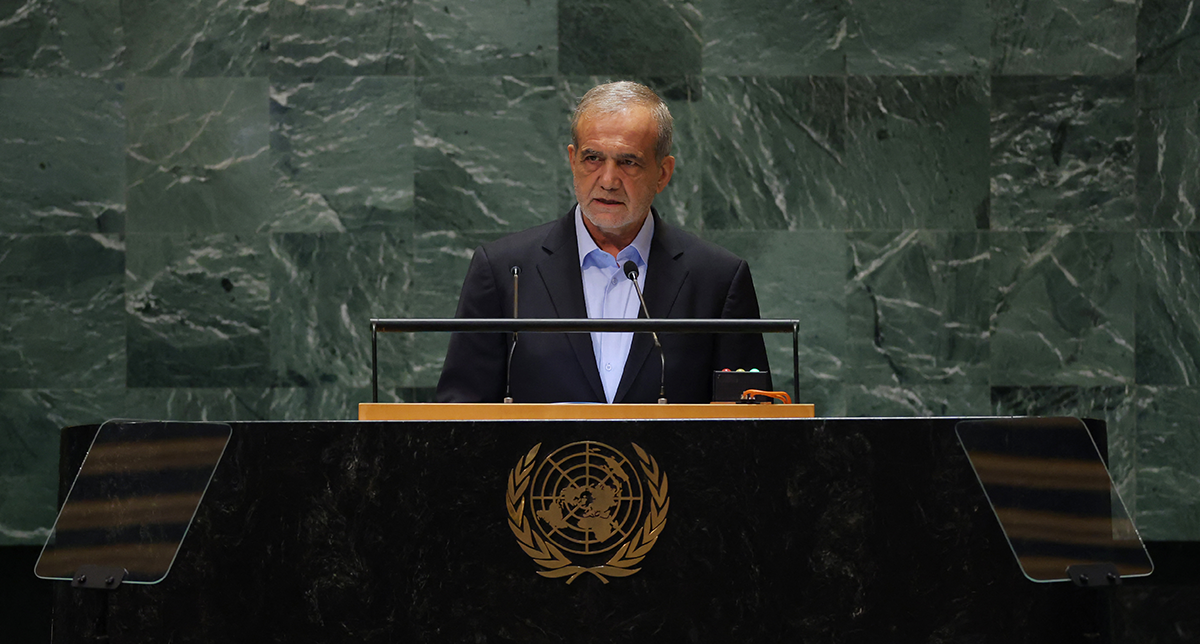
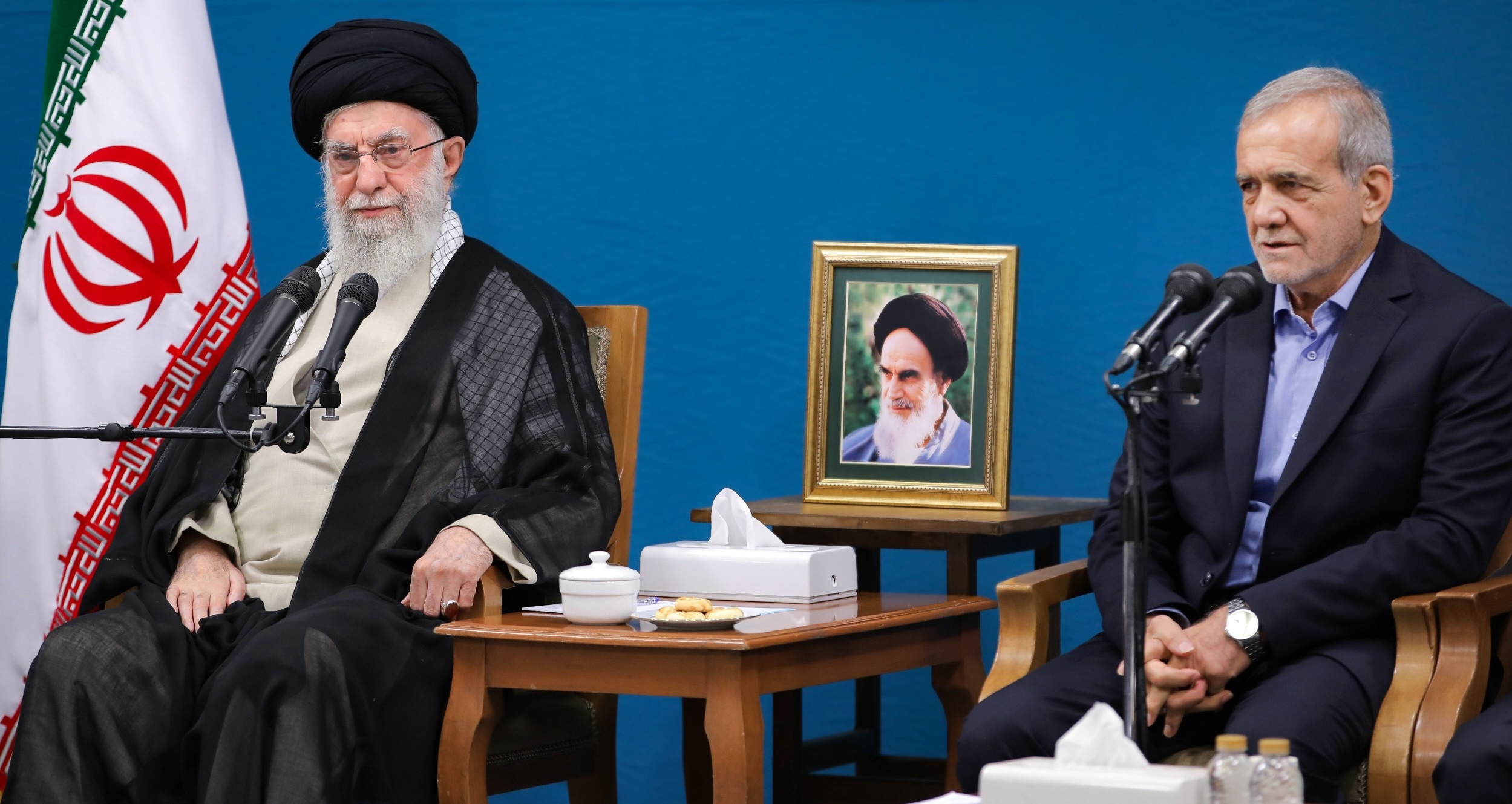
Iran’s new president, Masoud Pezeshkian, arrived in New York this week for the United Nations General Assembly amid both widespread skepticism and a small dose of hopeful anticipation about his message to the world. In the end, he landed somewhere in the middle. The question now is how much leeway Supreme Leader Ali Khamenei and his foot soldiers in the Revolutionary Guards will give Pezeshkian in an attempt to start a new chapter.
Pezeshkian’s presidency is Khamenei’s Hail Mary moment
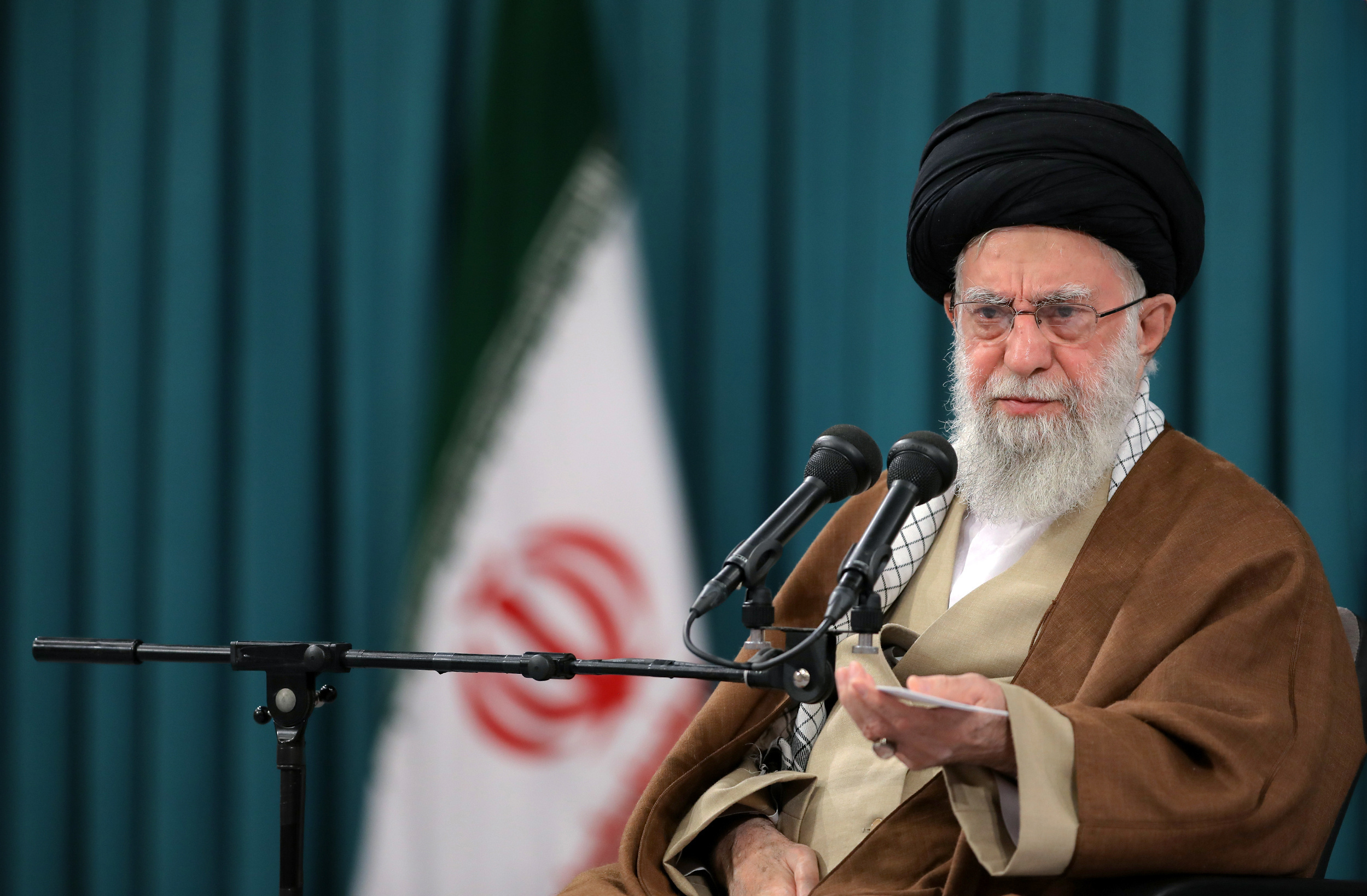
It is critical to understand Ayatollah Ali Khamenei’s plans for the presidency of Masoud Pezeshkian at this moment in time. Changing course is a necessity for a regime beset by a long list of ailments, many of which are rooted in Tehran’s foreign policy choices. For Khamenei, Pezeshkian will not be as much of an instigator of change as he will be an implementor of policy shifts that the leader deems necessary.