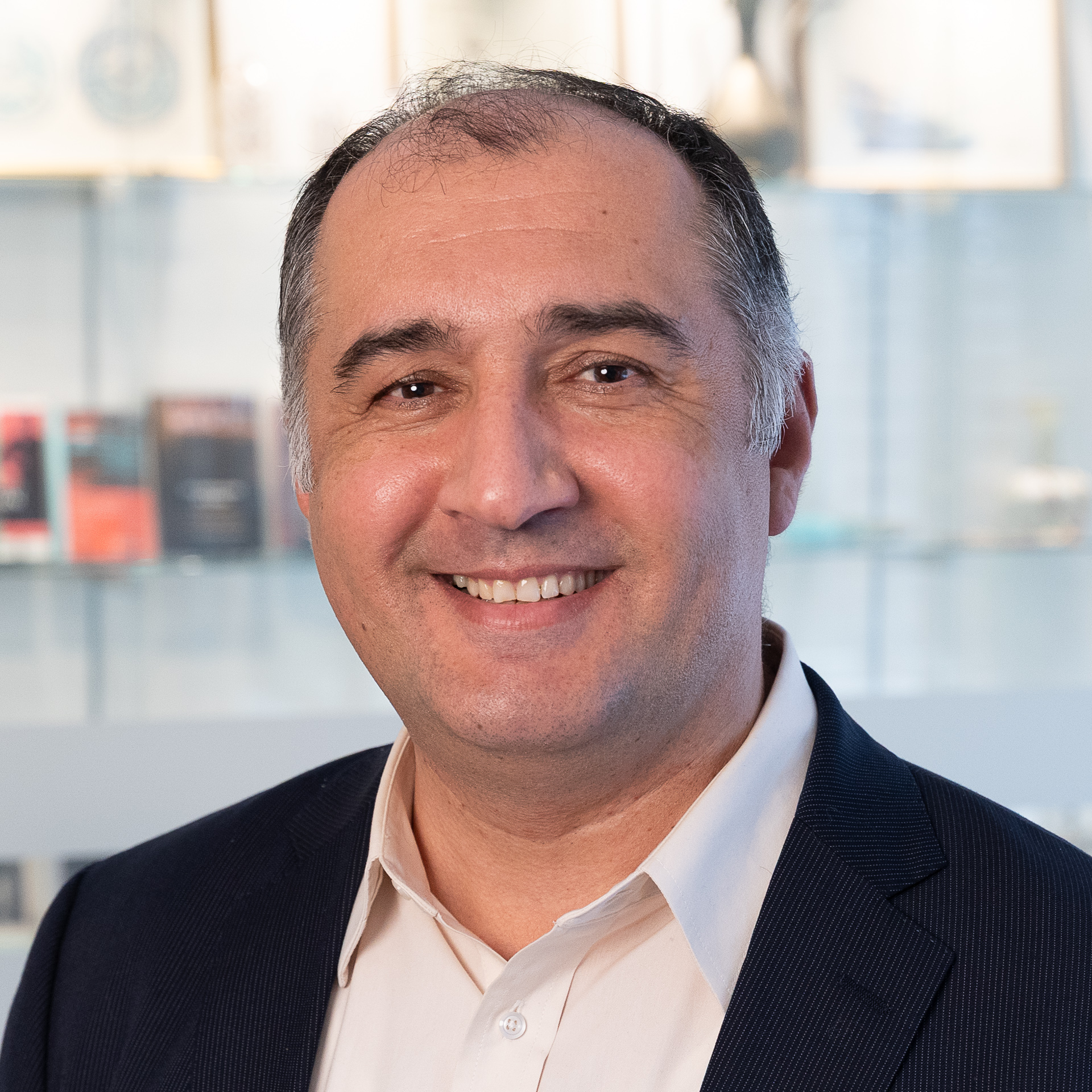
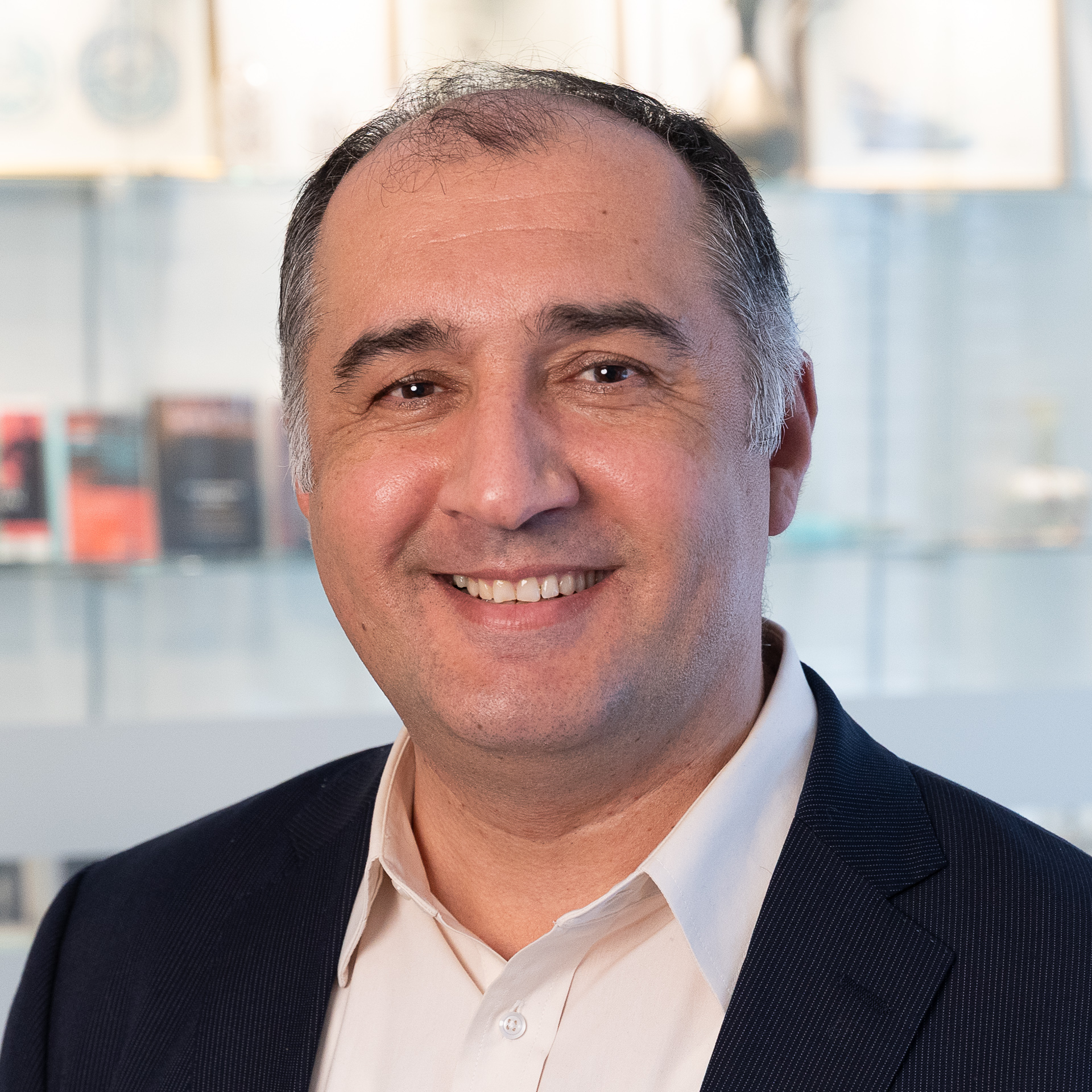
Alex Vatanka is a Senior Fellow at the Middle East Institute. He specializes in Middle Eastern regional security affairs with a particular focus on Iran. He was formerly a Senior Analyst at Jane’s Information Group in London. Alex is also a Senior Fellow in Middle East Studies at the US Air Force Special Operations School (USAFSOS) at Hurlburt Field and teaches as an Adjunct Professor at DISAS at Wright-Patterson Air Force Base. He has testified before the US Congress and lectured widely for both governmental and commercial audiences, including the US Departments of State and Defense, US intelligence agencies, and a list of international corporations.
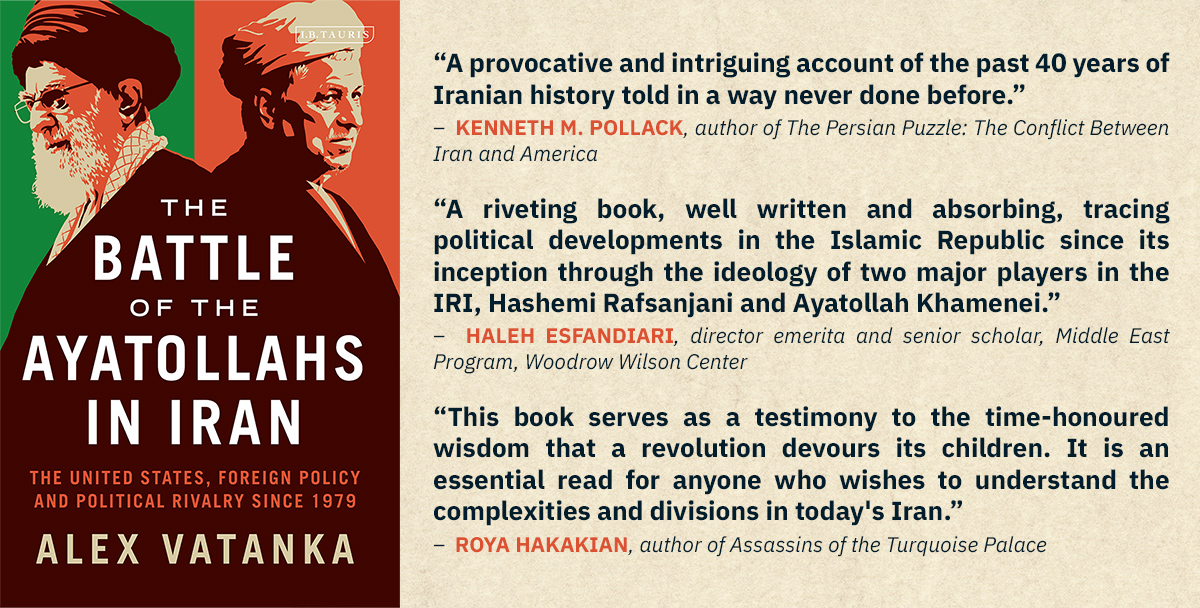
Born in Tehran, he holds a BA in Political Science (Sheffield University, UK), and an MA in International Relations (Essex University, UK), and is fluent in Farsi and Danish. He is the author of two books: The Battle of the Ayatollahs in Iran: The United States, Foreign Policy and Political Rivalry Since 1979 (2021) and Iran and Pakistan: Security, Diplomacy, and American Influence (2015).
He has also written chapters for a number of books, including Authoritarianism Goes Global (2016); Handbook on Contemporary Pakistan (2017); Russia in the Middle East (2018), Winning the Battle, Losing the War: Addressing the Drivers Fueling Armed Non-state Actors and Extremist Groups (2020); Global, Regional and Local Dynamics in the Yemen Crisis (2020); Routledge Handbook of Counterterrorism and Irregular Warfare Operations (2021); and Understanding New Proxy Wars (2022). He is presently working on his third book, Iran’s Arab Strategy: Defending the Homeland or Exporting Khomeinism?
Education
B.A. in Political Science at Sheffield University; M.A. in International Relations at Essex University
Languages
Farsi, Danish
Countries of Expertise
Iran
Issues of Expertise
Iran domestic and foreign affairs, Iranian military and security forces, Iran-US relations, Political Islam in Middle East
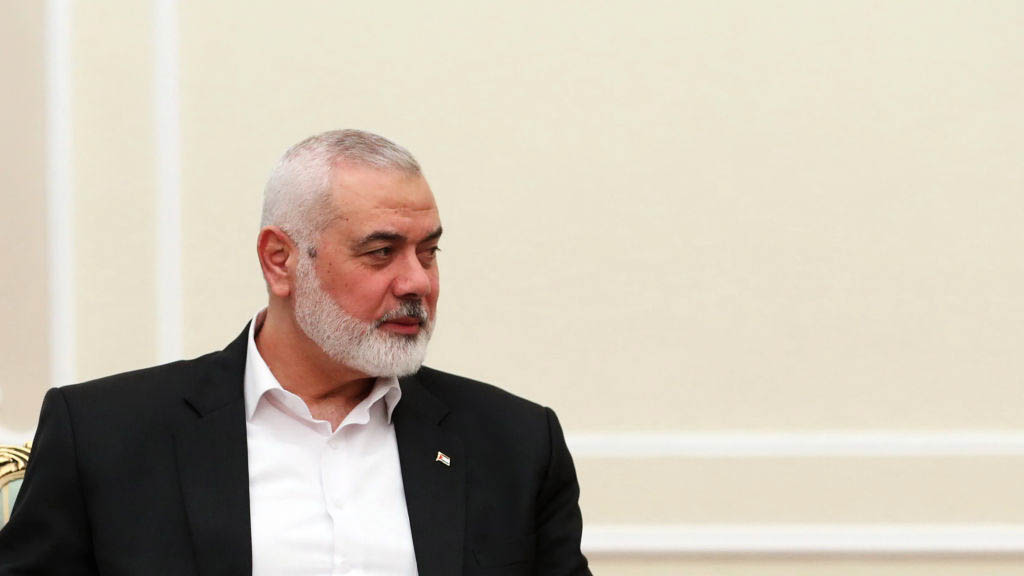
Special Briefing: The regional impact of Ismail Haniyeh’s assassination
In a new special briefing, scholars from across MEI weigh in with their thoughts on the assassination of Hamas political leader Ismail Haniyeh and the potential regional impact.
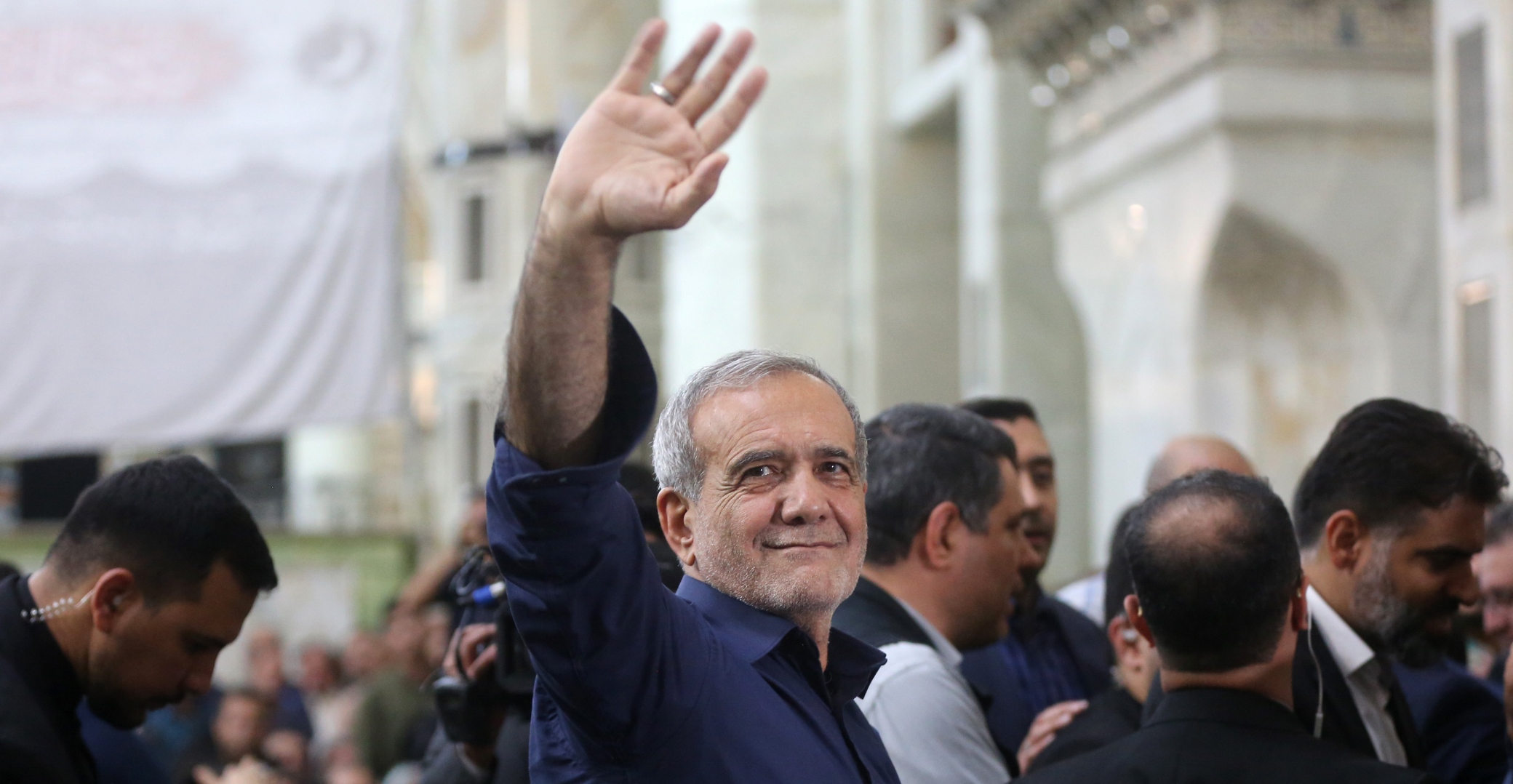
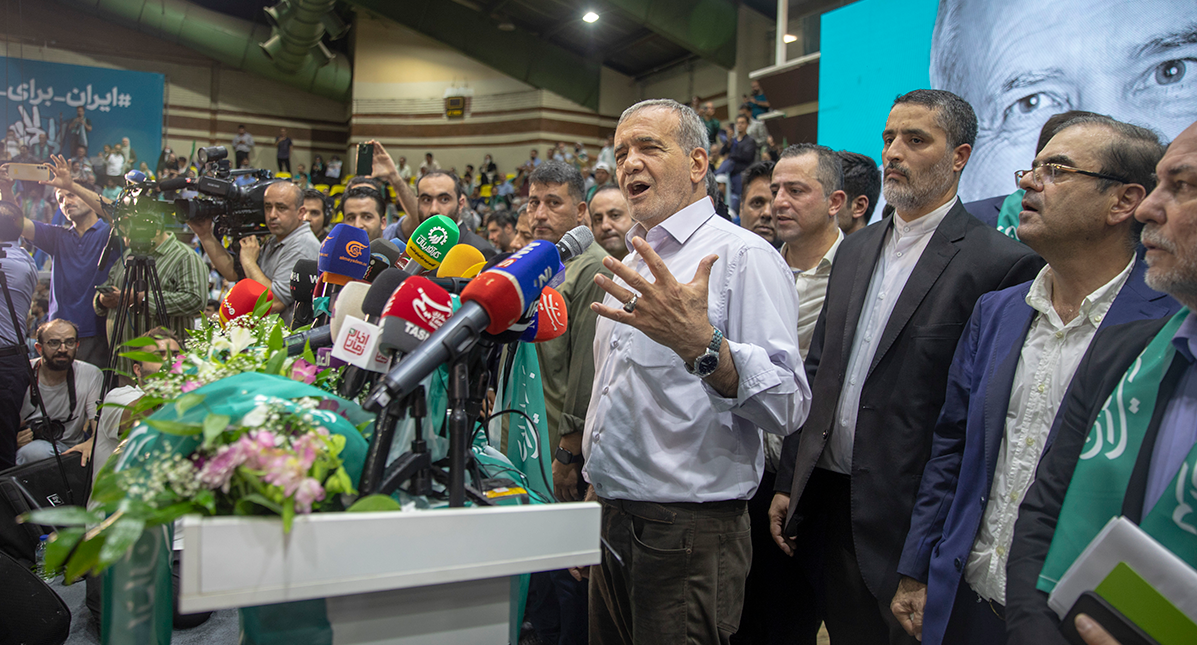
Why President-elect Pezeshkian’s focus on Arab ties makes sense for an Iran facing monumental socio-economic challenges
The conventional wisdom is that Iranian President-elect Masoud Pezeshkian is yet another bit of window dressing put up by the “deep state” in Tehran, which effectively calls the shots on the most contentious foreign policy files. But it might just be that Pezeshkian’s sudden emergence as president was orchestrated from the outset as a pretext for the Iranian regime to change course.
What’s at stake as Iran heads to a presidential runoff?
On June 28, Iran held its third election in the span of just four months. A fourth contest, a presidential runoff, is scheduled for July 5. And yet the opposite of election fervor has gripped the country. The June 28 election made history by setting a new record low for turnout, with official data suggesting 39.9% of voters cast a ballot. Participation is unlikely to rise in the second round, on July 5, but where turnout will end up is the million-dollar question.
Change isn’t on the ballot as Iranians head to the polls
With just a few days left before Iranians head to the polls, it is clear that the June 28 presidential election is not exciting the country’s voters. After several televised debates, some of which have been mildly contentious, the six men in the race have failed to energize the public. In fact, a major “no vote” campaign has been under way on social media and elsewhere, aimed at convincing Iranians to stay home.
Khamenei will maintain tight grip on Iran’s snap presidential election
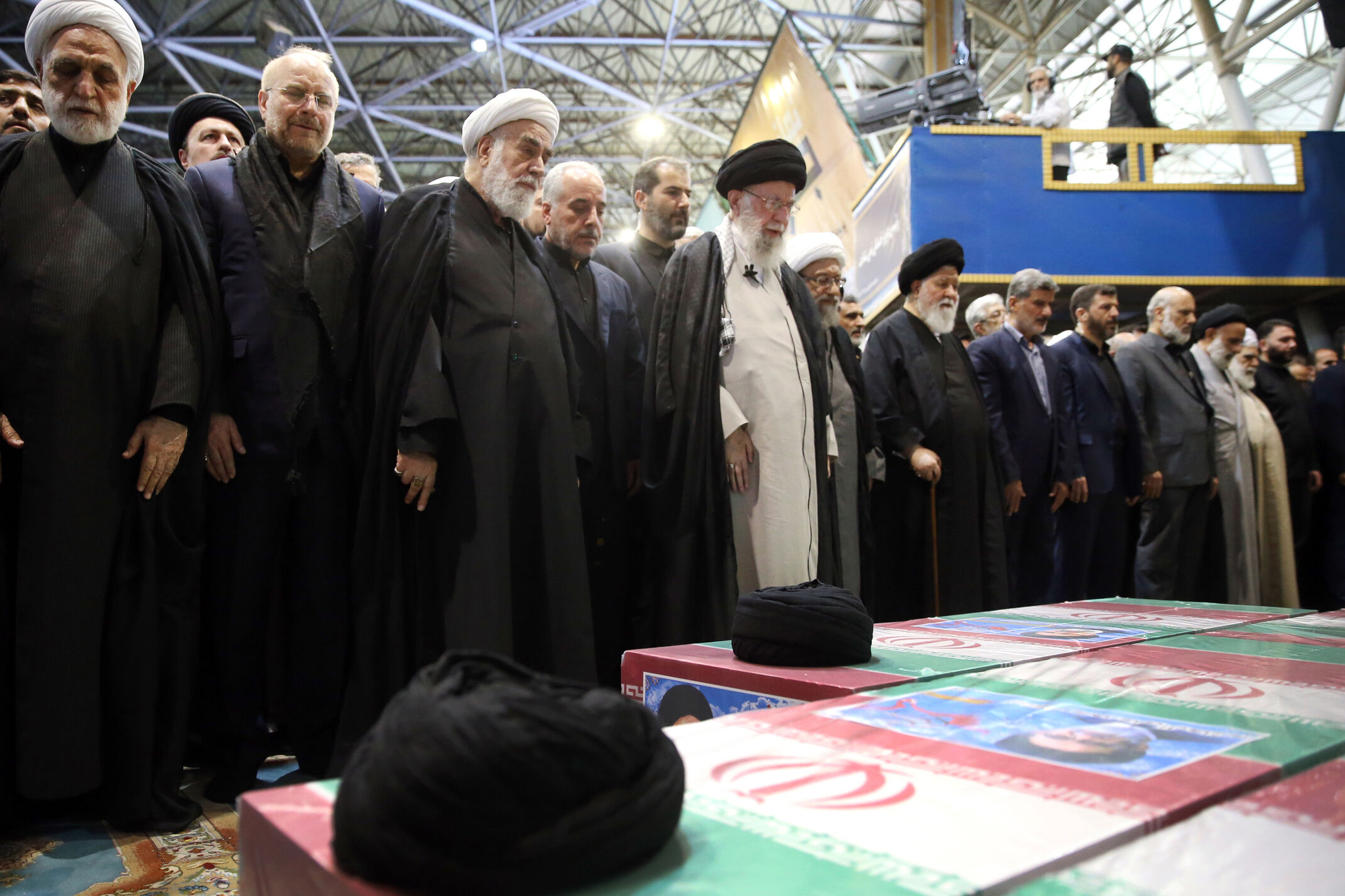
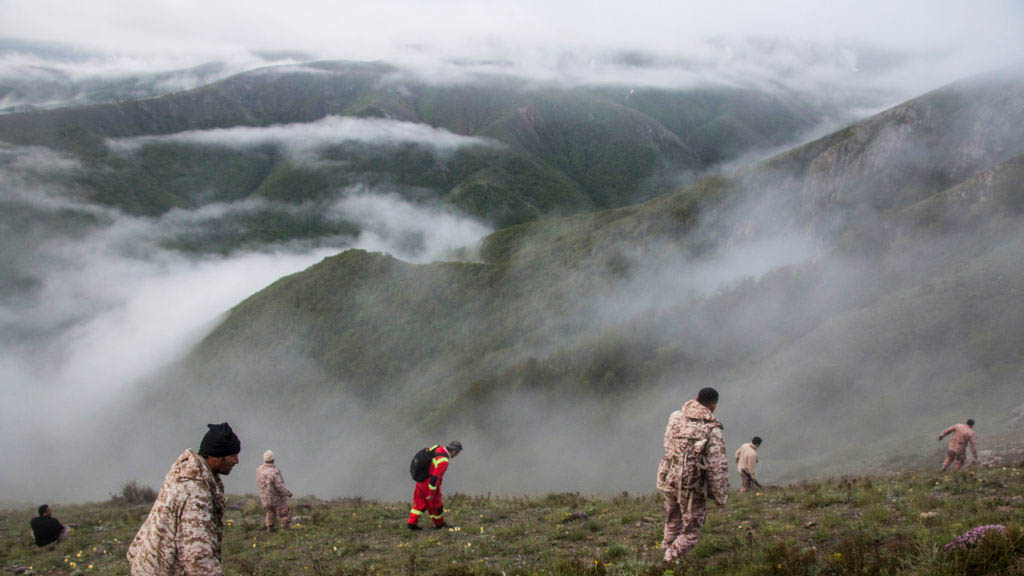
The sudden death of President Ebrahim Raisi obliged Iran to hold snap presidential elections by June 28. In the first phase of this electoral process, all eyes will be on Supreme Leader Ali Khamenei, since the relative competitiveness of the upcoming contest depends entirely on who the leader allows to run.
It’s time for Tehran to take a cold, hard look at its proxy strategy
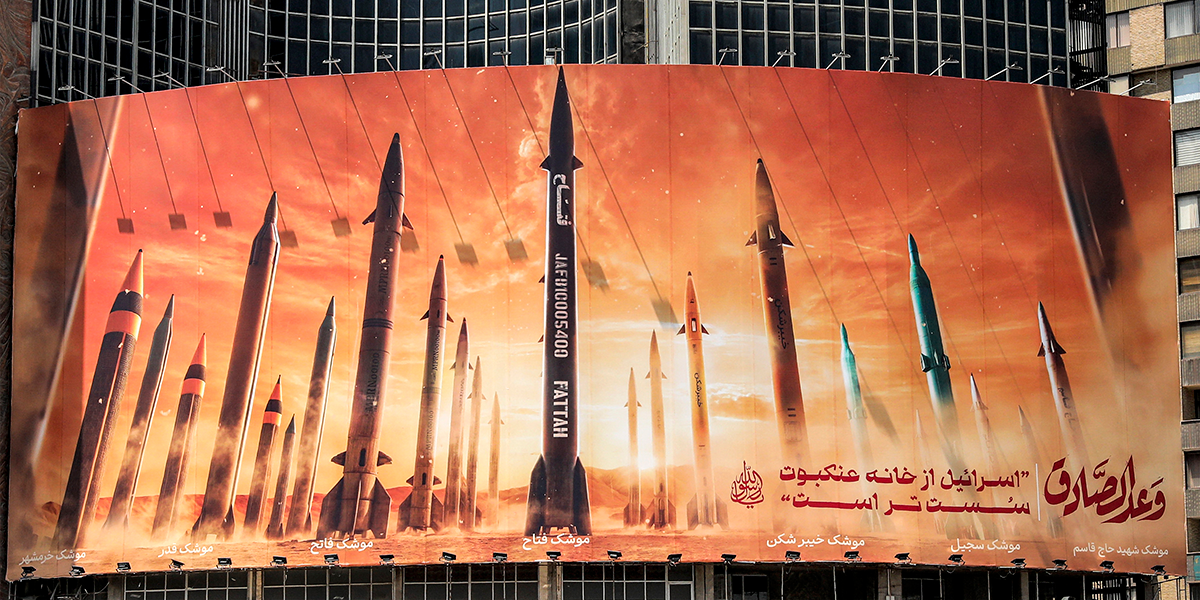
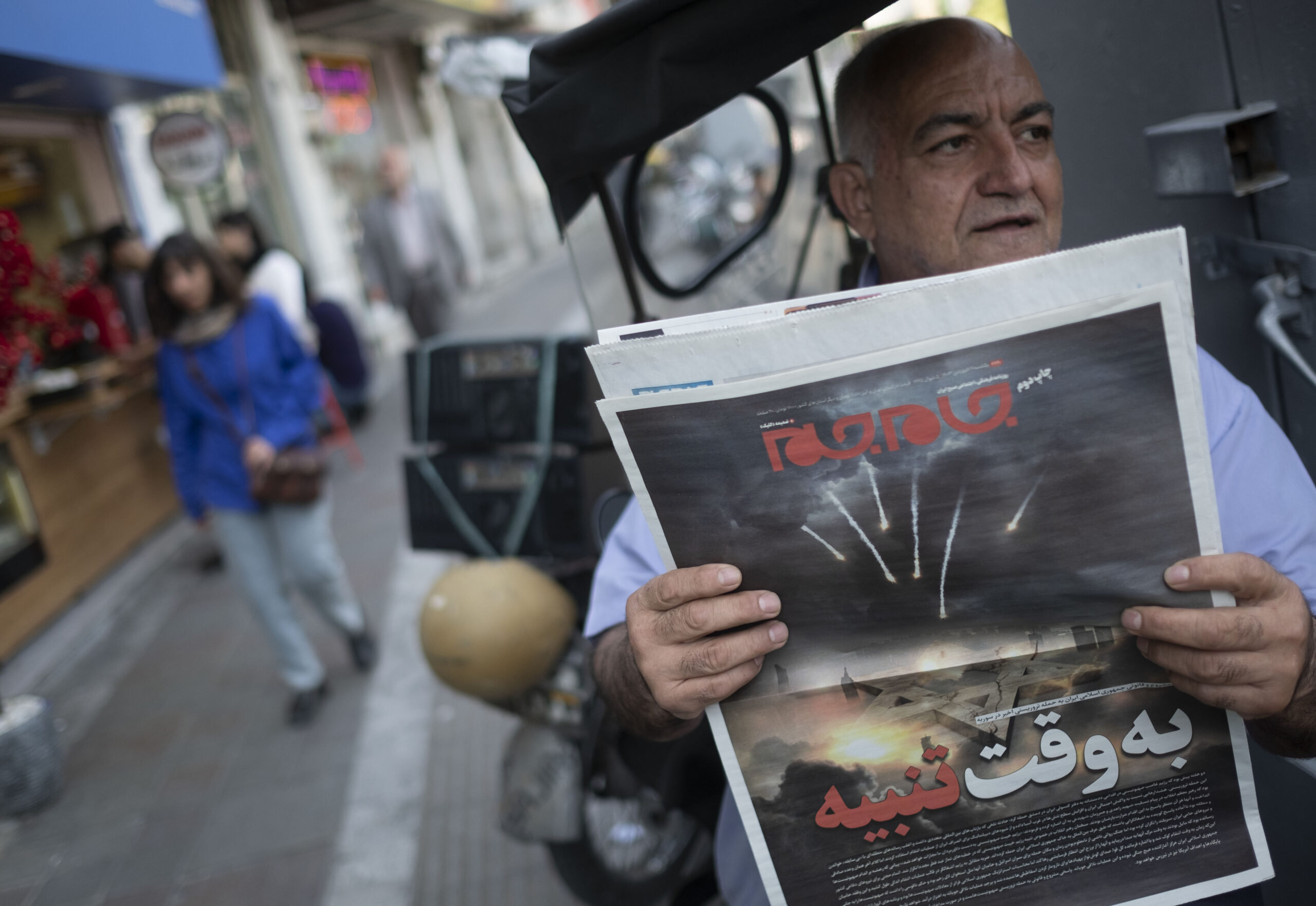
The recent blow-for-blow strikes by Iran and Israel are bound to result in some introspection in Tehran. It is the first time since the launch of the “Axis of Resistance” some 20 years ago that Tehran has to choose whether it wants to center its entire national security strategy around the conflict with Israel. Going forward, Tehran could choose to handle this conflict through political and diplomatic means rather than via the Axis of Resistance.
آراء الخبراء: كيف يجب أن نتعامل مع القواعد الجديدة للعبة في الصراع بين إسرائيل وإيران؟
شهد شهر أبريل سلسلة من التصعيدات غير المسبوقة في الصراع الإيراني-الإسرائيلي الذي طال أمده، حيث شن كلا البلدين هجمات صاروخية وطائرات مسيرة على أراضي بعضهما البعض لأول مرة في التاريخ.
في أعقاب هذه الضربات، ماذا سيكون تأثيرها على الأمن الإقليمي والبيئة السياسية في المستقبل، وما هو المطلوب لتثبيت قواعد اللعبة الجديدة، وكيف يمكن للدبلوماسية الأمريكية أن تساعد في تسهيل هذه العملية؟ طلب معهد الشرق الأوسط (MEI) من خبرائه إبداء آرائهم في هذا الشأن.
Two realities shape Iran’s stance on the Gaza war and the Israeli-Palestinian conflict
Iran is a key stakeholder in the Israeli-Palestinian conflict. Tehran does not have a deciding vote on the outcome of the current war in Gaza, but it does have plenty of capacity to shape the future course of the conflict. Iran is, after all, among the top backers of Hamas, both in terms of diplomatic support and as a supplier of military materiel and knowhow.
Six months since the October 7 Hamas attacks on Israel and subsequent outbreak of war in Gaza, the deadly and devastating conflict looks no closer to concluding. Is it still possible to achieve a sustainable cessation of hostilities and restart the conflict-resolution process? To get there, what are the incentives and disincentives that could be constructed for the two main combatants, Israel and Hamas?