This individual is a guest contributor. MEI is not able to assist with contact requests.
Attiya Ahmad is Georgetown University’s 2009-10 Center for International and Regional Studies Post-Doctoral Fellow. She recently completed her PhD in Cultural Anthropology at Duke University. Dr. Ahmad’s work brings together scholarship on Islamic studies, globalization, diaspora and migration studies, economic anthropology, and political economy.
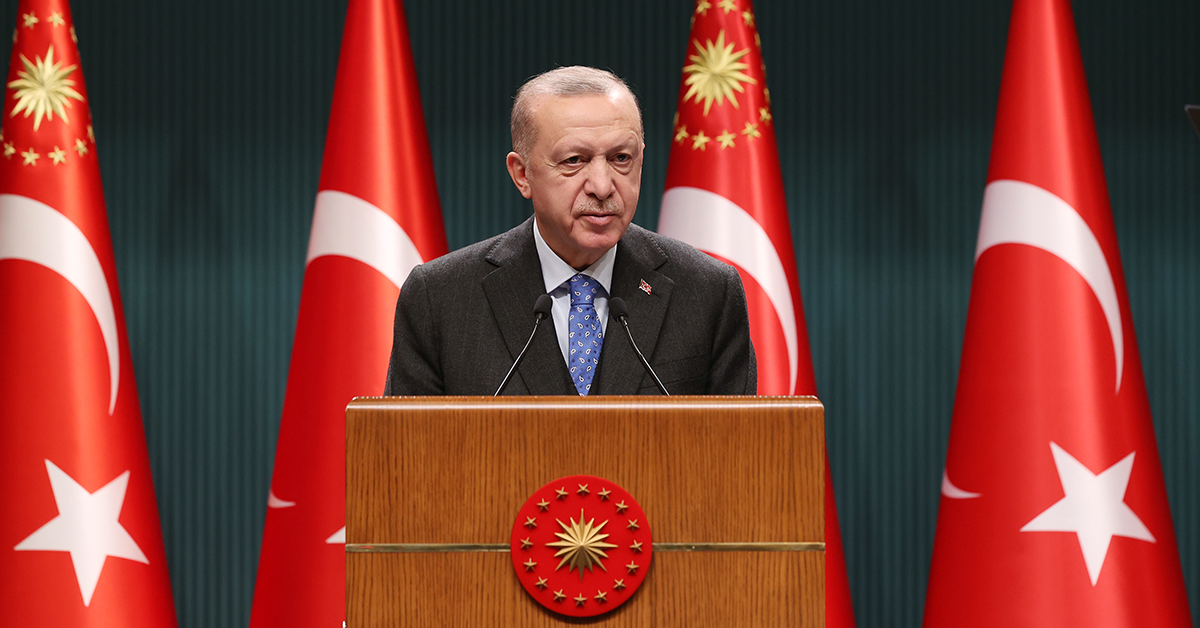
President Erdoğan, as the leader of a middle-sized power strengthening an independent role, wants to enhance the reputation and expand that role for Turkey regionally and globally by achieving a balance of Ukrainian and Russian influence in the region.
China’s evolving conflict mediation in the Middle East
Since the early 2000s, China has exhibited a degree of flexibility regarding its policy of non-interference in internal affairs, exemplified through a broader series of mediatory efforts in civil wars in the Middle East and North Africa (MENA) region. China’s approach to conflict management has evolved, as have its motivations. This paper examines this evolution through the window of China’s conflict management in Sudan, Libya, and Syria.
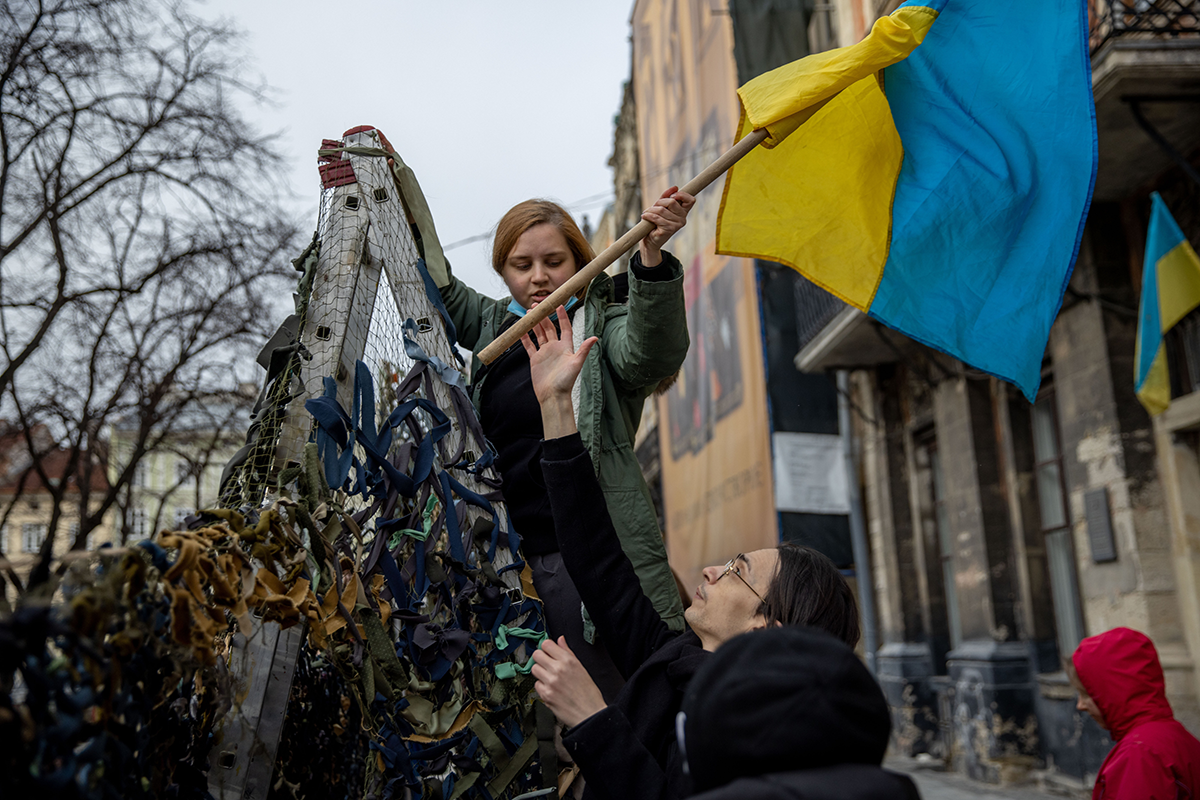
How will the war in Ukraine affect EU-MENA relations?
While most analyses of the war in Ukraine have tended to focus on the intra-European dimension, it is worth exploring the potential consequences of this conflict for the EU’s relations with countries further afield, especially those in the Middle East and North Africa.
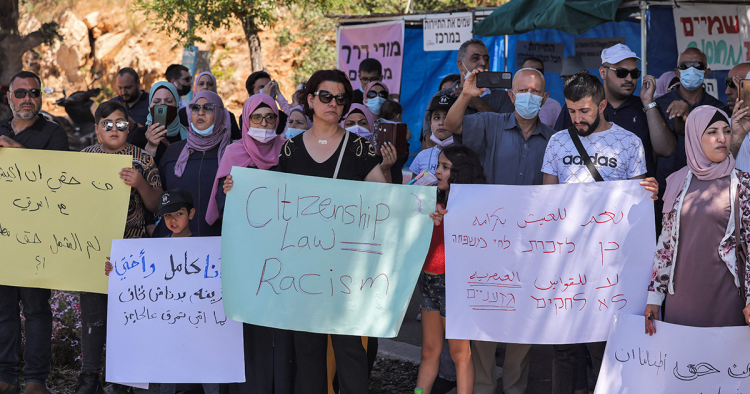
مرة أخرى، عرقلة إسرائيلية غير قانونية للم شمل العائلات الفلسطينية
أقر البرلمان الإسرائيلي، في العاشر من آذار مارس الجاري ، مشروع قانون يمنع منح الجنسية للفلسطينيين من الضفة الغربية المحتلة وقطاع غزة المتزوجين من مواطنين إسرائيليين.
الوجود الإيراني في الحسكة السورية دور متنامي ومصدر تهديد مباشر للقوات الأمريكية
زيادة القدرات العسكرية واللوجستية للمليشيات الإيرانية في محافظة الحسكة، ازداد منذ مطلع عام 2022، بعد أن كان وجودها يقتصر على مجموعات عسكرية صغيرة وبعض المليشيات المحلية المدعومة من إيران، لكن الأحداث الأخيرة فتحت المجال لها للتغلغل داخل المجتمعات المحلية، مستغلة تراجع الدور الروسي في المنطقة وخلافات العشائر العربية مع الإدارة الذاتية وقوات سوريا الديمقراطية.
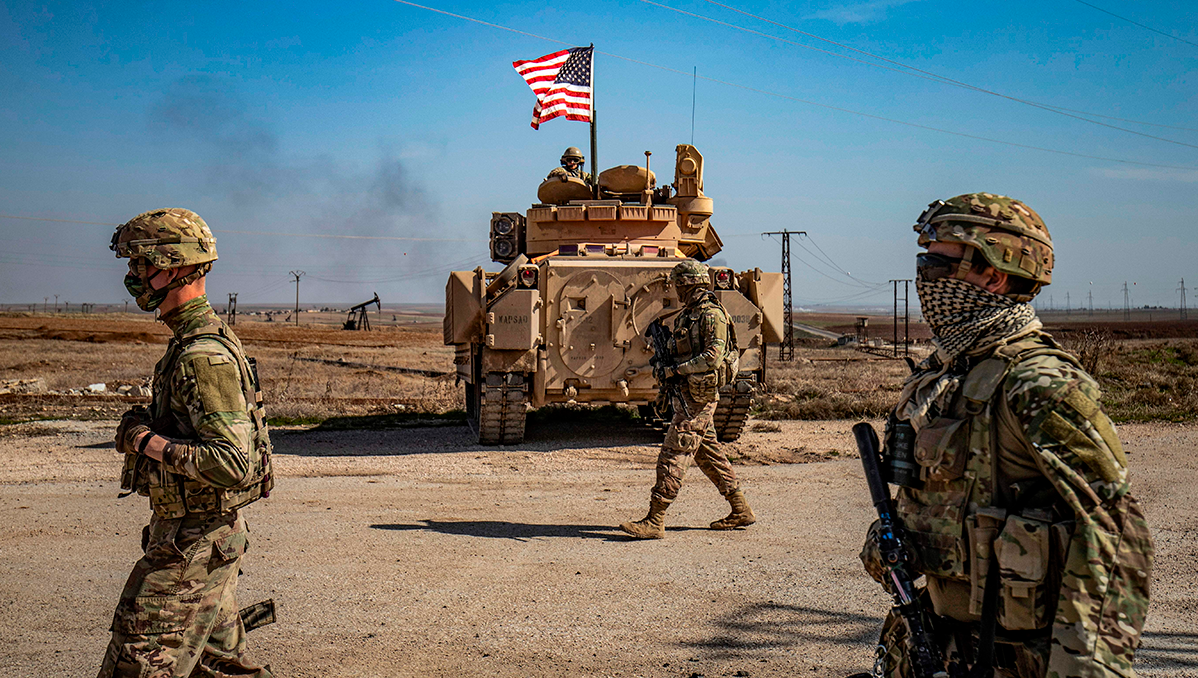
Iran’s growing presence in Syria’s al-Hasakah poses a direct threat to US forces
During February and early March 2022, the militias of the Iranian Islamic Revolutionary Guard Corps (IRGC) located in Syria’s al-Hasakah Governorate brought in several shipments of weapons and military equipment in an effort to strengthen their military and security presence in the governorate, which is considered the richest in Syria in terms of oil and agricultural wealth.
Yemen: Ending the War, Building a Sustainable Peace
Seven years on from the launch of the Saudi-led coalition’s military campaign on March 26, 2015, the civil war in Yemen remains stalemated. The fundamental realities of the conflict have not changed substantially in over five years. Meanwhile, the conditions under which the majority of innocent Yemenis are living continue to deteriorate. It’s time to consider measures that can promote an end to the conflict and lay the groundwork for post-conflict reconstruction.
Amid efforts to normalize Assad’s regime, the need for a new US Syria policy is clear
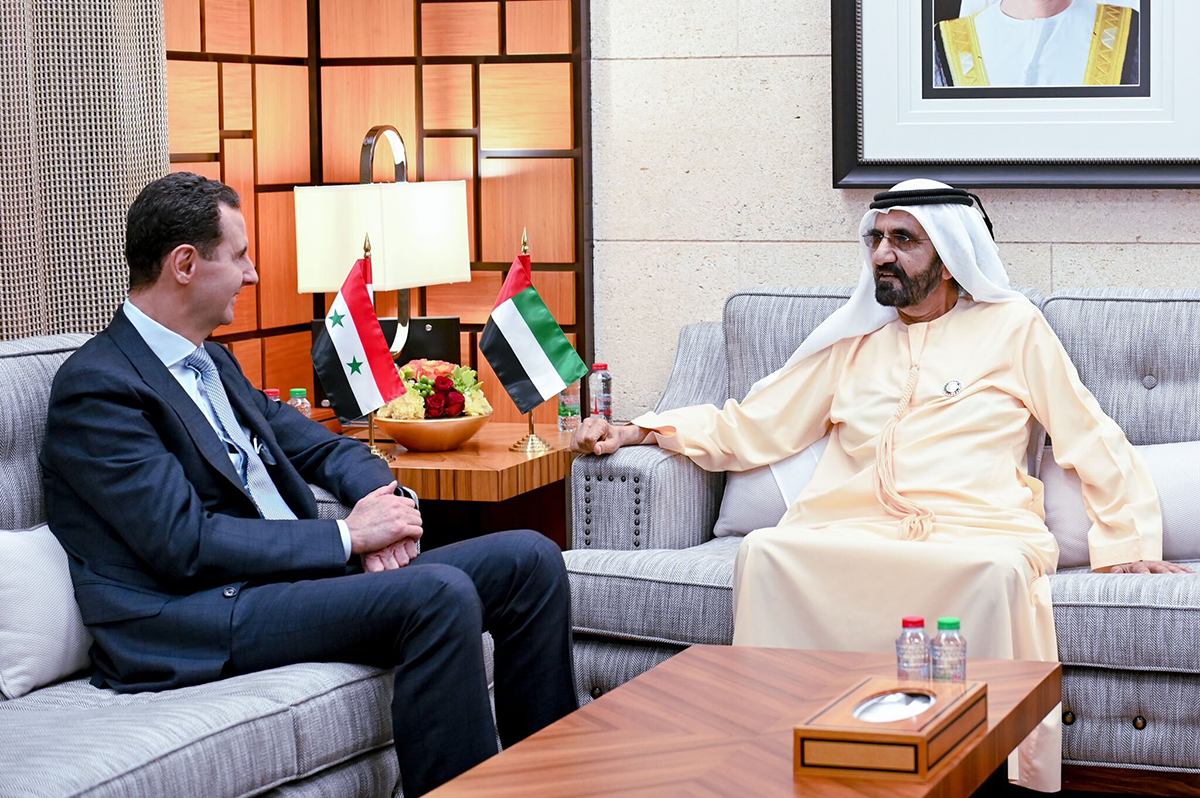
The decision by the UAE to host Syria’s President Bashar al-Assad in Dubai on March 18 has drawn deep consternation across the U.S. government and Congress, as well as in allied capitals in Europe and some in the Middle East.
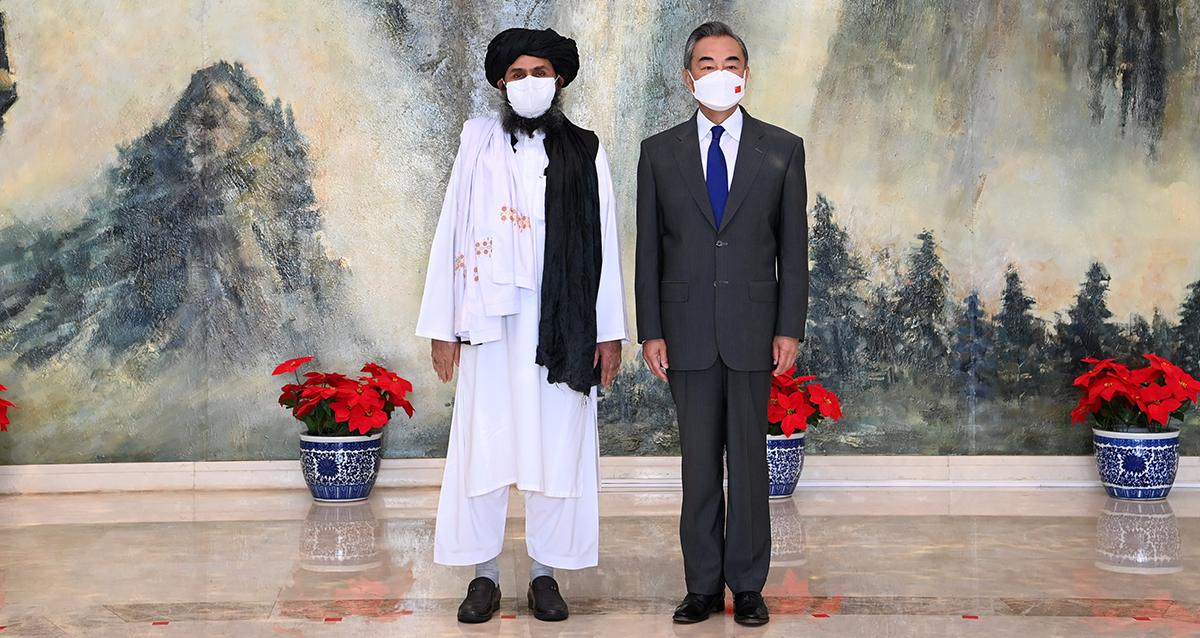
China draws closer to the Taliban as regional foreign ministers prepare to meet in Beijing
Despite the loss of crucial foreign aid, a deepening food crisis, and a sinking economy, little attention has been given to the effects of Afghanistan’s current political instability on the Taliban’s international relations. The international community has certainly taken an interest in Afghanistan, urging the Taliban to implement reforms, such as political representation for all Afghan ethnicities and respect for women’s rights, particularly when it comes to education and work. For its part, however, China has not let such concerns get in the way of establishing strong ties with the Afghan Taliban.
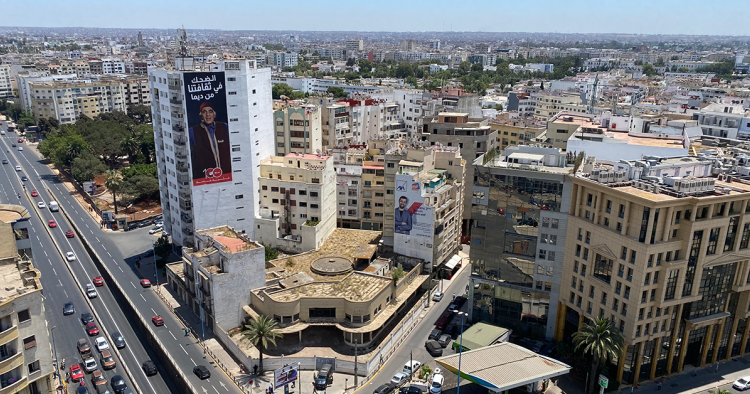
على مدى العقد الماضي، أحرز المغرب تقدمًا كبيرًا على مستوى مؤشر ممارسة الأعمال العالمي (دوين بيزنس)، حيث قفز من المرتبة 130 في عام 2009 إلى المرتبة 53 في عام 2020. رغم تلك الإصلاحات، لم يؤدي تحسن ترتيب المغرب على مستوى مؤشر مناخ الأعمال إلى تحسن اقتصادي كبير.
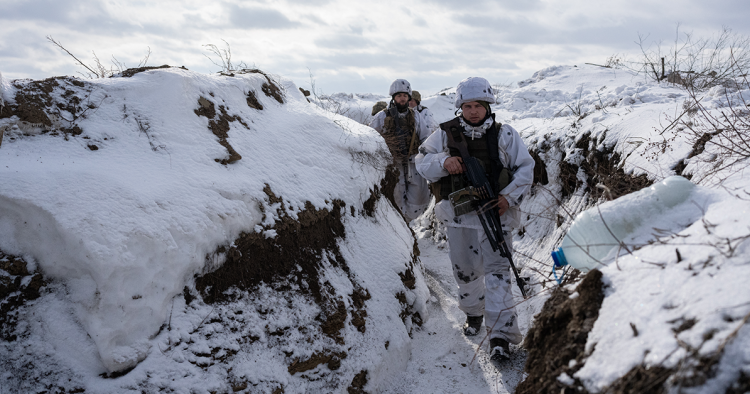
Fearing war fatigue in Ukraine or an escalation of tensions with the potential to spill over beyond region, the West is keen to act. But what can the EU and NATO do to help resolve the war in Ukraine?