This individual is a guest contributor. MEI is not able to assist with contact requests.
Attiya Ahmad is Georgetown University’s 2009-10 Center for International and Regional Studies Post-Doctoral Fellow. She recently completed her PhD in Cultural Anthropology at Duke University. Dr. Ahmad’s work brings together scholarship on Islamic studies, globalization, diaspora and migration studies, economic anthropology, and political economy.
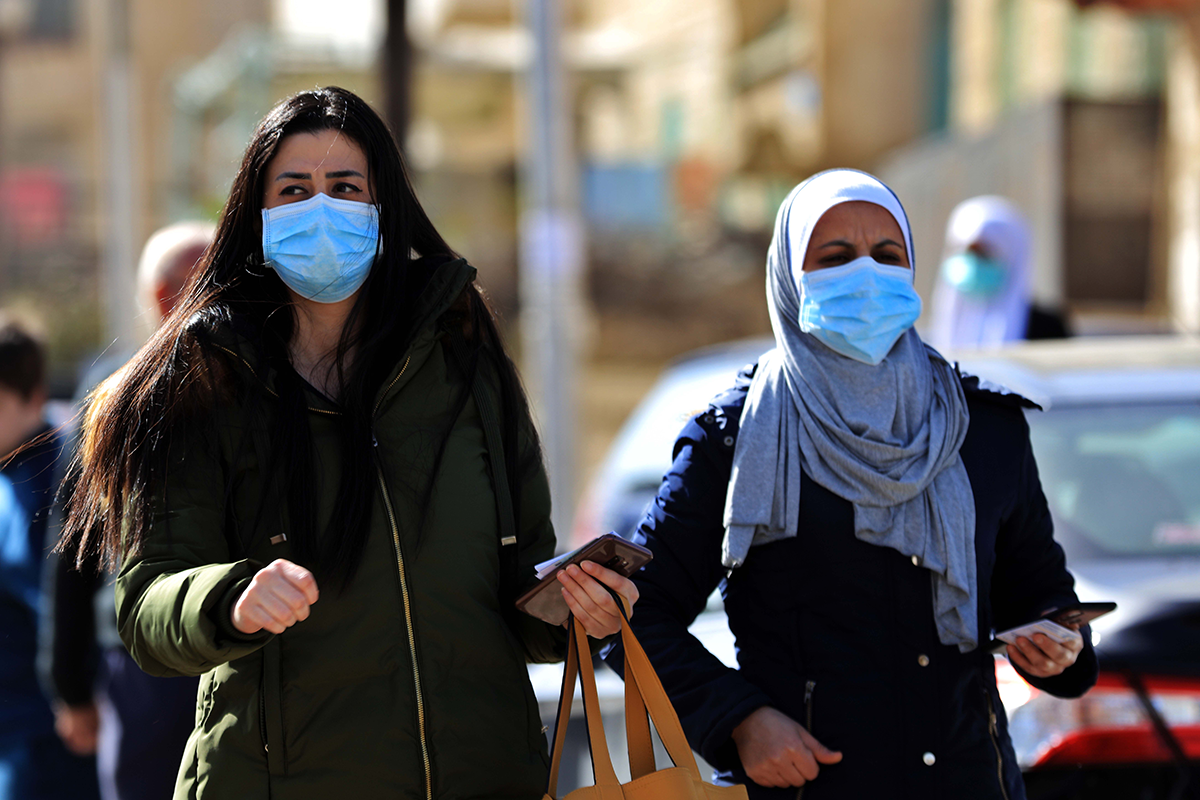
Women’s labor force participation and COVID-19 in Jordan
Jordan has the lowest rate of women’s economic participation of any country not at war. According to the ILO, the kingdom’s female labor force participation rate is below 15%, while that of men is about 60%. This is lower than rates of female labor force participation in neighboring Lebanon (23%), Saudi Arabia (22%), and the West Bank and Gaza (18%). As the COVID-19 pandemic stretches on, the government of Jordan should take the opportunity to expand the accessibility of remote work and corresponding opportunities for Jordanian women who aim to play a role in their nation’s economy.
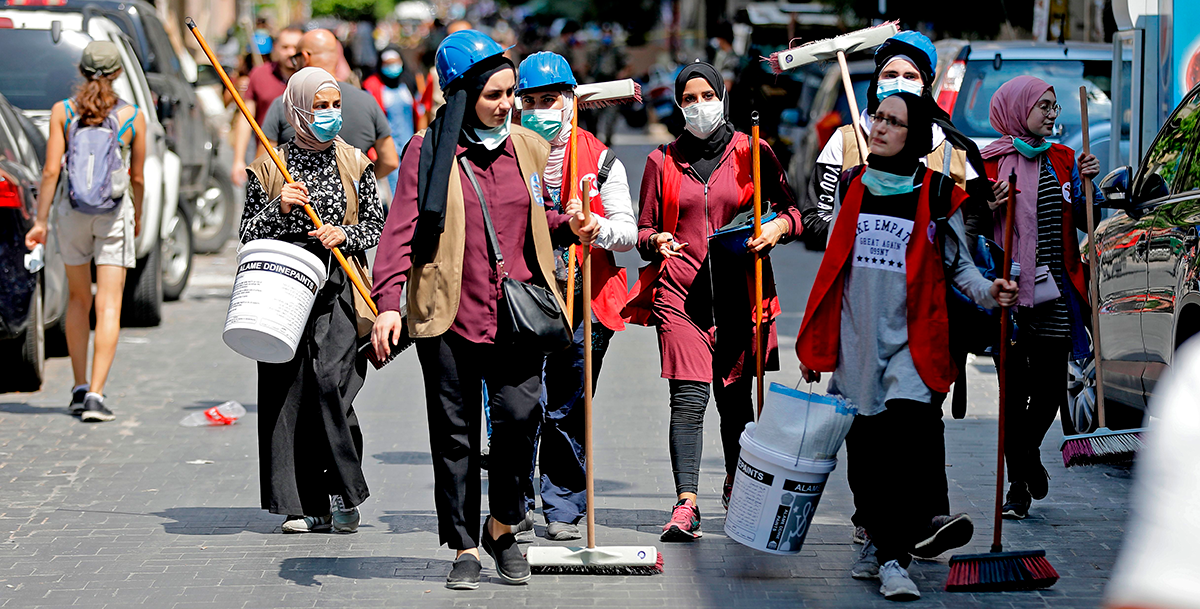
Helping the Lebanese People Move Toward Recovery: Recommendations for US Policy
Lebanon is currently at a crossroads as the government faces the daunting tasks of rebuilding the economy, restoring public trust, and clearing the way for free and fair parliamentary elections in May of 2022. The country finds itself spiraling downward — an agreement with the IMF is yet to be realized, poverty and emigration are increasing, and there are growing threats to stability due to a failing economy and widespread corruption. Given this critical situation, it is worthwhile to review U.S. interests in Lebanon’s survival and consider key recommendations for U.S. policy to help Lebanon avoid complete collapse and help the Lebanese people move toward economic recovery, political legitimacy, and a more capable, transparent, and sovereign state.
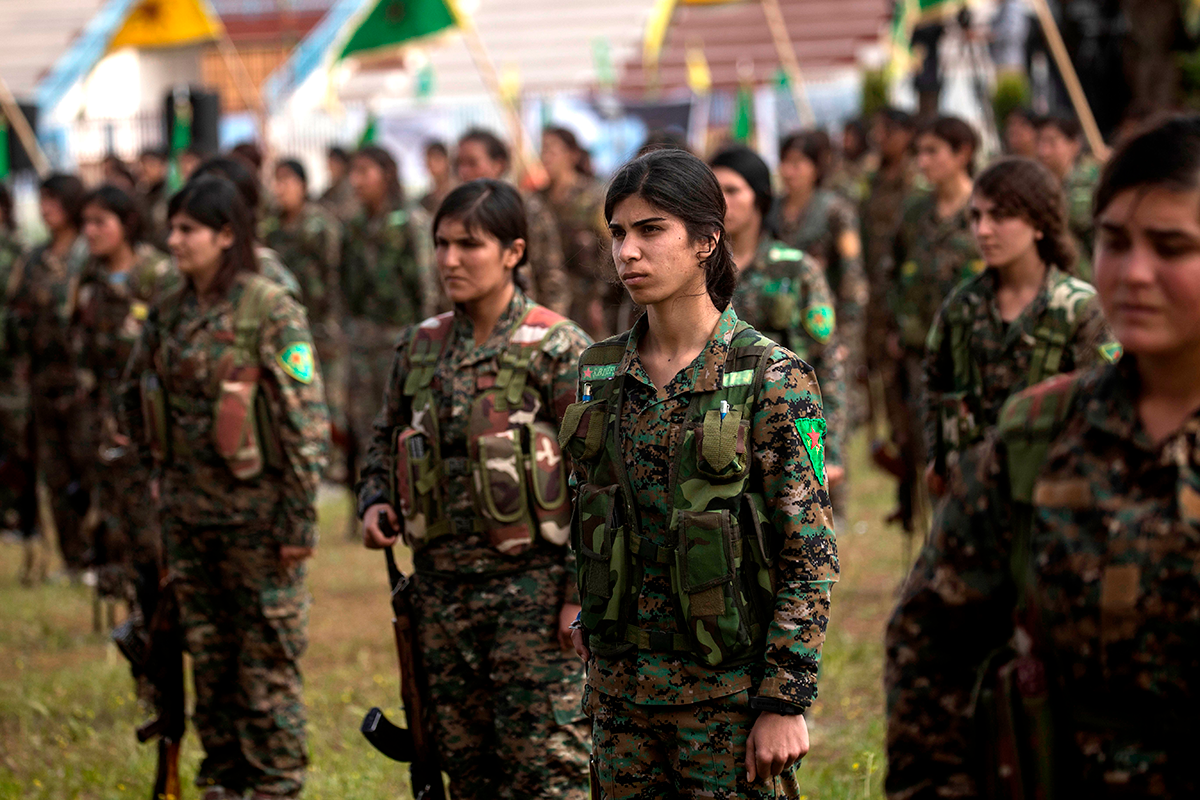
Reassessing women’s role in peace and security in the Middle East
When addressing security challenges in the Middle East, the United States must re-examine how it engages with and views women’s potential security contributions.
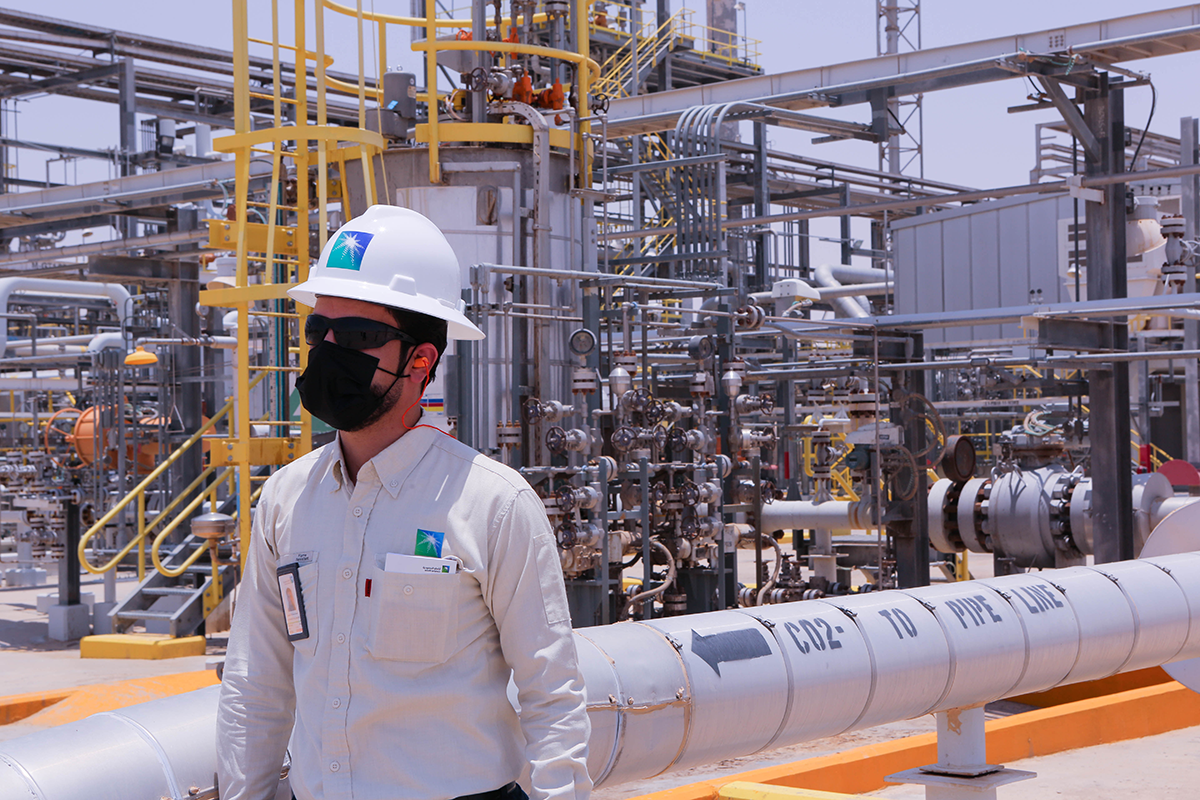
For Gulf producers, decarbonization does not mean zero oil production
Gulf oil producers do not envisage a post-2050 world devoid of hydrocarbons, even though two of the region’s biggest producers, the UAE and Saudi Arabia, have committed to net-zero carbon emissions by 2050 and 2060, respectively. Reconciling their future environmental commitments with their current reliance on hydrocarbons is going to be an arduous and expensive journey that starts with decarbonizing their oil and gas production to reduce their carbon footprint and increasing their domestic green energy production. With demand for oil and gas forecast to continue post-2050 — albeit at lower levels than now — their net-zero target does not equate to zero oil and gas production. Instead, their transition will differ from that of other countries and will happen at a different pace.
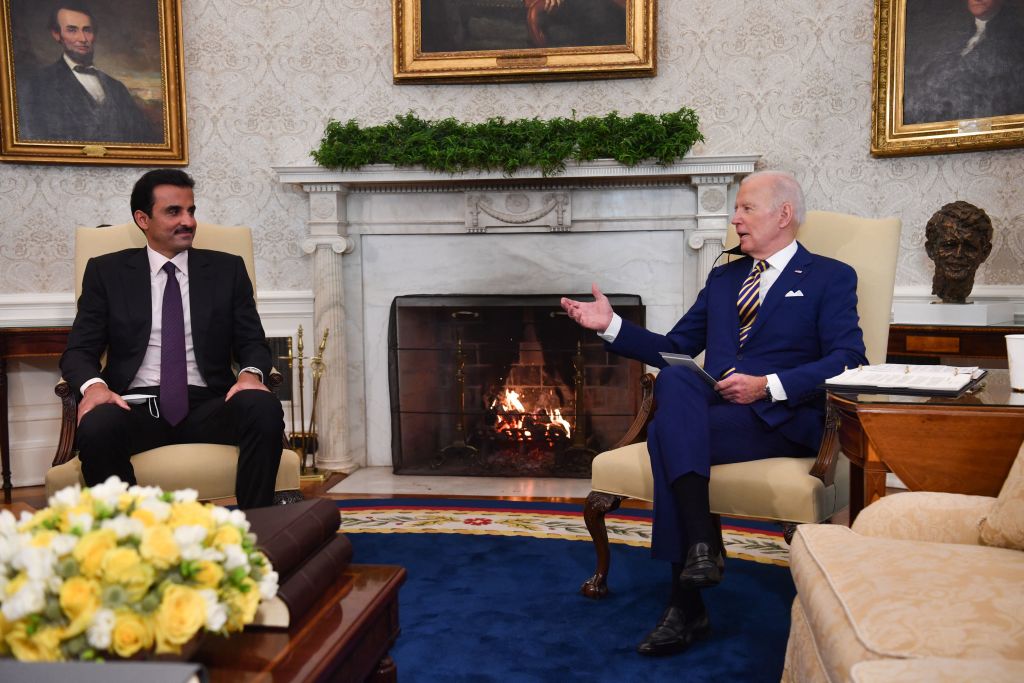
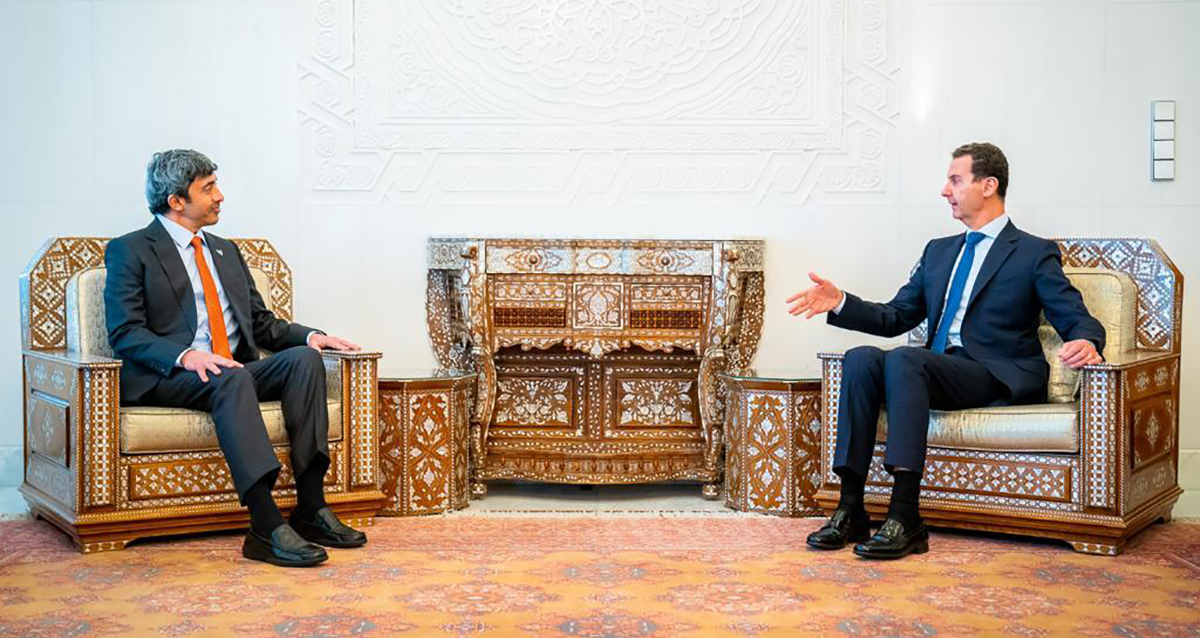
The UAE paves way for Syria’s return to the Arab fold, but plenty of hurdles remain
The UAE has made bold strides to normalize relations with embattled Syrian President Bashar al-Assad, opening itself up to criticism as many countries remain reluctant to reconcile with Damascus. Despite this measured reintegration of Assad into the Arab fold, many serious complications and challenges lie ahead. The most important of these is the lack of support from a hesitant Saudi Arabia, which would impede the crucial next step of Syria’s restoration to full membership in the Arab League before its upcoming summit.
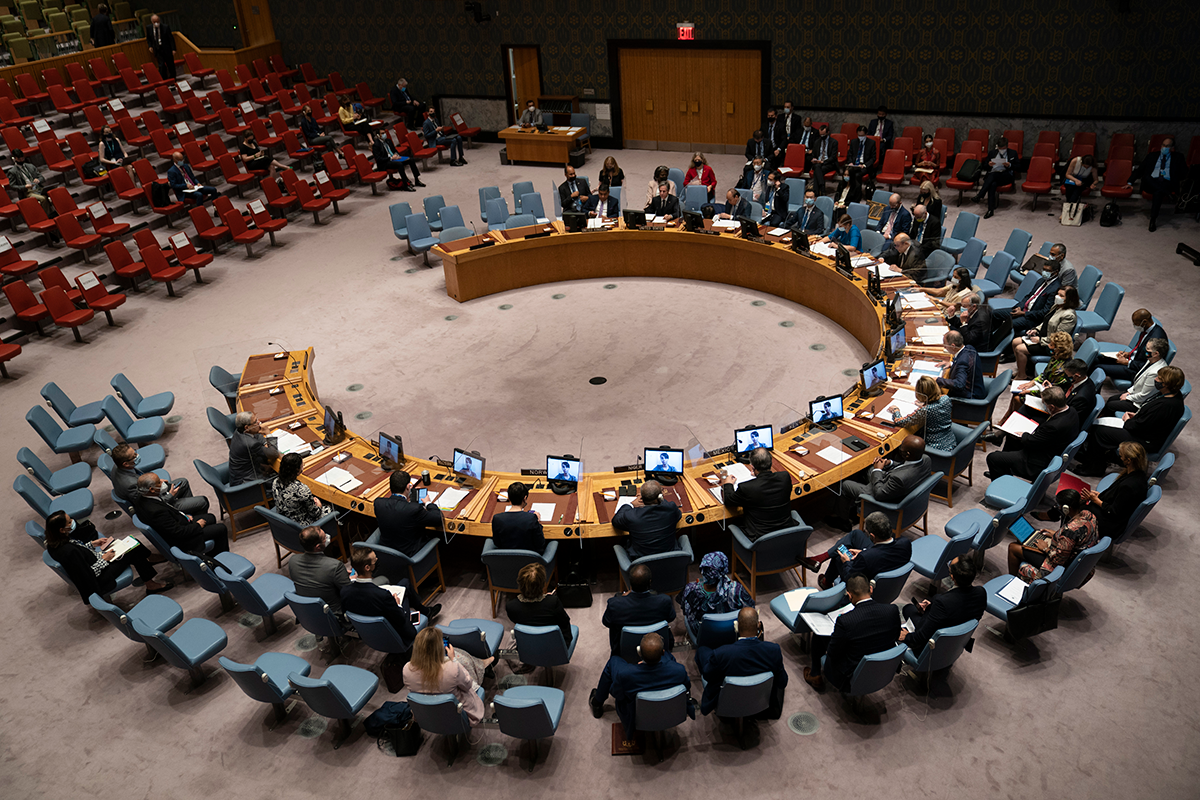
On Dec. 13, 2021, at a United Nations Security Council (UNSC) meeting, a draft resolution that would have recognized climate change as a security threat was rejected. The resolution, co-sponsored by Niger and Ireland, would have incorporated climate change as a security risk within the U.N. framework of conflict prevention strategies. What are the potential implications of this and what comes next? We asked seven experts to weigh in with their thoughts.
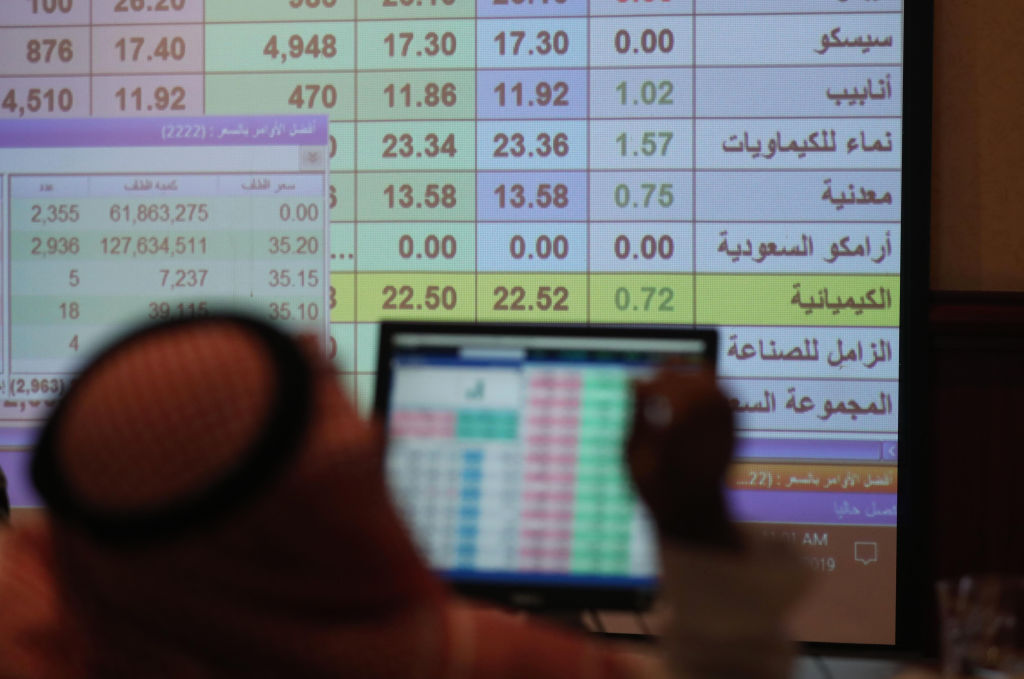
Saudi Arabia has undergone tremendous social change in recent years, but it has struggled to make good on some of its more ambitious financial goals. Much of the promised foreign direct investment has yet to arrive, and the kingdom’s growth agenda has drained its foreign reserves. Most of Mohammed bin Salman’s more eye-catching promises, including futuristic urban megaprojects, remain unfinished.
The strengthening ties between China and the Middle East
In a sign of strengthening relations, a long procession of foreign ministers from MENA visited China earlier this month. In addition, two MENA nations signed MoUs involving the BRI, China’s global infrastructure development effort.
Iran to remain a key partner for Ethiopia in the Tigray conflict
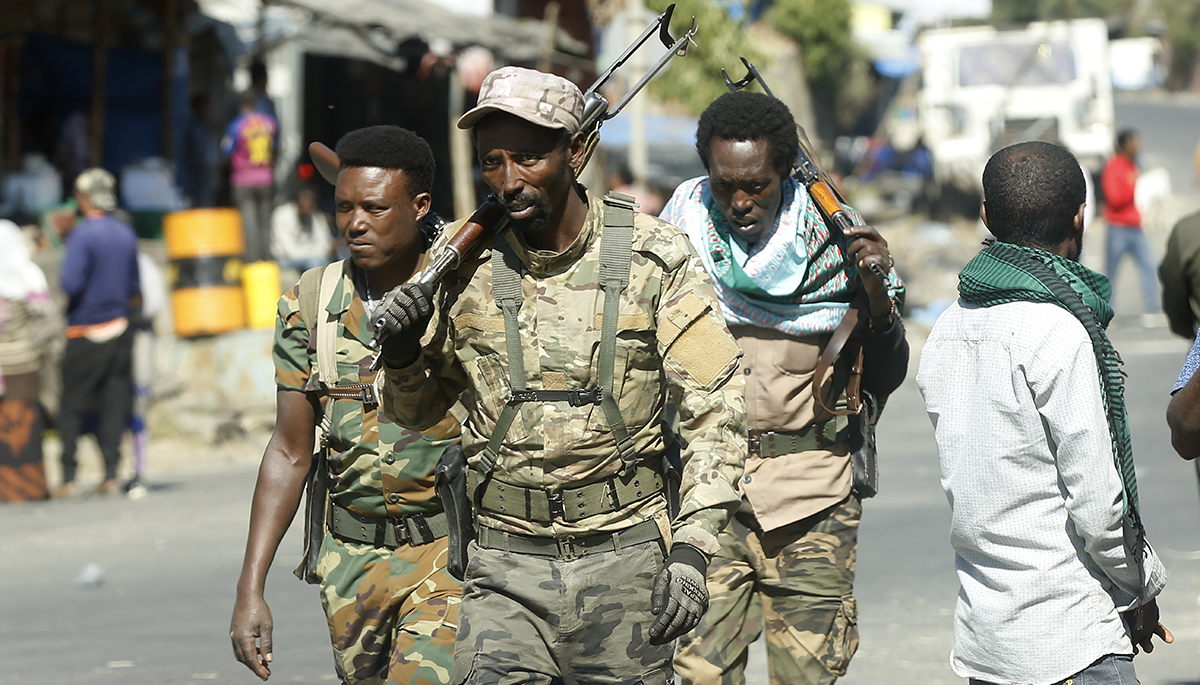
Ethiopia is Iran’s gateway to the Horn of Africa and the broader East Africa region. By helping Ethiopia in its ongoing conflict with the rebel Tigray Defense Forces, which represent the Tigray ethnic minority, Iran is preserving its so-called strategic depth in the region to bolster its influence.
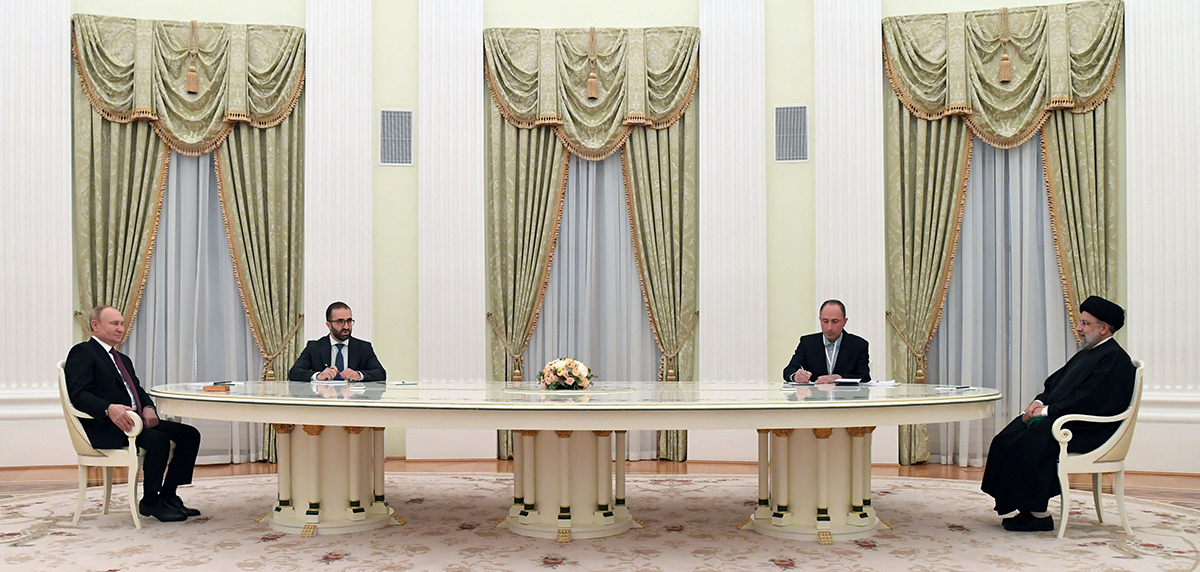
Since the fall of the Soviet Union and the rise of Vladimir Putin in the 1990s, military and economic relations between Iran and Russia have improved, as their tensions with the West have intensified. One aspect of the relationship that has received little attention is their growing economic and trade cooperation involving the production, export, and import of halal meat and other products since 2015.
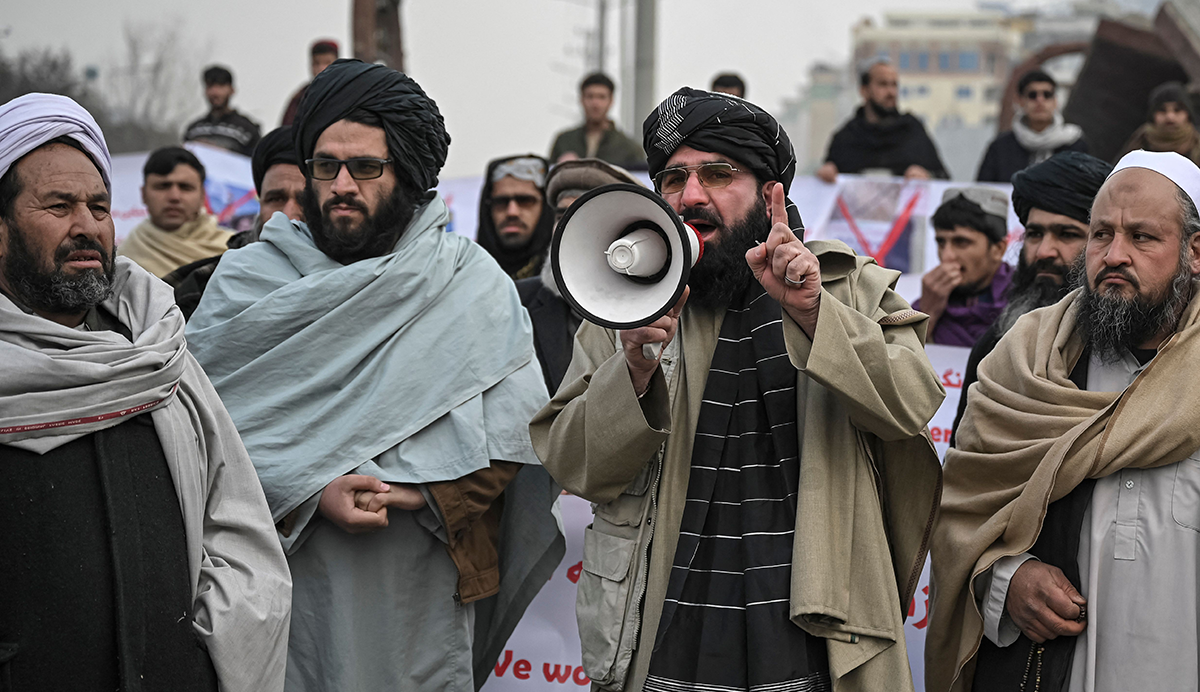
After a grueling 20-year campaign, America concluded its war in Afghanistan where it started: with the Taliban in charge. But this isn’t your father’s Taliban. In recognition of their need for a firmer ideological base and their desire to establish a purely Islamic system, the Taliban rulers are gradually putting together the framework for their new ideological state. They are enacting three closely intertwined ideological initiatives in order to solidify their rule: fleshing out a state religious ideology, burnishing their “originalist” religious credentials, and channeling Afghan nationalism into religious nationalism. These ongoing efforts, which revolve around the Taliban’s Islamism, provide a preview of how the new rulers intend to interact with temporal political realities by provoking religious reform in order to rule Afghanistan.