This individual is a guest contributor. MEI is not able to assist with contact requests.
Attiya Ahmad is Georgetown University’s 2009-10 Center for International and Regional Studies Post-Doctoral Fellow. She recently completed her PhD in Cultural Anthropology at Duke University. Dr. Ahmad’s work brings together scholarship on Islamic studies, globalization, diaspora and migration studies, economic anthropology, and political economy.
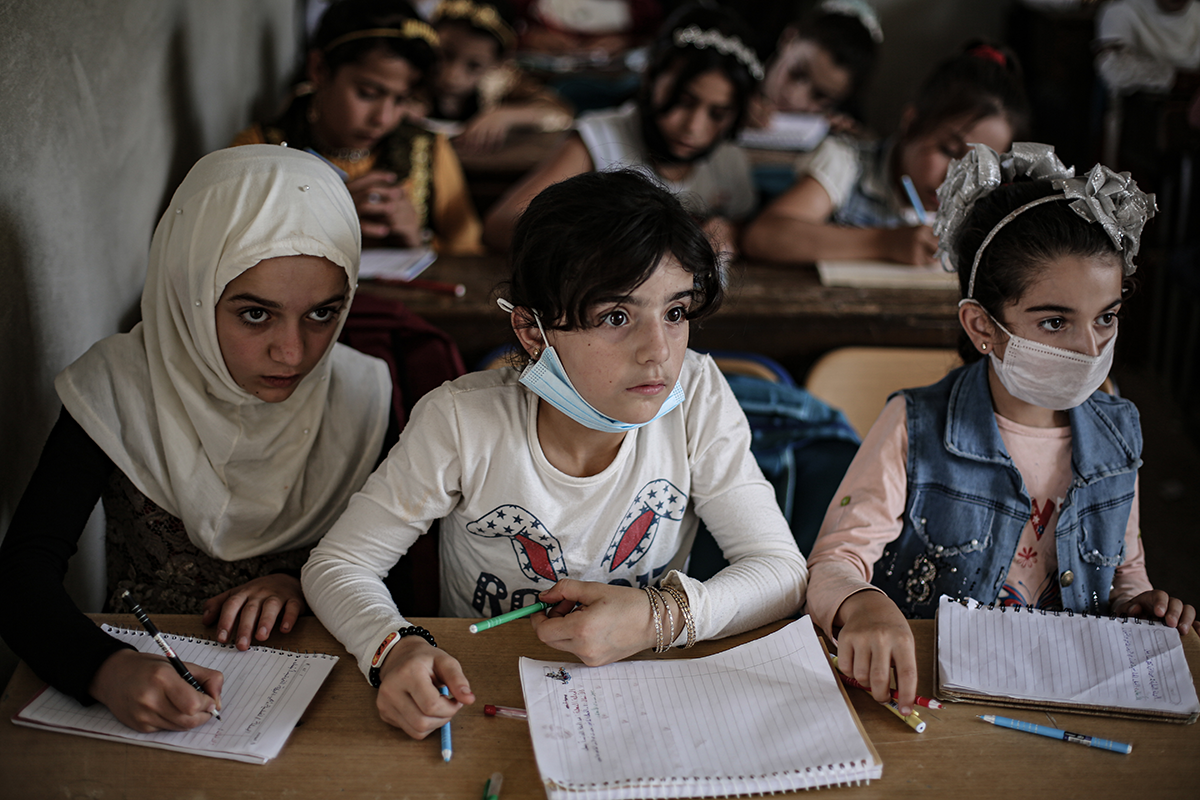
Syria’s Education Crisis: A Sustainable Approach After 11 Years of Conflict
Education in Syria faces major disruptions amid the ongoing humanitarian catastrophe. Failure by international governments to act urgently endangers the prospects of stabilizing Syria and facilitating recovery.
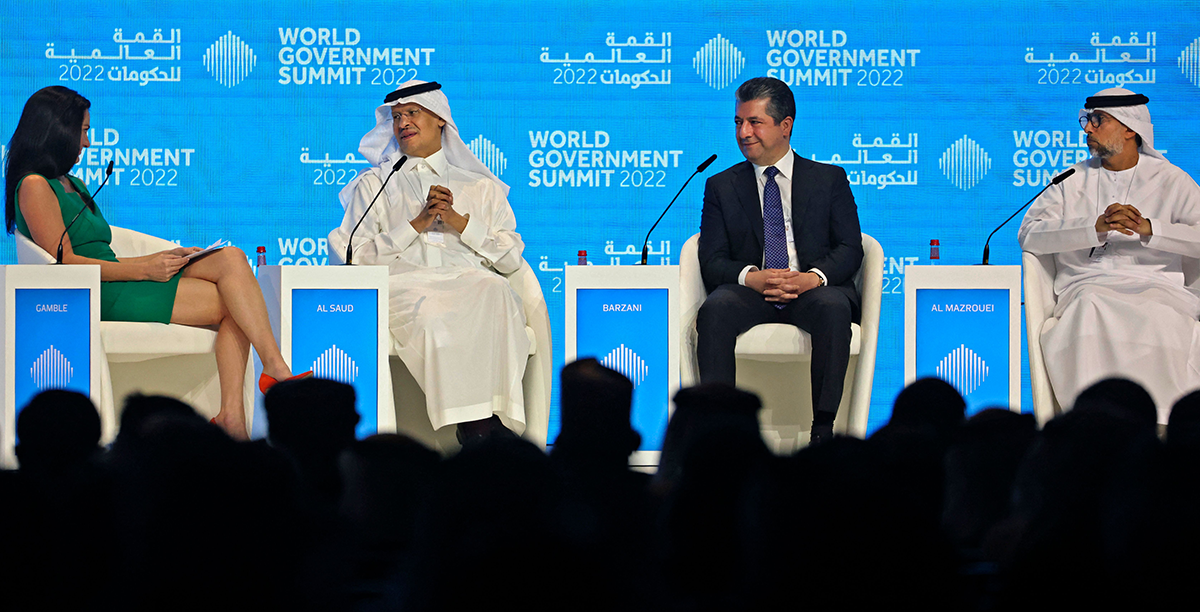
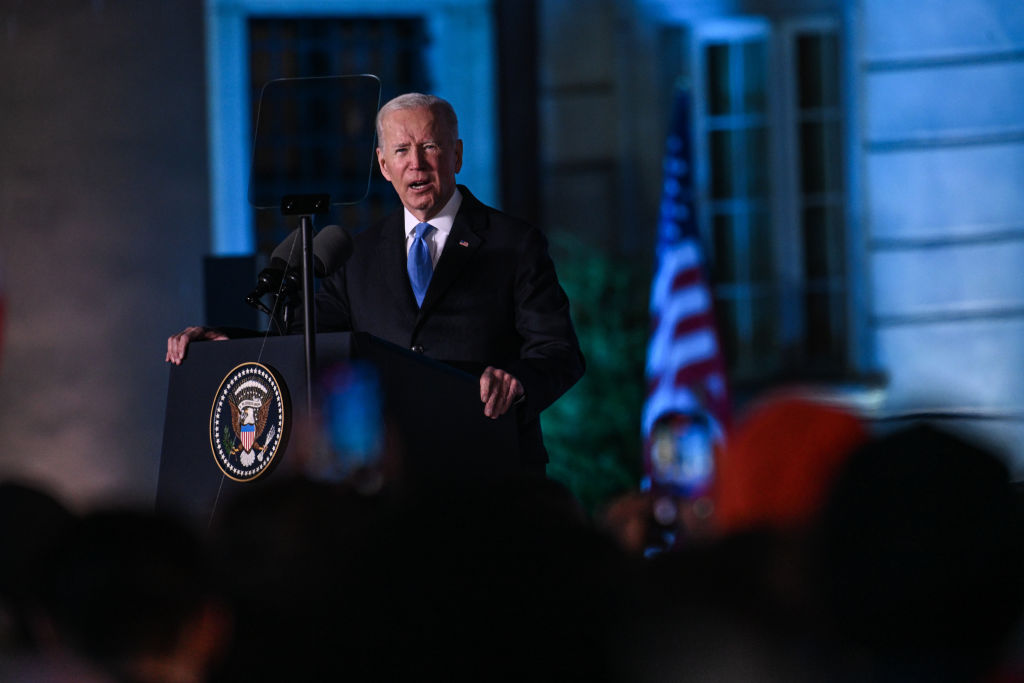
Gulf oil producers feel vindicated, but don’t expect them to turn on Russia
The war in Ukraine has brought back to the forefront the conversation about the need for new investments in oil and gas for the foreseeable future. As the calls multiply for Gulf producers to step in and fill the gap in gas and oil supplies as Russia faces sanctions, producers now feel vindicated after being shunned, and even targeted, at the COP26 in Glasgow last year.
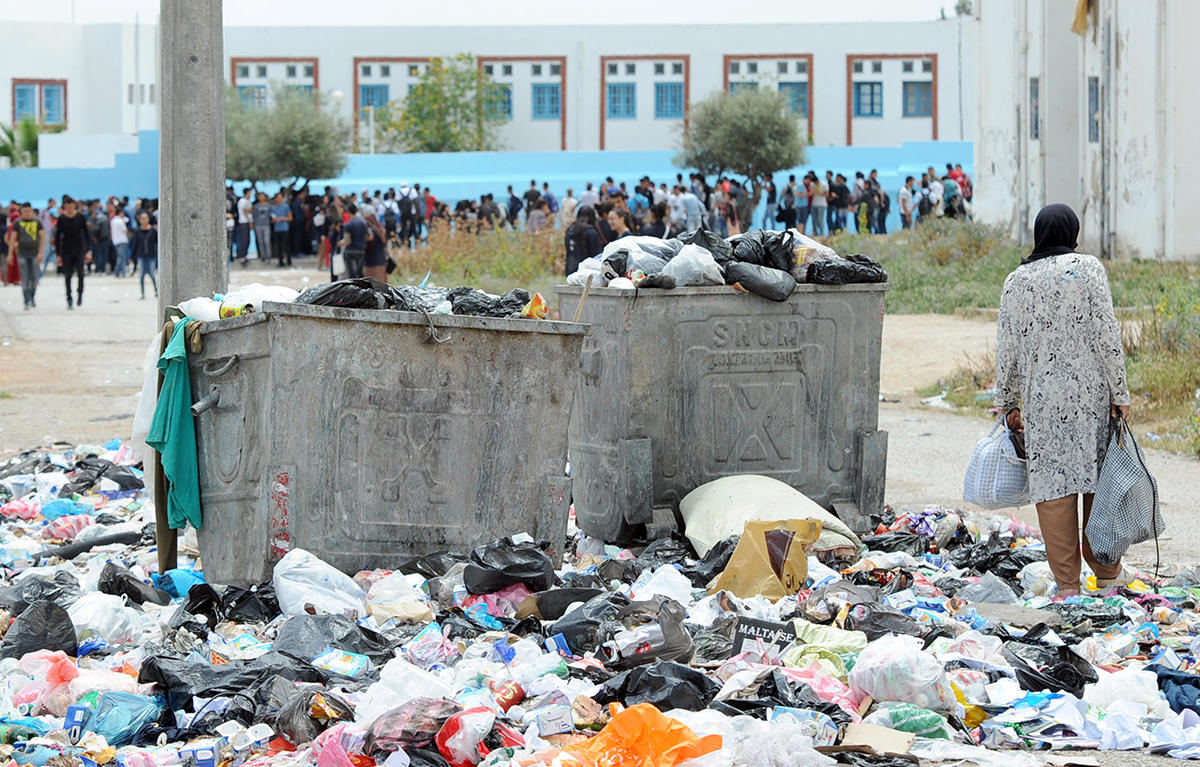
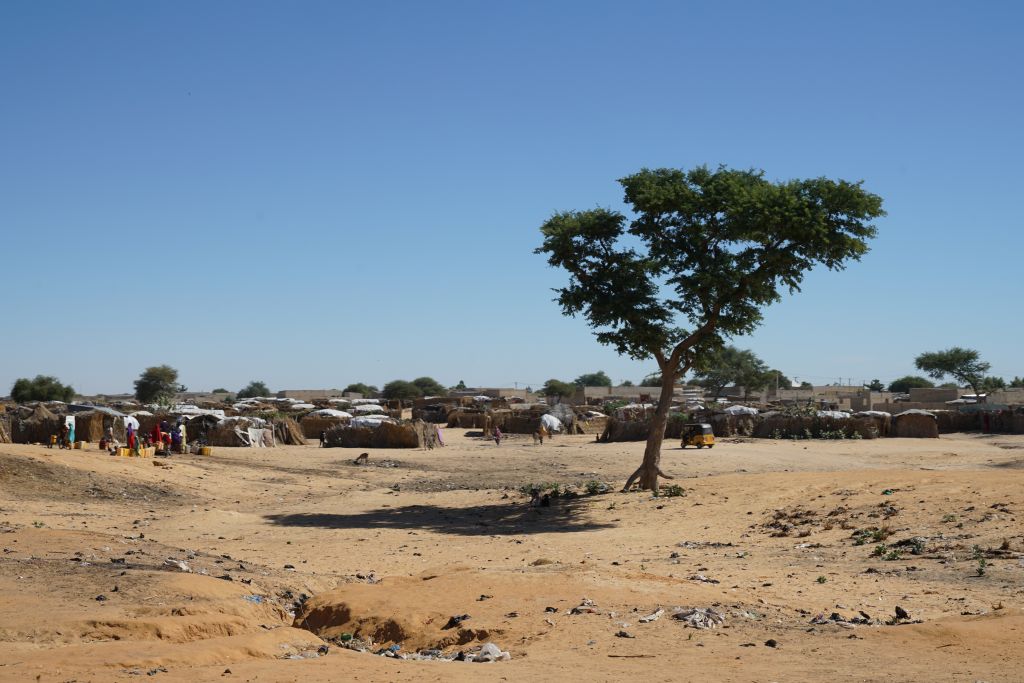
Solving Tunisia’s growing waste management problem
Given its outsized role in contributing to greenhouse gas emissions, waste management is an issue of global importance. Landfills account for almost 5% of total global greenhouse gas emissions and 12% of the world’s emissions of methane. The associated challenges are particularly acute in North Africa, and especially in Tunisia.
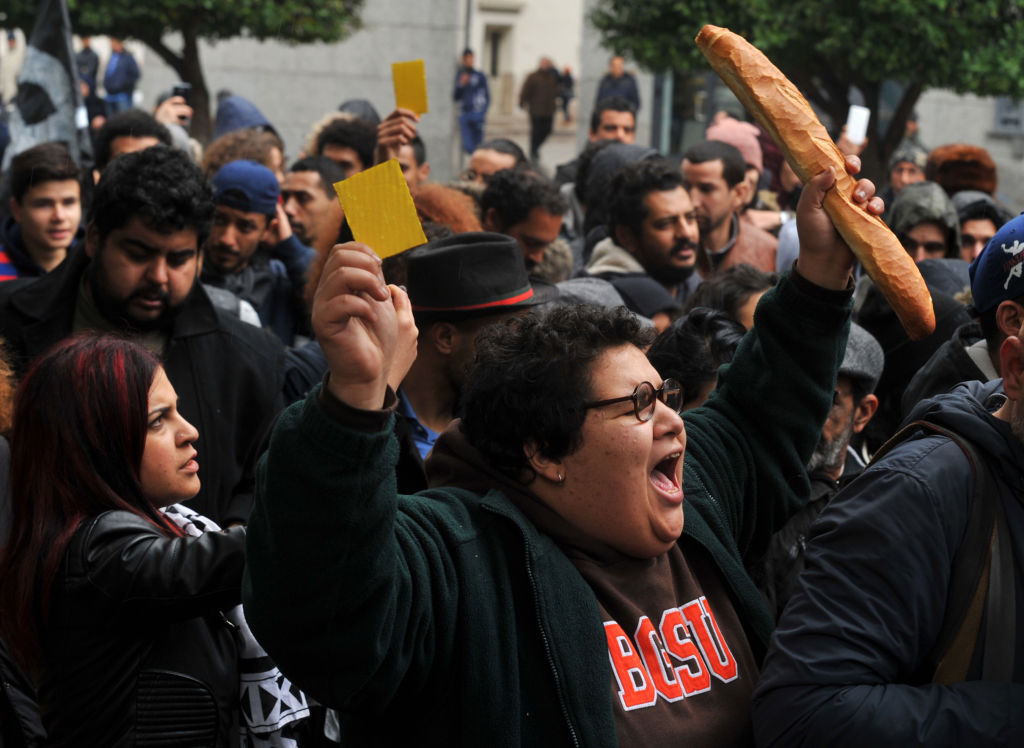
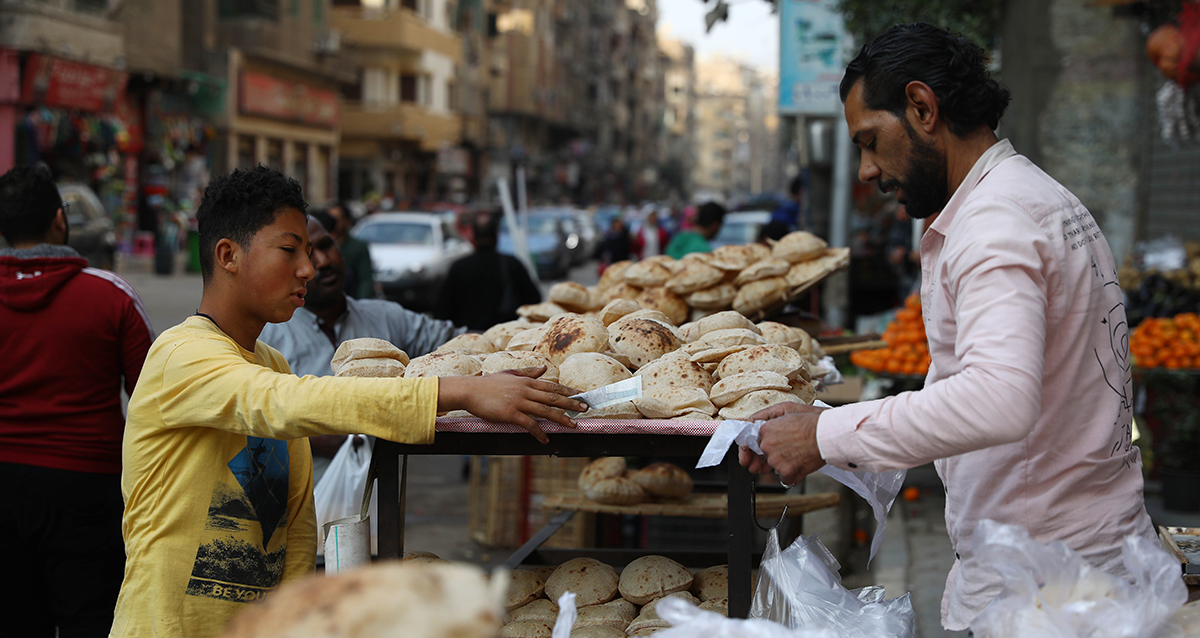
The Russia-Ukraine war might finally bring about a rise in Egypt’s bread prices
As the price of wheat has shot up following the Russian invasion of Ukraine, so too has the cost of Egypt’s bread subsidies, raising questions over their sustainability and potentially opening the door for an increase in the price of subsidized bread for the first time in decades.
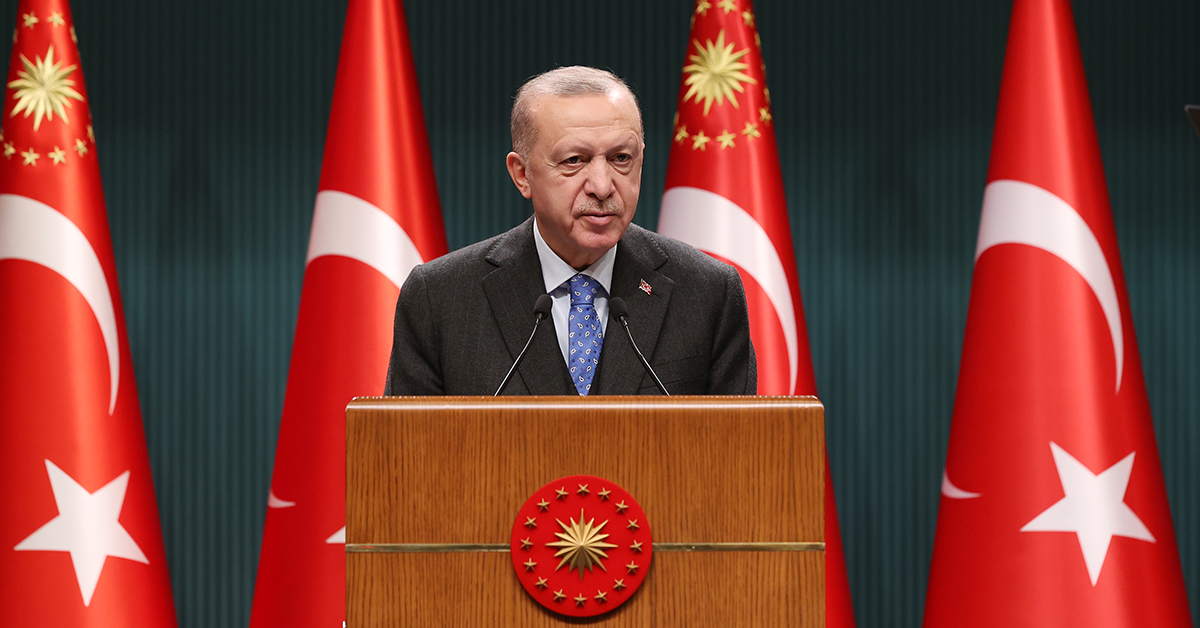
President Erdoğan, as the leader of a middle-sized power strengthening an independent role, wants to enhance the reputation and expand that role for Turkey regionally and globally by achieving a balance of Ukrainian and Russian influence in the region.
China’s evolving conflict mediation in the Middle East
Since the early 2000s, China has exhibited a degree of flexibility regarding its policy of non-interference in internal affairs, exemplified through a broader series of mediatory efforts in civil wars in the Middle East and North Africa (MENA) region. China’s approach to conflict management has evolved, as have its motivations. This paper examines this evolution through the window of China’s conflict management in Sudan, Libya, and Syria.
How will the war in Ukraine affect EU-MENA relations?
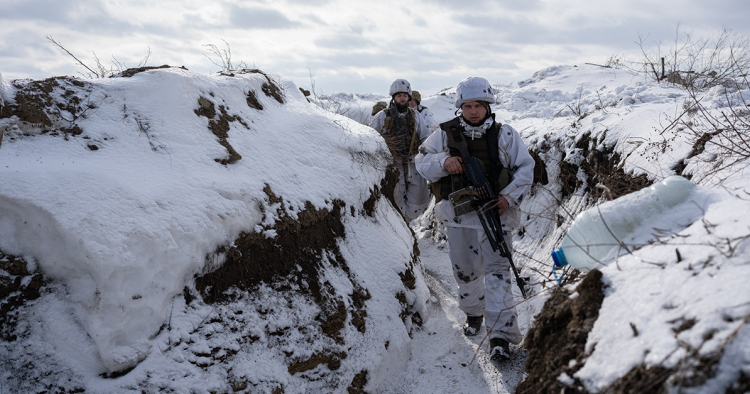
While most analyses of the war in Ukraine have tended to focus on the intra-European dimension, it is worth exploring the potential consequences of this conflict for the EU’s relations with countries further afield, especially those in the Middle East and North Africa.
مرة أخرى، عرقلة إسرائيلية غير قانونية للم شمل العائلات الفلسطينية
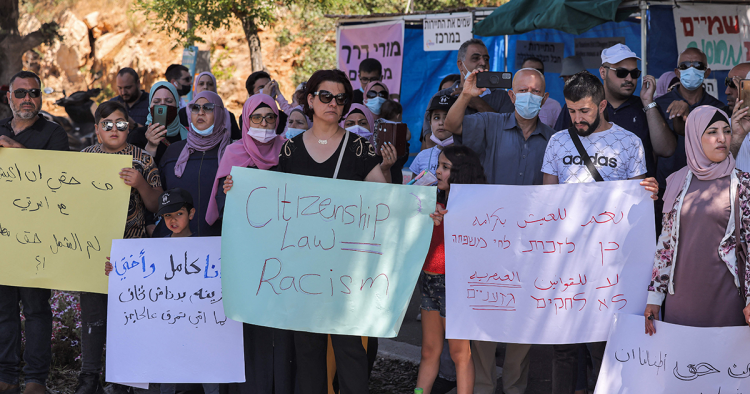
أقر البرلمان الإسرائيلي، في العاشر من آذار مارس الجاري ، مشروع قانون يمنع منح الجنسية للفلسطينيين من الضفة الغربية المحتلة وقطاع غزة المتزوجين من مواطنين إسرائيليين.
الوجود الإيراني في الحسكة السورية دور متنامي ومصدر تهديد مباشر للقوات الأمريكية
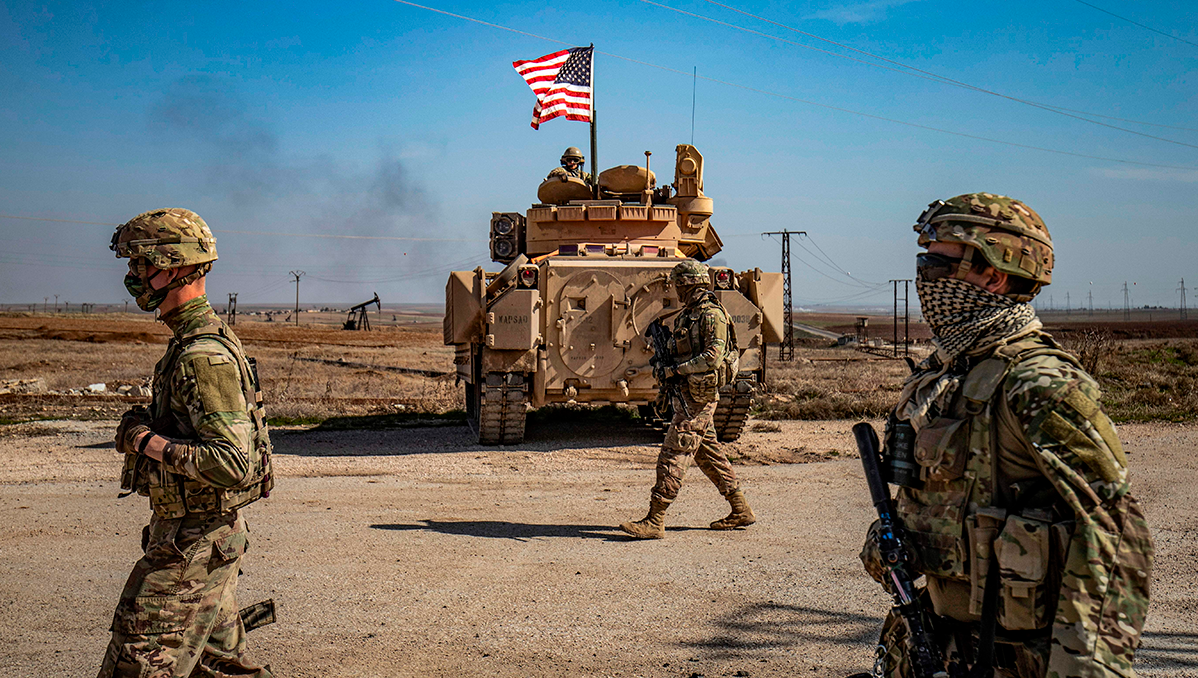
زيادة القدرات العسكرية واللوجستية للمليشيات الإيرانية في محافظة الحسكة، ازداد منذ مطلع عام 2022، بعد أن كان وجودها يقتصر على مجموعات عسكرية صغيرة وبعض المليشيات المحلية المدعومة من إيران، لكن الأحداث الأخيرة فتحت المجال لها للتغلغل داخل المجتمعات المحلية، مستغلة تراجع الدور الروسي في المنطقة وخلافات العشائر العربية مع الإدارة الذاتية وقوات سوريا الديمقراطية.