This individual is a guest contributor. MEI is not able to assist with contact requests.
Attiya Ahmad is Georgetown University’s 2009-10 Center for International and Regional Studies Post-Doctoral Fellow. She recently completed her PhD in Cultural Anthropology at Duke University. Dr. Ahmad’s work brings together scholarship on Islamic studies, globalization, diaspora and migration studies, economic anthropology, and political economy.
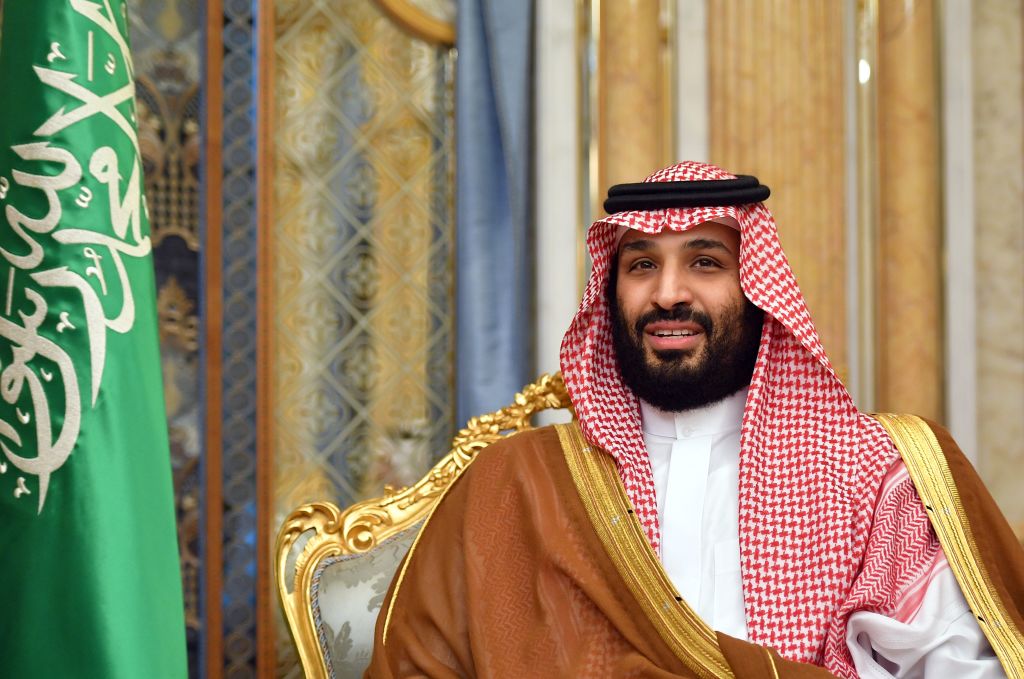
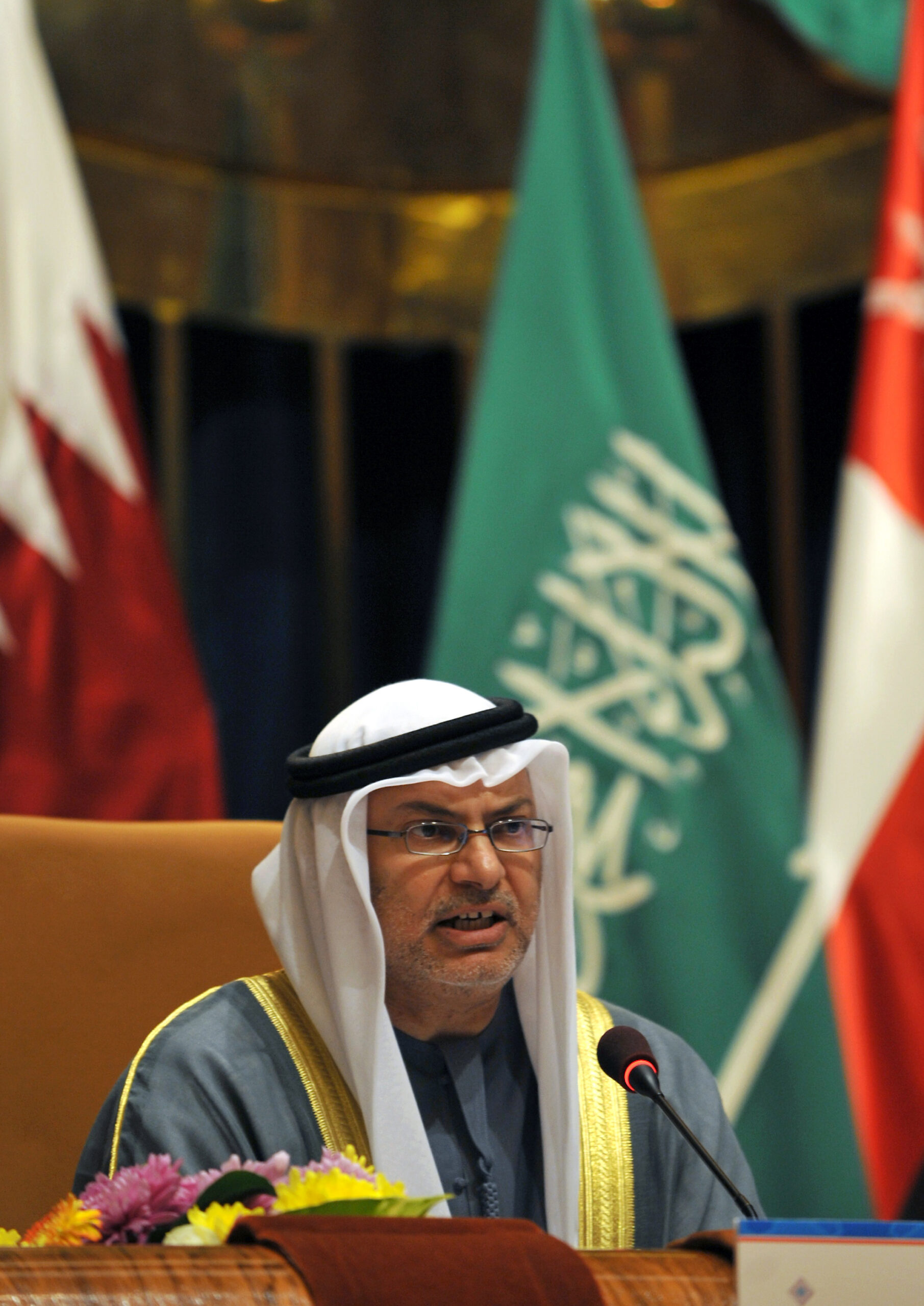
Mohammed bin Salman marks 1,000 controversy-filled days as crown prince
As MbS approaches three years as Saudi Arabia’s crown prince and, in the eyes of many, the de facto ruler of the kingdom, he remains an enigmatic figure on the world stage.
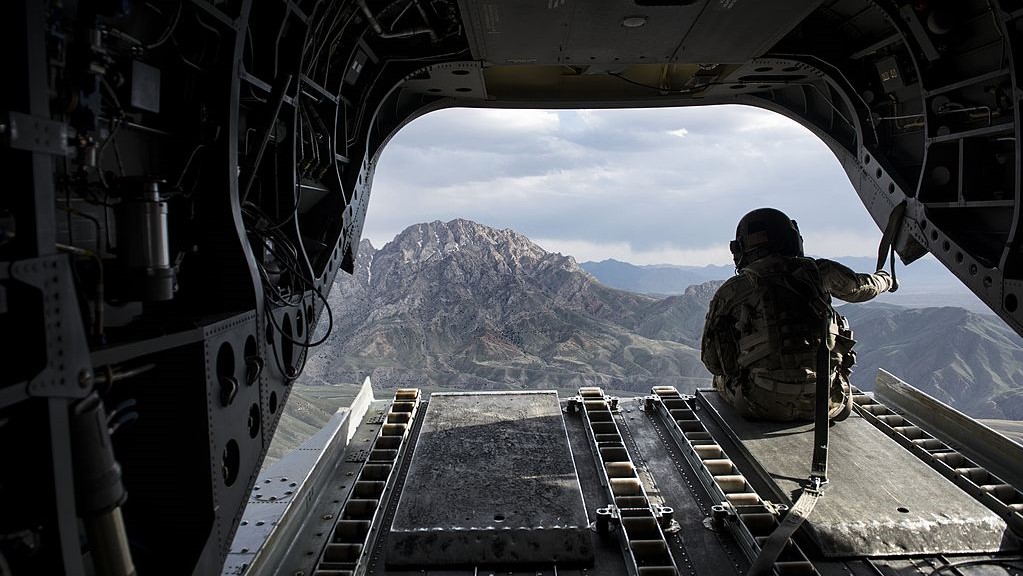
Confusion writ large: US troop withdrawal from Afghanistan
The uncertainty about the withdrawal timetable has sowed confusion among U.S. partners in Afghanistan and prompted the Taliban to accuse the U.S. of not living up to the terms of their agreement.
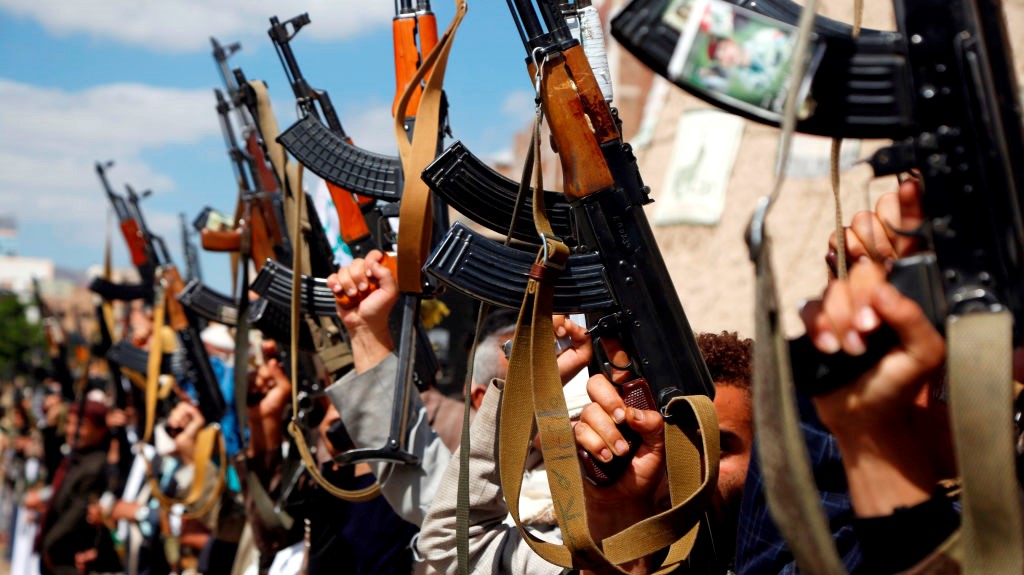
What happened in al-Awadh illustrates how the tribes are increasingly caught between the brutality of the Houthis and the incompetence of the Yemeni government.
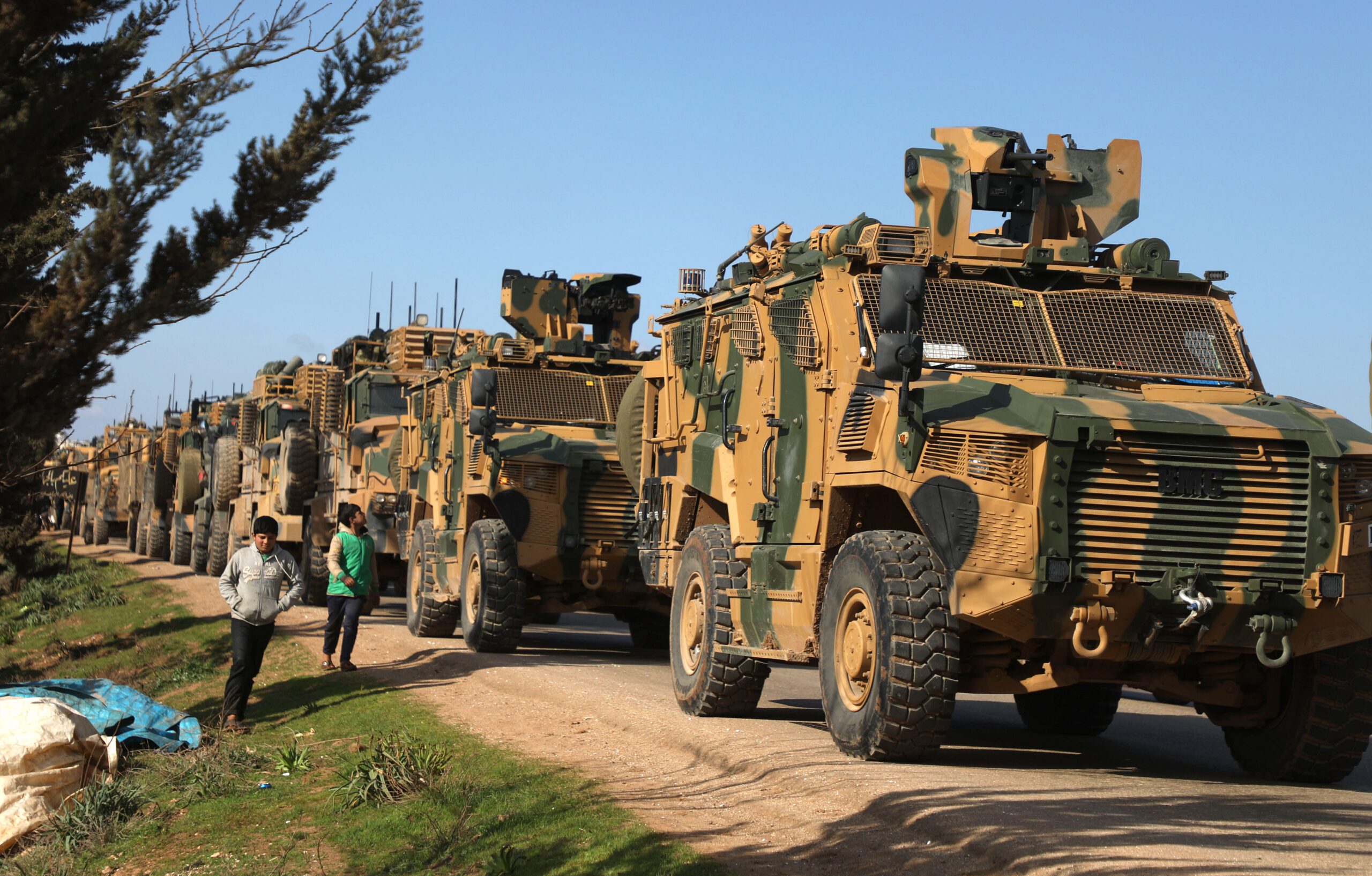
The Syrian Regime’s Combat Losses in Spring 2020, and What Lies Ahead
After a brief but deadly Turkish offensive in Idlib, a new phase of the Syria war began on March 5 with the signing of a Turkish-Russian cease-fire deal. Reported deaths dropped drastically following the cease-fire, and this spring has been defined by the slow attrition of pro-regime forces due to the two ingoing insurgencies in south and central Syria and the two frozen frontlines in the northwest and northeast.
Shocks and Rivalries in the Middle East and North Africa
MEI Non-Resident Scholar Imad Mansour and William Thompson, Professor of Political Science Emeritus at Indiana University, join host Alistair Taylor to talk about their new book, “Shocks and Rivalries in the Middle East and North Africa” (Georgetown University Press), and discuss the network of rivalries, conflict dynamics, and conflict de-escalation in the MENA region.
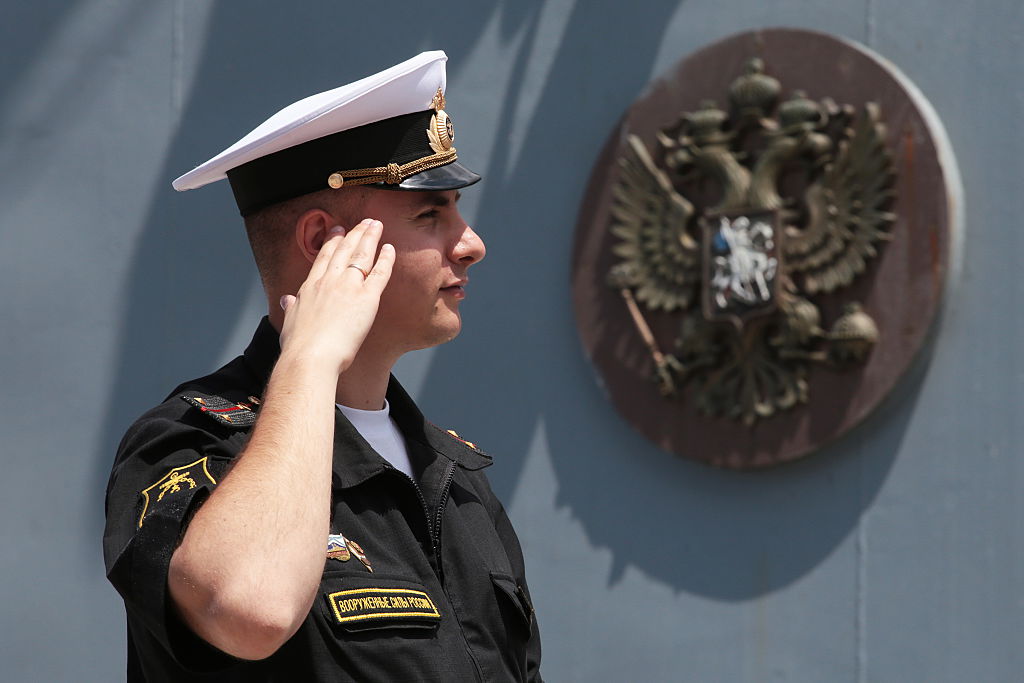
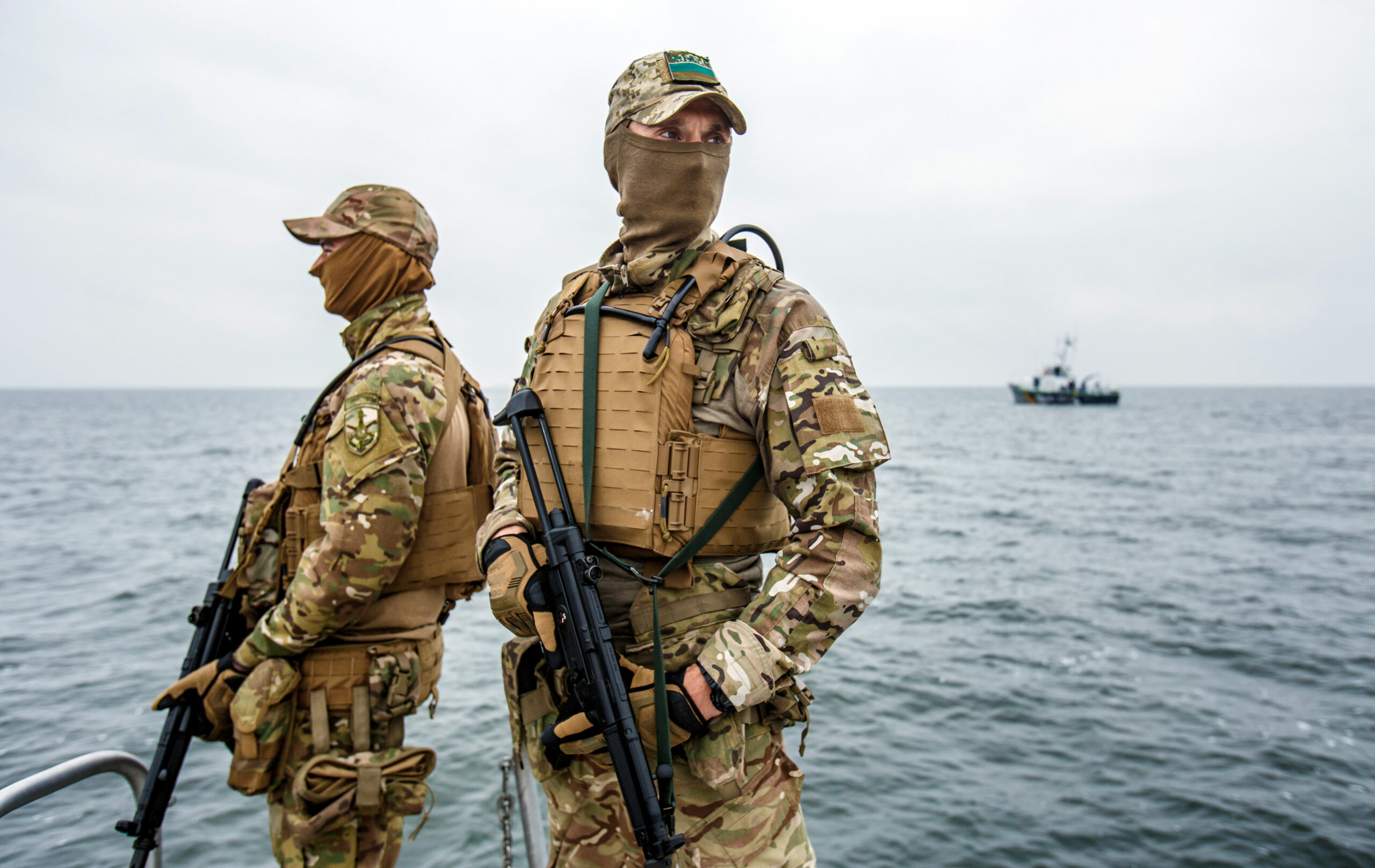
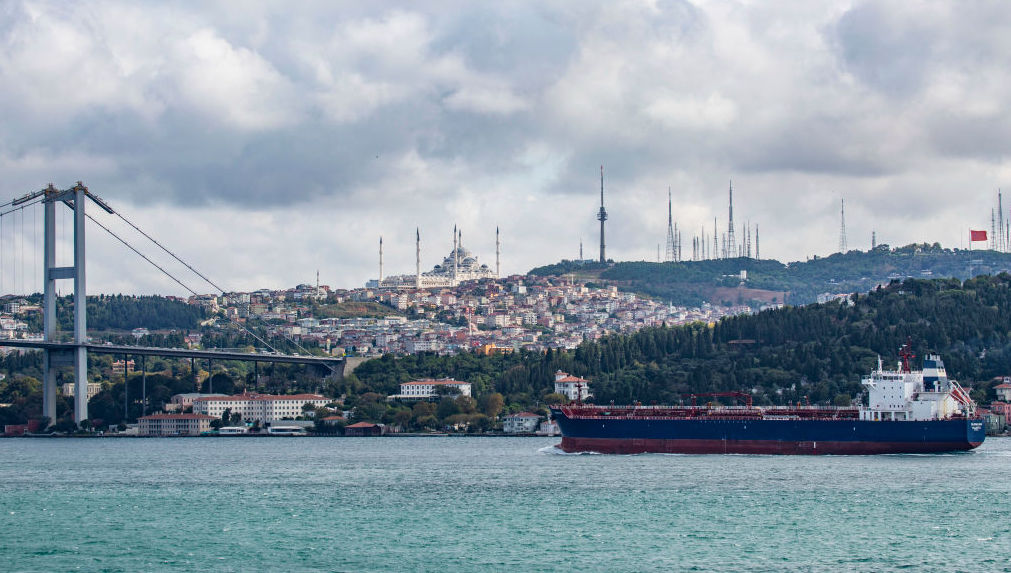
The Black Sea sits at an important economic and civilizational crossroads on the Eurasian landmass. The region contains oil and gas resources, key energy pipelines, shipping lanes, and fiber-optic cables. For Russia, the Black Sea is of particular importance for economic and geostrategic reasons.
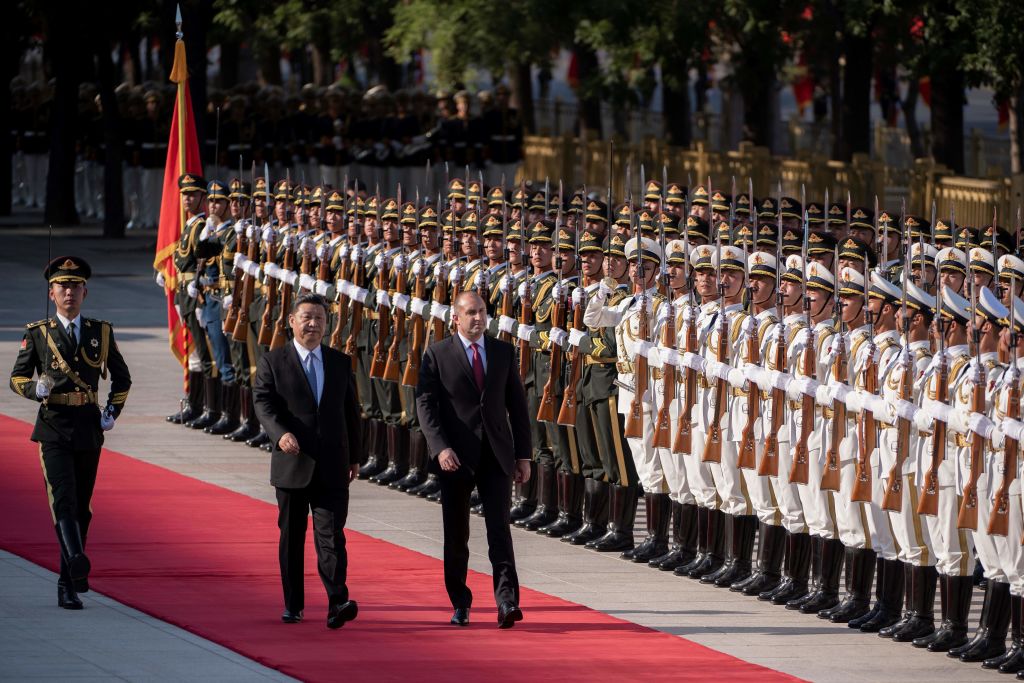
Strategic competitors in search of China: The story of Romania and Bulgaria
Romanian and Bulgarian interests have diverged on many occasions throughout history, but their outlooks have recently become more aligned. For one thing, both countries have fostered a competitive dynamic to exploit their advantageous position near the Black Sea, or to join the EU and the Schengen Area. Their narratives regarding China are also similar.
Turkey, the Gulf, and Libya: The economic impact of a growing geopolitical divide
Turkish support for the Tripoli-based Government of National Accord (GNA) in the Libyan civil war has added a new dimension to relations between Turkey and Gulf countries like the United Arab Emirates (UAE) and Saudi Arabia. But what impact have the growing geopolitical divides and diplomatic disagreements had on Turkish-Emirati and Turkish-Saudi economic relations?
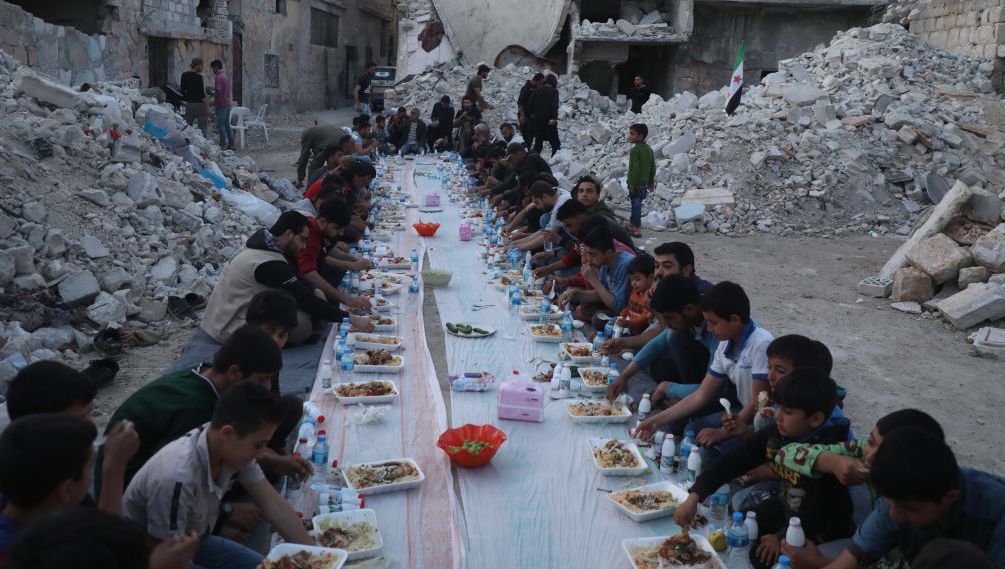
Syrians respond to COVID-19 with renewed volunteer and community efforts
With an economy already on the brink of collapse and a shocking devaluation of the Syrian pound — hitting 3,175 pounds to the dollar earlier this month — the COVID-19 pandemic has come at an exceptionally dangerous time in Syria.
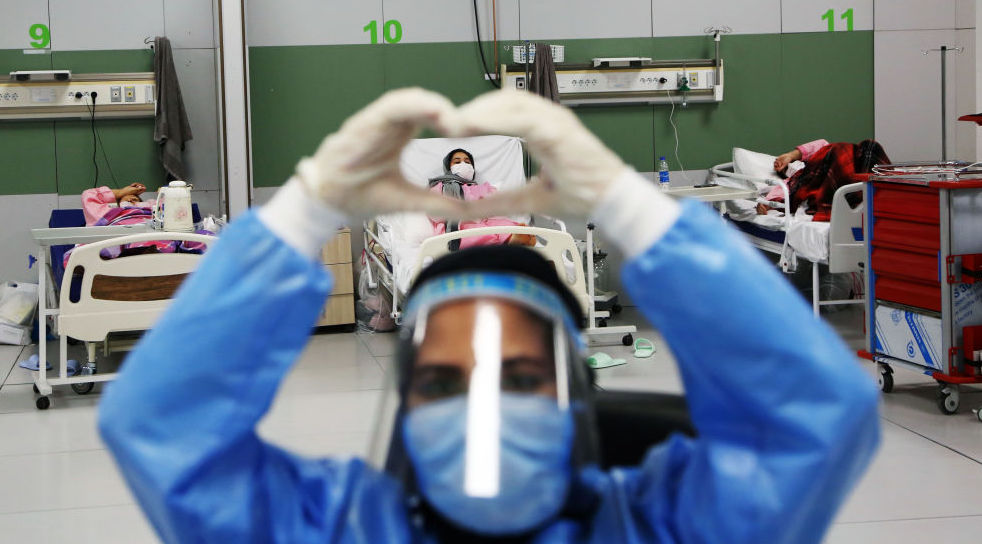
Dancing during the pandemic: Despite restrictions, music and dance retain a central role in Iranian society
Since the outbreak of the COVID-19 pandemic, music and dance have become increasingly common in Iran’s hospitals and on its streets. Long disallowed in public after the Islamic revolution of 1979, they have become both a source of support for Iranians during difficult times and a way of resisting the regime.
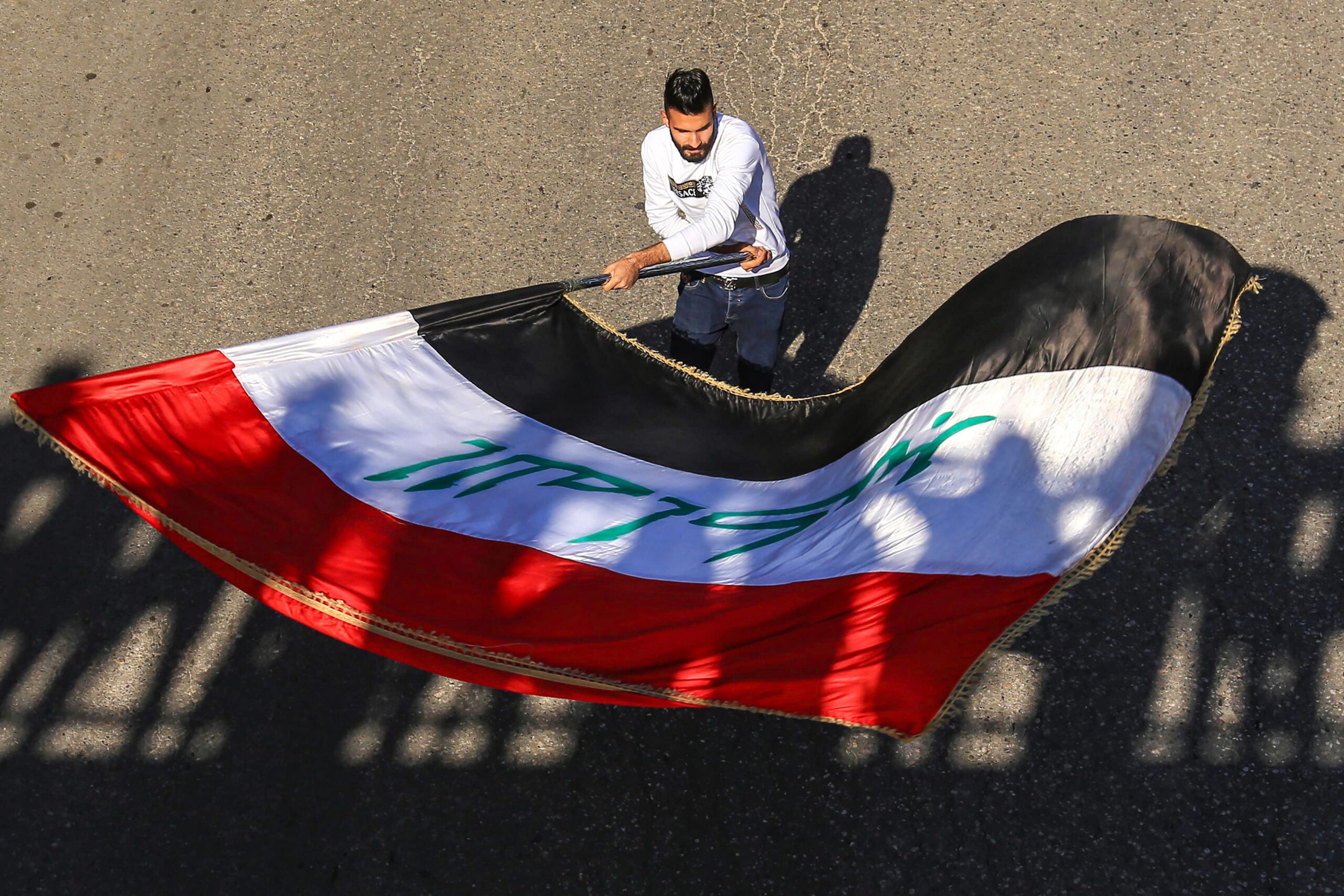
Nation or Religion? Iraq’s Hybrid Identity Politics
Is Iraqi society structurally sectarian? Or does it have a strong capacity of resilience to sectarian trends? This article explores the nature of Iraq’s political sociology by examining several key indicators: the composition and aspirations of Iraqi society; the nature of the parliament; and the challenges that current Prime Minister Mustafa al-Kadhimi faced as he tried to form a government in spring 2020.