This individual is a guest contributor. MEI is not able to assist with contact requests.
Attiya Ahmad is Georgetown University’s 2009-10 Center for International and Regional Studies Post-Doctoral Fellow. She recently completed her PhD in Cultural Anthropology at Duke University. Dr. Ahmad’s work brings together scholarship on Islamic studies, globalization, diaspora and migration studies, economic anthropology, and political economy.
Heightening Tension between U.S.-led Coalition and Iran-led Forces in Syria
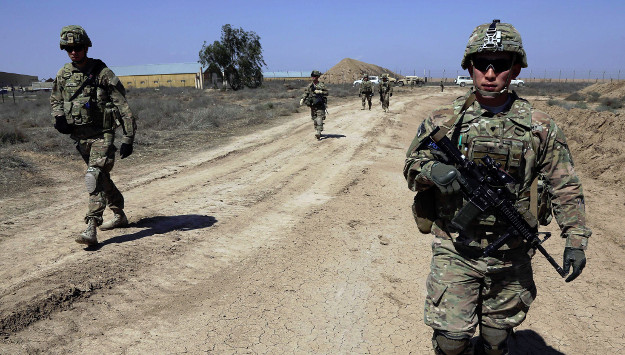
Just hours before the news of U.S. airstrikes in Syria broke out, Iran’s Fars News Agency (F.N.A.) reported that the Lebanese Hezbollah had dispatched 3,000 fighters near the border-crossing al-Tanf passageway along Syria’s borders with Iraq and Jordan to “thwart the U.S. plots” and take the control of the Palmyra-Baghdad road.
I.R.G.C. Outlet: Iran’s “Military Diplomacy” Forced Pakistan to Take Action against Terrorists
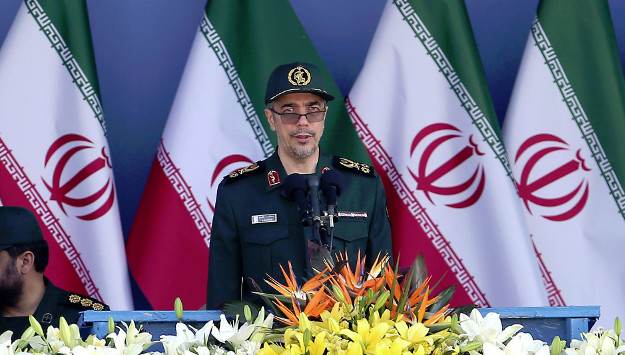
An article in Tasnim News Agency says Iran’s “military diplomacy” was instrumental in compelling Pakistan to take concrete actions against terrorist groups. “After the attack by terrorist groups that martyred 10 Iranian border guards, it was the powerful words of Major General [Mohammad] Bagheri that made Pakistani political leaders to take practical actions to control the borders,” wrote the outlet, which is affiliated with the Islamic Revolution Guards Corps (I.R.G.C.).
Accusations are mounting that Iran is ramping up its engagement with the Taliban in Afghanistan. Like a lot of Iran’s murky foreign policy, it is difficult to separate the wheat from the chaff. The three questions that need to be answered to clear up the murky relationship between Iran and the Taliban are: why the change in Iran’s policy; when did this policy change occur; and what is the level of support afforded to the Taliban?
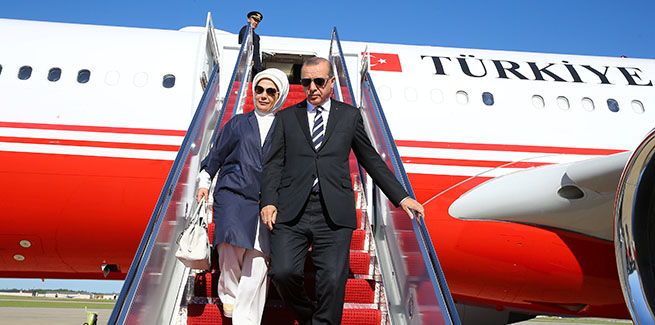
President Recep Tayyip Erdogan will meet President Donald Trump as a frustrated and disappointed man. His hopes for a clean slate after strained relations with President Barack Obama have been dashed as Trump has endorsed his predecessor’s policies against key Turkish demands. Importantly, Trump last week approved an Obama era plan to arm Syrian Kurds in preparation for the upcoming battle to retake Raqqa from ISIS.
The India-U.A.E. Strategic Partnership in Regional Context: A Zero-Sum Game?
Since the government of Narendra Modi took office in 2014, India and the U.A.E. have moved relatively quickly to consolidate their existing ties and to explore new areas of cooperation. During this time, they have elevated the relationship to a comprehensive strategic partnership, with the expressed intention of extending their cooperation to the security and defense spheres. This essay discusses these recent developments, with particular attention to the role of Pakistan as a constraining factor in India-U.A.E. relations going forward.
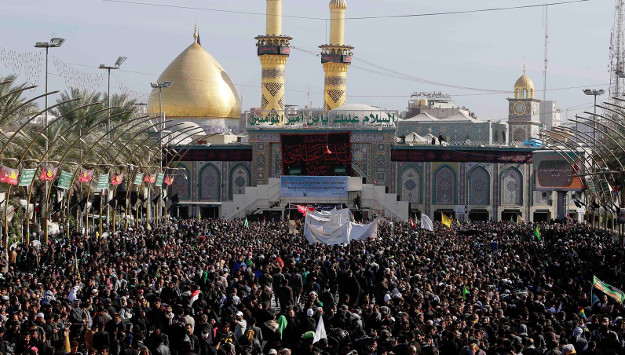
Iran’s Envoy to Iraq Meets with Senior Religious and Political Leaders in Karbala
On Monday, Iranian Ambassador to Baghdad Iraj Masjedi traveled to the holy city of Karbala and held meetings with senior Iraqi government officials and religious leaders, the
I.R.G.C. Outlet: U.S. Eyes Post-ISIS Military Presence in Iraq and Syria to Counter Iran
A lengthy report in Fars News Agency (F.N.A.), an outlet close to the Islamic Revolution Guards Corps (I.R.G.C.), claims that the United States is seeking to contain the growing influence of Iran and its proxies in Iraq and Syria by increasing its military presence in northern and southern Syria and keeping
Iran’s Defense Minister Cautions about Anti-Iran “Arab NATO” by U.S. and Its Allies
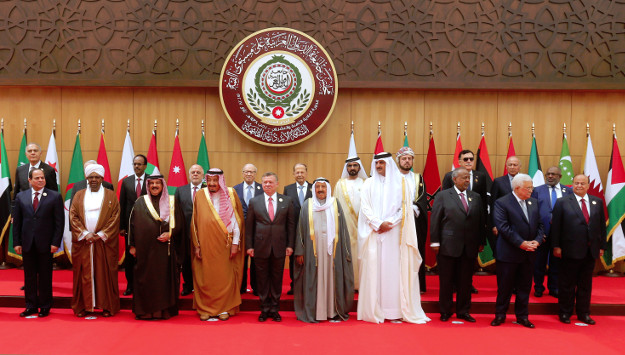
President Donald Trump’s planned trip to Saudi Arabia has triggered concern in Tehran. Iranian officials and media outlets appear to be particularly troubled by Riyadh’s decision to invite leaders of dozens of Muslim countries to attend a summit with the American president. Many Iranian leaders and analysts say Washington, Israel and Sunni Gulf nations want to establish an “Arab NATO” or “American-Arab NATO” to confront Iran’s power and influence in the region.
Hardliners Question Rouhani’s Pledge to Remove Remaining Sanctions if Reelected
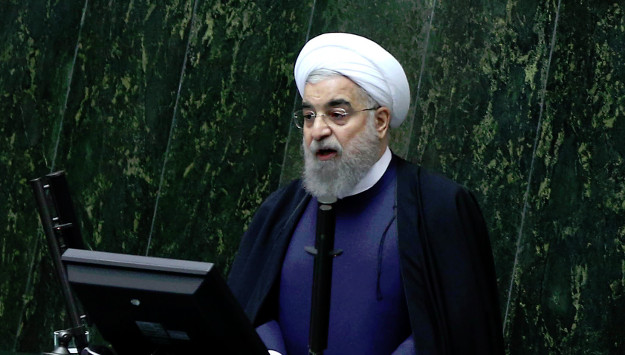
The hardline Iranian media – particularly outlets affiliated with the Islamic Revolution Guards Corps (I.R.G.C.) – has attacked President Hassan Rouhani for pledging to make efforts to remove remaining U.S. sanctions against Iran if reelected.
Syria Talks Resume in Geneva; Saudis to Give Warm Welcome to Trump; Qalibaf Withdraws from Iran Presidential Race
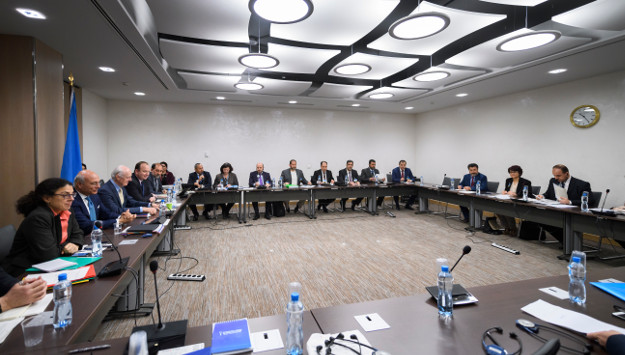
In this week’s Monday Briefing, MEI experts Charles Lister, Gerald Feierstein, Eran Etzion, and Alex Vatanka provide analysis on recent and upcoming events including the resumption of Syria talks in Geneva, President Trump’s upcoming visit to Saudi Arabia and Israel, and the latest developments in the home stretch of Iran’s presidential election.