This individual is a guest contributor. MEI is not able to assist with contact requests.
Attiya Ahmad is Georgetown University’s 2009-10 Center for International and Regional Studies Post-Doctoral Fellow. She recently completed her PhD in Cultural Anthropology at Duke University. Dr. Ahmad’s work brings together scholarship on Islamic studies, globalization, diaspora and migration studies, economic anthropology, and political economy.
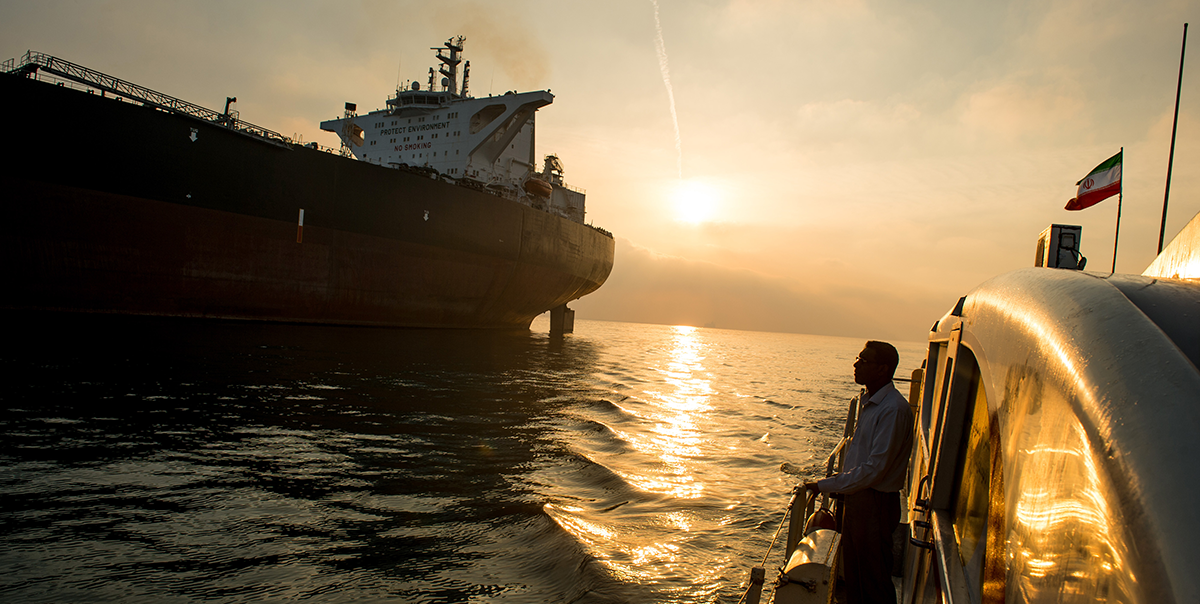
Despite new sanctions measures, targeting Iranian oil sales is a lose-lose proposition for the US
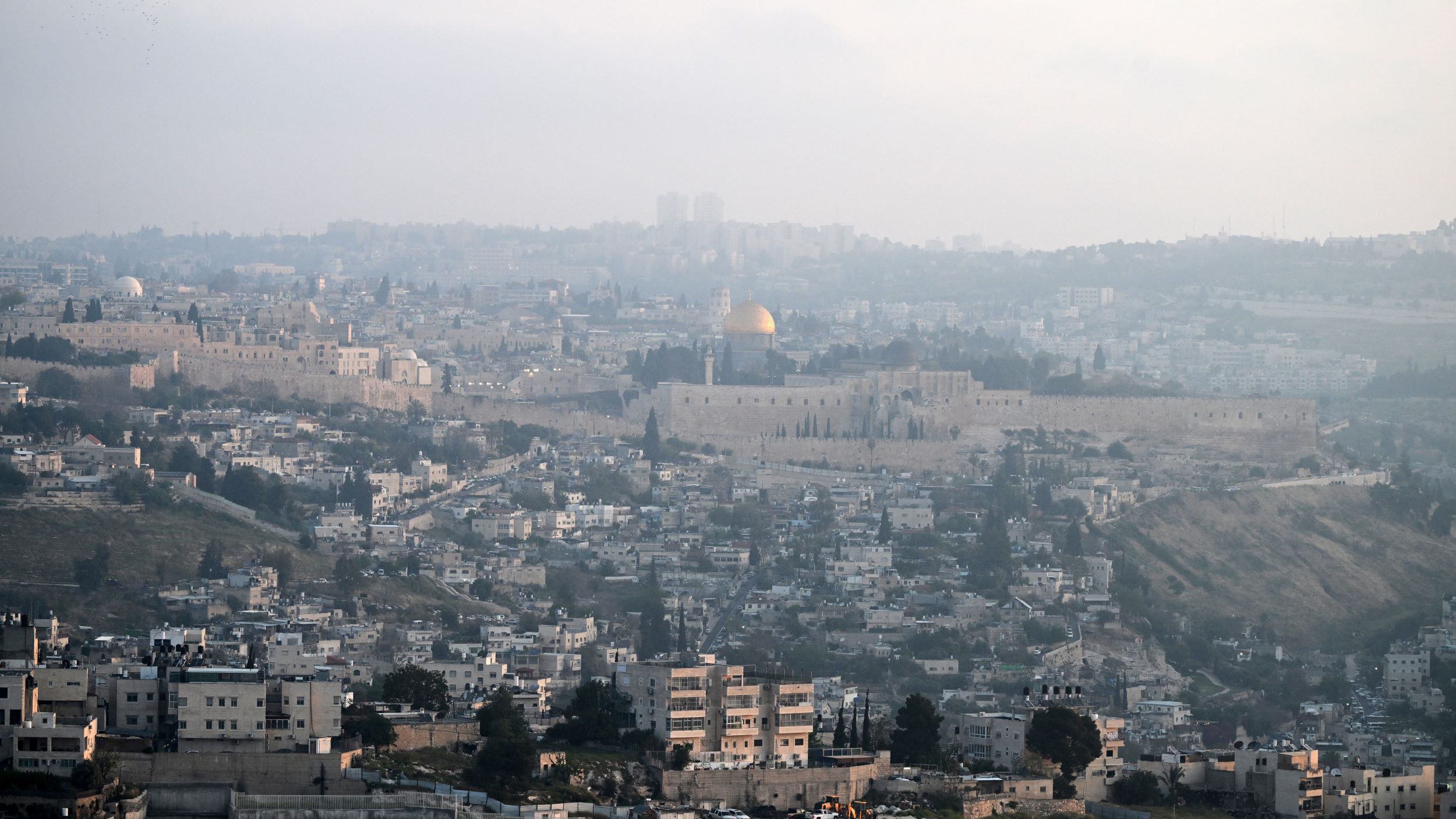
On April 21, the US House of Representatives passed the long-awaited aid package for Israel, Ukraine, and Taiwan. The legislation contained another long-sought-after measure: authority for the US government to tighten restrictions on Iran’s oil exports. But in truth, aggressive US action remains unlikely and there are powerful operational, strategic, and political barriers preventing the US from shutting down Iran’s oil trade or hindering it in a material way.
The Hadramawt National Council: A strategic move or a tactical reaction?
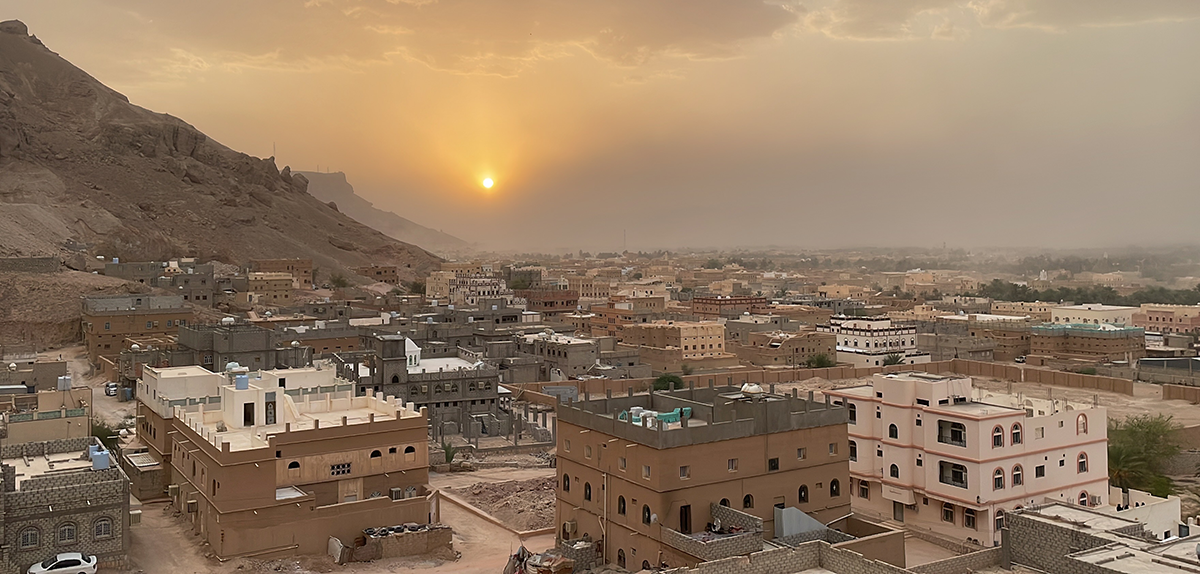
Yemen’s eastern governorate of Hadramawt has long had a distinct regional identity and recent steps, including the signing of a Hadrami Honor Charter and the formation of the Hadramawt National Council (HNC), have underscored Hadramis’ aspirations for greater empowerment and autonomy at a time of growing competition and contestation, both locally and regionally.
Circus of Parties: The COP is broken but it is the only show in town
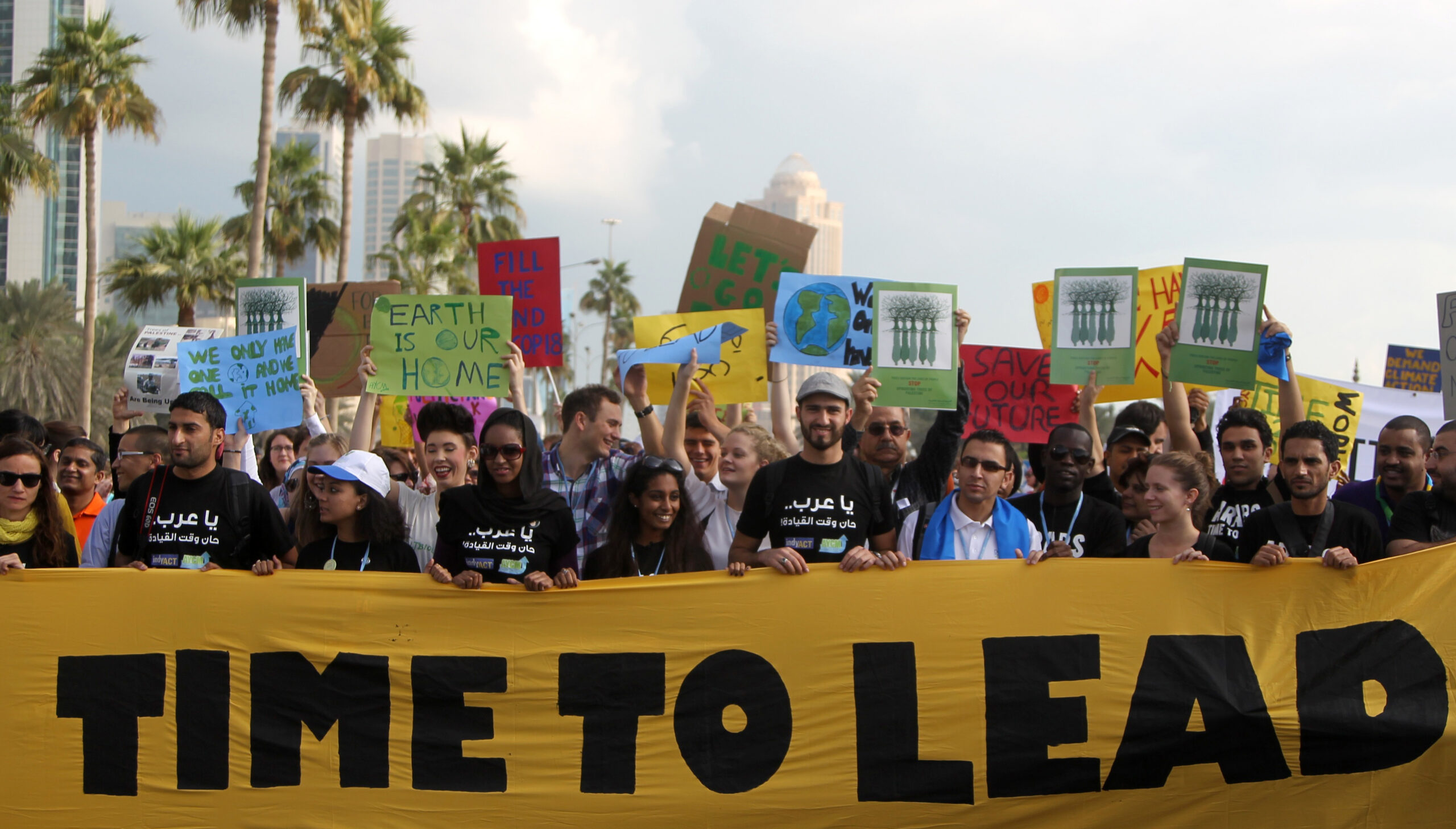
COP28 was billed as our last best chance to get the world’s act together and save our chances of limiting warming to 1.5 degrees Celsius. However, the final outcome fell far short of the commitments so desperately needed to keep the target alive. The future of COP lies in refocusing on its fundamental objective: ensuring that countries are held accountable to science-based targets that prioritize the needs of vulnerable communities most affected by climate change.
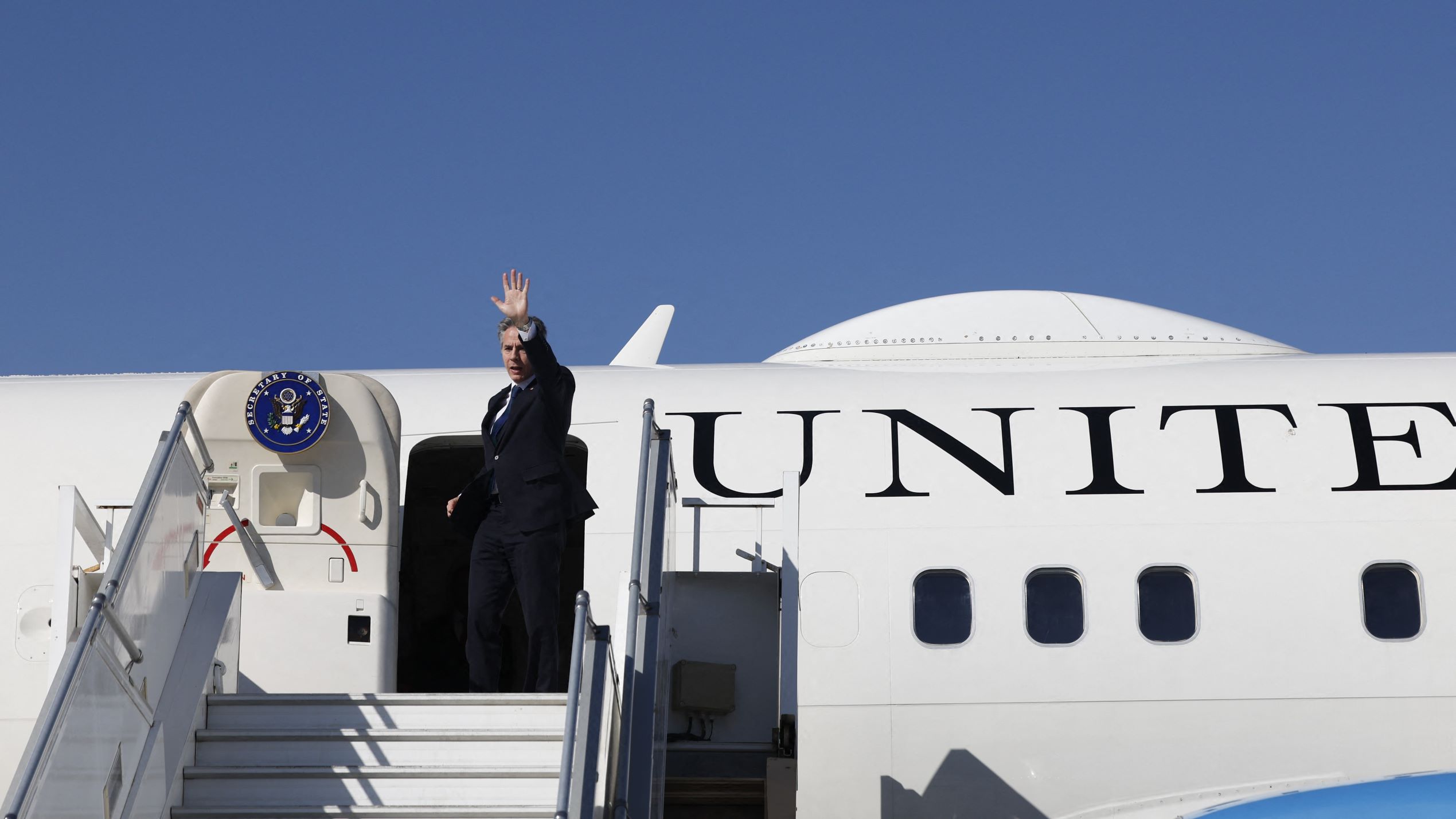
The Biden Administration’s Middle East Policy at a Time of War: An Assessment of US Policy Six Months Into the Israel-Hamas War
The Biden administration set forth five main objectives in reaction to the Oct. 7 Hamas attack against Israel and ensuing war in the Gaza Strip. Six months into the Israel-Hamas war, the Biden administration has not achieved enough progress toward these goals, although it has avoided some of the worst-case scenarios. Success is hampered in part by tensions stemming from the fact that some of the tactics and policy approaches are at odds with each other.
The worst forgotten conflict in the world: Sudan’s civil war one year on
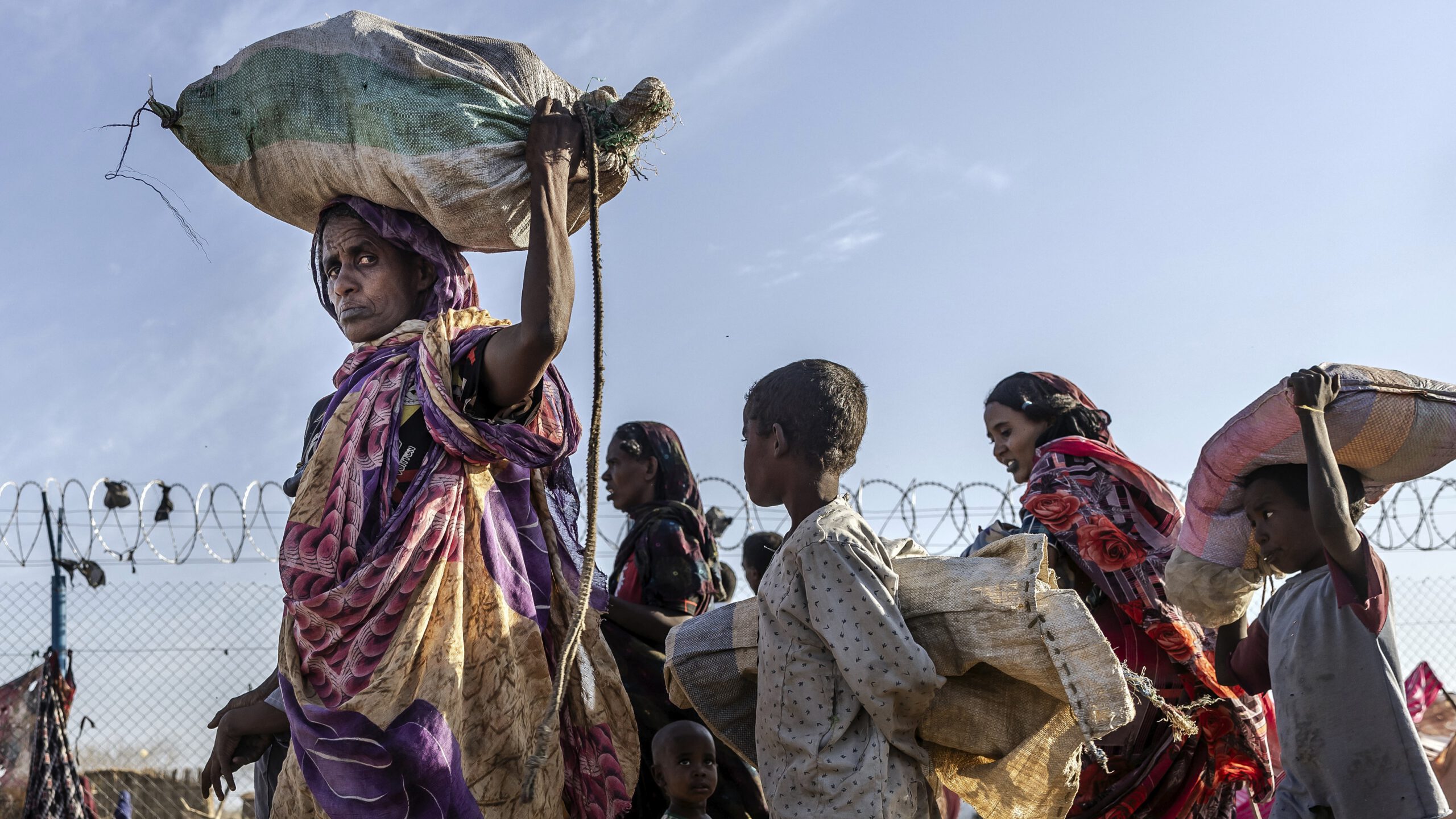
This week marks one year of Sudan’s brutal civil war, when the Sudanese Armed Forces (SAF) and the paramilitary Rapid Support Forces (RSF) started battling in the capital city of Khartoum. Far from silencing their guns, the two sides continue to fight fiercely to devastating effect; and with scant global attention or outcry, the Sudanese war has quickly become the world’s worst forgotten conflict.
Iraq’s prime minister will toe a fine line in Washington visit
Prime Minister Sudani has been delicately balancing between maintaining bilateral relations with Washington and ensuring political support for his cabinet from pro-Iran hardliners in Baghdad. Both sides have conflicting expectations from the prime minister, and delivering on his promises will come down to his ability to convince each to compromise. But Sudani’s task has now become even more challenging as Iraq finds itself in the middle of direct confrontation between Iran and Israel.
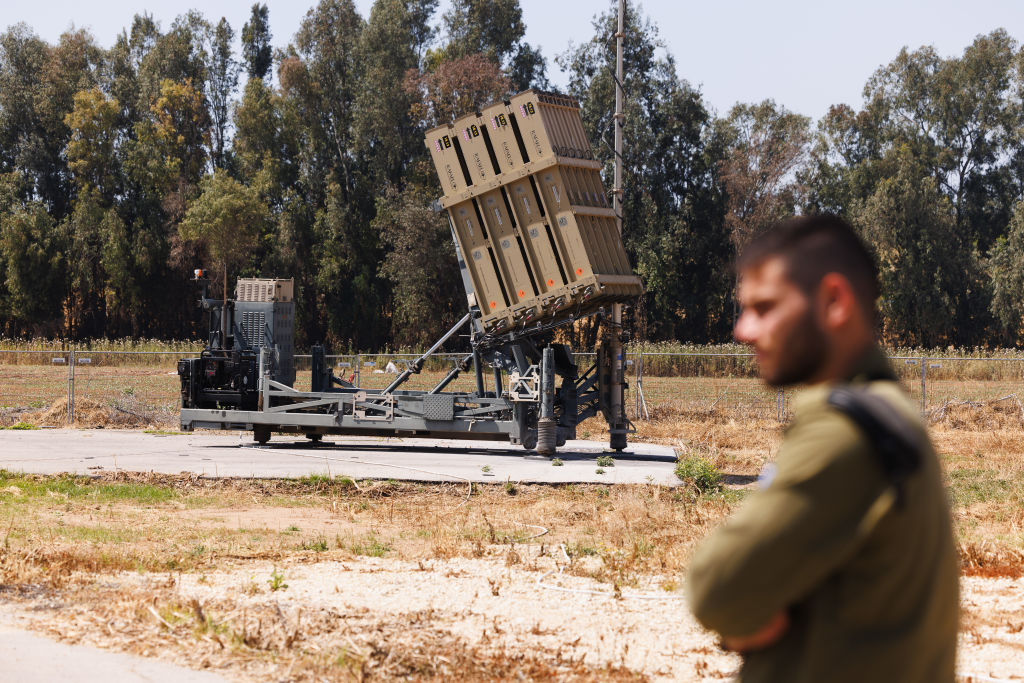
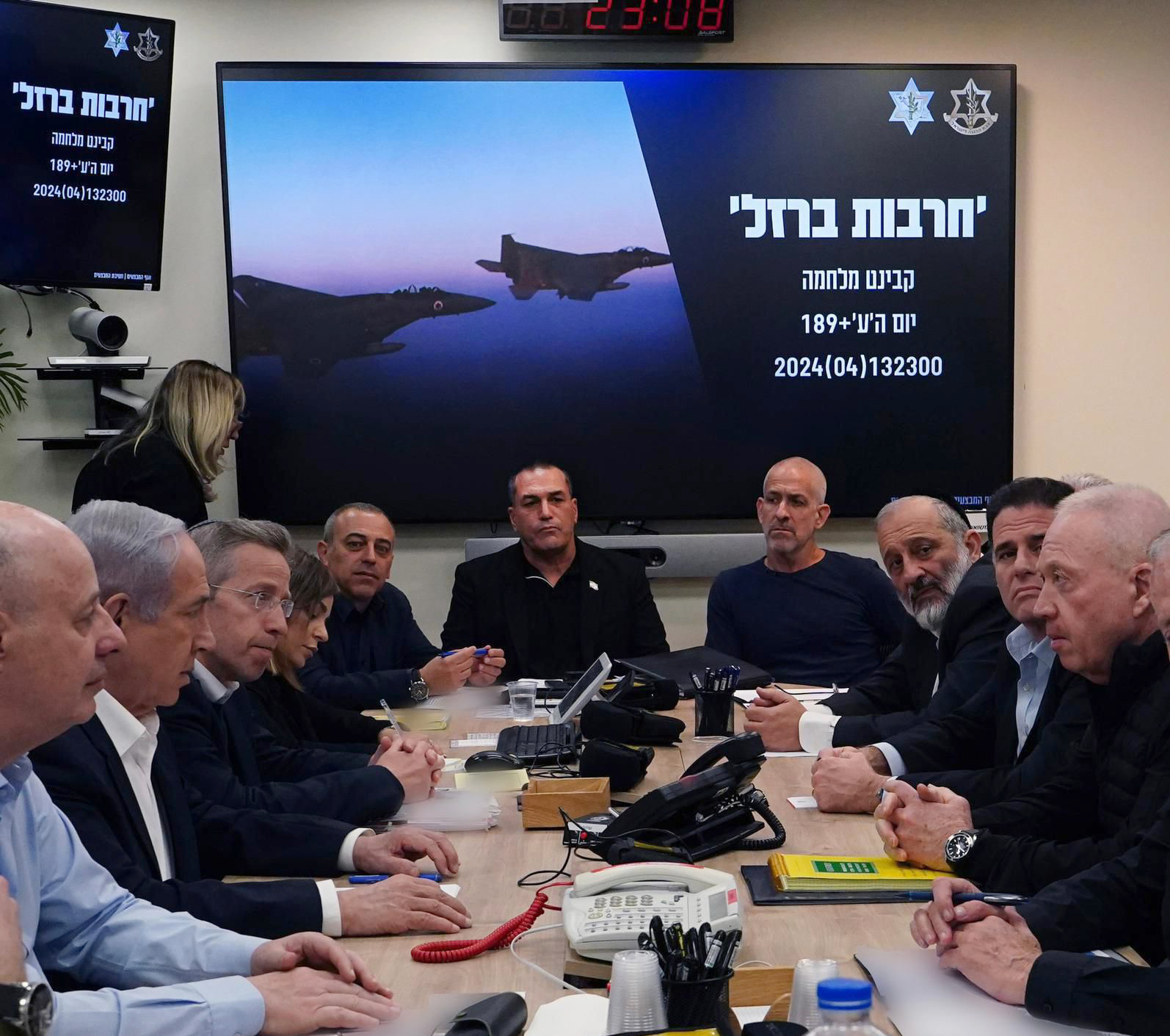
After scoring important points by blocking Iran’s attack, Israel should draw the right lessons from its success
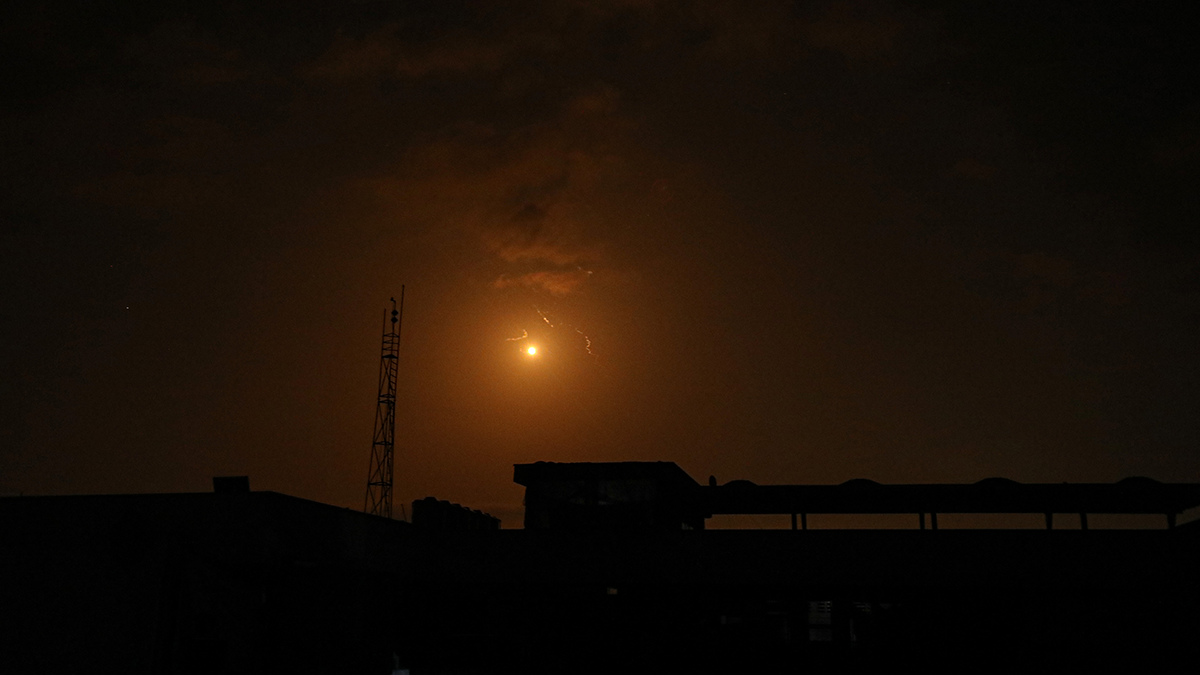
The Iranian strike against Israel was a first of its kind. Its mere occurrence sets a precedent that will have a long-term impact and require Israel to weigh new considerations when planning future military operations against Iranian assets.
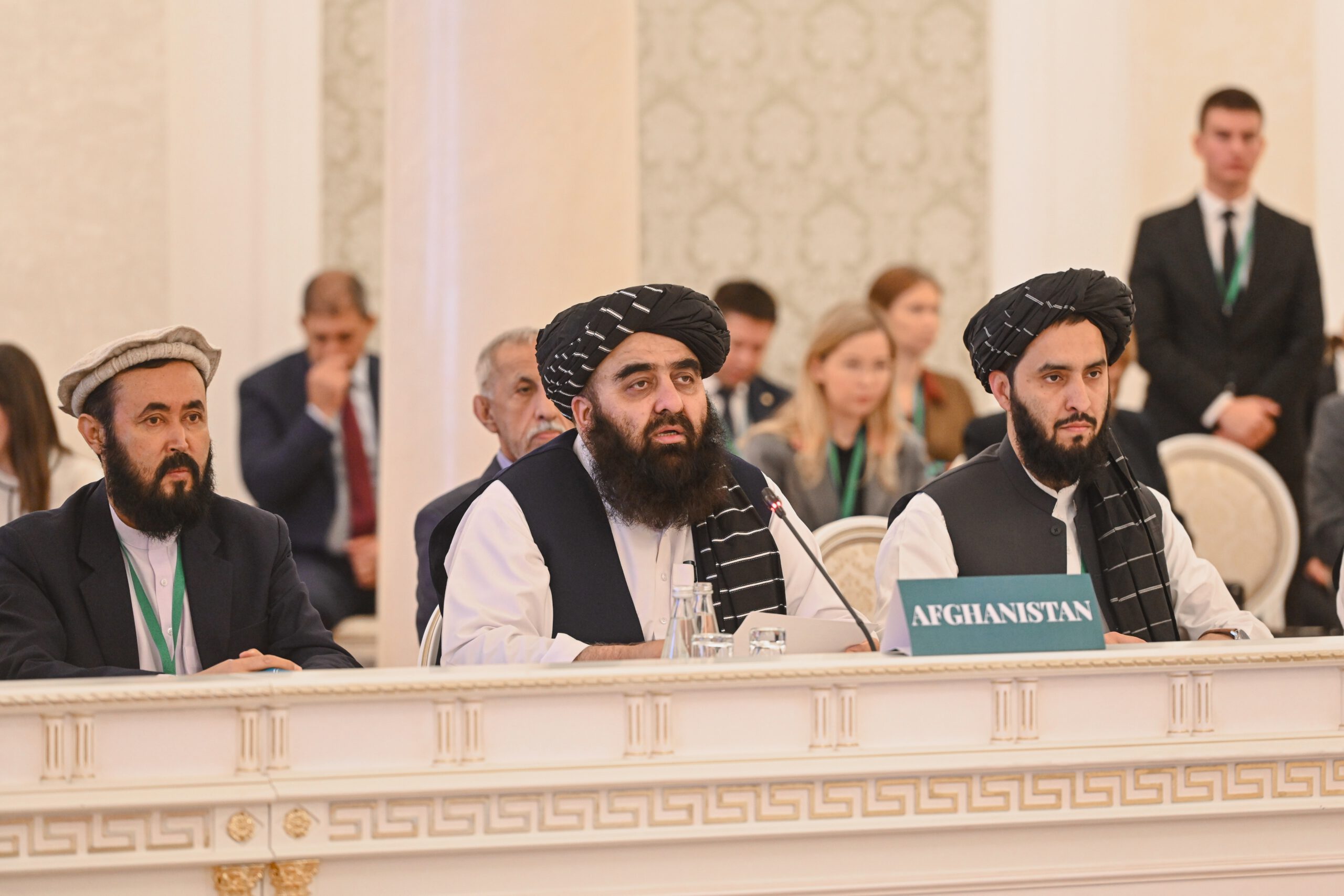
Though Tehran continues to engage the government in Kabul in a pragmatic fashion, Iran and the Taliban are not traditional friends or allies; they share an uneasy relationship. There is a sectarian angle to their differences and a long-standing dispute over water resources. Yet Iran has sought to normalize relations due to broader geopolitical considerations, security concerns, and perceived economic opportunities.